

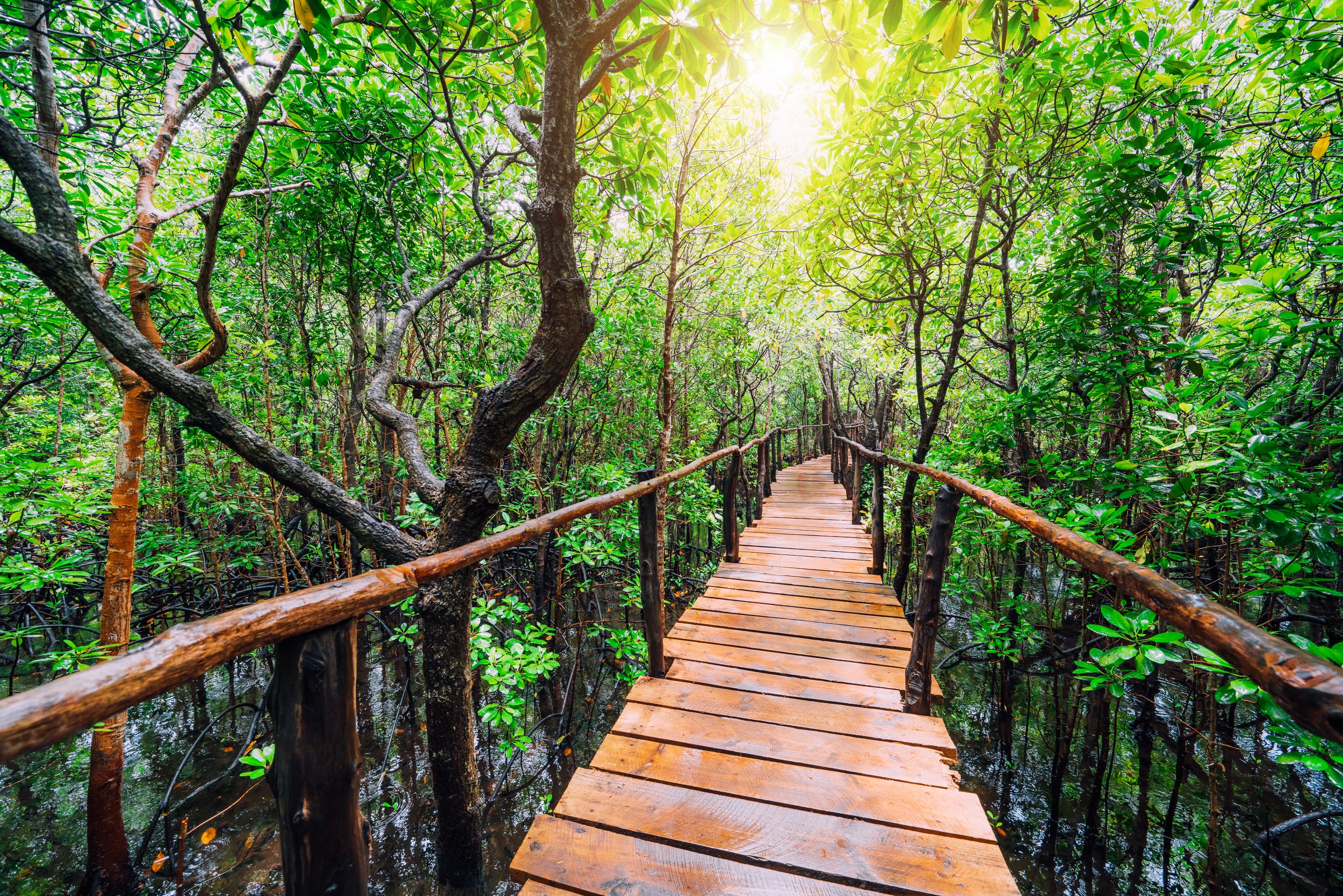
Jozani Chwaka Bay National Park in Zanzibar is a nature lover’s paradise, offering a range of exciting activities and experiences for visitors. From encountering rare wildlife to exploring diverse ecosystems, there’s something for everyone to enjoy.
Here are the best things to do in Jozani Chwaka Bay National Park during your visit in 2025/2026:
Observe the Red Colobus Monkeys
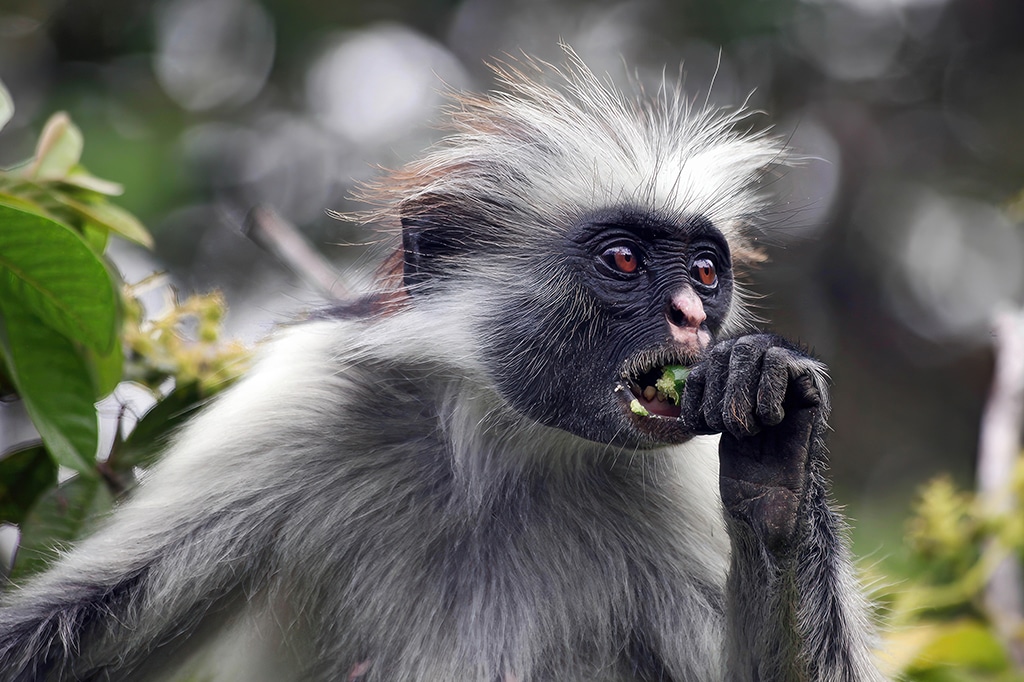

1. Witness the Unique Red Colobus Monkey
Jozani Chwaka Bay National Park is renowned for its population of red colobus monkeys, an endangered primate species found only in Zanzibar. These captivating creatures, with their vibrant red fur and long white tufts of hair, offer a mesmerizing sight as they swing through the treetops and playfully interact with each other.
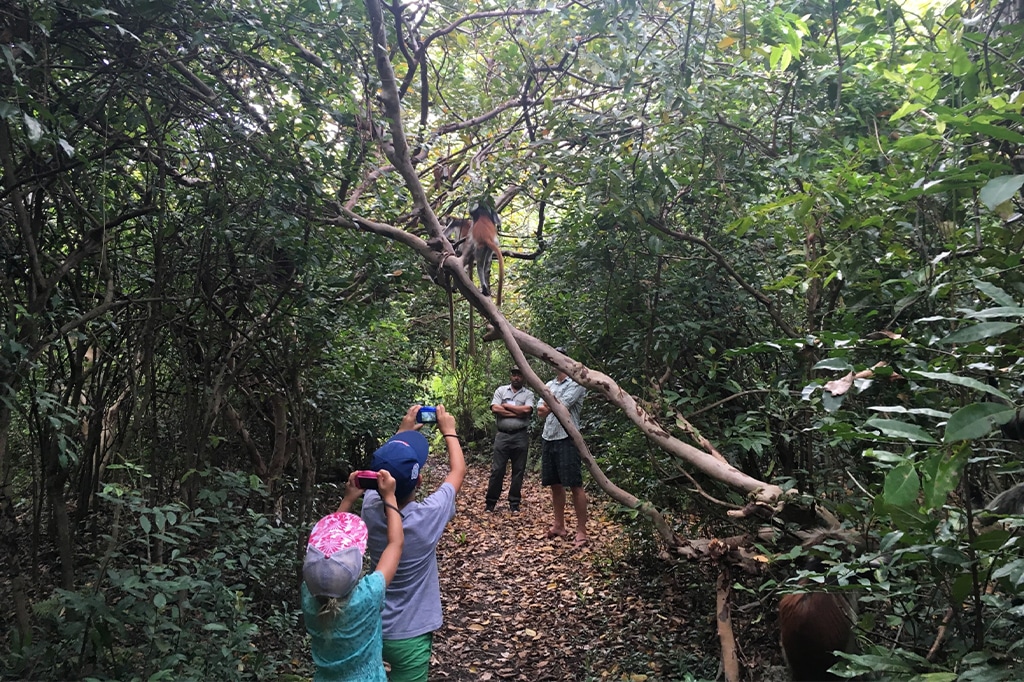
Participating in a guided tour or venturing along designated trails offers the opportunity to observe the lively Red colobus monkeys. These captivating animals can be seen leaping through the treetops, interacting within their social group, and munching on leaves and fruits.
Observing their natural behavior in their native environment is truly a remarkable sight. This unforgettable experience is a highlight for visitors exploring Jozani Chwaka Bay National Park.
2. Learn About Conservation Efforts
A visit to Jozani Chwaka Bay National Park offers more than just wildlife viewing; it provides an opportunity to learn about critical conservation work geared towards protecting the Red colobus monkeys. Participating in guided tours and educational programs offers insights into the natural and human-influenced challenges these unique monkeys encounter.
Information about the various efforts to guarantee their survival is shared, enriching visitors’ understanding. Engaging in conversations with local conservationists deepens this knowledge. These discussions highlight the importance of safeguarding their natural habitats. Overall, it emphasizes the broader message of wildlife preservation for the appreciation and education of future generations.
Explore the Nature Trails in Jozani Chwaka Bay


1. Wander Through Mangrove Forests
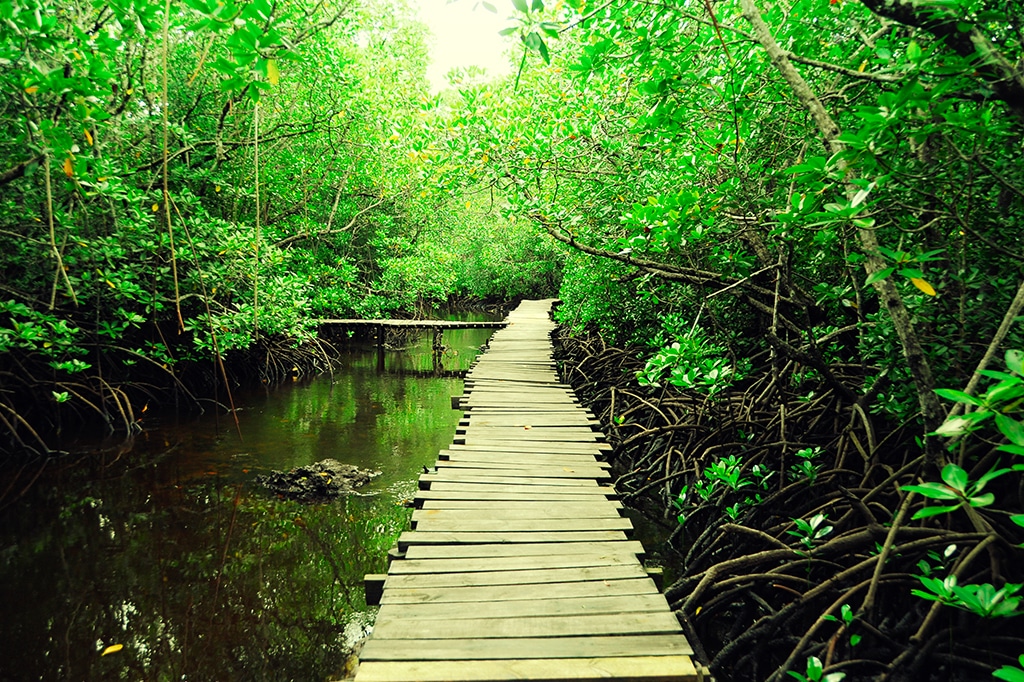
Jozani Chwaka Bay National Park boasts expansive and ecologically crucial mangrove forests, which offer a visually breathtaking experience. The park provides well-maintained trails and boardwalks for a stroll through these beautiful forests. As you walk, you’re immersed in the serene atmosphere of the shimmering mangroves.
Take time to marvel at the complex root systems, a unique feature distinguishing mangroves from other trees. Tune in to the sound of rustling leaves as the coastal breeze winds through the forest. Keep an eye out for the diverse bird species in these coastal forests, contributing to the park’s rich biodiversity.
2. Discover Scenic Wetlands
Jozani Chwaka Bay National Park’s wetlands support many flora and fauna, contributing significantly to the park’s biodiversity. Venture into the park’s wetland areas, easily identified by their dense vegetation and profusion of bird species. Watch for wading birds such as herons and egrets gracefully moving through the shallow waters.
You may also glimpse the vibrant kingfishers, characterized by their bright colors, as they dart in and out of the water. The tranquil beauty of the wetlands creates a serene backdrop that will captivate nature lovers and photographers. This exploration promises an enriching experience within an evocative natural setting.
3. Appreciate the Coral Rag Scrublands
In addition to gracing visitors with its lush forests and wetlands, Jozani Chwaka Bay National Park offers impressive views of its coral rag scrublands, thus highlighting yet another facet of the park’s vast ecological diversity. These rocky terrains serve as a habitat for numerous plant species, each uniquely adapted to thrive under harsh environmental conditions.
While traversing these scrublands, take the time to acknowledge the resilience of its plant life, growing stubbornly amidst sharp rocks. Learn about their essential role in maintaining the park’s ecological balance. This side of the park serves as an exciting contrast and adds to its rich biodiversity. It reminds us of nature’s tenacity and diversity.
Take a Guided Nature Walk in Jozani Chwaka Bay
1. Learn About the Flora and Fauna
In addition to gracing visitors with its lush forests and wetlands, Jozani Chwaka Bay National Park offers impressive views of its coral rag scrublands, thus highlighting yet another facet of the park’s vast ecological diversity. These rocky terrains serve as a habitat for numerous plant species, each uniquely adapted to thrive under harsh environmental conditions.
While traversing through these scrublands, take the time to acknowledge the resilience of its plant life, growing stubbornly amidst sharp rocks. Learn about their essential role in maintaining the park’s ecological balance. This side of the park serves as an exciting contrast and adds to its rich biodiversity. It serves as a reminder of nature’s tenacity and diversity.
2. Gain Cultural Insights
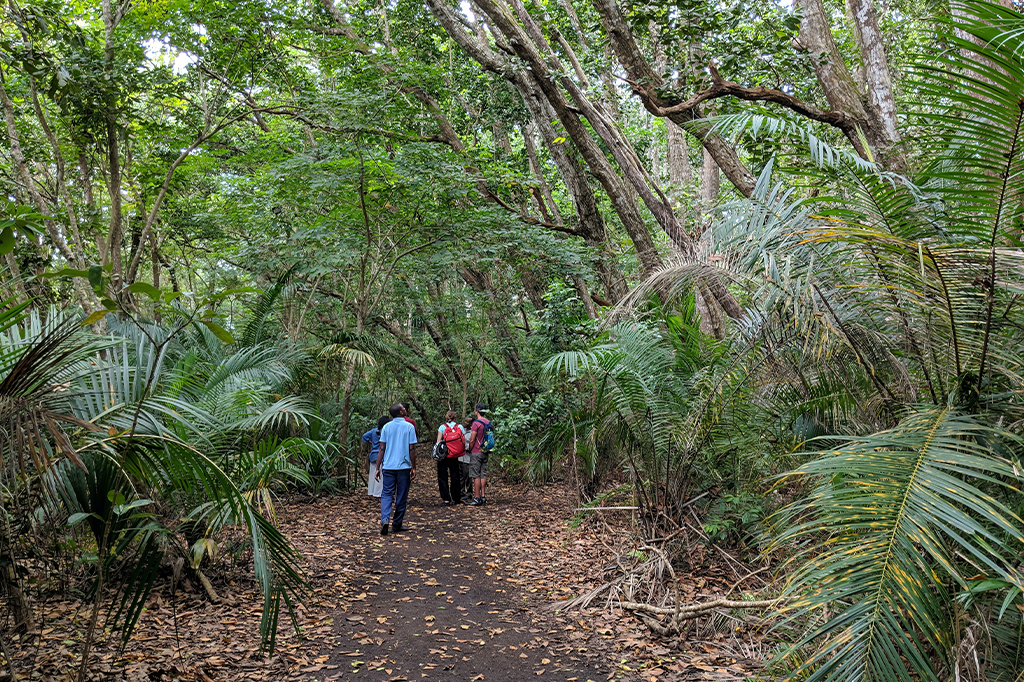
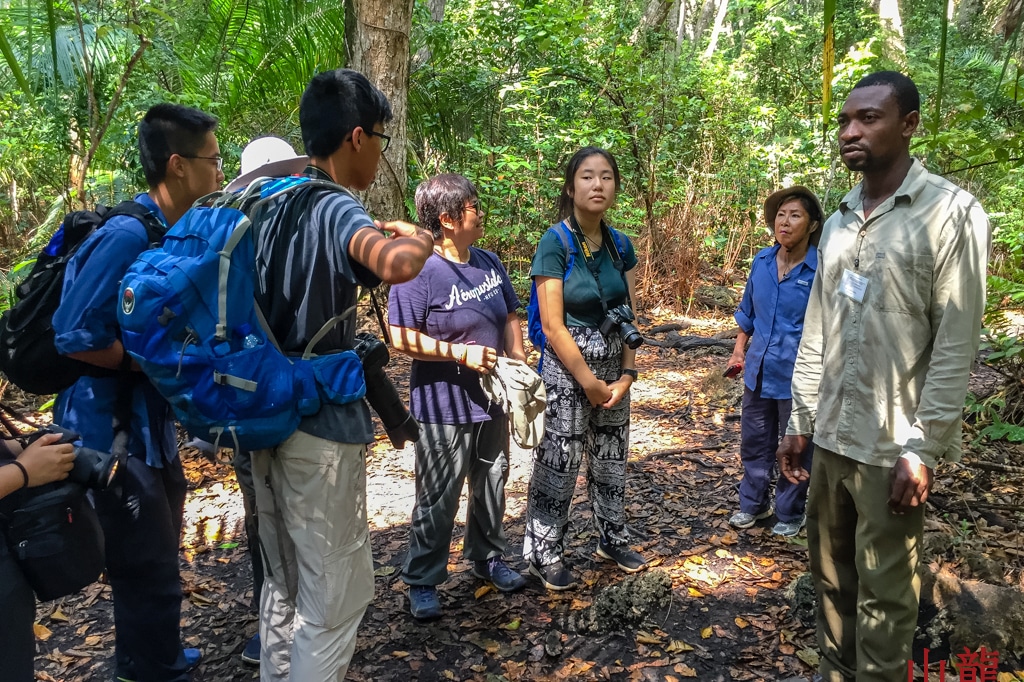
In addition to introducing you to the park’s natural beauty and rich biodiversity, guided nature walks at Jozani Chwaka Bay National Park offer insights into the local culture and history. Park rangers often enrich the tour by sharing the lore of the land, its particular significance for local communities, and traditional interactions with nature.
These narratives bring a cultural dimension, providing a holistic view of the park. Understanding this intricate link between nature and culture deepens your experience, enhancing your appreciation of the tour. Hence, the park stands as a symbol not only of ecological significance but also as a rich cultural heritage site. Each visit becomes a journey intertwining nature’s splendor and intriguing cultural nuances.
Explore the Mangrove Boardwalk
1. Walk Among the Mangrove Trees
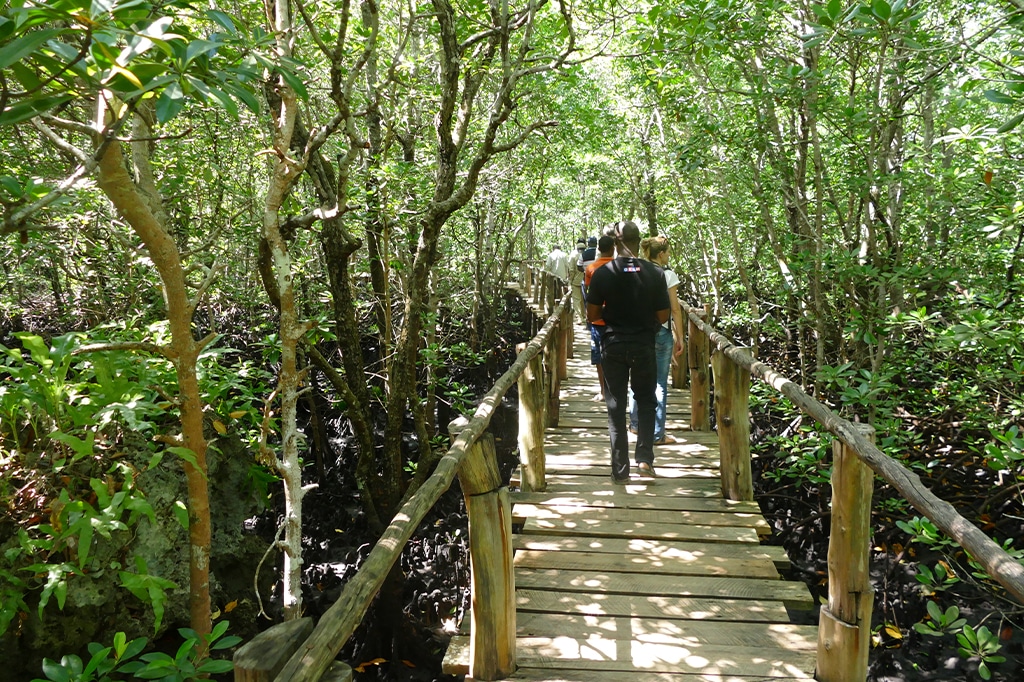
The mangrove boardwalk, one of the unique attractions at Jozani Chwaka Bay National Park, offers visitors the chance to stroll through the mangrove forest and survey the fragile ecosystems closely. As you venture along the elevated walkways, you’ll be struck by the elaborate root systems that support the trees and serve as essential habitats for many species.
Pause to revel in the mangroves’ exceptional beauty, a delightful departure from the plethora of land-based forests. Allow the harmony of nature’s sounds to permeate your senses as you meander through this extraordinary environment. The soothing atmosphere enveloping the mangroves creates lasting memories long after your visit.
2. Learn About Mangrove Conservation
The mangrove boardwalk at Jozani Chwaka Bay National Park does more than offer views of breathtaking beauty; it extends its role to serve as a crucial educational platform. Posted along the boardwalk are information boards that emphasize the core role of mangroves in stabilizing coastlines and offering habitats for diverse marine life. These boards also shed light on how mangroves contribute significantly to combat the effects of climate change.
You’re presented with an opportunity to deeply comprehend the ecological importance of mangroves within the broader environmental matrix. The information further highlights the pivotal conservation efforts ongoing to safeguard these critical ecosystems. Thus, walking the boardwalk is as much an enriching educational experience as it is a peaceful and serene stroll.
Birdwatching


1. Spot a Variety of Bird Species
Jozani Chwaka Bay National Park serves as a bird watcher’s haven, with its varied habitats drawing an extensive assortment of bird species. This park caters to everyone, whether you’re an expert birdwatcher or a beginner, presenting numerous opportunities to spot and admire various vibrant and unique bird species.
Keep an eye out for the mighty African fish eagle soaring high above the wetlands, spot the vibrantly colored malachite kingfisher perched onto the branches of the mangroves, and the graceful grey-headed kingfisher hunting stealthily for its prey. The park’s myriad bird species allow for endless photography prospects, capturing their natural elegance and vibrant colors. Engaging in birdwatching at the park endows you with a glimpse into the world of avian diversity, promising an enveloping and enthralling experience.
2. Learn About Bird Behavior and Ecology
The birdwatching experience at Jozani Chwaka Bay National Park isn’t merely an exercise of checking off species from a list. It is a doorway to deepen your understanding of the intriguing aspects of bird behavior, their migration patterns, and intricate ecological interactions. Avail the guidance of skilled guides who offer a wealth of information about the park’s diverse birdlife.
Delve deeper into the adaptations unique to these birds that enable them to survive in their specific habitats and discover their critical roles within the park’s ecosystem. Birdwatching morphs into an exceptional educational journey filled with awe-inspiring moments that deepen your connection with the magical world of nature.
Final Thoughts
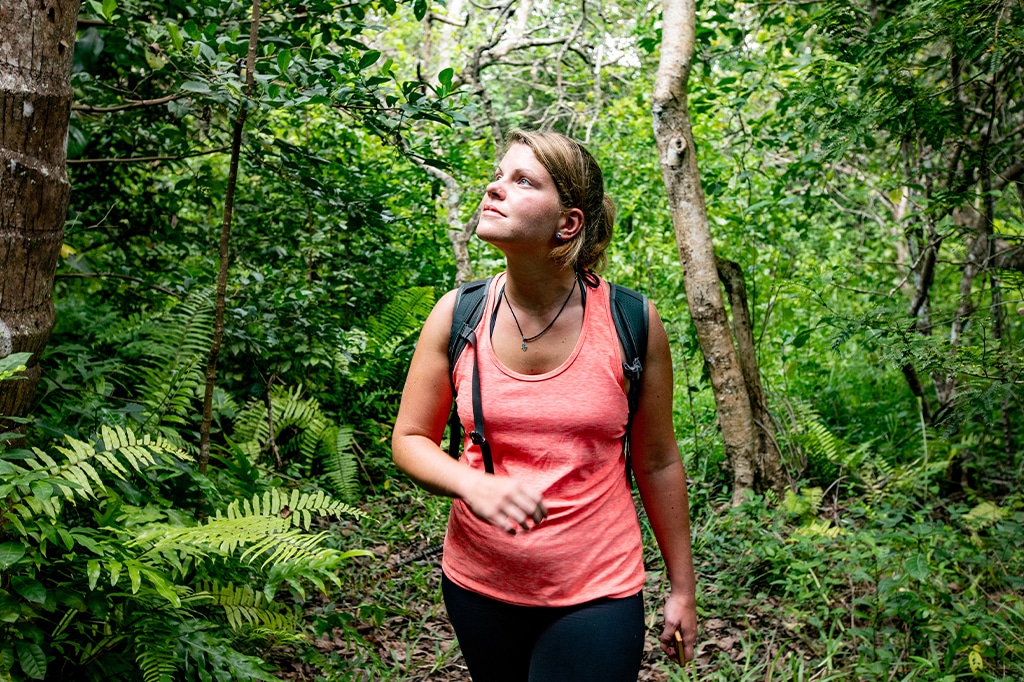
In conclusion, Jozani Chwaka Bay National Park offers visitors a range of exciting activities and experiences. From observing the red colobus monkeys to exploring diverse ecosystems, there’s something for everyone to enjoy. Plan your visit to Jozani Chwaka Bay National Park in 2025/2026 and immerse yourself in the wonders of this remarkable conservation area.
Frequently Asked Questions (FAQs)
1. What is Jozani Chwaka Bay National Park known for?
Recognized for its exceptional biodiversity, Jozani Chwaka Bay National Park is Zanzibar’s only national park and a key tourist attraction. The park is most famed for its Red Colobus Monkeys, a species endemic to the area. It is also home to a unique array of flora and fauna that spans mangrove forests, salt marshes, and a variety of wildlife.
Visitors are often captivated by the park’s natural beauty, the guided walks through the forest, and the charming boardwalk that meanders above a saline creek. The park also plays an instrumental role in conservation efforts on the island. Ultimately, it is an oasis of natural beauty and a haven for various wildlife species.
2. What types of wildlife can I expect to see at Jozani Chwaka Bay National Park?
Jozani Chwaka Bay National Park serves as a refuge for many wildlife species. The park is most recognized for housing the Zanzibar Red Colobus Monkey, a species that is endemic to Zanzibar and nowhere else in the world. Other creatures that inhabit the park include Sykes’ monkeys, bush babies, and different species of small buck and hyrax.
Visitors may also witness a variety of butterfly species and birdlife, including Fischer’s Turaco. The park’s creeks, hosting critical habitats like seagrasses and mangroves, are rich with marine life. Hence, the park provides an incredible opportunity for wildlife spotting.
3. Are there guided tours available in Jozani Chwaka Bay National Park?
Yes, guided tours are a prominent Jozani Chwaka Bay National Park feature. These tours provide an in-depth view of the park’s unique ecosystem and diverse wildlife, led by knowledgeable guides offering exciting insights about its flora, fauna, and conservation efforts. On a tour, you might walk through lush forest trails, explore mangrove swamps, or witness the park’s famous Red Colobus Monkeys. A nature trail also takes you on a picturesque boardwalk set above a marshy salt creek. These tours offer a blend of education and adventure, creating a fulfilling and engaging experience at the park.
4. What are the park’s opening hours?
Jozani Chwaka Bay National Park is open daily from 7:30 am to 6:00 pm. This schedule provides ample flexibility for visitors to explore the park leisurely. You might prefer a morning visit, basking in the daybreak serenity and catching the wildlife during one of their most active periods. Alternatively, an afternoon visit might showcase a different side of the park’s beauty under the warm afternoon glow. Regardless of the time, every visit unfolds unique perspectives of the park’s mesmerizing nature and wildlife.
5. What is the best time of year to visit Jozani Chwaka Bay National Park?
The Jozani Chwaka Bay National Park can be visited anytime, but the best periods might depend on what you aim to see. For instance, the dry season from June to October is an excellent time to visit, as the wildlife is more easily seen amidst the thinner vegetation. However, you can enjoy the park’s vibrant lushness and bird-watching experiences during the wet season, during both “short spots of rain” in November and December and the “long rains” from March to May. Thus, each season presents its unique highlights in this tropical oasis.
6. Can I do bird watching at Jozani Chwaka Bay National Park?
Absolutely! Jozani Chwaka Bay National Park is a fantastic spot for bird-watching, boasting a variety of unique bird species. From the vibrant Fischer’s Turaco with its stunning green and red plumage to the Mangrove Kingfisher, photographers and bird lovers alike are in for a treat. The park’s diverse habitats provide excellent bird-watching opportunities year-round. However, the wet seasons may attract migrating birds, making for a particularly lively experience for avid bird watchers.
7. What are the unique flora that can be seen in this park?
Jozani Chwaka Bay National Park boasts a beautiful array of flora. Most notable is the park’s mangrove forest, an essential habitat for many species. It features several types of mangroves, including Red Mangroves and Black Mangroves. The park also has an abundance of ferns, lichen, and shrubs.
On your walk, you’ll encounter several tree species, such as the Raphia Palm, whose large leaves provide ample shade and whose fibers locals use for weaving. This diverse plant life adds to the park’s beauty and plays a critical role in the local ecosystem.
8. Are there any hiking trails in Jozani Chwaka Bay National Park?
Jozani Chwaka Bay National Park has several trails suitable for pleasant and adventurous hikes. These trails, winding through the lush forest and taking you close to the customary wildlife areas, provide a great way to explore the park’s ecosystems intimately.
Guided walking tours lead visitors through these trails, including an exciting boardwalk path that hovers above a salt marsh ecosystem home to mangroves. Whether you’re a seasoned hiker or just looking for a stroll, the park’s trails cater to a range of skill levels.
9. What should I bring when visiting Jozani Chwaka Bay National Park?
When visiting Jozani Chwaka Bay National Park, there are several must-have items. Firstly, wear comfortable and light clothing suitable for tropical weather, teamed with durable walking shoes.
Bring binoculars for better wildlife and bird watching, a camera to capture unforgettable moments, sunscreen to protect against the African sun, and plenty of water to stay hydrated. It’s also advised to have some insect repellent handy. Last, pack a keen sense of adventure to enjoy the entire park’s immersive experience.
10. Are there places to eat within the park, or should I pack my food?
While there isn’t a restaurant within Jozani Chwaka Bay National Park, there are food and refreshment kiosks at the park entrance. However, packing your food and refreshments might be a good idea, especially if you plan to explore the park’s attractions for an entire day.
Remember to carry plenty of water to stay hydrated during your visit. And importantly, while enjoying your food in the garden, adhere to no-littering policies to maintain the park’s cleanliness and safeguard its ecosystems.
11. What are the rules and regulations I should be aware of before visiting Jozani Chwaka Bay National Park?
Jozani Chwaka Bay National Park visitors should know several critical rules and regulations to ensure an enjoyable and safe stay. It is paramount to respect wildlife and maintain a safe distance at all times; feeding or touching animals is not allowed.
It’s important not to litter, to remain on designated paths, and to adhere to guidelines provided by tour guides or park authorities. Taking plants, seeds, or animals from the park is prohibited. Lastly, visitors are advised to take care of their belongings, as the park management is not accountable for any loss or theft.