

Le nostre differenze

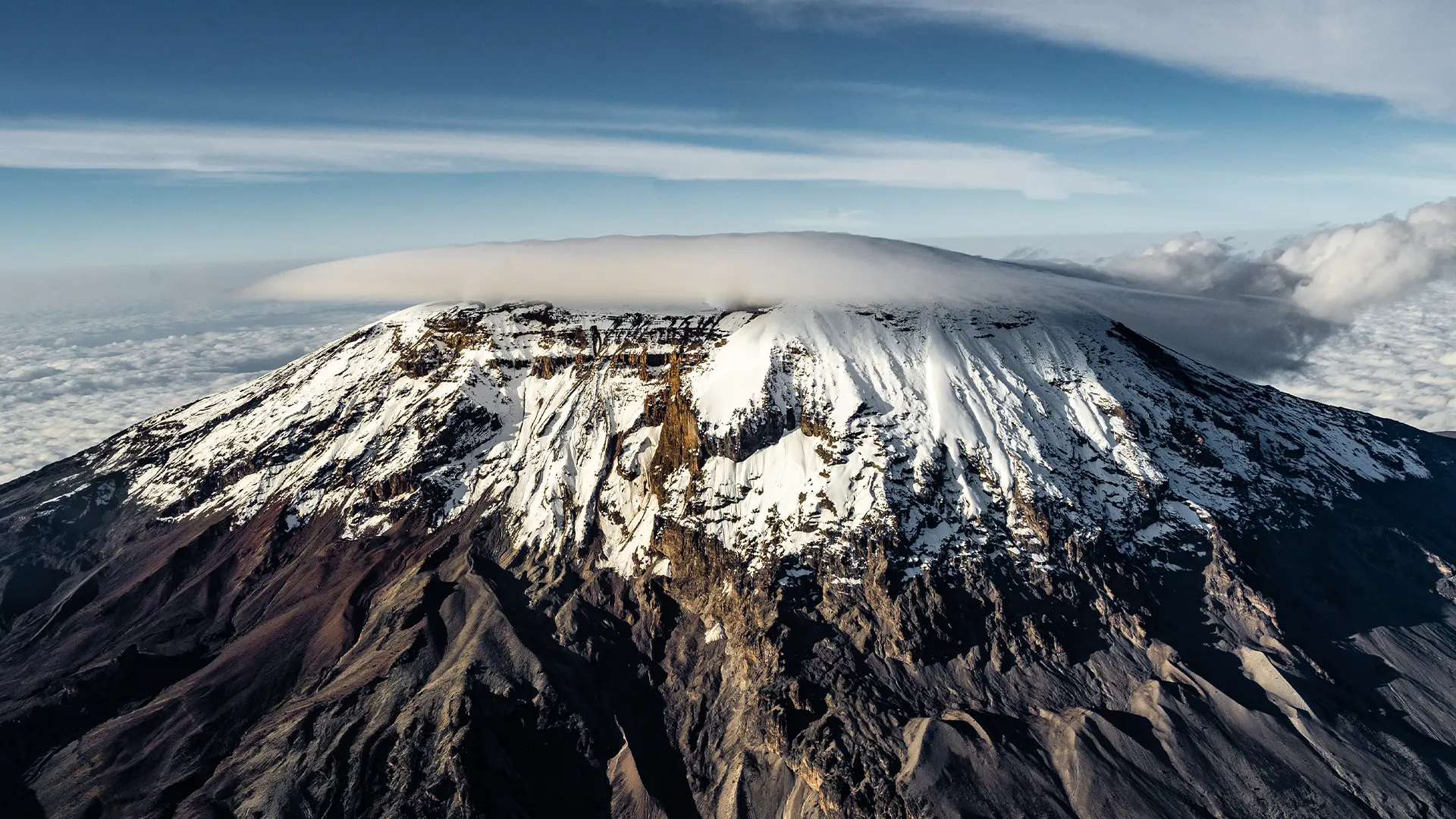
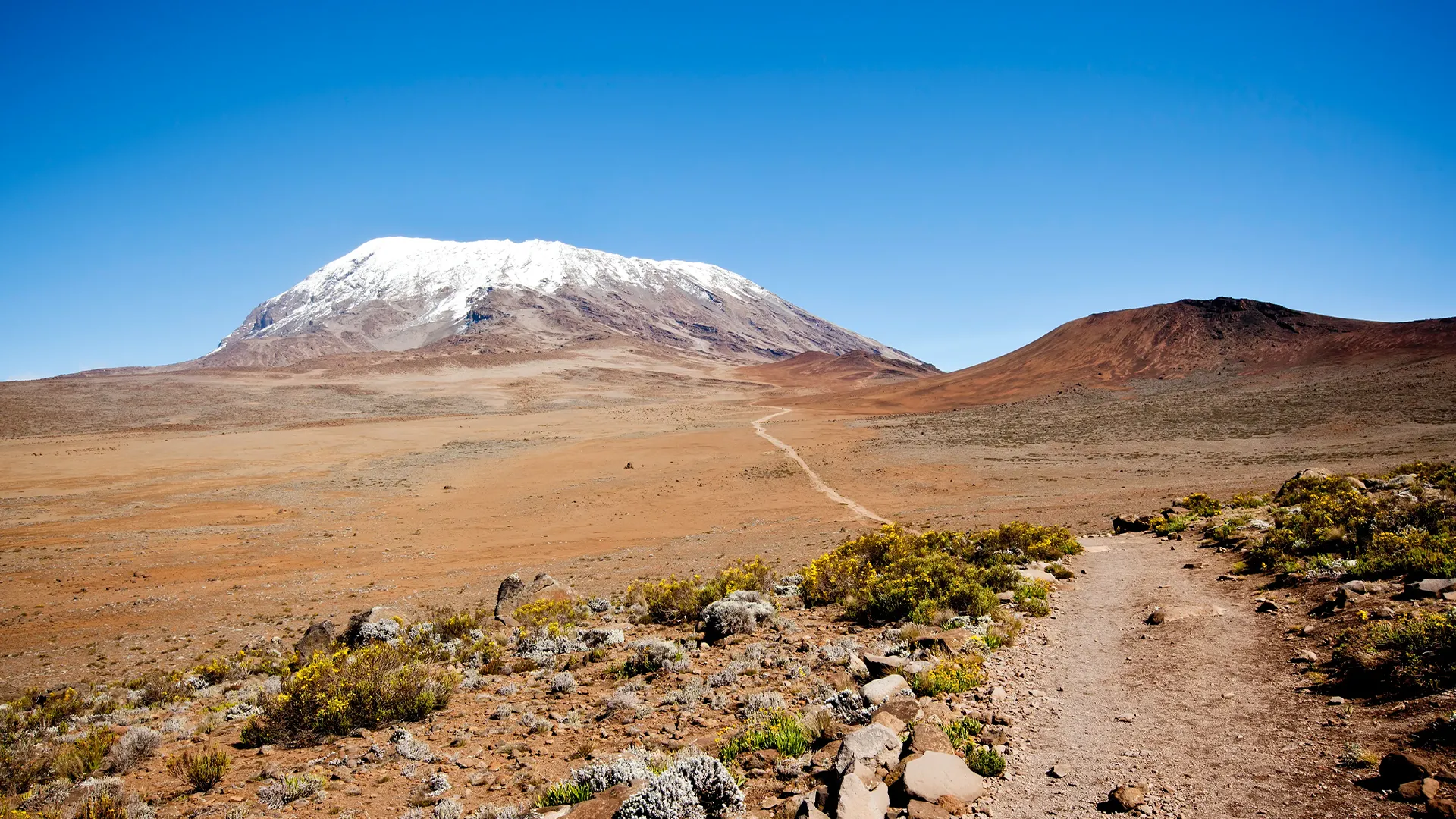
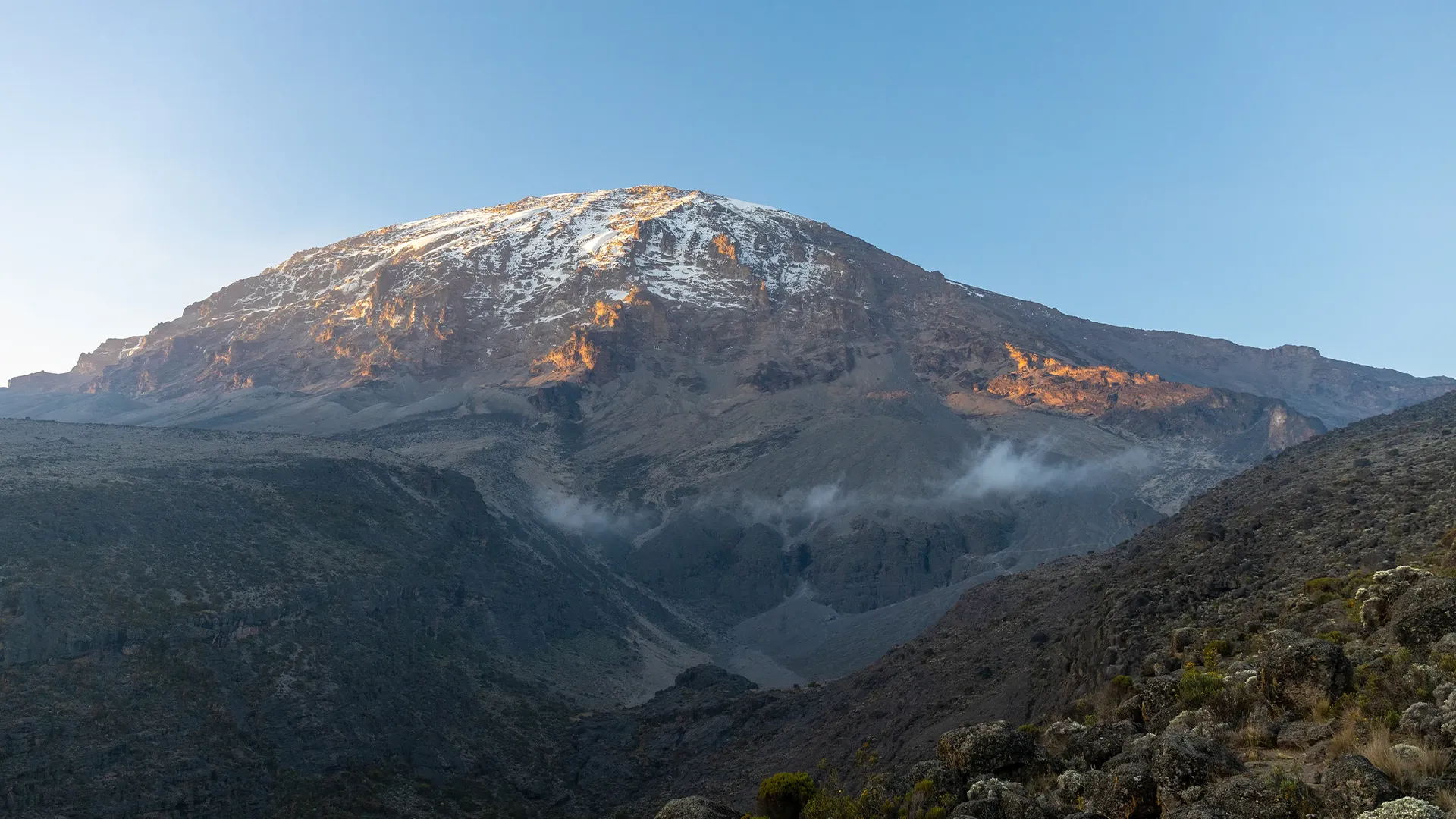
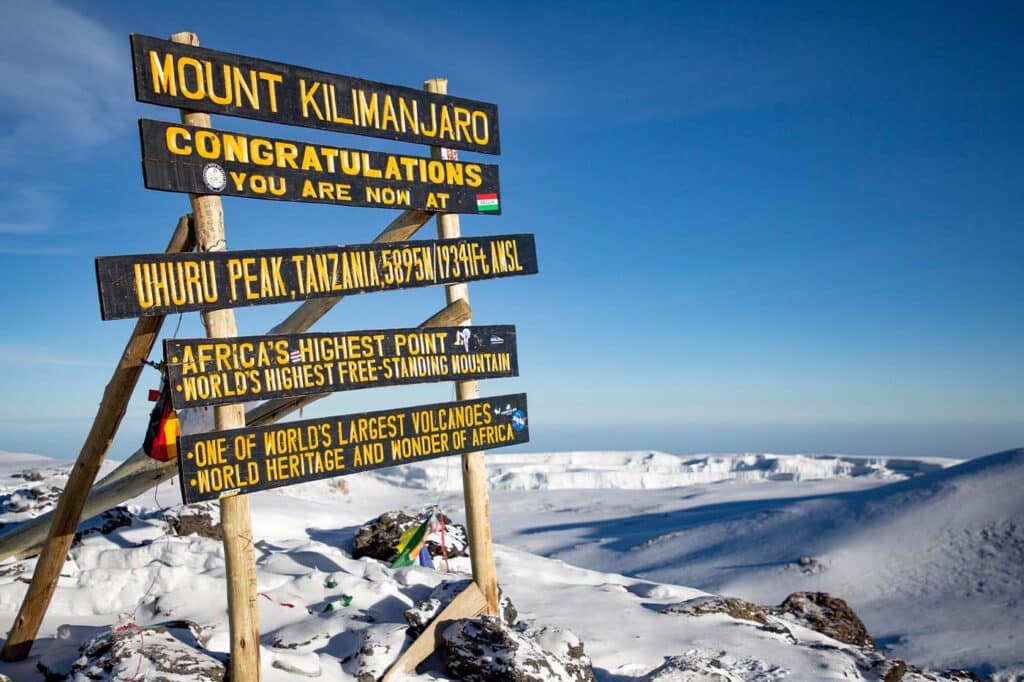
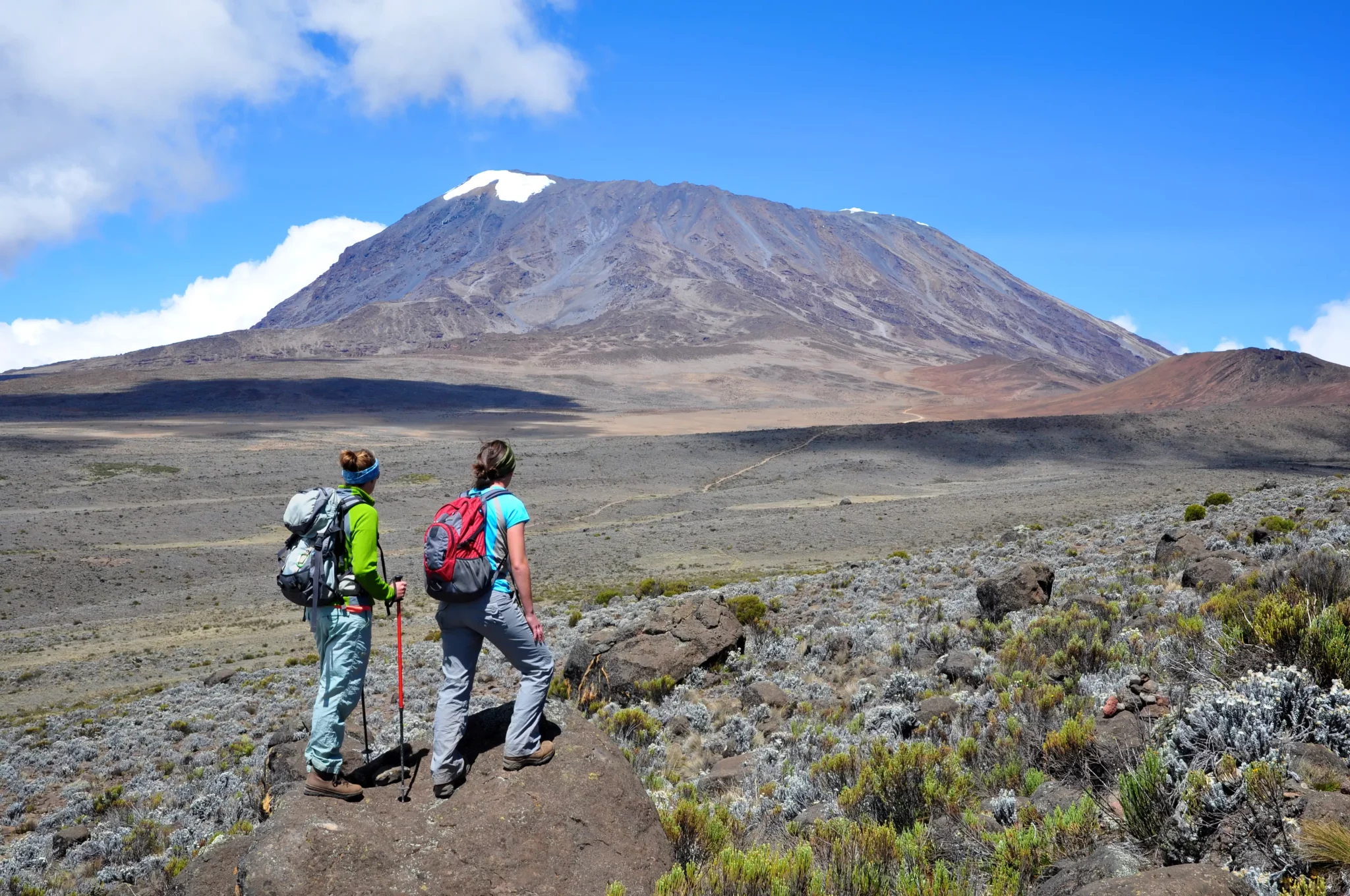
January to early March is one of the best times to climb Mount Kilimanjaro. Conditions are often relatively dry, with clear mornings, good visibility, and fewer climbers than during the main peak season. Temperatures can be cold at higher elevations, particularly during the night and early morning.
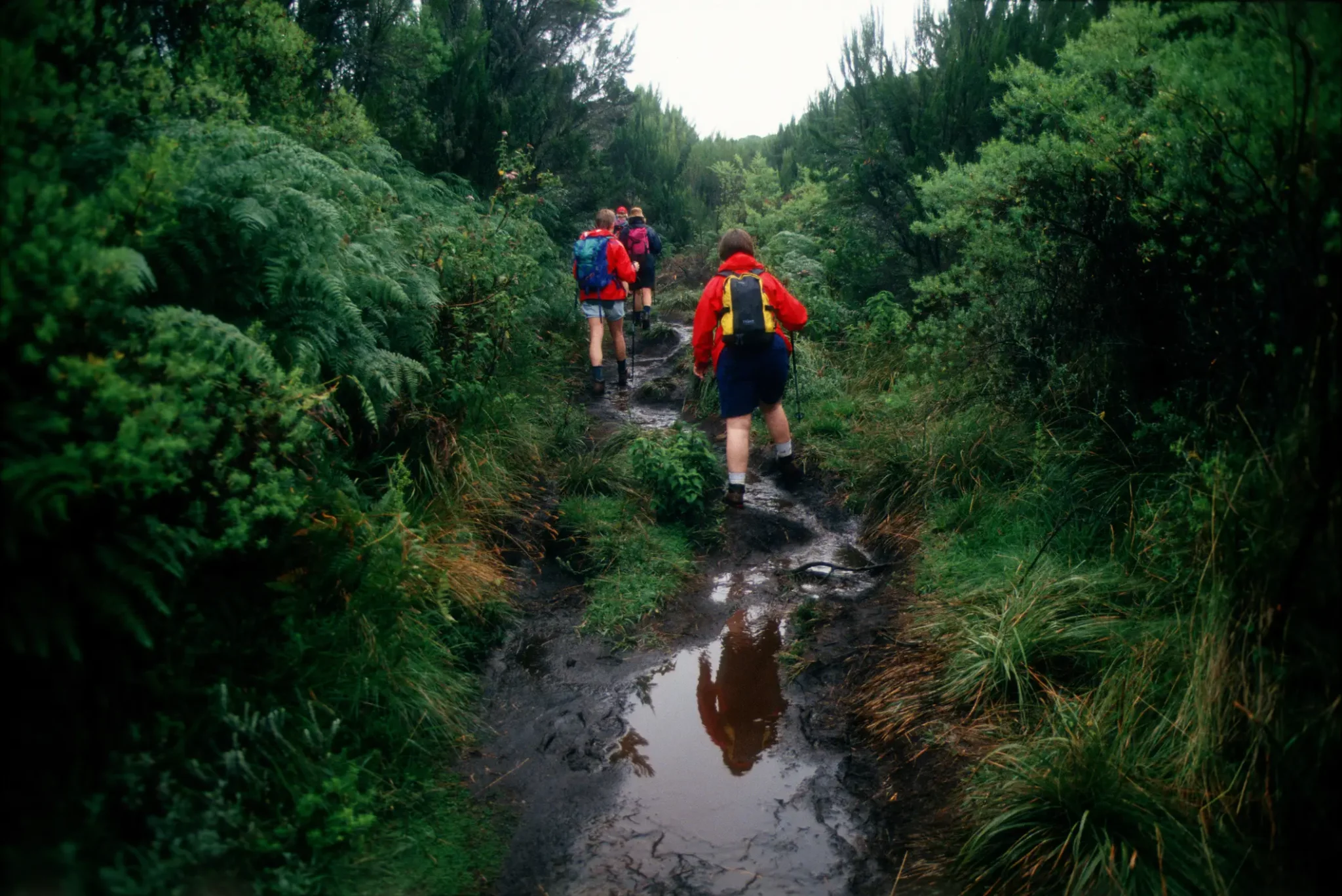
April and May usually receive the heaviest rainfall on Kilimanjaro. Trails can become wet, muddy, and slippery, while cloud cover may reduce mountain views. The routes are generally quieter during this period, but climbers should be prepared for more challenging weather and wetter trekking conditions.
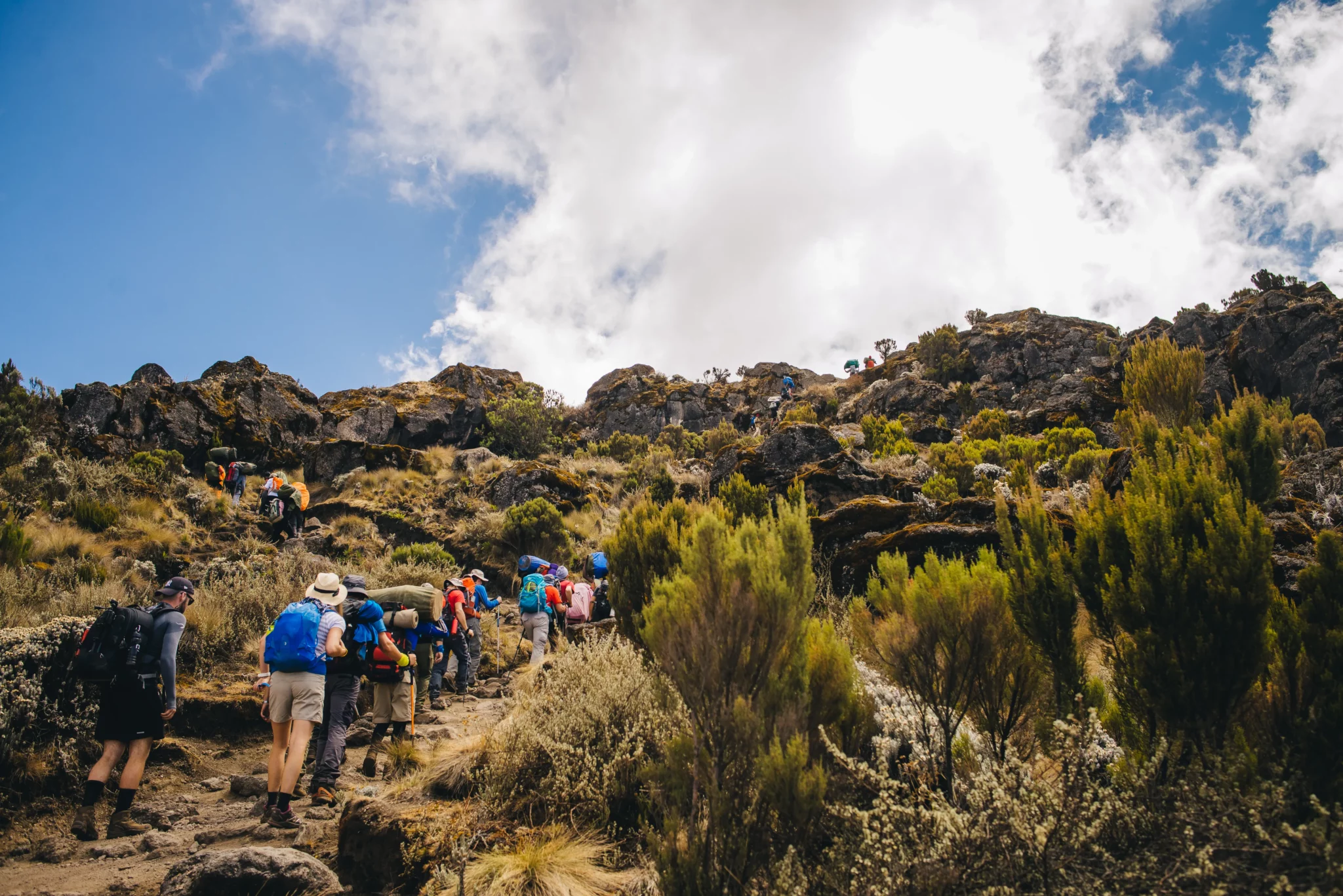
June to October is the main Kilimanjaro climbing season, with generally dry weather, clearer skies, and favourable trekking conditions. July, August, and September are especially popular, so some routes and campsites may be busier. This is an excellent period for climbers who prefer more predictable mountain conditions.
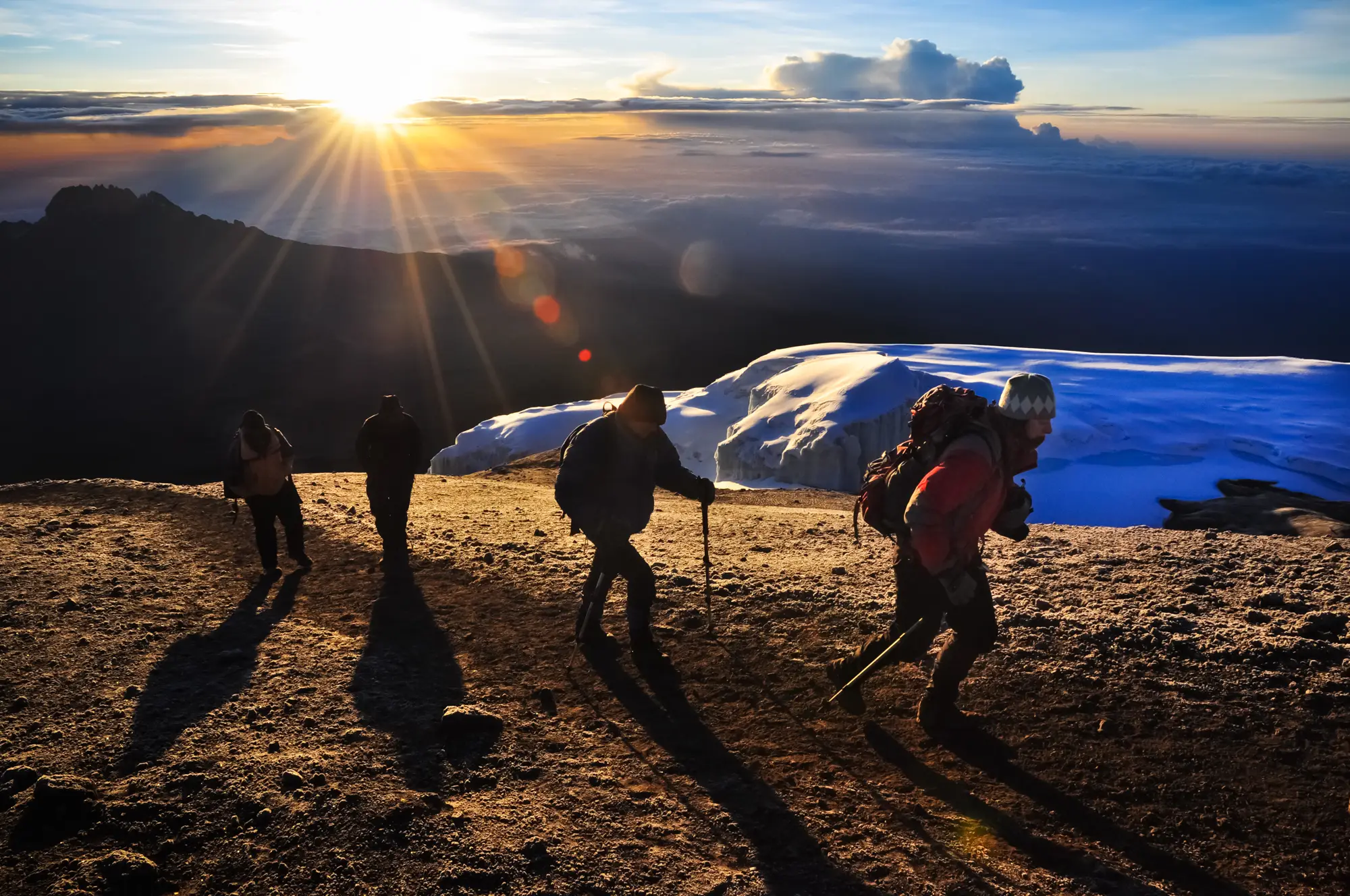
November usually brings the short rains, with occasional showers, cloud cover, and quieter trails. Conditions often begin to improve during December, particularly towards the end of the month. Climbers should still be prepared for rain, cold temperatures, and rapidly changing weather throughout the mountain.
How Much Does It Cost to Climb Mount Kilimanjaro?
The cost of climbing Mount Kilimanjaro depends on the route, number of trekking days, group size, and whether you choose a private or small-group climb. Park fees, the mountain crew, meals, accommodation, equipment, and transport arrangements also affect the final price. Easy Travel provides transparent quotations clearly showing what is included and excluded, allowing you to choose a climb that suits your budget without compromising safety or crew welfare.
Is Climbing Mount Kilimanjaro Safe?
Climbing Kilimanjaro involves high altitude, cold temperatures, changing weather, and physically demanding trekking, so no climb is completely without risk. Our experienced guides carry out regular health checks, monitor how each climber is adjusting to the altitude, and are trained to recognise signs of altitude sickness. Emergency oxygen and evacuation equipment are carried on every climb. When continuing is considered unsafe, the climber must descend with one of our guides.
All climbers must have travel and medical insurance covering high-altitude trekking up to at least 6,000 metres.
Do I Need Climbing Experience for Mount Kilimanjaro?
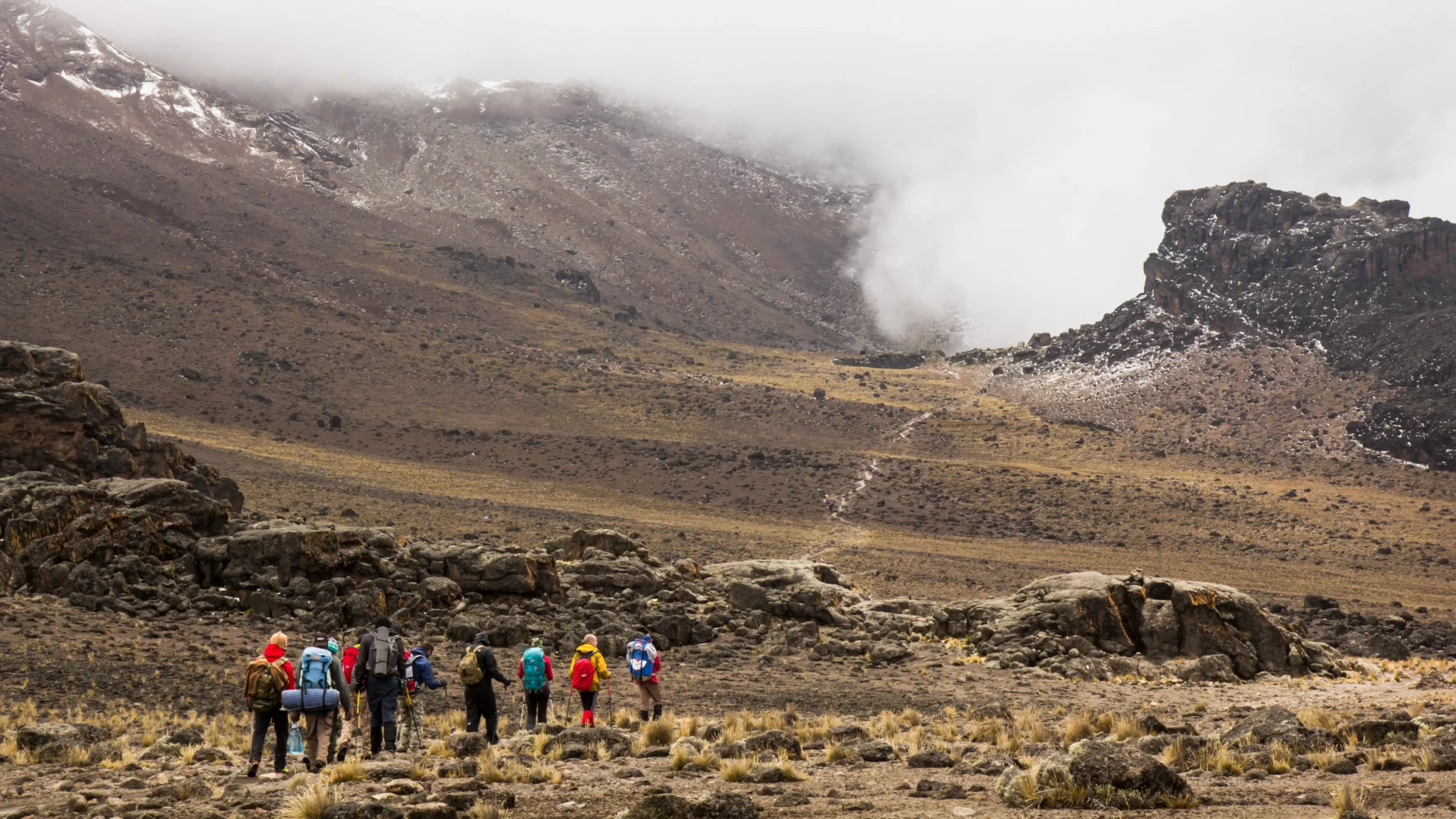
You do not need technical climbing or mountaineering experience to climb Kilimanjaro using the main trekking routes. However, you should have a reasonable level of fitness and be prepared to walk for several hours on consecutive days.
Regular walking, hiking, cardiovascular exercise, and strength training before your trip will help prepare your body. The greater challenge is usually adjusting to the altitude rather than the technical difficulty of the trail, which is why route duration and proper acclimatisation are important.
How Many Days Do You Need to Climb Mount Kilimanjaro?
Most Easy Travel Kilimanjaro climbs spend between six and eight days on the mountain, depending on the chosen route. Your complete itinerary may be longer when accommodation in Arusha and arrival or departure days are included.
Longer climbs generally provide more time for gradual acclimatisation and should not be overlooked simply because a shorter itinerary costs less. We will help you choose a duration based on your fitness, experience, available time, and preferred route.
Which Is the Best Route to Climb Mount Kilimanjaro?
There is no single route that is best for every climber. The right choice depends on your available time, fitness, preferred scenery, accommodation style, budget, and need for acclimatisation.
Easy Travel offers four main routes:
Lemosho Route: Known for beautiful scenery and a gradual acclimatisation profile.
Machame Route: A popular camping route offering varied landscapes and good acclimatisation opportunities.
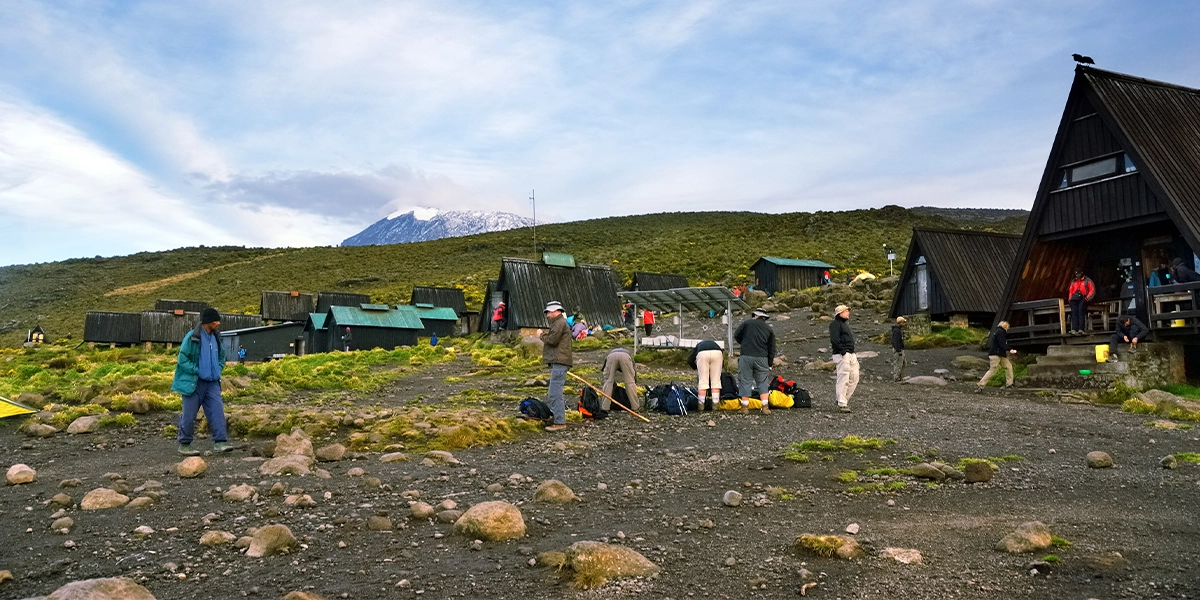
Marangu Route: The only route offering mountain hut accommodation instead of camping.
Rongai Route: Approaches Kilimanjaro from the north and generally offers a quieter trekking experience.
Our Kilimanjaro experts can explain the differences and help you select the most suitable route.
When Is the Best Time to Climb Mount Kilimanjaro?
Mount Kilimanjaro can be climbed throughout the year, but the most popular periods are from January to early March and from June to October. These months generally experience drier conditions and clearer mountain views.
April and May usually receive the heaviest rainfall, while November often experiences shorter rains. Weather on Kilimanjaro can change quickly during any season, so climbers must always be prepared for rain, wind, cold temperatures, and changing trail conditions.
How Difficult Is It to Climb Mount Kilimanjaro?
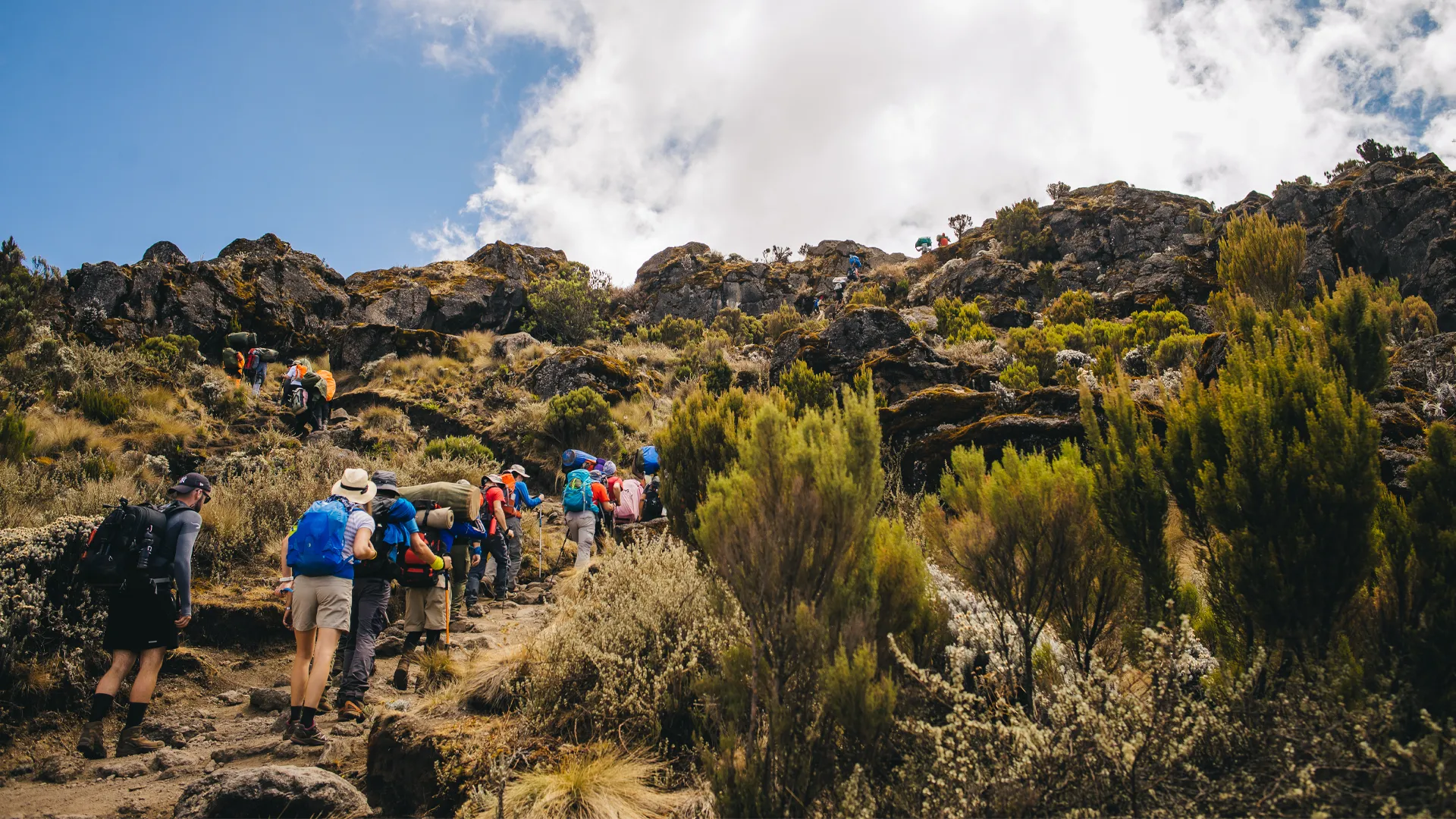
Kilimanjaro is a non-technical trek on the standard routes, but it should not be considered easy. Climbers must manage several consecutive days of walking, changing terrain, cold temperatures, high altitude, and a long final ascent during summit night.
A good level of fitness will make the trekking more manageable, but physical strength alone does not protect against altitude sickness. Walking slowly, staying hydrated, following your guide’s instructions, and choosing a route with sufficient acclimatisation time can improve your overall experience. Reaching the summit can never be guaranteed.
What Should I Pack for a Kilimanjaro Climb?
You will need clothing and personal equipment suitable for warm rainforest conditions, rain, wind, and freezing summit temperatures. Important items include waterproof outer layers, thermal base layers, an insulated jacket, broken-in hiking boots, warm gloves, a hat, sunglasses, a headlamp, a suitable sleeping bag, a daypack, and reusable water bottles or a hydration system.
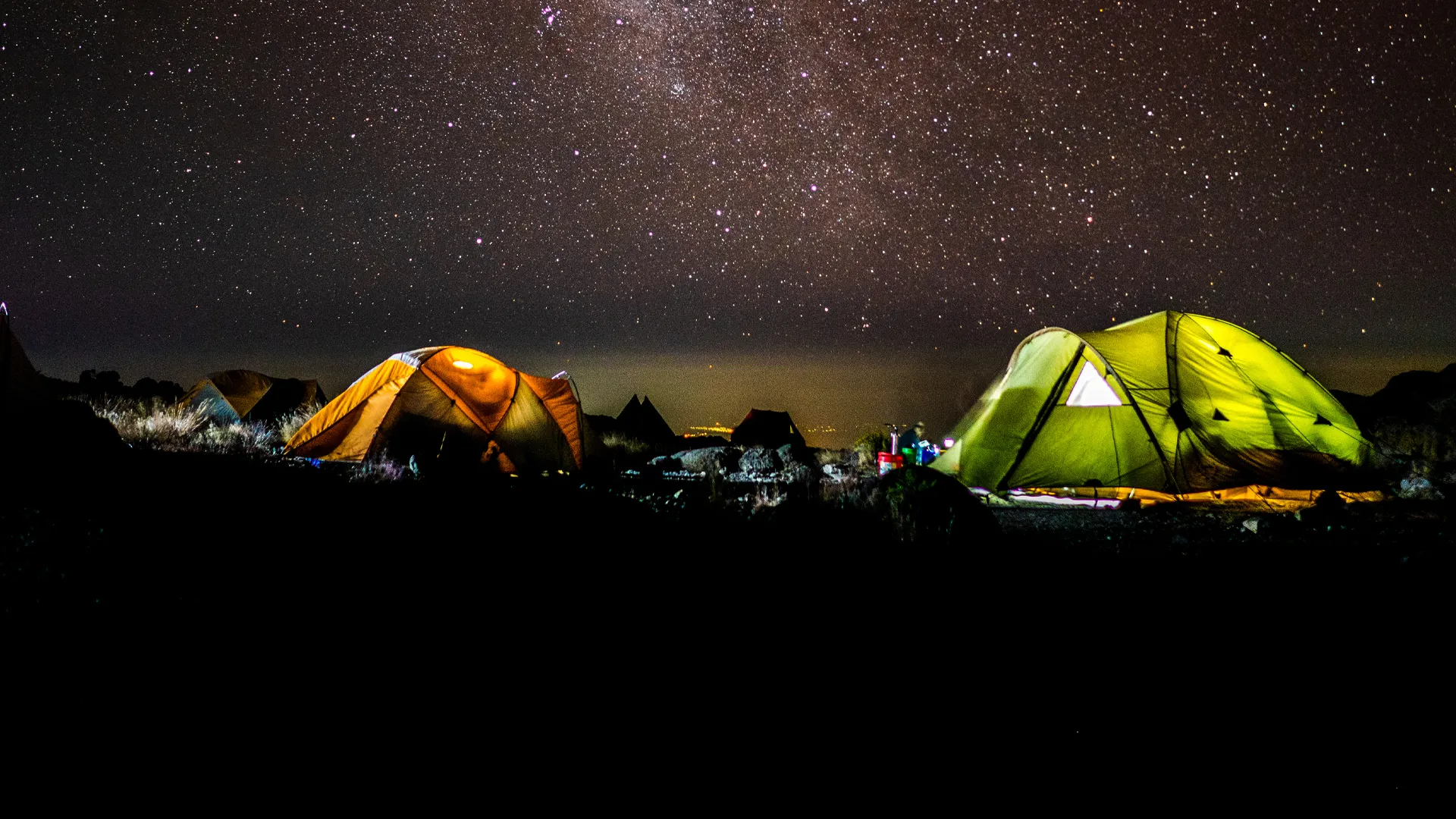
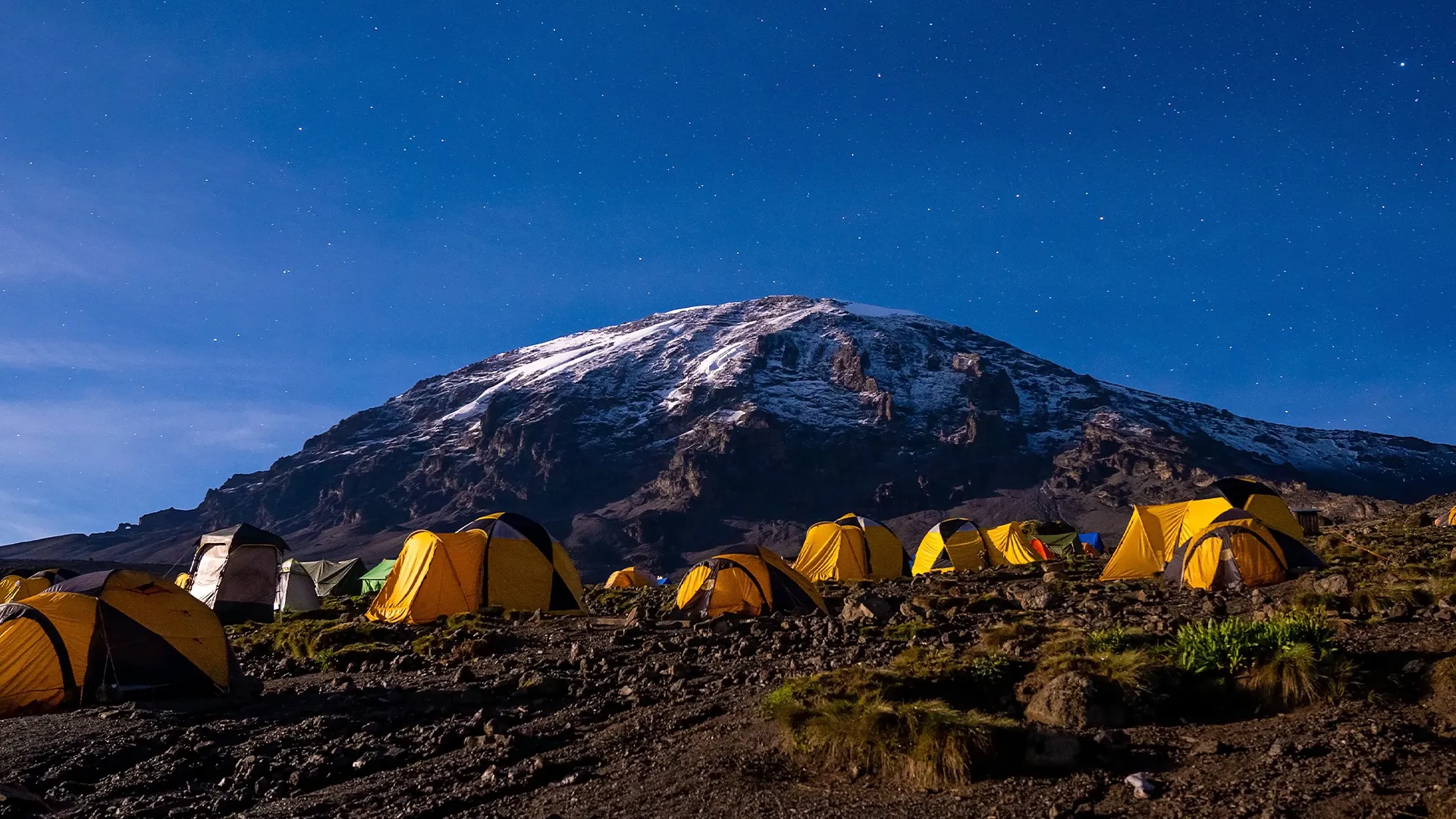
Easy Travel will provide a complete packing list before your climb. We also provide the main group camping equipment, including tents, mattresses, a dining tent, tables, chairs, and eating utensils on camping routes.
How Do I Book a Kilimanjaro Climb with Easy Travel?
Contact our team with your preferred travel dates, number of climbers, route preference, and the number of days you have available. We will help you compare the routes and prepare a climb based on your experience, budget, and travel plans.
A 30% deposit is required to confirm your booking, with the remaining balance payable at least 45 days before departure. Full payment is required when booking within 45 days of travel. After confirmation, our team will provide the information you need to prepare for your climb.
How Experienced Are Easy Travel’s Kilimanjaro Guides?
Easy Travel’s Kilimanjaro guides are experienced mountain professionals trained in first aid, altitude awareness, mountain safety, rescue procedures, and climber care. They monitor each climber throughout the journey and carry out regular health checks to identify possible altitude-related concerns.
We provide enough guides to support the group safely, including situations where one climber must descend while the rest of the group continues. Our guides are supported by assistant guides, chefs, and porters who work together throughout the climb. Easy Travel is also a KPAP partner, supporting fair and ethical treatment of Kilimanjaro porters.
Scrivici su WhatsApp