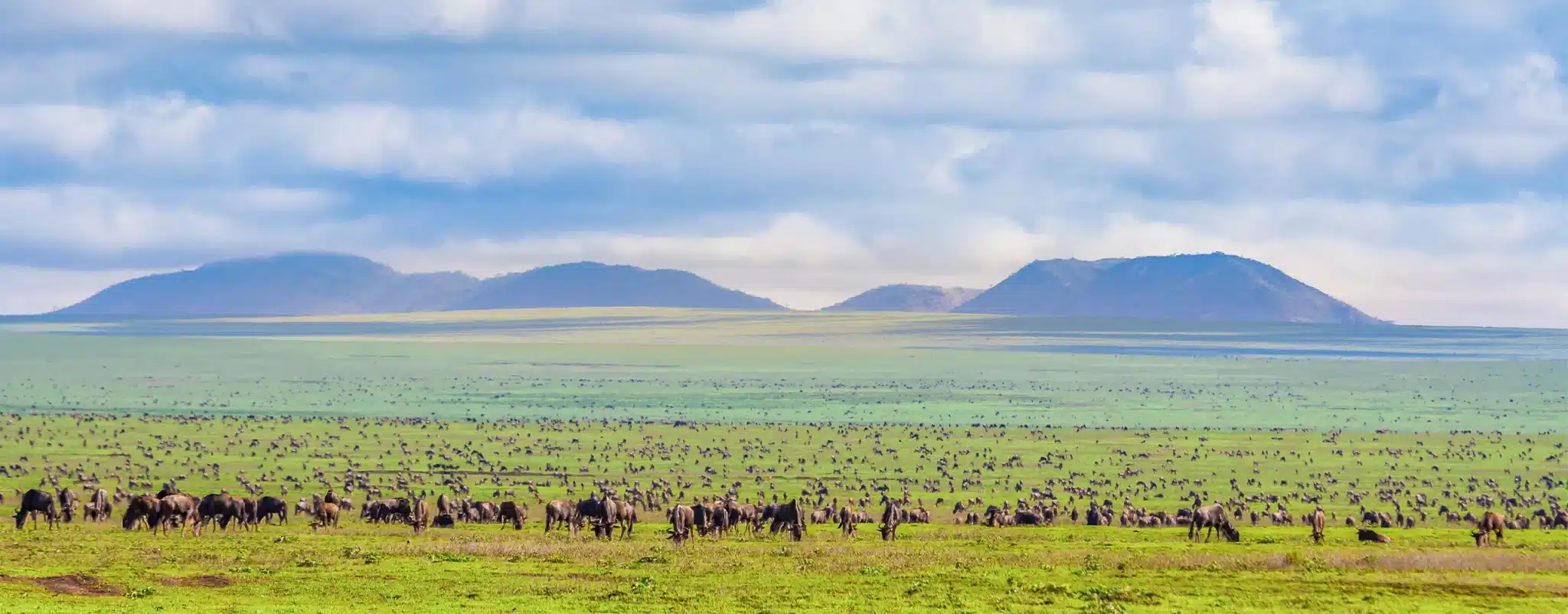
Patria dei Big Five africani e famoso per la Grande Migrazione degli Gnu, il Parco Nazionale del Serengeti è un vasto sito Patrimonio dell'Umanità, ricco di fauna selvatica.
In particolare, il Parco Nazionale del Serengeti ospita oltre 2 milioni di gnu, 4.000 leoni e circa 500 uccelli e offre avventure senza eguali.
Il Parco Nazionale del Serengeti è ricco di fauna selvatica e ospita la famosa Grande Migrazione.
È un paradiso per gli amanti dei safari e ospita i famosi Big Five africani: il leone, il leopardo, il rinoceronte nero, il bufalo africano e l'elefante.
Qui potrai praticare diverse attività di safari, come safari in auto, safari a piedi, safari in mongolfiera e molto altro ancora!
Oltre alla ricca fauna selvatica, rimarrete stupiti anche dalla bellezza naturale del Serengeti. Il suo paesaggio è semplicemente mozzafiato!
Il Parco Nazionale del Serengeti è raggiungibile in auto da Arusha. Il viaggio da Arusha dura circa 335 km/8 ore di auto.
Sono disponibili voli giornalieri di linea per il Parco Nazionale del Serengeti da Arusha e Dar es Salaam con Auric Air, Coastal Aviation e Precision Air.
Il Serengeti è uno dei parchi nazionali più famosi dell'Africa ed è visitabile tutto l'anno.
Se la Grande Migrazione è in cima alla tua lista dei desideri, ecco alcune cose da tenere a mente quando pianifichi la tua visita.
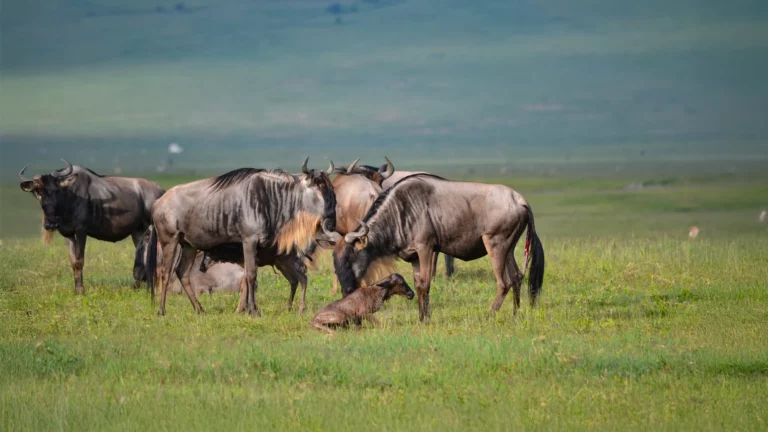
La Grande Migrazione avviene nel Serengeti meridionale da dicembre a marzo, mentre la stagione dei parti si verifica da fine gennaio a febbraio.
A giugno, il Serengeti occidentale è il posto migliore per osservare la migrazione che attraversa il fiume Grumetie da metà luglio a fine ottobre, il periodo migliore per visitarla è l'attraversamento del fiume Mara.


Il prezzo del tuo safari è determinato da diversi fattori, tra cui: il numero di persone a cui parteciperai, il tipo di sistemazione e se preferisci un tour in un piccolo gruppo con altri o un tour privato da soli.
Easy Travel offre diversi tipi di sistemazione per soddisfare il tuo budget: dai tour con sistemazione base, ai tour con sistemazione comfort, ai tour con sistemazione comfort plus e ai tour con sistemazione di lusso.
Per una migliore comprensione dei costi coinvolti, consulta la guida qui sotto.
Per saperne di più:Safari in Tanzania: la guida definitiva
I nostri tour vanno da 1 giorno a viaggi molto più lunghi. A giudicare dalle recensioni dei visitatori precedenti, hanno sempre desiderato rimanere più a lungo.
Consigliamo vivamente il nostro tour classico di 7 giorni in Tanzania, che vi offrirà una panoramica dei parchi nazionali del circuito settentrionale e vi garantirà di sfruttare al meglio la vostra visita in Tanzania.
Per saperne di più:Quanti giorni dovrei dedicare al safari in Tanzania?
Il vostro soggiorno nel Parco Nazionale del Serengeti sarà indimenticabile e il nostro unico obiettivo è assicurarvi di sfruttare al meglio il vostro tempo libero per una vacanza senza stress. Come in ogni Paese, si raccomanda ai visitatori di essere vigili... Soprattutto quando le scimmie sono vicine alla vostra tenda!
Quindi, usate il buon senso e assicuratevi che i vostri oggetti di valore siano nascosti o riposti in una cassaforte fornita dal vostro alloggio. I nostri autisti-guida vi garantiranno la massima sicurezza in ogni momento e vi guideranno per qualsiasi domanda.
Per ottimizzare il tempo a disposizione in Tanzania, ti consigliamo alcuni dei safari più gettonati, tra cui il Tanzania Classic.
Nell'arco di sette giorni, vi avventurerete nelle pianure del Serengeti, scalerete il bordo del cratere di Ngorongoro e navigherete tra gli alberi del lago Manyara.
Quindi, anche se puoi visitare il Parco Nazionale del Serengeti, ti consigliamo di contattarci per saperne di più sulle nostre opzioni di tour.
Si consiglia sempre di consultare un medico prima di partire per la propria avventura, in quanto sarà lui a consigliarvi al meglio sui farmaci e sulle misure preventive contro la malaria.
La malaria non è presente nel Serengeti, ma è possibile evitare diversi altri insetti. La maggior parte delle strutture ricettive adotta misure preventive per fornire zanzariere. Consigliamo inoltre di portare con sé uno spray repellente e di indossare colori neutri color cachi.
Per saperne di più:Consigli per prendersi cura della propria salute
Ci sono così tante splendide opzioni di alloggio nel Serengeti. La scelta è vostra.
Siamo grandi fan dei campi tendati per vivere la natura selvaggia della Tanzania. Consultate la nostra guida su dove soggiornare per maggiori informazioni.
Per saperne di più:Dove alloggiare nel Serengeti
La Tanzania è indicata sulla mappa come Paese a basso rischio di febbre gialla. I Paesi confinanti con la Tanzania sono endemici per la febbre gialla; pertanto, la vaccinazione contro la febbre gialla è obbligatoria per conformarsi ai requisiti.
Per saperne di più sulla febbre gialla, clicca sul link sottostante.
Per saperne di più:Febbre gialla
Preparare i bagagli per il Serengeti è un'avventura di per sé. Le giornate possono essere calde e le notti fredde, quindi informatevi sulle temperature e sul periodo migliore per partire.
Abbiamo anche incluso questo utile blog sugli articoli essenziali da mettere in valigia. Clicca qui.
Per saperne di più:10 cose essenziali da mettere in valigia per il tuo safari
Il Serengeti offre avventure tutto l'anno e la migrazione è in cima alla lista delle cose da fare per la maggior parte delle persone.
Sia la stagione dell'attraversamento del fiume che quella del parto offrono avventure, ma dipende da voi. L'attraversamento del fiume offre qualcosa che molti non vedranno mai su National Geographic. Tuttavia, la stagione del parto attira molti più predatori, con bersagli facili da tenere a bada.
Per saperne di più:La grande migrazione degli gnu: una guida completa per un safari migratorio
Visitare il Serengeti da soli è un'esperienza da non perdere, secondo noi. Aggiungere la Grande Migrazione degli Gnu e ammirarla dall'alto a bordo di una mongolfiera è un'esperienza che vale la pena di provare.
I nostri ospiti hanno affermato di aver adorato il loro safari in mongolfiera nel Serengeti e lo consigliano vivamente.
E abbiamo detto che una volta atterrati vi verrà servita una colazione con champagne?
Per saperne di più:Cosa aspettarsi da un safari in mongolfiera?

Ciao!
Hai bisogno di aiuto nella pianificazione?
il tuo tour in Tanzania?
I nostri esperti sono pronti ad aiutarti a pianificare il tuo tour
Scrivici su WhatsApp