Serengeti-Nationalpark

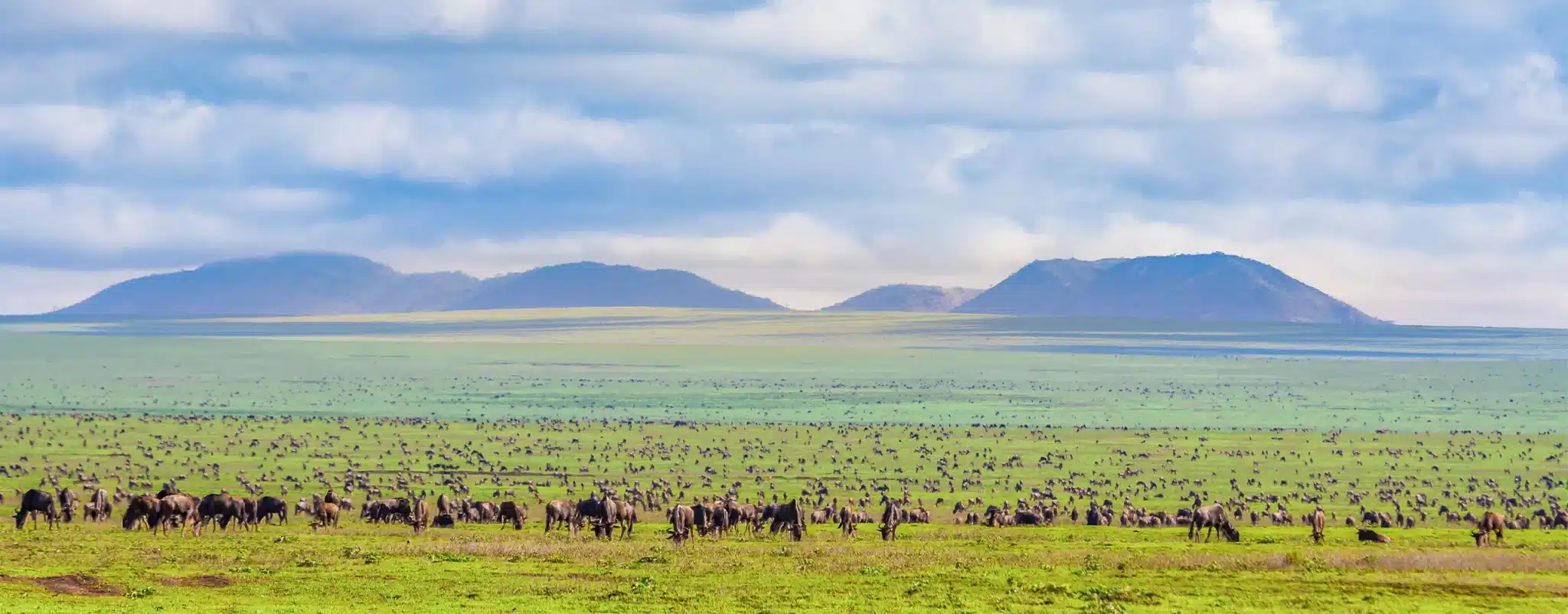
Der Serengeti-Nationalpark ist die Heimat der „Big Five“ Afrikas und bekannt für die große Gnuwanderung. Er ist ein riesiges Weltnaturerbe voller Wildtiere.
Der Serengeti-Nationalpark ist die Heimat von über 2 Millionen Gnus, 4.000 Löwen und etwa 500 Vögeln und bietet Abenteuer wie kein anderer.

Things to do in Serengeti-Nationalpark

Experience the Serengeti through diverse adventures that showcase the park's incredible wildlife and landscapes from every perspective.

Serengeti-Nationalpark Touren

Serengeti-Nationalpark in January

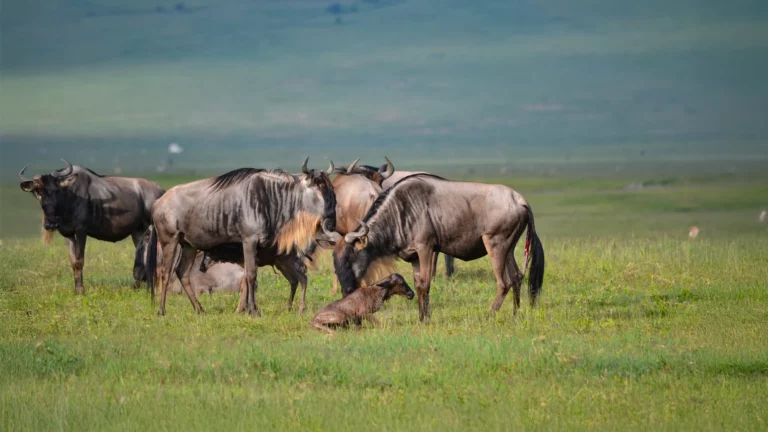
January marks peak calving in the Southern Serengeti (Ndutu). Fresh grasses and frequent predator action make it a spectacular month for wildlife photography and close sightings of newborn wildebeest and their predators.

The landscape is lush and green, alive with birdsong and newborn calves. Short rains freshen the plains, creating stunning backdrops and offering excellent opportunities for intimate wildlife encounters.

  • Peak calving: thousands of newborns.
  • Excellent predator activity (lion/cheetah).
  • Lush green plains, shorter drives between sightings.
  • Fewer vehicles outside main hotspots.
  • Good birdwatching (migrants present).
Serengeti-Nationalpark in February

February remains excellent for calving and predator encounters. Days are warm, rains are intermittent, and the landscape is still beautifully green, lush, and photogenic.

Predators are at their most active, with lions, cheetahs, and hyenas drawn to the abundance of young prey. It’s an ideal month for dramatic sightings and rich photographic opportunities.

  • Continued calving and high predator activity.
  • Warm days, occasional short rains.
  • Great photography lighting at dawn/dusk.
  • Lower park crowding than peak northern season.
  • Superb nesting/breeding birdlife.
Serengeti-Nationalpark in March

March brings the long rains in parts of the Serengeti; wildlife disperses and some lodges offer low-season rates. Despite wetter conditions, it’s a rewarding time for solitude, lush scenery, and migratory birds.

While game viewing can be less predictable, the Serengeti’s emerald landscapes and dramatic skies make March ideal for photography and peaceful game drives without the usual tourist crowds.

  • Long rains increase (mid-late March).
  • Reduced vehicle numbers and better lodge deals.
  • Lush, green landscapes ideal for photography.
  • Birdwatching at its peak.
  • Some remote tracks may be damp.
Serengeti-Nationalpark in April

March brings the long rains in parts of the Serengeti; wildlife disperses and some lodges offer low-season rates. Despite wetter conditions, it’s a rewarding time for solitude, lush scenery, and migratory birds.

While game viewing can be less predictable, the Serengeti’s emerald landscapes and dramatic skies make March ideal for photography and peaceful game drives without the usual tourist crowds.

  • Heaviest rains in many areas.
  • Low tourist numbers; discounted rates.
  • Vegetation at peak greenness.
  • Excellent for birding and intimate wildlife encounters.
  • Possible road closures in heavy storms.
Serengeti-Nationalpark in May

May sees rainfall easing and the northern migration beginning to shift. Wildlife starts to concentrate again as pastures change; it’s a quieter, rewarding time to travel.

The scenery is still lush and vibrant, with wildflowers blooming across the plains. Roads become more accessible, and photographers will love the soft light and dramatic post-rain skies that enhance every view.

  • End of main long rains.
  • Good value safari offers.
  • Migration begins moving from south to central areas.
  • Birding remains excellent.
  • Cooler evenings, comfortable days.
Serengeti-Nationalpark in June

June marks the start of the drier, clearer season. Vegetation thins, animals gather around water sources, and game viewing improves dramatically across the park.

Cool breezes and golden sunsets make June one of the most comfortable months to explore. With fewer mosquitoes and crisp visibility, it’s an ideal time for safaris and scenic drives through the Serengeti.

  • Drier tracks and easier game drives.
  • Animals concentrate near rivers and waterholes.
  • Cooler mornings — great light for photography.
  • Strong chance of spotting predators.
  • Start of better migration viewing in central/western corridors.
Serengeti-Nationalpark in July

July is prime migration season in the west and north. Dramatic river crossings and huge herds make this one of the most sought-after months for Serengeti safaris.

As the herds move toward the Mara River, predators follow closely, creating thrilling wildlife encounters and unforgettable moments under clear, dry skies.

  • Prime river-crossing months (Grumeti/Mara approaches).
  • High density of migrating herds.
  • Ideal wildlife viewing and photography.
  • Busier camps in key areas.
  • Early bookings recommended.
Serengeti-Nationalpark in August

August keeps the migration in the northern Serengeti and Mara; river crossings can occur and wildlife action is intense. Dry, sunny days provide excellent safari conditions.

With herds spread across golden plains and predators in pursuit, this is one of the most thrilling times to witness nature’s drama. Early mornings and late afternoons offer stunning scenes and perfect light for photography.

  • Continued river-crossing potential.
  • Sunny, dry weather and excellent visibility.
  • Peak season – expect more vehicles in hotspots.
  • Great hot-air balloon opportunities.
  • Book lodges well in advance.
Serengeti-Nationalpark in September

September offers consistently dry, sunny conditions and superb game viewing across the Serengeti. Wildlife remains concentrated, and the atmosphere is thrilling without the heaviest crowds of August.

As the migration edges toward the Mara and northern plains, predators are still active, and sightings of big cats are frequent. Clear skies and mild temperatures make every game drive comfortable and rewarding.

  • Excellent game viewing and warm days.
  • Still high migration activity in parts.
  • Fewer rains-stable travel conditions.
  • Ideal month for photography and ballooning.
  • Crowds begin to lessen later in month.
Serengeti-Nationalpark in October

In October the migration often moves southward; many areas are less crowded and game viewing stays strong. Days are warm and grasslands begin to yellow.

Predators remain active as herds move toward the central plains, offering rewarding sightings in calmer settings. It’s a great time for travelers seeking fewer crowds, golden scenery, and peaceful safaris.

  • Migration moving toward central/southern plains.
  • Warm, dry days; cooler nights.
  • Good chances to see resident predators.
  • Lower visitor density outside main routes.
  • Good value on some lodges.
Serengeti-Nationalpark in November

November brings short rains in some regions; the landscape reawakens and bird diversity increases. The southern plains begin to green again in preparation for calving months.

Despite the occasional showers, game viewing remains rewarding with fewer crowds and vibrant scenery. Migratory birds arrive in large numbers, adding color and energy to the Serengeti’s rejuvenated plains.

  • Short rains begin (often intermittent).
  • Birds plentiful; great for birders.
  • Fewer tourists and attractive lodge rates.
  • Southern plains starting to recover.
  • Some roads may be softer after downpours.
Serengeti-Nationalpark in December

December sees herds moving back toward the southern plains (Ndutu) as calving season begins. This is a popular and rewarding time for close predator-prey action and newborn sightings.

Lush green landscapes and dramatic skies set the stage for spectacular photography. With abundant wildlife and renewed energy across the plains, December offers one of the most vibrant safari experiences of the year.

  • Herds return south for calving.
  • Green plains and high wildlife densities.
  • Excellent predator activity.
  • Festive season can increase visitor numbers early month.
  • Great month for family or photographic safaris.

Die große Gnuwanderung

Every year, over a million wildebeest—along with zebras and gazelles—travel across the Serengeti in the iconic Great Migration, following the rains in search of fresh grazing. From dramatic river crossings to vast herds moving across the plains, this natural spectacle is one of the world’s most unforgettable wildlife experiences. With Easy Travel’s expert guides, you can witness the herds at the perfect time and place, experiencing nature’s greatest show up close.

Best hotels and lodges in the Serengeti-Nationalpark

Gallery

A male lion resting in tall grass on the African savanna with acacia trees in the background.
A wildebeest stands with its calf in the green Serengeti plains.
A male lion standing in tall golden grass on the African savanna during a Serengeti safari

Serengeti-Nationalpark Fakten

What makes the Serengeti so special?
The Serengeti is one of Africa’s oldest ecosystems — unchanged for over a million years. Its vast plains support one of the highest concentrations of wildlife on Earth, making it a UNESCO World Heritage Site and the ultimate safari destination.
Wann ist die beste Zeit, um die Große Migration zu beobachten?
The Great Migration happens year-round as over two million wildebeest, zebra, and gazelle move across the plains. The dramatic Mara River crossing between July and September is one of nature’s most unforgettable spectacles.
How many animals live in the Serengeti?
Home to over 70 large mammal species and 500 bird species, the Serengeti is a paradise for wildlife lovers. Expect to see lions, elephants, cheetahs, giraffes, and countless others thriving in this vast ecosystem.
What else can you explore in the Serengeti?
Beyond the Great Migration, you can enjoy hot air balloon safaris, birdwatching, photography tours, and visits to Maasai villages — offering an authentic blend of culture and wilderness.

Easy Travel Bewertungen

Trusted by 6,000+ Happy Travelers on TripAdvisor—Experience Tanzania at Its Best!

Related Blog Posts

Häufig gestellte Fragen

Kostenloses Angebot anfordern

Expertenplanung. Kein Spam.