



Weather in Tanzania in May
May in Tanzania is a photographer’s delight. Known as the Emerald season, April showers most definitely give way to May flowers, as the landscape blossoms into vivid colour. Big game herbivores like elephants, rhinoceros, and buffalo are more easily spotted in May due to the tremendous abundance of food and water.
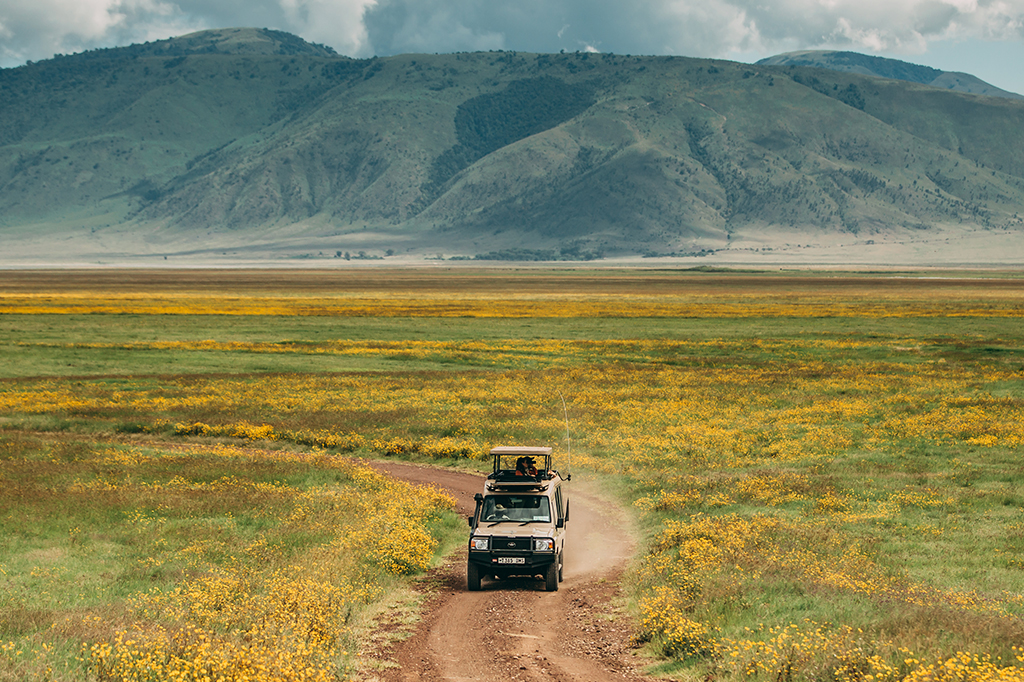
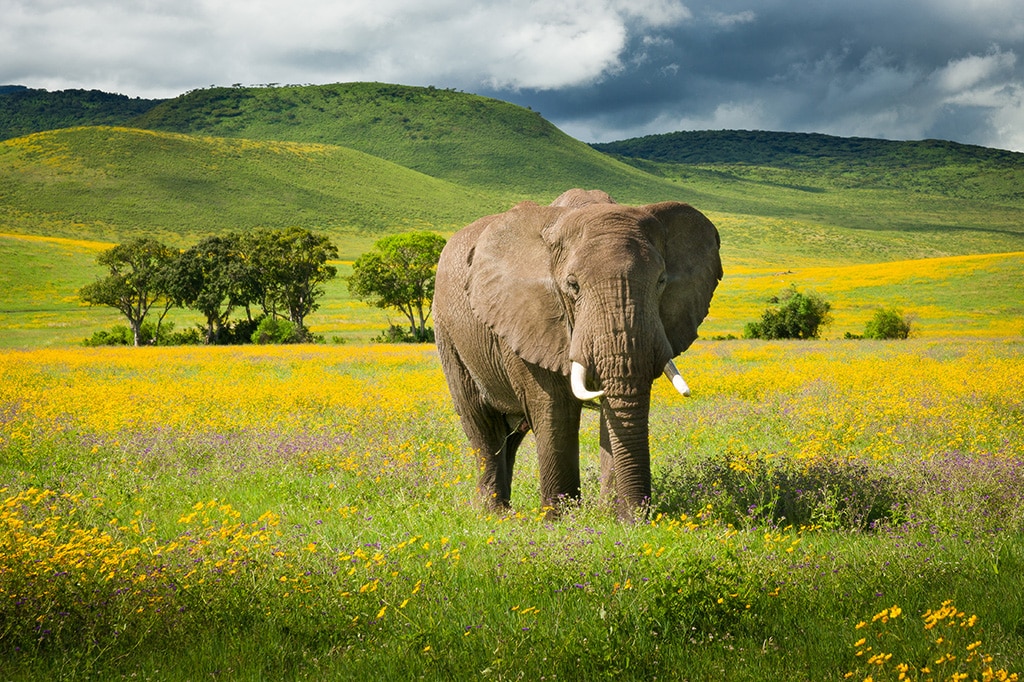
Late May sees the Emerald season move into the dry season – and transition periods often mean that there are fewer visitors around, leading to a more intimate experience. While it can still be wet at the beginning of May, the weather evens out to a decidedly warm and dry daily average between 16°C and 27°C.
Lodges in Tanzania in May
May, like April, has a quieter tourist presence than other months. As it is still rainy in the early days of the month, there are fewer visitors to the country, meaning most accommodations are less crowded.
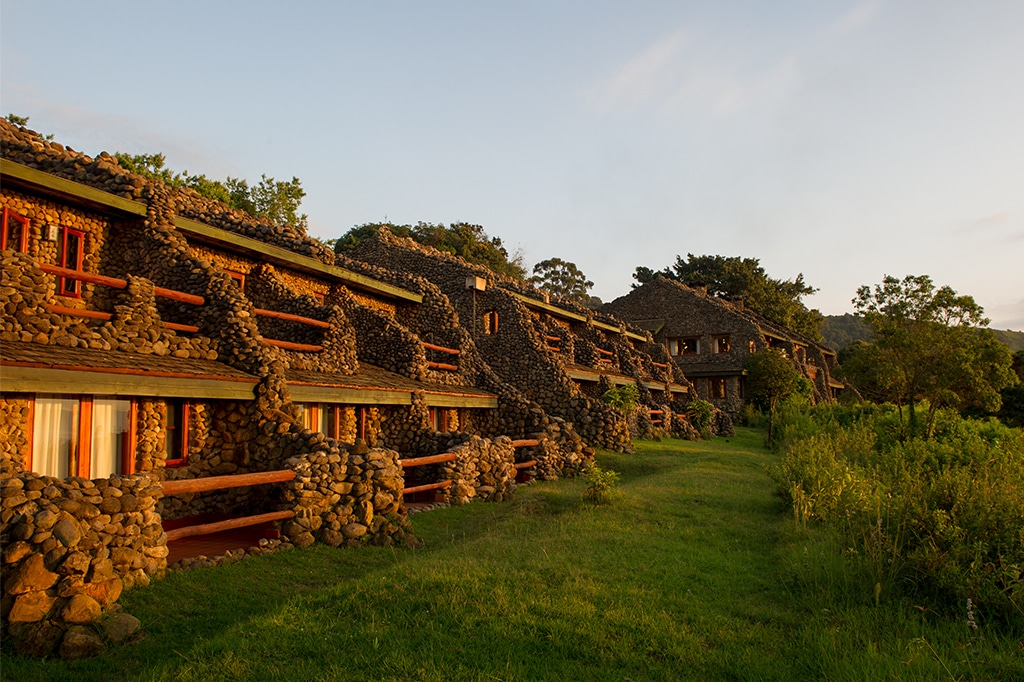

Because of this seasonal trend, most hotels, resorts, or other accommodations will price accordingly, giving better deals and lower rates. Because Tanzania in May certainly is not as rainy as April is, particularly in the later weeks, this may be the perfect opportunity to stay in an opulent, luxurious accommodation without having to pay too much to do so!
Northern Tanzania Safari in May
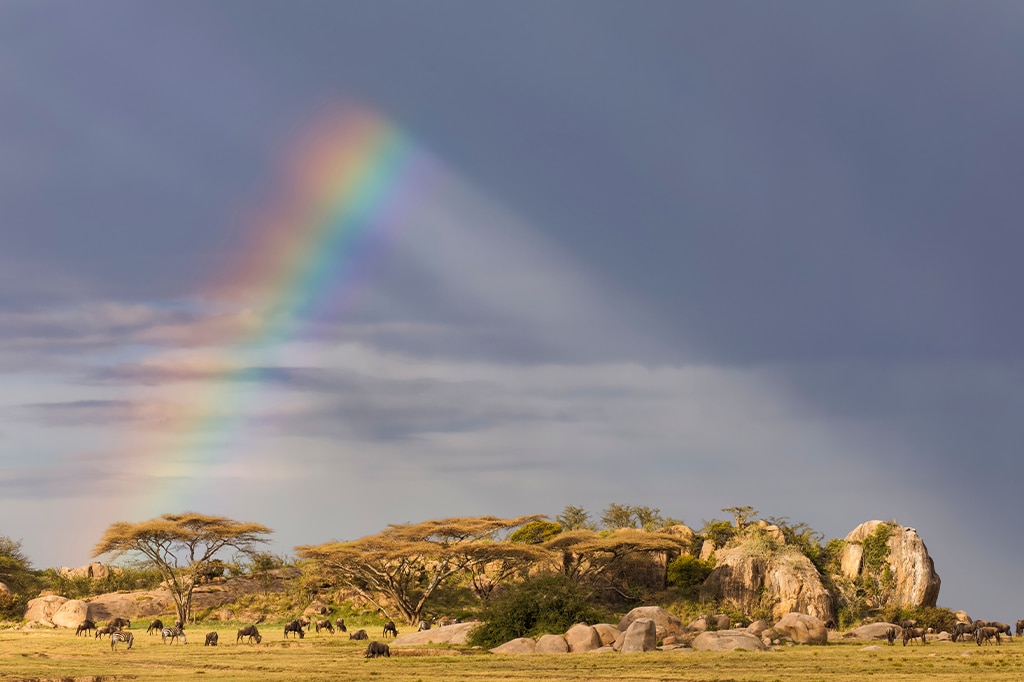
1. The Wildebeest Migration in May
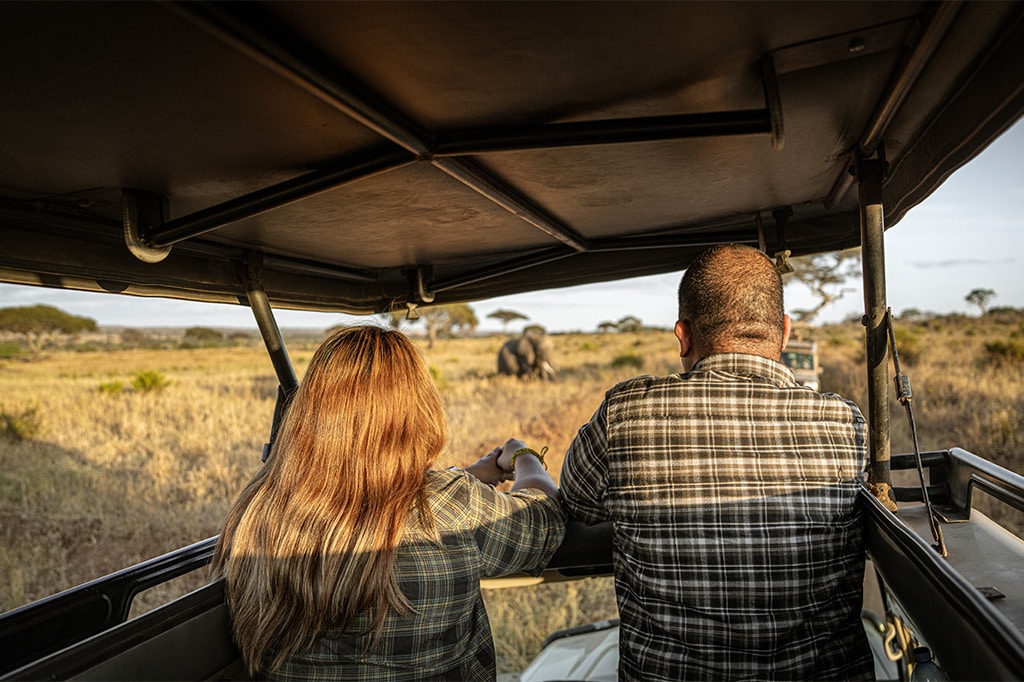
One of the best things about the Great Migration is that it is, essentially, a year-round process. The giant herds of this iconic African antelope do not go away, they simply move. The wet season has made food plentiful, and you are likely to see the herds grazing as they migrate.
In May, the millions-strong herd of wildebeest are on the move from the short grass plains of the southern Serengeti to make their way north to the expansive and food-rich central and western plains of the Serengeti.
2. Climbing mount Kilimanjaro in May
May is a little less predictable than other months – so a generous helping of luck can separate you from a wet climb or a clear, sunny climb. Because May marks the end of the rainy season, May can definitely have beautiful temperate weather for your ascension to the peak of Africa.
However, because there are still the occasional rainstorms in May, particularly in early May, there may be some wet weather to contend with on your way up. If that is the case, you will often take the Marangu or Rongai routes to be more comfortable in your hike. May also has considerably fewer people on the mountain.
3. Game drives, wildlife and birds in May
This time of year in the Serengeti is known as rutting season (also known as breeding season) – levels of testosterone start to skyrocket and tourists will have the chance to see competition between males. May is also one of the best times to visit Ngorongoro due to low tourist traffic and high animal activity.
As it is the end of the wet season, May begins with plentiful food, but as the climate becomes more dry, resources will become more scarce. This leads to wildlife densities increasing: animals tend to congregate around watering holes or small patches of lush trees and grass.
Tanzania Beaches in May
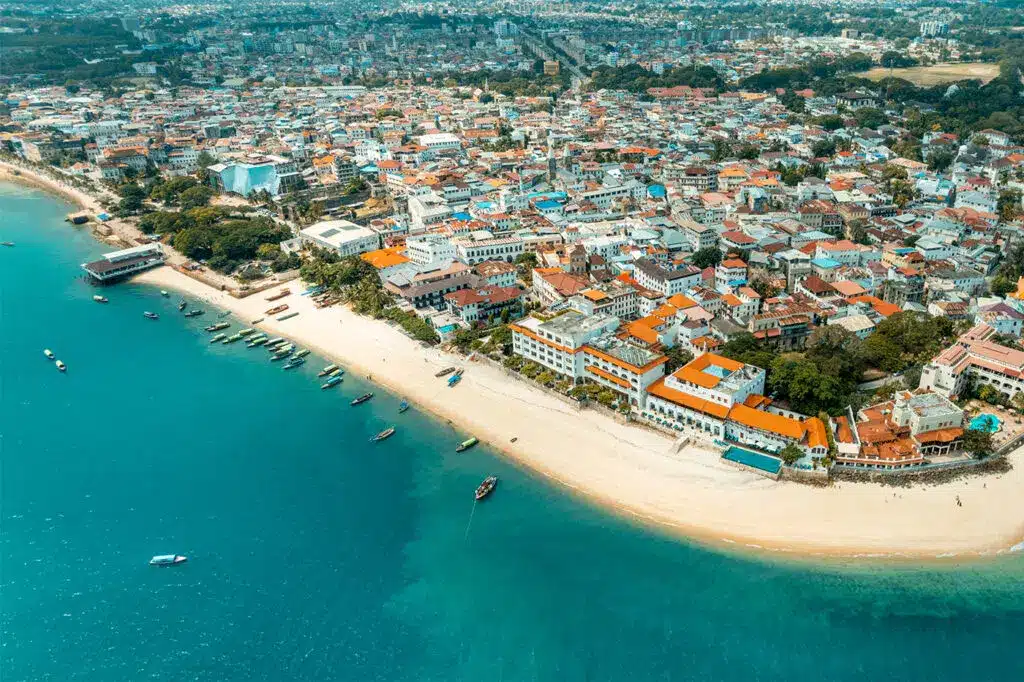
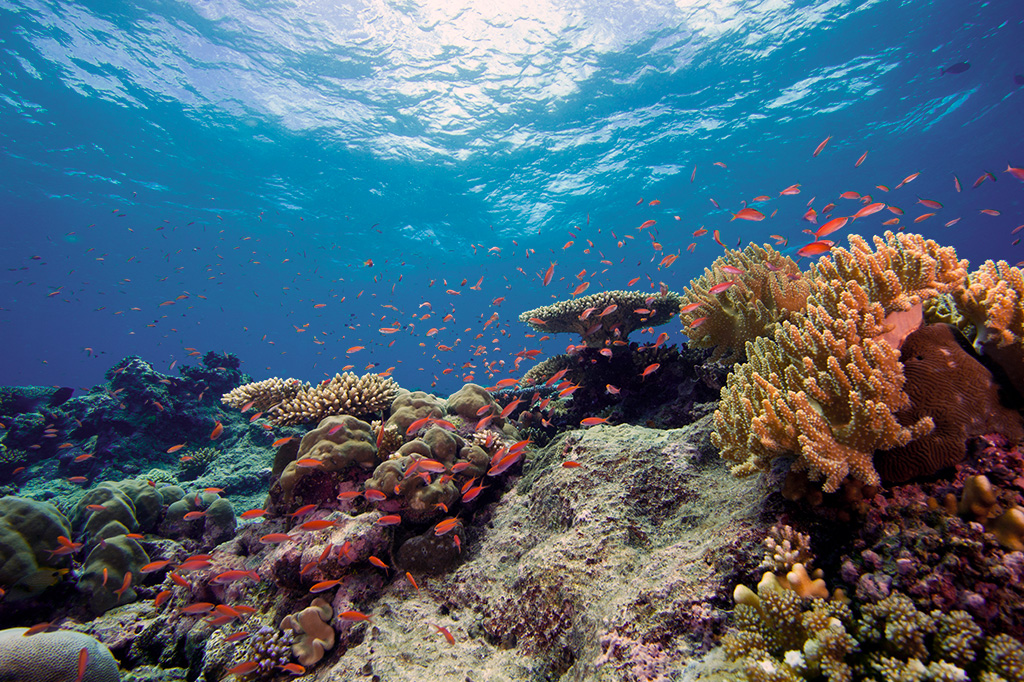
1. Zanzibar Island in May
Early May in Zanzibar continues April’s wetness, but as the month goes on, the rainstorms lose their intensity and become rarer. May evens out to a beautifully mild average temperature of 27°C. With the receding monsoons comes strong gusts of the southerly ‘kusi’ wind, offering ideal conditions for both kite and windsurfing.
May, a month that can sometimes feel transitory, is a month where Zanzibar benefits from relative peace and quiet. A trip to Zanzibar in May can potentially offer the best the island has to offer – historical sightseeing when rainy, and pristine, intimate beaches when dry.
2. Mafia Island in May
In May, the Kaskazi wind from the northeast is still bringing scattered thunderstorms that usually break in the early afternoon. Aside from these storms, Mafia’s beautiful beaches and clear blue waters are often untouched, as this is a lower season for tourists compared to other months.
3. Pemba Island in May
Tanzania in May and April are the rainier months on Pemba, but these are ecological necessities that allow the Green Island to live up to its name! While May has rainy days, there are still plenty of hours with clear skies, high temperatures, and calm waters to enjoy!
Southern Tanzania Safari in May

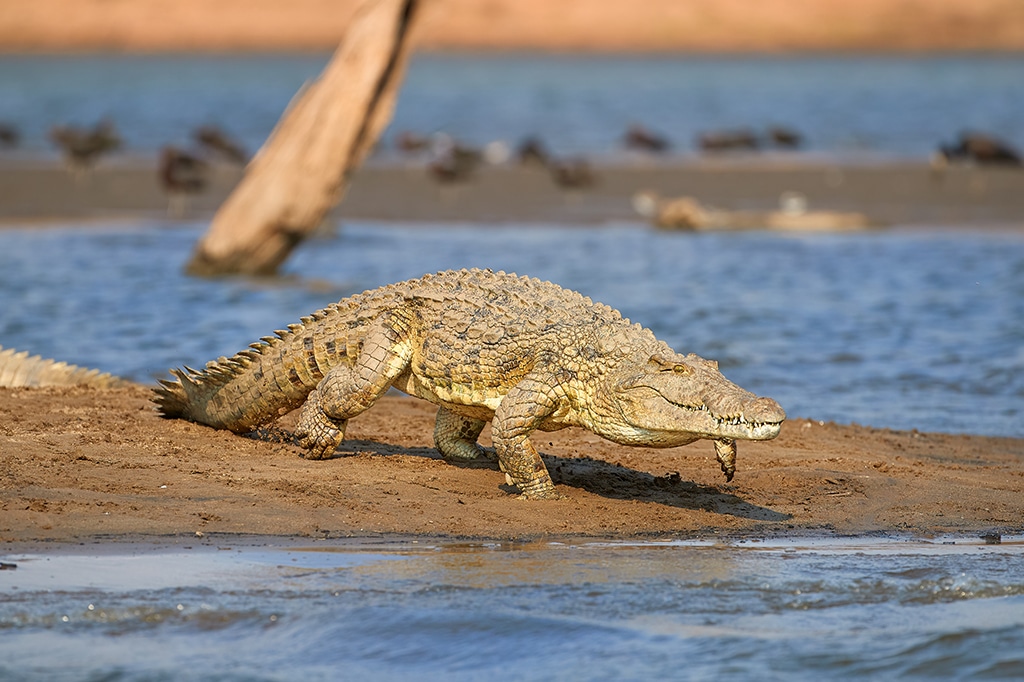
1. Game drives, wildlife, and birds in May
May is an interesting time in the wild – around the country it is the beginning of the breeding season (you may also see it referred to as ‘rutting’ season). As a result, many male animals feel a natural spike in testosterone and begin competing for female attention, making natural theatre for visitors.
The weather also has an impact on the landscape and wildlife. As the wet season dries up through May, the land’s resources slowly dwindle until only a few watering holes remain for animals to congregate around. This leads to easier sightings because of the wildlife density in these areas.
2. Ruaha National Park in May
While the preceding months have been wet, rainy, and green, the rain peters out in May, allowing for a short green season before the dry season truly takes hold of this huge national park. Tourism is still quiet in May, meaning this is your best chance to have a nearly empty park before the tourists arrive!
3. Nyerere National Park in May
May is a fair time to visit Nyerere. The rainy days of April are fewer in May, meaning more sunshine and heat to enjoy your safari. May is also a low season for tourists and even though the dry season is just beginning near the end of May, many lodges and accommodations will have lower prices.
Chimpanzee trekking in May
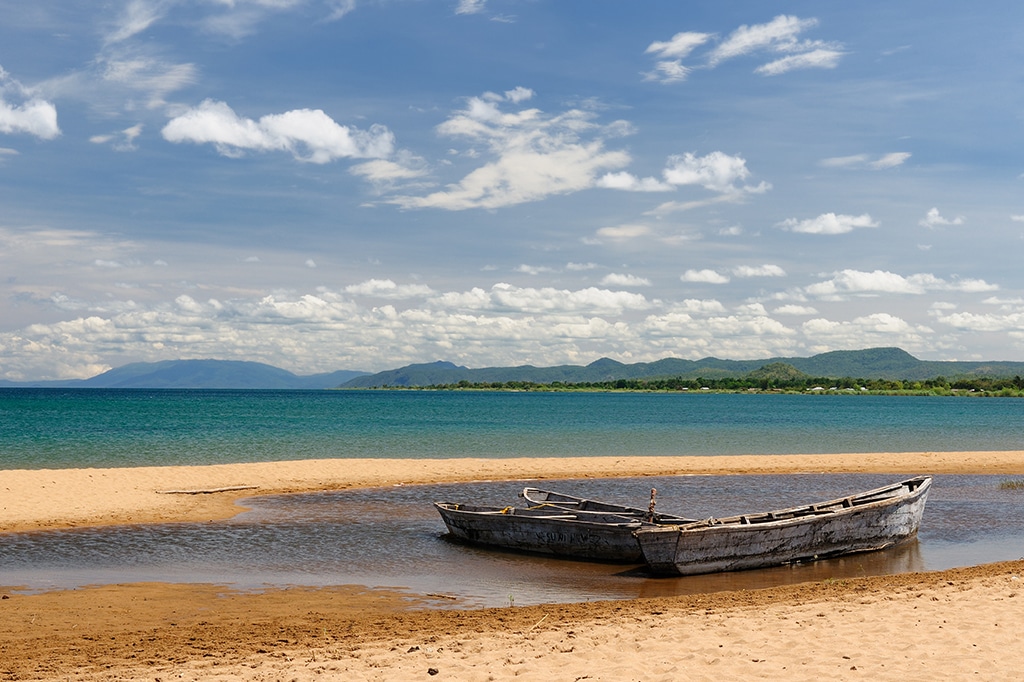
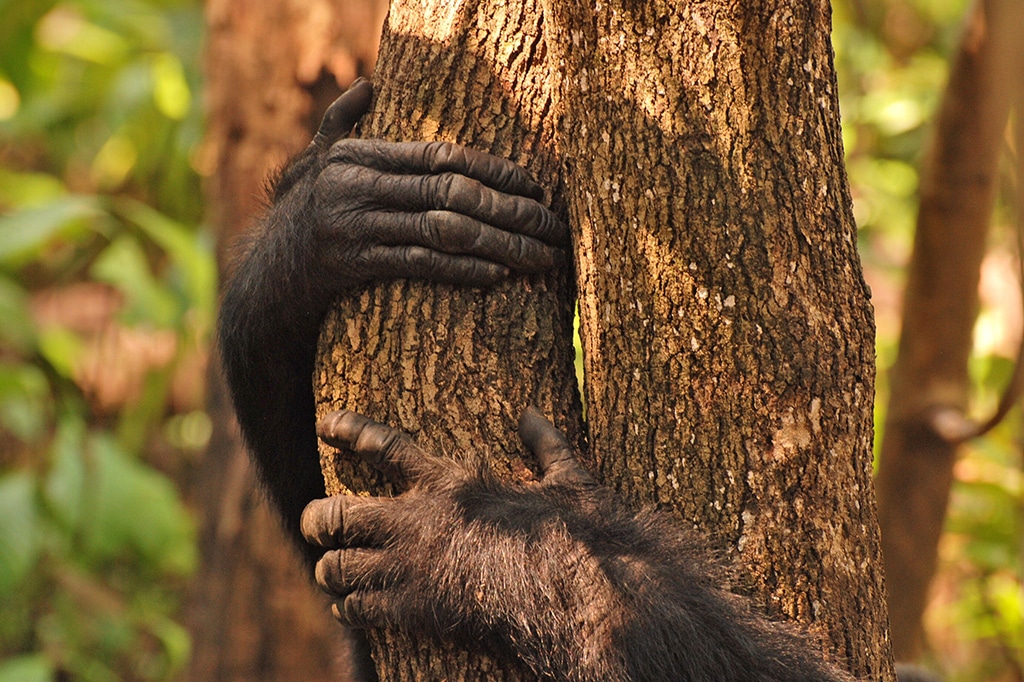
1. Mahale National Park in May
May is a transition month: the end of the rainy season and the beginning of the dry season. While the chimpanzees are often still in their highland homes in May, the weather becomes fairer, the air less humid, the rain rarer, and the bugs less plentiful!
2. Katavi National Park in May
As with most of Tanzania in May, Katavi is in flux. The end of the wet season will begin to see the Katuma River begin to thin, which will become a trickle in later months. Animals that had been hiding in the dense foliage will begin to come out in search of food and water.
3. Gombe National Park in May
Like most of western Tanzania, the rains of the wet season begin to decline in May, leading to a long dry season of clear skies and parched land. As the dry weather arrives, the landscape loses colour, and thus allows for better animal spotting while you’re on your safari!
Frequently Asked Questions About Tanzania in May
Is May a good time to visit Tanzania?
May is part of the long rainy season in Tanzania, making it less ideal for traditional safaris. However, it’s a rewarding month for travelers who enjoy lush green landscapes, quiet parks with very few tourists, and excellent low-season lodge rates.
What is the weather like in Tanzania in May?
Tanzania in May is warm and wet, with daytime temperatures between 24°C and 28°C. Rainfall remains frequent, particularly in the south and coastal areas, while northern parks often have clearer breaks between showers. Roads can be muddy, requiring 4×4 vehicles.
Can I see the Great Migration in May?
Yes, the Great Migration usually moves from the central Serengeti toward the Western Corridor in May. Large herds follow the rains in search of fresh grasses, and predator sightings are possible. With fewer visitors, it’s a quieter but still rewarding safari experience.
Is May a good time to climb Kilimanjaro?
May is not recommended for climbing Kilimanjaro. The long rains make conditions slippery and visibility poor, reducing summit success rates. It’s better to wait for the drier months of June to October or climb earlier in the year in January or February.
Can I visit Zanzibar in May?
Zanzibar in May is in the middle of its long rainy season. While the beaches remain beautiful, heavy rainfall and high humidity limit snorkeling, diving, and other outdoor activities. The island is quiet, and hotels often offer significant discounts.