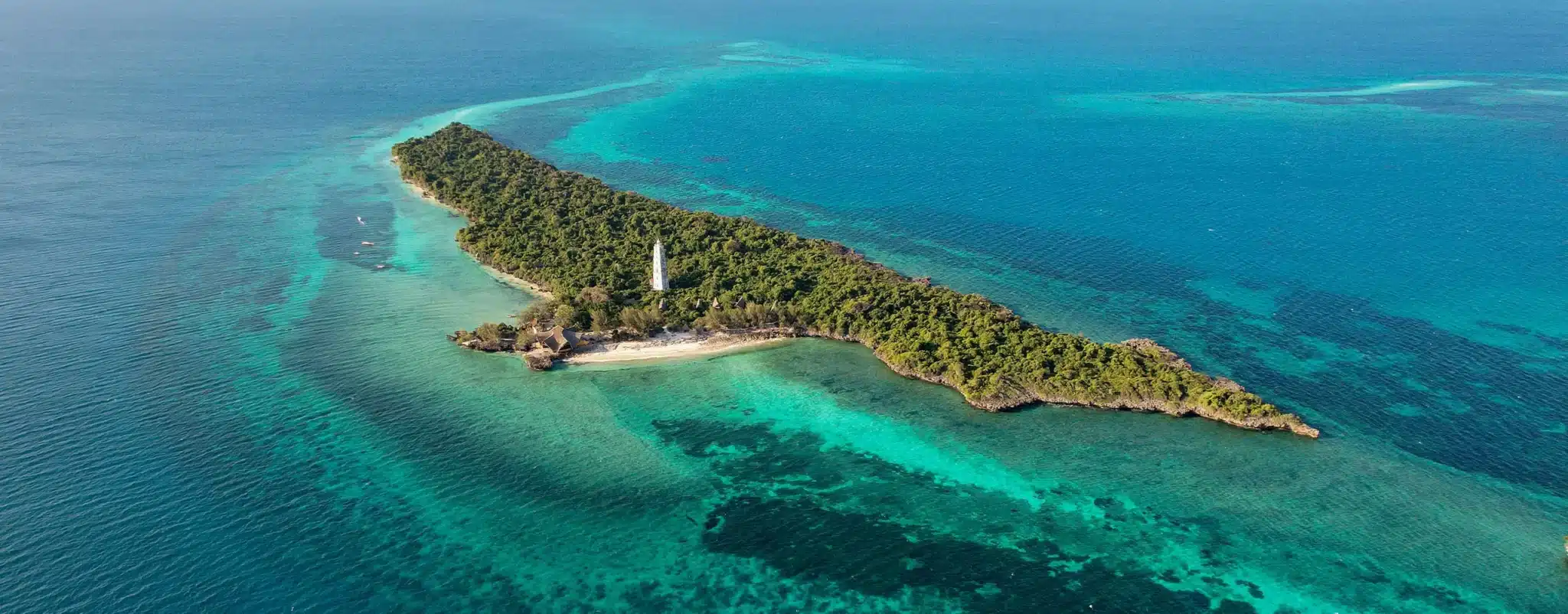
Experience a slice of paradise on Chumbe Island, a pristine coral reef island sanctuary off the coast of Zanzibar.
Discover its vibrant marine life, eco-lodges, and commitment to conservation for an unforgettable eco-adventure.
Pristine coral reef island sanctuary.
Vibrant marine life and snorkeling opportunities.
Eco-friendly accommodations and facilities.
Commitment to conservation and sustainability.
Serene and untouched natural beauty.
To reach Chumbe Island, you can drive from Stone Town to the ferry terminal and then take a boat transfer to the island, a journey of approximately 45 minutes.
Fly from Dar es Salaam to Abeid Amani Karume International Airport in Zanzibar, then embark on a boat transfer to reach the pristine shores of Chumbe Island.
The best time to visit Chumbe Island is during the dry season, from June to October, when the weather is pleasant, and there is minimal rainfall.
This allows optimal snorkeling and diving conditions to explore the vibrant coral reefs surrounding the island.
Chumbe Island is known for its pristine coral reefs, diverse marine life, and the Chumbe Island Coral Park. The main attractions include snorkeling, diving, nature walks, and the opportunity to stay in eco-friendly bungalows.
Absolutely! Chumbe Island offers excellent snorkeling and diving opportunities. Explore the vibrant coral reefs, encounter a variety of marine species, and witness the beauty of the underwater world.
Boat tours are unavailable from Chumbe Island, as it is a protected marine park. However, you can arrange boat trips from nearby locations to explore the surrounding waters and enjoy coastal cruises.
In Chumbe Island, you can engage in various water activities, including snorkeling, scuba diving, kayaking, and paddleboarding. Discover the rich marine ecosystem, explore mangrove forests, and enjoy the tranquil turquoise waters.
The best time to visit Chumbe Island is during the dry season, generally from June to October. This period offers sunny weather, calm seas, optimal water activities, and beach exploration conditions.
Chumbe Island is surrounded by other islands in the Zanzibar archipelago. You can explore nearby destinations such as Prison Island, Mnemba Island, or Pemba Island, each offering unique attractions.
Chumbe Island offers a unique culinary experience, focusing on fresh seafood and locally sourced ingredients. Enjoy delicious meals prepared with Swahili and international flavors, highlighting the island’s gastronomic delights.
Chumbe Island offers eco-friendly accommodations in its eco-bungalows. These spacious and comfortable bungalows provide a unique opportunity to stay on the island while preserving the fragile ecosystem.
Absolutely! Chumbe Island offers breathtaking sunrises and sunsets. Wake up early to catch the first rays of sunlight over the Indian Ocean, or unwind in the evening while enjoying the mesmerizing colors of the sunset.
Chumbe Island provides a tranquil environment for birdwatching enthusiasts. Explore the island’s lush vegetation and spot various bird species, including coastal, migratory, and endemic birds.
During low tide, you can take guided nature walks along the island’s nature trails, explore the unique ecosystem of the mangrove forest, or relax on the beach and enjoy the peaceful surroundings.
While Chumbe Island is generally safe, it’s important to follow the guidelines and instructions provided by Chumbe Island Coral Park. Respect the marine life and coral reefs, avoid touching or damaging them, and be mindful of the fragile ecosystem.
Chumbe Island is primarily a day trip destination, allowing visitors to explore the island’s coral reefs, enjoy guided nature walks, and experience the unique ecosystem. Overnight stays are available for a more immersive experience.
Chumbe Island offers wellness and spa facilities where you can indulge in relaxing treatments and massages. Experience rejuvenation amidst the tranquil surroundings and immerse yourself in a state of well-being.
Chumbe Island has a relaxed atmosphere, but it’s advisable to dress modestly out of respect for the local culture and traditions. When visiting the nearby villages, it’s important to adhere to local customs and dress appropriately.

Hi there!
Do you need help planning
your Tanzania Tour?
Our experts are ready to help you plan your tour
WhatsApp us