If you want to travel in comfort without all of the extra time, costs, and experiences that come with plush accommodations, our comfort plus safaris are the perfect choice.


The Big Five aren’t going to find themselves! And if you’re on the lookout for them, you’re likely only looking for a place to fall asleep at the end of a long day.


The best time of year to see the Big Five is likely to be the long dry season, as this is when food and water are at their most scarce. Wildlife, during this season, tend to congregate in a handful of predictable spots like rivers and watering holes as they await the return of seasonal rain. The landscape also becomes drier and offers better visibility without as much foliage in the way. Take a look at our When To Go section for more information.
There are a small handful of national parks in the whole of Africa where all of the Big Five live and roam. Tanzania is home to one of the most famous and iconic parks, Serengeti National Park. Serengeti has a wide range of African wildlife, including the Big Five but not limited to them. There is so much more to see in addition to the Big Five.
A Big Five Safari can last anywhere from a few days to several weeks, depending on your budget and availability. We offer Big Five safari tour packages ranging from 3 to 10 days, but it’s also possible to customize your trip to suit your needs.
Easy Travel caters to families with children and offer child-friendly activities and accommodations. However, it’s important to ask age limits and safety guidelines beforehand.
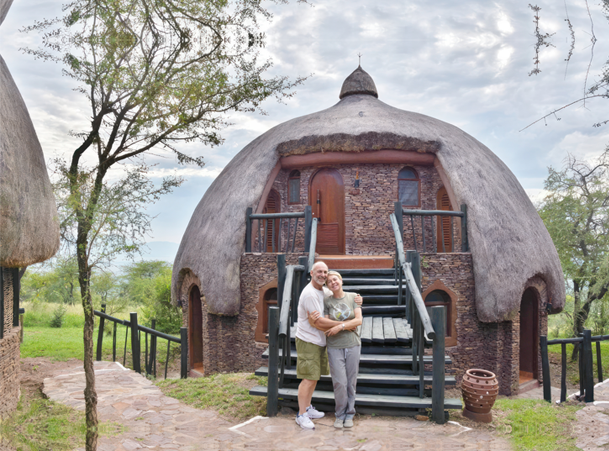
Accommodations on a Big Five Safari can vary depending on the type of safari and budget. Options range from luxury lodges and tented camps to budget-friendly camping sites. Many accommodations offer comfortable amenities, such as hot water, electricity, and Wi-Fi, but it’s important to check beforehand to ensure your needs are met.
The cost of a Big Five Safari can vary greatly depending on the location, length of stay, and level of luxury. A budget safari can cost as little as a few hundred dollars per person, while a luxury safari can cost several thousand dollars per person per day. It’s important to research your options and budget accordingly. Please read how much does it cost to go on a safari in Tanzania.
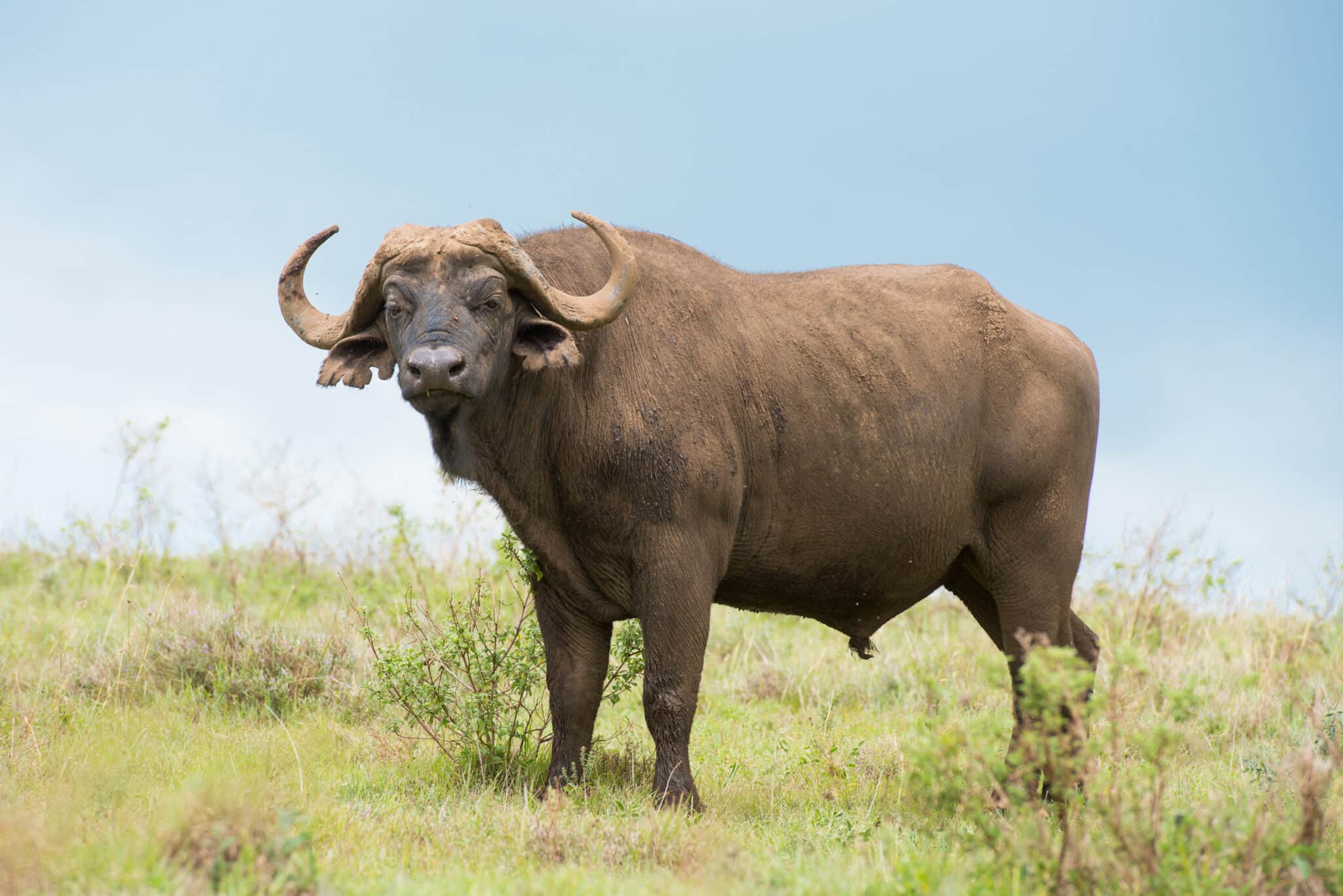
Tanzania is home to some of Africa’s most renowned national parks, including Serengeti National Park and Ngorongoro Conservation Area, which offer some of the best wildlife viewing opportunities in the world. Tanzania is also home to many lions, elephants, leopards, Cape buffaloes, and black rhinoceros, making it an ideal destination for a Big Five Safari.
The best parks for a Big Five Safari in Tanzania are Serengeti National Park, Ngorongoro Conservation Area, Tarangire National Park, Lake Manyara National Park and Ndutu. These parks offer a diverse range of landscapes and wildlife viewing opportunities.
A typical day on a Tanzania Big Five Safari involves early morning game drives, during which you can spot wildlife when they are most active. Afterward, you will return to your lodge or camp for breakfast and some rest time. You will go on another game drive in the afternoon, followed by dinner and evening relaxation at your accommodation.
Yes, Tanzania is home to several indigenous tribes, such as the Maasai and Hadzabe, who offer cultural experiences such as village tours and traditional dance performances. It’s also possible to visit local markets and interact with locals to learn more about Tanzania’s culture and way of life.
Yes, Tanzania offers a range of other activities that can be combined with a Big Five Safari, such as hot air balloon safaris, walking safaris, and beach holidays on Zanzibar Island. Combining a Tanzania safari with a visit to other nearby countries, such as Kenya, Uganda or Rwanda, is also possible.
Yes, Easy Travel offers walking safaris in Tanzania, which allow you to get up close and personal with the wildlife and experience the savannah on foot. Walking safaris are typically led by an armed guide and require a certain level of fitness and stamina. Researching the specific walking safari itinerary beforehand is important to ensure it meets your needs and expectations.
Yes, Easy Travel offer customized itineraries that can be tailored to your preferences and interests. You can choose the length of your safari, the parks you want to visit, the type of accommodation you prefer, and any additional activities you would like to include, such as cultural experiences or hot air balloon safaris.
Tipping is a common practice in Tanzania, and it’s customary to tip safari guides, drivers, and other staff members who provide services during your safari. The tip amount can vary depending on the level of service provided and your satisfaction. A general guideline is to tip $25 per couple / per day to your safari driver guide.
It’s important to pack appropriate clothing for the weather and protection against insects and the sun. Comfortable and sturdy shoes are also essential. Binoculars and a camera with a telephoto lens are recommended for wildlife viewing. Other essential items include a hat, sunglasses, sunscreen, insect repellent, and a flashlight. Please Read 10 essential items to pack for your safari.
Yes, Big Five safaris are generally safe if you follow the guidelines of your safari guide or ranger. Never approach wild animals on foot; always stay in designated areas or vehicles. Be aware of your surroundings and always listen to your guide’s instructions.
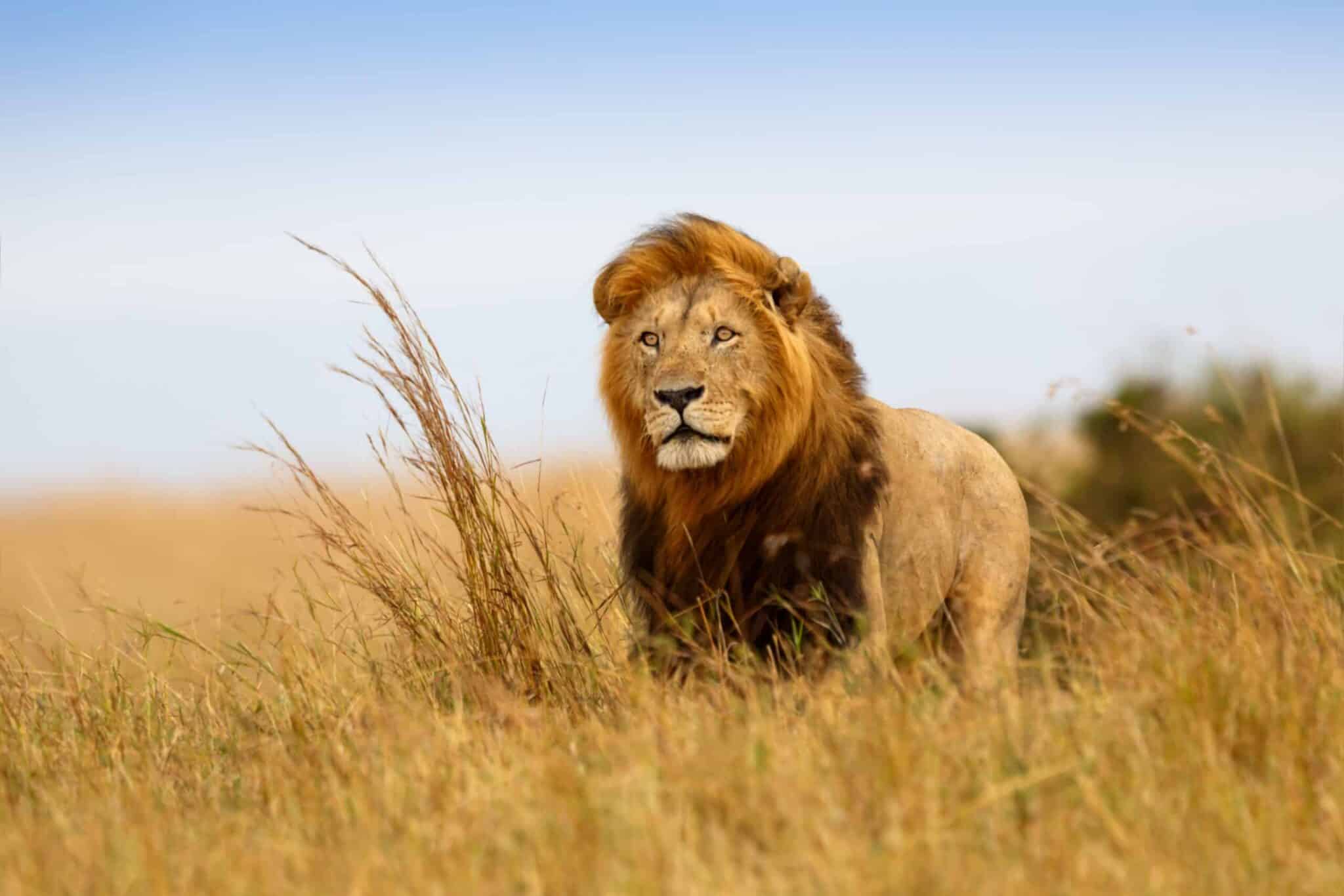
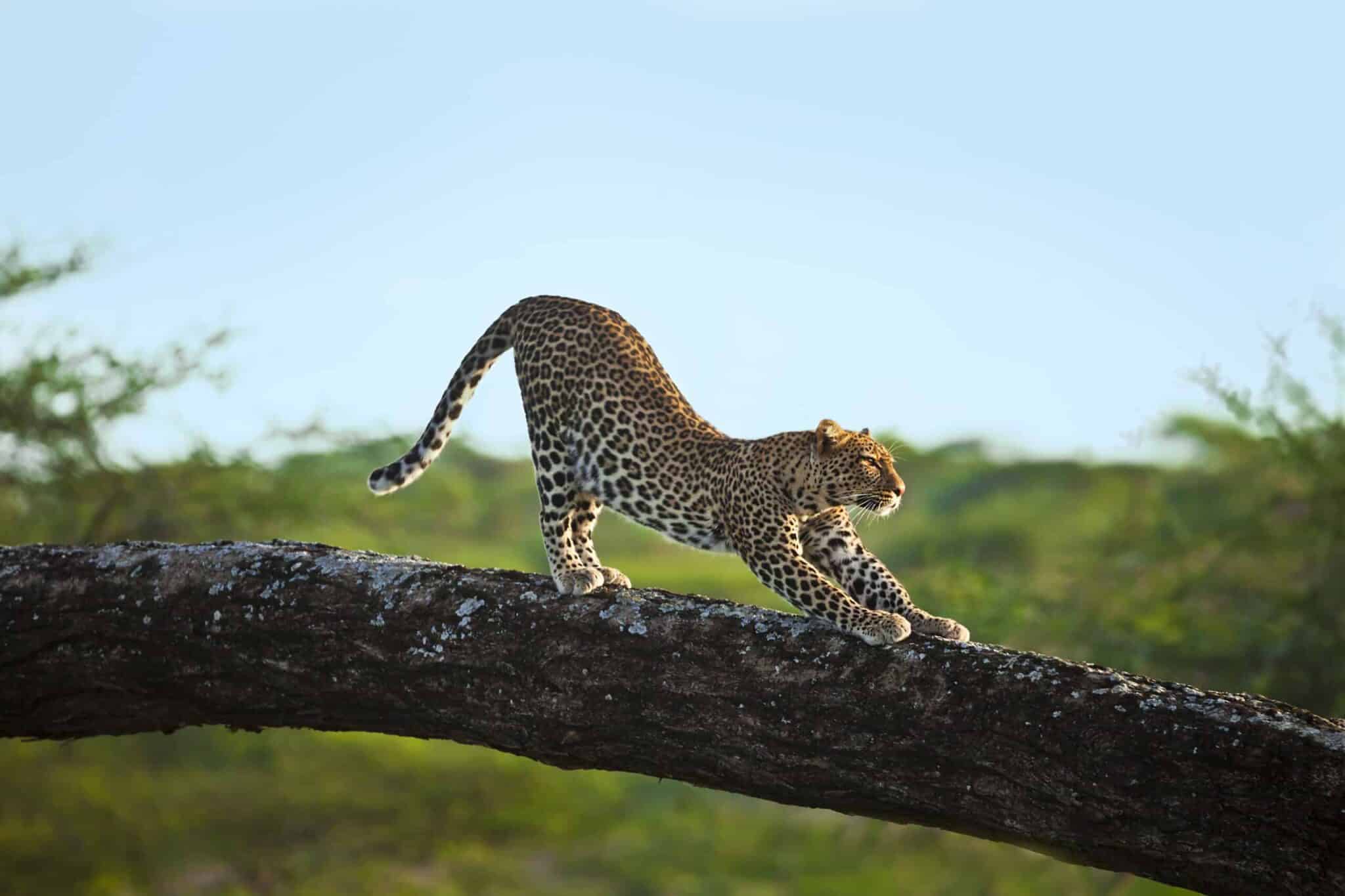
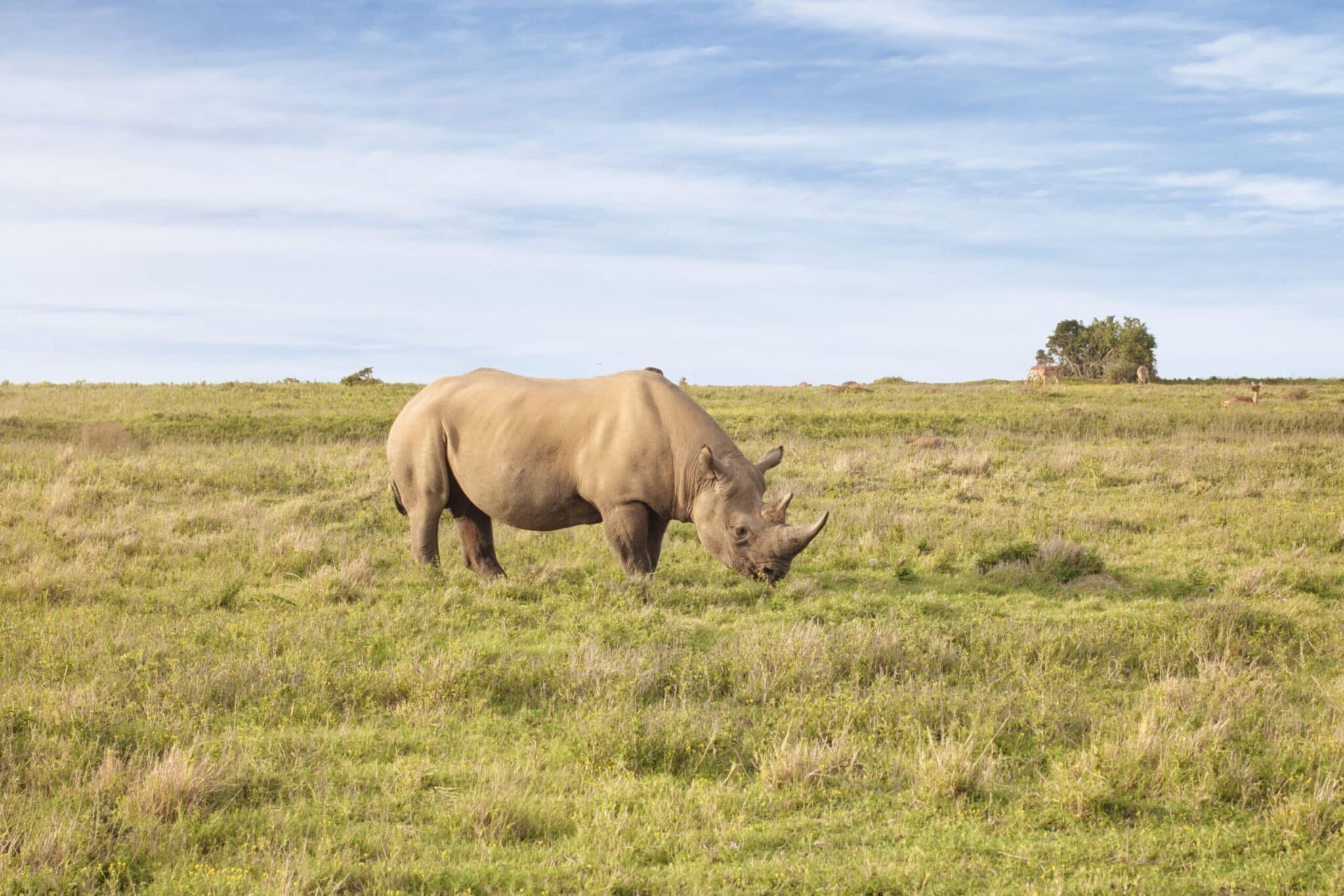
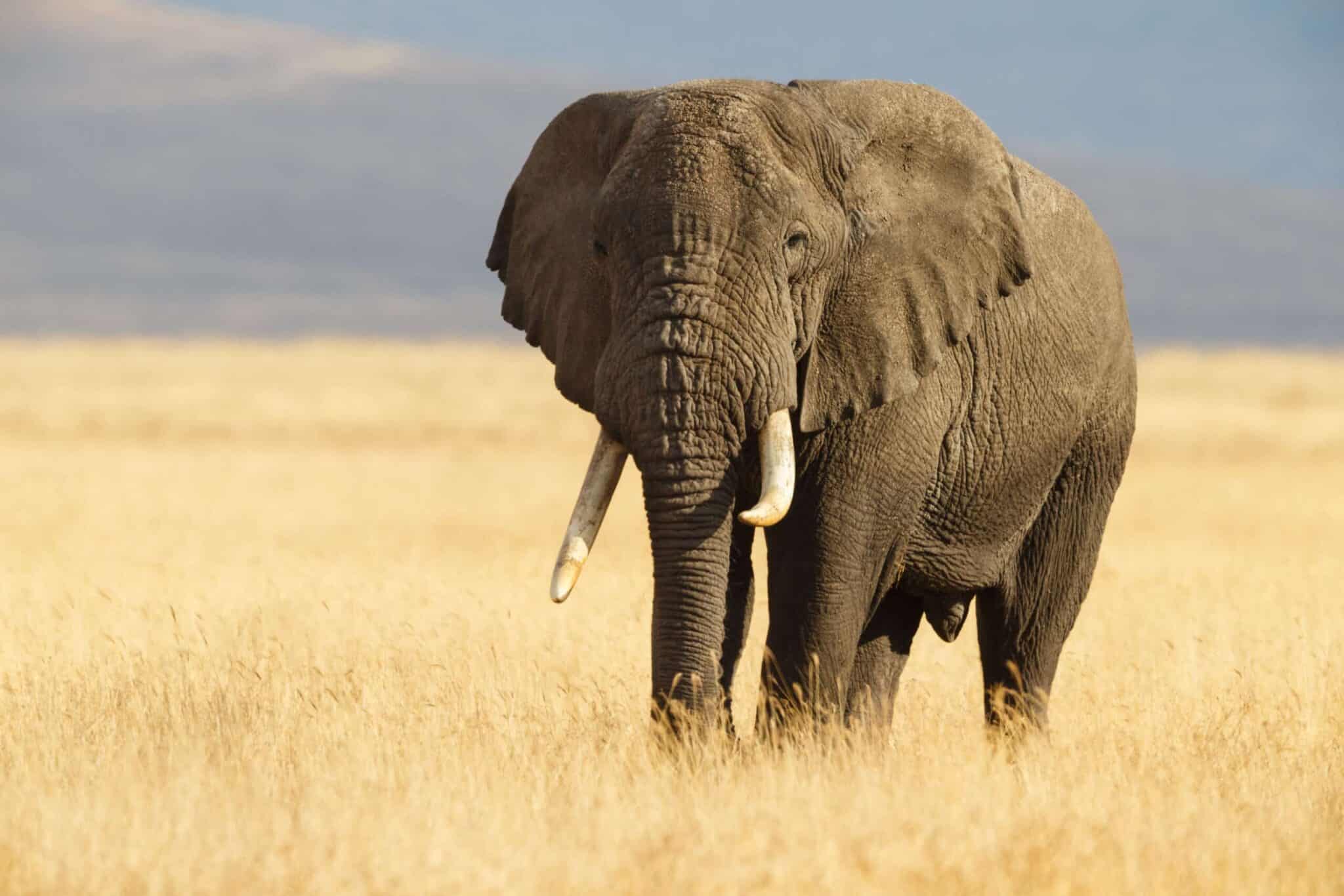
The African ‘Big Five’ is a group of large African mammals that includes the elephant, lion, buffalo, rhinoceros, and leopard. The ‘Big Five’ is a term that was coined over a century ago by European big game hunters who considered these five animals the most difficult to hunt on foot. Conservation efforts and environmental protection now discourage and outlaw hunting these animals, particularly in protected areas like national parks. However, despite the dark origin of the name, they are still five of the most well-known and popular African animals that tourists want to see in the wild.
There are a few animals, like the cheetah, that could probably be considered part of the broader idea of ‘big’ animals in Africa. Giraffes, hippopotamus, and kudu are all large animals, but the Big Five is, essentially, a random group of African animals that was chosen decades ago. If you do happen to see a cheetah instead of a leopard, you’re still successful as they are tough to spot and, some would argue, even more beautiful!
The two most elusive members of the Big Five are the rhino and the leopard. Rhinoceros, as have been well-documented for the past few decades, have been hunted nearly to extinction, and there are only a few hundred left in the wild. It is considered extremely rare to see a black rhinoceros, as these are critically endangered while white rhinoceros are relatively less rare to see in the wild. Leopards, while not facing extinction like the rhino, are elusive animals, mostly active at night and extremely capable of camouflage during the day. Spotting one of these spotted cats is rare and exciting!
WhatsApp us