



Weather in Tanzania in November
November marks the true end of Tanzania’s long dry season – the end of October sees the seasons shift and the rain comes again to drench the thirsty land. At first, these will come as short, overnight storms that will tamp dust back into the ground and freshen up the landscape.
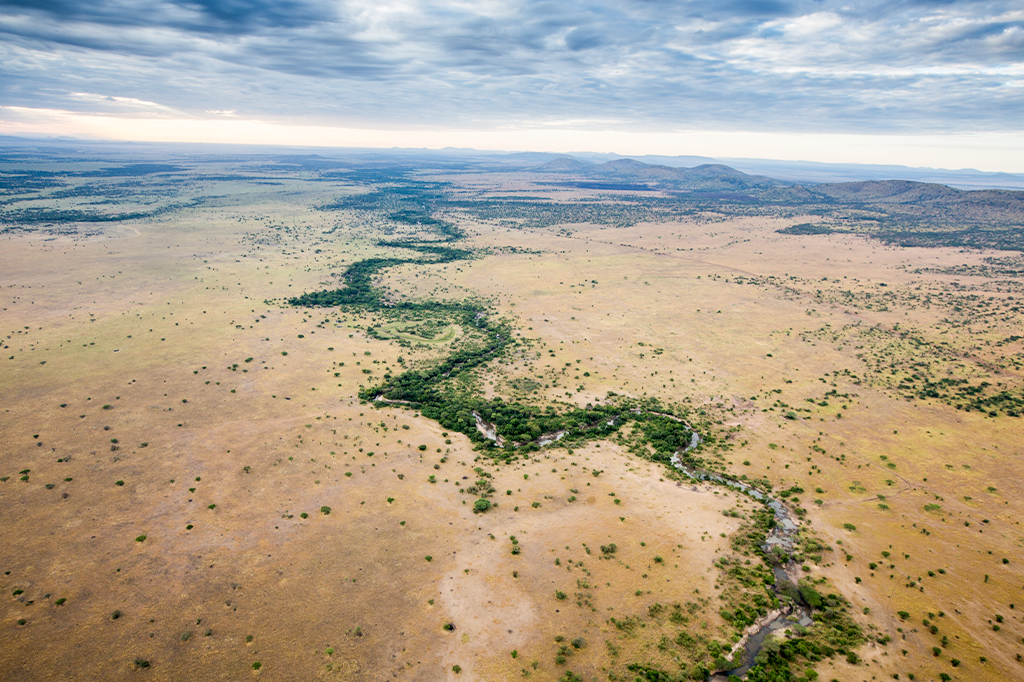
November is an underrated month to visit Tanzania. While many people want to visit during the dry season window, November is a transitional month where you can see the land change before your very eyes. Roads are still open and river flows are still low, meaning you can move about like it is the dry season.
Lodges in Tanzania in November
While the time period from June to October consistently sees peak rates for hotels and resorts in Tanzania, November’s rains bring some relief. November is what we classify as ‘high’ season, which is not quite as popular as ‘peak’ season, but still more popular than ‘low’ season.
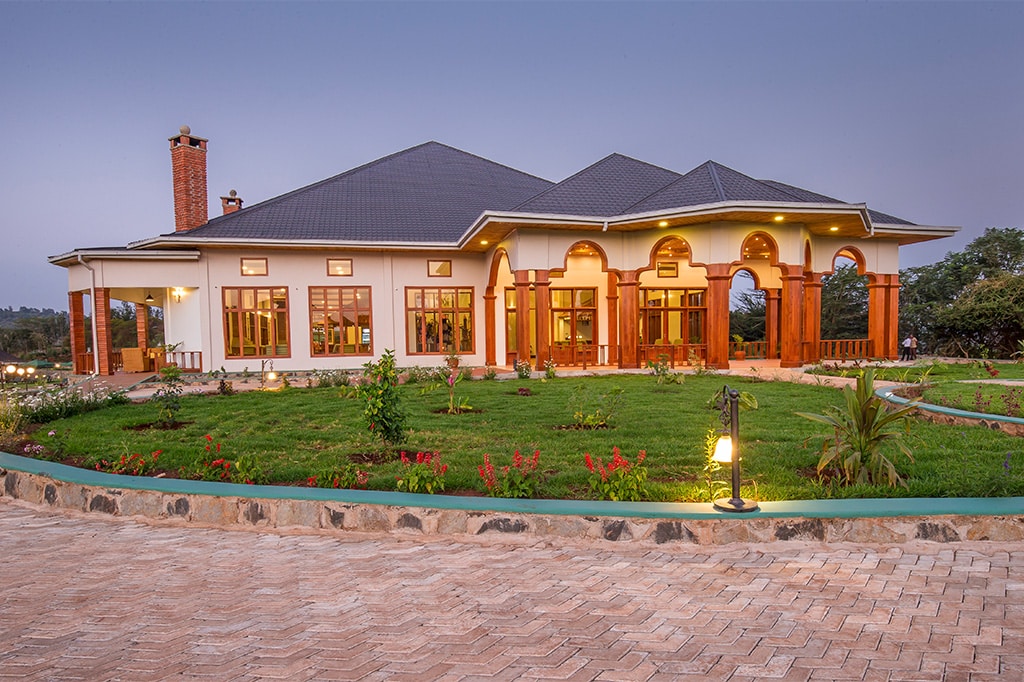
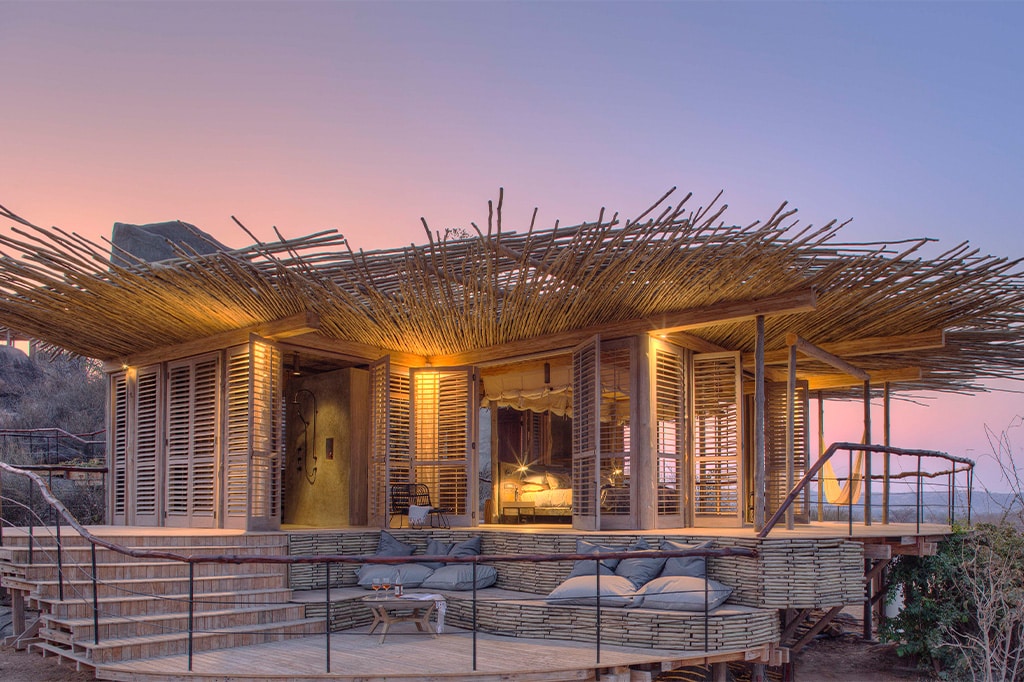
You’re therefore likely to find decent prices on accommodations in November as their operators understand that there will be a dip in tourism during this month. This also means that there is likely to be a decent array of options since fewer people are visiting.
Northern Tanzania Safari in in November
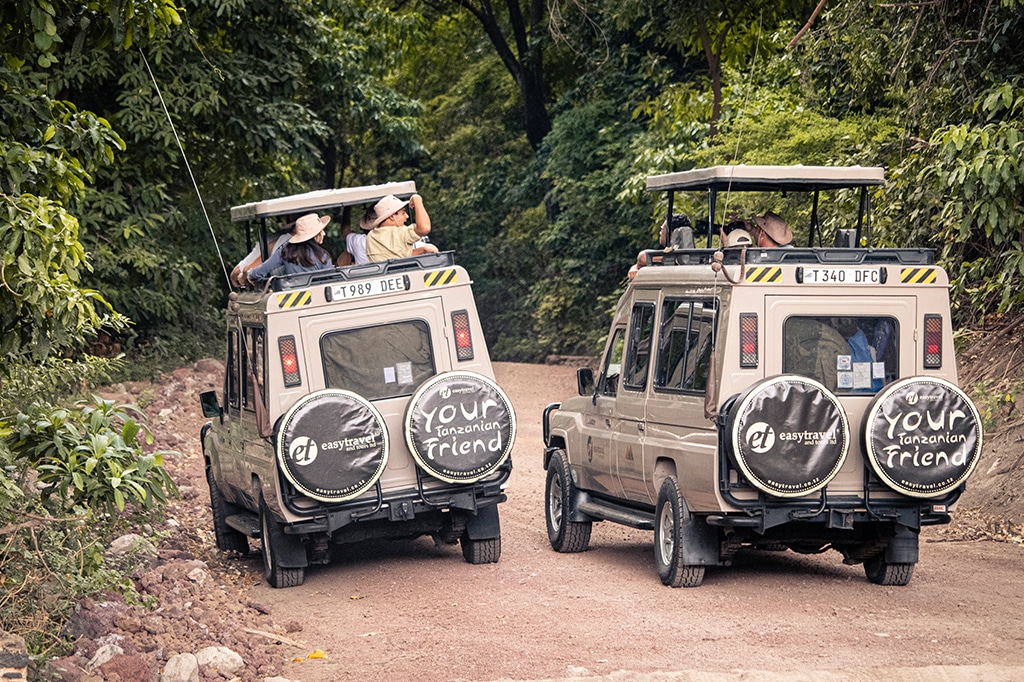
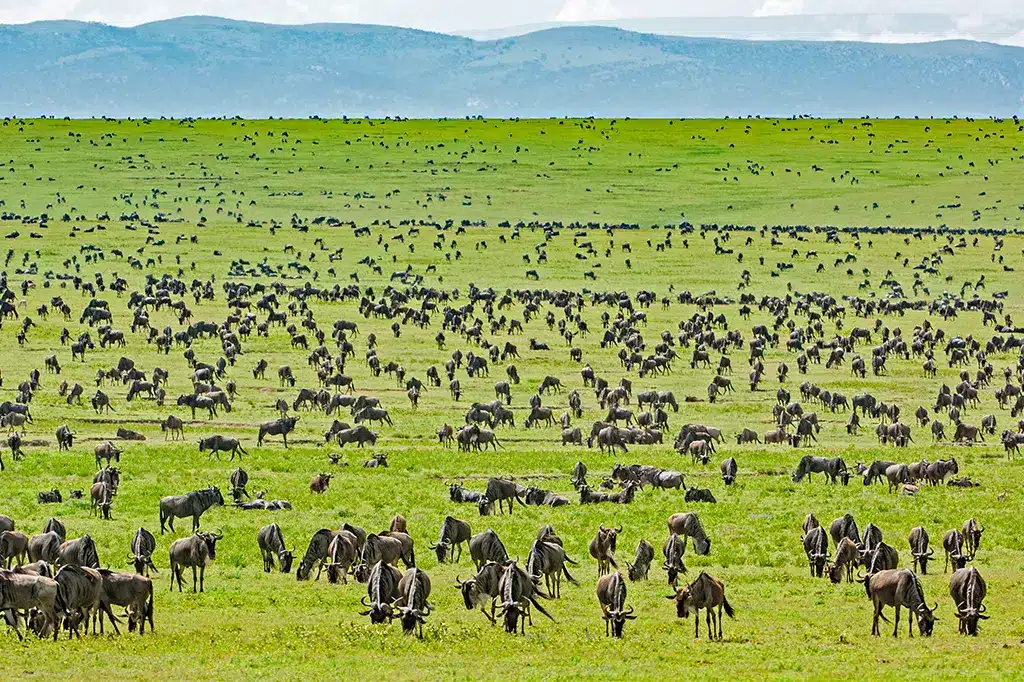
The Wildebeest Migration in November
Now that the rain has come back and begun drenching the land at the beginning of the green season, the Great Migration is on the move again. No longer confined to watering holes and large rivers that will cater to their millions-strong thirst, the herd can now move on to find food in the newly-green grasslands.
You are likely to find the Migration heading south, following the rain as it drenches the land. While dry season often sees them congregated up north and even in Kenya, November sees the herd move south and into the plains of the central Serengeti, where you’re most likely to spot them.
Climbing mount Kilimanjaro in November
November is a decent month to go climbing Africa’s highest mountain. While the weather does become more rainy in November, as it is the beginning of the green season, the temperatures are still mild and the weather is not too disruptive. Mountain temperatures can get colder the higher you go, however, so dress warmly.
When ascending in November, you can expect short rainy periods in the early afternoons, but these often give way to clear skies and incredible views – so you need not worry that your sight from the peak will be obscured by clouds. During this short rainy season, you’re likely to take the Marangu or Rongai routes.
Game drives, wildlife and birds in November
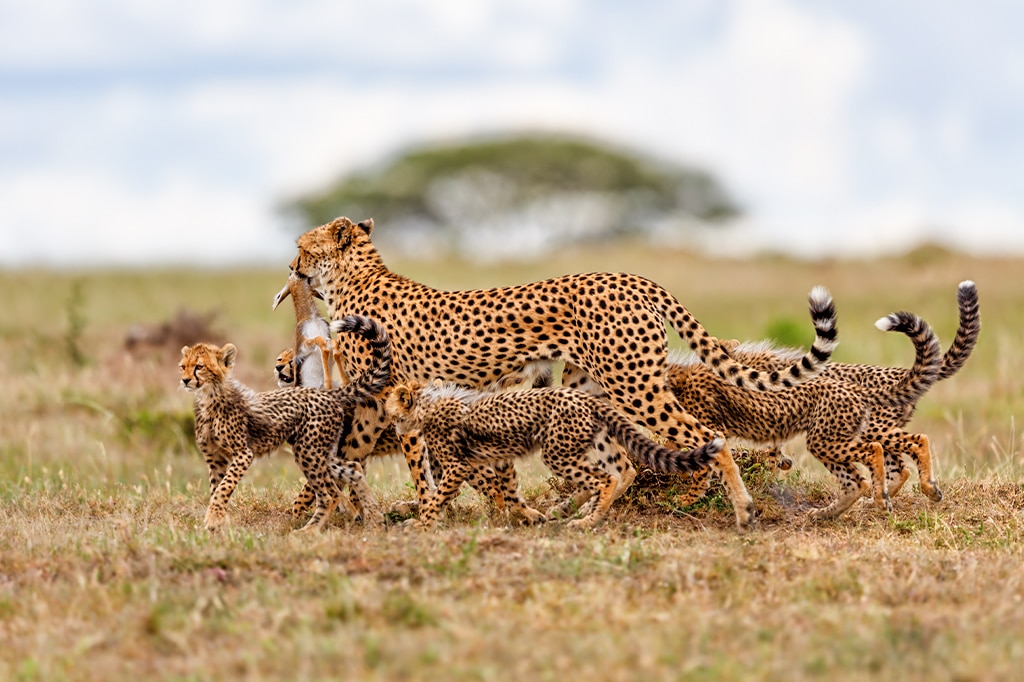
While the short rainy season has come about, this does not mean that animals will be few and far between. Indeed, lots of animals now begin moving outward, spreading themselves further afield instead of focusing on sparse watering holes. Migrations are common, especially with migratory birds returning to the parks of Tanzania.
If you are concerned about this, Ngorongoro has compact game densities year round, but all the northern parks hold something special. Tarangire National Park and others start warming up – the rains bringing new growth and humidity back to the forests of northern Tanzania, allowing the land to explode in colour.
Tanzania Beaches in November
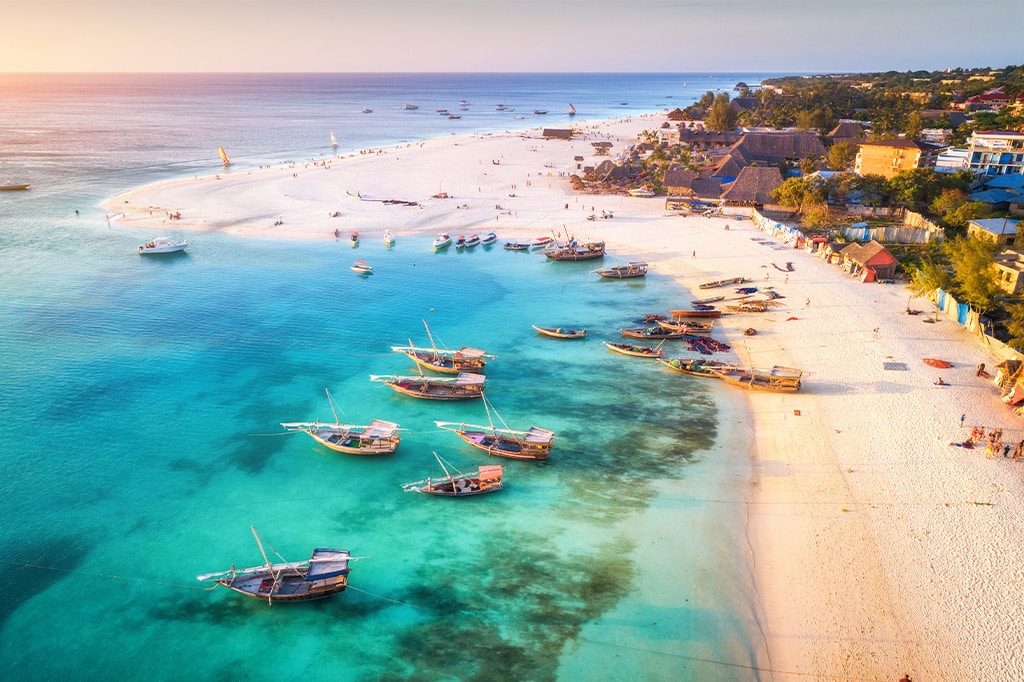
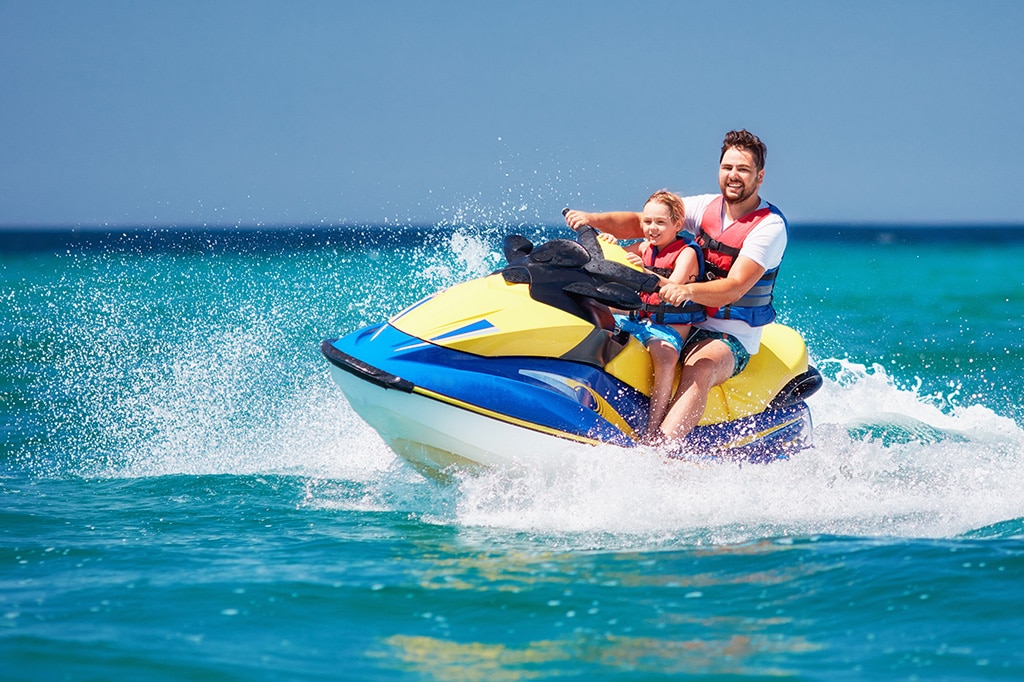
Zanzibar Island in November
While November is the beginning of Tanzania’s short rainy season, Zanzibar still gets its fair share of sunshine – 10 hours a day, usually. While there will be rainfall, these are usually short bursts that occur in the early afternoon, leaving lots of time to enjoy the beach.
Spend your time lounging on the beach, soaking up the sunshine or soaking in the warm waters of the Indian Ocean. Or, for the adventurous types, try your hand at diving. October offers still and clear waters around the reefs speckling Zanzibar’s coastline, offering incredible sights of tropical marine life.
Mafia Island in November
November is the beginning of a short, wet season. While it certainly doesn’t experience as much rainfall as April or May, there is enough to make the local flora bloom into magnificence. The weather also heats up in November, with daily highs of up to 32°C.
Pemba Island in November
Every year around November, Pemba Island experiences a bit of a heatwave that lasts through December and well into February. While the rest of the country has a short rainy season followed by a green season, the Green Island isn’t ever without the beautiful foliage which gives it its nickname.
Southern Tanzania Safari in November
Game drives, wildlife, and birds in November
Like the more well-known parks up north, the southern parks experience a revitalisation in November. With the return of the rain in November comes the return of colour to these parks, which have been varying shades of brown and beige since June.
Animals begin to spread from their dense congregations around watering holes and rivers that were used to feed and sustain them in the dry months, now dispersing in search of newly-grown food sources from the rain. The heat will also increase throughout November, as the afternoon storms bring with them humidity.
Ruaha National Park in November
After a full five months of sunny, cool weather and a parched landscape, November brings with it a much-needed drenching. November’s rains mean that the landscape flourishes, and the plant life of Ruaha blooms into life again. While this may make it difficult to spot animals, the natural beauty of the park is on full display.
Nyerere National Park in November
Even though the rainy season of the last two months of the year has begun, November is still a very good time to visit Nyerere. After the animals of the park have been densely packed for the long dry season, November’s rains bring a general scattering of the wildlife, allowing you to see them in action and on the move!
Chimpanzee trekking in November
Mahale National Park in November
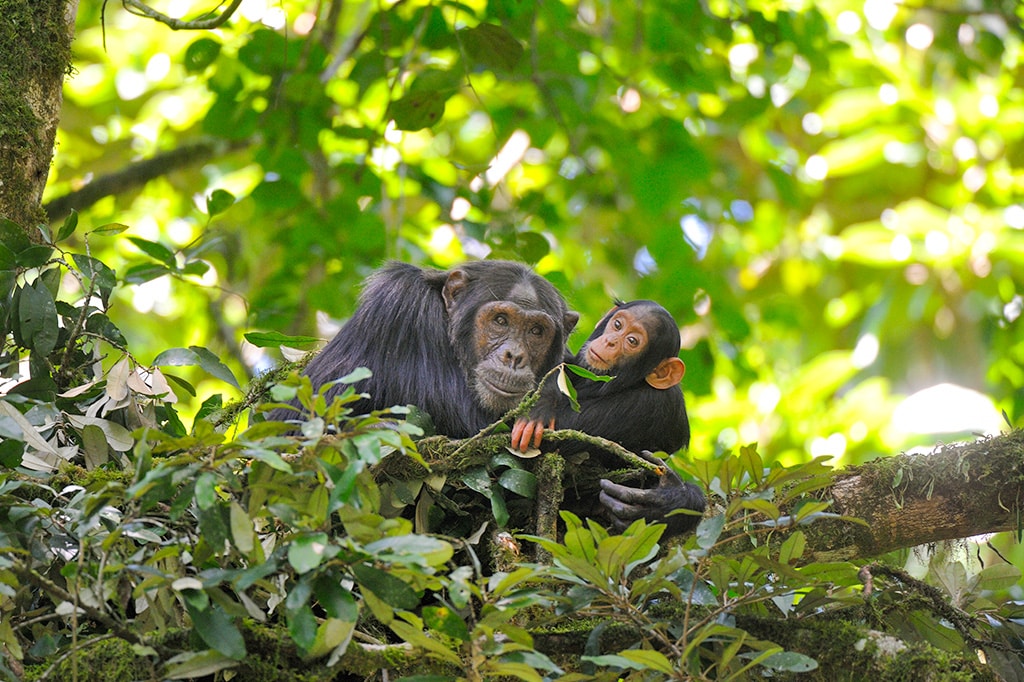
November marks the end of the dry season and the beginning of Mahale’s wet season. The chimpanzees will begin their trek to higher and cooler climates in the peaks, while the November rain makes the vegetation around the lake teem with new life and growth!
Katavi National Park in November
When November comes around, nature feels like it is reasserting her dominance on the land. After a long dry season, the wetter weather allows for exponential plant growth. As life creeps back into the land, the air clears of dust and the heat increases, making November a comfortable time to visit.
Gombe National Park in November
As November comes, so too comes the end of western Tanzania’s dry period. However, the wet weather does not come all at once so if you are keen on the best chance to see Jane Goodall’s Kasekela chimpanzees in the wild, November is your last chance of the year!
Frequently Asked Questions About Tanzania in March
Is November a good time to visit Tanzania?
Yes, November can be a great time to visit Tanzania if you prefer fewer crowds and lower prices. The short rains begin, but showers are usually brief and fall in the afternoon, leaving plenty of time for rewarding game drives and beach activities.
What is the weather like in Tanzania in November?
Tanzania in November is warm, with daytime temperatures between 25°C and 30°C. Short rains bring scattered showers that quickly clear, creating lush green landscapes. Northern safari parks remain very accessible, and Zanzibar enjoys warm, sunny days with occasional rainfall.
Can I see the Great Migration in November?
Yes, the Great Migration typically starts moving south in November, heading from northern Serengeti toward central and eastern Serengeti. Herds spread out following fresh grasses, and predator-prey encounters remain exciting during this transition.
Is November a good time to climb Kilimanjaro?
November is possible for Kilimanjaro climbs, but it is less ideal than the dry months. The short rains can make trails muddy and visibility less reliable. Climbs are still done, but trekkers should be prepared for wetter conditions compared to June–October or January–February.
Can I visit Zanzibar in November?
Yes, Zanzibar is still a good choice in November. While short rains bring some showers, the island enjoys plenty of sunshine and warm seas, making it suitable for snorkeling, diving, and beach relaxation. Tourist numbers are lower, so it feels more peaceful.