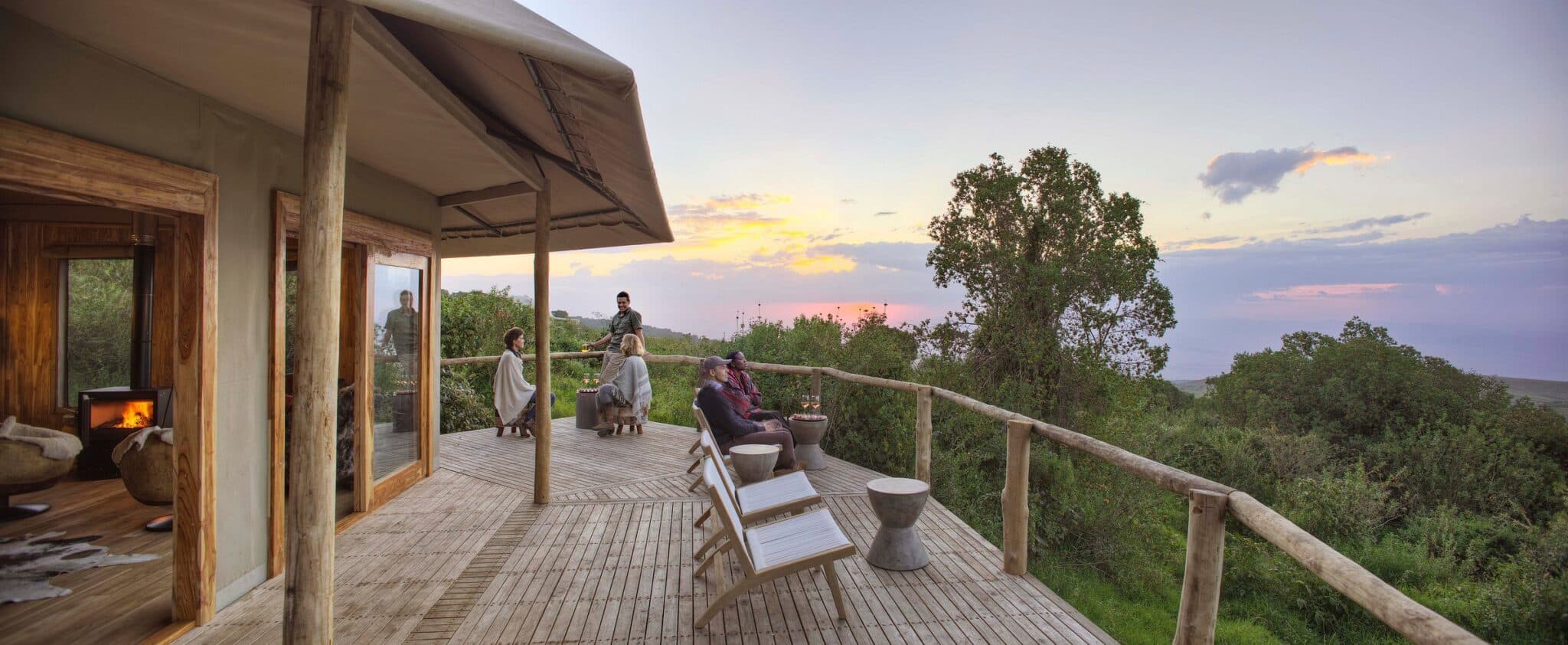
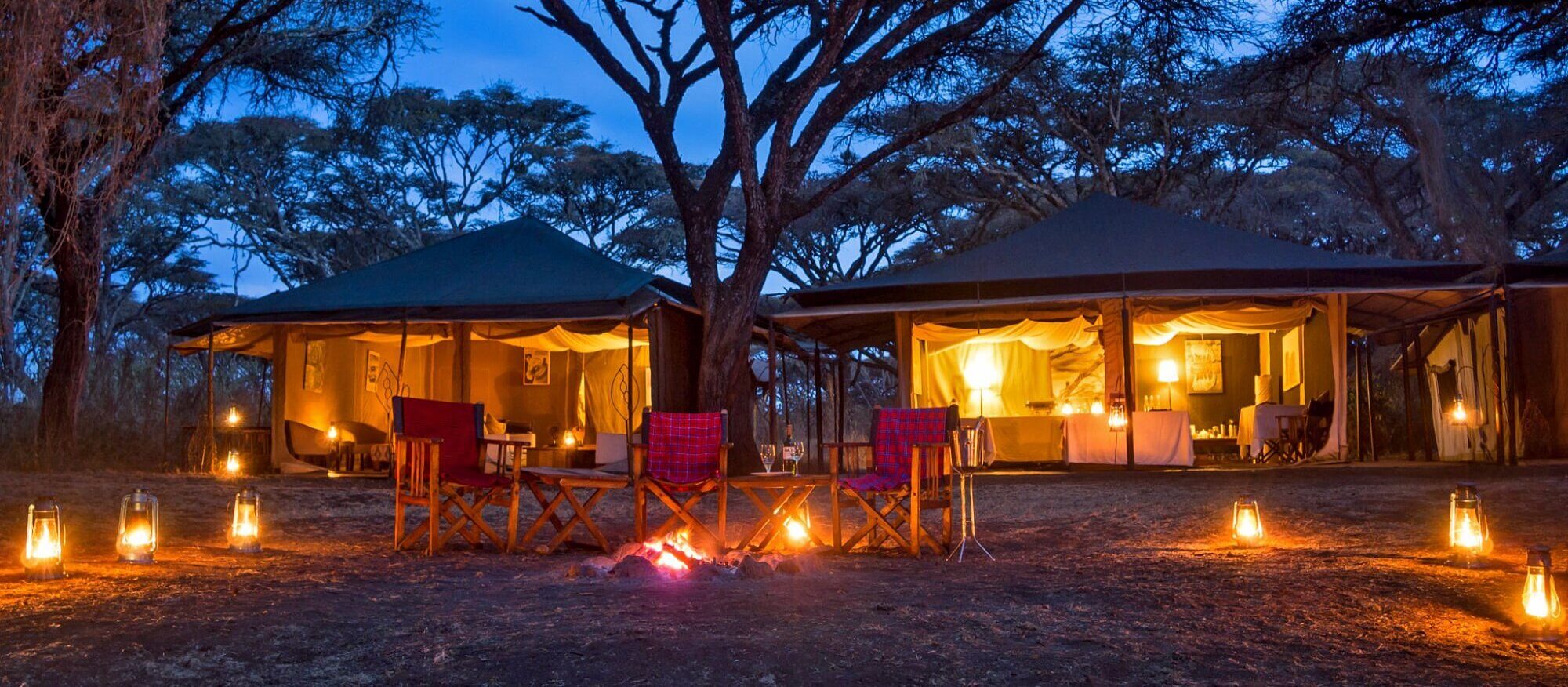
Spanning across the vast expanses of savanna woodlands, highland plains, and forests, Ngorongoro Crater is a natural haven for wildlife.
It is the favored part of the Ngorongoro Conservation Area, established in 1959, with diverse wildlife coexisting with the semi-nomadic Maasai pastoralists.
The site has become of global importance due to its biodiversity conservation with the presence of the highly threatened Black Rhino and the density of other animals in the area.
It is the world’s largest caldera that houses the BIG FIVE and other wildlife.
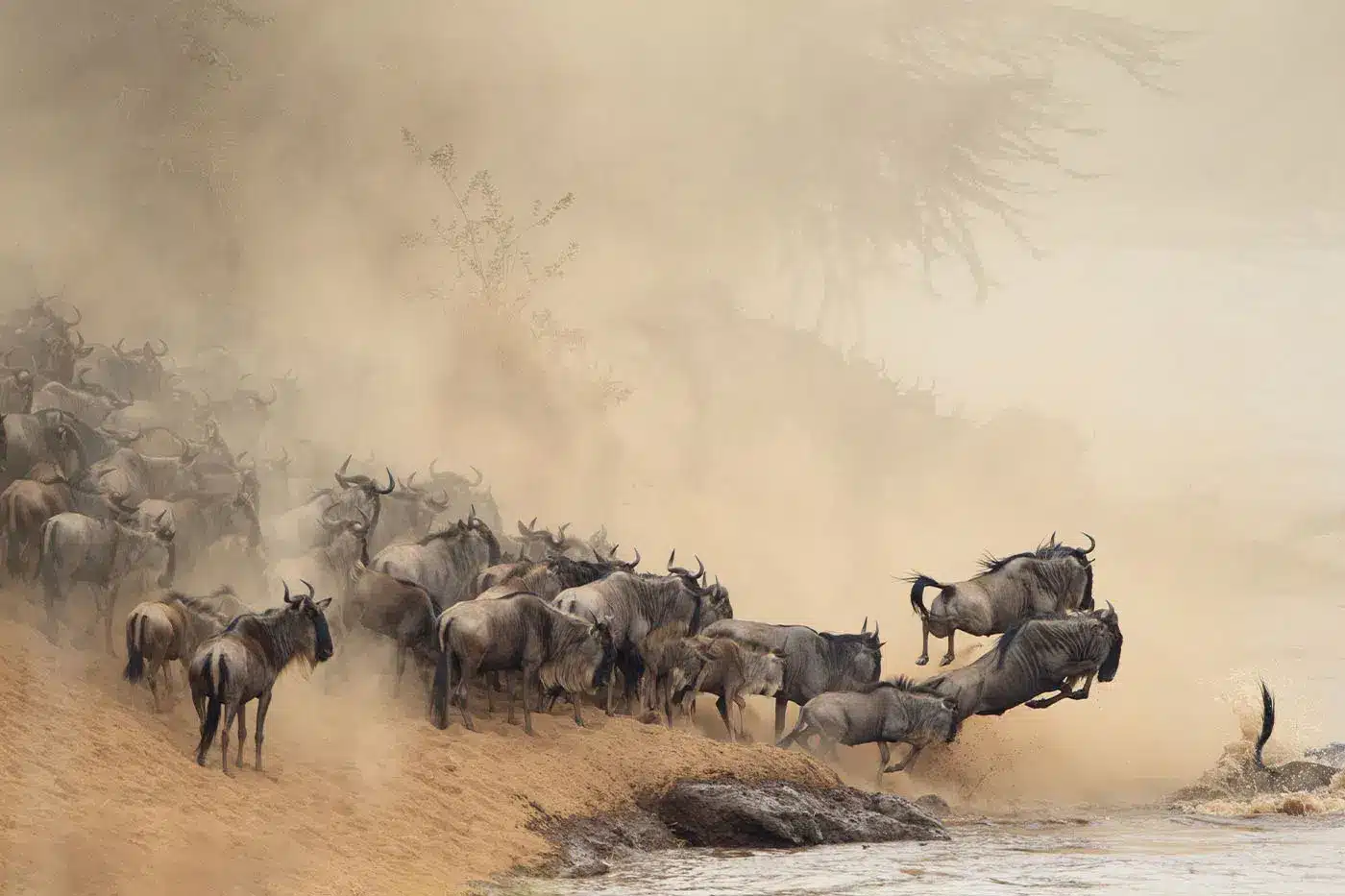
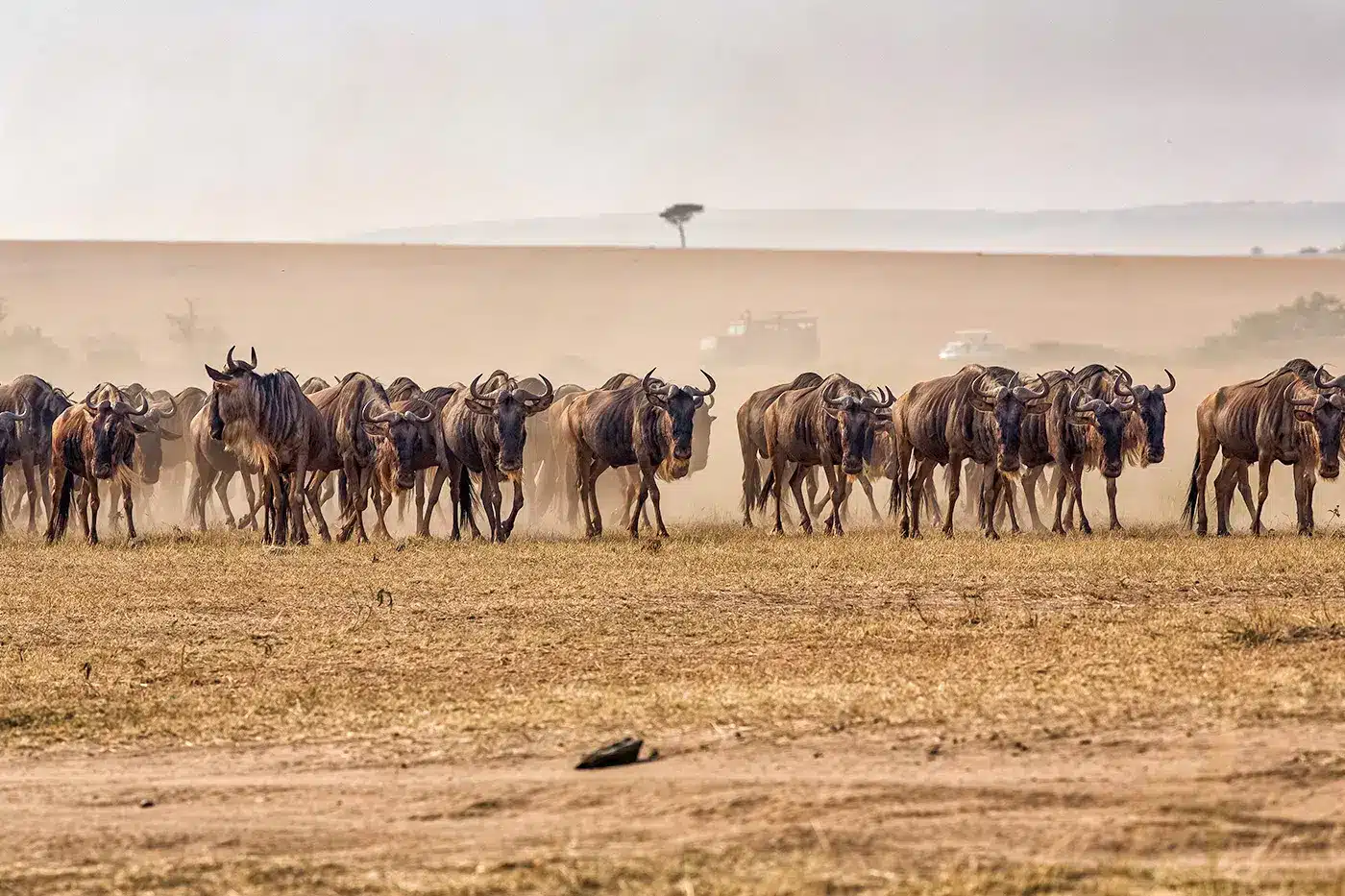
Ngorongoro Crater safari is among the best Safari destination in the African continent that hosts the annual Migration.
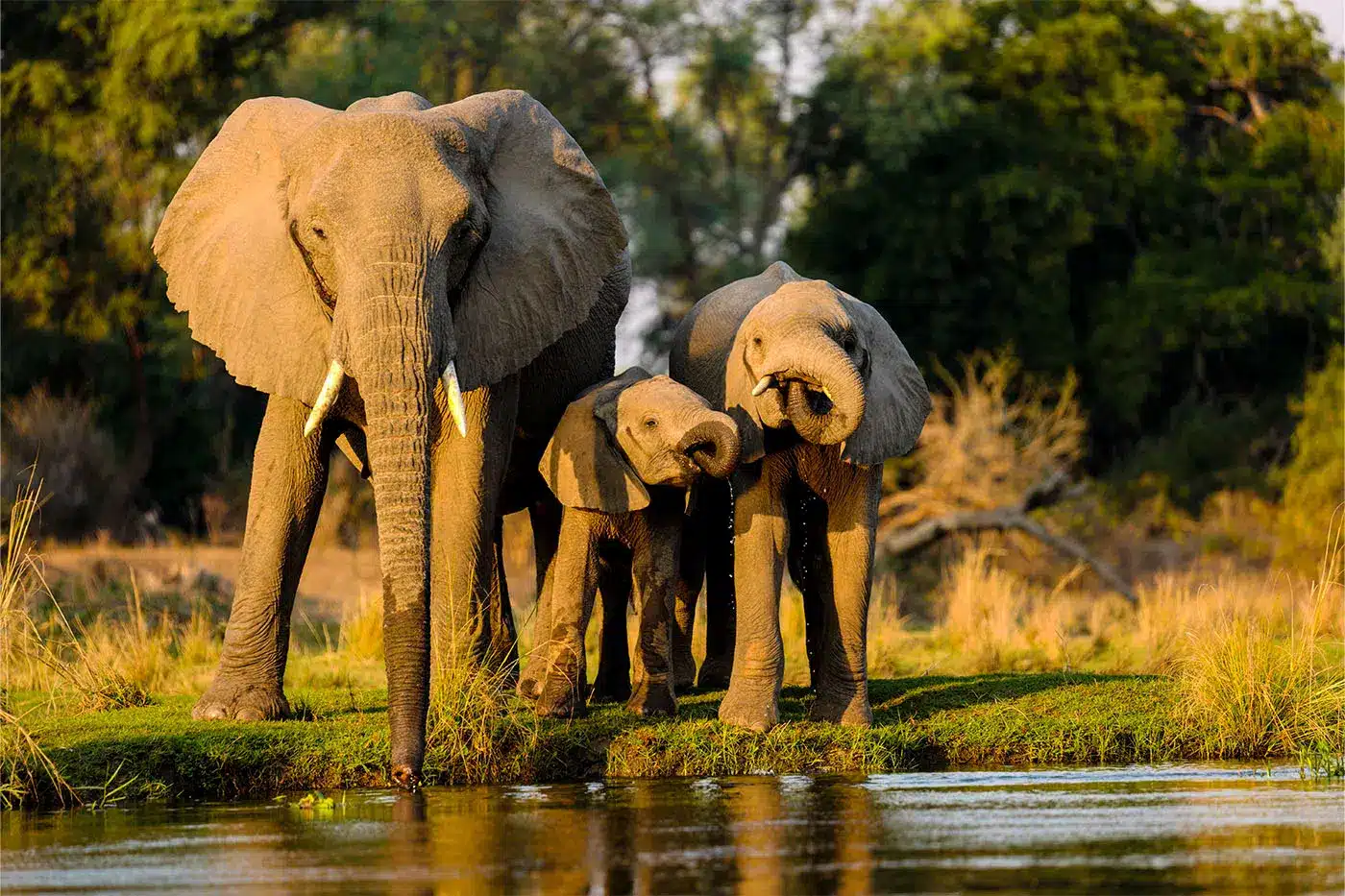
Dubbed as Garden of Eden, Ngorongoro Crater showcases stunning landscapes with 25,000 animals, including ungulates and other large mammals.
Ngorongoro Crater is approximately 185 km from Arusha by road. The trip usually takes four hours.
Daily flights are offered from Arusha to Lake Manyara Airstrip. From there, it’ll take around a one-and-a-half-hour trip to the Ngorongoro Crater.
The Ngorongoro Crater can be visited year-round.
However, if you want an excellent game-viewing experience, the best time to visit Ngorongoro is during the dry season, from June to October.
You’ll get clear skies during this time, giving you a great view of wildlife and the other big games.

Often called the ‘Garden of Eden’—the Ngorongoro Crater is a true paradise for many animals. It is also essential for global biodiversity since it houses highly threatened species like rhinos.
On top of that, Ngorongoro also boasts a high concentration of animals and is deemed the world’s largest unfilled volcanic caldera.
Read More: Top 10 amazing facts about the Ngorongoro crater
Ngorongoro was believed to have formed around 2.5 million years ago from a large active volcano whose cone had collapsed inwards after a major eruption.
This had left the present vast, unbroken caldera as its primary remnant.
Most wildlife can’t leave the crater because of its steepness. This is why wildlife is very abundant in Ngorongoro.
Most animals never get to leave and multiply within the crater. As a result, there’s no limit to what you can see in Ngorongoro.
Many animals in the Ngorongoro crater were trapped after descending and could never come out again due to the steepness of the slope, making them multiply within.
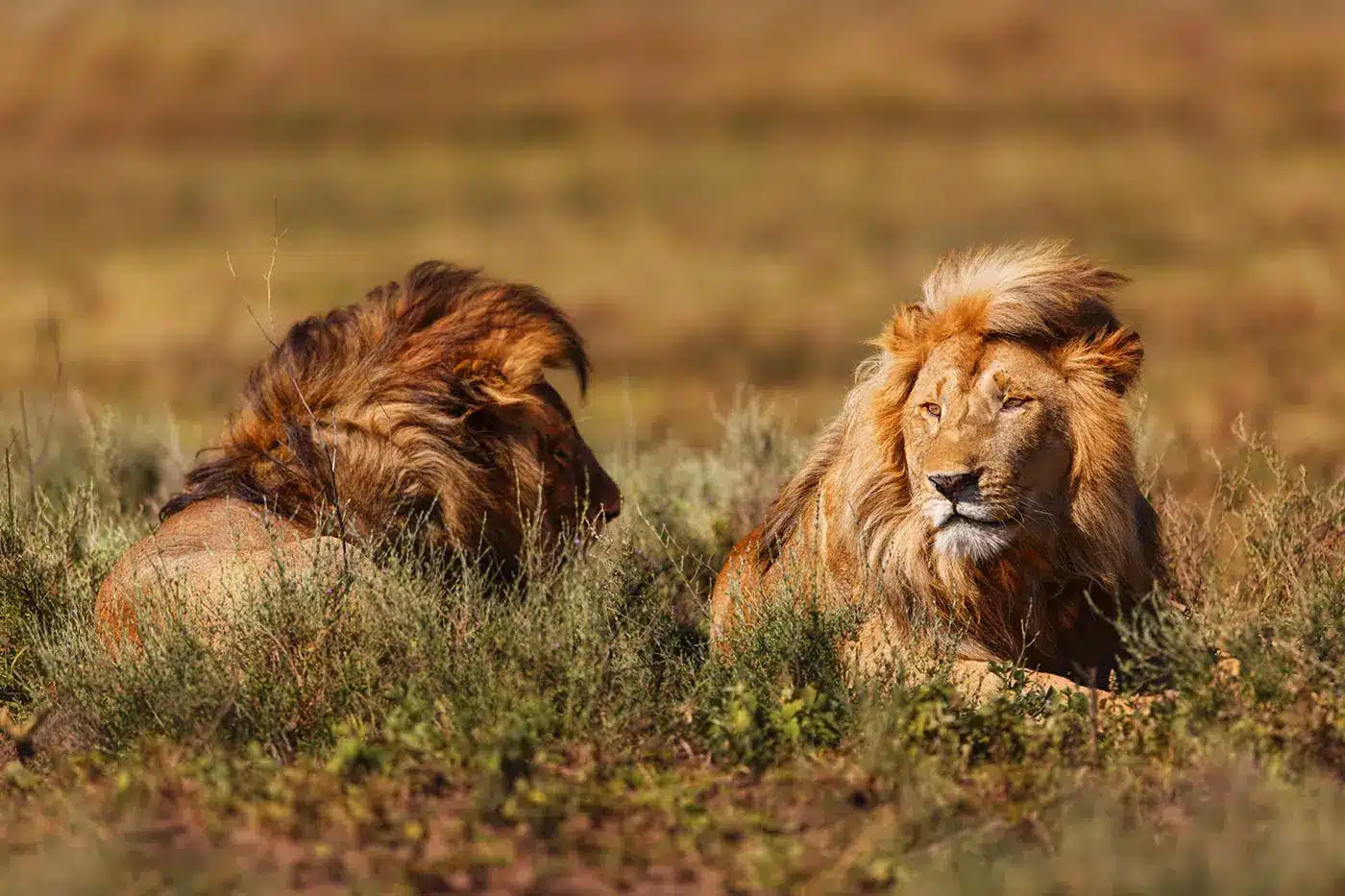
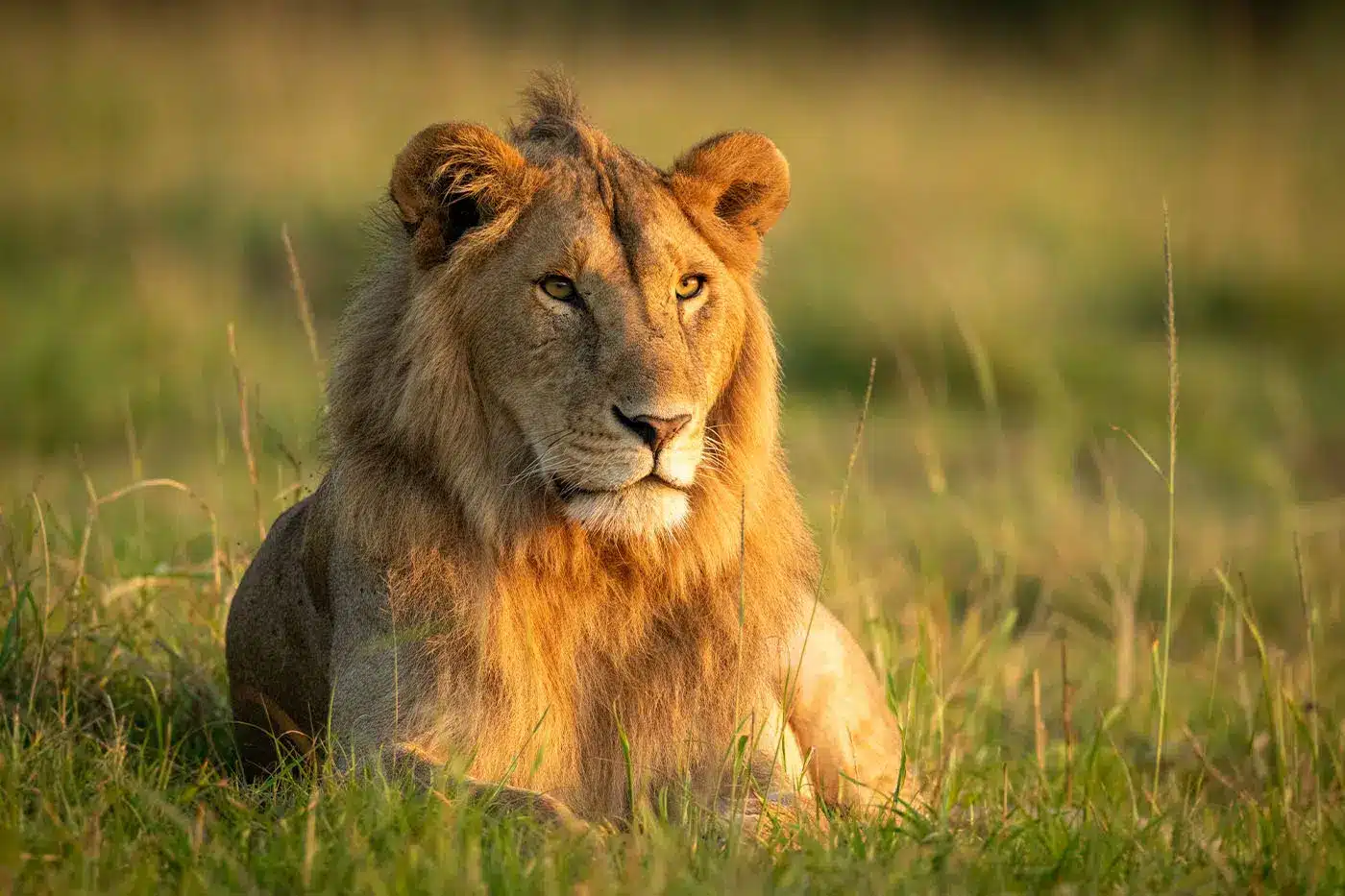
All the African Big Five can be viewed in Ngorongoro, like elephants, black rhinos, buffalos, lions, and leopards.

The Ngorongoro Conservation Area, where the Ngorongoro Crater is located, is a multi-use zone combining full wildlife protection and traditional Maasai pastoralists, sharing the grazing lands with plains game.
Agriculture was also banned in the area, although currently, it is tolerated within limits. That’s how Conservation is protected from outside harm.
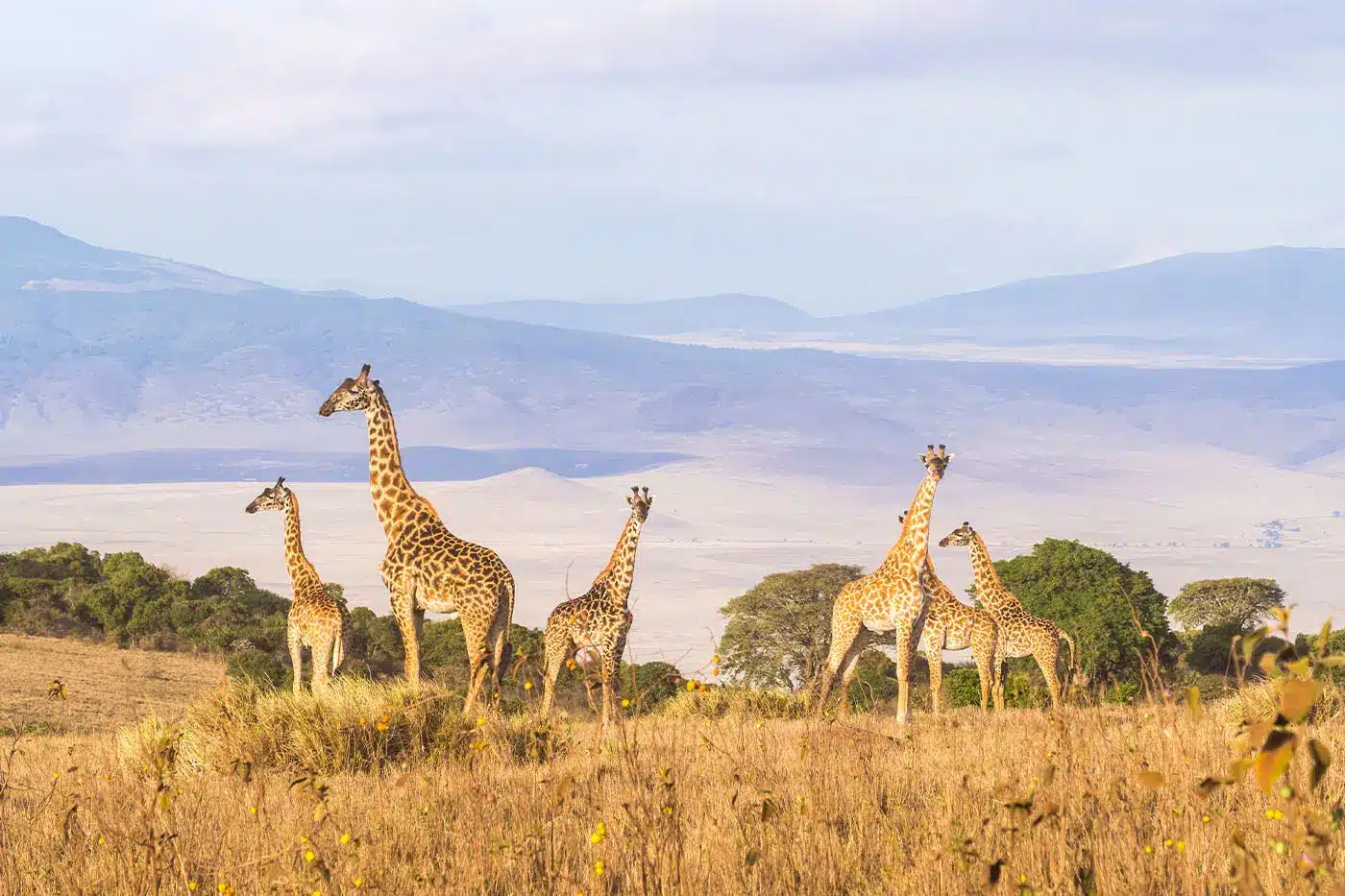
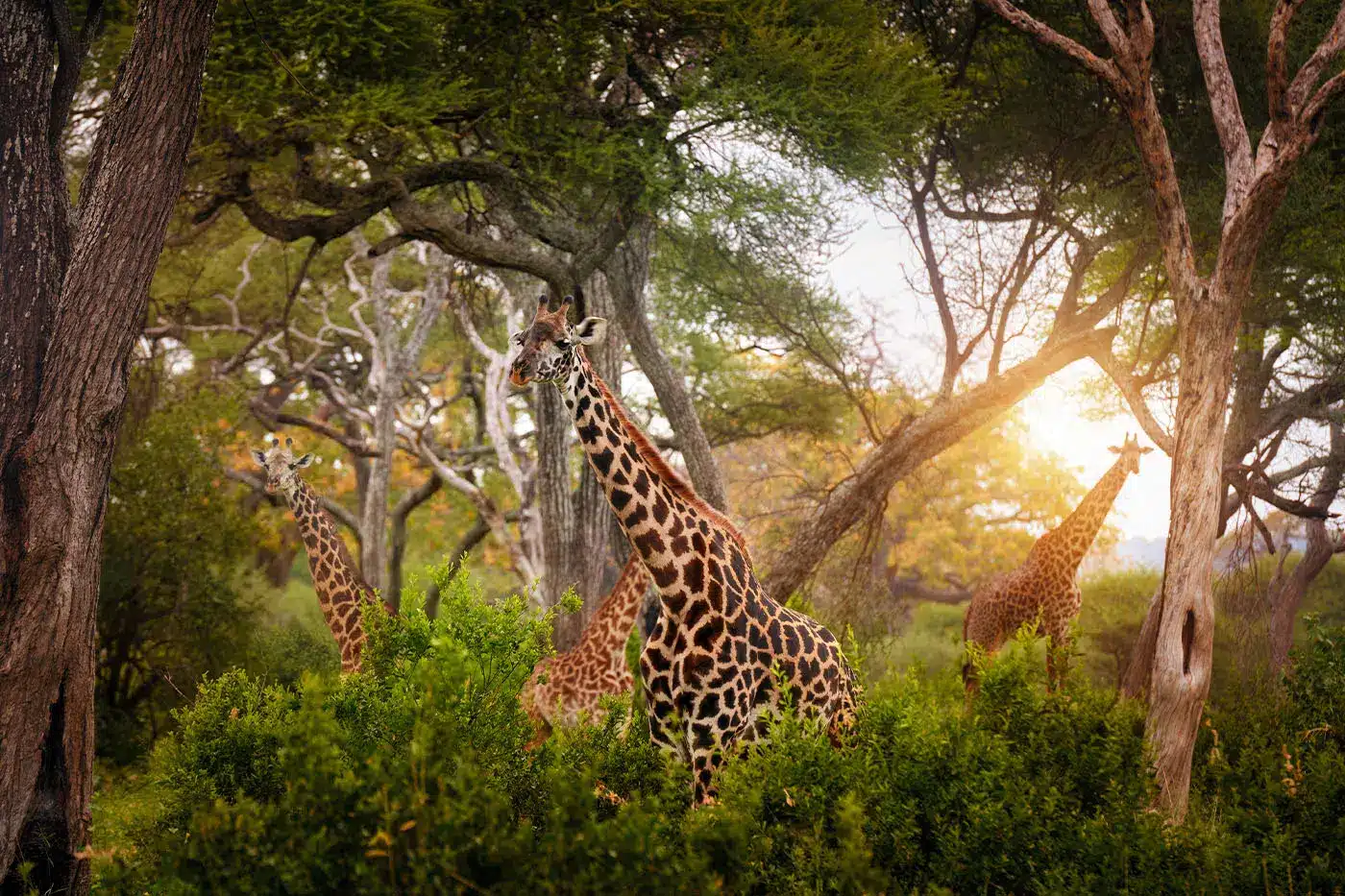
Though all major animals are easily seen in the crater, giraffes aren’t one of them due to the crater’s steep descent.
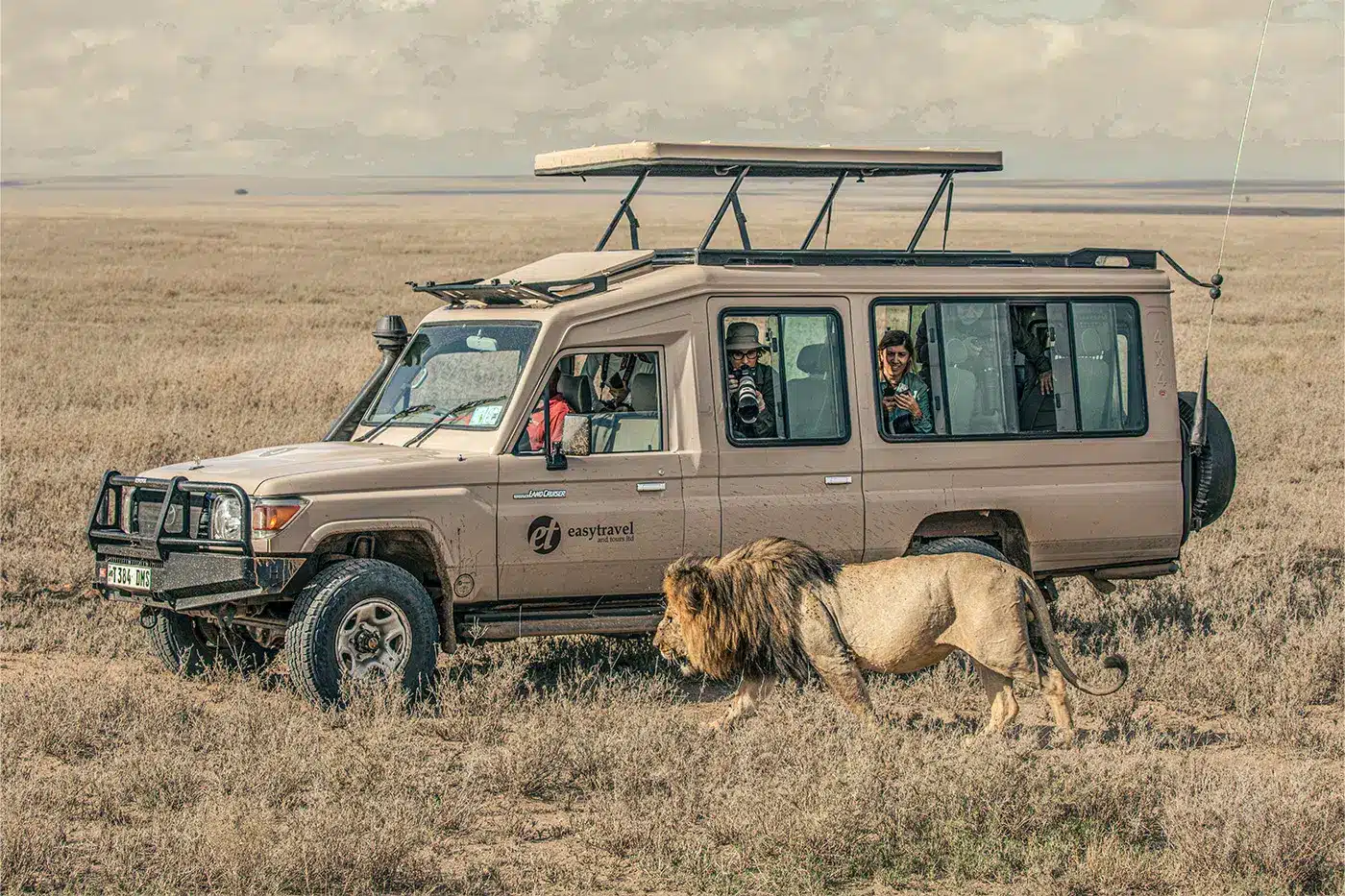
During 2020, only 65 to 75 lions can be seen on the crater floor, with approximately eight pride. The decreasing numbers are due to habitat loss and human-predator conflict.
This primarily involves the local herders that share their land and livestock grazing areas with the lions’ habitat, which has been a worrisome trend.
Ngorongoro was established in 1959 as an area of multiple land use. This is where wildlife coexists with semi-nomadic Maasai pastoralists working on traditional livestock grazing.
Currently, there are over 20 rhinos residing in the protected Ngorongoro Crater area, thanks to the conservation effort of many people involved.
Hi there!
Do you need help planning
your Tanzania Tour?
Our experts are ready to help you plan your tour
WhatsApp us