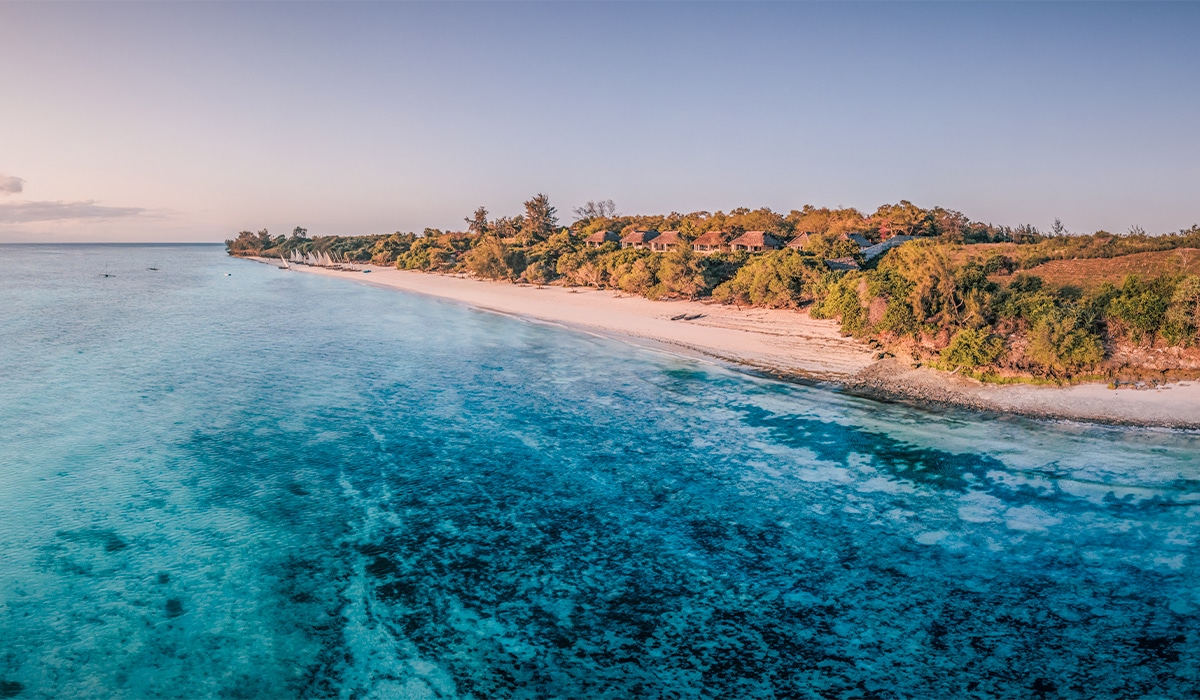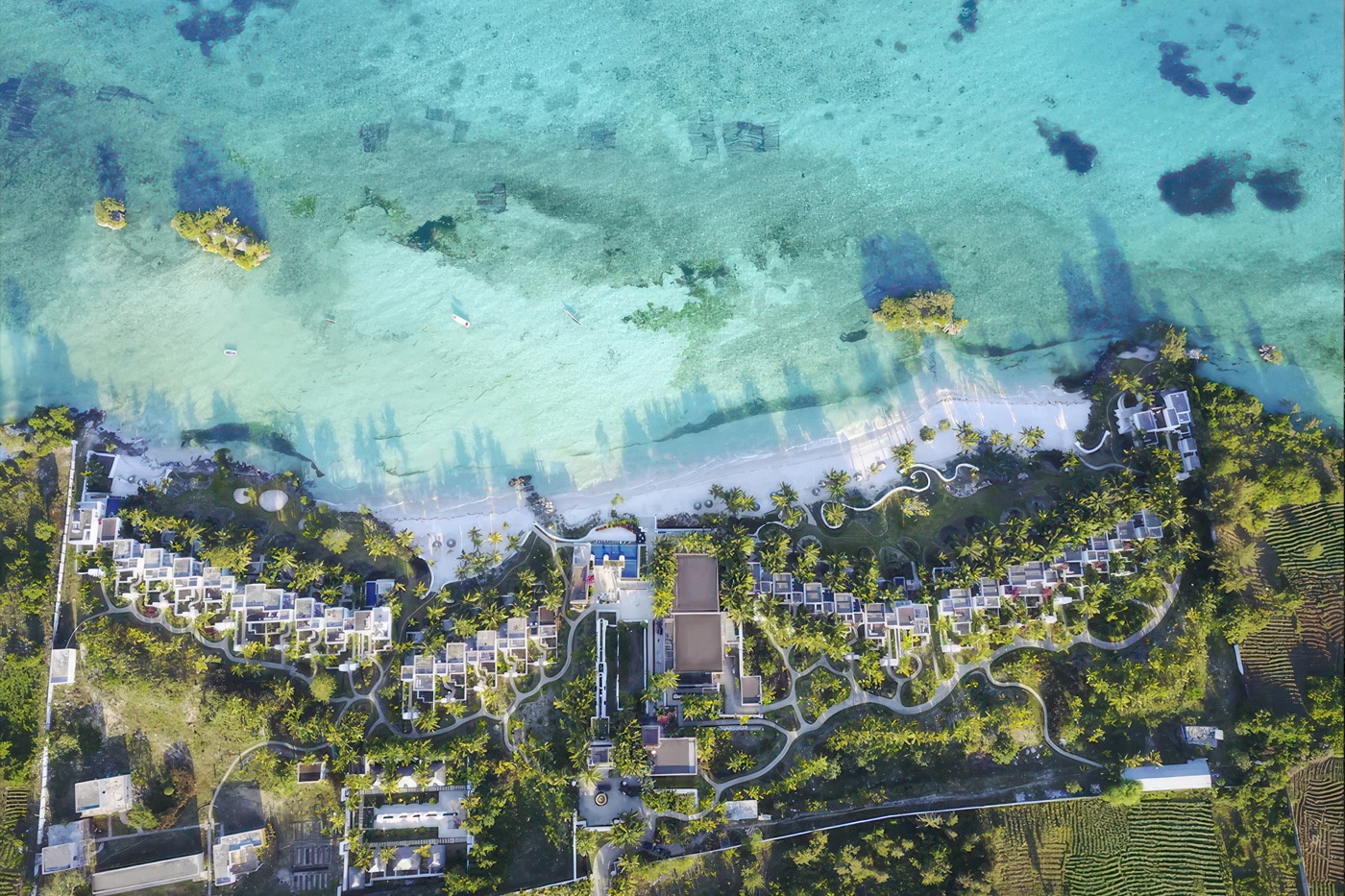

Pemba Island, part of the Zanzibar archipelago, offers visitors pristine beaches, coral reefs, and a rich cultural heritage.
With activities like scuba diving and fishing, Pemba Island is an ideal destination for a peaceful and adventurous getaway.
Pemba Island has pristine beaches, coral reefs, and rich culture.
Visitors can also enjoy the warm hospitality of the locals and the delicious cuisine.
Pemba Island’s tranquil and authentic atmosphere offers a refreshing escapade from the hustle and bustle of modern life.
The island’s spice plantations produce some of the world’s finest cloves, nutmeg, and cinnamon, adding to its unique charm.
Pemba offers a fascinating glimpse into East Africa’s past, dating back to the 7th century.
Daily scheduled flights operate from Dar es Salaam to Pemba Island’s Karume Airport with Auric Air, Precision Air, Zan Air, and Coastal Aviation; flight time is 30-45 minutes.
Daily scheduled flights operate from Dar es Salaam to Pemba Island’s Karume Airport with Auric Air, Precision Air, Zan Air, and Coastal Aviation; flight time is 30-45 minutes.
The best time to visit Pemba is from June to October. The weather is dry and pleasant during this time, making it ideal for outdoor activities. This includes diving, snorkeling, and exploring the island’s lush vegetation.
However, be prepared for higher prices and more travelers during peak season.
The main languages spoken in Pemba are Swahili, Arabic, and English, Swahili being the most common.
Arabic is also widely spoken, particularly among the older generation and in religious contexts. English is the language of school instruction and is also used in business and government settings.
Additionally, various local dialects are spoken on the island, such as Kimakunduchi, Kizimbani, and Kimwani.
Internet connectivity in Pemba Island is limited, with slow and unreliable access through mobile networks, internet cafes, and public Wi-Fi.
While mobile data services are the most common way to access the internet in Pemba Island, they can be expensive and may only be affordable for some. In addition, the quality of service can be affected by factors such as network congestion and the user’s location.
Access to broadband internet is also limited in Pemba, with most residents relying on satellite internet connections, which can be costly and slow. Some efforts are underway to improve broadband connectivity on the island, including plans to lay a fiber optic cable connecting Pemba to the mainland.
Drinking tap water on Pemba Island is generally not recommended, as the water may be unsafe for consumption. The tap water is not treated and may contain harmful bacteria, viruses, or other contaminants that can cause illness.
To ensure safe drinking water, it is recommended to drink bottled water, which is widely available on the island. You can also drink or brush your teeth with boiled or filtered water.
Additionally, avoiding adding ice to drinks is a good idea unless you know it has been made from purified water.
The cuisine in Pemba is influenced by African, Arabic, and Indian traditions and features seafood, spices, and coconut milk. Some popular dishes include pilau rice, biryani, grilled fish, octopus curry, and cassava-based dishes.
Pemba Island is also known for its tropical fruits, such as jackfruit, mangoes, pineapples, and coconuts, often used in desserts. In addition, tea and coffee are popular beverages, and fresh sugarcane juice and coconut water are also commonly consumed.
Several cultural festivals and events take place on Pemba Island throughout the year. One of the most important is the Mwaka Kogwa festival, which the Shirazi people celebrate in July or August each year.
The festival features music, dance, and traditional games and is a time for the community to come together and celebrate the new year. Other events on Pemba Island include the Pemba Beach Festival, a music and arts festival held in August.
Another is the Pemba Food Festival, which celebrates the island’s culinary traditions and local ingredients. Also, various religious festivals, such as Eid al-Fitr and Eid al-Adha, are celebrated on the island.
The dress code in Pemba is generally conservative, with modest clothing recommended for both men and women in public places. Women wear long skirts or dresses to cover the shoulders and upper arms, while men wear long pants and shirts.
In Muslim areas, it is essential to dress conservatively and to cover the head and arms when entering mosques or other religious sites.
Some health risks in Pemba include malaria, dengue fever, and waterborne illnesses from contaminated food or water.
Taking appropriate precautions, such as using mosquito nets, wearing insect repellent, and drinking only bottled or purified water, is recommended.
The local transportation on Pemba Island consists mainly of taxis, motorcycle taxis, and public buses.
Taxis are available in urban areas, while motorcycle taxis and buses are more common in rural areas. Boat taxis are also available for inter-island travel.
While photography is generally permitted in the park, visitors should be aware of certain restrictions.
This includes not using flash photography around animals or disturbing wildlife in any way. Visitors should also obtain permission before taking photos of local communities or cultural sites within the park.
As a visitor, you should take precautions to protect yourself from insect bites and malaria, which are endemic in the region.
It’s also worth noting that visiting the park with a certified guide is recommended to ensure a safe and enjoyable experience.

Hi there!
Do you need help planning
your Tanzania Tour?
Our experts are ready to help you plan your tour
WhatsApp us