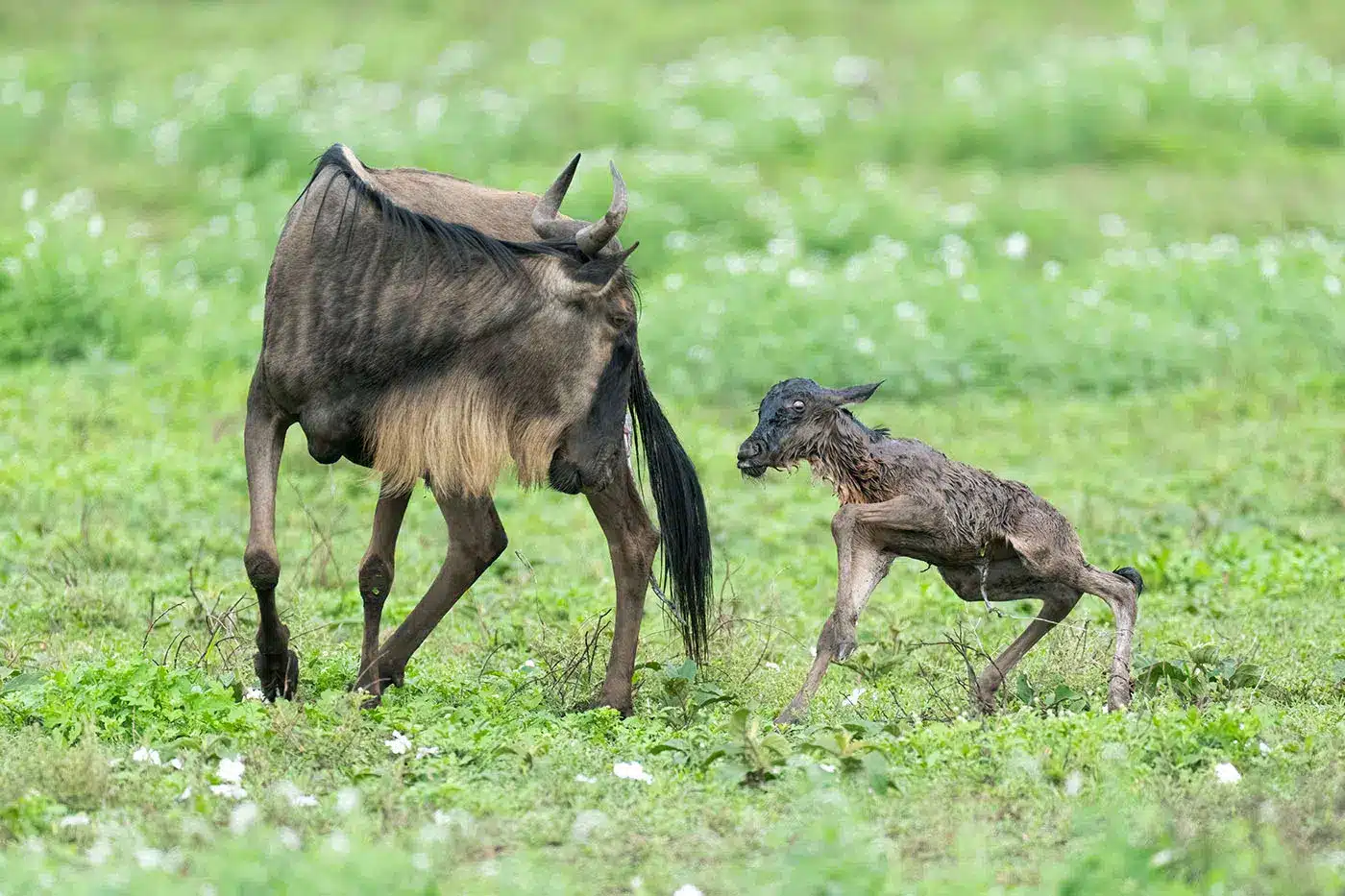

Ndutu has abundant wildlife, beautiful landscapes, and the annual wildebeest migration.
It is an excellent place for photographers and nature lovers to capture stunning wildlife and natural scenery shots.
Ndutu is an excellent destination for wildlife enthusiasts, especially during the wildebeest migration season.
Ndutu offers a chance to witness predators such as lions and cheetahs in action, making for an unforgettable safari experience.
Ndutu can be reached by road from Arusha. The journey from Arusha takes around 200km/5 hours drive.
Daily scheduled flights are available to Ndutu from Arusha and Dar es Salaam with Auric Air and Coastal Aviation.
The best time to visit Ndutu is from December to March. During this time, the wildebeest migration is in Ndutu, and the weather is dry and pleasant, making for optimal game viewing conditions.
However, Ndutu can also be visited throughout the year, with each season offering unique wildlife experiences and birdwatching opportunities.
Ndutu experiences its dry season from June to October, which is excellent for game drives and walking safaris.
In the wet season (April to May and November to December), Ndutu is lush and green, with many newborn animals and migratory birds.

Yes, there are specific rules and regulations in Ndutu to ensure the safety of wildlife and visitors. For example, visitors cannot leave their vehicles in most park areas.
Specific guidelines exist for approaching and viewing certain species, such as predators. Additionally, drones cannot be flown in Ndutu, and visitors must obtain a professional or commercial photography permit.
Visitors should always follow their guide’s instructions and stay inside their vehicles to avoid dangerous encounters with wild animals. It’s also important to bring appropriate clothing and gear, such as sunscreen and insect repellent, and to stay hydrated while on safari.
Additionally, visitors should be aware of potential health risks like malaria and take necessary precautions. This includes vaccinations and medications before and during their trip.
You should also respect the local culture and customs and avoid any behaviour that may be considered disrespectful or disruptive.
Self-driving is not allowed in Ndutu, and visitors must have a guide to ensure their safety and the preservation of the park’s ecosystem. Having a guide also gives you a better chance of spotting wildlife and learning about the park’s flora and fauna.
In addition, local guides have a wealth of knowledge about the area’s history, culture, and traditions, making for a more enriching experience. You can arrange for a guide through their accommodation or tour operator; fees vary depending on the duration and type of safari.
The recommended time to spend in Ndutu depends on individual preferences. However, most visitors stay for 2-4 days to experience the wildlife and landscapes fully.
Spending more time allows for a more relaxed pace and the opportunity to explore the park’s various habitats and observe different wildlife behaviors. Consider the season you’re traveling in, as some times of year may offer better opportunities for wildlife sightings.
Some lodges and camps also offer guided nature walks and night drives, providing different perspectives on the park’s wildlife and landscapes. Additionally, you can take hot air balloon rides over the Serengeti, including Ndutu, for a stunning aerial view of the park’s vast wilderness.
It’s important to note that these activities may require advance booking and additional fees, so you should plan accordingly. Lastly, respect the park’s rules and regulations, such as staying in designated areas and not disturbing wildlife.
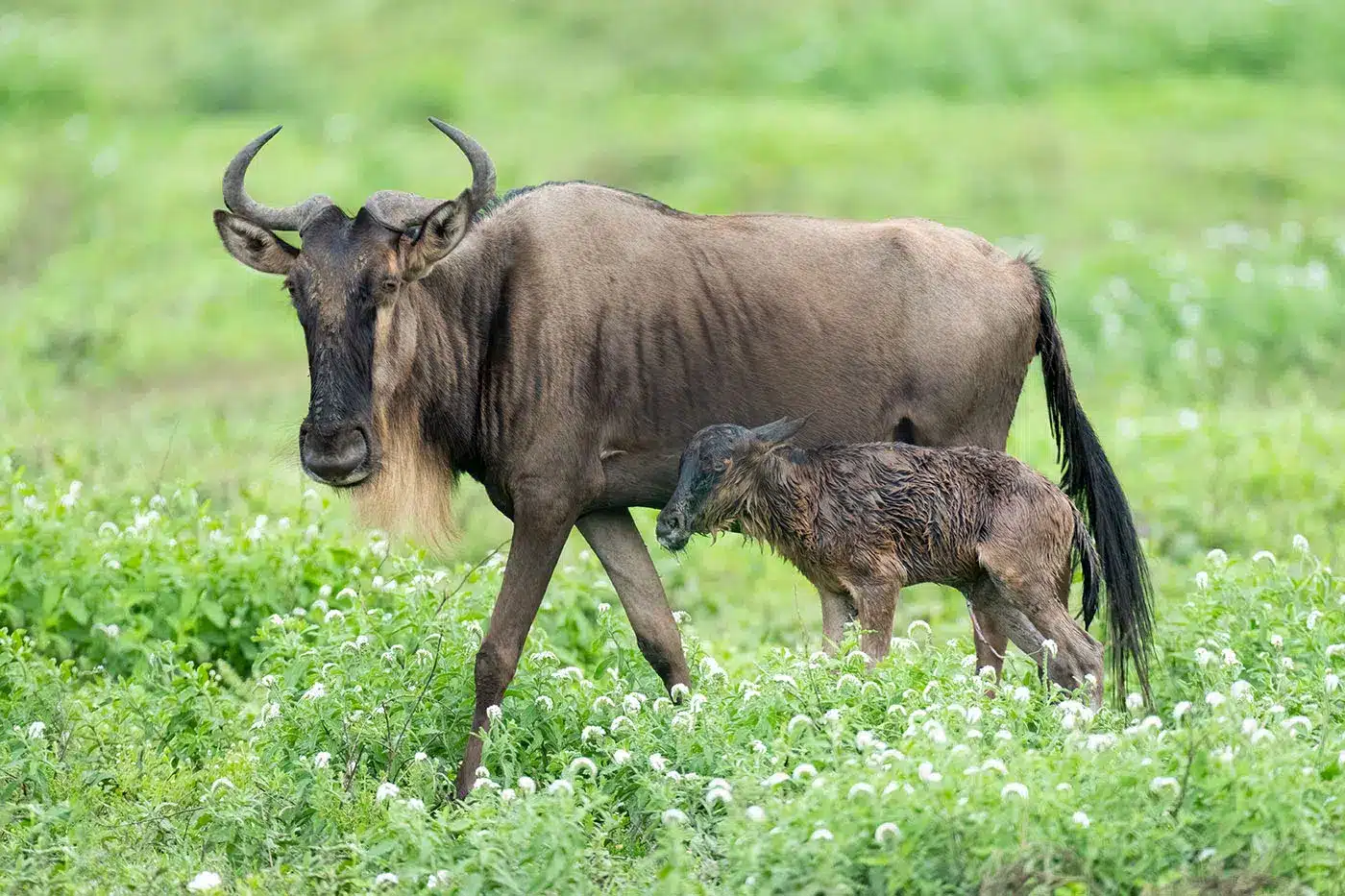
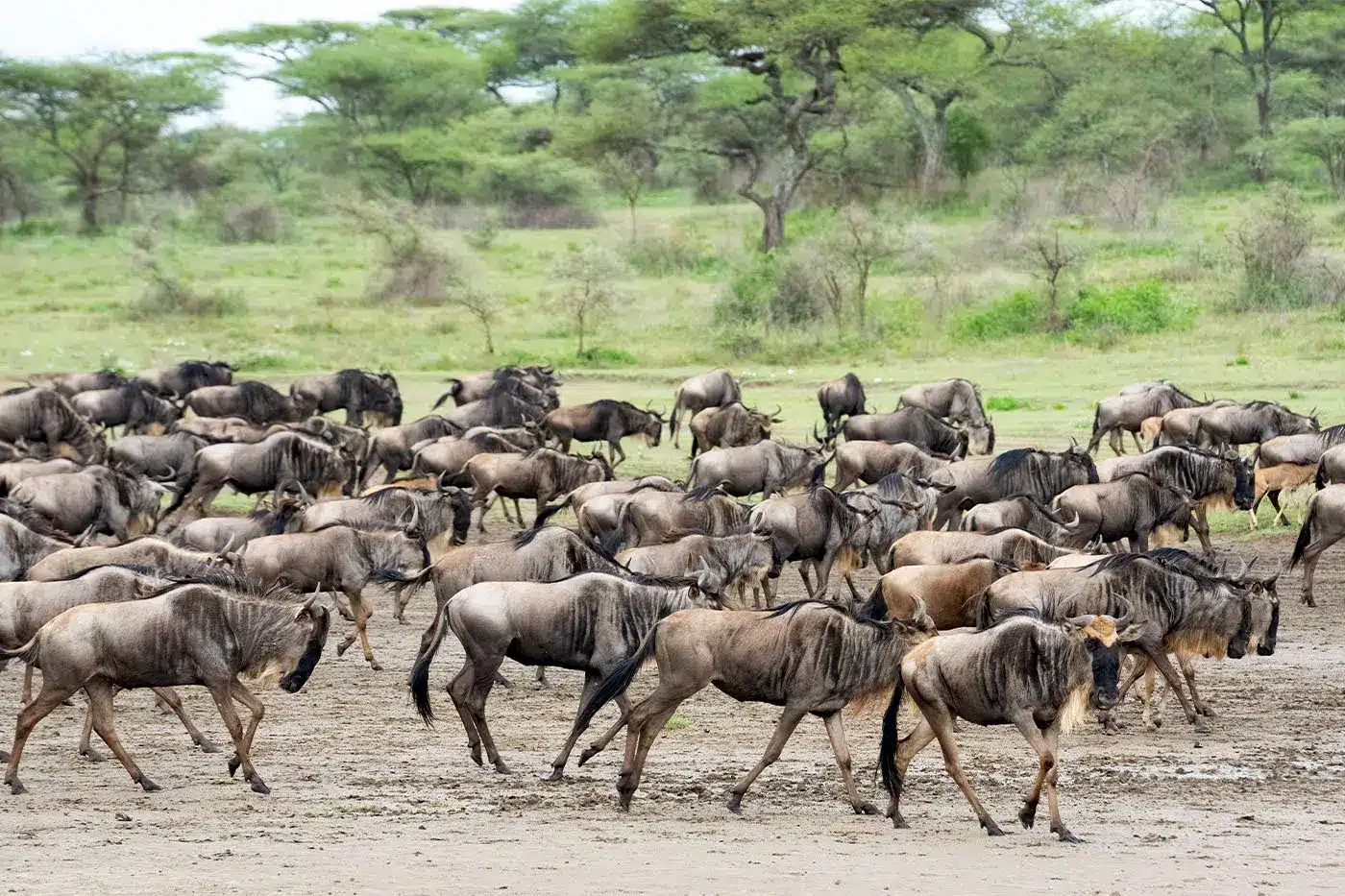
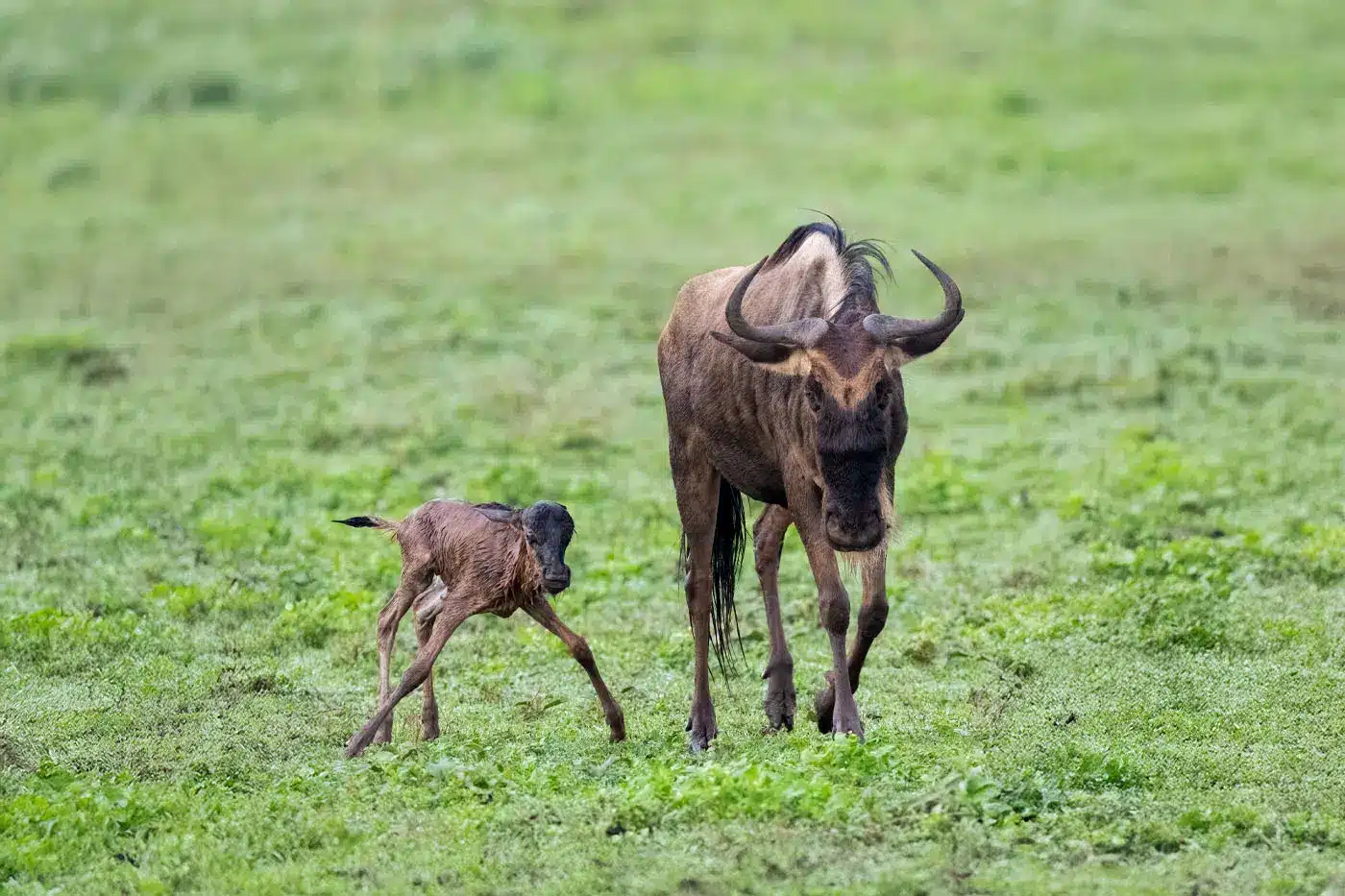
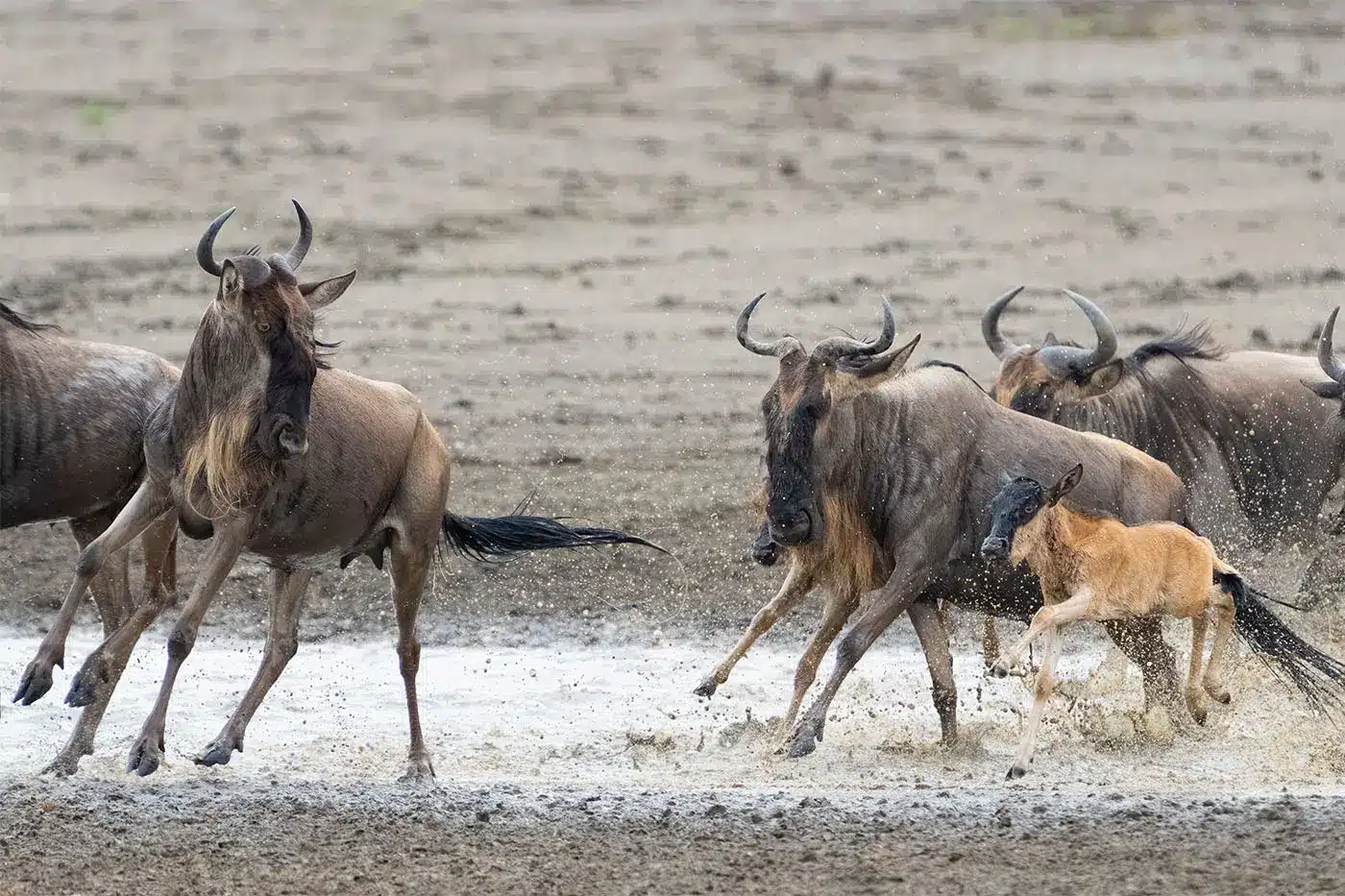
Ndutu is a prime location to witness the Great Migration from late December to March when the wildebeest calving season occurs. During this time, large numbers of wildebeest, zebras, and other animals move through the area in search of fresh grazing land.
You can witness the dramatic river crossings in the nearby Serengeti National Park during the dry season from July to October. However, Ndutu can still offer an excellent viewing experience of the wildebeest calving season from December to March.
Various conservation and environmental initiatives exist in Ndutu, including anti-poaching patrols, community outreach programs, and sustainable tourism practices. Some conservation initiatives in Ndutu include anti-poaching patrols, community-based conservation programs, and sustainable tourism practices.
Ndutu is part of the Ngorongoro Conservation Area, which implements various initiatives to promote conservation and sustainable tourism. Ndutu supports the Maasai community through land conservation, education, and sustainable tourism and partners with organizations like the African Wildlife Foundation.
In Ndutu, the weather is generally hot and dry, with occasional rain. Pack lightweight, breathable clothing, sunscreen, and insect repellent. It’s essential to bring warm layers for early mornings and evenings, sunscreen and a hat for midday heat.
Ndutu is located near other national parks and conservation areas in Tanzania, including Serengeti National Park and Ngorongoro Conservation Area. Combining a visit to Ndutu with other nearby destinations can offer a more diverse and comprehensive wildlife experience in Tanzania.
For example, visitors can witness the wildebeest migration in Serengeti or explore the famous Ngorongoro Crater while in the area. Lake Manyara National Park and Tarangire National Park are also within driving distance from Ndutu, providing more wildlife viewing opportunities.
There are limited medical facilities in Ndutu, but nearby towns like Karatu and Arusha have hospitals and emergency services available. It is important to have comprehensive travel insurance that covers medical emergencies when visiting remote areas like Ndutu.
You should also carry a packable first aid kit and any necessary medications while on safari in Ndutu. Tour operators and lodges in Ndutu can also assist with medical emergencies and evacuation when necessary.

Hi there!
Do you need help planning
your Tanzania Tour?
Our experts are ready to help you plan your tour
WhatsApp us