

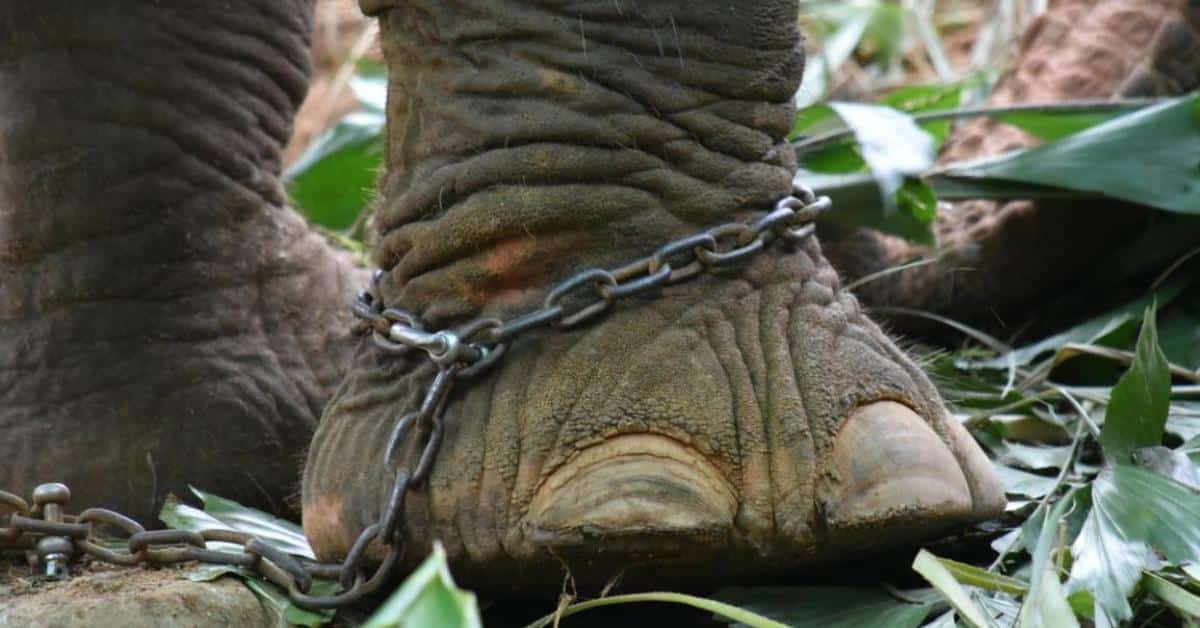
The African Elephant: Strong, Smart, but Vulnerable
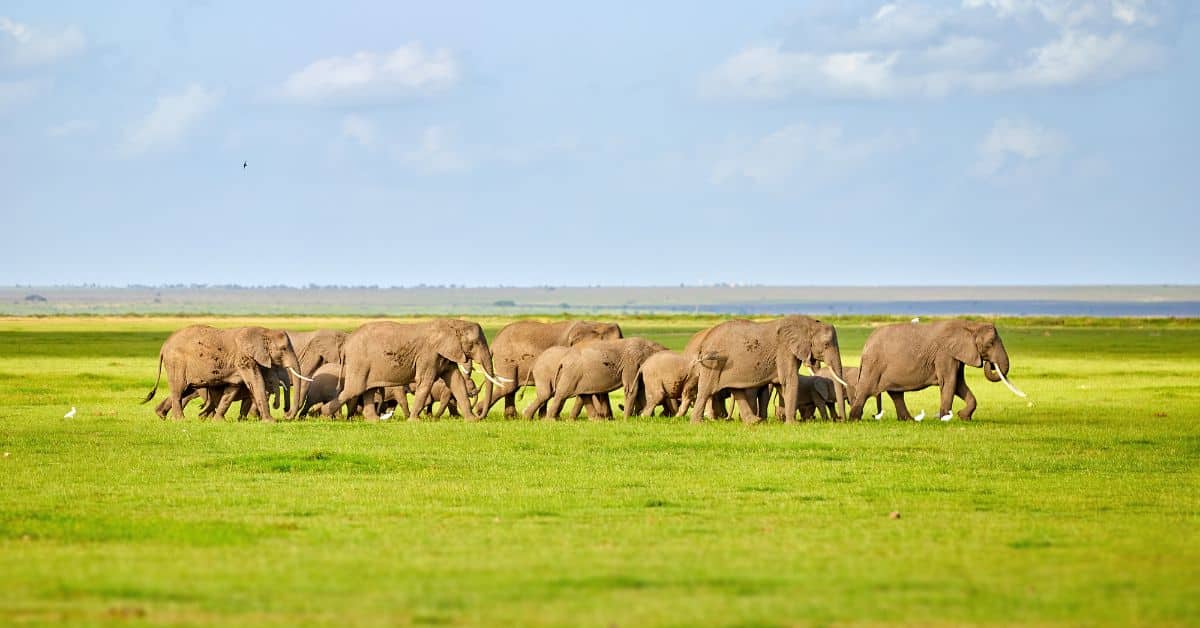
Despite being the world’s largest land mammal, the African elephant has seen its numbers drop significantly over the years. These resilient giants, including the African savanna elephant, have been roaming the African plains for eons, facing challenges like habitat loss, poaching, and human-wildlife conflict.

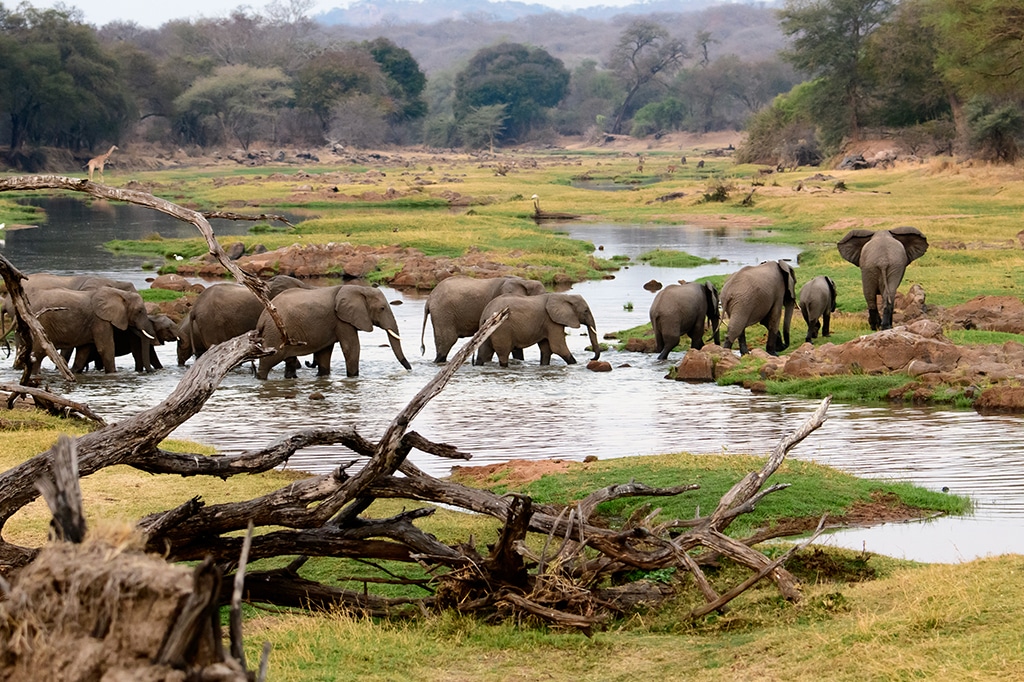
Here at Easy Travel, we’re on a mission to understand elephant endangerment’s complexities, uncover the forces threatening these majestic creatures, and discover how we can lend a hand in their protection.
Before we discuss all the details, let’s start with the big question: Why are these gentle giants so vital to us?
Why African Elephants are so Important
Elephants, the true architects of their habitats, hold a unique and vital position within their ecosystems. As they roam and graze, they sculpt the environment, creating clearings in dense forests that foster new vegetation growth and facilitate natural regeneration. This transformative effect not only shapes the landscape but also supports a diverse array of plant and animal life, making elephants a source of inspiration for their resilience and adaptability.


But wait, there’s more! Elephants also serve as nature’s gardeners through their role in seed dispersal. Their inefficient digestive system often leaves seeds intact when they munch on seed-bearing plants and fruits.
As a result, they unwittingly scatter seeds far and wide, aiding in the propagation of plant species across vast distances. In this way, elephants play a crucial role in maintaining the biodiversity and resilience of their ecosystems, yet their numbers dwindle each year.
Why are elephants critically endangered?
Driven by the insatiable lust for ivory in illicit markets, African Elephants face an existential threat. The illegal wildlife trade continues to fuel the demand for ivory, exacerbating the poaching crisis.
Their tusks, once a symbol of their strength and beauty, have become coveted prizes in a deadly game of greed. This harrowing reality tears at the fabric of their existence, leaving a trail of sorrow and devastation.

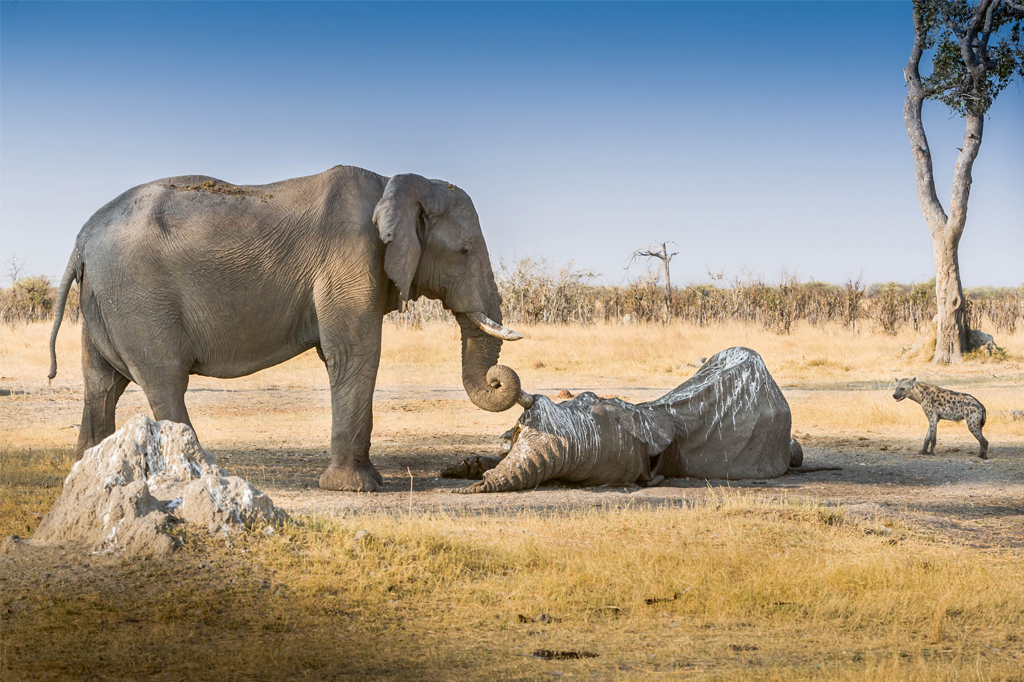
Due to these threats, the population of African savanna elephants has decreased by at least 60% over the last 50 years. Yet, as we turn our gaze towards Asia, a different adversary emerges from the depths of encroaching civilization: habitat loss.
The relentless march of human expansion, fueled by the rapid growth of populations, infringes upon the ancient lands these creatures call home. Caught in the crossfire between progress and preservation, Asian elephants are teetering on the brink of extinction, their habitats shrinking with each passing day.
But the trials facing elephants do not end there; a shadow looms large: human-elephant conflict. Where our paths intersect, clashes erupt, leaving behind a trail of tragedy for both man and beast. It’s like a tangled puzzle of different needs and interests pulling in opposite directions, needing intelligent solutions and a deep understanding of how human growth and wildlife protection fit together.
How many elephants are left?
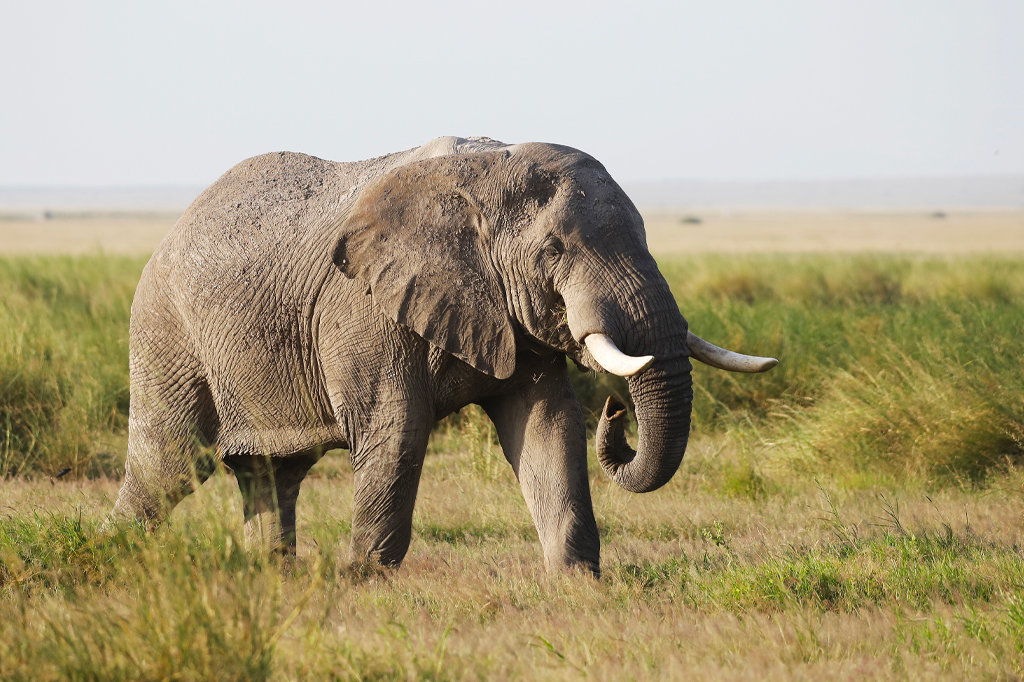
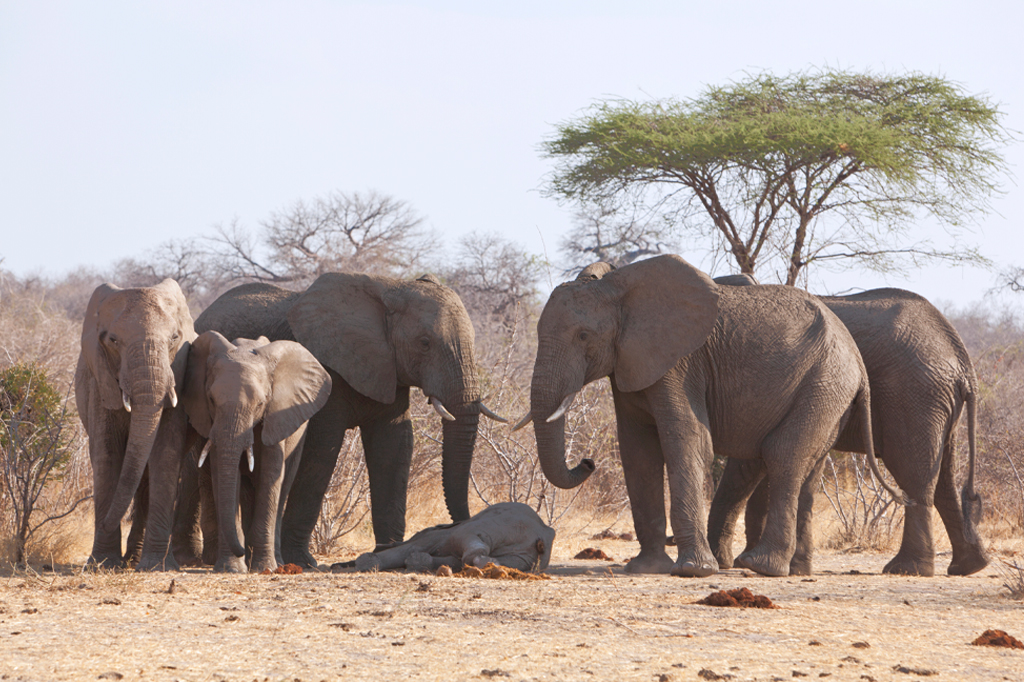
Understanding the rise and fall of elephant populations isn’t just about counting noses. The population of African forest elephants fell by more than 86 percent over 31 years due to factors like poaching and habitat loss.
Understanding the factors contributing to this population decline is equally essential. So, let’s take a closer look at the population trends for each elephant species.
African elephant (Loxodonta africana)
African elephants may seem abundant compared to their Asian counterparts, with about ten times as many roaming the wilds of Africa. But don’t let those numbers fool you; their current population is just a fraction of what it once was. Recent IUCN Red List assessments categorize African elephant species separately, highlighting their endangered statuses.
In the 1500s, Africa was home to over 25 million majestic elephants. Fast-forward to 1900, and that number had dwindled to around 10 million. By 1979, the population had plummeted even further, hitting 1.3 million.
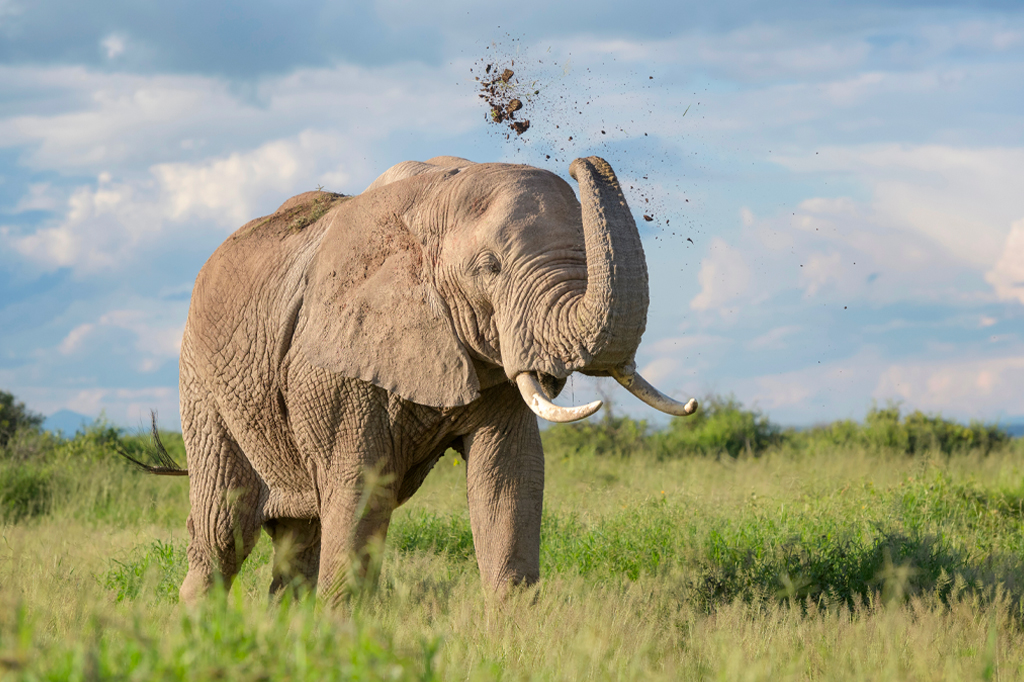

It’s a staggering decline, with only 450,000 African elephants left in the world, painting a heartbreaking picture of the challenges these magnificent creatures have faced over the centuries. Both forest and savanna elephants face severe threats to survival, with forest elephants critically endangered and savanna elephants endangered.
When things couldn’t get more dire, we uncover another layer to this story: the recent discovery of a separate species of African elephant, the African forest elephant. Sadly, both this species and its cousin, the African bush elephant, face severe threats to survival.
The African bush elephant, the savanna elephant, is considered an endangered species. In contrast, the African forest elephant is a threatened species teetering on the brink of extinction, labeled as critically endangered, with only 150,000 African forest elephants remaining in the wild.
Asian elephant (Elephas maximus)
According to the IUCN estimates, the total population of Asian elephants has significantly declined over the past century. Back in the early 1900s, there were believed to be around 100,000 wild elephants left in all of Asia.
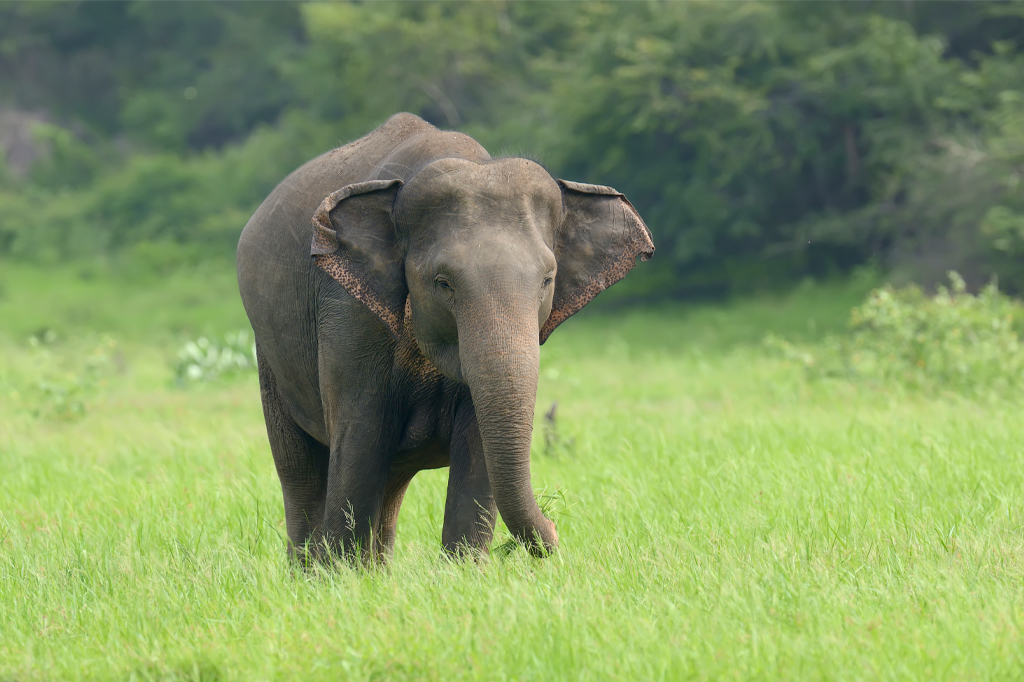

However, that number has dwindled considerably today, from 40,000 to 50,000. This drastic reduction in numbers has led to the two species above being classified as endangered, highlighting the urgent need for conservation efforts to safeguard their future.
Elephants are crucial because of their profound impact on their surrounding environment simply because they exist and roam. Let’s explore what the world fish and wildlife would be like if elephants were to go extinct:
What will happen if elephants go extinct?
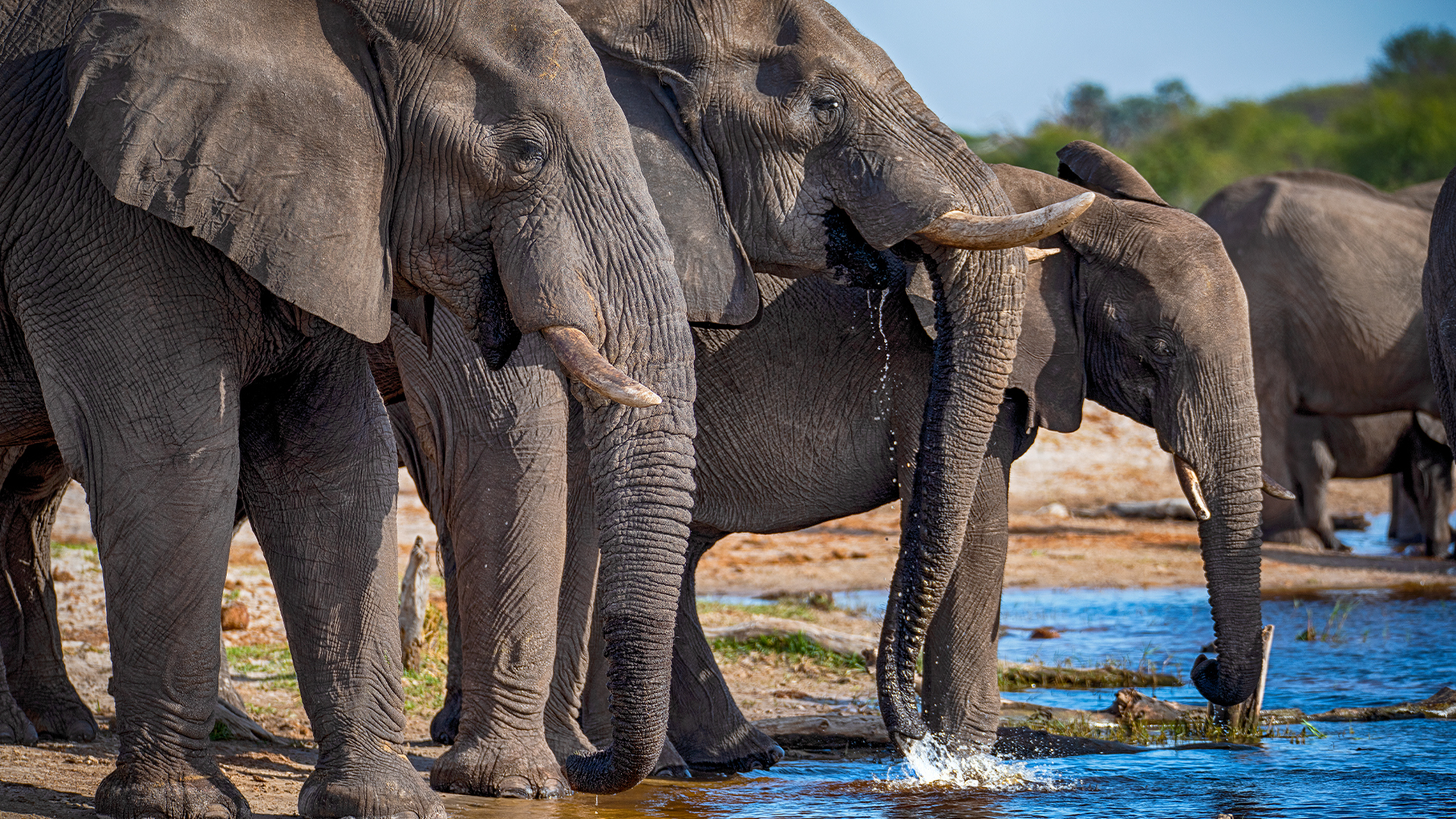
Elephants are the unsung heroes of their habitats. Known as a keystone species, they play a crucial role in maintaining the environment balanced and thriving. In times of drought, they use their mighty tusks to dig holes in the ground, creating precious water sources that sustain themselves and countless other wildlife species.

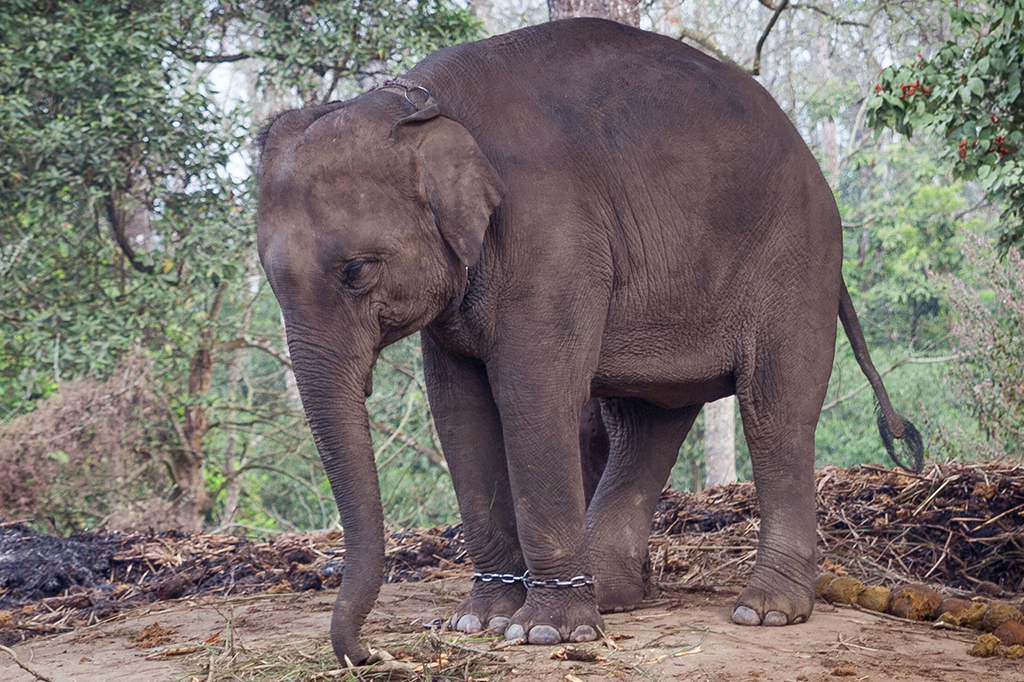
But their contributions don’t stop there! Elephants are also natural landscapers, reshaping their surroundings to benefit the entire ecosystem. Flattening shrubland and creating open savannahs provide clearer sightlines for predators, making hunting more efficient and maintaining the delicate balance between predator and prey.
In a groundbreaking study published in Proceedings of the National Academy of Sciences (PNAS), researchers from Saint Louis University and their collaborators unveil the vital role elephants play in shaping African forests. The findings reveal that elephants contribute significantly to creating forests with higher atmospheric carbon storage capabilities. Moreover, they play an essential role in maintaining the rich biodiversity of African forests.
However, the implications of their decline are dire. If the already critically endangered elephant populations were to become extinct, the rainforests of central and west Africa—the second largest on Earth—would suffer a significant blow.
The rainforests of Central Africa, home to many forest elephants, would suffer a substantial blow if these elephants were to become extinct. Estimates suggest that the loss of elephants could lead to a gradual decline of six to nine percent in the forest’s ability to capture atmospheric carbon, exacerbating global warming.
Preserving elephant populations is not just a matter of using natural resources or safeguarding a single species; it’s a critical step toward maintaining the health and stability of our planet’s vital ecosystems.
What is being done for elephant conservation?
Undoubtedly, poaching remains the greatest peril facing both African and Asian elephants, as these magnificent creatures fall victim to ruthless hunters seeking their valuable tusks and trunks. Despite international efforts to prohibit the illegal ivory trade, African elephants continue to suffer staggering losses due to poaching.

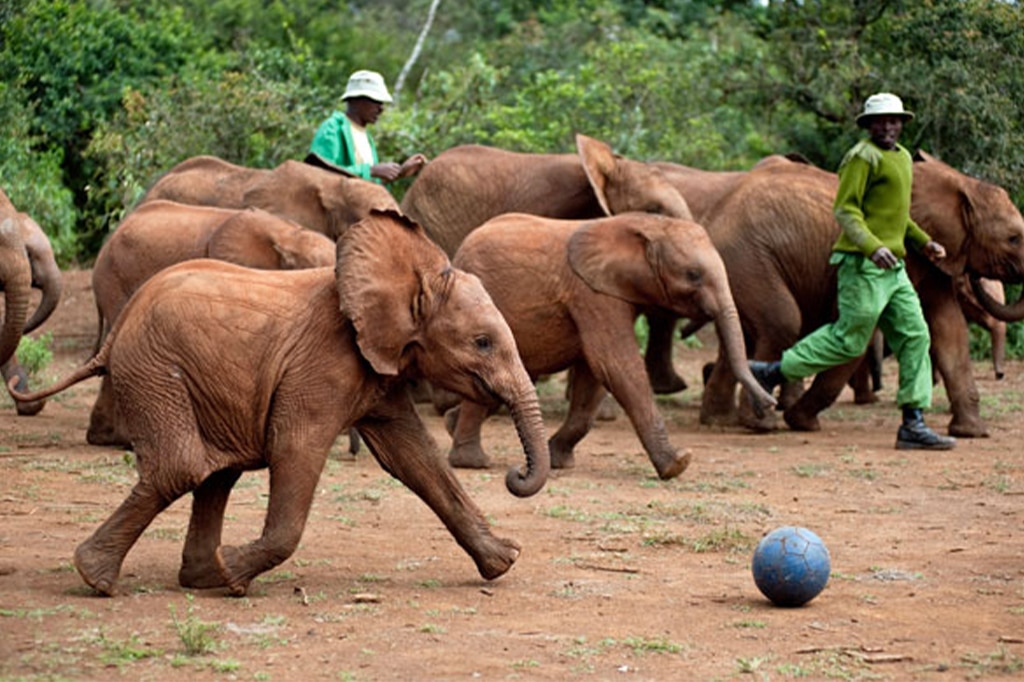
Approximately 70% of African elephants are located in Southern Africa, making this region crucial for conservation efforts. It’s imperative for policymakers to grasp the significance of elephant conservation, especially considering the crucial role that forest elephants play in mitigating climate change. Their impact on our global environment cannot be overstated, so policymakers need to prioritize their protection.
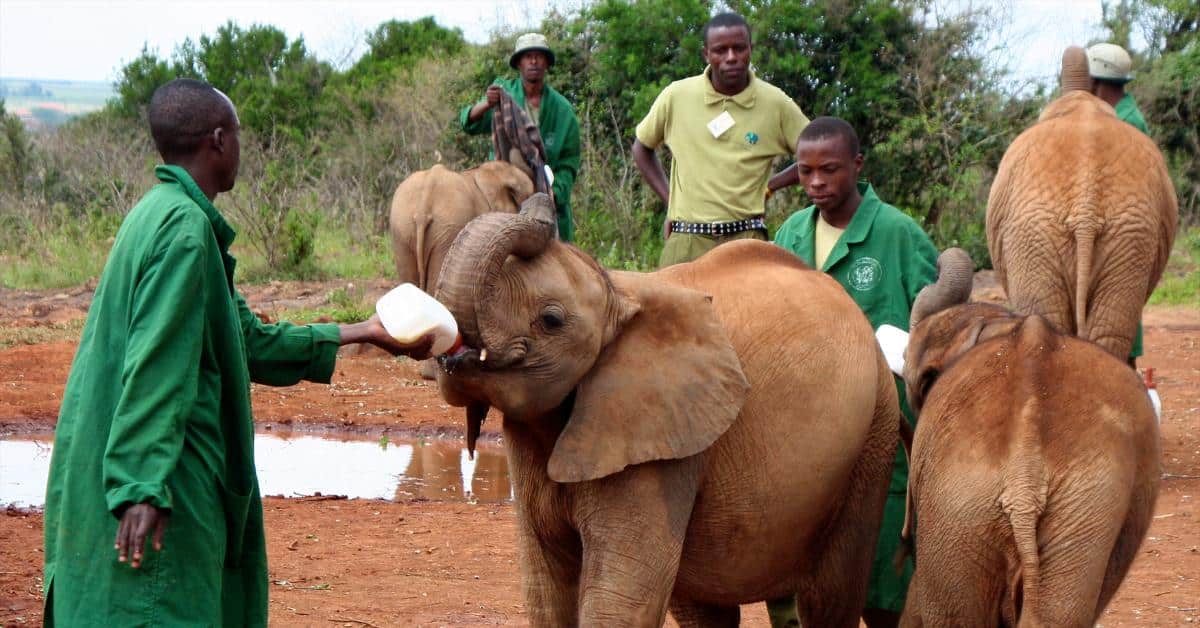
Global efforts in elephant conservation primarily revolve around several key strategies. These include managing ivory stockpiles to curb the illegal ivory trade, reinforcing the boundaries of protected reserves to safeguard elephant habitats, conducting anti-poaching patrols to deter poachers, and implementing proactive measures to mitigate human-elephant conflicts. These approaches address elephant populations’ threats, from ivory poaching to habitat loss and human-wildlife conflicts.
By employing a combination of protective measures and community engagement initiatives to help protect elephants, conservationists strive to ensure African elephants’ long-term survival and well-being in their natural habitats.
Conclusion
In the face of these formidable challenges, we stand at a crossroads. Poaching, habitat loss, and human-elephant conflict converge to form a dangerous mix, threatening to extinguish the light of these magnificent creatures forever. Yet, armed with knowledge and compassion, a glimmer of hope exists.
At Easy Travel, we believe in responsible tourism and conservation efforts. That’s why we’re working on innovative solutions to protect these amazing creatures. From the wildlife corridors and supporting anti-poaching initiatives to promoting sustainable practices in wildlife trade, we’re dedicated to ensuring that future generations can marvel at the wonder of elephants.
And you can, too! Join us in Tanzania to see the elephants in one of our many national parks, from the Serengeti’s open plains to Tarangire’s lush forests. Experience the thrill of seeing these lovely creatures in their natural habitat, guided by our expert team at Easy Travel. From spreading awareness to supporting conservation efforts, there’s so much we can do to make a difference. Together, we can be the change these gentle giants need!