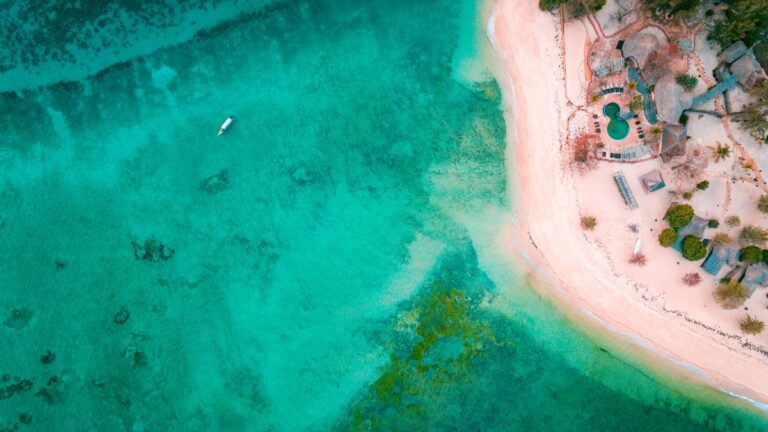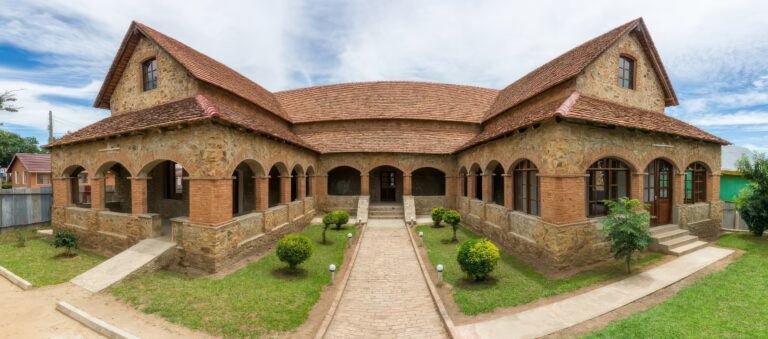


Are you seeking a truly unique and eco-friendly island experience? Look no further than Chumbe Island, a hidden gem off the coast of Zanzibar.
This pristine island offers a variety of compelling reasons to visit in 2025/2026. From its vibrant coral reefs to its commitment to sustainable tourism, Chumbe Island promises an unforgettable journey. Here are five reasons why you should add Chumbe to your travel itinerary.
Visit Chumbe for Myriad Coral Reefs
One of the reasons why you should visit Chumbe Island is it is renowned for its breathtaking coral reefs, which are part of the Chumbe Island Coral Park, a protected marine sanctuary. The coral reefs surrounding the island are vibrant and teeming with life, making it a paradise for snorkelers.
Explore the underwater wonderland and encounter a kaleidoscope of colorful corals, exotic fish species, and even sea turtles. Whether you’re an experienced or a beginner snorkeler, the pristine coral reefs of Chumbe Island offer an unparalleled opportunity to witness the beauty and diversity of marine life.

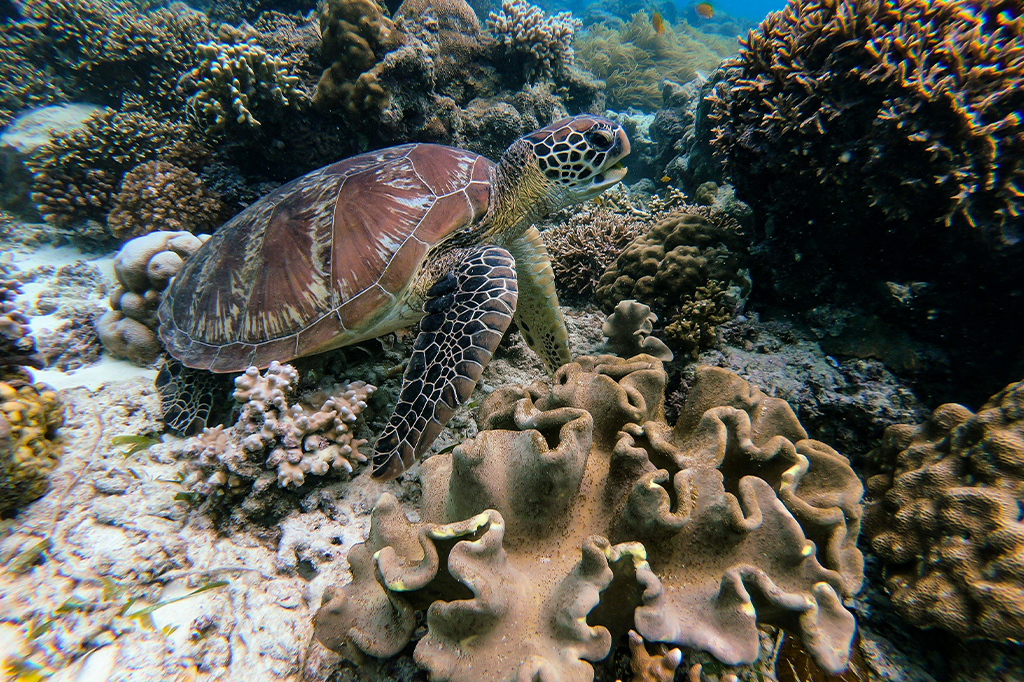
The coral reefs surrounding Chumbe Island are considered some of the healthiest and most biodiverse in the region. The warm waters of the Indian Ocean provide the perfect conditions for coral growth, resulting in stunning formations and abundant marine species. Snorkeling in these pristine waters allows you to immerse yourself in a vibrant underwater world.
Swim alongside schools of tropical fish, spot intricate coral formations, and perhaps even catch a glimpse of majestic sea turtles gliding through the water. The sheer beauty and diversity of the coral reefs make Chumbe Island a must-visit destination for any underwater enthusiast.
Visit Chumbe for its Commitment to Sustainable Tourism
One of the most compelling reasons to visit Chumbe Island is its unwavering commitment to sustainable tourism practices. The island operates on eco-friendly principles, using solar power, practicing sustainable water management, and implementing responsible waste disposal systems. The Chumbe Island Coral Park actively engages in environmental conservation efforts, protecting the island’s delicate ecosystem and raising awareness about the importance of preserving natural resources.
Chumbe Island’s dedication to sustainable tourism is evident in its eco-lodge, which serves as a model of environmentally friendly accommodation. The eco-lodge utilizes solar power for electricity and hot water, minimizing its carbon footprint. The lodge also practices rainwater harvesting, ensuring a sustainable water supply.
Additionally, the lodge’s waste management system focuses on recycling and composting, reducing its environmental impact. By staying at the eco-lodge, you can rest assured that your visit supports responsible tourism and contributes to the preservation of Chumbe Island’s natural beauty for future generations.
Visit Chumbe for a Unique Accommodation Experience
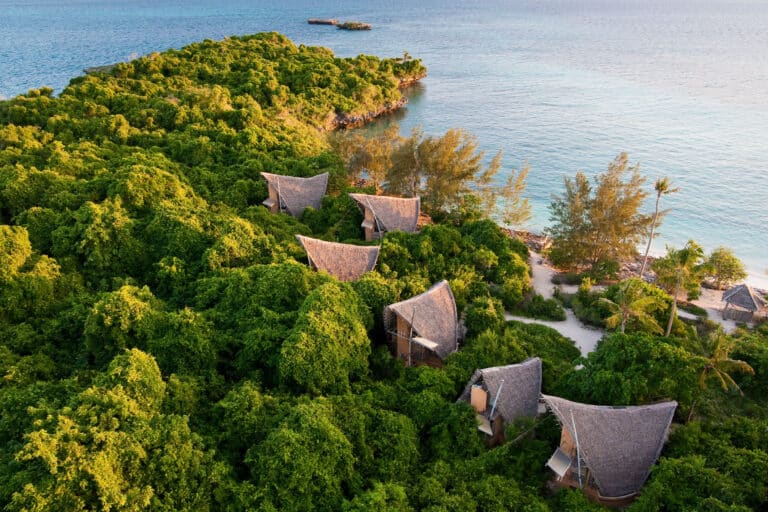
One reason to visit Chumbe Island is its unique accommodation experience at the Chumbe Island Coral Park eco-lodge. Nestled within the island’s lush vegetation, the eco-lodge features solar-powered bungalows that blend harmoniously with the natural surroundings. Each bungalow offers stunning views of the Indian Ocean and direct access to the island’s pristine beaches.
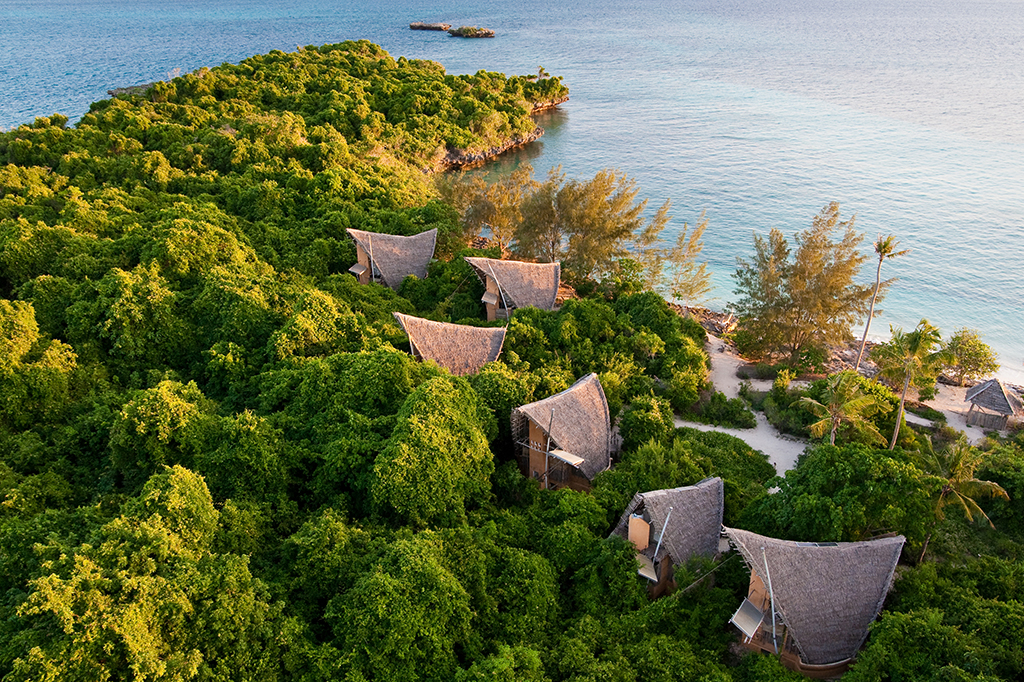

Staying at the eco-lodge allows you to immerse yourself in nature, disconnect from the hustle and bustle of everyday life, and enjoy the tranquility of this exclusive island retreat. Wake up to the sounds of birds chirping, take leisurely walks along the shoreline, and relish the serenity of Chumbe Island.
The eco-lodge’s bungalows are designed with sustainability and comfort in mind. Built with eco-friendly materials, the bungalows blend seamlessly with the island’s natural environment. Each bungalow features a spacious bedroom, a private bathroom, and a veranda where you can relax and enjoy the breathtaking views.
The design of the bungalows promotes natural ventilation, allowing you to experience the cool ocean breeze. With no televisions or air conditioning, you can truly disconnect from the outside world and reconnect with nature during your stay on Chumbe Island.
Visit Chumbe for Rich Biodiversity and Nature Walks
Visit Chumbe Island for its rich variety of flora and fauna, making it a haven for nature lovers. Explore the island’s lush forests on guided nature walks and discover the diverse range of plant and animal species that call Chumbe Island home.
Spot rare and exotic birds, encounter playful monkeys, and learn about the island’s unique ecosystems from knowledgeable guides. These nature walks provide a deeper appreciation for the natural wonders of Chumbe Island and the importance of preserving its biodiversity.

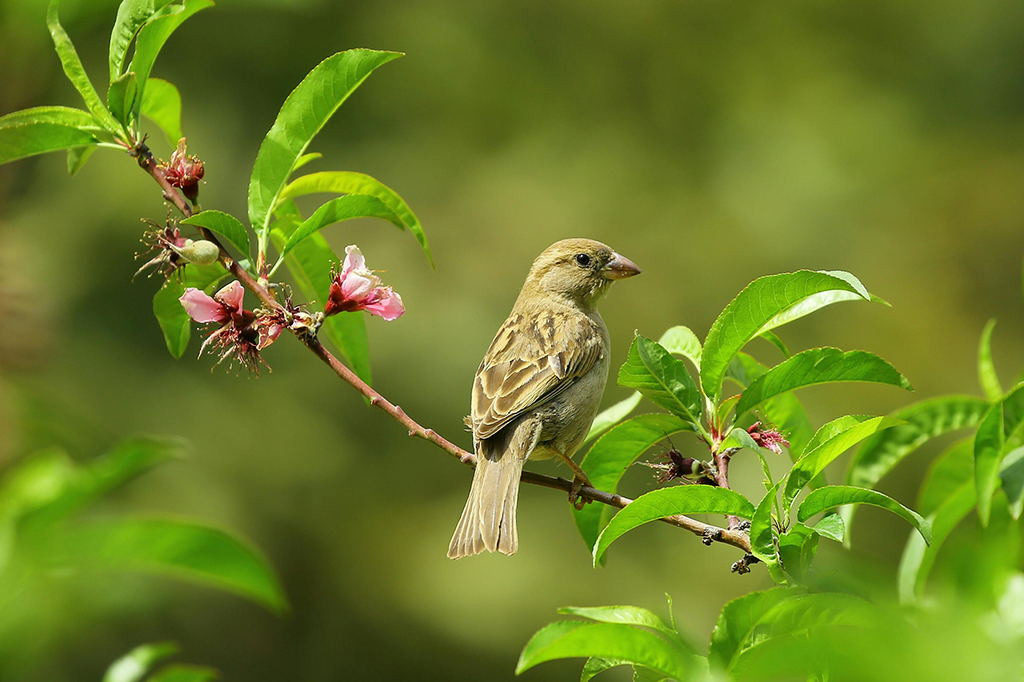
The forests of Chumbe Island are a treasure trove of biodiversity. Take a leisurely walk along the island’s nature trails and immerse yourself in the sights and sounds of the tropical forest. Marvel at the towering trees, listen to the melodious songs of the birds, and keep an eye out for fascinating wildlife. The island is home to various bird species, including the endangered red colobus monkeys.
Spotting these majestic creatures swinging through the trees highlights any nature walk on Chumbe Island. As you explore the island, knowledgeable guides will share their insights into the unique flora and fauna, helping you understand the delicate balance of this remarkable ecosystem.
Visit Chumbe for Cultural Immersion and Community Engagement
Chumbe Island offers a chance to engage with the local community and immerse yourself in the island’s vibrant culture. Take part in cultural tours and interact with the friendly locals, learning about their traditions, crafts, and way of life. Visit historical sites and ruins that offer insights into the island’s past.
Engaging with the local community provides a deeper understanding of Chumbe Island’s identity and creates meaningful connections. By supporting the local economy and engaging in cultural exchange, you contribute to the sustainability and well-being of the island.


Chumbe Island’s community-focused initiatives provide a unique opportunity to interact with the local people and gain insight into their daily lives. Engage in traditional activities such as weaving, drumming, or cooking, and learn about the cultural significance of these practices.
Participate in organized tours that showcase the island’s historical sites, including ancient lighthouses and ruins that tell stories of Chumbe Island’s past. By immersing yourself in the local culture, you gain a deeper appreciation for the island’s heritage and form lasting connections with the community.
So, when you visit Chumbe, don’t forget to include cultural immersion in your bucket list.
Final Thoughts
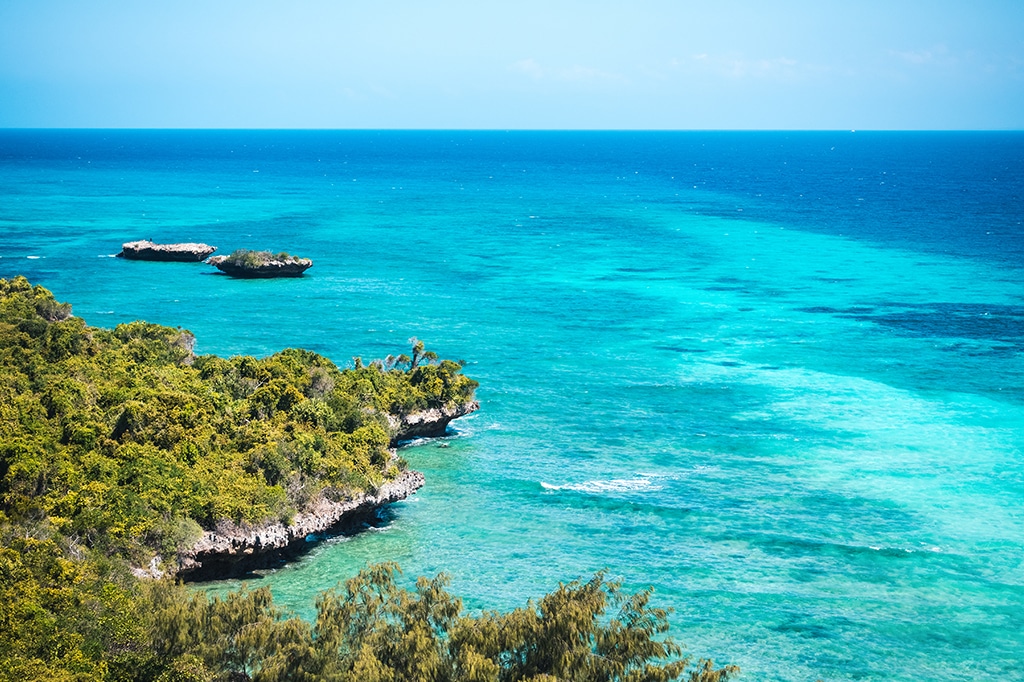

Chumbe Island in 2025/2026 offers an unparalleled experience for travelers seeking pristine nature, sustainable tourism practices, and cultural immersion. From the vibrant coral reefs to the unique accommodation experience, many reasons exist to add Chumbe Island to your travel bucket list. Embrace the tranquility, explore the rich biodiversity, and positively impact the environment and local community. Discover the wonders of Chumbe Island and create unforgettable memories that will last a lifetime.
Frequently Asked Questions (FAQs)
1. Where is Chumbe Island located?
Chumbe Island is situated approximately 8 kilometers southwest of Zanzibar, Tanzania. It is accessible via a short, 45-minute boat ride from Zanzibar’s main island’s coastal capital, Stone Town.
This pristine coral reef island is part of the Zanzibar Archipelago and is renowned for its aquatic biodiversity. It forms a unique marine sanctuary and wildlife reserve known officially as the Chumbe Island Coral Park (CHICOP).
2. What is the best time to visit Chumbe Island?
The ideal time to visit Chumbe Island is during the dry seasons, which occur from June to October and January to February. These months provide ideal weather for water activities, beach relaxation, and wildlife spotting.
However, each season offers its charm, so checking the weather forecasts leading up to the trip is recommended. Climate and wildlife patterns may vary, with humpback whales appearing around August and September.
3. What activities can I enjoy on Chumbe Island?
Chumbe Island offers various activities catering to nature enthusiasts and marine life buffs. Visitors can enjoy snorkeling around the pristine coral reef, home to over 200 species of tropical fish and more than 50 types of corals.
The island’s ecosystem supports a diverse range of flora and fauna. Hiking trails lead through the lush forest, housing various bird species, lizards, and giant coconut crabs. Guided tours are available for first-time explorers.
4. Is Chumbe Island eco-friendly?
Chumbe Island prides itself on its eco-friendly approach to tourism. The resort’s structures use local materials while minimizing the ecological footprint. Solar power caters to energy requirements, and rainwater harvesting meets the freshwater needs of the resort.
Additionally, the island is a sanctuary dedicated to marine and forest conservation. Profits generated from tourism activities are channeled to support ongoing biodiversity conservation and environmental education projects.
5. What accommodation options are available on Chumbe Island?
Chumbe Island features an ecolodge with seven open-air “eco-bungalows.” These sustainable, private bungalows boast exceptional attributes, including rainwater catchment, composting toilets, and solar water heaters.
Each bungalow overlooks the beach, affording visitors stunning views of the Indian Ocean. The open-air design allows natural cooling, ensuring an authentic and comfortable stay for guests while maintaining the island’s eco-friendly philosophy.
6. What food is served on Chumbe Island?
Chumbe Island’s resort serves various meals prepared with fresh local ingredients sourced from Zanzibar. The dining experience comprises a delightful blend of Swahili and international cuisines.
The eco-lodge accommodates full-board arrangements throughout a guest’s stay, which includes breakfast, lunch, and dinner. Dietary preferences and restrictions are considered on request, ensuring guests enjoy scrumptious culinary offerings tailored to their needs.
7. Is Chumbe Island suitable for kids?
Chumbe Island welcomes children and offers family-friendly activities for an unforgettable vacation experience. Younger guests can enjoy guided walks through the forest reserve, explore the educational visitor center, or engage in marine-focused learning sessions.
It’s worth noting that due to its commitment to conservation and the natural environment, Chumbe Island requires close supervision of children to ensure their safety, as well as to maintain the ecological balance of the island.
8. Can I host special events or group activities on Chumbe Island?
Chumbe Island offers customized packages to cater to special events and group activities. The island’s pristine landscape and unique setting provide the perfect backdrop for a memorable experience.
From weddings to corporate retreats, Chumbe Island can accommodate various needs, bringing people together through a shared connection to nature. Prior arrangements must be made with the management to ensure a successful event.
9. Are there local guides for Chumbe Island’s excursions?
Yes, Chumbe Island employs local guides with expert knowledge to provide engaging and informative tours. These experienced guides are skilled in sharing information about the island’s unique ecosystem, marine life, and history.
The guides lead excursions such as guided snorkeling, rainforest walks, and other environmental activities that help enrich the Chumbe Island experience. They help ensure both an educational and enjoyable visit for guests.
10. How can I help protect the Chumbe Island environment during my visit?
Visitors to Chumbe Island are encouraged to be mindful of their impact on its delicate ecosystem. Adhering to the island’s conservation guidelines, respecting boundaries, and avoiding activities that may harm the environment are essential actions for every guest.
By staying at the ecolodge, participating in eco-tours, and supporting the Chumbe Island Coral Park (CHICOP), visitors contribute to conservation efforts, safeguard the island’s unique environment, and promote sustainable tourism.
11. What wildlife can I expect to see on Chumbe Island?
Chumbe Island provides opportunities to spot a variety of wildlife, including the rare Ader’s duiker antelope, coconut crabs, and over 60 types of birds. The marine sanctuary around the island is teeming with life, including more than 200 fish species and 50 coral species.
While snorkeling, spotting vibrant-colored fish, sea turtles, and octopus is quite common. On land, visitors can encounter fascinating creatures native to the region, like skinks and fruit bats.
12. How do I get to Chumbe Island from Zanzibar?
Chumbe Island is a short boat ride away from the Zanzibar main island. The island’s ecolodge provides transfers on a custom-built boat that departs from Stone Town, the coastal capital of Zanzibar.
The trip typically takes around 45 minutes. The resort’s management can help visitors arrange transport, ensuring a smooth journey to Chumbe Island. It’s essential to communicate your arrival details in advance to coordinate transfers accordingly.
13. What is the length of a typical stay on Chumbe Island?
Visitors usually spend two to three nights on Chumbe Island to fully immerse themselves in the island’s diverse offerings. The duration provides ample time to explore and enjoy the unique experiences available for both marine enthusiasts and nature aficionados.
However, visitors may choose to stay longer based on their preferences or extend their trip by visiting the mainland or neighboring islets for a more comprehensive Zanzibar experience.
14. What is the length of a typical stay on Chumbe Island?
Visitors usually spend two to three nights on Chumbe Island to fully immerse themselves in the island’s diverse offerings. The duration provides ample time to explore and enjoy the unique experiences available for both marine enthusiasts and nature aficionados.
However, visitors may choose to stay longer based on their preferences or extend their trip by visiting the mainland or neighboring islets for a more comprehensive Zanzibar experience.
15. What is the length of a typical stay on Chumbe Island?
Visitors usually spend two to three nights on Chumbe Island to fully immerse themselves in the island’s diverse offerings. The duration provides ample time to explore and enjoy the unique experiences available for both marine enthusiasts and nature aficionados.
However, visitors may choose to stay longer based on their preferences or extend their trip by visiting the mainland or neighboring islets for a more comprehensive Zanzibar experience.
16. Is there an entry fee to the Chumbe Island Coral Park?
Yes, there is an entry fee to the Chumbe Island Coral Park. The ecolodge package includes the fees for overnight guests staying at the resort.
Day visitors can also participate at a cost in guided tours and excursions offered in the coral park. It is advised to confirm the details and pricing with the Chumbe Island management before planning a visit to the park.
17. Can I travel to Chumbe Island on a budget?
Chumbe Island focuses on sustainable and responsible tourism, which requires substantial resources for conservation. As a result, the ecolodge and its offerings might not fit within the constraints of a strict budget plan.
However, day visitors might find the Chumbe Island Coral Park excursion a fitting and affordable alternative. Exploring the island and its marine sanctuary on a day trip allows budget-conscious travelers to enjoy a snippet of Chumbe Island’s charm without incurring the costs of an overnight stay.
18. What can I learn at the Chumbe Island Visitor Center?
The Chumbe Island Visitor Center offers an interactive learning space that focuses on the island’s unique ecology, history, and conservation efforts. Guests can browse exhibits, watch informative presentations, and participate in hands-on learning activities that serve to educate about the local marine life and rainforests.
The Visitor Center is also where the renowned Chumbe Environmental Education Program occurs. This program provides local schoolchildren with environmental education opportunities emphasizing responsible stewardship and preserving natural ecosystems.
19. Are there any restrictions on snorkeling at Chumbe Island?
Chumbe Island is highly committed to preserving its marine ecosystem; hence, there are a few restrictions on snorkeling to minimize potential impacts. Guided snorkeling tours are the norm, with visitors accompanied by trained experts who ensure that guests follow best practices.
Guests are advised to avoid touching, stepping on, or collecting corals and other marine life while snorkeling. Guests are also required to snorkel within designated areas to minimize damage to the coral reef and protect marine life. Following these guidelines ensures a sustainable and responsible experience for all visitors.
20. Is Chumbe Island wheelchair accessible?
Although Chumbe Island strives to be inclusive, its terrain and accommodations may challenge wheelchair users. The island’s diverse natural landscape includes sandy beaches, uneven pathways, and rocky terrain, which can be difficult for wheelchair navigation.
However, the Chumbe Island management is dedicated to providing the best possible experience to every visitor. Guests with specific accessibility requirements are encouraged to contact the management team to discuss options and alternative arrangements that cater to their needs.
21. What health and safety measures are in place at Chumbe Island?
Chumbe Island places a high priority on the health and safety of its visitors. The island adheres to strict health regulations regarding COVID-19, implementing hygiene protocols like regular deep cleaning and sanitizing the accommodations and common areas.
Staff members adhere to health guidelines related to hygiene, social distancing, and mask usage. Additionally, they undergo regular health checks to ensure the safety of visitors.
Even in normal times, staff are trained in First Aid and Emergency Response procedures for non-pandemic safety. Moreover, a fully-equipped First Aid box is readily available, and in case of serious emergencies, mainland medical assistance can be arranged swiftly.