

Introduction
Once upon a time, long ago, dinosaurs ruled the land, strutting around in all their colossal glory. Fast-forward through an asteroid strike and some evolutionary twists, and here we are today! While the deep blue sea still hides its fair share of large, ancient, spine-tingling creatures up here on dry land, the heavyweight champion reigns supreme: the magnificent elephant.
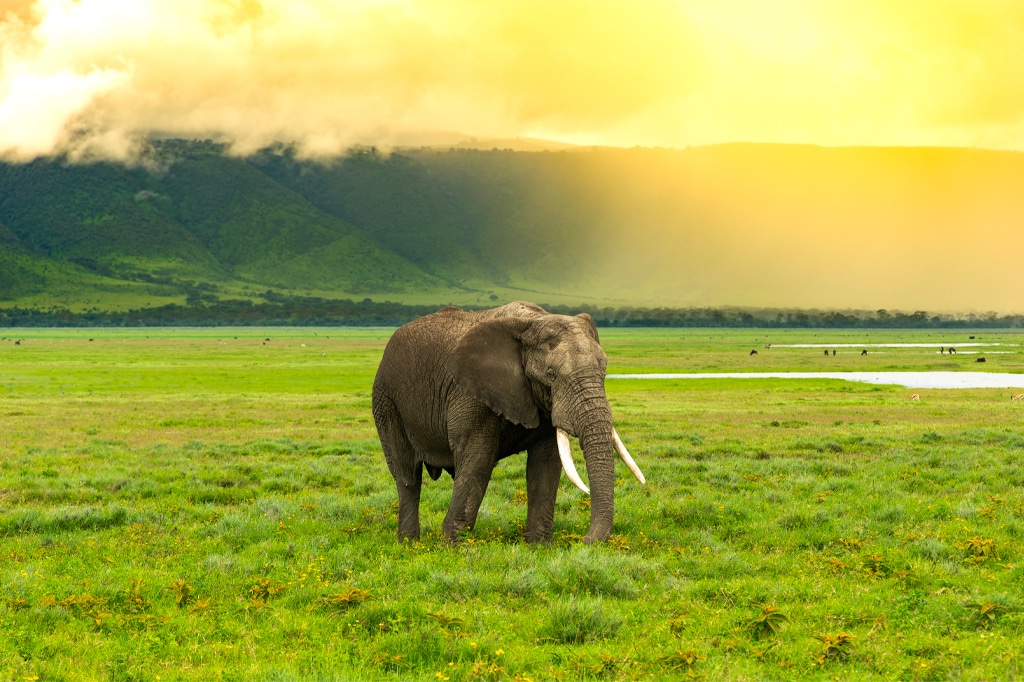
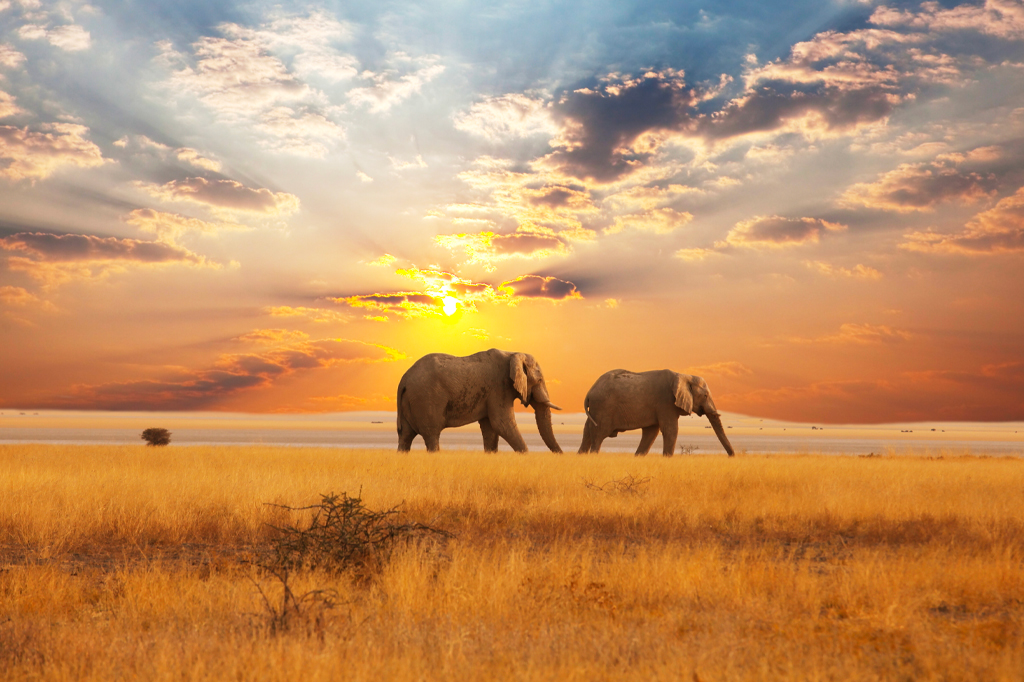
These mighty mammals are scattered throughout Africa and Asia and live in different habitats, including savannahs, forests, deserts, and marshes. While their roots may lie in these two continents, their impact reverberates far beyond their native lands, touching hearts and minds across the globe. However, increasing human-elephant conflict due to habitat encroachment poses significant challenges, highlighting the urgent need for coexistence strategies to protect both species.
Come along with Easy Travel and me as we explore the diverse world of elephant species! From the majestic African savannah and forest elephant to the iconic Asian elephant, we’ll delve into their unique characteristics, habitats, and the incredible adaptations that let them thrive in their environments. Together, we’ll uncover these fascinating pachyderms’ fascinating differences and similarities. Are you ready for an adventure? Let’s go!
Elephant Ancestry
Elephant are the only members of the order Proboscidea alive today. However, these three species represent only one of many proboscis families throughout history. Elephant ancestry stretches over 55 million years and includes more than 300 proboscidean species.
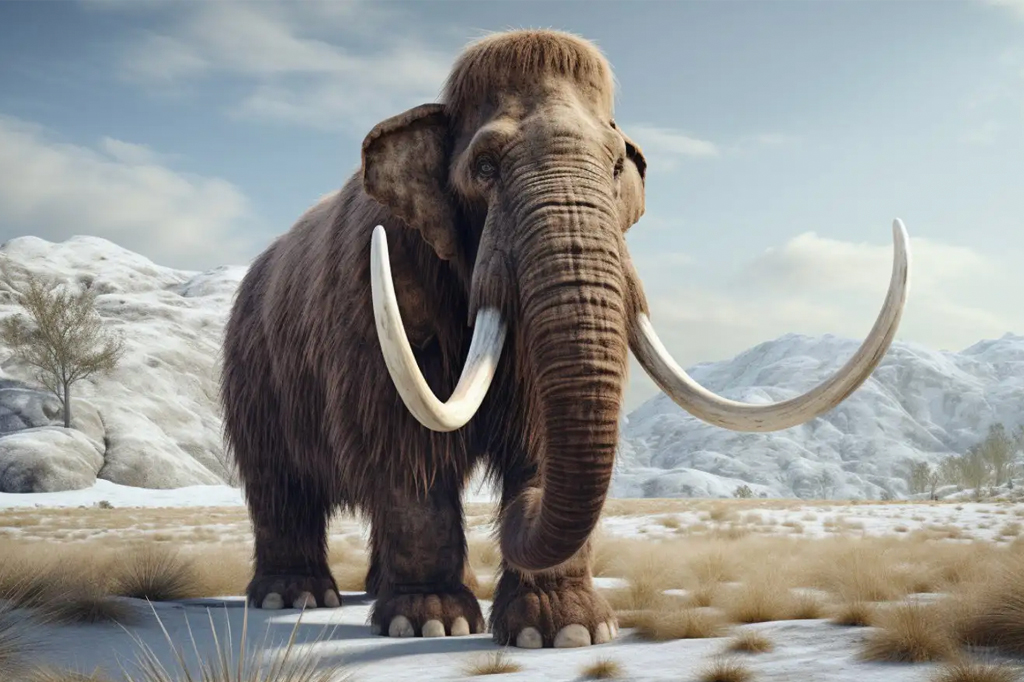

However, about six million years ago, the diversity of proboscideans started to decrease following the harsh cooling of the Earth. Only the most ecologically versatile proboscideans survived. The woolly mammoth stands out as an extreme example.
Its thick, shaggy hair and large ivory tusks made it well-suited for retrieving vegetation buried beneath heavy snow.
What are the three main types of elephants?
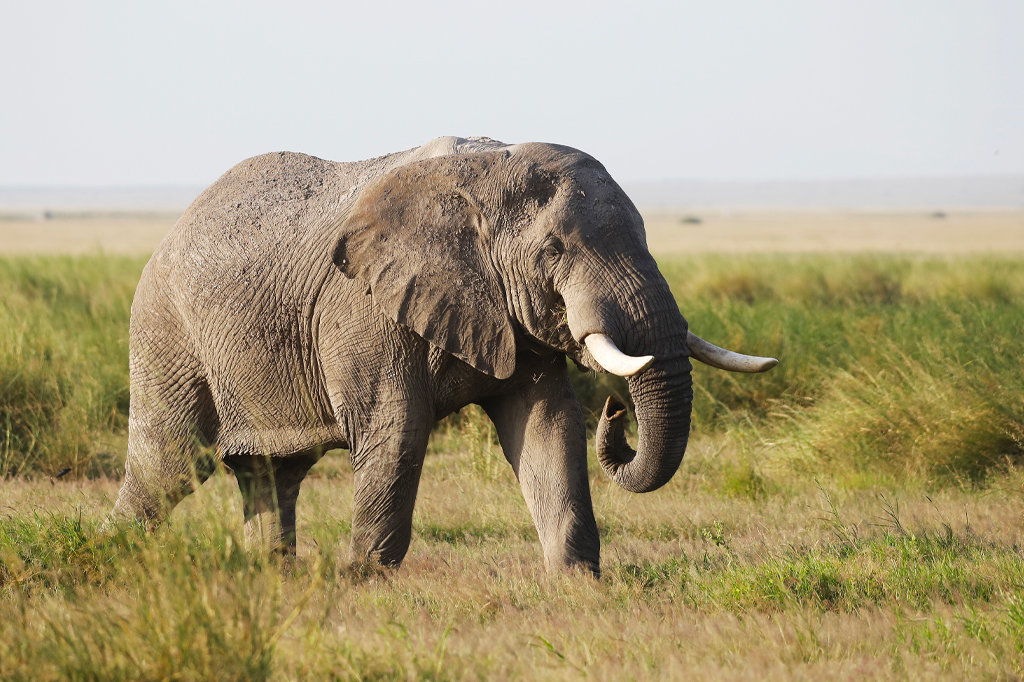
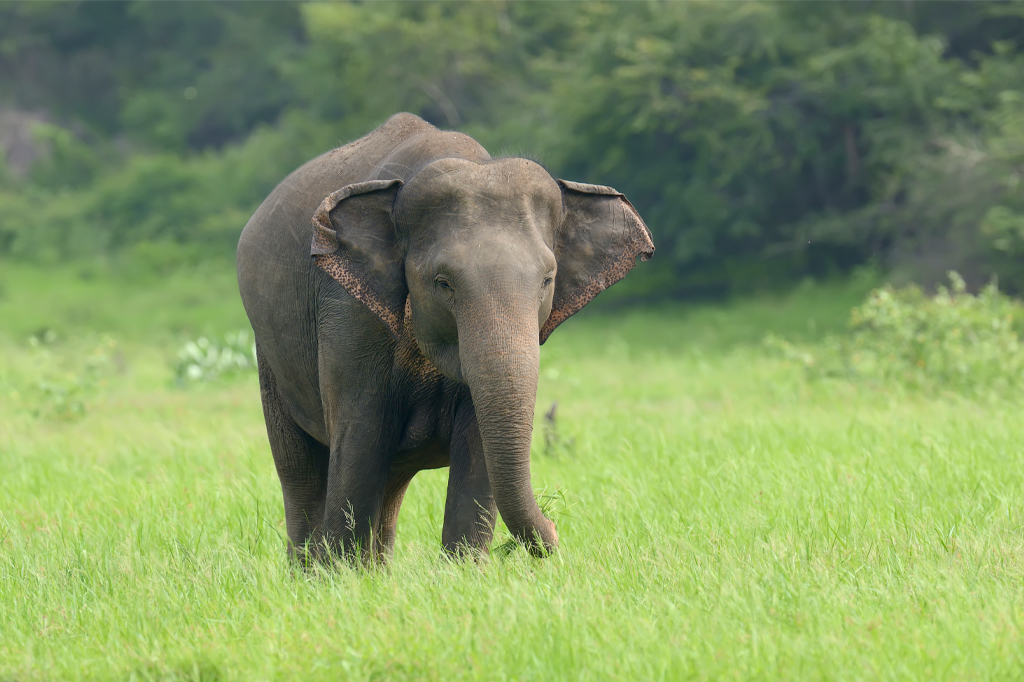
There are three living species of elephants today: African savanna elephants (Loxodonta africana), African forest elephants (Loxodonta cyclotis), and Asian elephants (Elephas maximus). The African elephant species, both savanna and forest, are classified as threatened species, with the forest elephant critically endangered due to habitat loss and poaching and the savanna elephant endangered.
1. The African Elephant
With its massive size—standing up to 4 meters tall at the shoulder and weighing up to 6,000 kilograms when fully grown—the African elephant proudly is the largest land animal on our planet, just a tad bigger than its Asian relatives.
The African elephant population in Southern Africa has seen a significant recovery since the 1980s, particularly in countries like Botswana and Namibia. However, this resurgence has led to controversies around managing and controlling these populations, with various conservation efforts being employed to address human-elephant conflicts.
They are part of the genus Loxodonta and come in two varieties: the African savanna elephant (Loxodonta africana), also known as African bush elephants, and the African forest elephant (Loxodonta cyclotis).
Once thought to be a single species, African elephants were grouped. However, in 2000, scientists uncovered two distinct species of African elephants. The main difference between these two species is mainly their size and habitat.
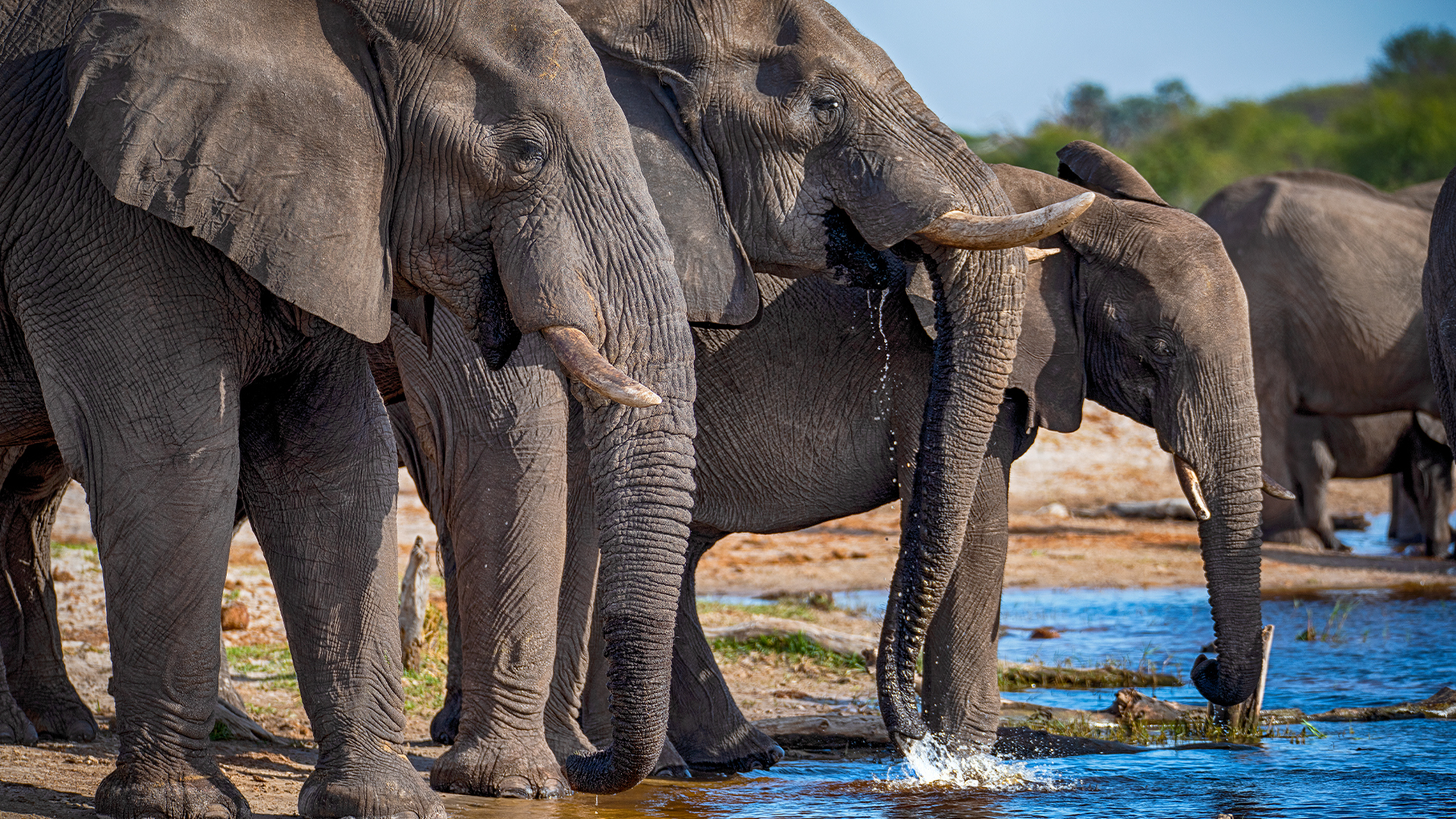
Both male and female African elephants have tusks, but African savanna elephants typically have curved tusks, while the African forest elephants have straighter tusks. These ivory tusks serve various purposes, including digging for food and water and stripping tree bark.
2. African Forest Elephant
The African forest elephant (Loxodonta cyclotis) is a smaller and more elusive species found in the dense forests of West and Central Africa. Adults weigh between 2,000 and 4,000 kilograms and stand about 2.4 to 2.7 meters tall at the shoulder.
Forest elephants are well-adapted to their forest environment, characterized by straighter, slender tusks and rounded, smaller ears. They use their slender trunks to forage for leaves, fruit, and bark. Forest elephants live in complex, matriarchal social groups and communicate through vocalizations and touch.
Unfortunately, this trend has continued; by 1970, their population dwindled to 1.3 million. Between 1970 and 1990, increased hunting and poaching pushed African elephants to the brink of extinction, halving their population once again. As few as 400,000 remain today. Additionally, African forest elephants fell by more than 86% over 31 years due to poaching for ivory and habitat loss.
Next, we journey to the large continent of Asia to discover the Asian elephant. They differ from the African elephant on a few notes:
3. The Asian Elephant
While not as large as their African relatives, the Asian elephant remains the largest mammal on the Asian continent. It can weigh up to 5,500 kg and stand tall at shoulder heights of 3.5 meters. These majestic creatures inhabit various habitats, from dry forests to wet grasslands, in 13 South and Southeast Asian countries.
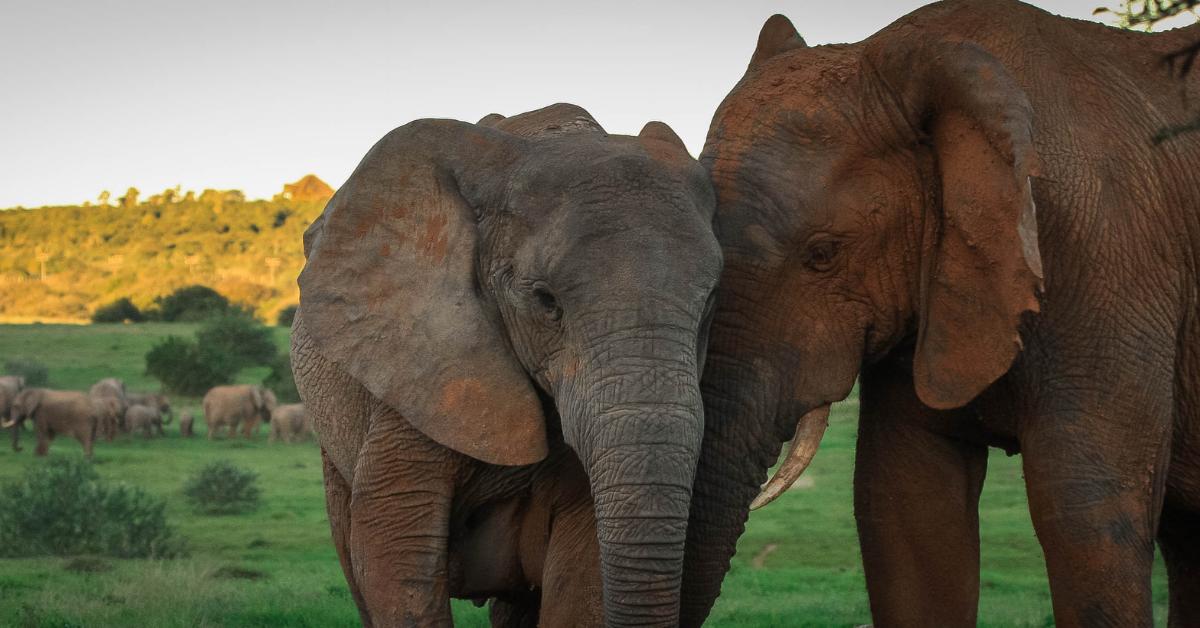
When it comes to telling African and Asian elephants apart, it’s all in the ears and head shape! African elephants rock those big, floppy ears that look like the continent they call home, while their Asian pals sport smaller, rounder ones.
These ear variations serve a crucial function, aiding in the dissipation of body heat, which is particularly important for African elephants dwelling in hotter climates. African elephants possess rounded heads, while Asian elephants feature a distinctive twin-domed head structure characterized by a noticeable divot line running up the head.
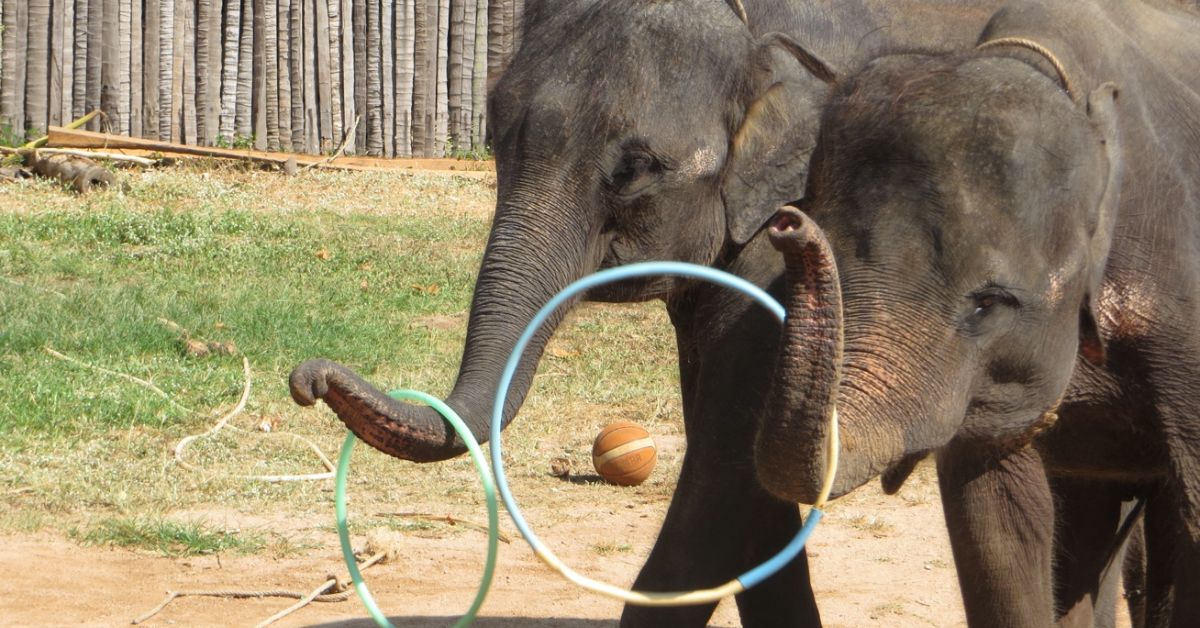
While they primarily forage for plants, Asian elephants showcase remarkable adaptability, surviving on various resources depending on their environment. Unlike African elephants, females of the Asian species do not possess tusks; only the males do, but some are also born tuskless.
Asian elephants can be further divided into four subspecies:
Mainland or Indian elephants (Elephas maximus indicus)
Indian elephants are found across the Asian mainland and boast the most extensive distribution area among all the subspecies. Their skin tone falls between Sri Lankan and Sumatran elephants, with a lighter hue than the former but darker than the latter.
Sadly, Indian elephants are currently labelled endangered by the IUCN due to various threats. These include poaching, habitat loss, deforestation, habitat fragmentation, persecution by humans, as well as road and rail accidents, all of which pose significant risks to their survival.
Sri Lankan elephants (Elephas maximus Maximus)
These pachyderms live exclusively on the island of Sri Lanka. This subspecies stands out for its largest body size and darkest skin colour compared to other elephants.
Only 7% of male Sri Lankan elephants possess tusks, a unique trait within their population. Unfortunately, these elephants are classified as endangered due to a rapid decline in their numbers caused by extensive deforestation, which severely restricts their grazing range.
Sumatran elephants (Elephas maximus sumatranus)
Sumatran elephants inhabit the Sumatra island in Indonesia and share similarities with mainland elephants. They stand out with 20 pairs of ribs, one pair more than other subspecies and one less than the African elephant, and they also feature a lighter skin tone.
Habitat loss, deforestation, fragmentation, and poaching have pushed Sumatran elephants to the brink of extinction. The IUCN currently classifies them as critically endangered.
Borneo elephants (Elephas maximus borneensis)
Also known as Borneo dwarf elephants, they reside in the fragmented forests of Borneo Island in Malaysia and Indonesia. They are recognized as the most miniature living elephants today and have the most extended tail length of all the subspecies.
The origins of Borneo elephants are a subject of debate, with some suggesting they may have descended from captive elephants introduced to the region by the Sultan of Sulu. Notably, Borneo elephants display remarkable tameness and passivity, indicating their potential domestic lineage.
Conclusion
In a world where gentle giants roam, the elephant story unfolds gracefully and grandly. From the majestic African savanna and forest elephants to the enchanting Asian elephant, each species paints a vibrant picture of resilience and diversity. Despite facing challenges like poaching and habitat loss, these magnificent creatures continue to captivate hearts around the globe.
And guess what? With Easy Travel, you can embark on your safari adventure in Tanzania to witness these incredible African elephants live in action as they roam the great open plains of the Serengeti National Park. So join us on this memorable journey as we explore the magical world of wild elephants, where every encounter celebrates nature’s magnificence!
Frequently Asked Questions (FAQs)
1. How many types of elephants are there?
Today, three types of elephants are recognized: the African Savannah (Bush) Elephant, the African Forest Elephant, and the Asian Elephant. Each type has distinct physical and behavioural characteristics suited to its respective environment. The African species are found across various regions of Africa, while the Asian species inhabit several South and Southeast Asian countries.
2. What are the differences between African Savannah and Forest Elephants?
African Savannah Elephants are more extensive, with large ears shaped like the African continent and curved tusks. They inhabit open grasslands and savannahs. In contrast, African Forest Elephants are smaller, with more rounded ears and straighter tusks.
They live in the dense forests of Central and West Africa. These differences are adaptations to their specific habitats, with the forest elephants being more elusive and more challenging to spot due to their dense environment.
3. How can you distinguish between an African Elephant and an Asian Elephant?
African Elephants are generally more enormous, with more prominent ears resembling Africa’s shape, while Asian Elephants have smaller, rounded ears. The heads of African Elephants are fuller, with a more pronounced single dome, whereas Asian Elephants have a twin-domed head. Additionally, only some male Asian Elephants have tusks, while both male and female African Elephants typically have tusks.
4. Where are African Savannah Elephants found?
African Savannah Elephants are found across sub-Saharan Africa, particularly in countries like Botswana, Tanzania, Kenya, Zimbabwe, and South Africa. They prefer open habitats like savannahs, grasslands, and woodlands, with ample space to roam and access water and food.
5. Where are African Forest Elephants found?
African Forest Elephants mainly inhabit the dense tropical forests of Central and West Africa in countries such as Gabon, the Republic of Congo, and Cameroon. These elephants are well-adapted to their forest surroundings, where they play a crucial role in seed dispersal and supporting the health of the forest ecosystem.
6. In which countries can Asian Elephants be found?
Asian Elephants are distributed across 13 countries in South and Southeast Asia, including Sri Lanka, India, Thailand, Malaysia, Myanmar, and Indonesia. They thrive in a diverse range of environments, from dense tropical forests and open grasslands to agricultural fields and urban fringes.
Their adaptability allows them to live in varied habitats, but this also means they frequently come into contact with human populations, leading to both challenges and opportunities for coexistence. The interaction between elephants and humans often results in conflicts, making it crucial to develop and implement effective strategies for managing these encounters and ensuring the safety and well-being of both elephants and people.
7. Are there any subspecies of Asian Elephants?
Yes, there are three recognized subspecies of Asian Elephants:
1. The Indian Elephant (Elephas maximus indicus)
2. The Sri Lankan Elephant (Elephas maximus maximus)
3. The Sumatran Elephant (Elephas maximus sumatranus)
Each subspecies has slight variations in size, appearance, and habitat preference, reflecting their adaptation to different environments
8. What is the conservation status of these elephant types?
All three types of elephants face threats from poaching, habitat loss, and human-wildlife conflict. The African Savannah Elephant is currently listed as vulnerable, while the African Forest Elephant and the Asian Elephant are listed as critically endangered and endangered, respectively. Conservation efforts are crucial to prevent further declines in their populations.
9. What role do elephants play in their ecosystems?
Elephants are keystone species, meaning they play a crucial role in maintaining the structure of their ecosystems. In Africa, they help maintain savannah and forest environments by clearing trees, which promotes the growth of grasses that other species depend on.
In Asia, they are important seed dispersers, aiding in forest regeneration. Their presence also supports a variety of other wildlife by creating water holes and pathways.
10. How do elephant populations differ across regions?
Elephant populations vary significantly depending on the region. African Savannah Elephants are more numerous, with the largest populations found in Botswana and Tanzania.
Due to poaching and habitat loss, African Forest Elephants have smaller, fragmented populations. Similarly, Asian Elephants are also experiencing fragmentation, with substantial populations in India and Sri Lanka, though their numbers are declining throughout much of their range.
11. What are the main threats to each type of elephant?
African Savannah and Forest Elephants face significant threats, with poaching for ivory, habitat destruction from agricultural expansion, and increasing human-wildlife conflict being the most pressing challenges. For Asian Elephants, habitat loss due to deforestation, frequent human-elephant conflicts, and the illegal wildlife trade are critical issues that endanger their survival.
Conservation efforts are actively addressing these threats by implementing anti-poaching patrols, protecting and restoring natural habitats, and promoting coexistence strategies that help reduce conflicts between local communities and elephants. These initiatives are crucial to ensuring the long-term survival of elephant populations and the ecosystems they support.
12. How do elephant social structures differ between types?
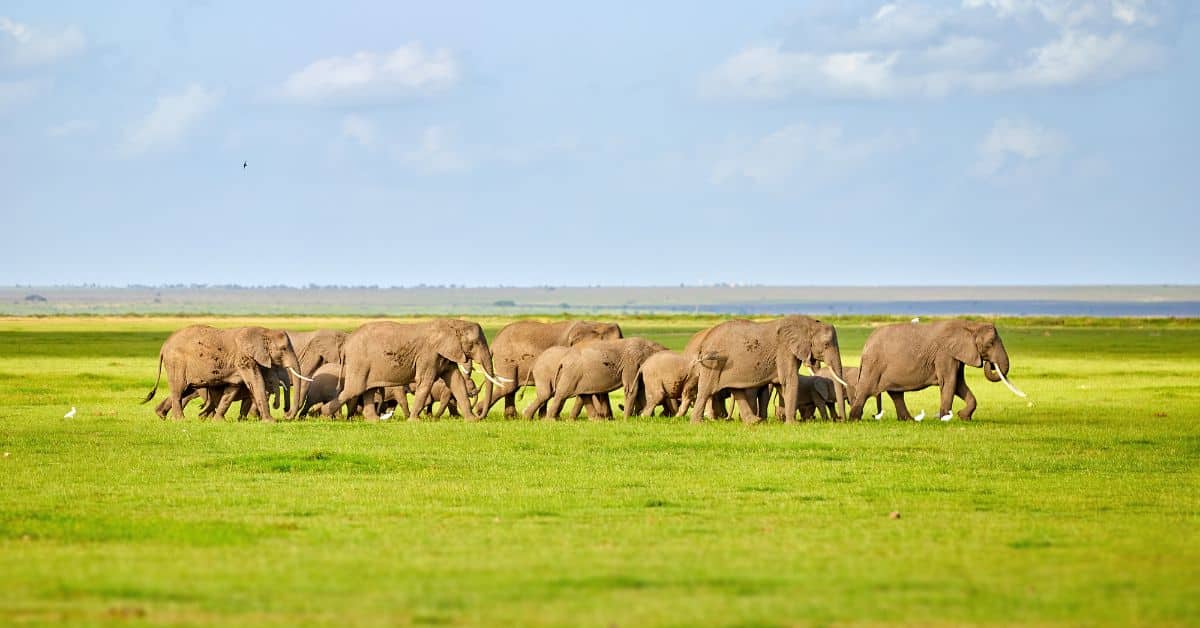
All elephants have complex social structures, but there are differences between the types. African Savannah Elephants tend to live in larger, more fluid groups led by a matriarch, with males leaving the herd when they reach maturity.
Due to the dense forest environment, African Forest Elephants often form smaller, more cohesive groups. Asian Elephants also live in matriarchal herds, but their groups tend to be smaller and more stable.
13. How do elephants adapt to their specific environments?
Elephants have developed a range of adaptations to thrive in their specific environments. African Savannah Elephants possess large ears that function as natural fans, allowing them to regulate their body temperature in the hot, open landscapes they inhabit.
In contrast, African Forest Elephants are smaller and more agile, an adaptation that enables them to navigate through the dense, tangled undergrowth of Central and West Africa’s tropical forests. Asian Elephants have a highly varied diet, reflecting their adaptability to a wide range of habitats, from dense forests to cultivated agricultural lands, where they feed on everything from grasses to fruits and tree bark.
14. What is the significance of tusks in elephants?
Tusks are elongated incisor teeth that serve multiple purposes, such as stripping bark from trees for food, digging for water, and as tools for defence. In African Elephants, males and females typically have tusks, though their size can vary.
In Asian Elephants, only some males have tusks, and those that do are known as tuskers. The presence or absence of tusks can affect an elephant’s behaviour and role within the herd.
15. Why is it essential to protect all types of elephants?
Protecting all types of elephants is essential for preserving biodiversity and ensuring the health of ecosystems. These majestic creatures play a pivotal role in maintaining ecological balance by shaping landscapes, facilitating seed dispersal, and creating water sources that benefit a variety of species.
The loss of elephants would lead to cascading effects that disrupt the intricate web of life within their habitats, threatening the survival of countless other plants and animals. Beyond their environmental significance, elephants hold deep cultural and economic value for many communities, making their conservation crucial not only for ecological sustainability but also for human livelihoods and heritage.