

Bagamoyo Travel Guide: Explore Bagamoyo’s Historical Sites
Bagamoyo’s historical sites provide a captivating window into the town’s past. Start exploring the Bagamoyo Old Town, a UNESCO World Heritage Site. Stroll through the narrow streets lined with 19th-century Arab-influenced buildings and admire the unique architecture that tells the stories of a bygone era. Visit the Old Fort, once a stronghold for traders and later used as a colonial prison.
Another must-visit site is the Kaole Ruins, located just outside of Bagamoyo. These ancient ruins, dating back to the 13th century, offer a glimpse into the Swahili civilization that thrived in the region. Explore the remains of mosques, tombs, and wells and imagine the bustling community that once existed here.
1. Highlights
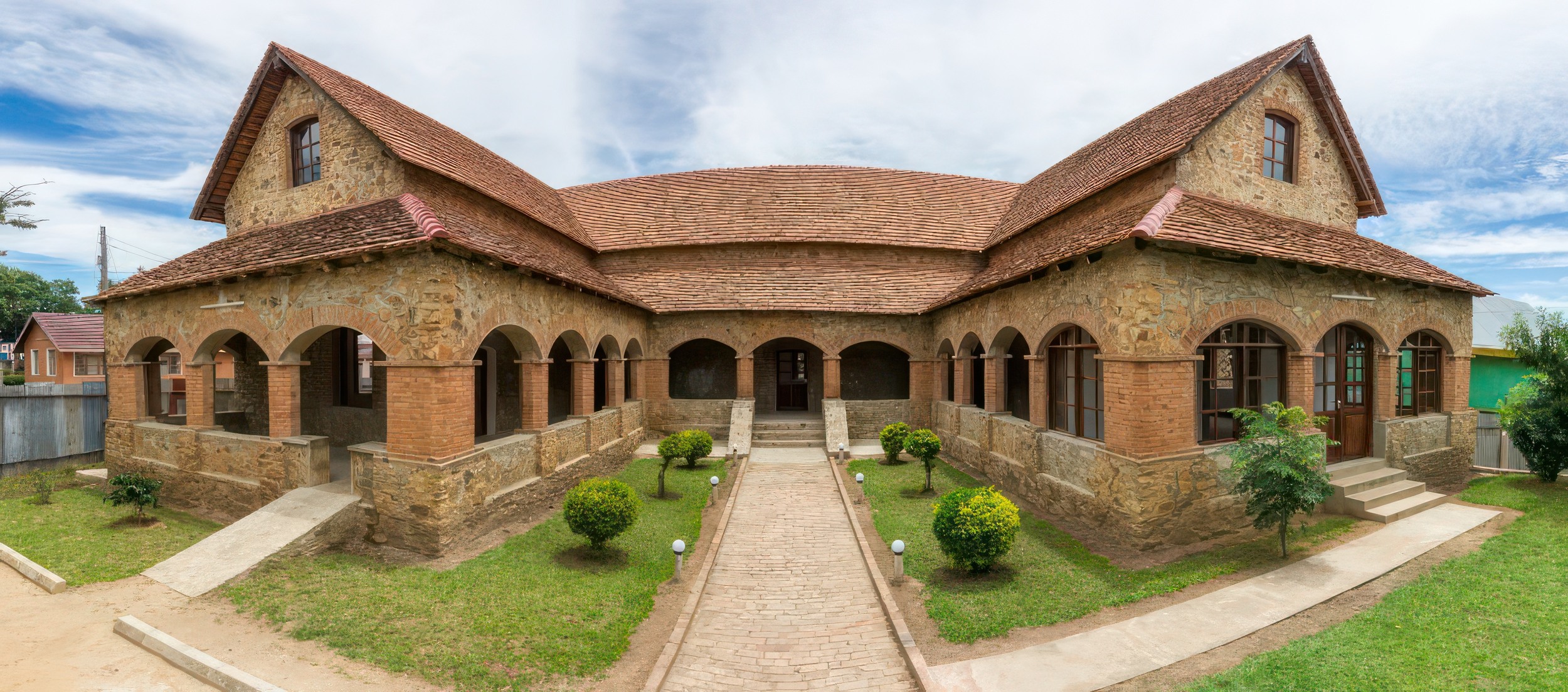
1. Visiting the Bagamoyo Historical Museum: In Bagamoyo, visiting the Historical Museum offers an insightful journey into the past. Housed in the old German Boma, the museum showcases artifacts and exhibits that narrate the region’s history. From the Roman times to the height of the slave trade, each display echoes the stories untold.
It’s a significant opportunity to delve into the region’s past, understand its role in the transatlantic slave trade, and appreciate its progress over the centuries. Short tours led by knowledgeable guides enrich this learning experience. The museum’s garden is also a soothing retreat with well-preserved ruins.
2. Exploring the Old Fort of Bagamoyo: Exploring the Old Fort is like stepping back in time. Once used as a holding area for enslaved people and later as a German colonial administrative center, the Fort is a silent testament to Bagamoyo’s tumultuous history. Towers, thick walls, and antiquated cannons transport you to a time of distress and defense.
Walking the Fort’s premises offers a poignant reminder of its historic significance. The Old Fort also houses a small museum showcasing archaeological findings, photographs, and crafts, offering visitors a glimpse into the past.
3. Strolling down the historic Caravan Serai: This landmark was once the last stop for caravan traders journeying from the African interior towards Zanzibar. Its intriguing architecture blends influences from German colonization and Persian merchants, and the remnants tell tales of the town’s cosmopolitan past.
A guided tour unveils its history, talking about the merchants and explorers who passed through its halls. In the courtyard, you can imagine bustling scenes from the past where goods were sorted, packed, and prepared for sale. Visiting here offers a fascinating peek into the area’s trade history and architectural achievement.
4. Paying homage at Livingstone’s Church: The Church is one of Bagamoyo’s most visited landmarks. It was built to honor the famous explorer Dr. David Livingstone. Its foundation stones were laid in 1868, and Livingstone’s body lay here before being shipped to England.
A bronze plaque commemorates this event that once shook the town. Its simple yet captivating architectural elements serve as a beacon of faith and perseverance. Inside, visitors can marvel at the stained-glass window illuminates that date back to the late 1800s, taking you back to a different era.
5. Immersing yourself in the ruins of Kaole: The Kaole ruins, including remnants of two mosques believed to be among the oldest in East Africa, present a unique blend of Arab and local African cultures. Situated just outside Bagamoyo, they reflect significant historical and archaeological sites.
Looming palm trees and ancient tombs provide a serene atmosphere as you navigate the ruins. The heritage site also includes a museum displaying artifacts and descriptions, enhancing your understanding of the site. A deep sense of tranquility envelops Kaole Ruins, soothing the soul while educating the mind.
Bagamoyo Travel Guide: The Slave Trade History
Bagamoyo played a significant role in the East African slave trade, and visitors can delve into this dark chapter of history through various sites and museums. Visit the Bagamoyo Slave Market, where enslaved people were once bought and sold. Explore the exhibits and displays that shed light on the experiences of those who suffered during this time.
A visit to the Bagamoyo Caravan Serai Museum is also highly recommended. Housed in a restored building, this museum provides in-depth insights into the history of the slave trade, including the caravan routes, the conditions endured by the enslaved, and the efforts of abolitionists.
1. Highlights
1. Discovering Bagamoyo Historical Museum: The Bagamoyo Historical Museum is an indispensable stop for understanding the region’s role in the slave trade. The building, located in the old German Boma, is a witness to history. The museum showcases myriad exhibits that narrate the grim stories of the slave epoch, bringing history to life through its galleries.
Artifacts, names of enslaved people, and photographic records offer an in-depth view of the lives of enslaved Africans. It’s a vital educational resource for contemplating and remembering the past. The quiet museum garden, dotted with preserved ruins, provides a peaceful spot to reflect on the lessons learned.
2. Visiting the Old Fort of Bagamoyo: Exploring the Old Fort of Bagamoyo, you encounter tangible links to the slave trade era. Initially constructed for defense, it was also used to hold enslaved people before transportation to Zanzibar and beyond. The remnants of its imposing walls, towers, and aging cannons recount horrific tales of human cruelty and lifelong bondage.
Despite its grim past, the Old Fort remains a crucial landmark for learning and remembrance. In addition, a small museum within its premises further narrates the story of Bagamoyo’s past, exhibiting archaeological finds, photographs, and crafts.
3. Walking through the Caravanserai: The Caravanserai, a historic landmark in Bagamoyo, is directly connected to the slave trade. Acting as the last stop for caravan traders, many of whom were slave traders, this structure is imbibed with the dust of countless footprints that traveled across Africa’s interior.
Its architecture, influenced by German and Persian elements, silently narrates the tales of those who walked its corridors. Guided tours take you through its history, enlivening the past with stories of these unspoken journeys.
In the courtyard, you can almost envision scenes seeped into history, where enslaved people were bought, sold, and prepared for caravan journeys. Visiting the Caravanserai is a stark reminder of Bagamoyo’s, and indeed East Africa’s, painful past.
4. Commemorating at Livingstone’s Church: Although Livingstone’s Church was primarily built to pay tribute to the explorer Dr. David Livingstone, it also holds significant ties to the slave trade. The church’s grounds were once used as a campsite for formerly enslaved people, providing a place of refuge. Inside, there’s a bronze plaque that commemorates the laying of Livingstone’s body before he was sent to England for burial.
A significant part of Livingstone’s work in Africa was campaigning against the Slave Trade. Its simplicity symbolizes faith’s perseverance during dark times and the promise of redemption. The church’s stained-glass windows date back to the latter half of the 19th century, casting a soft glow on its history-ridden interiors.
5. Witnessing the past at Kaole: The Kaole Ruins near Bagamoyo offer unique insight into the slave trade. Once a bustling port town, traces of slave trade routes can be envisioned while navigating the ruins. There are remnants of two mosques, evidencing the Arab influence, which played a vital role in the East African slave trade.
The tranquil atmosphere surrounding the ancient tombs belies the turbulence of the past. The heritage site also includes a museum displaying artifacts and descriptions of its history, magnifying the scope of understanding of the era. Kaole’s indelible imprint is a testament to Bagamoyo’s dark past and a stark reminder of human resilience.
Bagamoyo Travel Guide: Cultural Experiences
Bagamoyo is known for its vibrant culture and artistic heritage. Take the opportunity to immerse yourself in the local culture by visiting the Bagamoyo College of Arts. Engage with local artists, learn traditional dance moves, and watch captivating performances that showcase the region’s rich artistic traditions.
Additionally, the Bagamoyo Art Market offers a chance to explore and purchase unique artworks, crafts, and souvenirs created by local artisans. The market is a treasure trove of artistic expressions, from intricately carved wooden sculptures to colorful paintings and handwoven textiles.
1. Highlights
1. Participating in the Bagamoyo Art Festival: The Bagamoyo Art Festival is an annual cultural event showcasing the vibrant art and performances that Bagamoyo offers. It’s a perfect avenue for exploring its rich cultural tapestry. The event includes traditional and contemporary dances, music, and poetry performances.
In addition, visual and sculptural art displays from local and international artists captivate visitors. Workshops and seminars further enrich attendees’ understanding of the cultural and artistic milieu shaping the town. This immersive experience represents the beating heart and soul of Bagamoyo, making it an unforgettable highlight of any visit.
2. Delving into the creativity at Bagamoyo School of Art: Set your creative spirit free by visiting the Bagamoyo School of Art. Established in 1990, this school nurtures and develops the talents of young Tanzanian artists across various disciplines, including dance, music, drama, and visual arts. Watching the students learn, rehearse, and perform in their authentic cultural environment is a transformative experience for art enthusiasts and curious visitors.
You may also have the unique opportunity to attend workshops or performances, showcasing the students’ well-honed skills. A visit to the school offers a panoramic view of the blossoming creativity and the genuine passion that fuels the arts in Bagamoyo.
3. Interacting with local artisans in Bagamoyo’s Cultural Markets: To truly immerse yourself in the local culture, visiting Bagamoyo’s cultural markets is a must. These markets showcase an eclectic mix of beautiful handcrafted textiles, pottery, beadwork, jewelry, and carvings.
Skilled artisans openly discuss their creative processes, explaining their creations’ history, symbolism, and meanings. Feel the pulse of local life as you haggle prices and acquire unique souvenirs to take back home while supporting the local economy. Bagamoyo’s cultural markets serve as a vibrant platform for preserving and promoting traditional crafts and customs.
4. Witnessing traditional dances and music performances: Bagamoyo’s cultural richness unveils itself through its traditional dances and music performances. Seeking performances by artists showcasing age-old techniques, intricate dance movements, and spellbinding drum rhythms is a must-do for a cultural exploration of Bagamoyo. Local villagers often engage in these performances, which are part of their day-to-day lives and deeply rooted in their customs and beliefs.
Participating in these experiences allows you to appreciate better the area’s history, rich artistic expression, and cultural diversity. Furthermore, you may form lifelong memories and gain unique insights into Tanzania’s cultural heritage.
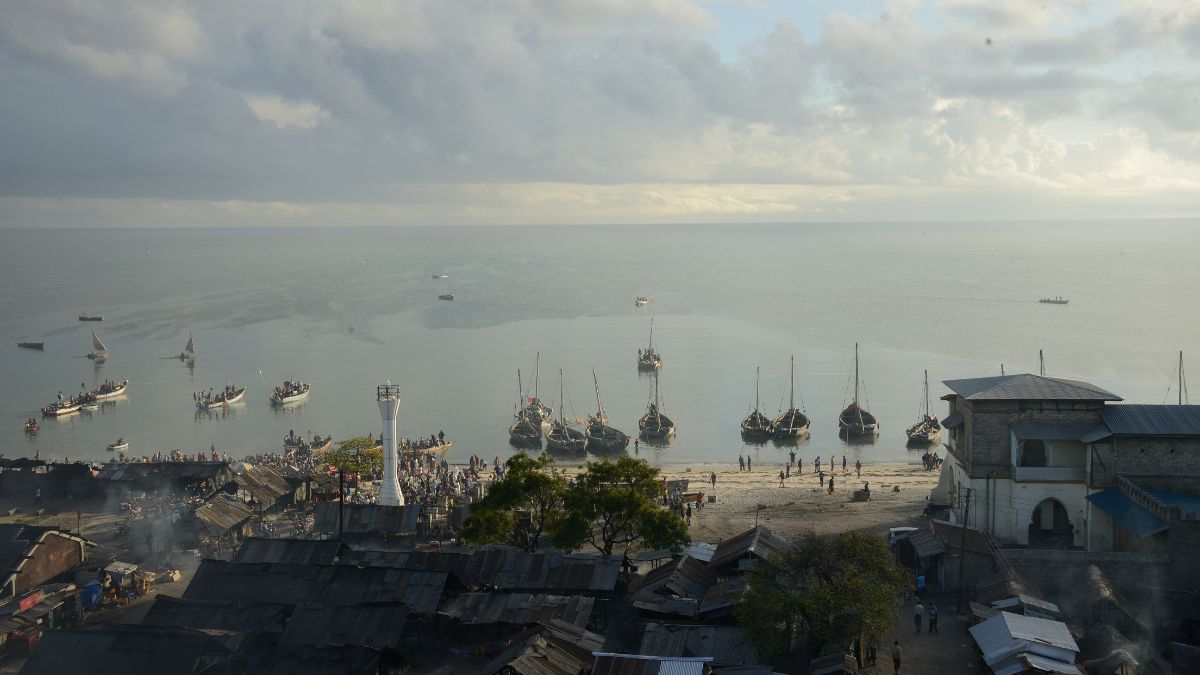
5. Joining Dhow sailing and fishing expeditions: Become acquainted with Bagamoyo’s seafaring culture by joining traditional Dhow sailing and fishing expeditions. Hop aboard a dhow, a locally crafted traditional sailboat, and head out to the open waters with experienced fishermen. These trips offer a glimpse into local fisherfolk’s daily routines and collaborative fishing techniques.
As you sail across the azure waters, you can absorb the breathtaking coastal vistas and learn about the fishermen’s seafaring stories and traditions. By joining these expeditions, you get a taste of the authentic maritime heritage and the enduring livelihoods of coastal communities in Bagamoyo.
Bagamoyo Travel Guide: Pristine Beaches
Bagamoyo is blessed with beautiful, untouched beaches that provide the perfect escape from the hustle and bustle of everyday life. Spend a day basking in the sun, swimming in the crystal-clear waters, or simply strolling along the sandy shores.
One of the famous beaches in Bagamoyo is Coco Beach, known for its tranquil atmosphere and stunning views of the Indian Ocean. Relax under the shade of palm trees, take a dip in the refreshing waters, or engage in water sports such as snorkeling and kayaking.
For a more secluded and serene beach experience, head to Kaole Beach. Its untouched beauty and peaceful ambiance make it a favorite spot for relaxation and contemplation.
1. Highlights
1. Experience the serene Ambiance at Kaole Beach: If you’re seeking tranquility, look no further than Kaole Beach. The beach is just outside Bagamoyo town, by the Kaole Ruins, offering a unique blend of historical allure and natural beauty. With its soft sand, calm turquoise waters, and swaying palm trees, it’s a perfect spot for relaxation.
As the sun sets, the horizon gets painted with fiery orange and crimson hues, offering an incredible opportunity for photography. You can also indulge in local delicacies nearby, offering a culinary experience by the ocean. Overall, Kaole Beach can provide a peaceful retreat from your bustling journey through Bagamoyo.
2. Relax and Unwind at Bagamoyo Beach: Bagamoyo Beach serves as the town’s primary beach, offering sandy stretches for those looking to unwind. Here, you can leisurely soak up the Tanzanian sun, engage in beach games, or retreat under a palm with a good book. The beach is frequented by locals and visitors, featuring a vibrant vibe.
A stroll along the shoreline offers the chance to interact with local fishermen and observe their daily activities. Beachfront vendors selling local food enhance the experience with the region’s flavors. Whether you’d like to take a refreshing dip, experience the local lifestyle, or savor the coastal vistas, Bagamoyo Beach offers abundant opportunities.
3. Indulge in Water Sports at Msata Beach: Located a short distance away from Bagamoyo, Msata Beach is known for its opportunities for water sports enthusiasts. If you’re up for some adventure, you can partake in snorkeling, swimming, and sailing. The beach’s warm, clear waters and abundant marine life make it an ideal location for underwater exploration.
The stunning sunset views from Msata Beach are also noteworthy, boasting an unexploited nature. Local fishermen offer boat rides to visitors for a small fee, taking them a little further into the Indian Ocean for an enhanced experience. The diversity of activities at Msata makes it stand out as a must-visit spot for adventure seekers exploring Bagamoyo’s pristine beaches.
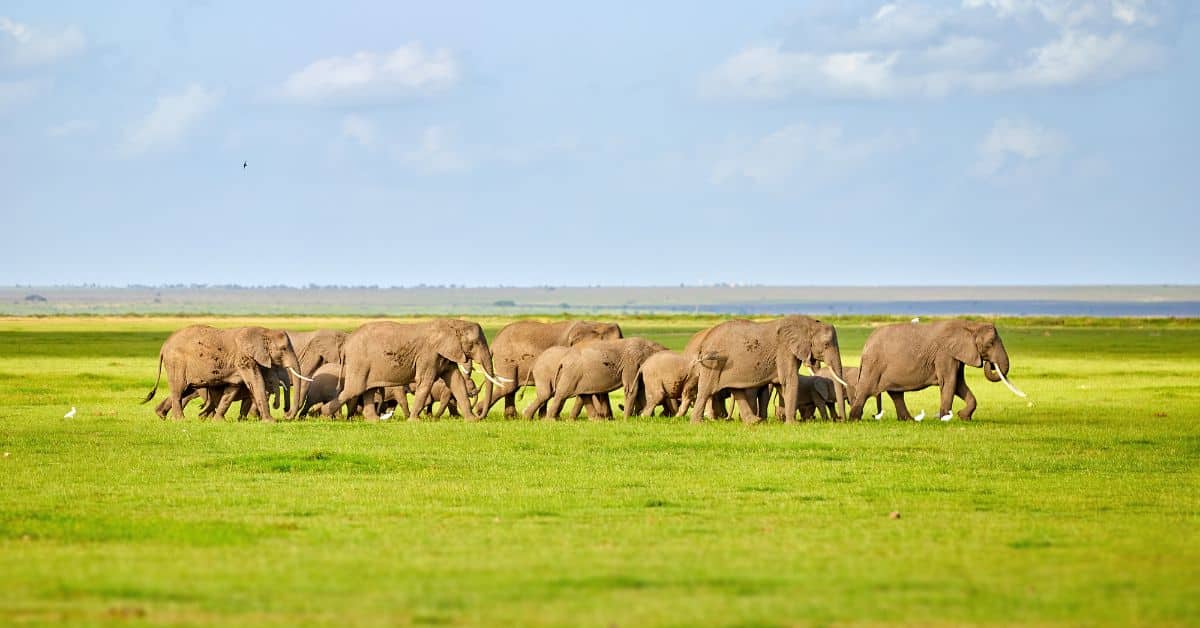
4. Explore Beauty and Wildlife at Saadani National Park Beach: A trip to Bagamoyo remains incomplete without visiting the idyllic beach within Saadani National Park. As one of Africa’s few natural wildlife reserves with a beachfront, it offers a unique combination of marine and mainland flora and fauna. Here, you might spot elephants, giraffes, and buffalos roaming freely, with the Indian Ocean as their backdrop.
The beach presents a rare and remarkable setting where the bush meets the ocean. You can also take guided tours to explore the diverse vegetation across the coastal dunes and the fertile mangrove forest. Experiencing the fascinating interplay of wildlife and natural beauty at Saadani National Park Beach will highlight your visit.
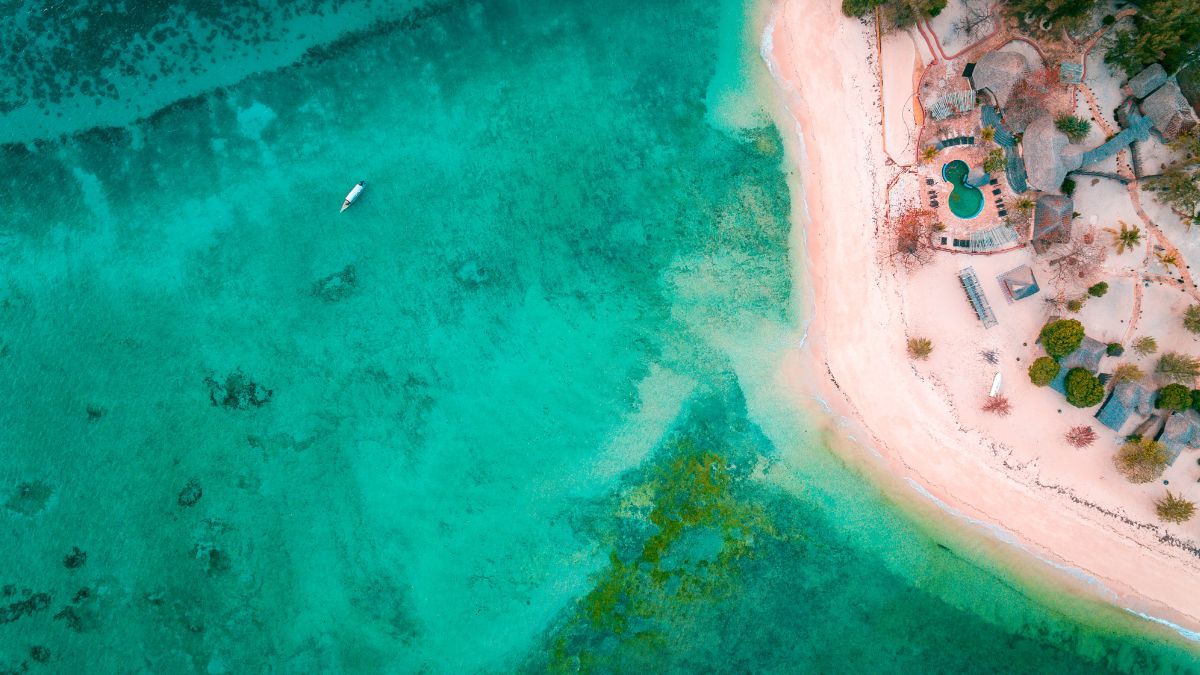
5. Tranquil Escapes to Lazy Lagoon: Visiting the private Lazy Lagoon is highly recommended for exclusivity and the ultimate relaxation. Situated on an island just off the coast of Bagamoyo, this secluded beach is a tropical paradise. Accessible by a boat ride, it’s surrounded by mangrove forests and coral reefs, making it an excellent location for snorkeling.
You can spot a variety of marine and birdlife, adding to the place’s charm. The private cottages along the beach offer overnight stays for those desiring a fully immersive experience. Lazy Lagoon is a piece of untouched heaven, perfect for those wanting to relish Bagamoyo’s serene coastal lifestyle.
Bagamoyo Travel Guide: Museums and Galleries
Bagamoyo is home to several museums and galleries that offer a deeper understanding of the town’s history, art, and culture. The Bagamoyo Museum and Cultural Centre houses exhibits on the town’s history, archaeology, and ethnography. Learn about the diverse ethnic groups of the region, their traditions, and their contributions to Bagamoyo’s cultural fabric.
The Makonde Carvings Cooperative provides a glimpse into the renowned Makonde carving tradition. Marvel at the intricate wood carvings created by local artisans, depicting scenes from daily life, wildlife, and mythical creatures.
1. Highlights
1. Experience the serene Ambiance at Kaole Beach: If you’re seeking tranquility, look no further than Kaole Beach. The beach is just outside Bagamoyo town, by the Kaole Ruins, offering a unique blend of historical allure and natural beauty. With its soft sand, calm turquoise waters, and swaying palm trees, it’s a perfect spot for relaxation.
As the sun sets, the horizon gets painted with fiery orange and crimson hues, offering an incredible opportunity for photography. You can also indulge in local delicacies nearby, offering a culinary experience by the ocean. Overall, Kaole Beach can provide a peaceful retreat from your bustling journey through Bagamoyo.
2. Relax and Unwind at Bagamoyo Beach: Bagamoyo Beach serves as the town’s primary beach, offering sandy stretches for those looking to unwind. Here, you can leisurely soak up the Tanzanian sun, engage in beach games, or retreat under a palm with a good book. The beach is frequented by locals and visitors, featuring a vibrant vibe.
A stroll along the shoreline offers the chance to interact with local fishermen and observe their daily activities. Beachfront vendors selling local food enhance the experience with the region’s flavors. Whether you’d like to take a refreshing dip, experience the local lifestyle, or savor the coastal vistas, Bagamoyo Beach offers abundant opportunities.
3. Indulge in Water Sports at Msata Beach: Located a short distance away from Bagamoyo, Msata Beach is known for its opportunities for water sports enthusiasts. If you’re up for some adventure, you can partake in snorkeling, swimming, and sailing. The beach’s warm, clear waters and abundant marine life make it an ideal location for underwater exploration.
The stunning sunset views from Msata Beach are also particularly noteworthy, boasting an unexploited nature. Local fishermen offer boat rides to visitors for a small fee, taking them a little further into the Indian Ocean for an enhanced experience. The diversity of activities at Msata makes it stand out as a must-visit spot for adventure seekers exploring Bagamoyo’s pristine beaches.
4. Explore Beauty and Wildlife at Saadani National Park Beach: A trip to Bagamoyo remains incomplete without visiting the idyllic beach within Saadani National Park. As one of Africa’s few natural wildlife reserves with a beachfront, it offers a unique combination of marine and mainland flora and fauna. Here, you might spot elephants, giraffes, and buffalos roaming freely, with the Indian Ocean as their backdrop.
The beach presents a rare and remarkable setting where the bush meets the ocean. You can also take guided tours to explore the diverse vegetation across the coastal dunes and the fertile mangrove forest. Experiencing the fascinating interplay of wildlife and natural beauty at Saadani National Park Beach will highlight your visit.
5. Tranquil Escapes to Lazy Lagoon: Visiting the private Lazy Lagoon is highly recommended for exclusivity and ultimate relaxation. Situated on an island just off the coast of Bagamoyo, this secluded beach is a tropical paradise. Accessible by a boat ride, it’s surrounded by mangrove forests and coral reefs, making it an excellent location for snorkeling.
You can spot a variety of marine and birdlife, adding to the place’s charm. The private cottages along the beach offer overnight stays for those desiring a fully immersive experience. Lazy Lagoon is a piece of untouched heaven, perfect for those wanting to relish Bagamoyo’s serene coastal lifestyle.
Bagamoyo Travel Guide: Boat Trip to Bongoyo Island
Embark on a scenic boat ride from the historic city of Bagamoyo to reach Bongoyo Island, a gem in the Indian Ocean, boasting unmatched tranquility and natural beauty. As you disembark onto the pristine white sandy beaches that stretch invitingly, you are lulled into relaxation mode, whether sunbathing, building sandcastles, or just lying under the palm shade.
The clear waters surrounding the island beacon snorkeling enthusiasts to explore the teeming marine life, with a vibrant display of diverse corals, colorful fish, and other fascinating aquatic species. After the underwater adventure, unwind in the idyllic surroundings where rustling palm leaves, rhythmic ocean waves, and the occasional call of a nesting seabird create a unique symphony of tranquility.
Having a picnic on the beach while observing the mesmerizing interplay of the azure sea, white sands, and clear blue sky is another delightful experience. The return boat trip to Bagamoyo, as the sun sets over the cityscape, is a captivating finale to your Bongoyo Island adventure.
Bagamoyo Travel Guide: Local Cuisine and Swahili Delicacies
Visiting Bagamoyo integrates a vibrant culinary journey, highlighting local cuisine and succulent Swahili delicacies. You must sample enticing dishes like Pilau, an aromatic spiced rice dish often paired with meat or vegetables, reflecting Bagamoyo’s unique fusion of African and Middle Eastern food traditions.
Another must-try staple is Biryani, a flavorful blend of seasoned rice served with a choice of chicken, beef, or seafood, garnished with boiled eggs and vegetables. Bagamoyo’s coastal location offers an array of fresh seafood delicacies, including fish, crabs, octopuses, and prawns, prepared traditionally to preserve their innate maritime flavors.
Complete your culinary exploration with the traditional Swahili stews, which feature various meats or vegetables simmered in rich spices and coconut milk, offering a hearty gastronomic experience that leaves a lasting impression. The best way to savor these authentic and diverse flavors of Tanzanian cuisine is by visiting local restaurants and street food stalls, letting you experience the town’s energetic lifestyle while relishing its culinary artistry.
Bagamoyo Travel Guide: Community-Based Tourism
Bagamoyo presents distinct community-based tourism initiatives, inviting visitors to dive deep into its rich cultural dynamics and understand the indigenous way of life. The offered activities, such as village walks, invite exploration of the local traditions and customs as the friendly villagers open their hearts and homes to visitors.
A deeper cultural immersion is possible through participation in traditional music and dance performances that vibrantly depict the region’s folkloric heritage. The town further extends unique opportunities like handicraft workshops, where the locals exhibit their craftsmanship in pottery, weaving, and more. These experiences contribute to a personal, hands-on learning experience and play a vital role in supporting the local economy and promoting sustainable tourism.
Bagamoyo Travel Guide: Festivals and Events
Bagamoyo prides itself on being a hub for annual festivals and events that vividly showcase its deep-rooted cultural heritage and vibrant traditions. Standing out amongst these gatherings is the Bagamoyo Festival of Arts and Culture. It is a significant event that attracts locals and tourists through its repertoire of live performances, art exhibitions, diverse workshops, and cultural displays.
Participating in these festivities offers an incomparable opportunity to directly interact with various artists, from the renowned to the emerging, enriching the understanding of Bagamoyo’s creative spirit. Fully immersing oneself in the celebrations, surrounded by the energetic atmosphere of music, dance, striking artwork, and cheerful crowds, can craft unforgettable memories integral to the Bagamoyo experience.
Bagamoyo Travel Guide: Surrounding Nature Reserves
Bagamoyo is surrounded by natural beauty, and nature enthusiasts can explore nearby reserves and parks. Pay a visit to Saadani National Park, the only national park in Tanzania that borders the ocean. Witness the unique blend of wildlife and marine ecosystems, spot elephants, lions, and giraffes, and enjoy boat safaris along the Wami River.
Final Thoughts
Bagamoyo is a town that captures the essence of Tanzania’s history, culture, and natural beauty. With its historical sites, vibrant arts scene, pristine beaches, and warm hospitality, Bagamoyo offers a truly immersive and unforgettable experience. Explore the town’s rich heritage, engage in cultural activities, relax on the beautiful beaches, and savor the local flavors.
Easy Travel Tanzania, with its expertise in the region, can assist in planning your trip to Bagamoyo in 2025, ensuring a memorable and rewarding journey. Prepare to step back in time and embark on an incredible adventure in this historic town.