


Introduction
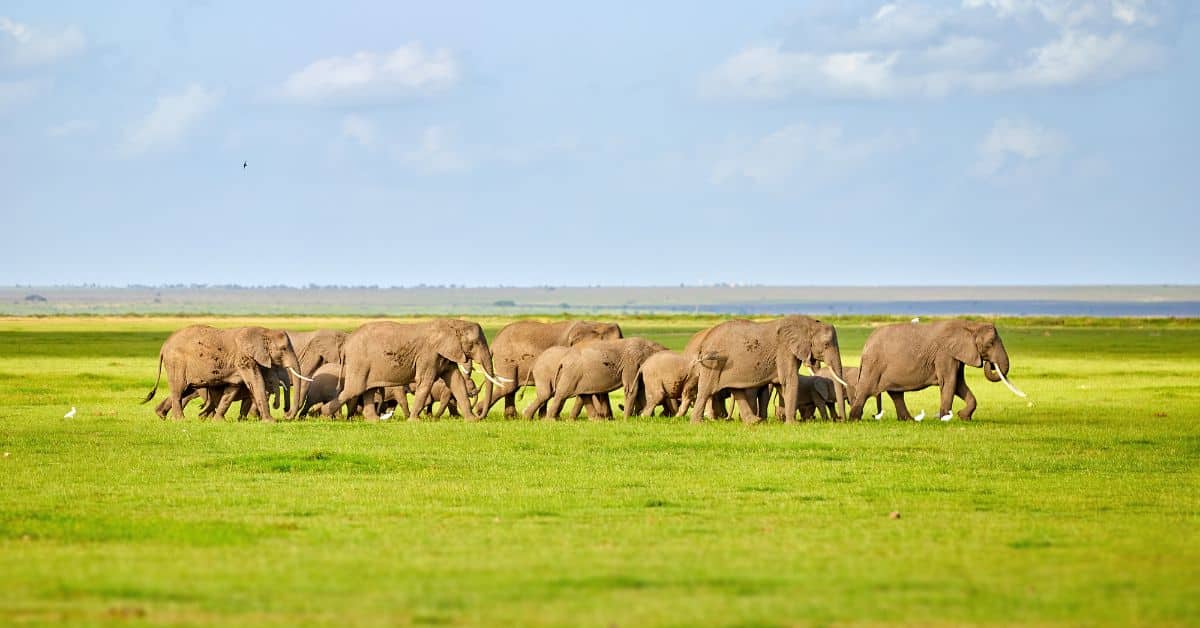
In the wild world of elephants, distinguishing between an African elephant and an Asian elephant might seem straightforward: if you’re in Africa, it’s African; if you’re in Asia, it’s—you guessed it—Asian! Whether you’re bounding down the open plains of the Serengeti, exploring the lush forests of an Asian elephant sanctuary, or lounging in the comfort of your own home, telling these colossal creatures apart requires a keen eye and can be a bit of a head-scratcher.
Fear not, my fellow explorers! I am here to unveil the subtle yet fascinating ways African elephants differ from their Asian cousins and the delicate similarities that bring them together. Understanding the difference between African and Asian elephants is crucial for appreciating their unique characteristics and the importance of their conservation.
Spot the Giants in the Wild – Plan Your Safari!
Prepare to be dazzled by the unique characteristics that define each species – from physical traits to habitat preferences, social dynamics, and curious behavioural quirks. So, sit back, relax, and embark on an illuminating journey into the dynamic world of elephants!
But first, how many elephant species are there?
Species and Subspecies
You may know there are only two elephant species, the African elephant and the Asian elephant. However, in a fascinating turn of events following the year 2000, the African elephant was revealed to comprise not one but two distinct species: the enormous African bush elephant (or African savanna elephant) and its smaller counterpart, the African forest elephant.

While these two species may share a common ancestry, they are about as genetically different as a dog is to a wolf. However, they still share more similarities than with their Asian cousin. In captivity, it is crucial to provide separate habitats for these species and ensure a minimum of three female elephants of the same species to maintain their mental and physical health.
African bush/savanna elephant (Loxodonta africana)

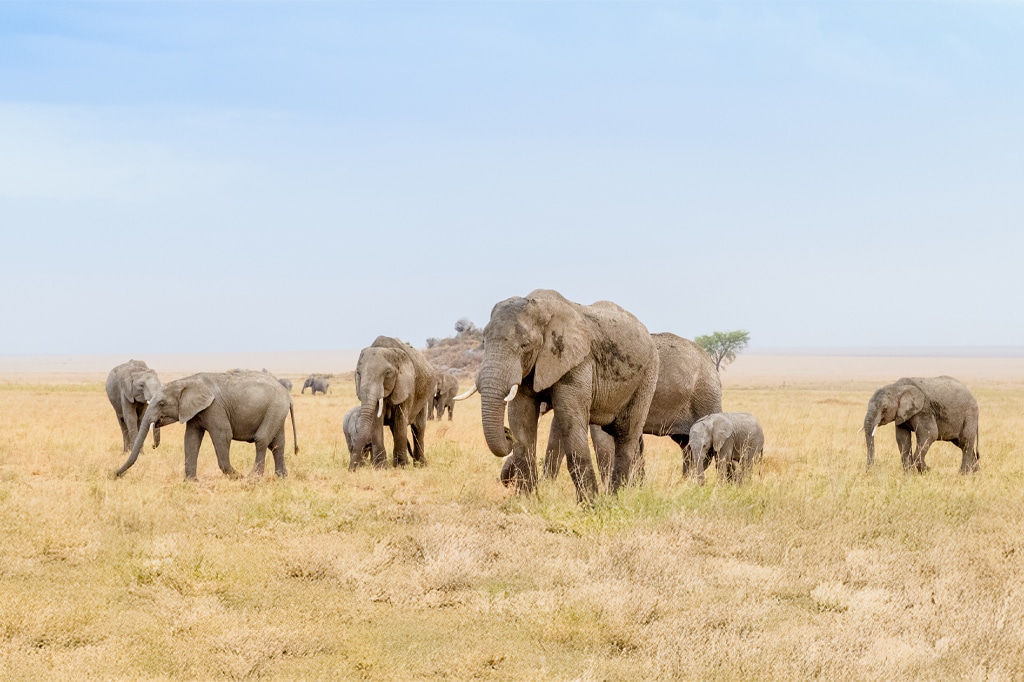
Standing tall as the largest land animal on earth, African savanna elephants, particularly the males, reach heights of up to 4 meters at the shoulder and weigh up to an incredible 6,000 kilograms, with their large tusks curving outward. The African bush elephant inhabits a wide range of habitats across sub-Saharan Africa, including savannas, grasslands, and woodlands.
African forest elephant (Loxodonta cyclotis)
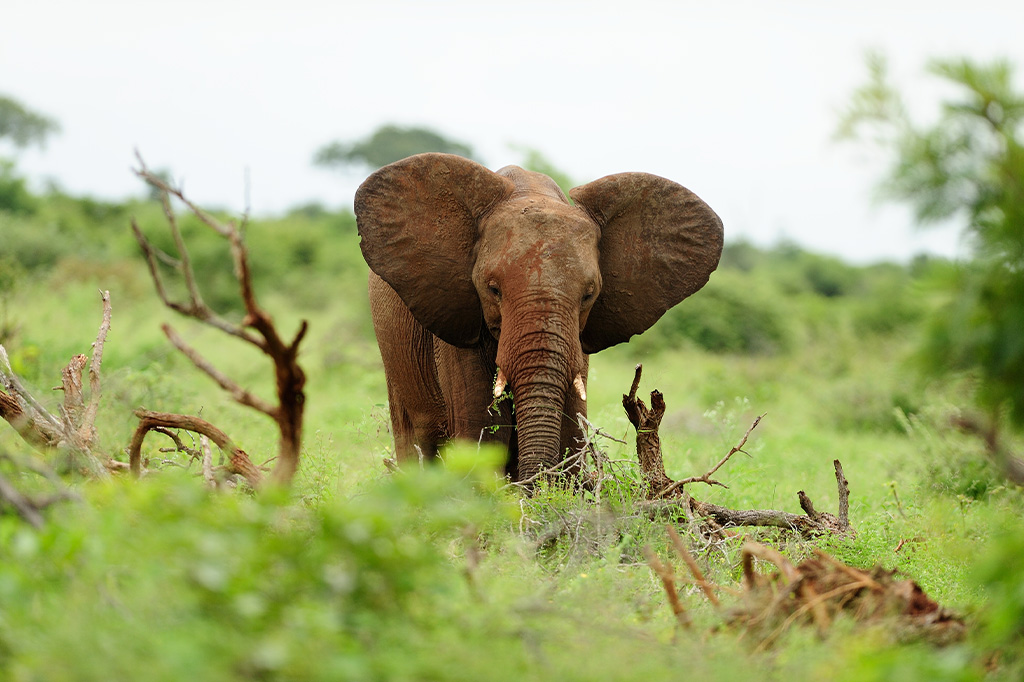
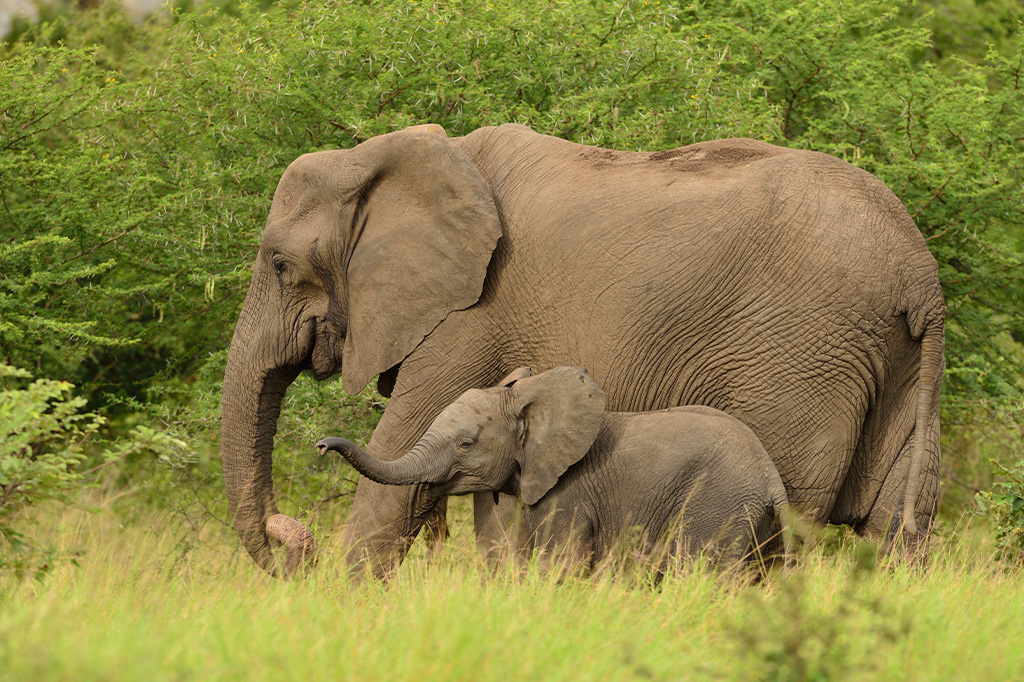
The African forest elephant is smaller than its bush counterpart, with males typically reaching heights of up to 3.5 meters at the shoulder and weighing around 2,700 kilograms. The forest elephants’ skin is much darker than that of the African bush elephant, their ears are more rounded, and their tusks are straighter and pointed downwards. The African forest elephant inhabits the dense rainforests and jungles of West Africa.
Asian elephant (Elephas maximus)
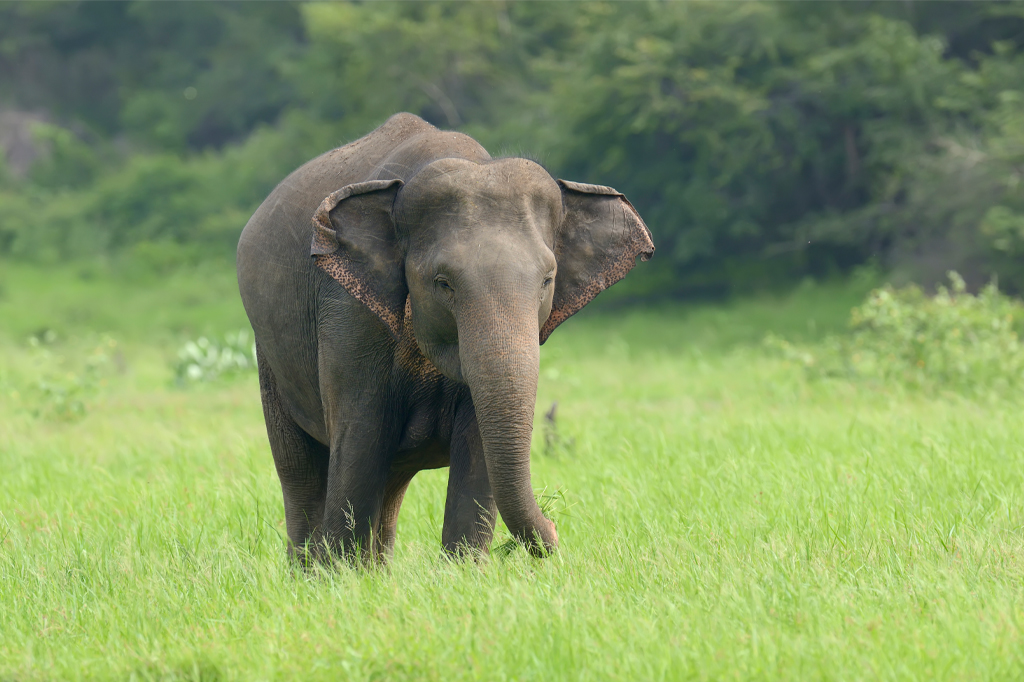
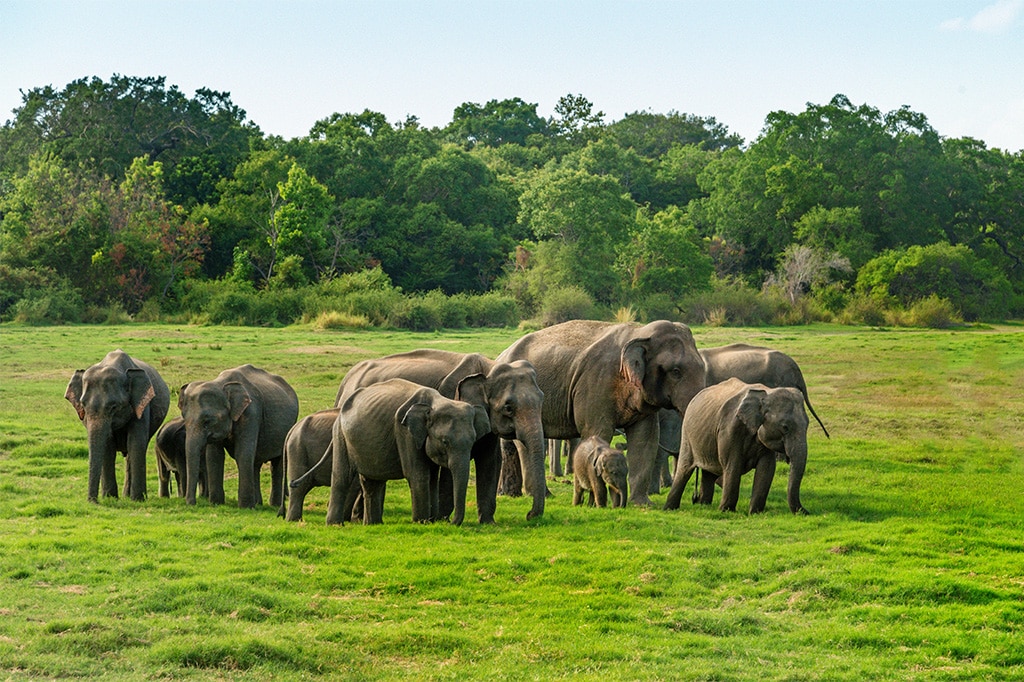
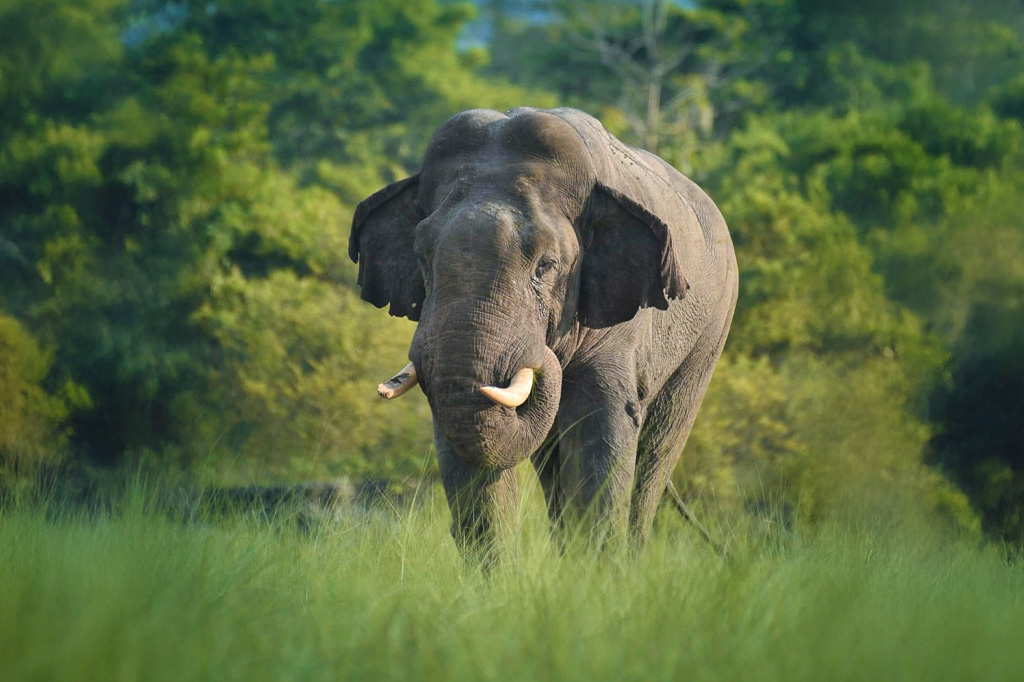
Asian elephants are the smallest of the bunch, with the males only averaging heights of up to 3.5 meters at the shoulder and weighing around 5,400 kilograms. Asian males, in particular, can reach heights of up to 3.5 meters and weigh between 3000-6000 kg, which contrasts with the larger African elephants. These Asiatic elephants inhabit various South and Southeast Asian habitats, including tropical forests, grasslands, and wetlands.
The Asian elephant is further divided into three subspecies:
1. Indian elephant (Elephas maximus indicus)
The most widely distributed subspecies can be found primarily in India and is relatively small in size. Its skin is often grey to brown in colour, with patches of pink on its ears, trunk, and chest.
2. Sri Lankan elephant (Elephas maximus maximus)
Native to the island of Sri Lanka, the Sri Lankan elephant is considered to be the largest and darkest of the Asian elephant subspecies. It has relatively large ears and a prominent, high-domed head. The elephant also sports patches of pink or orange on its ears, face, and trunk.
3. Sumatran elephant (Elephas maximus sumatranus)
The Sumatran elephant is the smallest of the Asian elephant subspecies and is native to the island of Sumatra in Indonesia. It has relatively large ears and a relatively long, straight trunk. Unfortunately, the Sumatran elephant is critically endangered due to habitat loss, fragmentation, and human-elephant conflict.
Experience Elephants Up Close – Book Your Trip Now!
Can the two species crossbreed?
Asian and African elephants each have their own distinct lineage and genetic makeup. Despite their similarities in appearance and behaviour, they have evolved separately for millions of years, resulting in genetic differences that prevent successful interbreeding in the wild.
There has only been one recorded incident of crossbreeding between the two species. It happened in 1978 at the Chester Zoo in England, where the Asian elephant cow Sheba and an African elephant bull named Jumbolino had a surprise calf together named Motty!
Unfortunately, little Motty was born premature and later died of stomach complications after just two weeks. It’s time to step away from the scientific jargon and focus on these two species’ physical traits.
African elephant vs Asian elephant: Physical Differences
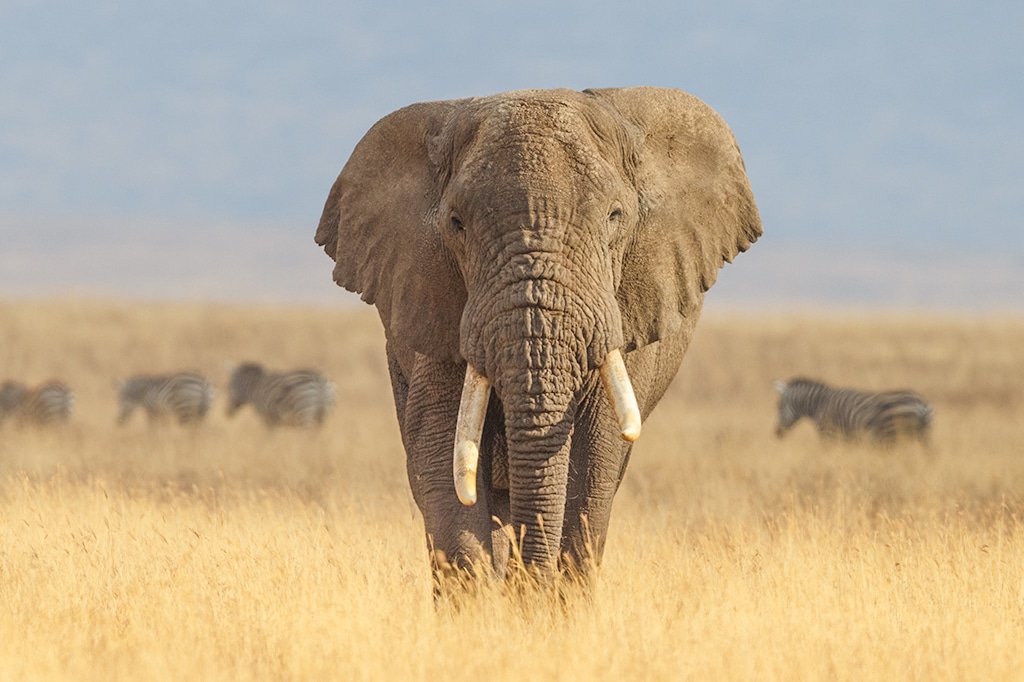
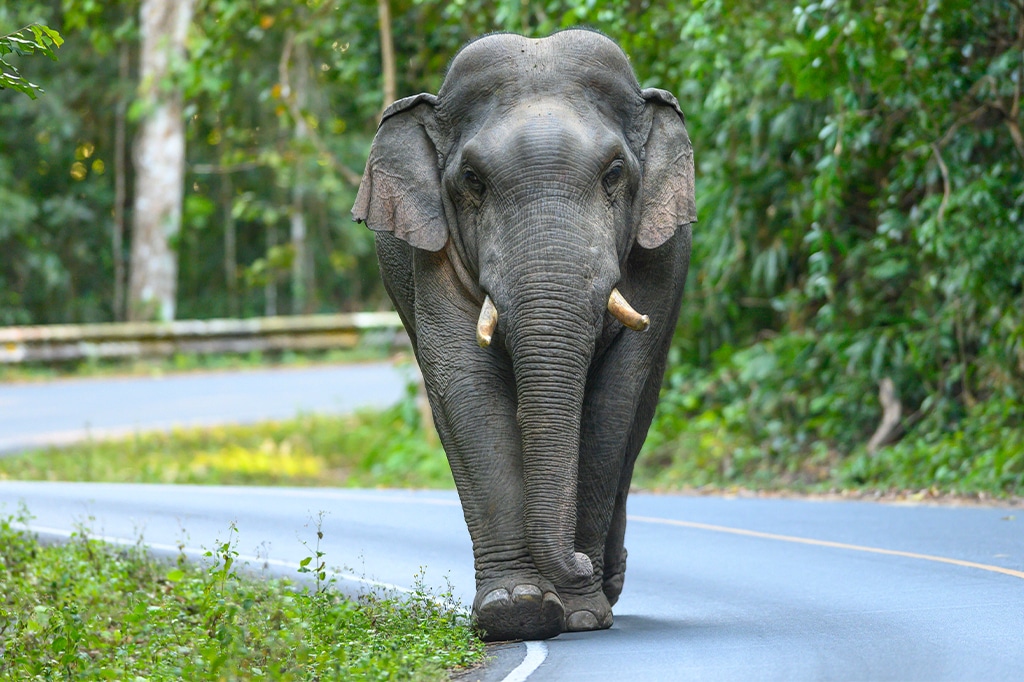
To someone unfamiliar with elephants, it might seem like African and Asian elephants look the same at first glance. However, there are quite a few interesting differences in their appearance worth noting:
1. Ears
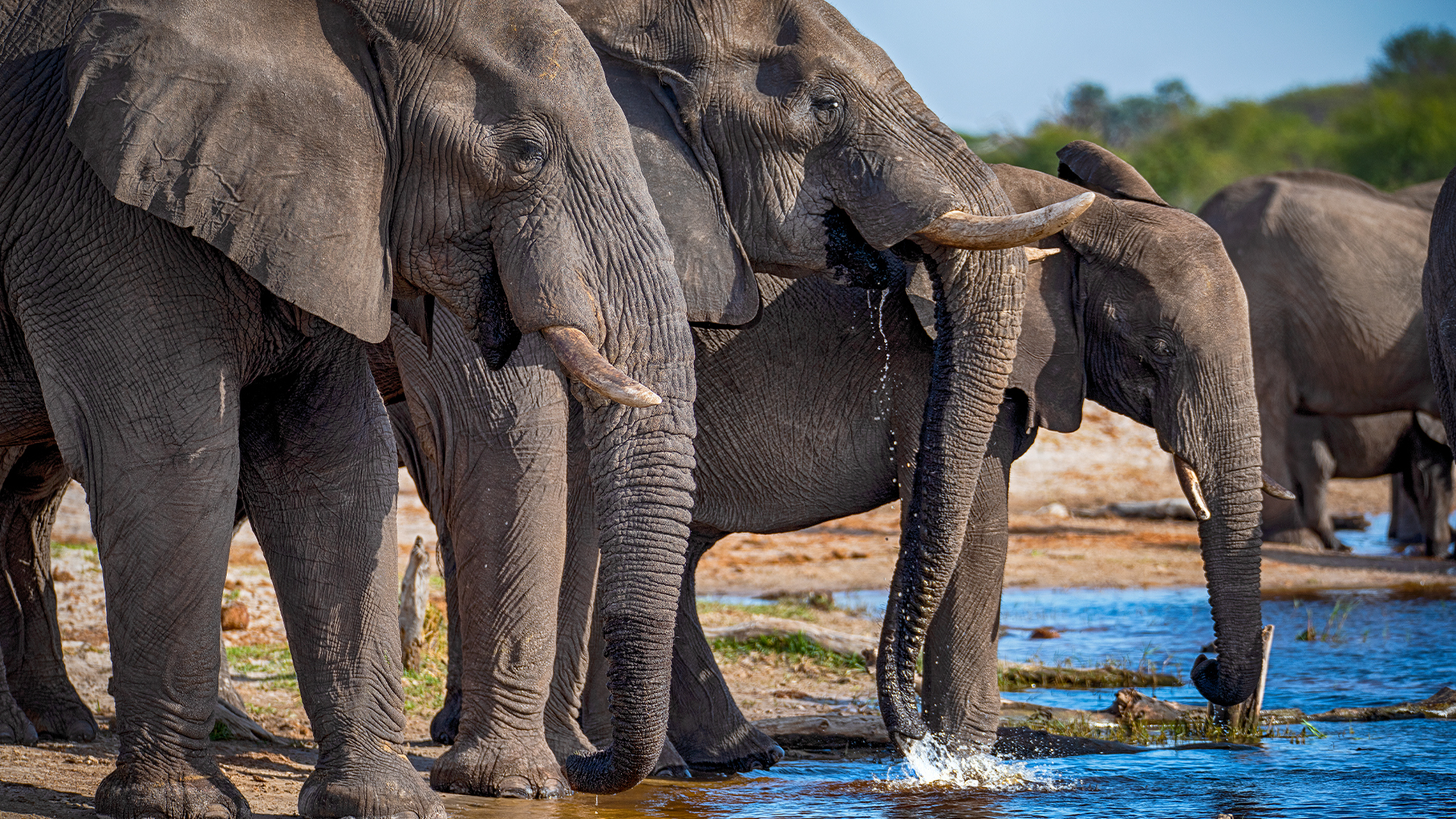
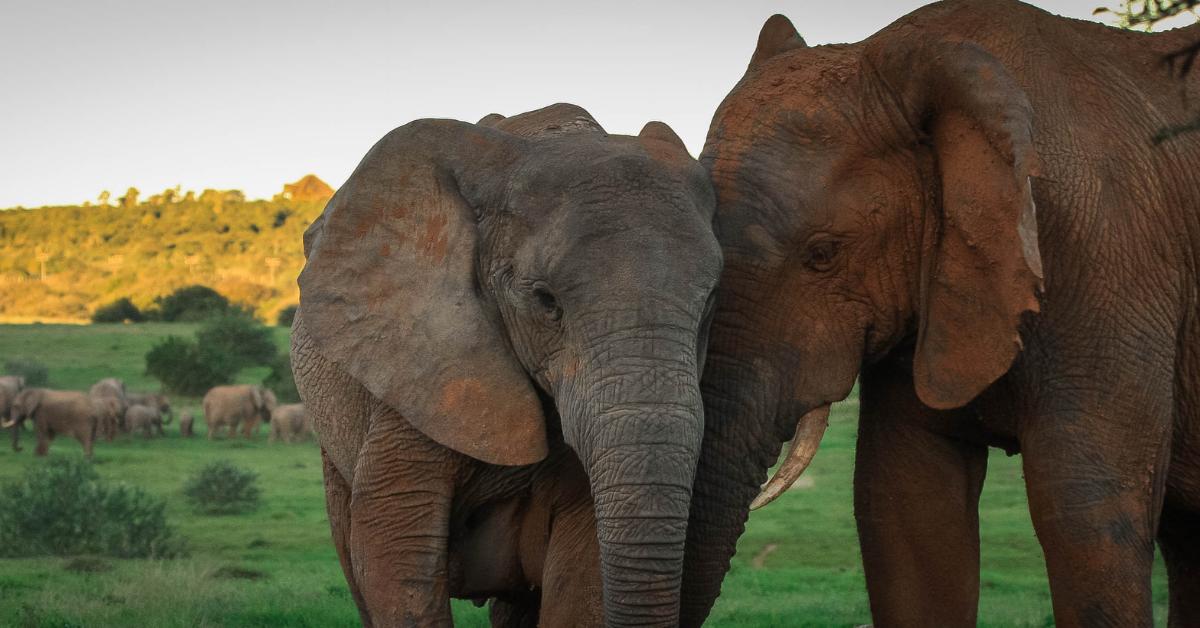
One of the easiest ways to tell these magnificent creatures apart is by looking at their ears. African elephants sport more oversized ears shaped like the continent they call home.
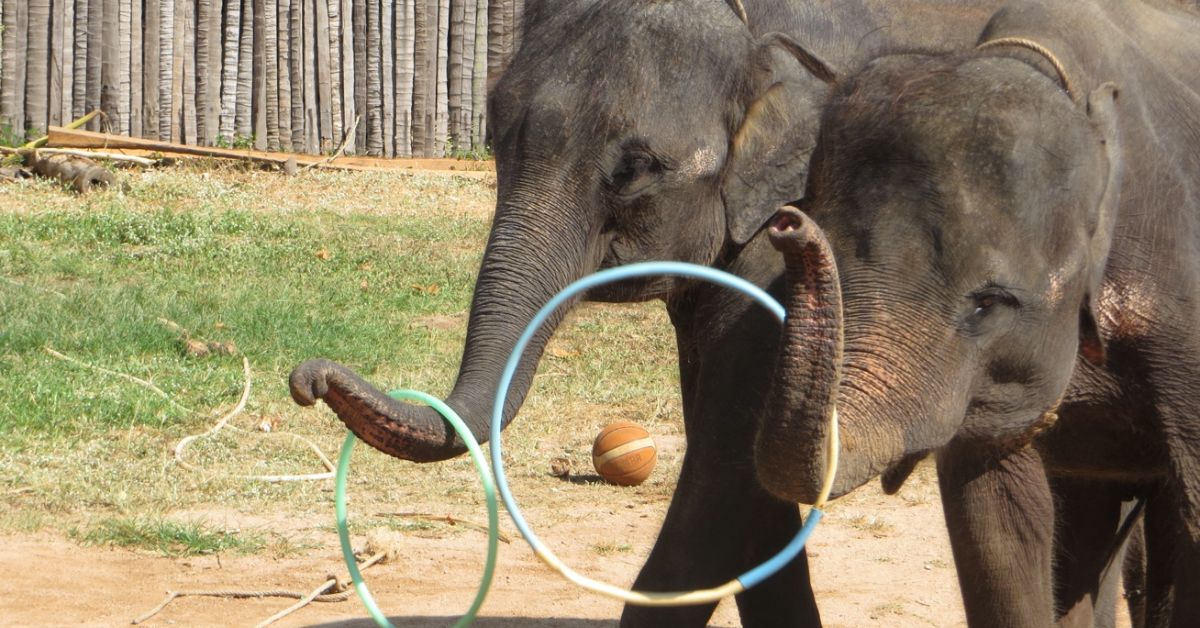
These big ears aren’t just for show; they’re perfect for cooling down in the scorching savanna heat by helping to dissipate body heat. On the other hand, Asian elephants have much more minor, rounder ears, which suit their habitat in the more excellent jungles where temperature regulation isn’t as critical.
2. Trunk
While both species have elongated trunks, African elephant trunks are generally longer and bulkier, reaching lengths of up to 2 meters in adult individuals. This extra length provides greater reach and flexibility, vital for navigating their expansive savanna habitats.
The tip of the African savanna elephant’s trunk typically has two finger-like projections to grasp and precisely manipulate objects. Asian elephant trunks are slightly shorter on average, usually measuring around 1.5 meters in length. They typically have only one finger-like projection at the tip, giving them a somewhat different appearance than their African counterparts.
3. Tusks
Elephant tusks aren’t just nifty ornaments; they serve various functions. These elongated teeth are rooted in the skull and have nerve endings, just like ours. Once an elephant’s tusks are damaged or removed, it will stay that way.
Elephant tusks aren’t just nifty ornaments; they serve various functions. These elongated teeth are rooted in the skull and have nerve endings, just like ours. Once an elephant’s tusks are damaged or removed, it will stay that way.
Alternatively, Asian elephant tusks tend to be smaller and lighter, rarely exceeding 1.5 meters in length. Interestingly, only male Asian elephants develop tusks; Female Asian elephants are either tuskless or sport what are known as “tushes,” small little tusks that rarely protrude more than an inch or two from the lip line.
4. Body Shape
Regarding body shape, African and Asian elephants couldn’t be more different. Asian elephants typically have a more rounded back with a straighter spine, giving them a sort of twin-domed head shape.
The Asian elephant has a more compact and stocky body; this sturdy build is perfect for navigating dense forests. Meanwhile, African elephants have a sloping back that is longer and leaner to strut their stuff across the wide-open savanna and grasslands, a more pronounced arch in the spine, and a single, rounded head.
African males, in particular, display more aggressive play behaviour and unique social dynamics within their species, often forming close-knit bachelor communities after separating from females.
5. Toes
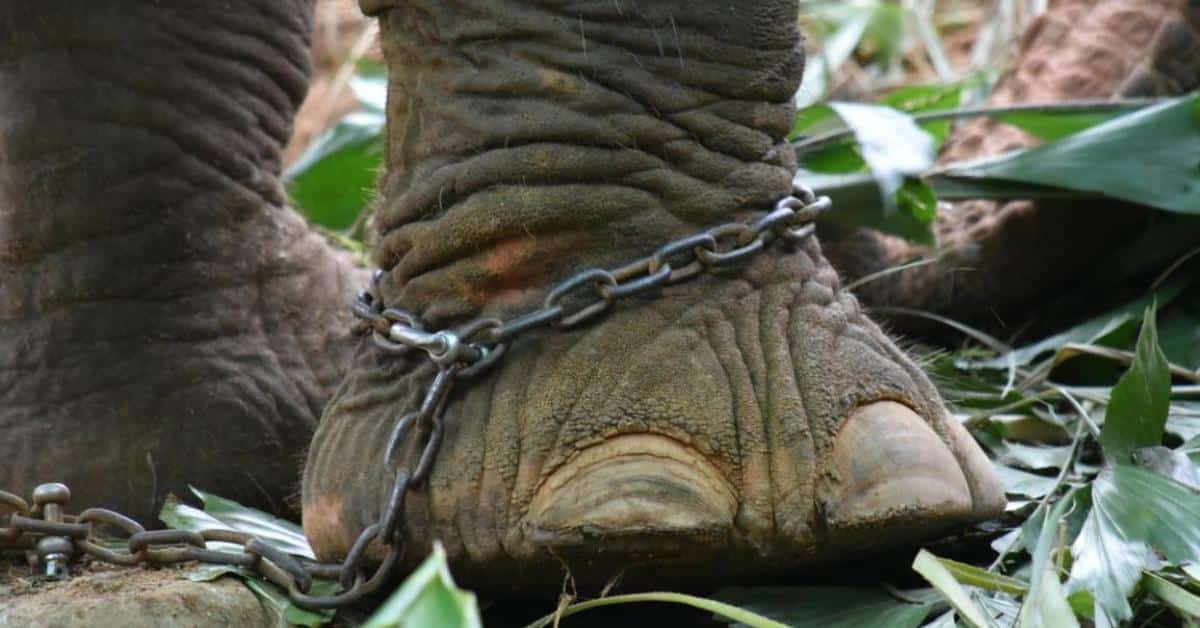
You might notice something interesting if you ever peeked at an elephant’s feet! Asian elephants have five toenails on their front feet and four on their hind feet, while African elephants have four on their front feet and three on their hind feet. Those extra toenails on Asian elephants’ feet give them additional grip and stability, like traction boots, to easily navigate the tricky jungle terrain.
The African elephants’ slightly fewer toenails keep them streamlined and help them cover long distances efficiently through the open savanna plains. These differences reveal how each species has evolved to fit perfectly into its unique environments and ecological roles.
But wait, there’s more! Let’s now go through the social circles of these magnificent beings.
Social Structure and Behaviour
African elephants are famous for their close-knit matriarchal herds, led by a knowledgeable and experienced female called the matriarch. These groups are made up of related females and their young.
Meanwhile, the bachelor boys often prefer to live solo or hang out in temporary bachelor groups. In contrast, their African cousins exhibit different social behaviours, with notable differences in ear size and tusk development, and require separate habitats due to their unique characteristics and natural ranges.
In contrast, Asian elephants have a variety of social setups, ranging from cohesive, tight-knit family units to more loose aggregations. Male Asian elephants may form temporary alliances or wander alone, while females and their offspring often form stable family groups under the leadership of a strong female figure.
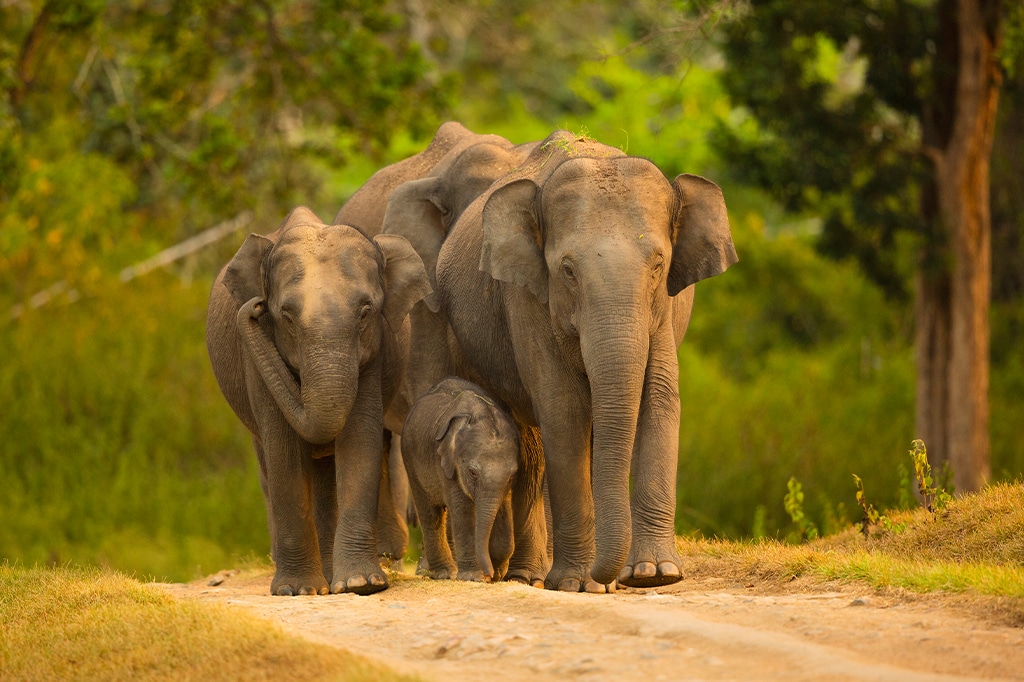
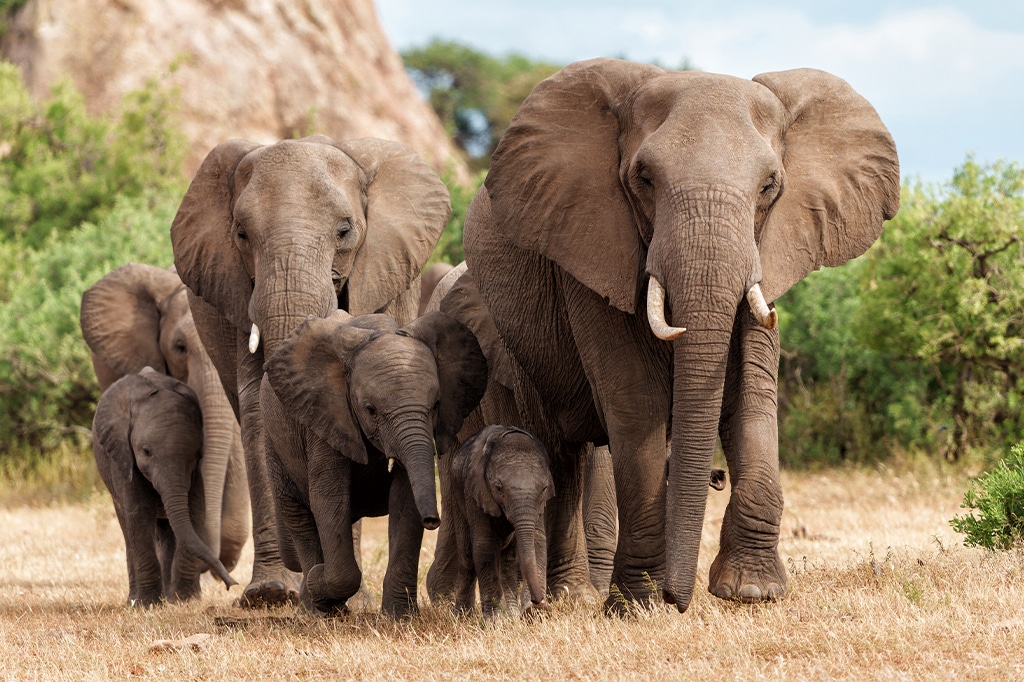
And let’s not forget about the birds and the bees…or the elephants and their gestation period! African elephant moms-to-be will endure a whopping 22-month pregnancy journey, while their Asian counterparts have a slightly shorter gestation period of around 18 to 22 months. Talk about a long wait for that little bundle of joy!
Additionally, African elephants tend to have a higher reproductive rate, with females capable of giving birth every four to five years. In contrast, Asian elephants have a more leisurely approach with longer breaks between births. It’s all about survival strategies tailored to their unique habitats and lifestyles.
Despite their distinct lifestyles and birth times, both African and Asian elephants are classified as endangered. Their roaming grounds are conserved in 23 African countries and a few Asian places.
Conservation Status and Threats
The path ahead for both African and Asian elephants is riddled with challenges, from habitat loss, human-elephant conflict, ivory poaching, and habitat fragmentation. Yet, each species faces its own unique hurdles.
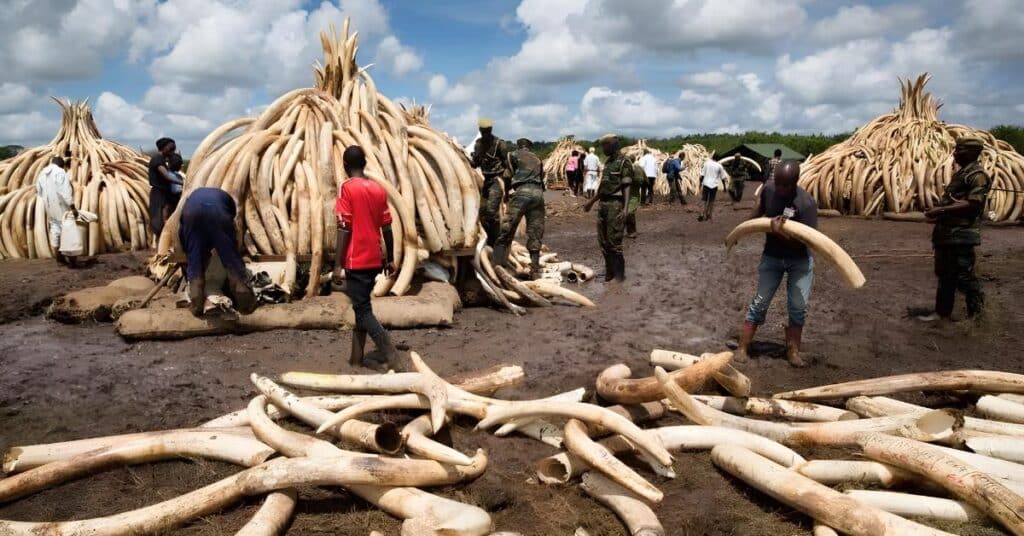
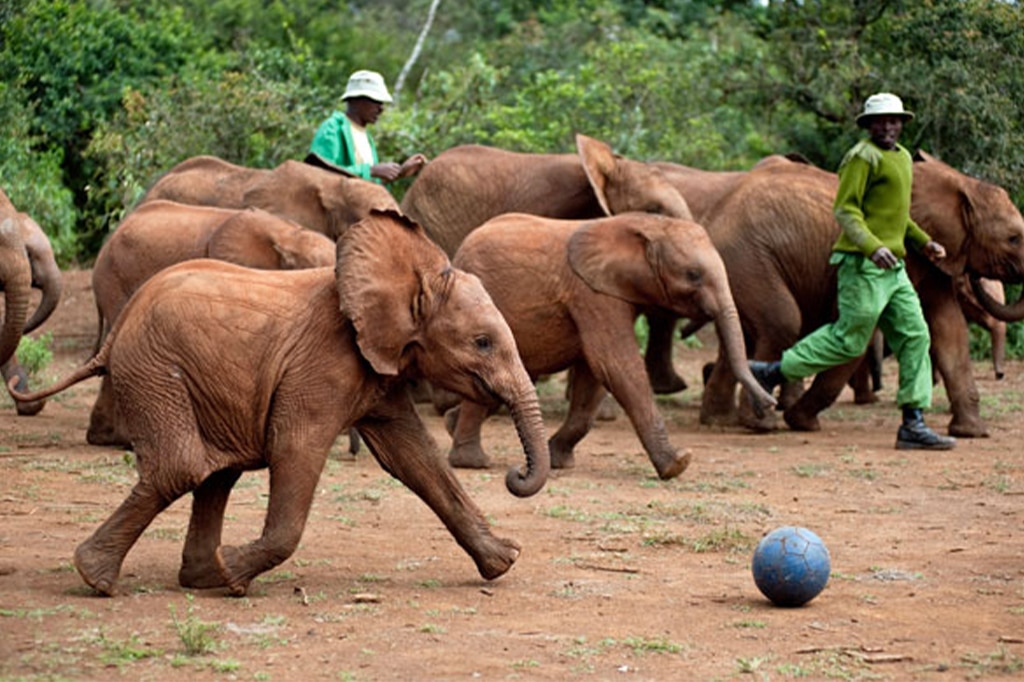
African elephants, particularly the elusive forest-dwelling African forest elephant, are classified as Endangered by the IUCN Red List due to significant population declines. In contrast, Asian elephants are classified as Endangered or Vulnerable, depending on the subspecies and regional population. Their main threats are habitat loss and fragmentation, jeopardizing their long-term survival.
Asian and African elephants face daunting challenges, yet their importance extends beyond their ecological roles. Across diverse societies elephants hold deep cultural and historical significance across many societies in Africa and Asia.
Cultural and Historical Significance
Throughout history, Asian and African elephants have left a pivotal mark on the cultures of the places they call home. Seen as more than just animals, they are both revered in religion and respected for their power in war.
The Asian elephant is a special figure in various religious traditions and mythologies. It is sometimes revered as a deity and symbolizes strength and wisdom.
Elephants hold just as much importance in Africa and are regarded as symbols of strength, resilience, and community bonds within many Indigenous cultures. In many African fables, they are often portrayed as wise chiefs who impartially settle disputes among the forest creatures.
Despite being held in such high regard, the widespread exploitation and persecution of elephants for their prized ivory tusks have cast a shadow over their cultural legacy. This troubling trend has surged conservation efforts aimed at safeguarding these iconic creatures, preserving not just their existence but also to preserve their rich cultural heritage for future generations to cherish and appreciate.
Conclusion
The differences between African and Asian elephants extend far beyond how they look, encompassing their habitats, social structures, reproductive biology, conservation status, and cultural significance. As we work hard to protect these magnificent animals, understanding all their quirks is paramount to their future survival for future generations.
And what better way to experience them than in person? With Easy Travel, you can embark on an unforgettable safari experience to better appreciate their beauty and importance. Explore many national parks in Tanzania, where the African elephant freely roams in its natural habitat, from the open plains of the Ngorongoro Crater to the Baobab-filled landscapes of Tarangire National Park.
Why wait? Plan your safari experience today and witness the grandeur of these magnificent mammals firsthand!