

Marangu, nestled in the heart of the magnificent Kilimanjaro region in Tanzania, stands as an enchanting gateway to the awe-inspiring summit of Mount Kilimanjaro. It is revered as the legendary “Coca-Cola Route,” the Marangu Route beckons adventurers with its harmonious blend of accessibility and moderate difficulty, making it a popular choice to climb Kilimanjaro.
If your aspirations lead you to conquer the mighty Kilimanjaro through the Marangu Route in 2023/2024, this comprehensive guide will be your trusted companion. This gives you the knowledge and insights to embark on an extraordinary and unforgettable trek.
Overview of Marangu Route
The Kilimanjaro Marangu Route, also known as the “Tourist Route” or the “Coca-Cola Route,” is one of the most renowned paths to the summit of Mount Kilimanjaro. It offers a unique experience that combines accessibility, captivating landscapes, and a sense of history.
1. Characteristics of Marangu Route
The Marangu Route is distinguished by its relatively gentle slopes, which make it a popular choice for climbers seeking a less strenuous ascent. It follows a well-defined path, marked by stone steps, and is considered one of the least challenging routes on Kilimanjaro.
The trail traverses through varied terrain, including lush rainforests, moorlands, and alpine desert, ultimately leading to the iconic glaciers and snow-capped summit of Uhuru Peak.
2. Average Duration of the Trek
The Marangu Route typically takes around five to six days to complete, providing ample time for proper acclimatization and maximizing your chances of reaching the summit successfully. This duration allows for a gradual ascent, minimizing the risk of altitude sickness and ensuring an enjoyable trekking experience.
3. Trail Conditions
The trail along the Marangu Route is well-maintained and offers a relatively smooth path for trekkers. The lower sections of the route pass through verdant rainforests, where you can expect some uneven terrain and occasional tree roots.
As you ascend higher, the trail becomes more rocky and rugged, requiring careful footing and balance. It is recommended to use sturdy hiking boots and trekking poles for added stability.
Getting to Marangu via Kilimanjaro International Airport
Learn about the different transportation options to reach Marangu. The nearest major airport is Kilimanjaro International Airport (JRO), which is well-connected to various international destinations. From the airport, you can hire a private transfer or take a taxi to Marangu.
Alternatively, you can also travel by bus from major cities in Tanzania to Marangu.
Preparing for the Trek
Preparing yourself physically and mentally is crucial for a successful and enjoyable trek along the Marangu Route. Here are some essential tips to help you get ready for the adventure:
1. Assess Your Fitness Level
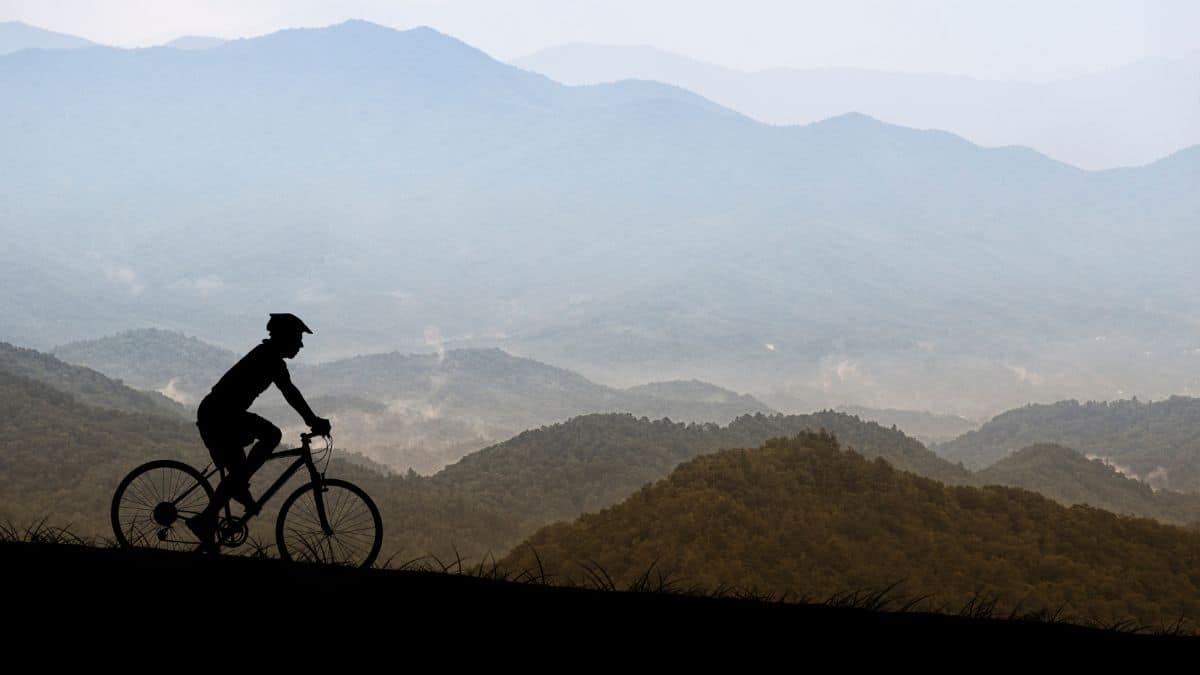
The Marangu Route is considered moderate in difficulty, but it still requires a certain level of physical fitness. Engage in regular cardiovascular exercises, such as hiking, jogging, or cycling, to improve your endurance.
Incorporate strength training exercises to build muscle strength and improve overall fitness. Consult with a healthcare professional before starting any new fitness routine.
2. Pack the Right Gear and Equipment
Having the appropriate gear and equipment is vital for a comfortable and safe trek. Invest in quality hiking boots that provide ankle support and have a good grip.
Dress in layers to accommodate changing weather conditions, including a moisture-wicking base layer, an insulating mid-layer, and a waterproof outer layer. Don’t forget essential items like a warm hat, gloves, sunglasses, sunscreen, and a sturdy backpack.
3. Acclimatization and Altitude Considerations
Acclimatization is a crucial aspect of climbing Mount Kilimanjaro. The gradual ascent along the Marangu Route allows for better acclimatization, but it’s still important to be aware of altitude-related risks.
Take your time, listen to your body, and follow the guidance of your guides. Stay well-hydrated, eat nutritious meals, and consider taking altitude sickness medication under the advice of a healthcare professional.
4. Choose a Reputable Tour Operator
Selecting a reliable and experienced tour operator is essential for a safe and well-organized trek. Research different operators, read reviews, and inquire about their guides’ qualifications and experience.
A reputable operator will prioritize safety, provide well-maintained equipment, and offer knowledgeable guides trained in first aid and emergency procedures.
5. Obtain Travel Insurance
Comprehensive travel insurance is crucial before embarking on any adventure, including the Marangu Route trek. Ensure your policy covers medical expenses, emergency evacuation, trip cancellation, and personal belongings.
Confirm that it includes coverage for high-altitude activities and hiking at high altitudes.
6. Mental Preparation
Climbing Mount Kilimanjaro is a physically demanding and mentally challenging experience. Prepare yourself mentally by visualizing the journey, setting realistic goals, and maintaining a positive mindset.
Be mentally prepared for unpredictable weather conditions, physical exertion, and the possibility of facing setbacks. Stay focused, determined, and embrace the incredible sense of accomplishment that awaits you at the summit.
7. Training Hikes
Before embarking on the Marangu Route, engage in training hikes to prepare your body for the physical demands of the trek. Gradually increase the distance and elevation of your hikes to simulate the conditions you’ll encounter on Kilimanjaro.
This will improve your physical fitness and help you test your gear, break in your hiking boots, and build your confidence.
Accommodation Options
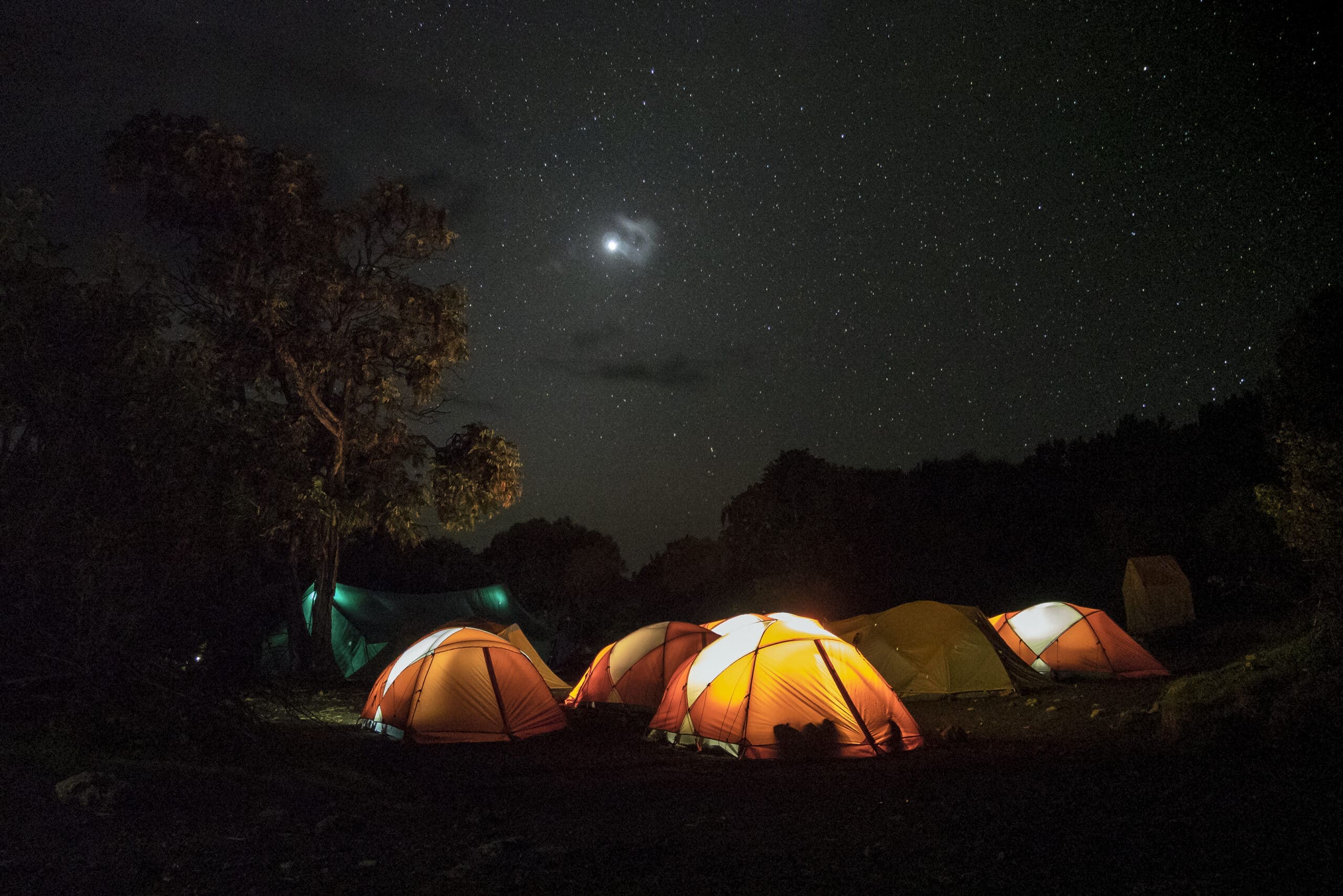
The Marangu Route along Mount Kilimanjaro offers basic hut accommodation managed by the Kilimanjaro National Park Authority. These huts provide shelter, dormitory-style accommodation, communal dining areas, and shared toilet facilities.
It’s essential to have realistic expectations and understand that the focus of the trek is the journey and reaching the summit.
Climate and Weather Conditions
The Marangu Route on Mount Kilimanjaro experiences both dry and wet seasons, with the dry season (January to March, July to October) generally being considered the best time to climb. During this time, there is less rainfall, clearer skies, and milder temperatures during the day.
The wet season (April to June, November to December) brings increased rainfall, higher humidity, and muddy trails. The best climbing time depends on personal preferences, with the dry season offering better weather and visibility, while the wet season provides a quieter trekking experience.
It’s crucial to pack layered clothing, rain gear, warm clothing, and sun protection and stay hydrated regardless of the season. Consult your tour operator or guides for the latest weather information and plan your trek accordingly.
Highlights and Points of Interest
The Marangu Route on Mount Kilimanjaro is filled with exciting highlights and points of interest. Trekkers from Mandara Hut can enjoy the beautiful forested area and the nearby Maundi Crater with its breathtaking panoramic views.
Moving higher, Horombo Hut offers stunning alpine meadows and serves as an acclimatization point. The unique Zebra Rocks along the trail provide a picturesque spot for photography.
The final overnight stop, Kibo Huts, prepares climbers for the challenging ascent to Gillman’s Point and Uhuru Peak, the highest point in Africa. Along the way, trekkers will encounter diverse vegetation zones and have the opportunity to learn about the local Chagga culture.
The Marangu Route is a gratifying experience filled with natural, cultural, and scenic wonders.
Highlights and Points of Interest
The Marangu Route on Mount Kilimanjaro is filled with exciting highlights and points of interest. Trekkers from Mandara Hut can enjoy the beautiful forested area and the nearby Maundi Crater, which offers breathtaking panoramic views.
Moving higher, Horombo Hut offers stunning alpine meadows and serves as an acclimatization point. The unique Zebra Rocks along the trail provide a picturesque spot for photography.
The final overnight stop, Kibo Huts, prepares climbers for the challenging ascent to Gillman’s Point and Uhuru Peak, the highest point in Africa. Along the way, trekkers will encounter diverse vegetation zones and have the opportunity to learn about the local Chagga culture.
The Marangu Route is a gratifying experience filled with natural, cultural, and scenic wonders. For those seeking a comprehensive Kilimanjaro adventure, this trek offers a complete package that includes transfers, hotel accommodation, camping equipment, meals on the hike, professional guides and porters, and much more.
Safety and Health Considerations
Ensure your safety and well-being during the trek by understanding the safety and health considerations specific to the Marangu Route. Learn about the risks of altitude sickness and how to prevent it.
Explore the importance of staying hydrated, eating nutritious meals, and maintaining personal hygiene. Get tips on recognizing the signs of altitude sickness and when to seek medical assistance.
Cultural Interactions
Embrace the cultural richness of the Marangu Route by engaging in cultural interactions with the local Chagga people. Learn about their traditions, customs, and way of life.
Discover the unique cultural experiences available along the route, such as visiting local villages, interacting with the community, and witnessing traditional dances and ceremonies.
Environmental Conservation
Understand the importance of environmental conservation and responsible trekking practices. Learn about the Leave No Trace principles and how to minimize your impact on the fragile ecosystem of Mount Kilimanjaro.
Get insights on sustainable tourism practices and how to support local initiatives that promote conservation and community development.
Conclusion
The Marangu Route offers a unique and accessible opportunity to conquer the majestic Mount Kilimanjaro. Plan your trek carefully, prepare yourself physically and mentally, and embrace the challenges and rewards that await you.
Follow this complete guide to the Marangu Route in 2023/2024, and embark on an unforgettable journey to the “Roof of Africa.”
Frequently Asked Questions (FAQs)
What are the Mountain Huts along the Marangu Route?
The Marangu Route, often called the “Coca-Cola” route, is the most popular trail on Mount Kilimanjaro, the highest peak in Africa. Along this route, trekkers will find a series of mountain huts strategically located at various points. These mountain huts, Mandara Hut, Horombo Hut, and Kibo Hut, provide shelter and basic amenities for trekkers during their ascent and descent.
Mandara Hut is in the lush rainforest zone, while Horombo Hut is in the alpine desert zone, offering stunning views of the surrounding landscape. Kibo Hut, the highest hut on the route, serves as the final resting point before summiting Uhuru Peak. These mountain huts play a crucial role in providing trekkers with accommodation, meals, and a place to rest during their Kilimanjaro trekking adventure.
Can I Rent Equipment for the Marangu Route Trek?
Yes, rental equipment is available for trekkers embarking on the Marangu Route trek. Many outfitters and tour operators in the nearby town of Moshi, Tanzania, offer rental services for essential trekking gear such as sleeping bags, poles, insulated jackets, and waterproof outerwear.
Additionally, rental shops at the Marangu Gate, the trek’s starting point, also provide equipment rental services for those needing to remember to bring certain items or prefer to avoid carrying their gear. It’s essential to book rental equipment in advance to ensure availability and proper fitting, especially during the peak trekking season.
When is the Peak Season for Marangu Route Trekking?
The peak season for trekking the Marangu Route typically coincides with the dry season in Tanzania, which runs from late June to October. During this period, the weather conditions on Mount Kilimanjaro are relatively stable, with clear skies and minimal rainfall, making it an ideal time for trekking.
The months of July and August, in particular, are the busiest on the Marangu Route, attracting a large number of trekkers from around the world. If you plan to trek during the peak season, booking accommodations and permits well in advance is essential, as availability may be limited due to high demand.
How Majestic is Mount Kilimanjaro along the Marangu Route?
Mount Kilimanjaro, Africa’s tallest peak, presents a majestic spectacle along the Marangu Route. As hikers ascend through various ecological zones—from lush rainforests to stark alpine deserts—they are treated to breathtaking views of the mountain’s snow-capped summit towering above the clouds.
The Marangu Route offers sweeping panoramas of Kilimanjaro’s renowned peaks, such as Mawenzi and Kibo, evoking a profound sense of wonder and anticipation at every journey step. Witnessing the grandeur of Kilimanjaro along the Marangu Route is an unforgettable experience that leaves an enduring impression on all adventurers.
What Should I Expect in the Rain Forest section of the Marangu Route?
The rainforest section of the Marangu Route is characterized by dense vegetation, towering trees, and abundant wildlife. Trekkers entering this lush ecosystem are enveloped in a verdant canopy of greenery, with sunlight filtering through the canopy above. The trail winds through the rainforest, crossing crystal-clear streams and passing by cascading waterfalls, creating a tranquil atmosphere.
Along the way, trekkers may encounter various species of flora and fauna, including colobus monkeys, birds, and colorful butterflies. The rainforest section provides a refreshing and immersive experience, offering a glimpse into the diverse ecosystems of Mount Kilimanjaro.
Where is the Marangu Gate located?
The Marangu Gate is the starting point for trekkers on the Marangu Route up Mount Kilimanjaro. It is situated in the northeastern part of Tanzania, near the town of Moshi. The gate is approximately a 1-2 hour drive from Moshi, depending on road conditions and traffic.
Upon arrival at the Marangu Gate, trekkers must register with the Kilimanjaro National Park authorities, obtain trekking permits, and undergo a briefing before beginning their ascent. The Marangu Gate is surrounded by lush vegetation and offers stunning views of the lower slopes of Kilimanjaro, setting the stage for the adventure ahead.
What is the Crater Rim on the Marangu Route?
The Crater Rim refers to the high-altitude plateau that encircles Mount Kilimanjaro’s summit crater. Along the Marangu Route, trekkers reach the Crater Rim after ascending to Kibo Hut, the final accommodation stop before attempting to summit Uhuru Peak.
From the Crater Rim, trekkers have panoramic views of the surrounding landscape, including the expansive crater below and the distant peaks of Mawenzi and Shira. The Crater Rim is a surreal and otherworldly environment, with its barren terrain and dramatic rock formations contrasting sharply with the snow and ice of the summit.
Are Sleeping Bags Provided in the Mountain Huts along the Marangu Route?
Yes, sleeping bags are typically provided in the mountain huts along the Marangu Route. However, bringing your sleeping bag for hygiene and comfort is advisable.
While the mountain huts provide essential bedding, including mattresses and blankets, having your sleeping bag ensures a clean and familiar sleeping environment. Furthermore, temperatures frequently decrease at higher altitudes, emphasizing the importance of a warm sleeping bag to ensure a restful night’s sleep.
What Should I Do if I Need a Helicopter Evacuation on the Marangu Route?
If you require a helicopter evacuation on the Marangu Route, immediately inform your mountain guide or hut warden of your situation. They will evaluate the seriousness of your condition and begin the required emergency protocols.
The park authorities typically coordinate helicopter evacuations in conjunction with local rescue services. Travel insurance that includes emergency evacuation coverage is necessary for accidents or medical emergencies during trekking on Mount Kilimanjaro.
Are Mountain Guides Mandatory for the Marangu Route?
Mountain guides are mandatory for all trekkers attempting the Marangu Route on Mount Kilimanjaro. The park regulations require a certified mountain guide to accompany all Mount Kilimanjaro visitors for safety and security reasons. Mountain guides are highly trained professionals with extensive experience leading Kilimanjaro treks.
They are familiar with the terrain, weather conditions, and potential hazards along the route, ensuring the safety and well-being of trekkers throughout the journey. Additionally, mountain guides provide valuable support, guidance, and encouragement to trekkers, enhancing the overall trekking experience.
How Should I Prepare for the Marangu Route Trek?
Preparing for the Marangu Route trek requires careful planning and physical conditioning. First, ensure you are physically healthy and consult your healthcare provider before starting the trek. Regular exercise, including cardiovascular workouts, strength training, and hiking, builds endurance and stamina.
Familiarize yourself with the gear and equipment needed for the trek, including proper hiking attire, sturdy hiking boots, and a well-fitted backpack. Acclimatization is also critical for a successful summit attempt, so consider adding a few extra days to your itinerary to allow your body to adjust to the altitude gradually.