

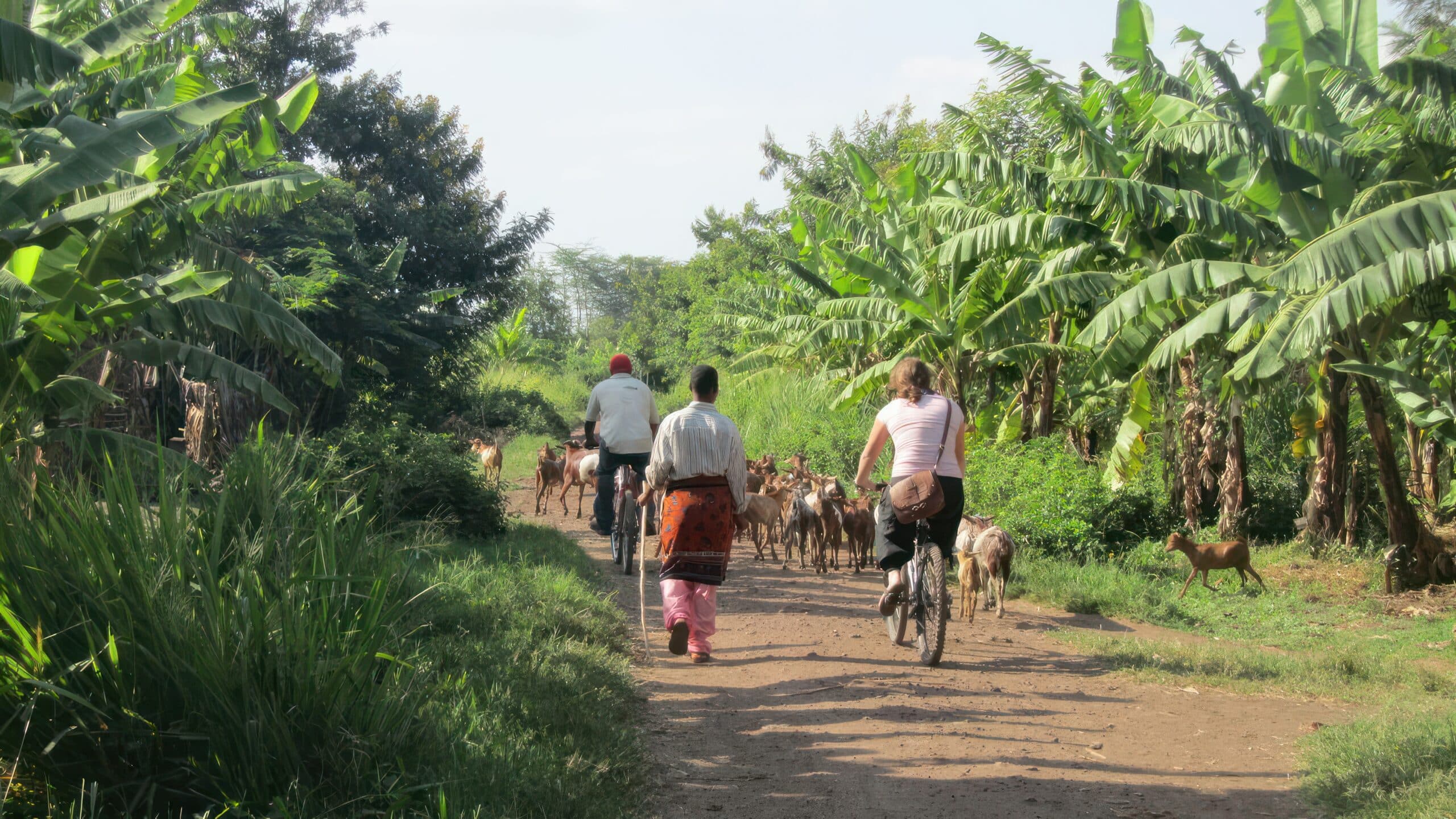
Mto wa Mbu, a vibrant town in northern Tanzania, serves as a gateway to the country’s most iconic national parks: Lake Manyara National Park and Ngorongoro Conservation Area.
Offering a unique blend of cultural diversity, stunning landscapes, and unparalleled wildlife experiences, Mto wa Mbu is a must-visit destination for nature lovers and adventure seekers. In this comprehensive travel guide, we will explore the top attractions, activities, accommodations, and practical information to help you plan your visit to Mto wa Mbu in 2023/2024.
Getting There

To get to Mto wa Mbu, several transportation options are available based on your starting point and preferences. Here are some common ways to reach Mto wa Mbu:
1. By Air
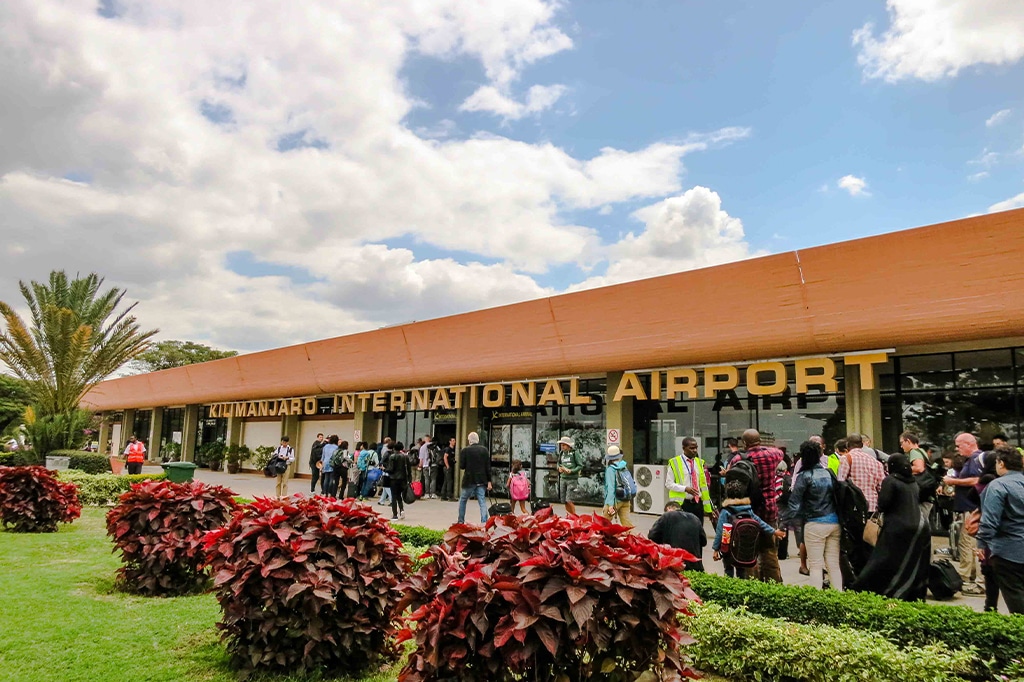
If you are arriving from outside Tanzania, Kilimanjaro International Airport (JRO) near Arusha is the most common entry point. You can take a taxi or shuttle service from the airport to Mto wa Mbu, which is approximately a 2-3 hour drive away.
It is advisable to book transportation in advance to ensure a smooth transfer.
2. By Road
Mto wa Mbu is well-connected by road, making it accessible from various locations in Tanzania. Here are some options:
3. From Arusha
Mto wa Mbu is approximately 120 kilometers west of Arusha. You can hire a taxi or take a shared shuttle from Arusha to Mto wa Mbu. The journey takes 2-3 hours, based on the traffic and road conditions.
4. From Moshi
If you are in Moshi, you can also take a taxi or a shared shuttle to Mto wa Mbu. The distance between Moshi and Mto wa Mbu is around 160 kilometers, and the journey takes approximately 3-4 hours.
5. From Serengeti National Park
If you are coming from Serengeti National Park, you can request a private transfer or opt for a guided tour that includes transportation to Mto wa Mbu. The travel time will depend on the route and location within Serengeti National Park.
Many tour operators offer packages that combine visits to Mto wa Mbu, Lake Manyara National Park, and the Ngorongoro Crater. This option provides the convenience of having transportation and accommodations arranged for you, along with the expertise of a knowledgeable guide.
Exploring Lake Manyara National Park
At the Great Rift Valley escarpment’s base, you’ll find Lake Manyara National Park. It is a hidden gem known for its diverse ecosystems and abundant wildlife.

Covering an area of approximately 330 square kilometers, the park offers a unique blend of dense forests, open grasslands, and the shimmering waters of Lake Manyara. This varied landscape provides a haven for a wide range of wildlife, making it a must-visit destination for nature enthusiasts.
1. Wildlife Viewing
Go on exciting game drives in search of the park’s famous tree-climbing lions, which are one of the park’s main attractions. These majestic predators have developed the unique behavior of resting on the branches of trees, offering a remarkable sight.
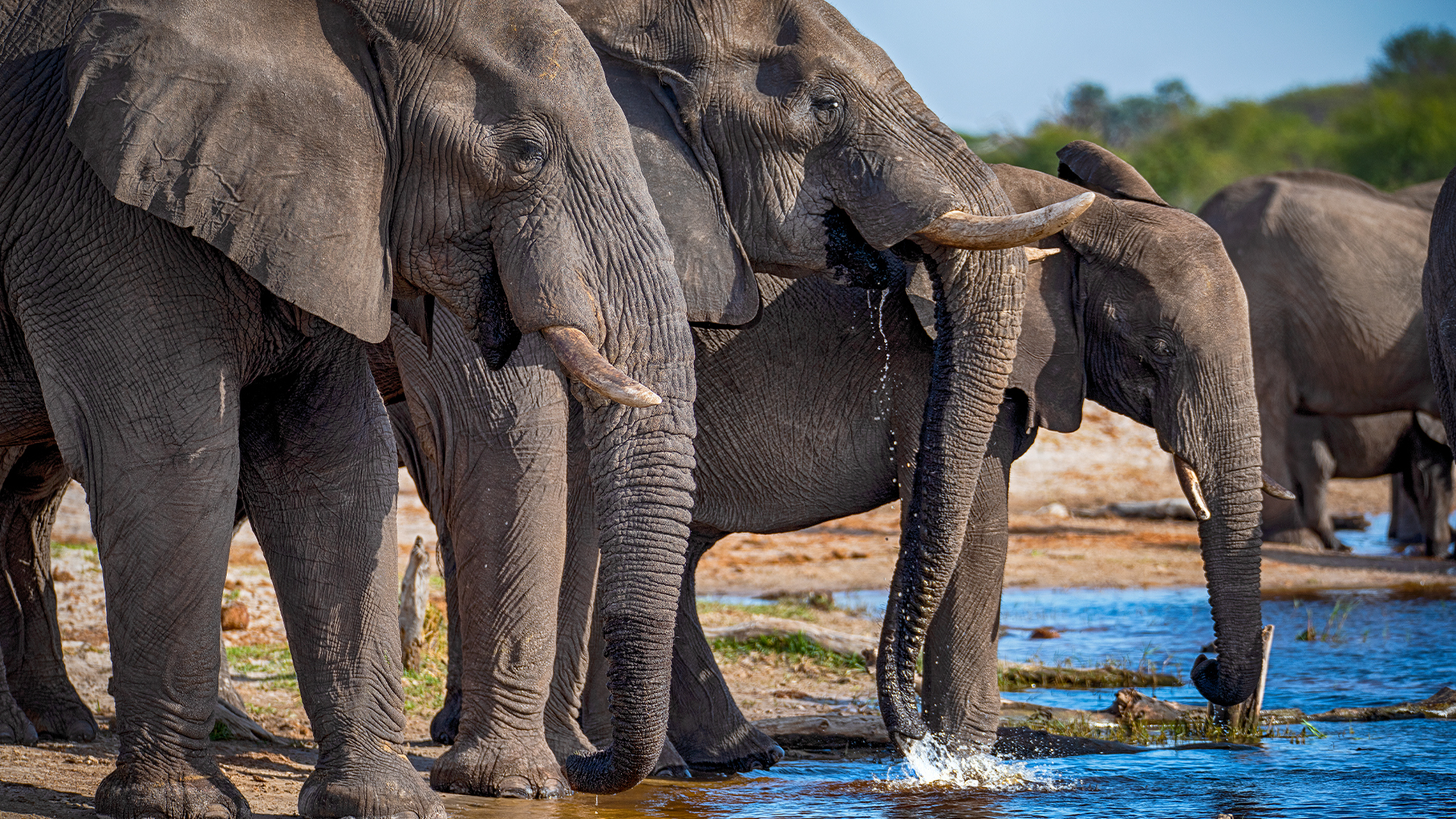
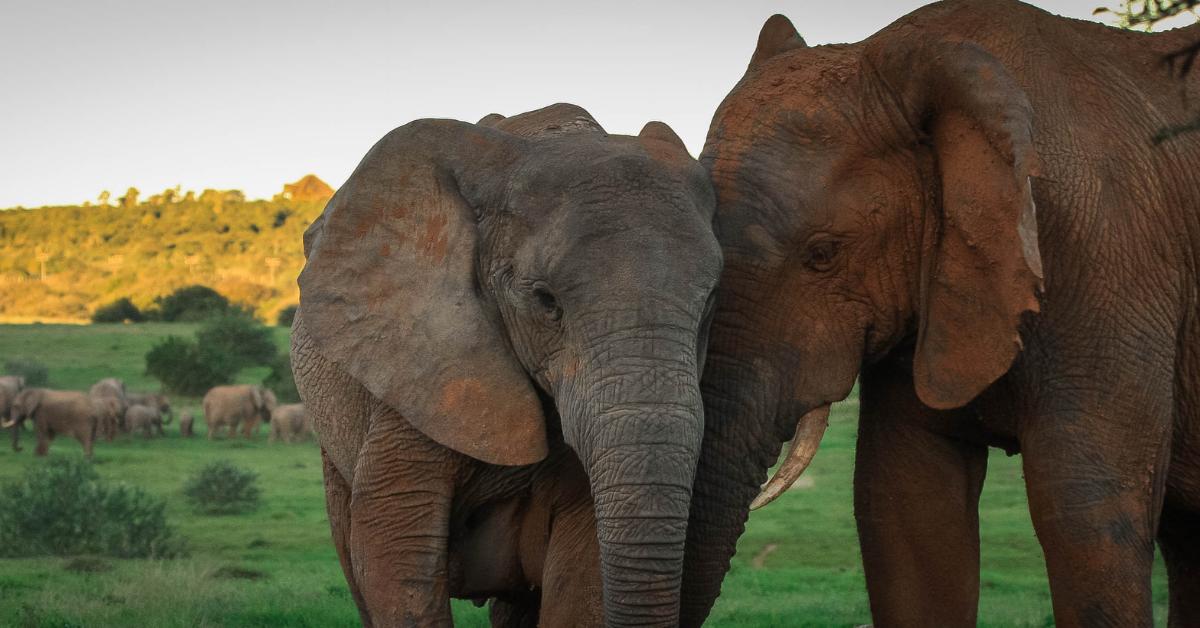
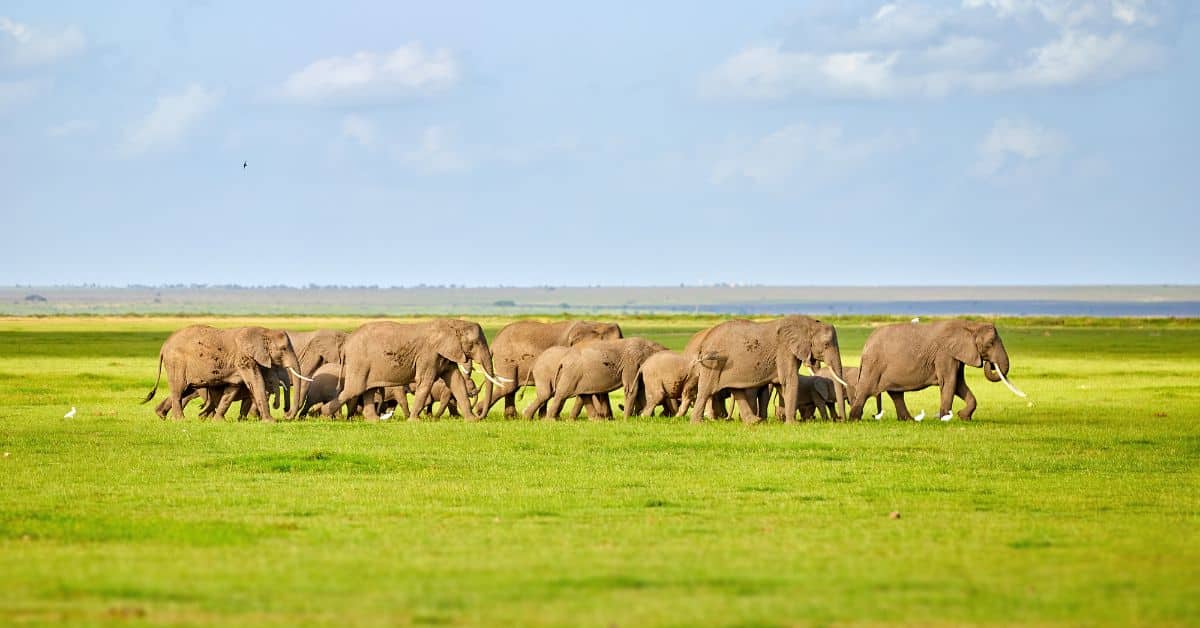
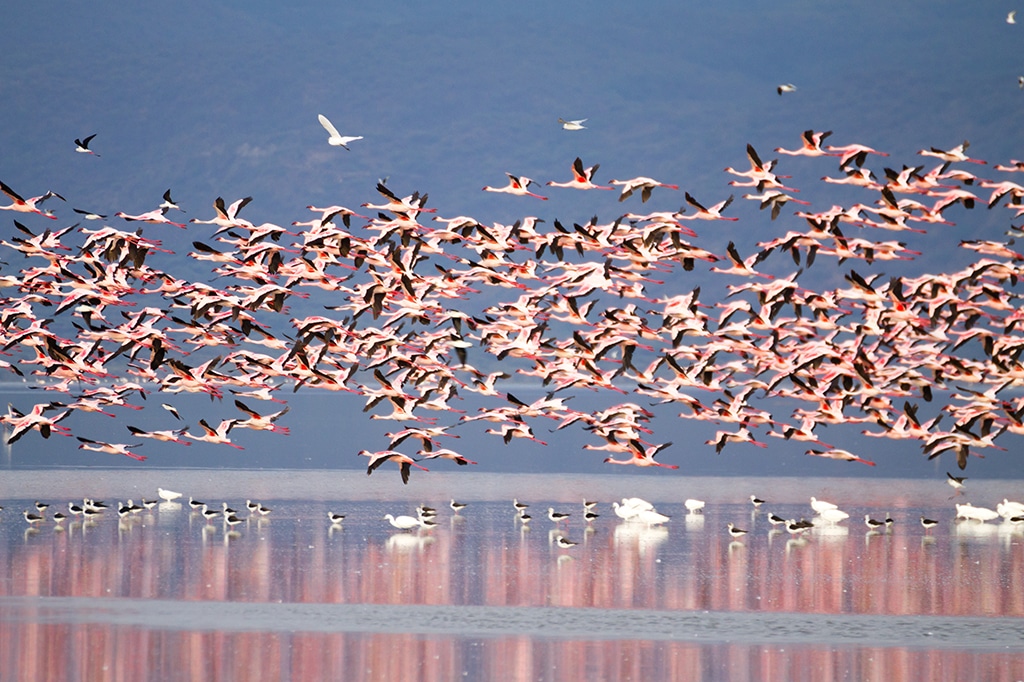
As you traverse the park, watch for other iconic species, such as elephants, giraffes, zebras, wildebeest, and buffalos. Lake Manyara National Park is also renowned for its diverse birdlife, with over 400 recorded species.
Prepare your binoculars to spot flamingos, pelicans, storks, herons, and other colorful birds.
2. Canoeing and Nature Walks
To truly immerse yourself in the beauty of Lake Manyara National Park, consider taking part in guided canoeing trips, wildlife safaris, or nature walks. Canoeing on the calm waters of Lake Manyara offers a unique perspective, allowing you to get close to the lake’s edge and observe the wildlife from a different vantage point.
Glide past hippos, spot waterbirds, and take in the serene atmosphere. Nature walks are another excellent way to explore the park’s lush surroundings.
Accompanied by experienced guides, you can venture into the forested areas, learning about the flora and fauna that thrive in this diverse ecosystem. Watch for monkeys swinging through the treetops and antelopes grazing in the grasslands.
Ngorongoro Conservation Area: A Natural Wonder


Known as the “Eighth Wonder of the World,” the Ngorongoro Conservation Area is a UNESCO Heritage Site and home to the breathtaking Ngorongoro Crater. This vast conservation area covers an area of 8,292 square kilometers and surrounds a variety of landscapes, from grassy plains to volcanic peaks.
Ngorongoro Conservation Area is a testament to Tanzania’s incredible beauty and biodiversity.
1. Ngorongoro Crater Safari
One of the most iconic experiences in the Ngorongoro Conservation Area is embarking on a safari in the Ngorongoro Crater. The crater is a vast caldera formed by the collapse of an active volcano millions of years ago.
Descending into the crater is like stepping into a wildlife paradise. The crater’s enclosed nature creates a microcosm of diverse ecosystems, making it an ideal habitat for many wildlife species.
Get ready to witness the Big Five, including lions, elephants, buffalo, rhinos, leopards, and countless other animals, such as wildebeest, zebras, hyenas, and cheetahs. The crater’s abundance of wildlife and the chance to observe these magnificent wildlife in their natural habitat is truly awe-inspiring.
2. Olduvai Gorge
Visiting the Olduvai Gorge, better known as the “Cradle of Mankind,” is a must for those with a penchant for history and anthropology. It’s located within the Ngorongoro Conservation Area.
This important archaeological site has yielded numerous fossil discoveries, including early human ancestors and extinct animal species. Visitors can explore the museum and exhibition center, learning about the fascinating discoveries made at the site and gaining insights into human evolution.
The Olduvai Gorge is a testament to the region’s rich history and significance in unraveling our ancient past’s mysteries.
3. Cultural Encounters
In addition to its natural wonders, the Ngorongoro Conservation Area is home to the Maasai people, one of Tanzania’s most well-known ethnic groups. Engaging with the local Maasai community offers a notable opportunity to learn about their traditional way of life and immerse yourself in their vibrant culture.
Please take part in cultural visits to Maasai villages, where you can interact with the community, learn about their customs, traditions, and rituals, and even participate in traditional dances and ceremonies. This cultural exchange generates a deeper understanding of the Maasai people’s rich heritage and harmonious relationship with the surrounding wildlife and environment.
Cultural Diversity of Mto wa Mbu

Mto wa Mbu is renowned for its cultural diversity, with over 120 different tribes residing in the area. This small town is a melting pot where other ethnic groups coexist, creating a rich tapestry of traditions, languages, and customs.
As you explore Mto wa Mbu, you’ll have the opportunity to witness the fusion of these diverse cultures, providing a unique and immersive cultural experience.
1. Vibrant Markets and Interactions
One of the best ways to experience the cultural diversity of Mto wa Mbu is by visiting the vibrant local markets. These bustling marketplaces are a hub of activity where you can interact with local vendors, artisans, and farmers.
The markets offer a kaleidoscope of colors, scents, and sounds, with stalls selling fresh produce, handmade crafts, textiles, and local artworks. Engaging with the locals and learning about their products, haggling for souvenirs, and exchanging stories are memorable experiences that showcase the warmth and hospitality of the people of Mto wa Mbu.
2. Cultural Tours
To delve deeper into the local cultures, consider participating in cultural tours organized by local guides. These tours provide an authentic glimpse into the daily lives of the various ethnic groups in Mto wa Mbu.
You can visit traditional homes, learn about their unique customs and traditions, witness traditional dances and music performances, and participate in craft-making workshops. The Chagga, Maasai, Iraqw, and Datoga communities are among the tribes that welcome visitors, offering insights into their ways of life and preserving their cultural heritage.
3. Local Cuisine
Indulging in the flavors of Tanzania is an essential part of experiencing the local culture in Mto wa Mbu. The town offers various dining options, from local restaurants to street food stalls.
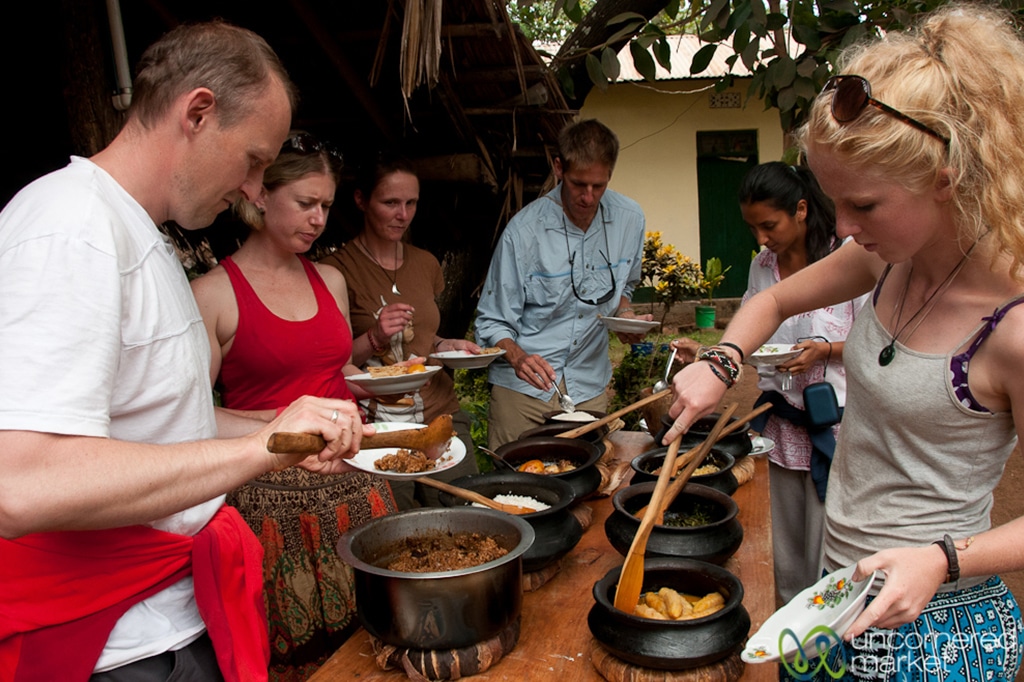
Sample traditional dishes that showcase the culinary diversity of Tanzania. Try the staple dish of ugali, a thick maize porridge often accompanied by sukuma wiki (collard greens) or a flavorful meat stew.
Nyama choma, or grilled meat, is another popular delicacy, usually served with freshly made chapati (flatbread). For a burst of aromatic flavors, savor pilau rice, a fragrant rice dish cooked with spices, meat, and vegetables.
Remember to wash it all down with a refreshing glass of tangy passion fruit juice or try the local coffee grown in nearby regions.
Conclusion
Mto wa Mbu, with its proximity to Lake Manyara National Park and Ngorongoro Conservation Area, is a charming destination that offers an immersive experience of Tanzania’s natural and cultural wonders.
From thrilling wildlife encounters to cultural immersion and outdoor adventures, Mto wa Mbu provides a gateway to unforgettable experiences in the heart of East Africa. Plan your visit to Mto wa Mbu in 2023/2024, and prepare to be amazed by the diverse landscapes, abundant wildlife, and warm hospitality this remarkable destination offers.
Frequently Asked Questions – Mto wa Mbu (FAQs)
1. What is Mto wa Mbu known for?
Mto wa Mbu is a vibrant town in Tanzania celebrated for its cultural diversity and proximity to national parks. It’s a melting pot of tribes and a popular stop for safari-goers.
The town offers a chance to experience local Tanzanian culture and cuisine. Visiting Mto wa Mbu provides a unique opportunity to engage with local communities and artisans.
2. Where is Mto wa Mbu located?
Mto wa Mbu sits in the Northern region of Tanzania, nestled at the base of the Great Rift Valley. It is strategically located near the entrance to the Tarangire National Park, Lake Manyara, and the route to Ngorongoro Crater.
The town is easily accessible by road from Arusha, making it a convenient safari stopover. Its prime location makes it a perfect base for exploring Tanzania’s wildlife and landscapes.
3. What can I do in Mto wa Mbu?
Mto wa Mbu offers a range of activities, including cultural tours, biking, and local market visits. You can also participate in banana beer tastings and visit nearby farms to learn about agriculture.
Village walks allow immersion into the daily life and traditions of the locals. Additionally, the town is a gateway to safaris in Lake Manyara and hikes in the Great Rift Valley.
4. Is Mto wa Mbu safe for tourists?
Mto wa Mbu is generally considered safe for tourists, with the usual precautions taken when traveling elsewhere. The locals are known to welcome visitors, enhancing the town’s reputation for safety.
As with any travel destination, it’s advised to be mindful of personal belongings and respectful of local customs. Guided tours are recommended for the best and safest experience.
5. What wildlife can I see around Mto wa Mbu?
The areas surrounding Mto wa Mbu are rich in wildlife, especially Lake Manyara National Park. You can spot various animals, including elephants, giraffes, hippos, and tree-climbing lions.
Birdwatching is also popular here, with hundreds of bird species to observe. Going on a safari from Mto wa Mbu means experiencing Tanzania’s wild nature up close.
6. Are there any cultural experiences offered in Mto wa Mbu?
Cultural experiences abound in Mto wa Mbu, with village tours introducing visitors to the local way of life. You can interact with the different tribes that call the town home, including the Maasai and Chagga.
Participate in traditional food making and visit a local school or church. These experiences will give you a deeper insight into the community and its customs.
7. How do I get to Mto wa Mbu?
Mto wa Mbu is accessible by road and is roughly a two-hour drive from Arusha. Many travelers opt for private or group tours that include transportation to the town.
Public buses are available but may offer a less comfortable journey. For convenience and a smoother trip, booking with a reliable tour operator is advisable.
8. What are the accommodation options in Mto wa Mbu?
Accommodations in Mto wa Mbu range from budget-friendly guesthouses to mid-range lodges. Camping sites are available for those seeking an outdoor experience.
Several higher-end lodges provide luxurious amenities and stunning views of the surroundings. Most accommodations cater to safari-goers and offer a comfortable stay.
9. When is the best time to visit Mto wa Mbu?
The best time to visit Mto wa Mbu is during the dry season, from June to October. This period offers ideal conditions for wildlife viewing and outdoor activities.
The town is less crowded outside peak safari season, giving a more authentic experience. However, Mto wa Mbu’s cultural attractions and markets are available year-round.
10. Can I volunteer in Mto wa Mbu?
Volunteering opportunities are available in Mto wa Mbu, particularly in education and community projects. You can help at local schools, health care centers, or with environmental conservation efforts.
Many organizations seek assistance with sustainable tourism projects. Always research and choose reputable volunteer programs to ensure a positive impact.
11. What local food should I try in Mto wa Mbu?
Local food in Mto wa Mbu includes Ugali, a traditional Tanzanian staple, and Nyama Choma, a delicious barbecued meat. Sample the local banana-based dishes that are a specialty of the area.
Street food vendors and local eateries offer an authentic taste of Tanzanian cuisine. You should also not miss out on trying banana beer, a unique local brew.
12. Is Mto wa Mbu a family-friendly destination?
Mto wa Mbu is family-friendly, with activities that cater to all ages. Cultural tours and market visits can be fascinating for children and adults alike.
Wildlife safaris are a thrilling experience for the whole family. The town’s relaxed atmosphere makes it a comfortable place for families to explore.
13. What types of souvenirs can I find in Mto wa Mbu?
Mto wa Mbu is an excellent spot to find unique Tanzanian souvenirs. Local markets offer handmade crafts, from beaded jewelry to wood carvings.
Artwork by local artists features Maasai culture and wildlife. Purchasing souvenirs here supports the community and preserves traditional craftsmanship.
14. Are there any annual festivals in Mto wa Mbu?
While Mto wa Mbu doesn’t have major annual festivals, there are occasional cultural events and celebrations. Local village celebrations are vibrant and offer a glimpse into the traditions of the many tribes.
Visiting during these events can enrich your travel experience. It’s best to inquire locally about any events during your visit.
15. Can I take part in any agricultural tours in Mto wa Mbu?
Agricultural tours in Mto wa Mbu allow visitors to learn about local farming practices. The region is famous for growing bananas, rice, and other crops.
You can visit banana plantations, rice fields, and local markets where these products are sold. These tours are an insightful way to understand the area’s economy and lifestyle.
16. Is Mto wa Mbu suitable for solo travelers?<
Yes, Mto wa Mbu is a welcoming and safe destination for solo travelers. There are many activities offered that can be enjoyed independently or with a tour group.
The town’s friendly locals and well-organized tours make navigating Mto wa Mbu easier for solo adventurers. As with all travel, maintaining awareness of your surroundings and belongings is recommended.
17. What is the significance of the name ‘Mto wa Mbu’?
Swahili is Mto wa Mbu’s most widely spoken language in Mto wa Mbu, as in the rest of Tanzania. However, the town is known for its cultural diversity, and various local dialects can be heard. For visitors, English is generally understood in hotels and by tour operators, making it easy for international travelers to communicate.
Mto wa Mbu” translates to “River of Mosquitoes” in English. This unusual name stems from the town’s proximity to the swampy areas where mosquitoes are prevalent. It reflects the geographical characteristics and the daily reality of life in this vibrant yet rural part of Tanzania.