

Dar es Salaam, the vibrant commercial capital of Tanzania, is a city that should be at the top of your travel list. It was once part of German East Africa and played a significant role as the region’s administrative and commercial centre.
Dar es Salaam combines a rich history, vibrant cultural diversity, breathtaking natural beauty, and lively city atmosphere to give visitors an unforgettable experience. If you’re still unsure whether to include Dar es Salaam in your travel plans for 2025/2026, here are five compelling reasons why you should:
Rich Cultural Heritage
Dar es Salaam is a vibrant mix of different cultures, making it a fascinating destination for those seeking to immerse themselves in East African culture. The city’s history is deeply intertwined with its diverse communities, including African, Arab, Indian, and European influences. Due to their diverse communities, Dar es Salaam and Northern Tanzania offer a rich tapestry of cultural experiences.
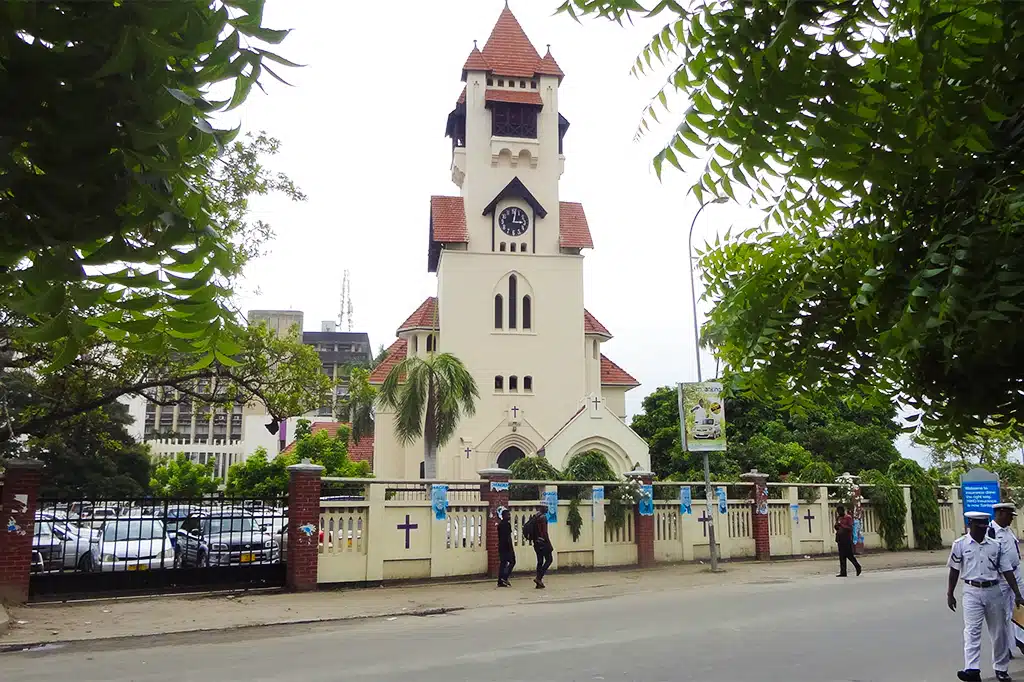
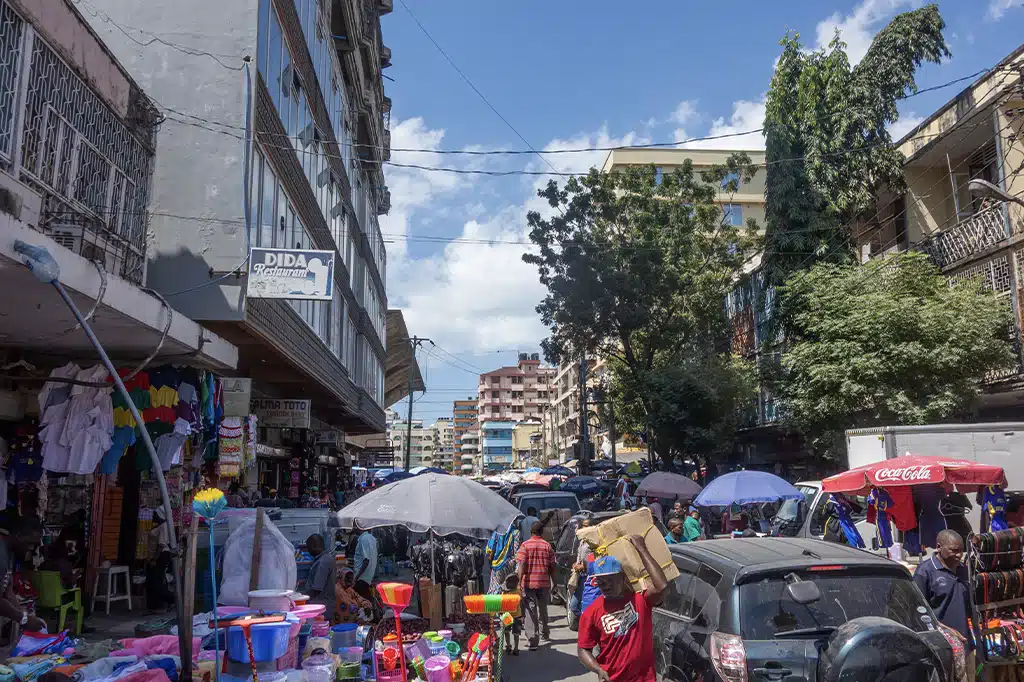
One of the best ways to explore this cultural heritage is by visiting the vibrant markets. Kariakoo Market, the city’s largest market, offers diverse things, from fresh local produce to handmade crafts and attire. Dive into the lively atmosphere, interact with local vendors, and shop for unique souvenirs.
Explore the neighbourhoods and visit religious landmarks to better understand Tanzania’s cultural heritage. The Khoja Shia Ithna-Asheri Mosque and the Azania Front Lutheran Church symbolise the city’s religious diversity.
Stroll along the Kigamboni district’s streets, known for its vibrant markets, street food stalls, and live music performances. Immerse yourself in the city’s diverse communities’ sights, sounds, and flavours.
Historical Landmarks in Dar es Salaam
Dar es Salaam has a rich historical legacy that reflects its colonial past and journey to independence. The Askari Monument stands tall in the city centre, memorialising Tanzanian soldiers who fought in World War I.
Established by the German East Africa Company, Dar es Salaam played a crucial role as an administrative and commercial centre in German East Africa. During World War I, the British captured the city, leading to the area becoming Tanganyika.

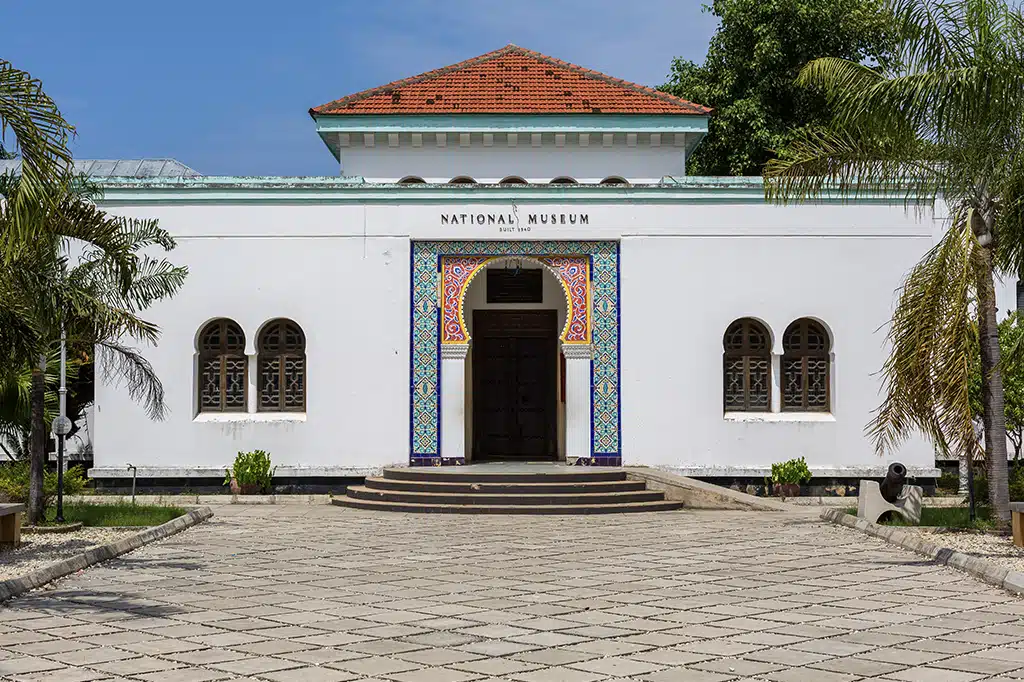
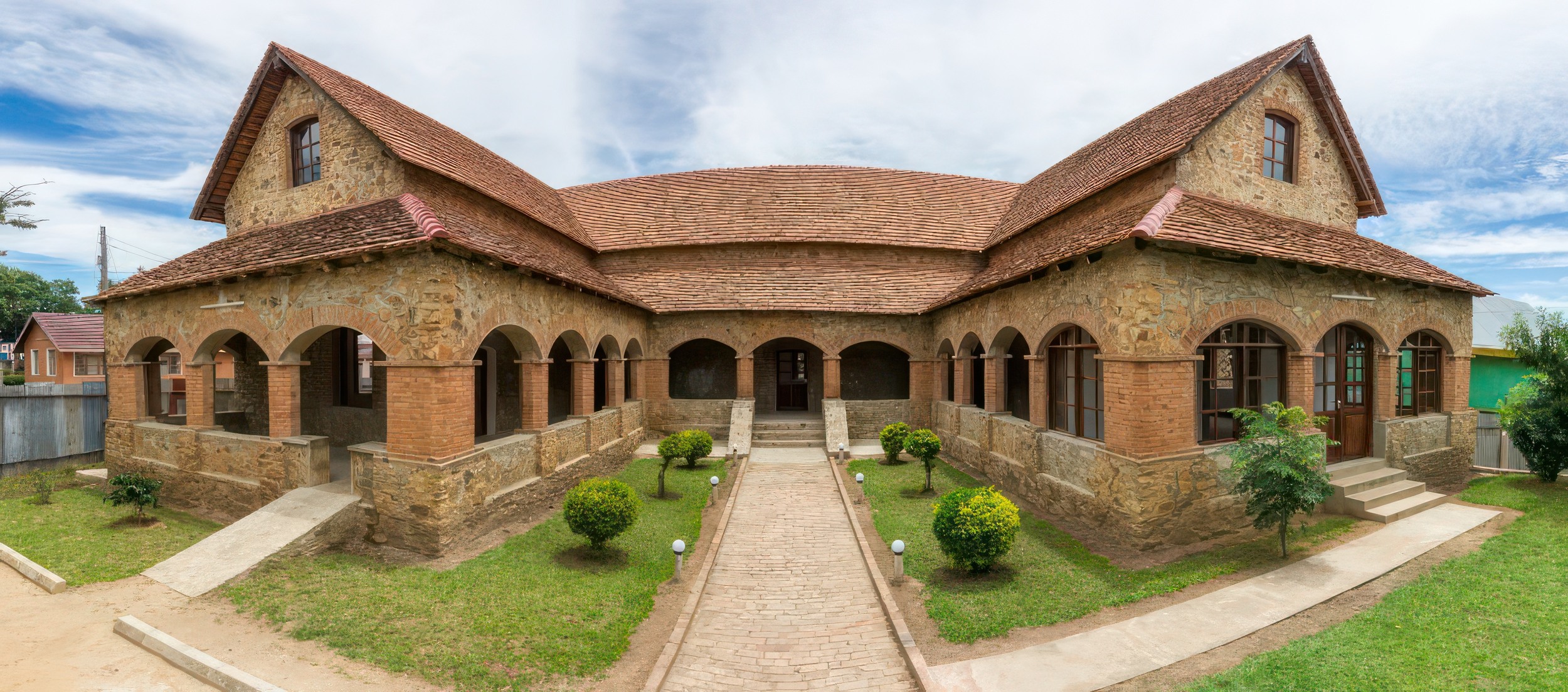
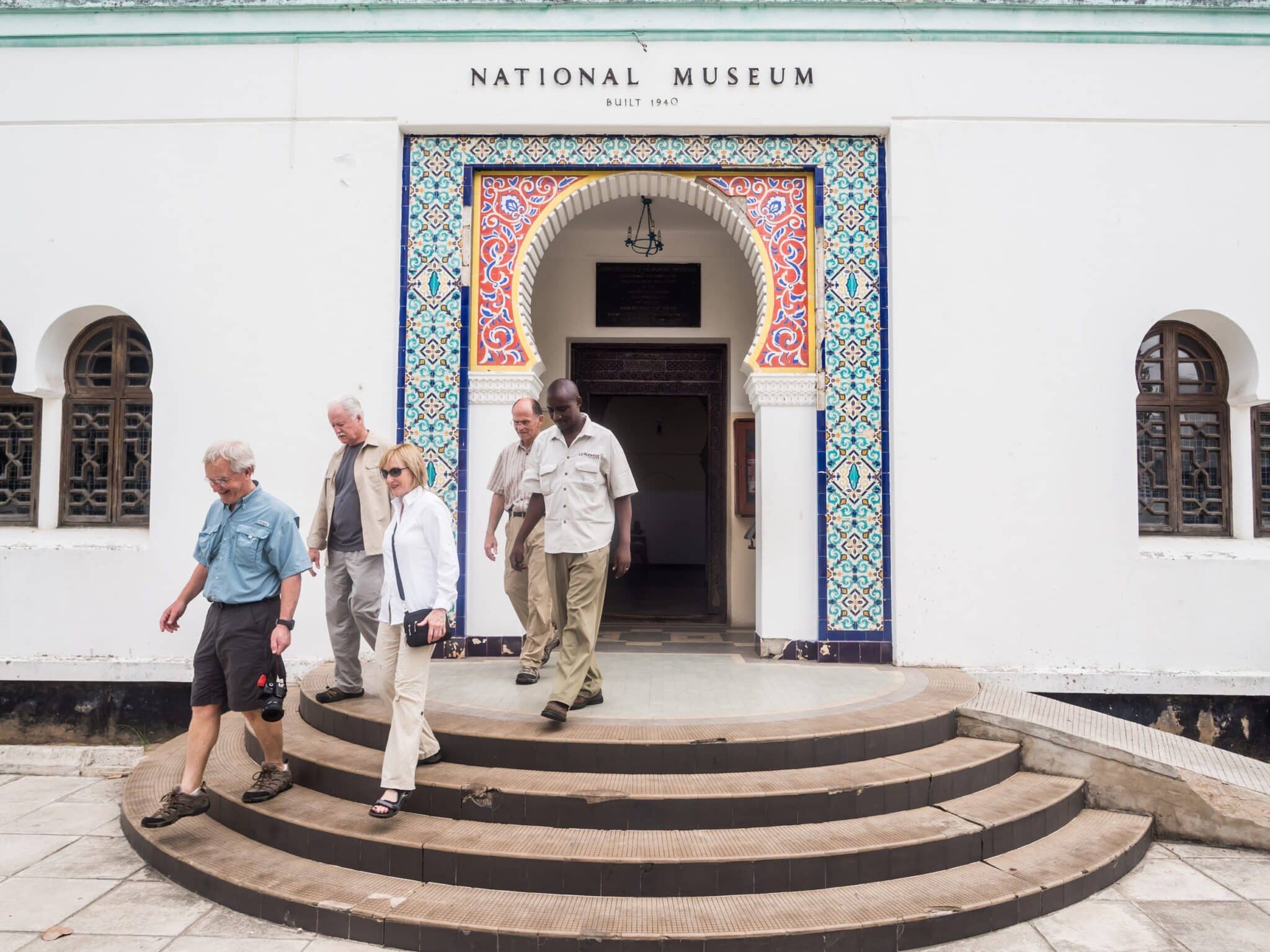
Explore the National Museum and House of Culture, where you can learn about Tanzania’s history, archaeology, and art through engaging exhibits and displays. The Old Boma, a German colonial-era building, is now a cultural centre that showcases the city’s heritage.
To delve deeper into history, take a day trip to Bagamoyo, a coastal town with immense historical significance. Visit the Bagamoyo Old Town, where colonial-era buildings and ancient ruins paint a picture of the town’s past as a trading centre and a gateway to the interior of East Africa. The Bagamoyo Slave Market and the Kaole Ruins offer insights into the slave trade and the region’s archaeological heritage.
Pristine Beaches
Dar es Salaam’s coastline is blessed with beautiful beaches that offer an idyllic escape from the city’s hustle and bustle. Coco Beach, located near the city centre, is a popular spot for locals and tourists, making it easily reachable by multiple transportation options.
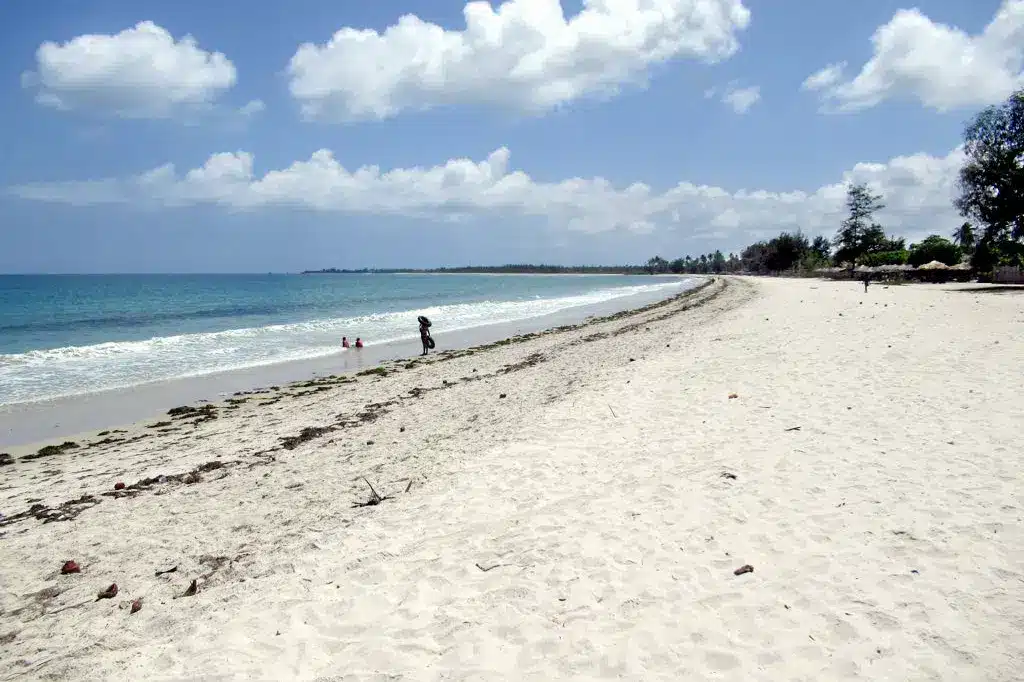
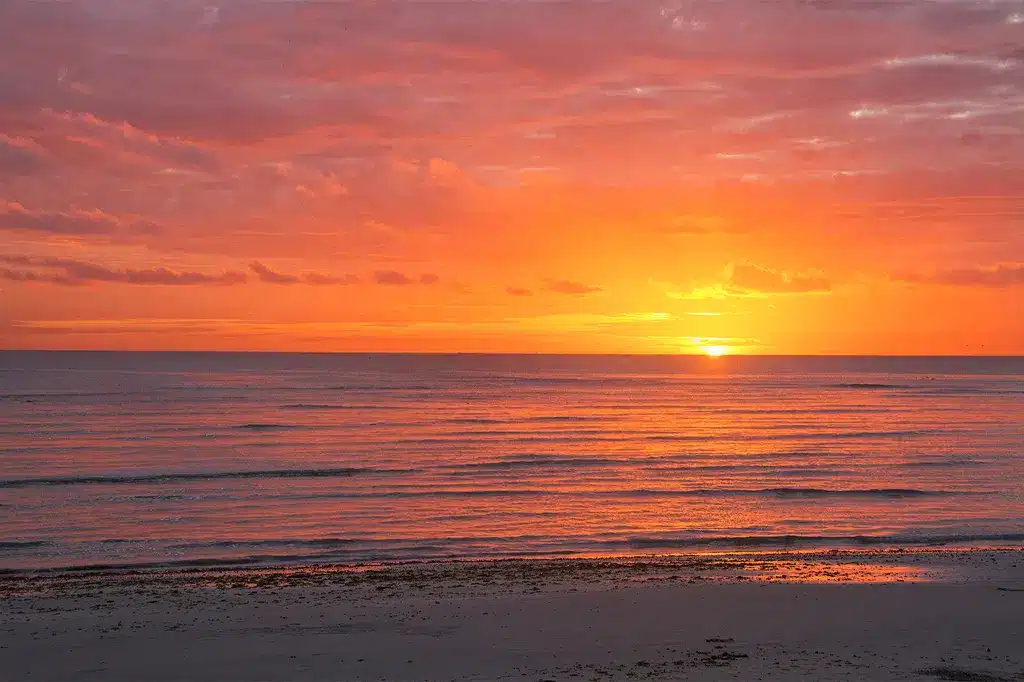
Relax on the gentle sand, swim in the pristine waters, or enjoy a cool drink at a beachside café. For a more serene beach experience, head to Kunduchi Beach, a short drive from the city. This beach offers a tranquil setting, perfect for unwinding and enjoying the beauty of the Indian Ocean.
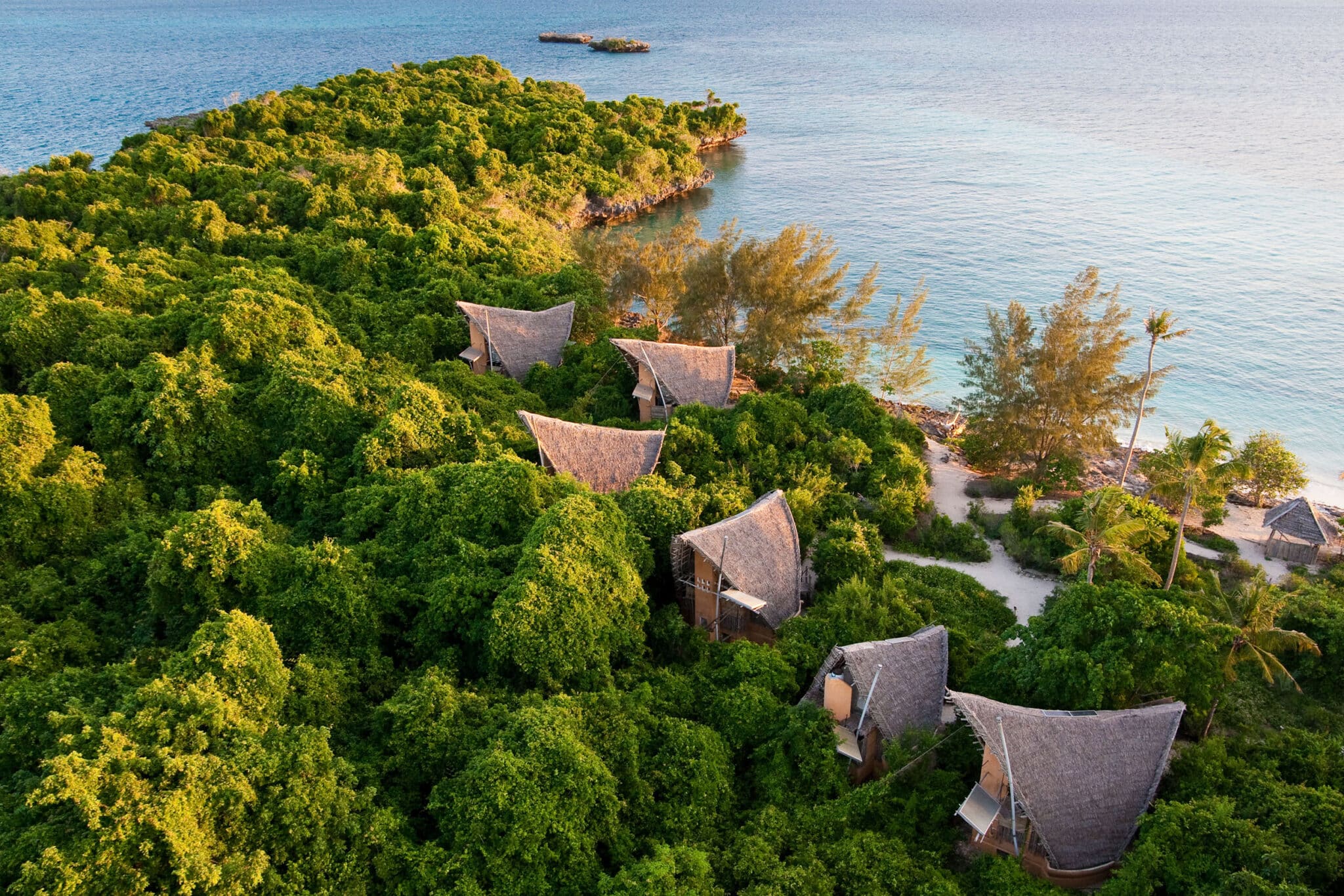
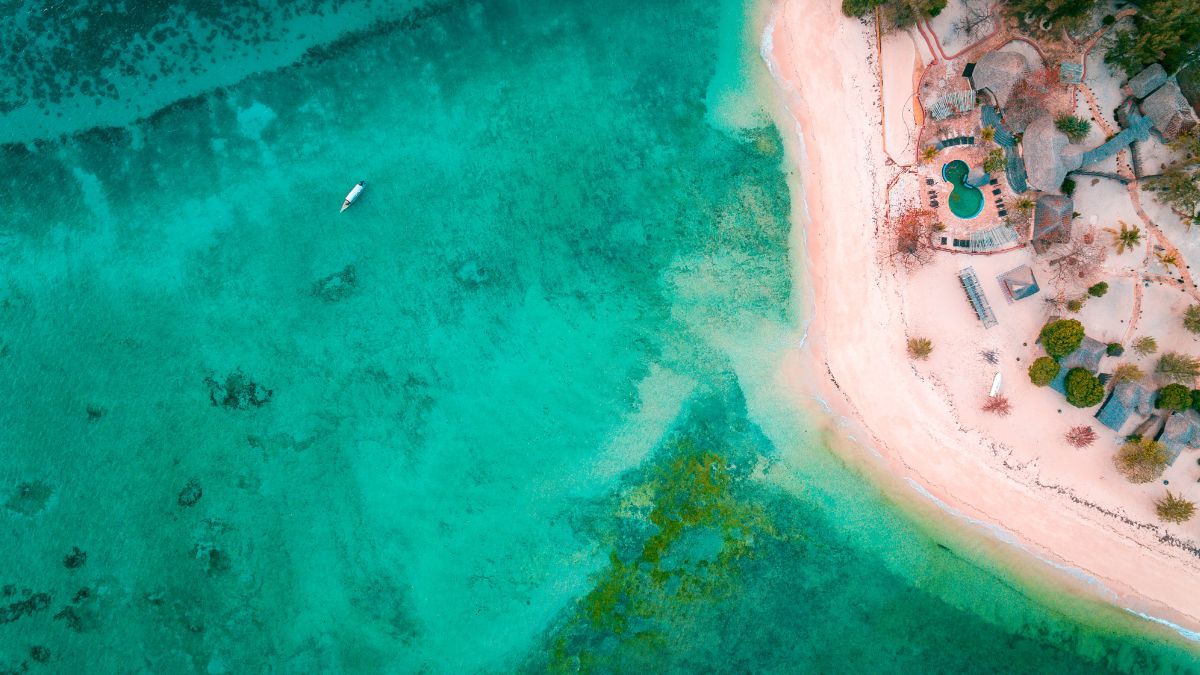
To explore more secluded beaches, venture to nearby islands such as Bongoyo and Mbudya. These pristine islands are accessible by boat and offer a paradise-like setting with white sand beaches, turquoise waters, and vibrant coral reefs. Snorkel, swim or bask in the sun while surrounded by the islands’ natural beauty.
Vibrant Markets and Shopping
Dar es Salaam is a haven for shoppers, with various markets and shopping experiences to satisfy your retail therapy cravings. In addition to Kariakoo Market, the city boasts modern shopping malls where you can find local and international brands.
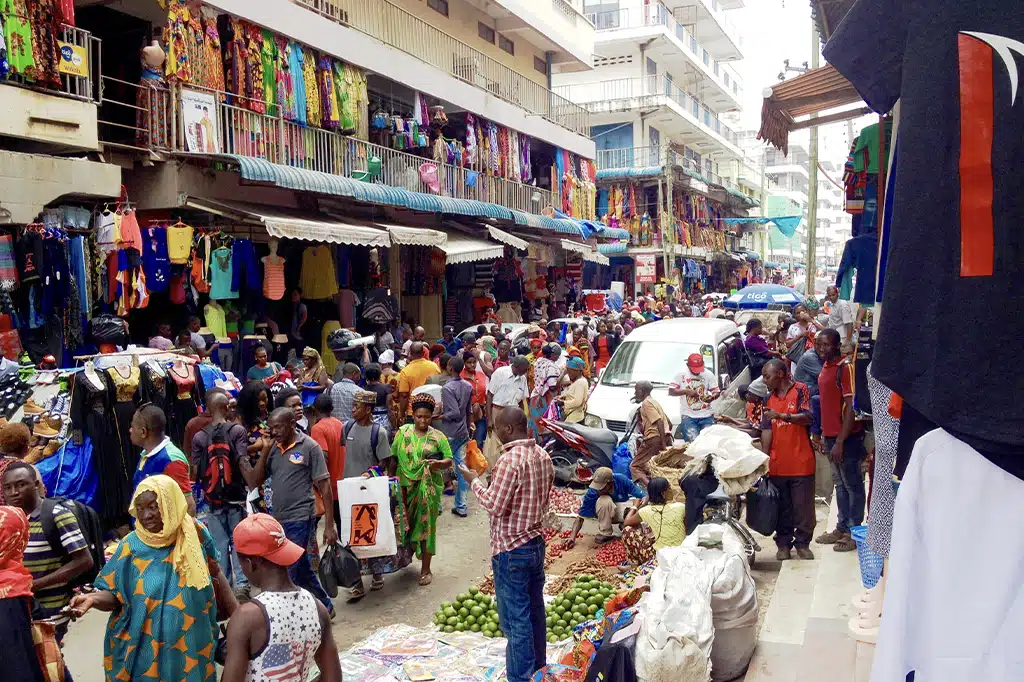

Slipway Shopping Center, Mlimani City Mall, and Seacliff Village Mall offer a mix of fashion, electronics, and dining options. Explore the malls, browse through the shops, and find unique treasures to take home.
For a more traditional shopping experience, visit the Mwenge Craft Market. This bustling market is a haven for local artisans, showcasing an array of handmade crafts, artwork, and souvenirs. Support local craftsmanship and take home authentic pieces that capture the spirit of Tanzania.
Gateway to Tanzania’s Natural Wonders
Dar es Salaam is a vibrant city and a gateway to Tanzania’s spectacular natural wonders. Please take advantage of its proximity to explore national parks and islands.
Dar es Salaam is a gateway to Northern National Parks, including Kilimanjaro National Park and Lake Manyara National Park. Mount Kilimanjaro, Africa’s highest mountain, is a popular destination for climbers. Lake Manyara is a sought-after safari destination known for its diverse habitats and vibrant birdlife.
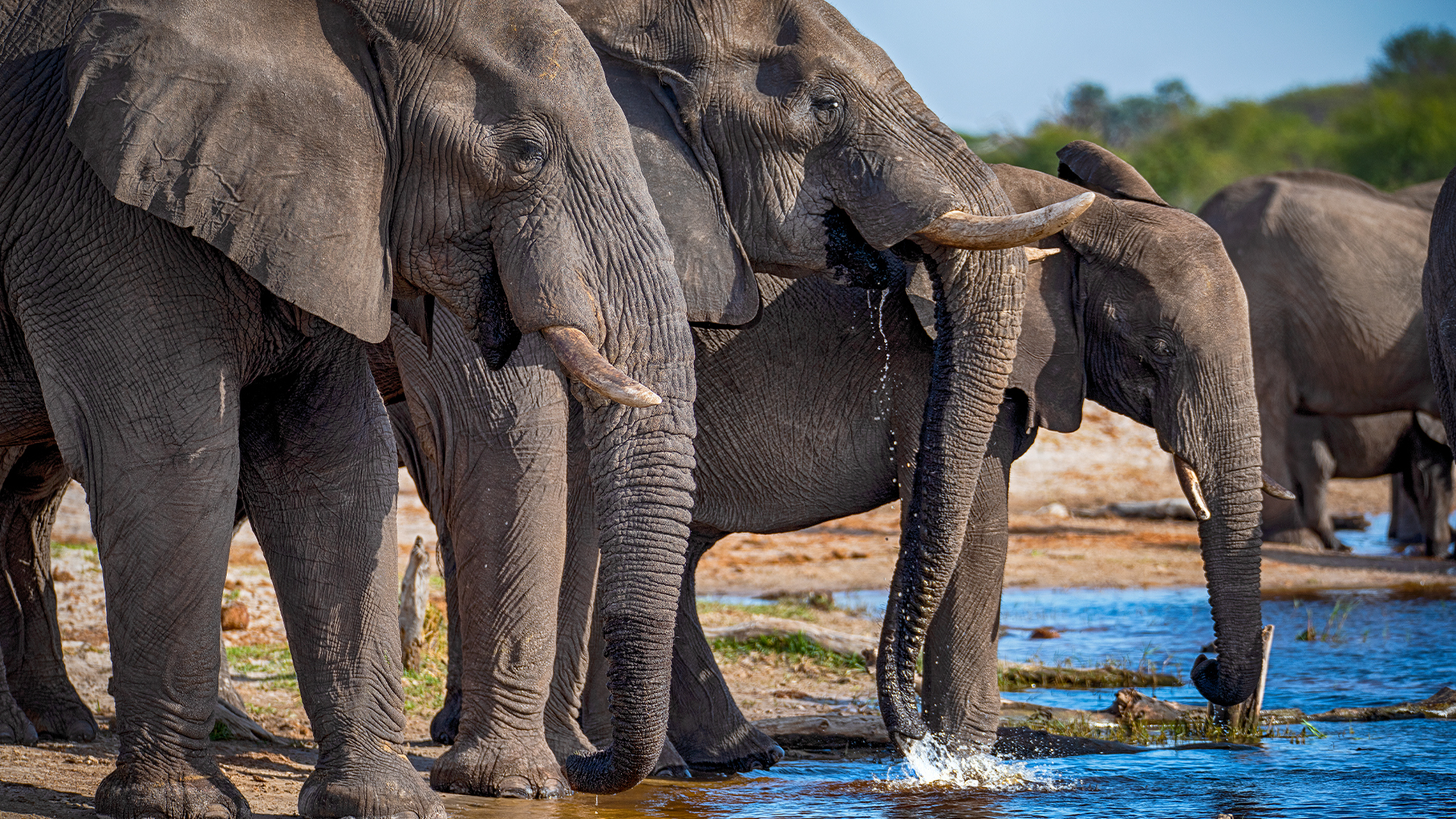
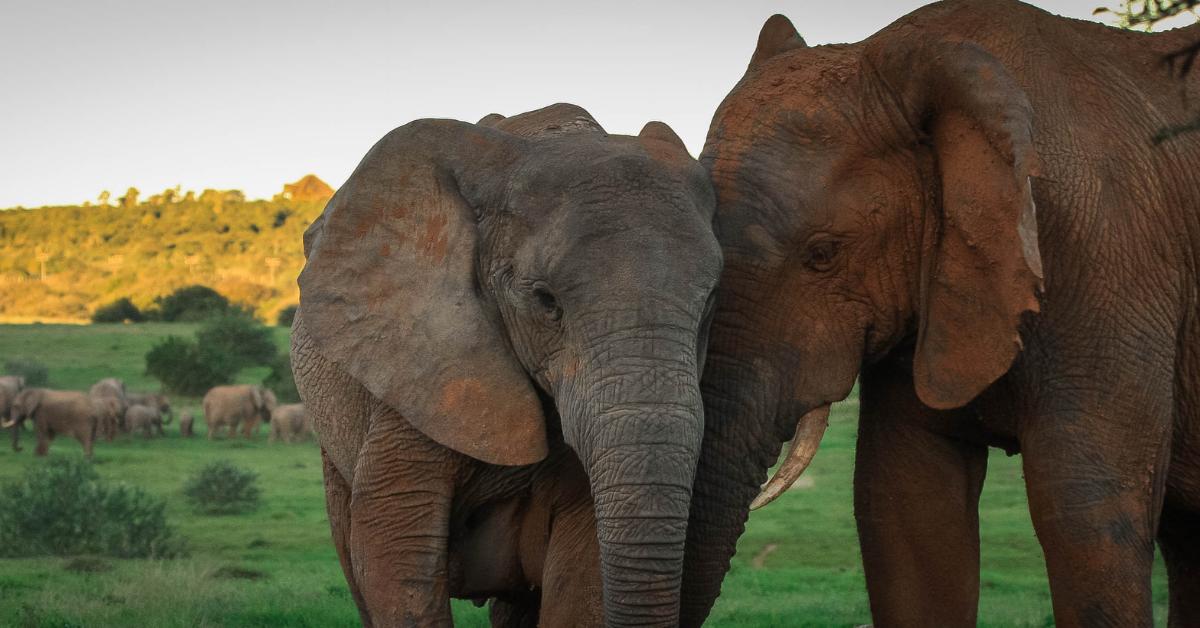
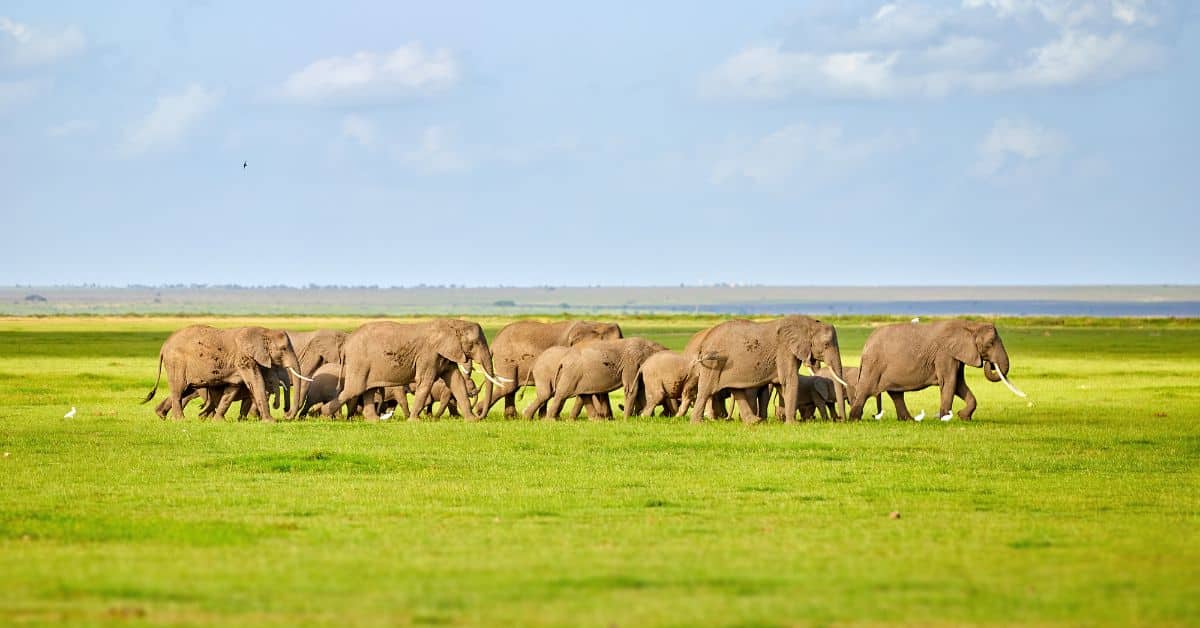
Selous Game Reserve and Mikumi National Park are accessible from Dar es Salaam and offer incredible wildlife viewing opportunities: witness elephants, lions, giraffes, and other majestic creatures in their natural habitats.
For an island escape, hop on a short flight or ferry to Zanzibar. This enchanting archipelago is known for its stunning beaches, historic Stone Town, and vibrant culture.
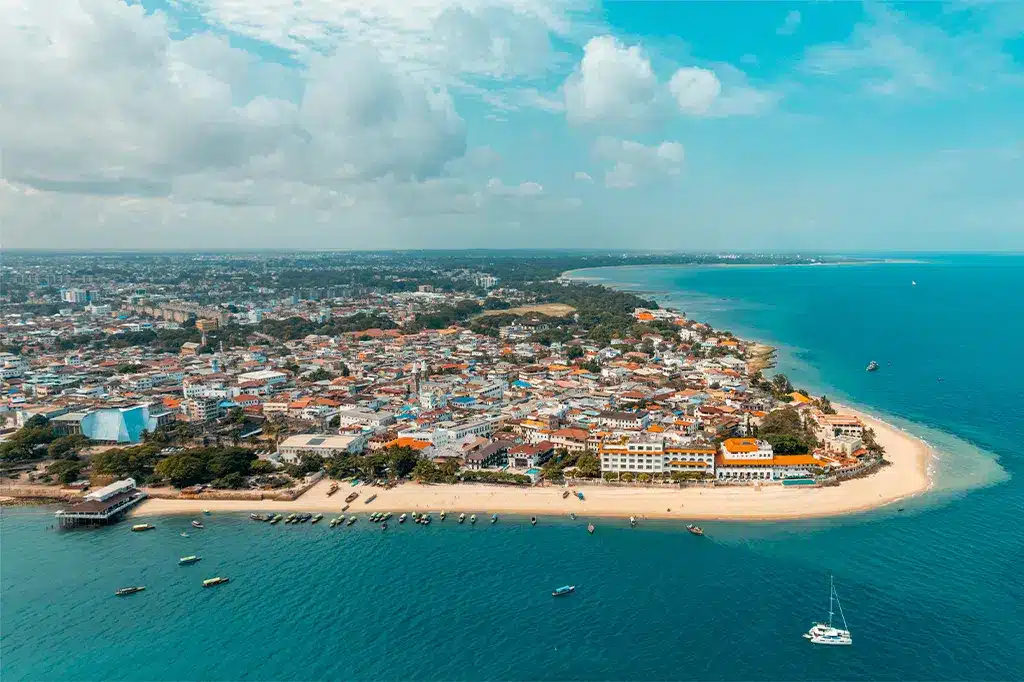

Explore Stone Town, a UNESCO Heritage Site famous for its labyrinthine streets and historic buildings. Relax on the pristine white sands of Nungwi or Kendwa Beach, or delve into the area’s rich history at the Slave Market and the Palace Museum.
Final Thoughts
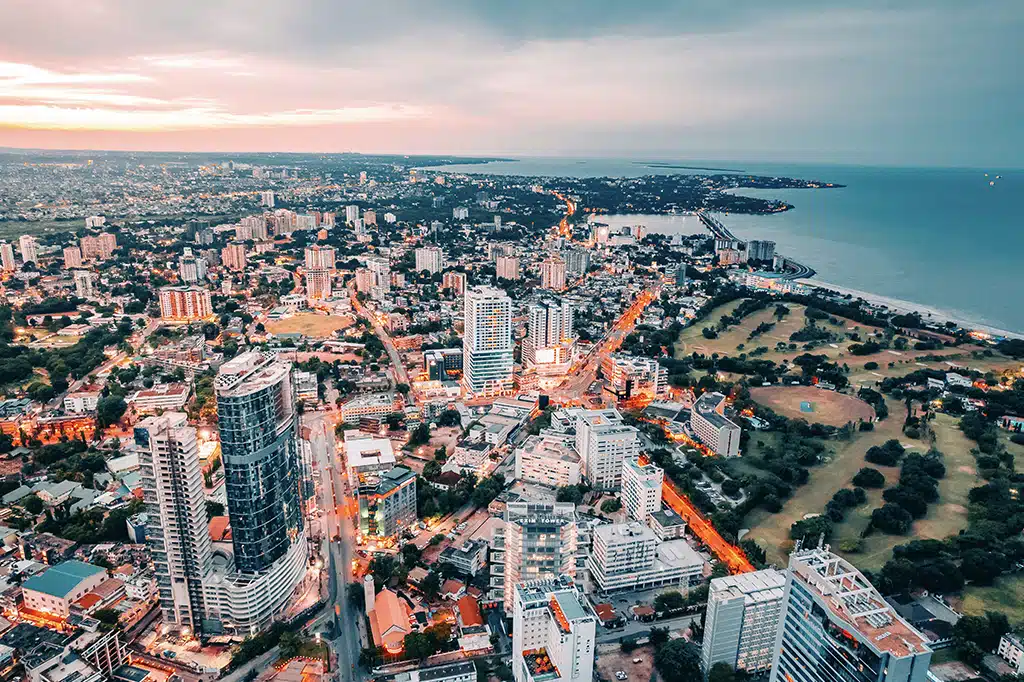
In conclusion, Dar es Salaam is a captivating city that offers a blend of rich culture and history, stunning beaches, vibrant markets, and easy access to Tanzania’s natural wonders. Whether you’re a history enthusiast, beach lover, shopaholic, or nature explorer, Dar es Salaam has something for everyone. Plan your visit in 2025/2026 and experience the magic of this vibrant East African destination.
Frequently Asked Questions (FAQs)
1. What is the best time to visit Dar es Salaam?
The best period to visit Tanzania, particularly Dar es Salaam, is during the dry season (June to October) and late December to early March. During these periods, the city experiences substantially less rainfall and sports moderate temperatures, making it perfect for various outdoor activities.
Whether you’re interested in leisurely beach excursions, immersing yourself in adventurous water sports, or simply strolling through Dar es Salaam’s diverse neighbourhoods, the dry season offers the ideal climate. But it’s not just the weather that makes these months attractive.
The wildlife around the city is most visible and active during these dry spells, enhancing the chances of memorable wildlife encounters during your visit. Yet, regardless of the time of year, Dar es Salaam is continually vibrant due to its rich cultural offerings and bustling city life.
So, while the dry season is particularly traveller-friendly, the city’s lively markets, art scene, delicious cuisine, and historical landmarks make it a worthwhile destination year-round.
2. What languages are spoken in Dar es Salaam?
Swahili, also known as Kiswahili, is the official language of Tanzania and is prevalently spoken throughout Dar es Salaam. English is a secondary language used in hotels, restaurants, and areas mainly frequented by tourists.
This is a boon for visitors from English-speaking countries, as it considerably eases communication during travel, whether it’s for ordering a meal, booking a room, or seeking directions. Despite this, Dar es Salaam’s ethnic diversity also means that you may hear other local languages during your visit, giving you an authentic taste of the city’s rich linguistic tapestry.
Learning a few basic Swahili phrases can significantly enhance your travel experience as a visitor. Familiarizing yourself with standard greetings or critical phrases helps you connect more closely with locals. It enables you to engage deeply with the culture, making your stay in Dar es Salaam even more fulfilling and exciting.
3. Is Dar es Salaam safe for tourists?
Dar es Salaam city is generally safe for tourists and hosts numerous visitors annually. As with all major cities, staying alert in crowded areas and safeguarding personal belongings are necessary. Knowing and respecting local customs and cultural traditions also ensures a safe travel experience.
As in any urban destination worldwide, avoiding isolated areas after dark in Dar es Salaam is advisable. Before planning your trip, refer to the travel advisories for important safety information. This can assist in thoughtfully scheduling your activities and guaranteeing your visit is safe and enjoyable.
4. Can I use credit cards in Dar es Salaam?
In Dar es Salaam, the convenience of digital transactions is generally accessible. Most hotels, restaurants, and larger shops in the city readily accept credit and debit cards.
This makes it easy for tourists to make payments, whether settling hotel bills, enjoying a fine dining experience, or purchasing items from larger shopping establishments. This accessibility to card transactions is beneficial as it removes the necessity to carry significant amounts of cash, which might raise safety concerns.
Conversely, when it comes to local markets or smaller businesses typical of city neighbourhoods, carrying some Tanzanian Shillings with you is advisable. In these places, cash transactions are still the norm. Further, ATMs, dispensing Tanzanian Shillings, can be found throughout the city, providing an easy source of local currency when needed.
Money changers are available for those carrying foreign currency and will typically exchange all major currencies. Therefore, even while favouring cashless transactions, having some cash with you is beneficial, given the blended nature of Dar es Salaam’s payment landscape.
5. Do I need a visa to visit Dar es Salaam?
Visa requirements vary from country to country when travelling to Tanzania. It is essential to consult with your local Tanzanian embassy or consulate for current information. Typically, Tanzania mandates visas for a majority of foreign visitors.
However, the country does offer some flexibility. Certain nationalities can obtain a visa upon arrival at Dar es Salaam airport. This can facilitate a more seamless entry into the country.
6. How can I get around in Dar es Salaam?
Dar es Salaam has a variety of public and private transportation options. These include the Rapid Transit System (BRT), motorbike taxis, and minibuses known locally as “Dala Dalas”. Car hire services are also available, but traffic can be dense, especially during peak times.
7. What are the must-see attractions in Dar es Salaam?
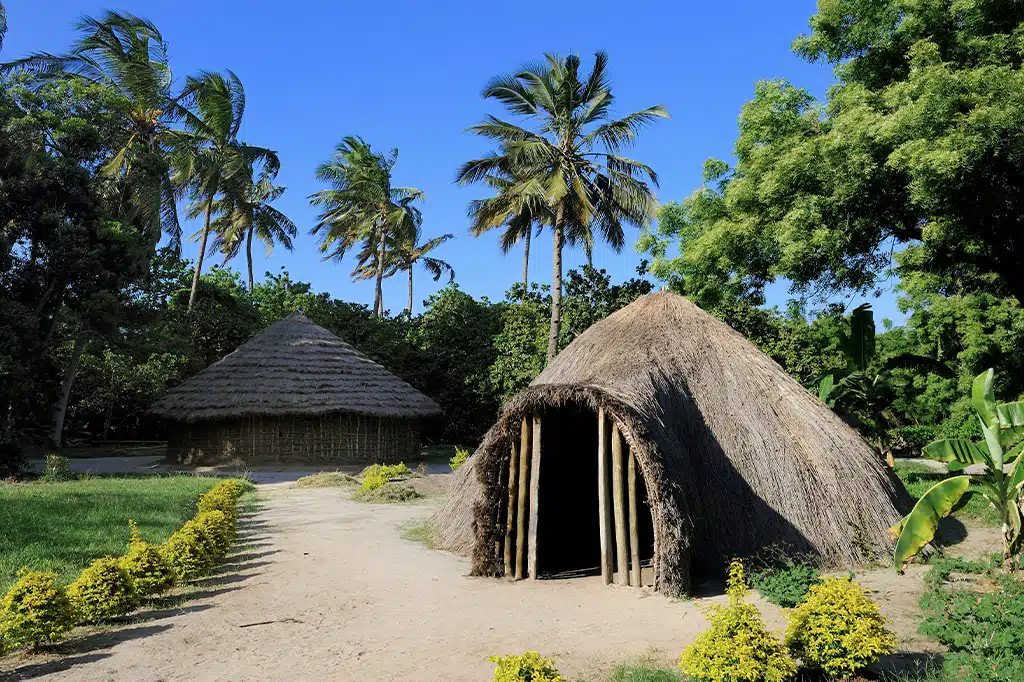
Dar es Salaam, a city rich in cultural depth and natural beauty, offers different attractions catering to various interests. The National Museum and House of Culture is a must-see that showcases the region’s historical and cultural heritage. In contrast, the Village Museum offers a perspective into the traditional life of Tanzanian tribes through open-air displays.
St. Joseph’s Cathedral is an impressive Gothic monument for those seeking spiritual destinations. If your interest lies in vibrant local commerce and unique shopping experiences, the Kariakoo Market is a bustling hive of activity. Lastly, the city’s pristine beaches offer relaxation for nature lovers, and a quick boat trip to nearby Bongoyo or Mbudya islands can provide the perfect getaway.
8. What local dishes should I try in Dar es Salaam?
Dar es Salaam provides an array of local dishes that will appeal to food enthusiasts seeking exciting flavours. Ugali, a staple Tanzanian cornmeal porridge, is often served alongside delicious accompaniments such as nyama choma (barbecued meat) or Tanzanian fish curry, each reflecting the region’s distinctive taste profile.
Apart from sit-down meals, the city teems with local street food options worth savouring. Mishkaki, the Tanzanian spin on grilled meat skewers, is a popular choice for a quick and tasty bite. Equally enticing is chips mayai, an indulgent omelette made with French fries. To top it off, delight your taste buds with an assortment of fresh tropical fruits the city offers, rounding out an authentic Tanzanian culinary experience.
9. What shopping opportunities does Dar es Salaam offer?
Dar es Salaam caters to different shopping preferences with its blend of traditional markets and modern malls. The bustling Kariakoo Market is an ideal stop for those looking to immerse themselves in local culture and purchase traditional textiles, aromatic spices, or fresh produce in a vibrant, street-style setting.
For art and craft enthusiasts, the Mwenge Carvers’ Market is a treasure trove offering a variety of Tanzanian woodcrafts. A walk through the market lanes could inspire the addition of unique, handmade pieces to your art collection.
In contrast, those seeking a more contemporary shopping experience find the Mlimani City Mall and the Sea Cliff Village fitting. These modern commercial centres host a range of branded stores, offering anything from clothing to electronics, thus completing the diverse shopping experiences Dar es Salaam offers its visitors.
10. Are there opportunities to see wildlife around Dar es Salaam?
While Dar es Salaam might not be known as a wildlife destination, its location provides easy access to many incredible wildlife experiences. A short journey from the city brings you to Mikumi National Park, known for its diverse wildlife, making it a perfect spot for safari enthusiasts.
Further afield, the Selous Game Reserve is another excellent getaway for adventurers to view various animals in their natural habitat. Animal encounters in Dar es Salaam are not limited to land; they also extend underwater.
The city’s nearby ocean teems with rich marine life, providing ample opportunities for water enthusiasts. Visitors enjoy scuba diving and snorkelling, opening up a world of colourful corals and fascinating underwater creatures.
Whether on land or beneath the sea, the area around Dar es Salaam offers a fantastic palette of wildlife experiences for every nature lover.
11. Can one swim in the ocean around Dar es Salaam?
Dar es Salaam is a waterfront city featuring several beautiful beaches perfect for swimming and soaking up the sun. Coco Beach, located in the Oyster Bay area, is a popular local hangout with its lively environment and sweeping ocean views.
South Beach is another must-visit destination, known for its calm waters and sandy stretches – an ideal setting for a refreshing swim. If you are up for a quick trip from the city, the beaches on the nearby Bongoyo and Mbudya islands provide a serene escape, boasting clear waters and pristine sandy beaches.
Regardless of the beach you choose, paying attention to local advisories concerning sea conditions and marine life is crucial. Prioritising safety ensures you enjoy these magnificent beach locales in and around the city.
12. Is it possible to explore nightlife in Dar es Salaam?
Dar es Salaam is known for its energetic nightlife, offering varied entertainment options for night owls. Many clubs, bars, and live music venues dot the city, catering to
Dar es Salaam is known for its energetic nightlife, offering varied entertainment options for night owls. Many clubs, bars, and live music venues dot the city, catering to different musical tastes and moods.
musical tastes and moods.
You can immerse yourself in the local culture by exploring a traditional music club where Taarab, a popular music genre in Tanzania, is performed live. These clubs provide an immersive experience of local music traditions; alternatively, if contemporary beats are more to your liking, modern nightclubs in the city play international hits that will have you dancing well into the night.
Regardless of the venue, respecting local customs and etiquette while indulging in the vibrant nightlife is crucial. Moreover, irrespective of how much fun you’re having, it’s vital to drink responsibly, ensuring your partying doesn’t become a safety concern. With these points in mind, you’ll enjoy Dar es Salaam’s lively after-dark scene.
13. What cultural etiquette should I follow in Dar es Salaam?
While Tanzanians are generally hospitable and understanding towards visitors, respecting local customs is essential. Dress modestly, particularly when visiting religious sites. Greetings are significant in Tanzanian culture, so a polite “hello” in Swahili (Jambo) goes a long way. Lastly, remember to ask permission before taking photographs of local people.