

East Africa, home to renowned destinations like the Serengeti and Zanzibar, also boasts the picturesque town of Tanzania Moshi, nestled at the foothills of Mount Kilimanjaro.
With its stunning landscapes, vibrant culture, and thrilling outdoor activities, Moshi offers an unforgettable experience to travelers. Whether you are seeking an adrenaline-pumping trek to Africa’s highest peak or a serene escape surrounded by natural beauty, here are five compelling reasons why you should plan a visit to Moshi in 2025/2026.
Moshi: The Gateway to Mount Kilimanjaro
Moshi serves as the main gateway to Mount Kili, the highest free-standing mountain in the world. If you’ve ever dreamt of conquering the Roof of Africa, this is your chance to climb Mount Kilimanjaro and embark on a life-changing adventure.
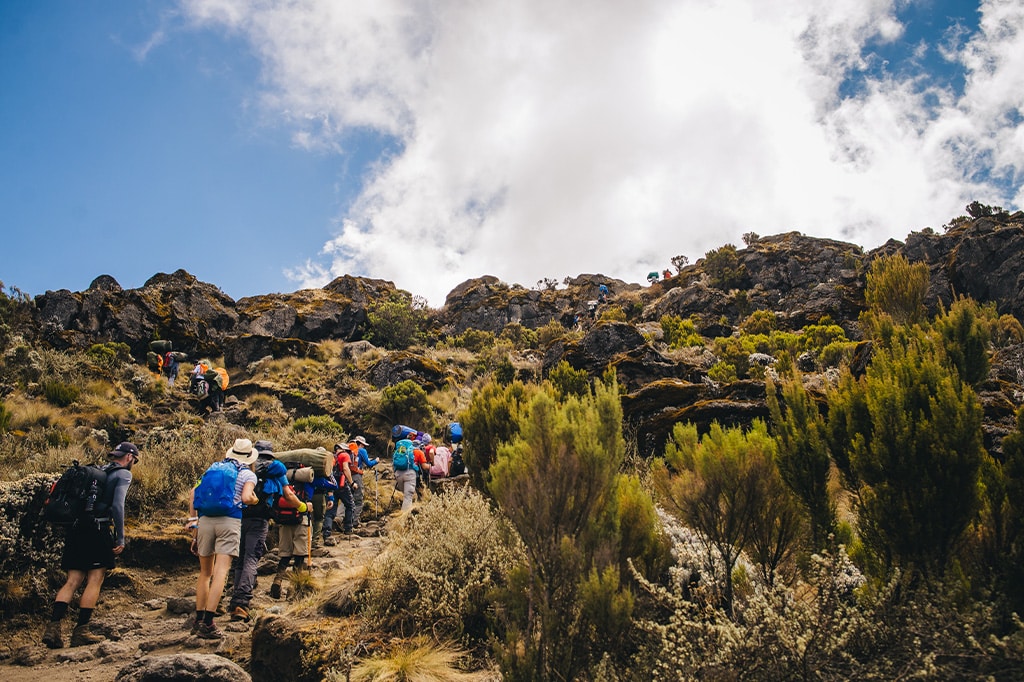

Climbing Mount Kilimanjaro offers guided tours with various routes available for different fitness levels, ensuring an unforgettable experience for all. The town offers multiple climbing routes that cater to different experience levels, making it accessible to both seasoned climbers and first-timers.
1. Moshi Climbing Options
The Marangu, Machame, Lemosho, and Rongai routes are popular options for climbing Kilimanjaro, each providing a unique experience and breathtaking vistas. Kilimanjaro hiking offers detailed itineraries for these routes, including information about the duration, distance, and various campsites.
You can select shorter or longer treks based on your fitness level and preferences. Experienced guides and porters will assist you to ensure your safety and comfort.
2. Witnessing the Sunrise from Uhuru Peak
The summit of Kilimanjaro, known as Uhuru Peak, offers a once-in-a-lifetime opportunity to witness the sunrise from the highest point on the African continent after climbing Kilimanjaro. The awe-inspiring panoramic views from the summit will leave you speechless and make the challenging ascent well worth it.
Lush Coffee Plantations at Moshi: A Glimpse into Tanzanian Coffee Culture
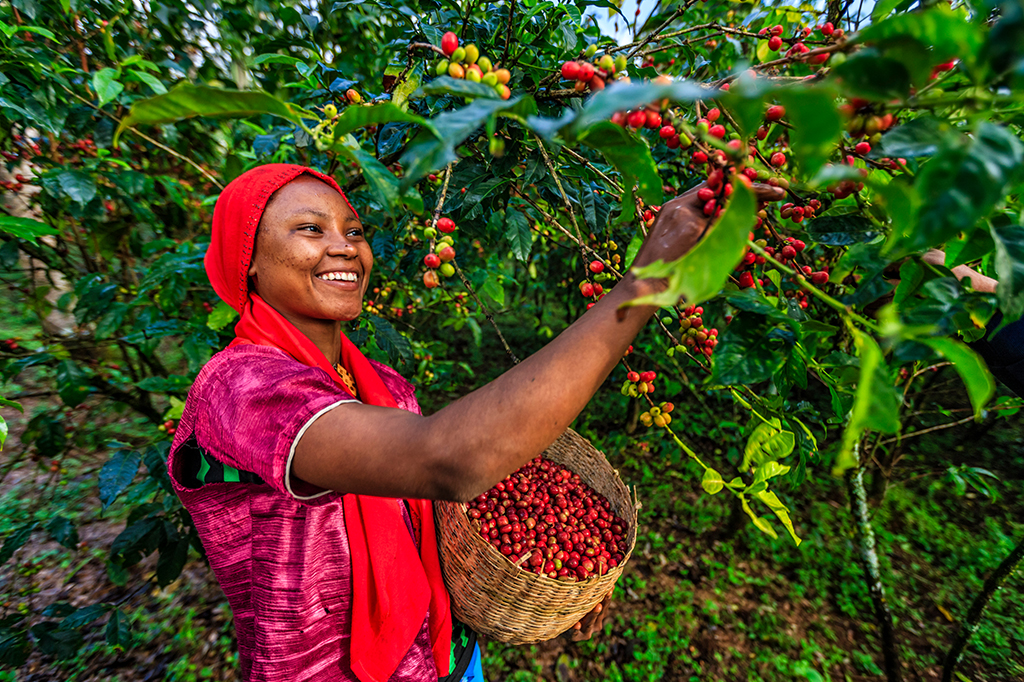

Moshi is renowned for its lush coffee plantations that dot the surrounding landscapes. Visiting one of these plantations provides a unique opportunity to delve into Tanzanian coffee culture.
1. Coffee Tours
Embark on a coffee tour to learn about the intricate process of coffee cultivation, harvesting, and processing. Knowledgeable guides will take you through the entire journey, from picking ripe coffee cherries to roasting and brewing the beans.
The rich aroma of freshly roasted coffee will tantalize your senses, and you’ll get to sample some of the finest coffee brews straight from the source. Don’t miss the chance to explore Moshi’s unique blend of flavors and experiences, promising a journey you won’t soon forget.
2. Interaction with Local Farmers
During the coffee tour, you’ll have the chance to interact with local farmers, who will share their passion for coffee farming and their experiences of cultivating this prized commodity. This intimate interaction provides valuable insights into the lives and traditions of the local communities.
It’s a unique opportunity to appreciate firsthand the dedication and expertise that go into producing Moshi’s renowned coffee. This ensures you gain a deeper understanding and appreciation for the region’s cultural and agricultural heritage.
Serengeti and Ngorongoro Safari Adventures: Witness the Great Migration


Moshi’s strategic location in northern Tanzania makes it an ideal starting point for exploring Tanzania’s most iconic national parks, such as Serengeti Park and Ngorongoro Conservation Area. Choosing a responsible tour company for safari adventures is vital to ensure a safe and ethical travel experience.
1. The Great Migration
Witnessing the Great Migration is a once-in-a-lifetime experience that should be noticed. As you venture into the Serengeti, you’ll witness the awe-inspiring spectacle of millions of wildebeests, zebras, and other wildlife migrating in search of greener pastures.
It is one of the most fantastic wildlife spectacles in the world, and it has to be one of the highlights of your safari.
2. Ngorongoro Crater
The Ngorongoro Crater, a UNESCO Heritage Site, offers a unique safari experience with abundant wildlife and stunning scenery. Descend into the crater floor, and you’ll find yourself surrounded by various animals, including lions, elephants, rhinos, and more.
The crater’s compact size makes it exceptional for gaming and viewing. Wildlife enthusiasts must visit the place.
Cultural Encounters: Explore the Chagga Heritage
Moshi is located in the heartland of the Chagga tribe, one of Tanzania’s largest ethnic groups. Exploring their rich cultural heritage adds a fascinating dimension to your visit.
You can rely on the expertise and reliable advice a tour operator provides for cultural tours.
1. Traditional Chagga Village Visits
Embark on a journey to a traditional Chagga village, where you’ll have the chance to interact with the locals and learn about their customs, traditions, and way of life. Experience traditional dances, taste authentic Chagga cuisine, and witness the craftsmanship of the locals as they demonstrate age-old practices such as banana beer brewing and basket weaving.
2. Kilimanjaro Cultural Tourism Program
The Kilimanjaro Cultural Tourism Program offers a range of activities designed to promote sustainable tourism and provide visitors with an immersive cultural experience. Participate in guided nature walks, visit local markets, and enjoy traditional storytelling sessions to appreciate better the Chagga culture and the region’s natural wonders.
Outdoor Adventures: Waterfalls, Hiking, and Hot Springs

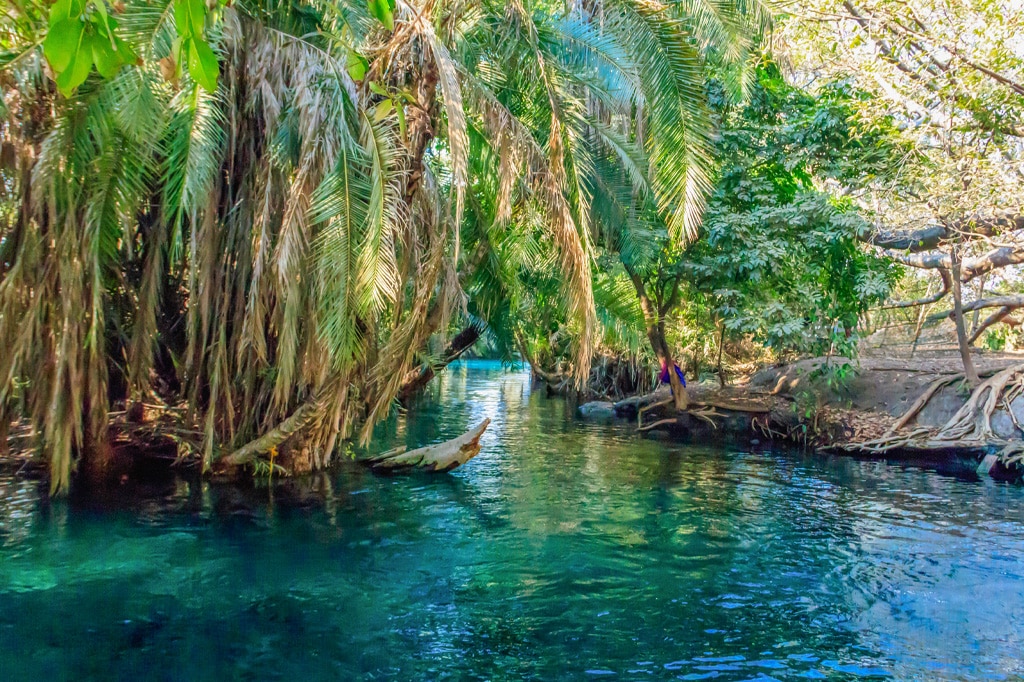
Moshi is surrounded by natural wonders that offer a multitude of outdoor adventures for nature enthusiasts and thrill-seekers. One highlight is the multi-day hiking itinerary on the Machame route of Mount Kilimanjaro, which includes a stay at Barranco Camp.
1. Majestic Waterfalls
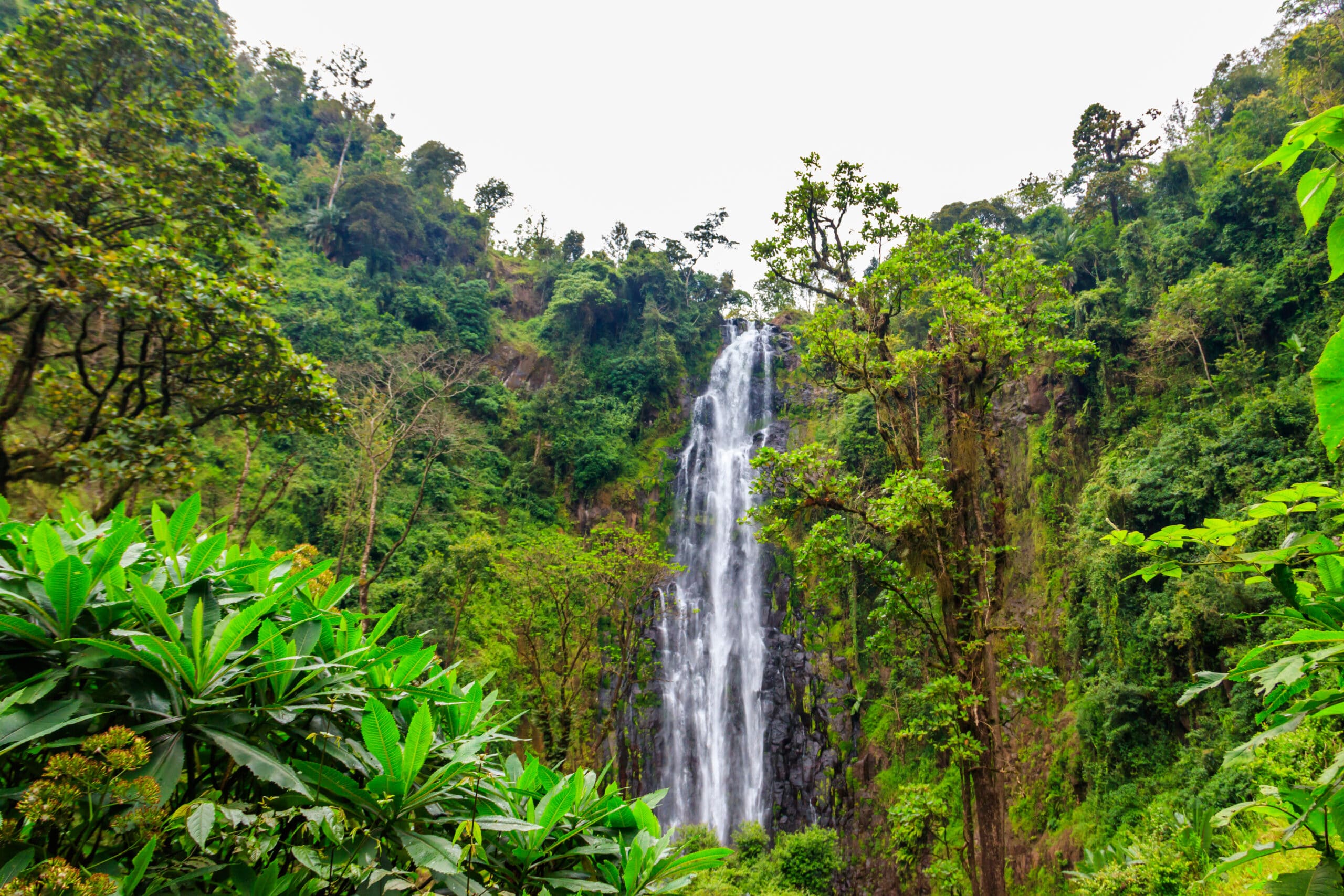
Moshi is a haven for nature lovers, offering a range of breathtaking waterfalls to explore. Materuni Falls and Marangu Falls are standout attractions that provide a captivating experience.
The journey to these falls takes you through lush forests and picturesque hiking trails, immersing you in the beauty of nature. On reaching the falls, take a refreshing dip in the calm waters and get a closer view of the power and elegance of cascading falls.
The surrounding scenery is perfect for photography and relaxation, with opportunities for picnicking and enjoying the tranquil atmosphere. These waterfalls also hold cultural significance, adding depth to your visit.
Overall, visiting the waterfalls in Moshi promises a memorable experience of natural beauty and tranquility.
2. Hiking and Nature Trails
Hiking and nature trails around Moshi let one experience its fantastic natural beauty. Landscapes covered with green fields and diversified ecosystems lead to scores of courses suitable for all kinds of hiking enthusiasts.
For those seeking a stroll, gentle paths wind through the forests, allowing you to take in the sights and sounds of nature at a relaxed pace. These trails often lead to scenic spots such as hidden waterfalls, picturesque viewpoints, and serene picnic areas where you can pause and appreciate the surroundings.
3. Relaxing in Hot Springs
After a day filled with thrilling adventures and cultural explorations in Moshi, there’s no better way to unwind than by immersing yourself in the rejuvenating hot springs scattered across the region. These natural wonders offer a blissful relaxation and healing experience, providing a perfect way to recharge your body and mind.
The hot springs in Moshi are known for their mineral-rich waters, which are believed to have therapeutic properties. The water contains various minerals, including calcium, magnesium, and sulfur, known to heal the body.
Immerse yourself in these warm waters and let the natural minerals work their magic, soothing your muscles and revitalizing your senses.
Final Thoughts
Moshi offers breathtaking natural beauty, vibrant cultural history, and heart-throbbing adventures. Be it the grand Mount Kilimanjaro, lively coffee plantations, or thrilling wildlife safaris alongside immersive cultural experiences, Moshi has it all.
So, mark your calendars and plan a visit to this enchanting town in 2025/2026, and be prepared to create memories that will last a lifetime.
Frequently Asked Questions (FAQs)
Why is Kilimanjaro Mountain a top destination for adventure seekers in Moshi?
Kilimanjaro Mountain is the highest peak in Africa and offers a challenging yet rewarding experience for adventure seekers. Climbing Kilimanjaro involves trekking through diverse ecological zones, from lush rainforests to alpine deserts.
The ascent to the summit, Uhuru Peak, at 5,895 meters, provides breathtaking views and a profound sense of achievement. The mountain’s accessibility, with several established routes, makes it a popular option for beginner and pro climbers.
What can I expect when staying at Kibo Hut during the Kilimanjaro climb in Moshi?
Kibo Hut is one of the final staging points before the summit push on the Marangu Route. Kibo Hut is located at 4,720 meters and offers basic sleeping facilities in dormitory-style rooms.
The hut provides shelter and a place to rest before the strenuous ascent to the crater rim and Uhuru Peak. The atmosphere at Kibo Hut is often filled with anticipation and camaraderie as climbers prepare for their summit attempt in the early morning hours.
What makes the Moshi’s Kilimanjaro region unique for travelers?
The Kilimanjaro region is unique for its stunning landscapes, rich cultural heritage, and diverse wildlife. The area is home to the Chagga people, who have a long history of living in harmony with the mountain environment.
Visitors can explore local villages, coffee plantations, and vibrant markets. The region also offers many outdoor activities, such as hiking, bird watching, and safaris in nearby national parks, making it a versatile destination for all travelers.
What is the experience like at Mandara Hut on the Marangu Route?
Mandara Hut is the first overnight stop on the Marangu Route, located at an altitude of 2,700 meters. The hut offers basic accommodations with bunk beds in communal dormitories.
The surrounding area is lush and green, with nearby attractions like the Maundi Crater. Mandara Hut provides a comfortable resting place after the initial day’s trek and is a great spot to acclimatize and enjoy the scenic beauty of the rainforest zone.
How challenging is the trek to the crater rim of Kilimanjaro?
The trek to the crater rim of Kilimanjaro is one of the most challenging parts of the climb, particularly on summit day. Climbers typically start their ascent from high camps like Barafu or Kibo Hut around midnight to reach the rim by sunrise.
The steep, rocky paths, high altitude, and cold temperatures make this section physically demanding.
What are the key features of the Marangu Route on Kilimanjaro?
The Marangu Route, famously known as the “Coca-Cola Route,” is one of the most popular paths to the summit of Kilimanjaro. Along the way, it is the only route that offers hut accommodations (Mandara, Horombo, and Kibo Huts).
The route is relatively gradual and considered one of the easier climbs, though the summit night is still demanding. Key features include the diverse scenery, ranging from rainforests to alpine deserts, and the opportunity to stay in communal huts, which provide a social atmosphere.
What can I expect at Horombo Hut in Moshi on the Kilimanjaro climb?
Horombo Hut, situated at 3,720 meters, is the second overnight stop on the Marangu Route. The hut provides dormitory-style accommodations with bunk beds and communal dining areas. The location offers stunning views of both Mawenzi and Kibo peaks.
Horombo Hut is a crucial acclimatization point, where climbers often spend extra days adjusting to the altitude. The surrounding area is dotted with unique plant species like giant groundsels and lobelias, adding to the experience.
How does the Lava Tower factor into the Kilimanjaro climbing experience in Moshi?
Lava Tower, located at approximately 4,630 meters, is a significant landmark on the Machame, Lemosho, and Shira routes. This volcanic formation provides a challenging acclimatization point as climbers ascend to the tower before descending to lower altitudes to camp.
The trek to Lava Tower helps people acclimate to high altitudes and lessens the risk of altitude sickness. The tower offers dramatic views and a sense of adventure, making it a memorable part of the climb.
Why is Kilimanjaro Mountain ideal for adventure seekers in Moshi?
Kilimanjaro Mountain offers adventure seekers the chance to tackle one of the world’s most iconic peaks without requiring technical climbing skills. The mountain’s varied routes cater to different experience levels and provide physical and mental challenges.
The journey involves traversing diverse ecosystems, facing high altitudes, and enduring harsh weather conditions. Successfully reaching the summit of Kilimanjaro is a thrilling accomplishment that attracts adventurers from around the globe.
What can I expect at Mweka Camp during the Kilimanjaro descent?
Mweka Camp is the final overnight stop for climbers descending Kilimanjaro via the Mweka Route. Located at around 3,100 meters, the camp offers basic camping facilities with tents in a forested area.
After the strenuous summit day, Mweka Camp provides a welcome place to rest and recover. The descent to Mweka Gate from this camp is relatively short and easy, marking the end of an unforgettable journey up and down Africa’s highest peak.
How does the Northern Circuit route on Kilimanjaro differ from other routes?
The Northern Circuit route is one of Kilimanjaro’s newest and longest routes, offering a more gradual ascent and better acclimatization opportunities. This route circumnavigates the mountain’s northern slopes, providing stunning views and a quieter, less crowded experience compared to other routes.
The Northern Circuit includes key landmarks like Lava Tower and offers diverse scenery, making it ideal for climbers seeking a comprehensive and scenic journey to the summit.
What is the significance of Mweka Gate in the Kilimanjaro climb?
Mweka Gate is the endpoint for several Kilimanjaro routes, including the Mweka and Lemosho routes. After descending from the summit, climbers check out at Mweka Gate, where they often receive certificates of achievement.
The gate area has facilities for resting and celebrating the completion of the climb. Mweka Gate’s location at 1,640 meters provides a sense of accomplishment as climbers transition from the mountain’s high altitudes to the lower forested areas.
What are the benefits of choosing the Marangu Route to climb Kilimanjaro?
The Marangu Route, known for its gradual ascent and hut accommodations, is an excellent choice for climbers seeking comfort and a friendly atmosphere. The route’s huts (Mandara, Horombo, and Kibo) offer basic but sheltered sleeping arrangements, reducing the need to carry camping gear.
The gradual incline and well-defined path make it accessible to less experienced climbers. Additionally, the scenic diversity, from rainforests to alpine deserts, enhances the overall climbing experience.
What makes the climb to Kilimanjaro’s crater rim a memorable experience?
Reaching Kilimanjaro’s crater rim is a memorable experience due to the breathtaking views and the sense of achievement it brings. The climb to the rim is physically demanding, involving steep ascents and high altitudes, but the reward is witnessing the sun rise over the African plains and the vast crater below.
The rim also provides unique geological features, such as the Furtwängler Glacier, adding to the adventure’s allure and making it an unforgettable journey highlight.
What should I know about reaching the Lava Tower on Kilimanjaro?
Reaching the Lava Tower on Kilimanjaro is a significant milestone for climbers, particularly on routes like Machame, Lemosho, and Shira. The ascent to the tower at approximately 4,630 meters helps climbers acclimate to the high altitude.
The trek offers spectacular views of the landscapes and a closer look at this imposing volcanic formation. Although challenging, reaching Lava Tower is a rewarding experience that prepares climbers for the final push to the summit.