

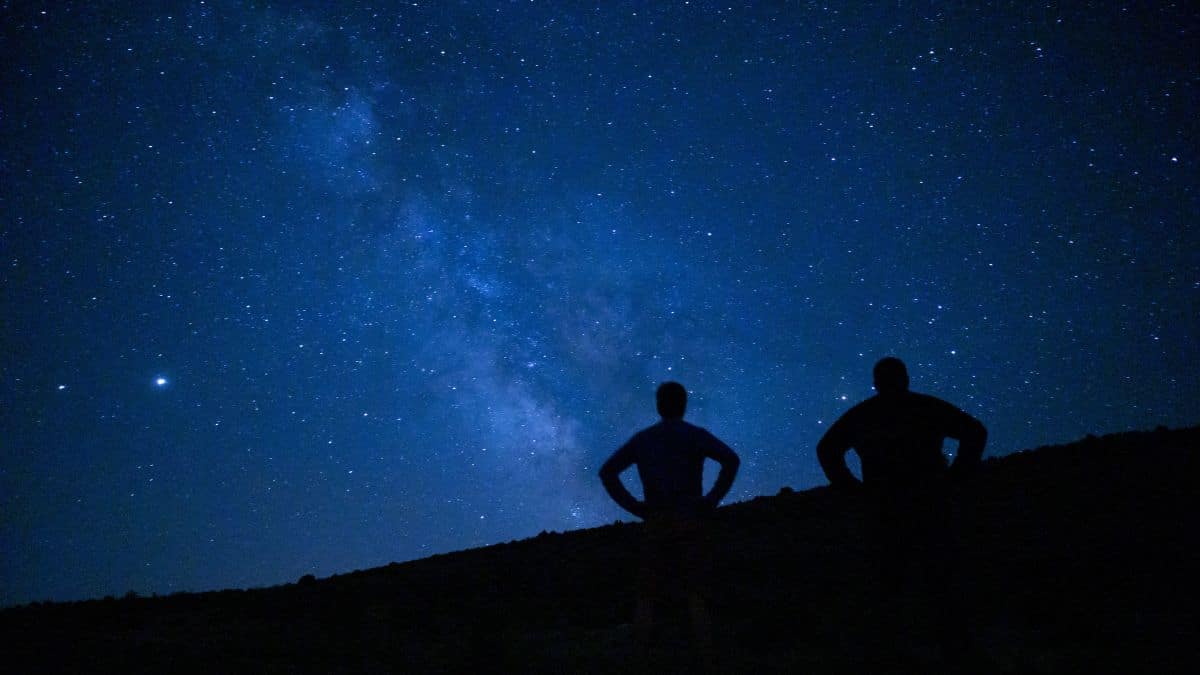
If you love stargazing, Tanzania is the place to be. Nestled in East Africa, Tanzania offers some of the world’s most breathtaking and dazzling night skies. With its expansive wilderness areas, minimal light pollution, and optimal weather conditions, Tanzania provides the perfect backdrop for an unforgettable stargazing experience.
African night sky signals with its celestial wonders, making it a must-visit destination for avid stargazers.
Best Locations for Stargazing in Tanzania

The Tanzanian landscape offers unparalleled opportunities for marveling at the captivating spectacle of the night sky and indulging in the ancient art of stargazing. With its pristine and unspoiled environments, Tanzania provides the perfect backdrop for observing the wonders of the African night sky.
Whether in the northern or southern hemisphere, you’ll be treated to breathtaking celestial displays against Tanzania’s dark skies. From the Ngorongoro Crater to remote wilderness areas, Tanzania beckons stargazers seeking an unforgettable heavenly experience.
Stargazing in Tanzania: The Serengeti National Park
The Serengeti National Park, famous for its stunning landscapes and abundant wildlife, also offers exceptional opportunities for stargazing. Its expansive plains and minimal light pollution create perfect conditions for observing the African night sky.
You can witness dazzling displays of stars and constellations, making it a prime location for stargazing enthusiasts. You can also enjoy uninterrupted night sky views from the comfort of safari lodges or campsites.
Guided stargazing experiences enhance the experience, allowing you to learn about the stars and constellations from knowledgeable guides.
Stargazing in Tanzania: Ngorongoro Crater Conservation Area
Ngorongoro Crater, a UNESCO Heritage Site, is renowned for its breathtaking landscapes and diverse wildlife. Nestled within the crater’s rim, you can experience the wonder of stargazing amidst the tranquility of the African wilderness.
The large granite rock formations offer perfect vantage points for observing the night sky. During the dry season, Ngorongoro experiences minimal cloud cover, providing clear skies for stargazing. This optimal weather condition enhances the stargazing experience, letting you enjoy uninterrupted views of the stars and celestial phenomena.
Stargazing in Tanzania: Tarangire National Park
Tarangire National Park, known for its vast savannahs and iconic baobab trees, offers a unique setting for stargazing in Tanzania. You can experience the magic of the African night sky against the backdrop of the park’s diverse landscapes.
The expansive horizons and dark skies provide an ideal environment for observing stars and constellations. During the new moon period, Tarangire experiences minimal light pollution, allowing for enhanced stargazing opportunities.
Visitors can witness the brilliance of the Milky Way and identify prominent constellations in the southern hemisphere sky.
Stargazing in Tanzania: Lake Manyara National Park
Lake Manyara National Park, nestled at the base of the Great Rift Valley, offers a serene setting for stargazing in Tanzania. The park’s lush vegetation and tranquil atmosphere create a perfect background for observing the night sky.
Learn about the different varieties of coffee, witness the harvesting and roasting processes, and savor the decadent aromas and flavors of freshly brewed coffee. A coffee tour offers a unique opportunity to connect with the local farmers, gain insights into their livelihoods, and enjoy a sensory experience that will delight coffee enthusiasts.
You can escape the busy city life and immerse yourself in the beauty of the African night sky. Guided stargazing excursions are available in Lake Manyara National Park, allowing visitors to explore the wonders of the night sky with experienced guides.
Whether from the comfort of safari lodges or designated stargazing areas, you can enjoy an unparalleled stargazing experience in the heart of East Africa.
Factors Impacting Stargazing Experience
When embarking on a stargazing adventure in Tanzania, several aspects can affect the quality of your experience. Understanding these elements can help you plan your excursion and maximize your enjoyment of the African night sky.
1. Light Pollution: Light pollution is a primary factor affecting stargazing. Urban areas and populated regions tend to have high levels of artificial light, which can obscure celestial objects and dim the night sky’s brilliance. Opting for remote locations away from city lights enhances the stargazing experience.
2. Weather Conditions: Cloud cover determines visibility during stargazing sessions. Clear skies with minimal cloud cover offer optimal viewing conditions, allowing you to observe stars, planets, and constellations clearly. Monitoring weather forecasts and selecting nights with favorable conditions enhances your chances of enjoying a spectacular stargazing experience.
3. Geographical Location: Tanzania’s geographical location in East Africa provides stargazers access to the majestic African night sky. Situated near the equator, Tanzania offers unique perspectives on celestial phenomena visible in the northern and southern hemispheres. This positioning enables observers to witness various celestial objects and astronomical events.
4. Altitude and Elevation: Stargazing at higher altitudes and elevated locations can yield clearer night sky views. Areas such as the Ngorongoro Crater, with its large granite rock formations and elevated terrain, provide ideal vantage points for observing celestial wonders. The higher elevation reduces atmospheric interference, making sharper and more detailed observations.
By considering these factors and planning your stargazing outings accordingly, you can optimize your experience and immerse yourself in the awe-inspiring beauty of the African night sky.
Best Times for Clear Skies Stargazing in Tanzania
When planning a stargazing adventure in Tanzania, timing is crucial to ensure optimal viewing conditions. Understanding the best times for clear skies allows you to schedule your outings for maximum visibility of celestial wonders.
1. Dry Season: The dry season, typically occurring from June to October, offers the most favorable conditions for stargazing in Tanzania. During this period, the weather is characterized by clear skies and minimal precipitation, providing excellent night sky visibility. Choosing nights within the dry season increases your chances of enjoying uninterrupted stargazing sessions.
2. New Moon Period: Stargazing enthusiasts often seek nights with a new moon for optimal viewing conditions. During the new moon phase, the sky remains dark without illumination from the moon, allowing faint stars and distant celestial objects to shine brightly. Planning stargazing excursions during the new moon period enhances visibility and accentuates the beauty of the African night sky.
3. Low Cloud Cover: Monitoring weather forecasts for nights with low cloud cover is essential for ensuring clear skies during stargazing outings. Cloudy conditions can obstruct views of celestial objects and diminish the overall stargazing experience. Choosing nights with minimal cloud cover increases the likelihood of enjoying crystal-clear views of the stars, planets, and galaxies above.
4. Early Evening Hours: The early evening hours, shortly after sunset, often provide optimal stargazing opportunities. During this time, the sky transitions from twilight to darkness, revealing the splendor of the night sky. Planning stargazing sessions during the early evening allows ample time to observe celestial objects before they set below the horizon.
By aligning your stargazing adventures with the best times for clear skies, such as during the dry season, new moon period, nights with low cloud cover, and early evening hours, you can enhance your experience and marvel at the wonders of the African night sky.
Overview of the Dry Season and Its Impact on Sky Visibility
The dry season in Tanzania, spanning from June to October, significantly influences sky visibility and creates optimal conditions for stargazing enthusiasts. Understanding the characteristics of the dry season and its impact on sky visibility is essential for planning successful stargazing excursions in Tanzania.
1. Clear Skies: One of the defining features of the dry season is the prevalence of clear skies with minimal cloud cover. The absence of rain and low humidity contribute to pristine atmospheric conditions, allowing for unobstructed night sky views. Stargazers can enjoy uninterrupted visibility of celestial objects, including stars, planets, and constellations.
2. Reduced Light Pollution: During the dry season, light pollution caused by artificial lighting sources such as streetlights and urban areas is significantly reduced. As a result, the night sky appears darker and more conducive to stargazing activities. Visitors to Tanzania’s remote regions and national parks can experience the full splendor of the African night sky without the interference of light pollution.
3. Enhanced Contrast: The dry season improves contrast in the night sky, making celestial objects appear sharper and more vivid against the dark backdrop. This heightened contrast allows stargazers to more clearly discern intricate details of stars, galaxies, and nebulae. Observing celestial phenomena, such as meteor showers and lunar eclipses, becomes even more captivating during this time.
4. Extended Viewing Hours: With clear skies prevailing throughout the dry season, stargazing enthusiasts can enjoy extended viewing hours well into the night. The absence of inclement weather ensures uninterrupted observation opportunities, enabling stargazers to explore various celestial wonders at their leisure. Whether admiring the Milky Way or tracking the movements of planets, the dry season offers ample time for immersive stargazing experiences.
Overall, the dry season in Tanzania creates ideal conditions for sky visibility and stargazing, characterized by clear skies, reduced light pollution, enhanced contrast, and extended viewing hours. By capitalizing on these favorable conditions, you can immerse yourself in the beauty of the African night sky and embark on unforgettable stargazing adventures.
Importance of Planning Stargazing Trips During the New Moon Period
Planning stargazing trips during the new moon period is essential for maximizing celestial observation opportunities and optimizing the stargazing experience. Understanding the significance of scheduling stargazing excursions during this lunar phase is crucial for astronomy enthusiasts seeking optimal viewing conditions in Tanzania.
1. Minimal Lunar Interference: During the new moon phase, the moon is found between the Sun and the Earth, with its bright side facing away from Earth. As a result, the night sky remains free from the glare of moonlight, minimizing lunar interference and enhancing the visibility of faint celestial objects. Stargazers can enjoy clearer, more detailed views of stars, planets, and deep-sky objects without moonlight.
2. Dark Sky Conditions: The absence of moonlight during the new moon phase creates exceptionally dark sky conditions, ideal for stargazing activities. With minimal ambient light pollution from the moon, the night sky appears darker and more conducive to observing distant celestial phenomena. Stargazers can fully appreciate the splendor of the African night sky, including the Milky Way and fainter celestial objects typically obscured by lunar illumination.
3. Optimal Observation Opportunities: Planning stargazing trips during the new moon period provides astronomy enthusiasts with optimal observation opportunities and access to a broader range of celestial objects. The dark sky conditions allow for exploring dimmer stars, distant galaxies, and nebulae that may be challenging to observe during other lunar phases. Visitors can maximize their chances of encountering rare astronomical events and phenomena by strategically scheduling stargazing excursions during the new moon phase.
Planning stargazing trips during the new moon period is essential for optimizing celestial observation opportunities, enjoying dark sky conditions, accessing a more comprehensive array of celestial objects, and enhancing the overall stargazing experience. By aligning stargazing excursions with this lunar phase, astronomy enthusiasts can immerse themselves in the beauty of the African night sky and embark on memorable astronomical adventures in Tanzania.
Including Stargazing into Safari Trips
Integrating stargazing into safari trips offers a unique opportunity to enhance the overall experience of exploring Tanzania’s remarkable wilderness while enjoying the captivating beauty of the night sky.
Including stargazing activities in safari, itineraries allow travelers to immerse themselves in the natural wonders of East Africa and enjoy unforgettable celestial encounters amidst the backdrop of iconic wildlife and stunning landscapes.
1. Enhanced Evening Entertainment: After exhilarating daytime safari adventures, stargazing provides tranquil and captivating evening entertainment for safari-goers. Whether relaxing around a campfire or lounging in a safari lodge, travelers can unwind under the expansive African night sky and marvel at the celestial wonders above.
2. Cultural and Educational Experience: Stargazing during safari trips offers a valuable cultural and educational enrichment opportunity. Local guides and astronomers often accompany safari groups, sharing their knowledge of the night sky and traditional celestial lore. Travelers can learn about indigenous star patterns, folklore, and astronomical history while gaining insight into the cultural significance of celestial objects in Tanzanian traditions.
3. Unique Wildlife Encounters: Combining stargazing with safari excursions allows travelers to enjoy unique wildlife encounters against the backdrop of the night sky. Safari lodges and camps in remote wilderness areas offer unobstructed views of the stars, providing an enchanting setting for observing nocturnal wildlife activity, such as night sounds and animal silhouettes against the horizon.
4. Astro-tourism Opportunities: Tanzania’s vast expanses of protected wilderness and low light pollution levels make it an ideal destination for astro-tourism. Many safari operators offer specialized astro-safari experiences, including guided stargazing sessions, astronomy talks, and telescope-viewing opportunities.
Travelers can embark on dedicated astro-safari tours led by experienced astronomers, allowing in-depth night sky exploration using state-of-the-art equipment. Including stargazing in safari trips enriches the overall travel experience by providing opportunities for relaxation, cultural immersion, wildlife observation, and astronomical discovery.
Tips for Stargazing During Safari Trips
Stargazing during safari trips in Tanzania offers a magical experience, allowing travelers to marvel at the beauty of the night sky while immersed in the wilderness. Here are some valuable tips to enhance your stargazing adventure during safari excursions:
1. Choose Dark Sky Locations: Select safari lodges or camps in areas with minimal light pollution to maximize your stargazing experience. Opting for remote wilderness locations away from urban centers ensures more precise and pristine night sky views.
2. Plan Stargazing Sessions: Coordinate with your safari guide or lodge staff to schedule dedicated stargazing sessions during your safari itinerary. Choose evenings with precise weather forecasts and minimal cloud cover to optimize the visibility of celestial objects.
3. Pack Essential Equipment: Bring essential stargazing equipment such as binoculars or a small telescope to enhance your viewing experience. While unnecessary, these tools can provide closer views of stars, planets, and celestial phenomena.
4. Dress Appropriately: Evenings in the African bush can get chilly, so dress warmly for stargazing sessions. Layer clothing to stay comfortable during cool nighttime temperatures, and consider bringing a blanket or jacket for added warmth.
5. Use Astronomy Apps: Download astronomy apps or stargazing guides to help identify constellations, stars, and planets visible in the night sky. Apps like Star Walk, SkyView, or Stellarium provide real-time information on celestial objects and their locations.
6. Respect Wildlife and Environment: While stargazing, respect the surrounding wildlife and environment. Refrain from creating loud noises or using bright lights that could disturb nocturnal animals or disrupt the natural habitat.
7. Stay Patient and Observant: Stargazing requires patience and observation, so take your time to scan the night sky and appreciate its beauty. Allow your eyes to adjust to the darkness for better visibility of faint stars and celestial phenomena.
8. Engage with Local Guides: Take advantage of the expertise of local guides or astronomers accompanying your safari group. They can offer insight into the night sky, share fascinating stories about African astronomy, and help navigate the stars.
Final Thoughts
Stargazing in Tanzania offers an unparalleled opportunity to experience the beauty of the African night sky. Tanzania provides the perfect backdrop with its vast wilderness areas, minimal light pollution, and optimal weather conditions. Ready to embark on an unforgettable stargazing adventure? Book your safari trip to Tanzania today and witness the wonders of the cosmos firsthand!