


Welcome to Dar es Salaam, the vibrant and dynamic commercial capital of Tanzania. Situated along the eastern coast of the country, this busy city offers a unique mix of rich history, diverse cultures, stunning natural beauty, and thriving economic activities.
Exploring Dar es Salaam also means delving into the city’s rich cultural heritage, from historical sites and lively markets to immersing yourself in the local traditions. Whether you’re visiting for business or leisure, Dar es Salaam has something for everyone.
In this comprehensive travel guide, we’ll explore the city’s attractions, provide insights into its culture and history, and offer practical tips for making the most of your visit in 2023/2024.
Getting to Dar es Salaam
Getting to Dar es Salaam is convenient as the city is well-connected to international destinations. Julius Nyerere International Airport, the largest and busiest airport in Tanzania, serves as the primary gateway to the city.
Numerous airlines operate flights to and from Dar es Salaam, making it easily accessible from various parts of the world. Upon arrival, you can take a taxi or arrange airport transfers to reach your accommodation in the city. You can also take a taxi or arrange airport transfers to reach your accommodation in the city center.
Best Time to Visit
When planning your visit to Dar es Salaam, consider the weather to ensure an enjoyable trip. The best time to explore the city occurs from June to October. During this period, the weather is generally pleasant, with lower humidity levels and minimal rainfall.
The moderate temperatures make it excellent for exploring the city and enjoying outdoor activities. However, it’s important to note that Dar es Salaam experiences a tropical climate, so be prepared for occasional showers throughout the year.
Exploring the City
Dar es Salaam offers many attractions and activities catering to diverse interests. Here are some key highlights to consider when exploring the city:
1. Historical Sites and Museums
Immerse yourself in the rich history of Dar es Salaam by visiting its historical sites and museums. Start with the National Museum and House of Culture, where you can learn about Tanzania’s heritage, archaeological discoveries, and cultural artefacts.
Explore the Askari Monument, a significant landmark that commemorates the soldiers who fought during World War I. Don’t miss a visit to St. Joseph’s Cathedral, an architectural marvel that showcases the city’s colonial past.
For a deeper dive into history, head to the Village Museum, which offers a glimpse into Tanzania’s diverse ethnic groups and their traditional way of life. It’s a unique opportunity to explore replicas of traditional houses, artefacts, and cultural performances, highlighting Tanzania’s diverse ethnic groups.
2. Beautiful Beaches
Dar es Salaam boasts stunning beaches along its coastline, providing a perfect escape from the bustling city. Visit Coco Beach, a popular spot among locals and tourists alike.
Enjoy the soft sand, relax under the shade of palm trees, and take a refreshing swim in the Indian Ocean’s clear waters. Just a short drive from the city centre, Kunduchi Beach offers various water sports activities, including jet skiing, parasailing, and banana boat rides.
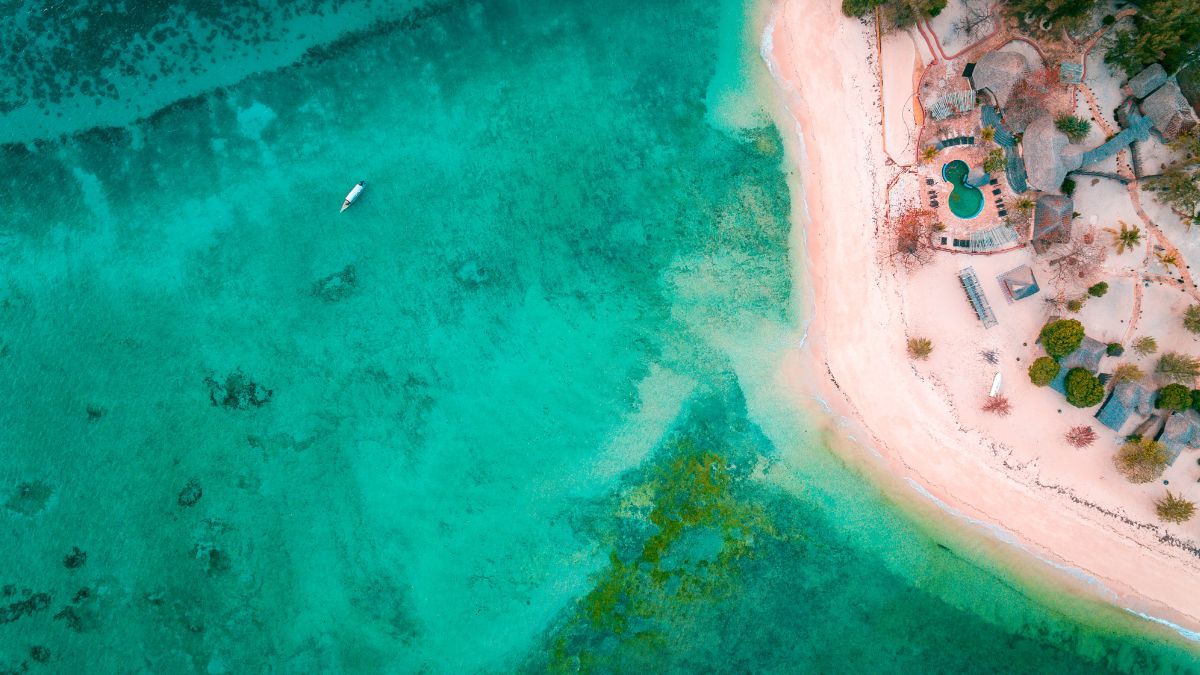
For a quieter beach experience, venture further to Mbudya Island or Bongoyo Island, which is accessible by boat. These idyllic islands boast pristine white sand beaches, crystal-clear waters, and colourful marine life, making them ideal for snorkelling and picnicking.
3. Cultural Experiences
Experience the vibrant cultural tapestry of Dar es Salaam by exploring its neighbourhoods and engaging with the local community. Exploring the neighbourhoods provides insights into Tanzania’s diverse ethnic groups and their traditional way of life.
Visit Kariakoo Market, a bustling marketplace where you can find various goods, from fresh produce to traditional fabrics and handicrafts. Immerse yourself in this lively market’s sights, sounds, and aromas, and engage in friendly interactions with the vendors.
To gain insights into the city’s Muslim heritage:
1. Visit the Khoja Shia Ithna-Asheri Mosque and the Azania Front Lutheran Church, symbolising Dar es Salaam’s religious diversity.
2. Stroll along the Kigamboni district’s streets, known for its vibrant markets, street food stalls, and live music performances.
3. Don’t miss the opportunity to try local delicacies such as Zanzibari cuisine, Swahili dishes, and freshly caught seafood.
4. Shopping and Dining
4. Shopping and Dining
Dar es Salaam offers a range of shopping and dining experiences to satisfy your cravings for retail therapy and culinary delights. Explore the city’s modern shopping malls, including Slipway Shopping Center, Mlimani City Mall, and the newly opened Seacliff Village Mall.
These malls feature local and international brands, offering a diverse shopping experience. Some shopping centres, like the Gymkhana Club, offer amenities such as a swimming pool, contributing to a peaceful environment and opportunities for socialising.
For a more traditional shopping experience, head to the Mwenge Craft Market, where you can browse through stalls of handmade crafts, artwork, and souvenirs. This market is an excellent place to support local artisans and find unique souvenirs for your trip.
When it comes to dining, Dar es Salaam caters to all tastes. You’ll find various options, from local street food vendors serving mouthwatering snacks to upscale restaurants offering international cuisines.
Don’t miss the chance to savour authentic Tanzanian dishes such as Nyama Choma (grilled meat), Ugali (a cornmeal staple), and Pilau (spiced rice). Seafood enthusiasts can savour an exquisite selection of fresh catches from the Indian Ocean.
Day Trips from Dar es Salaam
While there’s plenty to explore within the city, Dar es Salaam also acts as a gateway to exciting day trip destinations. Here are two popular options:
1. Bagamoyo
Located approximately 75 kilometres north of Dar es Salaam, Bagamoyo is a historic coastal town known for its cultural heritage and UNESCO World Heritage Sites. Discover the town’s rich history by touring the Bagamoyo Old Town, where you can see colonial-era buildings, ancient ruins, and museums.
Learn about the town’s connections to the slave trade at the Bagamoyo Slave Market and the Kaole Ruins. Go on a boat trip to neighbouring islands like Bongoyo and Mbudya to enjoy pristine beaches and vibrant coral reefs.
2. Pugu Hills Nature Reserve
Located approximately 75 kilometres north of Dar es Salaam, Bagamoyo is a historic coastal town known for its cultural heritage and UNESCO World Heritage Sites. Discover the town’s rich history by exploring the Bagamoyo Old Town, where you can see colonial-era buildings, ancient ruins, and museums.
Learn about the town’s connections to the slave trade at the Bagamoyo Slave Market and the Kaole Ruins. Embark on a boat trip to neighbouring islands like Bongoyo and Mbudya to enjoy pristine beaches and vibrant coral reefs.
Where to Stay
Dar es Salaam offers various accommodation options based on travellers’ preferences and budgets. Many choices are available around the city, from luxury hotels and boutique resorts to low-cost guesthouses and hostels.
Some popular accommodation areas include the city centre, the Msasani Peninsula, and the Kunduchi beach. Booking your accommodation in advance is advised, particularly during the peak tourist season.
Transportation in the City
Getting around Dar es Salaam is relatively easy, thanks to various transportation options. You can hail a taxi on the street or book one through ride-hailing apps.
Remember to negotiate the fare upfront or let us know if the meter is on. For shorter distances, you can also opt for dalla-dallas (minibuses) or bajajis (three-wheeled vehicles), which are popular modes of public transportation.
Safety Considerations
While Dar es Salaam is generally a safe city, certain precautions should be taken to ensure a smooth and secure visit. Be mindful of your belongings, mainly in crowded areas and public transportation. Avoid displaying expensive items or carrying large amounts of cash.
Use reputable taxi services; do not walk alone in unfamiliar areas at night. It’s also advisable to follow any safety guidelines your accommodation provides and seek local advice for any specific concerns.
Final Thoughts
In conclusion, Dar es Salaam offers diverse experiences, from exploring historical sites and vibrant markets to enjoying beautiful beaches and immersing yourself in the city’s rich cultural heritage. Plan your visit to Tanzania’s commercial capital in 2023/2024 and discover the vibrant charm and warmth of Dar es Salaam. Immerse yourself in the city’s rich cultural heritage and create unforgettable memories.
Frequently Asked Questions (FAQs)
1. What is the best time to visit Dar es Salaam?
Dar es Salaam experiences a tropical climate, but the best time to visit typically falls between June and October. During these months, the city experiences its cool and dry season, making it pleasant for tourism.
The cooler temperature during this period is perfect for indulging in outdoor activities. These include beach visits, city tours, outdoor markets, and other exploratory excursions throughout the city. This period also allows tourists to avoid the city’s two rainy seasons.
The long rains generally fall between March and May, with the short rains occurring from November to December. The dry months lend themselves to clearer skies and less humidity, providing comfortable, enjoyable travel experiences.
However, checking the weather forecast before your visit is always recommended to plan your activities efficiently.
2. Do I need a visa to travel to Dar es Salaam, Tanzania?
Visa requirements to enter Tanzania vary depending on the traveller’s nationality. This is an essential step in planning your travel, as most foreign visitors are required to obtain a visa.
Certain nationalities can obtain visas upon arrival at the airport in Tanzania. This convenient service lets these travellers finalise their immigration requirements directly at their entry point.
However, it is highly recommended that you check and confirm your eligibility for this visa-on-arrival service before travelling. Details and requirements may change and differ among countries.
3. What is the official language spoken in Dar es Salaam?
Swahili is the official language in Tanzania, integral to the country’s cultural fabric. However, due to Tanzania’s British colonial history, English is also extensively spoken. It is especially prevalent in major cities, business environments, and tourist areas.
Staff in the tourism and hospitality sectors typically have proficiency in English, easing communication with international tourists. While knowing a few Swahili phrases can enhance interactions, the broad use of English ensures tourists face minimal language barriers. Dar es Salaam is known for its friendly residents, adding to a welcoming environment for tourists.
4. What currency is used in Dar es Salaam, and where can I exchange money?
The official currency in Tanzania is the Tanzanian Shilling (TZS). Having local currency while visiting is essential, as it is accepted at most places, including local markets, stores, and transportation services.
There are multiple ways to exchange foreign currencies for the local shilling. Banks in Dar es Salaam often offer currency exchange services at standardised rates. The process can be slower due to protocol, but it is a secure and reliable option.
On the other hand, bureaux de change offer a faster turnaround. These currency exchange offices are widely available across the city and are known for their quick service. They usually offer competitive rates and charge minimal or no service fees.
In addition to these, ATMs offer the advantage of convenience. Many banks have ATM facilities throughout the city from which you can directly withdraw Tanzanian Shillings using your international debit or credit card.
However, you must be aware of any charges levied by your home bank for foreign withdrawals. Cross-checking this before departure could save you from unexpected fees or charges.
5. Is it safe to travel to Dar es Salaam?
Dar es Salaam is mainly safe for tourists. Still, like any major city, it’s essential to remain vigilant and be mindful of your safety. Common sense should guide your actions while exploring the city.
Always maintain an awareness of your surroundings, especially in crowded public areas. These locations could be hotspots for pickpockets or scammers aiming to prey on unsuspecting tourists.
Avoid travelling alone during nighttime. This practice is applicable, especially if you’re unfamiliar with the area. Being in groups can deter potential malicious intentions of harm or robbery.
It is highly recommended that you secure personal belongings and practice discretion while displaying expensive items like cameras or jewellery. Such precautions can help prevent attracting unwanted attention and ensure a safer, more enjoyable visit to Dar es Salaam.
6. What are the main attractions in Dar es Salaam?
Key attractions in Dar es Salaam offer a mix of cultural, historical, and natural delights: the National Museum and House of Culture house Tanzania’s rich history artefacts, and the Village Museum showcases the traditional dwellings and customs of various Tanzanian tribes.
St. Joseph’s Cathedral, a colonial-era point of interest, stands out for its gothic design. Kariakoo Market is a vibrant marketplace offering an array of goods. Nearby beaches and islands, like Coco Beach and Bongoyo Island, provide tranquil spots for relaxation and aquatic adventures.
7. What local dishes are popular in Dar es Salaam?
Tanzanian cuisine is rich and offers many delicious dishes for food lovers. Ugali, a staple food made from cornmeal, is a simple but satisfying dish often served with meat or vegetable stew.
Nyama choma, a barbecued meat dish often served with ugali or chips (fries), is a favourite at communal gatherings. Tanzanian fish curry, a coastal speciality infused with spices and coconut milk, offers a robust flavour profile.
For street food enthusiasts, options abound. Mishkaki, Tanzanian skewered and grilled meat kebabs, are a popular choice. Chipsi mayai, a tasty combination of fries and eggs, is a quick, filling local snack.
Finally, you must take advantage of the fresh tropical fruits available in Tanzania. The juicy mangoes, sweet bananas, or refreshing papayas make for a delightful, healthy treat.
8. What public transportation is in Dar es Salaam, and is it safe?
Public transportation in Dar es Salaam offers various choices for different budgets and comfort levels. These include local buses, known as daladalas, the city’s modern Bus Rapid Transit (BRT) system, and taxi services.
While affordable, Daladalas can often be crowded, typically proving to be a quintessentially local but chaotic mode of transportation. Although a great way to immerse yourself in local life, these buses may not be the most convenient for seeking comfort and space.
Conversely, the BRT buses offer a faster, more organised public transit option. Designed to reduce city congestion, they travel on designated lanes and face fewer traffic-related delays than daladalas.
Taxis are prevalent in the city and offer a safer, more comfortable alternative. They may be pricier than bus services, but they offer the convenience of door-to-door travel and personal space. Though comparing and negotiating fares might be necessary, taxis are an excellent option for hassle-free city navigation.
9. Can I rent a car and drive around Dar es Salaam?
Car rental services are widely available in Dar es Salaam for those with valid international driver’s licenses. This option provides the flexibility and independence to plan your travel itinerary at your own pace and according to your preferences.
However, it’s essential to note that Dar es Salaam is known for its heavy traffic, especially during peak hours. Substantial congestion can occur in the city, which might demand patience and heightened focus while driving.
Additionally, driving conditions could be challenging due to unpredictable road behaviour and occasional poor road infrastructure. Street signs may not be as comprehensive as you are familiar, and local driving norms could also differ.
10. Are there any wildlife safaris near Dar es Salaam?
Mikumi National Park and Selous Game Reserve, both relatively close to Dar es Salaam, provide outstanding safari opportunities for travellers visiting the city. These two wildlife sanctuaries offer a chance to explore Tanzania’s stunning landscapes and diverse wildlife without venturing too far from the city.
Mikumi National Park, located approximately 300 km from Dar es Salaam, boasts an array of impressive wildlife, including lions, elephants, giraffes, zebras, and numerous bird species. Travellers can indulge in guided game drives, allowing for incredible wildlife sightings and photogenic landscape backdrops.
11. What are some good beaches for swimming in Dar es Salaam?
Coco Beach, located along the Msasani Peninsula, is a lively spot popular with locals and visitors. It offers the quintessential beach experience and is renowned for its vibrant atmosphere, particularly on weekends.
South Beach, situated farther from the city, promises a more serene setting. It is ideal for those seeking a relaxing and peaceful swim amidst natural beauty. Its clear waters and pristine sands make it a great escape from city life.
Meanwhile, the beaches on Bongoyo and Mbudya islands, easily accessible by boat from the city, are treasured for their untamed charm and sparkling blue waters. These island beaches, nestled in their near-pristine state, offer a superb option for those longing for an immersive experience with nature while swimming in the Indian Ocean’s warm and inviting tropical waters.
12. Are vaccinations required for travel to Dar es Salaam?
The necessity of being up-to-date on routine vaccinations while travelling must be considered. This preventative measure not only safeguards your health but can also avoid potential disruption to your travel plans. These vaccinations are your first defence against many common and occasionally severe diseases preventable through immunisation.
However, the specific vaccines you need may vary depending on your destination, activities, duration of stay, and personal health conditions. Therefore, consulting with your healthcare provider before your trip can provide personalised recommendations based on these factors.
They may advise you on additional travel-specific vaccines or medications you might need depending on the health risks in the country or region you are visiting. By taking these steps, you’ll prioritise your health and ensure a safer and smoother journey.
13. Is tap water safe to drink in Dar es Salaam?
As in many other developing cities, Dar es Salaam’s tap water can contain contaminants that cause health issues for visitors unfamiliar with the local water supply. Hence, it is generally advised to avoid tap water during your stay.
Instead, opt for bottled water, readily available at most local shops, supermarkets, and restaurants. If the accommodation you are staying at provides water purification facilities, you can also choose to drink purified or filtered water. This way, you can ensure your drinking water is safe and potentially contaminant-free.
14. Where can I find affordable accommodation in Dar es Salaam?
Dar es Salaam offers extensive accommodations to suit diverse budget needs. From economical hotels that offer modest yet comfortable accommodations to budget-friendly guest houses that provide a more local experience, there are options aplenty for the budget-conscious traveller.
The city also hosts a myriad of hostels catering to backpackers and solo travellers, many of which offer communal facilities that foster interaction among guests. As a wise traveller, conducting thorough online research about the available options is always a good idea.
Look for reviews and ratings from fellow travellers to understand better what each place offers, including details on the location, cleanliness, safety, staff friendliness, and any additional amenities. By reading these shared experiences, you can make a more informed decision, ensuring that your chosen accommodation aligns with your budget and travel requirements, contributing to a memorable stay in Dar es Salaam.
15. Does Dar es Salaam have a vibrant nightlife?
Dar es Salaam is renowned for its bustling nightlife, which offers fun and entertainment once the sun goes down. The city features a mix of venues, from energetic nightclubs and elegant bars to intimate live music locations, actively reflecting its cultural diversity.
Patrons can enjoy various music in these establishments, ranging from traditional Tanzanian rhythms to contemporary international chartbusters. You might find yourself swaying to the profound beats of conventional music one moment and grooving to the hottest global hits the next.
The city proudly showcases its rich cultural heritage and aspirational modernity, a unique blend perfectly mirrored in its vibrant night scene. Whether you’re a fan of local music or an international music enthusiast, Dar es Salaam’s nightlife has something to keep you entertained through the night.