

Nestled on Lake Tanganyika’s eastern shores, Mahale Mountains National Park is a remote and pristine paradise known for its exceptional wildlife and, most notably, its population of wild chimpanzees.
This travel guide will take you on an immersive journey to this remote destination, offering insights into the park’s incredible biodiversity, unique experiences, and essential tips for planning your visit in 2023/2024.
Overview of the Enchanting Wilderness: The Home of Chimpanzees
Mahale Mountains National Park is a stunning wilderness spanning approximately 1,613 square kilometers (623 square miles). Its rugged landscape is dominated by the Mahale Mountain Range, with peaks reaching over 2,500 meters (8,202 feet) above sea level.
The park’s diverse terrain includes montane forests, savannahs, and pristine shores along Lake Tanganyika, creating a paradise for a wide range of flora and fauna.
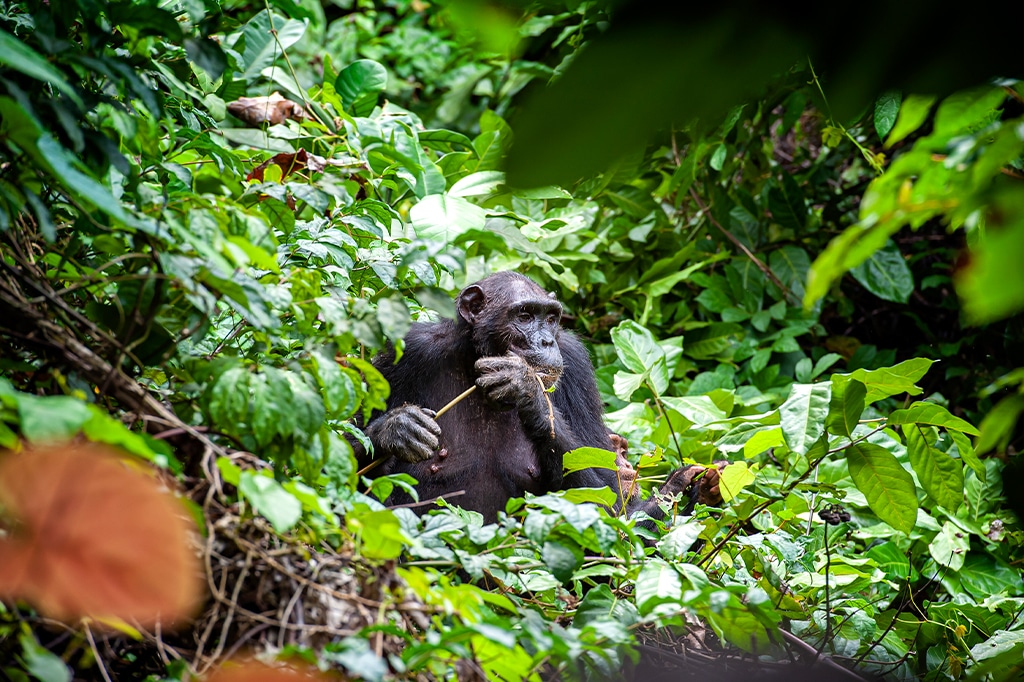

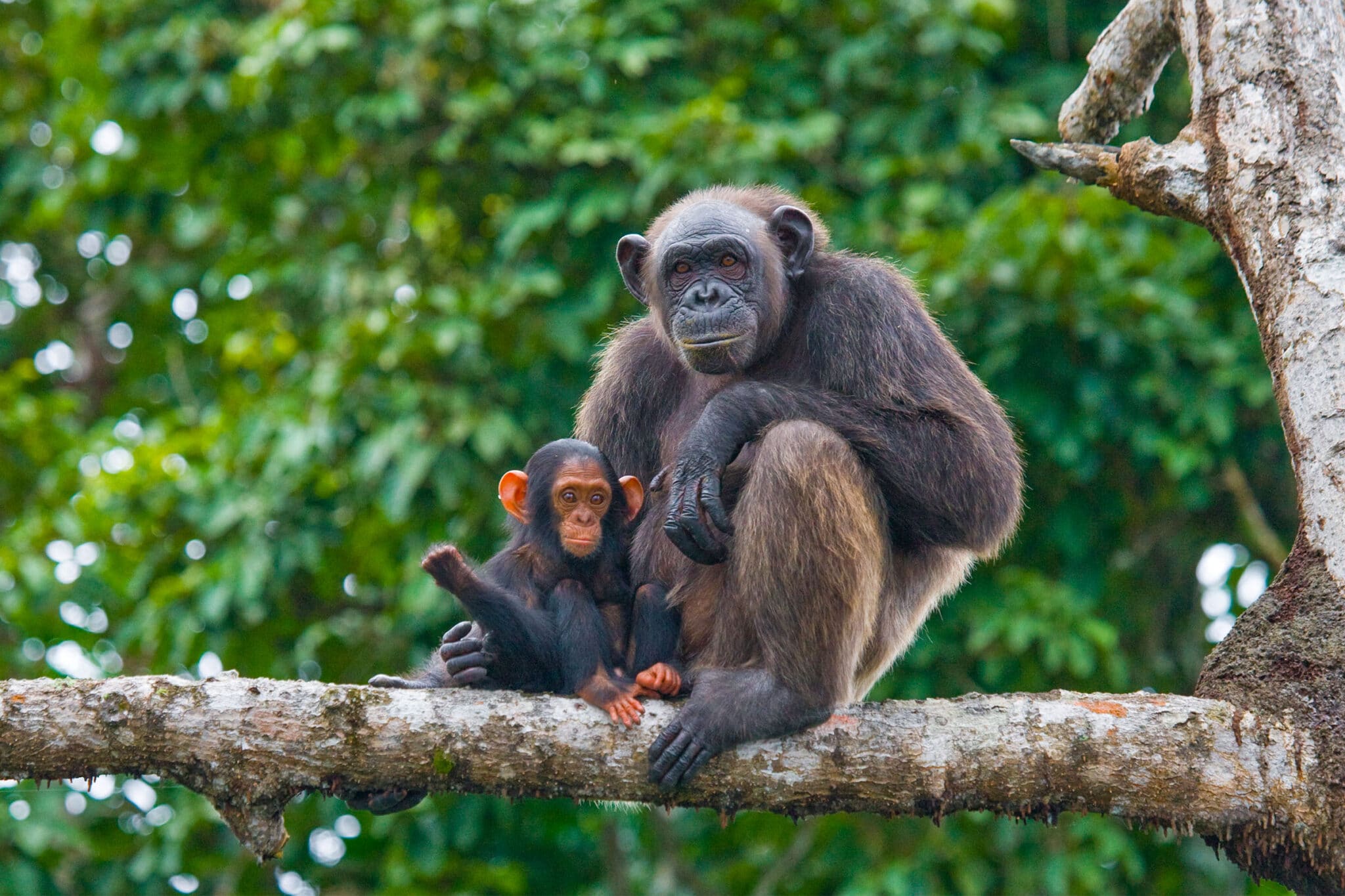
Mahale’s most iconic residents are its chimpanzees, an endangered subspecies of chimpanzees found only in the Albertine Rift. The park has one of the largest populations of wild chimpanzees in Africa, estimated at around 1,000 individuals.
Observing these intelligent primates in their natural habitat is an unparalleled experience that attracts wildlife enthusiasts and researchers.
Getting to Mahale Mountains National Park
Due to its remote location, getting to Mahale Mountains National Park requires a bit of effort. Here are the main transportation options:
1. By Air:
The most convenient way to reach Mahale is by flying from major airports, such as Dar es Salaam or Arusha, to the park’s closest airstrip, Kasunga. From there, you can organize a boat transfer to the park.
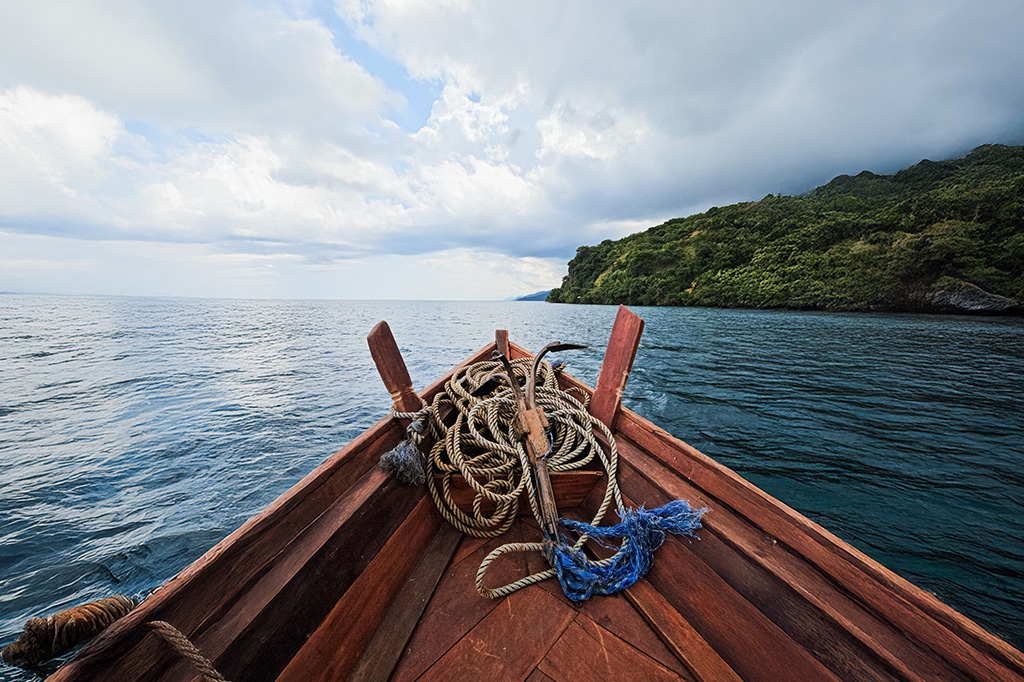

Another option is to take a boat from Kigoma, a town on the shores of Lake Tanganyika. Regular ferry services operate between Kigoma and various villages near the park. The boat journey can take several hours, but it offers a scenic experience as you sail across the second-deepest lake in the world.
Chimpanzee Tracking
Chimpanzee tracking is the highlight of your Mahale’s visit. Accompanied by knowledgeable guides and researchers, visitors can venture into the forest to track and observe the chimpanzees.

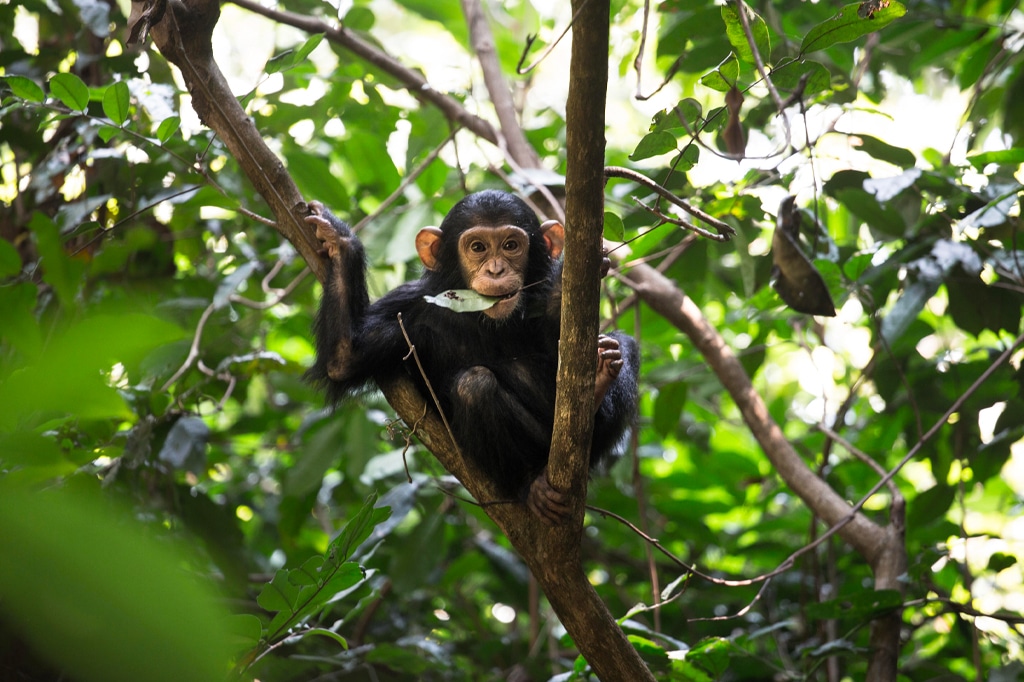
Experiencing the magnificence of being in the presence of these incredible creatures in the lush environs of Mahale National Park, Gombe Stream National Park, and Katavi National Park—each widely celebrated for their diverse forest fauna and the jungle-draped peaks—leaves a lasting impact. These parks are sanctuaries for numerous forest-adapted species, providing a vivid tapestry of life where each creature plays a role in the ecosystem’s health.
As you watch chimpanzees and other wildlife interact, play, and forage in these protected areas, with the towering forest around you, you’re transported into a world that seems a universe away from the bustling cities of western and central Africa. This remarkable encounter immerses you in the wonders of nature and fosters a deeper appreciation for the critical importance of wildlife conservation.
1. Chimpanzee Trekking Highlights
Seeing Chimpanzees Up Close: Watching the chimps in their natural home is the biggest thrill. You might catch them playing, eating, or resting in the trees or ground—just a stone’s throw away from where you stand!
Hearing Chimp Calls: The forest is full of sounds, but the calls of chimpanzees are special. They hoot, bark, and scream to talk to each other, and hearing this in person is an unforgettable part of the trek.
Learning from Rangers: Knowledgeable guides or rangers teach you about the chimps. You’ll learn fascinating facts about their daily life, like how they use sticks to eat termites or leaves to drink water.
The Hike Through the Jungle: Getting to the chimps means trekking through beautiful forests. While finding the chimpanzee families, you’ll see giant trees, colorful birds, and maybe other animals.
Supporting Conservation: By trekking, you’re helping protect the chimps. The money from trekking tours helps keep the parks running and conserves the chimps’ habitat so they can live wild and free.
Unique Wildlife Encounters
Beyond the chimpanzees, Mahale Mountains National Park boasts an array of wildlife. The park’s notable inhabitants are leopards, bushbucks, forest buffalo, red colobus monkeys, and various bird species.
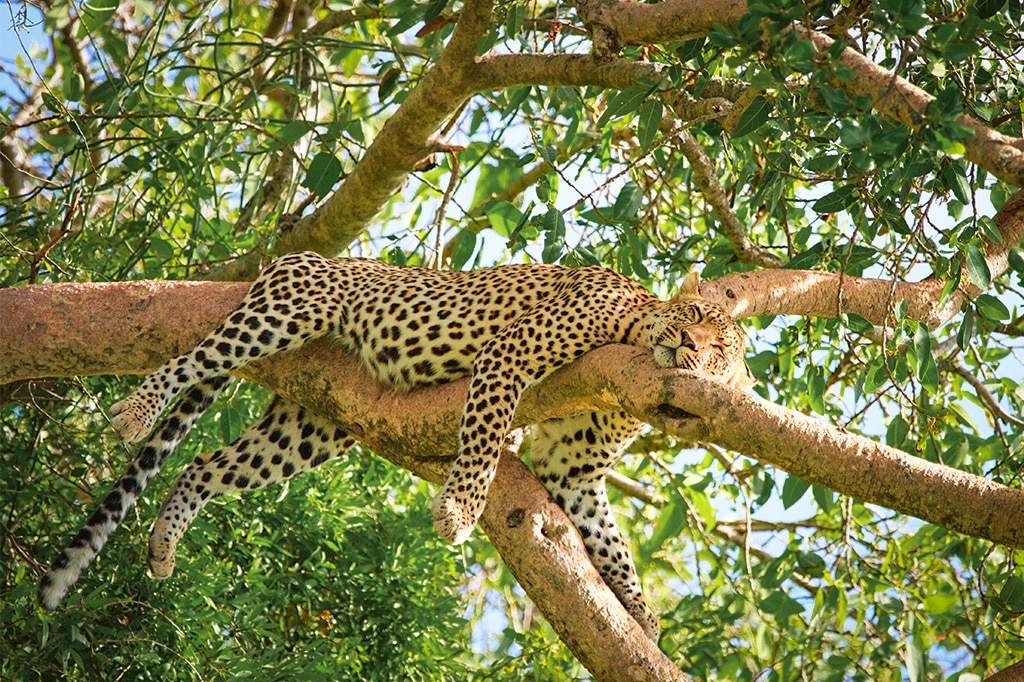

The diverse habitat also attracts a range of aquatic life, including various fish species, crocodiles, and a diversity of water birds along the shores of Lake Tanganyika.
1. Highlights
Meeting the Chimpanzees: Mahale Mountains National Park is renowned for its wild chimpanzee populations. Unique to this region, you can witness these intelligent primates at a safe distance in their natural habitat as they groom, play, and hunt. It’s a real-time window into the lives of one of humanity’s closest relatives.
Trekking Among Diverse Primates: Besides chimpanzees, Mahale boasts a variety of primates. You might glimpse yellow baboons and several monkey species, including the red colobus and blue monkeys, making the park a primate lover’s paradise.
Bird Watching: With over 350 bird species, Mahale Mountains National Park is a birdwatcher’s dream. You can spot birds like the crowned eagle, crested guineafowl, and the peculiar-looking giant kingfisher, adding a touch of color and sound to the forest symphony.
Encounters with Unseen Forest Dwellers: As you trek through the dense forest trails, you might encounter some of the elusive forest dwellers like bushbucks, warthogs, and the odd mongoose, which aren’t often seen but add to the park’s sense of wilderness and adventure.
Underwater Discoveries in Lake Tanganyika: Not all wildlife encounters in Mahale are on land. The clear waters of Lake Tanganyika are home to an incredibly diverse range of cichlid fish. Snorkeling here can give you a glimpse into a captivating underwater world, rivaling the beauty and diversity of any coral reef.
Birdwatchers’ Paradise
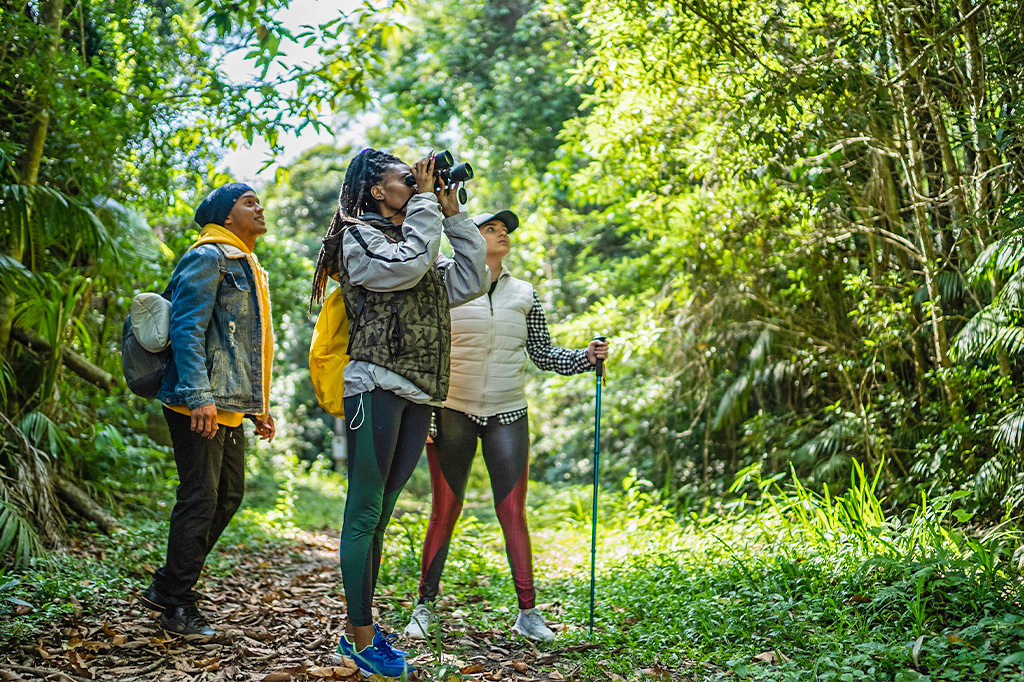
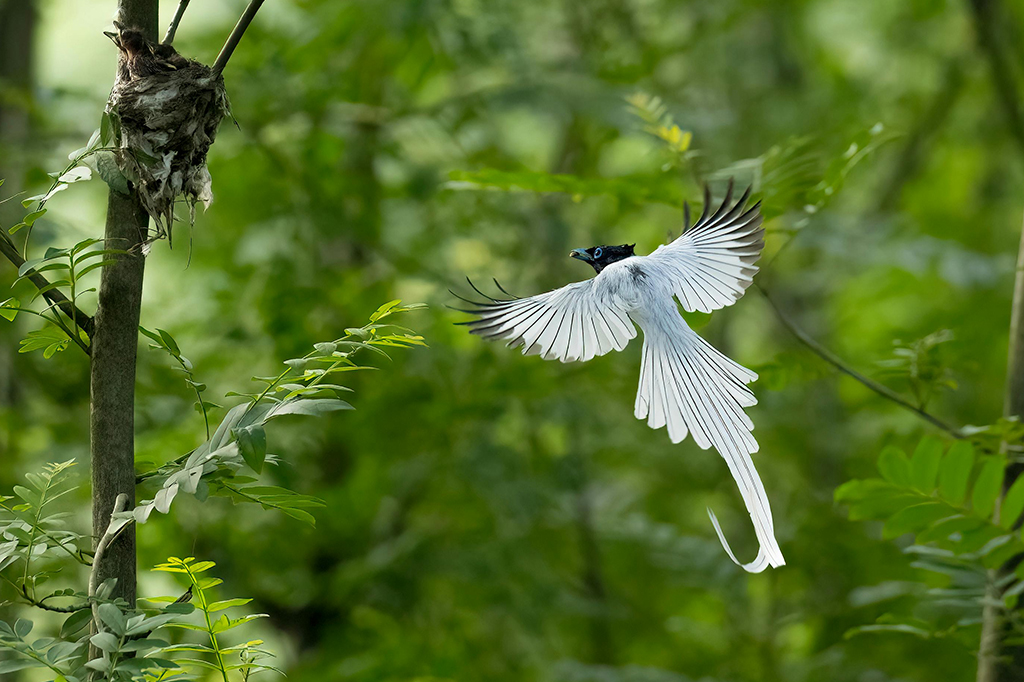
Birdwatchers will find Mahale to be a haven for avian diversity. The park is home to over 355 bird species, making it a top spot for birdwatching enthusiasts.
Keep an eye out for African fish eagles, giant kingfishers, Ross’s turacos, and the beautiful Narina trogon, among many others. The tranquil setting provides an ideal opportunity for birdwatchers to observe and photograph these fascinating creatures in their natural environment.
1. Highlights
Bamboo Warbler: This species thrives in the bamboo forests of Mahale, providing birdwatchers with a delightful sight of these small, active birds as they flit through the understory.
Blue-cheeked Bee-eater: These vibrant birds are a spectacle with their bright green plumage and striking blue cheeks, often seen darting through the air and catching insects.
Crested Guineafowl: Noted for their unique and ornate crests, these ground birds add an exotic touch to the forest floor, making them a fascinating find for birdwatchers.
Crowned Eagle: One of Africa’s most powerful eagles, the Crowned Eagle’s presence is a testament to the rich biodiversity and healthy ecosystem within Mahale Mountains National Park.
Giant Kingfisher: As the largest kingfisher in Africa, spotting this bird along the waterways of Lake Tanganyika can be an exceptional highlight for any birdwatcher visiting the park.
Pristine Beaches and Lake Tanganyika
Mahale’s allure extends beyond its lush forests and mountains. The park’s western boundary meets the shores of Lake Tanganyika, the world’s second-deepest freshwater lake.


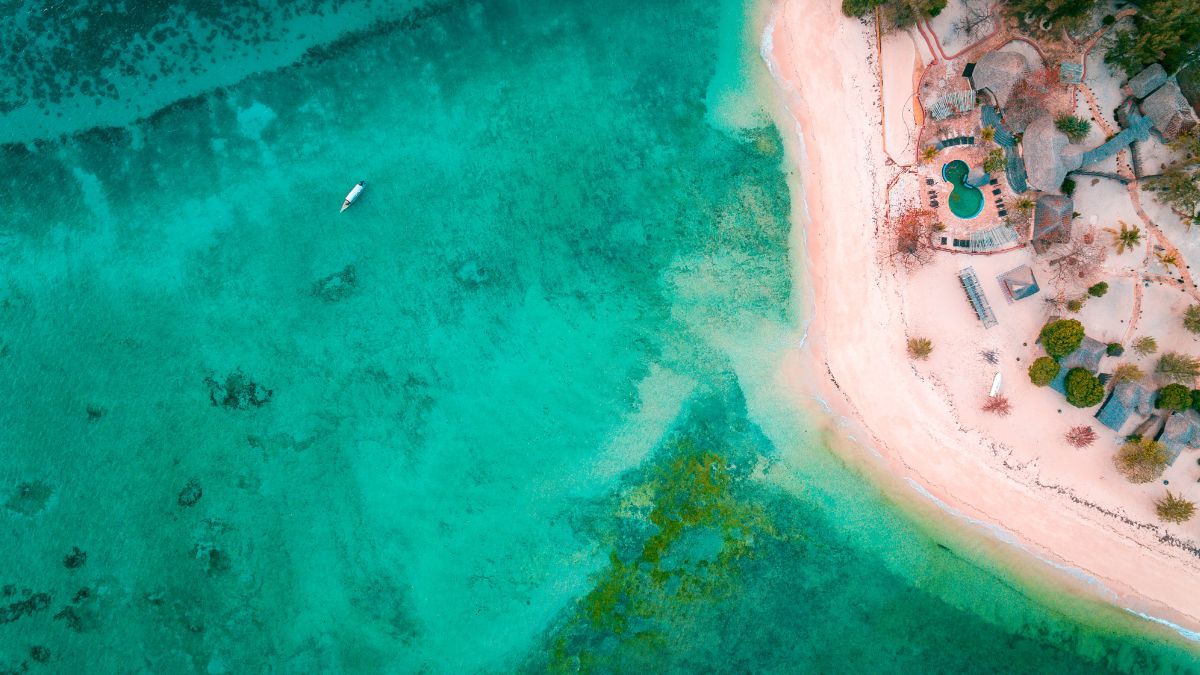
The lake’s crystal-clear waters and sandy beaches offer a serene and scenic setting for relaxation and unwinding after a day of wildlife adventures. Visitors can swim, snorkel, or take a boat ride to explore the pristine shoreline and marvel at the breathtaking landscapes.
Accommodation and Lodging
Planning is vital to make the most of your visit to Mahale. Consider the best time to visit: during the dry season from May to October, when the weather is mild and wildlife sightings are frequent.


It is also essential to obtain the necessary permits, arrange transportation, and pack appropriate gear for hiking, forest walks, and water activities. Working with a reputable tour operator can ensure a smooth and well-organized trip.
Planning Your Visit
Planning ahead is vital to make the most of your visit to Mahale. Consider the best time to visit: during the dry season from May to October, when the weather is mild and wildlife sightings are frequent.
It is also essential to obtain the necessary permits, arrange transportation, and pack appropriate gear for hiking, forest walks, and water activities. Working with a reputable tour operator can ensure a smooth and well-organized trip.
Tips for Visiting Mahale Mountains National Park
To ensure a memorable and smooth experience in Mahale, consider the following tips:
1. Pack appropriately:
Bring lightweight and comfortable clothing suitable for warm and cool weather since temperatures may vary. Remember essentials like sunscreen, insect repellent, sturdy hiking shoes, and a good quality camera for capturing wildlife moments.
2. Follow safety guidelines:
While observing chimpanzees, it’s crucial to keep a safe distance and follow the instructions of your guides. Respecting the animals’ space ensures their well-being and minimizes any potential risks.
3. Stay hydrated:
Drink plenty of water to stay hydrated, especially during hikes and forest walks. Carry a water bottle and refill it when needed.
4. Respect the environment:
Mahale is an ecologically sensitive area, so it is crucial to practice responsible tourism. Leave no trace, dispose of your waste correctly, and follow assigned trails to minimize your impact on the park’s delicate ecosystem.
5. Embrace the experience:
Take the time to immerse yourself in the beauty and tranquility of Mahale. Observe not only the chimpanzees but also the diverse wildlife and stunning landscapes. Engage with the local guides, researchers, and communities to better understand the area’s cultural and conservation efforts.
Conclusion
Following these travel tips and making the necessary arrangements, you can embark on an unforgettable journey to Mahale Mountains National Park. From choosing the right transportation option to respecting the wildlife and environment, visiting this remote sanctuary will reward you with extraordinary encounters with chimpanzees, breathtaking landscapes, and a profound connection to nature.
Prepare well, stay open to the park’s wonders, and embrace the adventure that awaits you in Mahale Mountains National Park in 2023/2024.
Frequently Asked Questions – Mahale Mountains National Park (FAQs)
1. What is Mahale Mountains National Park known for?
Mahale Mountains National Park is celebrated for its wild chimpanzee populations. It offers unique opportunities for visitors to observe these primates in their natural habitat.
The park’s dramatic landscapes enhance its beauty and biodiversity, including its namesake mountains and Lake Tanganyika. Besides chimpanzees, Mahale is home to other wildlife, including primates, birds, and aquatic life.
Trekking through the park’s trails allows for immersive wildlife and nature experiences. Conservation efforts here are vital for preserving the rich fauna and unique ecosystems.
2. How do I get to Mahale Mountains National Park?
Access to Mahale Mountains National Park is primarily via light aircraft from major cities in Tanzania like Dar es Salaam, Arusha, and Kigoma. These flights land on airstrips close to the park, followed by a boat ride on Lake Tanganyika to reach your lodging.
The park has no direct road routes due to its remote location. The journey, although complex, offers stunning scenic views, especially as you fly over the untouched landscapes.
Planning with a reputable tour operator can simplify logistics. The remote nature of Mahale adds to its natural, pristine appeal.
3. Can I see chimpanzees in Mahale any time of the year?
Chimpanzee sightings in Mahale Mountains National Park are possible throughout the year, but the dry season from May to October offers the best chances. During this period, chimpanzees tended to move lower down the mountains, making them easier to locate and observe.
The wet season can make trekking conditions more challenging. Visibility might also decrease due to denser vegetation. However, the park’s beauty during the wet season is unmatched, with lush landscapes.
Early morning treks increase the likelihood of encounters regardless of the season.
4. What should I pack for a visit to Mahale Mountains National Park?
Pack lightweight, breathable clothing suitable for trekking in warm, humid conditions. Include long sleeves and pants for protection against insects and underbrush.
Quality hiking boots are essential for the often rough and muddy trails. Remember rain gear, especially if visiting during the wet season.
A good pair of binoculars will increase your wildlife viewing experience. Also, consider sun protection and a daypack for carrying water and essentials during your treks.
5. Are there any guidelines for trekking with chimpanzees?
Yes, there are essential guidelines to ensure the safety of both visitors and chimpanzees. Keep a distance of at least 10 meters from the chimpanzees to reduce stress and risk of disease transmission.
Avoid eating or drinking near them. Be silent or speak softly to minimize disturbances. If you’re feeling ill, it’s crucial to skip the trek to prevent spreading diseases to the primates.
Always follow the instructions of your guide or park ranger. Photography is allowed, but avoiding using flash can distress the animals.
6. What other activities can I do in Mahale Mountains National Park?
Besides chimpanzee trekking, Mahale offers bird watching, with the park home to hundreds of bird species. Kayaking and fishing excursions on Lake Tanganyika are popular, providing a peaceful way to experience the lake’s beauty.
Hiking the park’s trails exposes visitors to its diverse landscapes and viewpoints. Snorkeling in Lake Tanganyika allows for exploration of the aquatic life.
Cultural visits to local villages can be arranged for insights into the local way of life. Relaxing on the untouched beaches along the lake offers a serene end to adventurous days.
7. What type of accommodations are available in Mahale Mountains National Park?
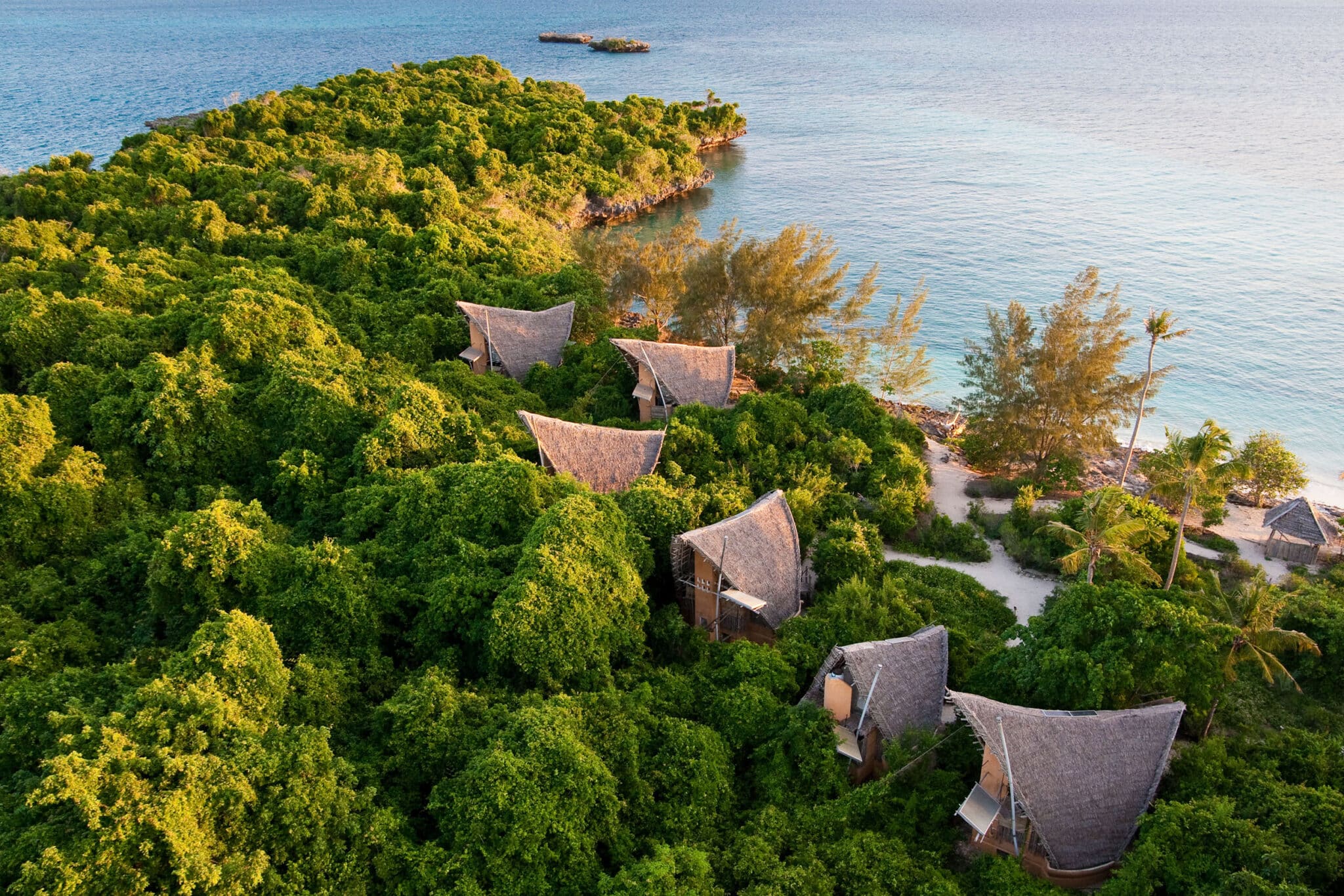
Accommodations in Mahale range from luxury tented camps to more basic lodges designed to blend with the natural environment. Most lodges are located along the shores of Lake Tanganyika, offering stunning views and direct access to the beach.
Facilities vary, but many places offer dining areas, lounge spaces, and sometimes even libraries. Eco-friendly practices aimed at minimizing environmental impact are common.
Bookings should be made in advance, especially for travel during the peak season. Some accommodations offer all-inclusive packages covering meals, activities, and park fees.
8. Do I need a guide to explore Mahale Mountains National Park?
Exploring Mahale Mountains National Park requires the accompaniment of a qualified guide or park ranger, especially for chimpanzee trekking. Guides are knowledgeable about the park’s ecosystems, wildlife behavior, and safety protocols.
They also know the best paths and the locations where chimpanzees are likely to be found. Engaging a guide enhances the experience through educational insights and increases the chances of wildlife sightings.
It is also a requirement for conservation purposes and visitor safety.
9. How physically demanding is the chimpanzee trekking in Mahale?
Chimpanzee trekking in Mahale can be physically demanding due to its mountainous terrain and the potential need to travel for several hours to find the chimps. The trails can be rugged and uneven, requiring a good fitness level.
Conditions can also be hot and humid, adding to the physical exertion required, and preparing by hiking and staying physically active before your visit is essential. Taking breaks, staying hydrated, and trekking at your own pace are necessary for an enjoyable experience.
10. Can families participate in chimpanzee treks?
Families can participate in chimpanzee treks, but there are age restrictions for children. Children under 12 are typically not allowed on chimpanzee treks for safety reasons and to ensure the animals’ protection.
Alternative activities can be arranged within the park for families traveling with younger children. Always check with your tour operator or the park management for the most up-to-date policies regarding family participation in chimpanzee treks.
11. What is the best way to capture wildlife photos in Mahale?
For wildlife photography in Mahale, a camera with a good zoom lens is necessary for capturing details of animals, particularly chimpanzees, without disturbing them. Utilize natural light early in the morning or late afternoon for the best shots.
Be patient and quiet so as not to scare off wildlife. Always follow the park’s guidelines on using cameras around animals, explicitly avoiding flash photography. A waterproof bag or casing is recommended to protect your equipment, especially during the wet season or near Lake Tanganyika.
12. Is Mahale Mountains National Park safe for visitors?
Mahale Mountains National Park is generally safe for visitors, with trained guides and park rangers ensuring guest safety and compliance with conservation laws. As in any natural environment, there are inherent risks, but adherence to guidelines significantly minimizes dangers.
The park is remote, so medical facilities are limited; therefore, it’s wise to have travel insurance that covers evacuation in case of emergencies. Malaria prophylaxis is recommended, along with standard vaccinations. Always inform your guide of any medical conditions.
13. How do I contribute to conservation efforts while visiting Mahale?
Visitors contribute to conservation in Mahale by paying park fees, which support wildlife protection and community initiatives. Engaging in responsible tourism practices, like adhering to park rules and guidelines, minimizes environmental impact.
Supporting eco-friendly accommodations and purchasing local products benefits the local economy and conservation programs. Visitors can donate to conservation projects or participate in educational programs to raise awareness.
14. What should I know about the local culture in areas surrounding Mahale?
The areas surrounding Mahale Mountains National Park are home to traditional communities with distinct cultures. Visitors should respect local customs and practices. Dress modestly, especially when visiting villages.
It’s best and polite to ask for permission before taking photos of people. Engaging with local guides and participating in community tours can provide priceless insights into the local way of life.
Buying crafts and products directly from local artisans supports the community economically.
15. Are there any health precautions I should take before visiting Mahale?
Before visiting Mahale, ensure you are up to date with routine vaccinations and have received recommended travel vaccinations, such as yellow fever. Malaria is a risk, so prophylactic medication is advised.
Consult with a travel health clinic or doctor well before your trip. Bringing a supply of over-the-counter medicines for minor ailments is wise.
Protect yourself from insect bites using repellent and wearing long sleeves and pants. Drinking only bottled or treated water is essential to avoid gastrointestinal illnesses.