

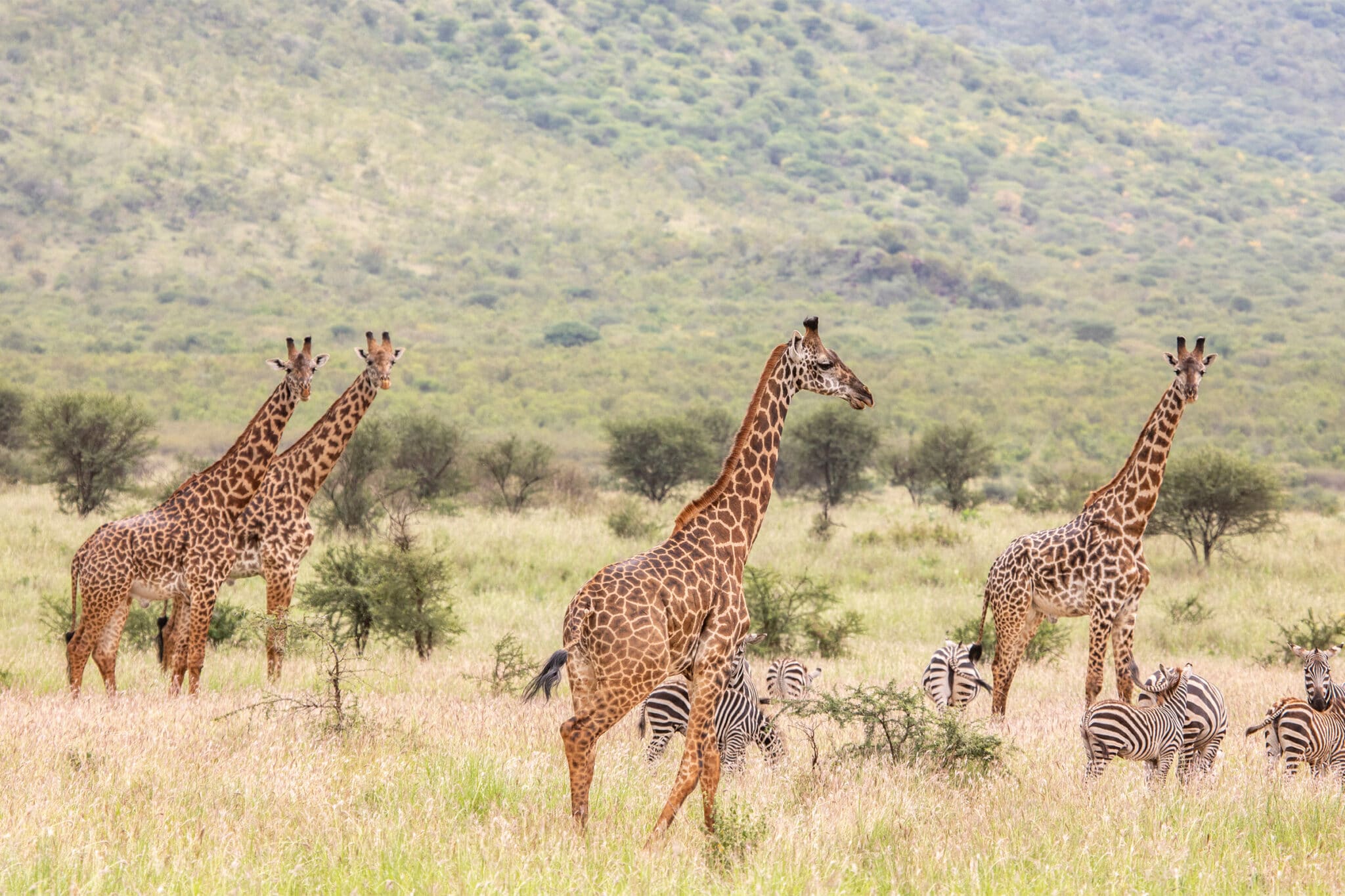
Mkomazi National Park is a hidden gem located in northeastern Tanzania. This classic dry-country reserve, with its ancient baobab trees, offers a unique and unforgettable safari experience.
The landscape is characterized by grey-green nyika bush and isolated rocky hills, adding to the park’s rugged beauty and diverse wildlife. One of the main highlights of this spectacular wilderness park is its role as a sanctuary for the critically endangered black rhinoceros.
In this comprehensive travel guide to Mkomazi National Park in 2025/2026, we will explore the best ways to explore this remarkable park and encounter its magnificent wildlife.
Getting to Mkomazi National Park


Mkomazi National Park in northeastern Tanzania offers a unique and captivating safari experience. To reach this extraordinary park, you have several transportation options available.
1. By Air
The most efficient and convenient way to reach Mkomazi National Park is by air. The nearest airport to the park is Kilimanjaro International Airport (JRO), located in Arusha.
JRO is well-connected to major international airports, making it easily accessible for international travelers. Once you arrive at Kilimanjaro International Airport, you can take a domestic flight to the airstrip of the park, which is situated near the park entrance.
Several local airlines operate regular flights between Arusha and Mkomazi National Park, providing a quick and scenic journey.
2. By Road
If you prefer a road trip or are already in Tanzania, you can reach Mkomazi National Park by road. The park is approximately 200 kilometers (124 miles) from Arusha, and the journey takes around 4-5 hours, depending on road conditions and traffic.
You can hire a private vehicle from Arusha or take a guided safari tour of Mkomazi National Park and its surroundings. The route to Mkomazi National Park offers picturesque views of the countryside and rural villages, allowing you to experience the beauty of Tanzania’s landscapes.
3. Guided Safari Tours
Another common way to reach Mkomazi National Park is through booked safaris. Most operators provide well-packaged trips, including transportation, accommodation, meals, and game drives within the park.
These tours make everything hassle-free and efficiently organized, so all you do is enjoy the wildlife and landscapes on display. Led by highly experienced guides who will stay with you every step of the way, this will ensure safety and comfort while venturing into the wild.
Understanding the Park’s Conservation Efforts: The Rhino Sanctuary


Mkomazi National Park is renowned for its successful conservation programs, particularly its efforts to protect the black rhinoceros through the Mkomazi Rhino Sanctuary.
In 1989, the Tanzanian government designated the park a national priority project, highlighting its newfound significance and importance. Learn about the conservation initiatives that have made this park a haven for these majestic creatures.
Discover the history of rhino conservation in Mkomazi, the challenges faced, and the successes achieved. Understand the importance of conserving this particular endangered species and its trends in the ecosystem.
Highlights
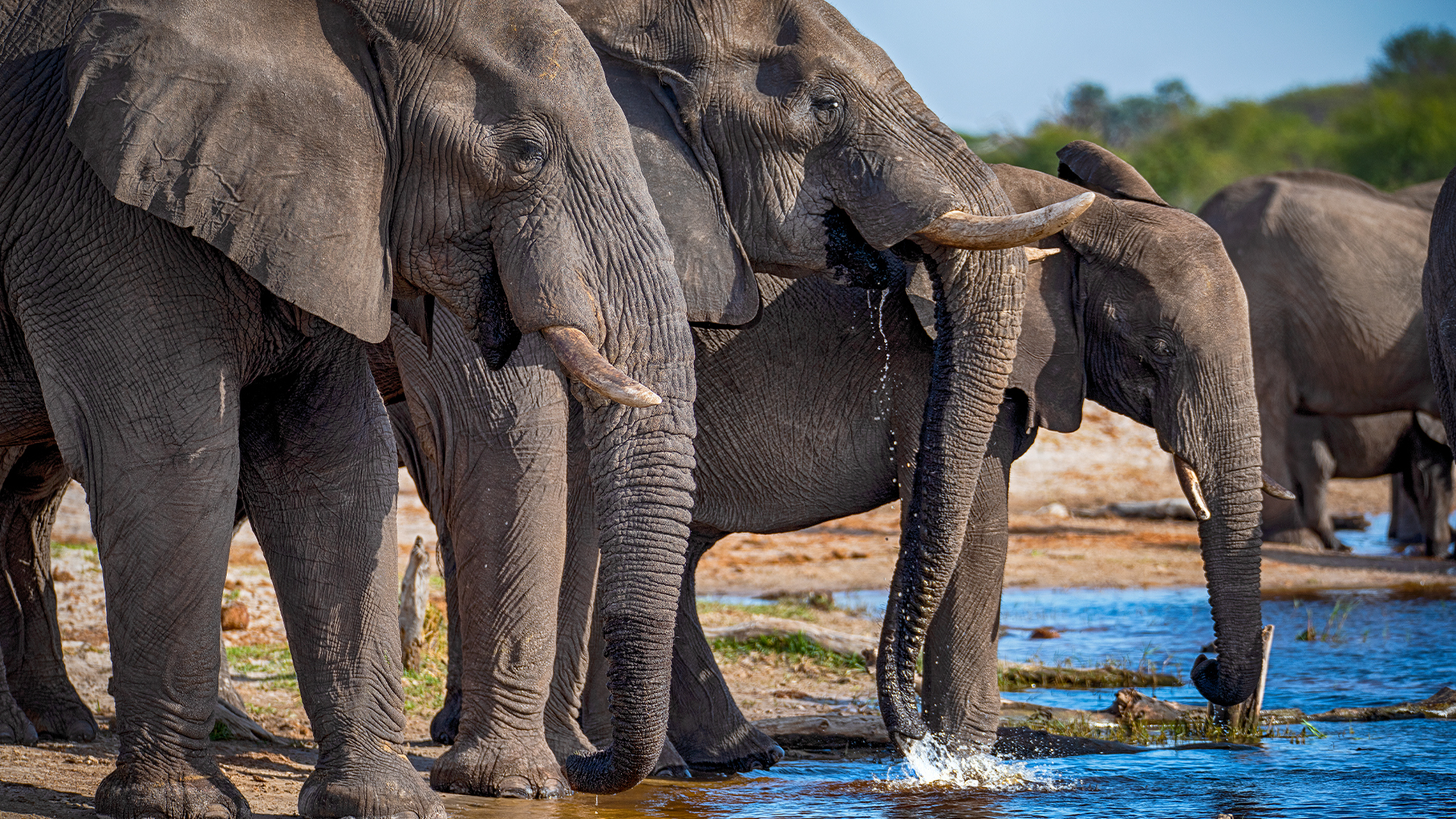
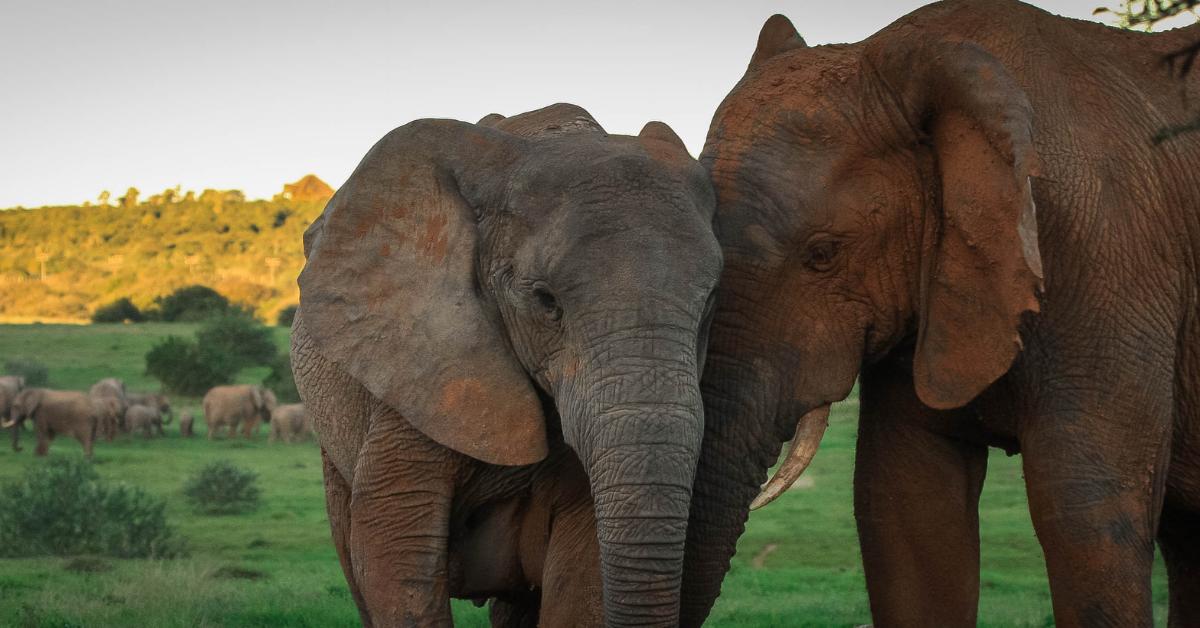
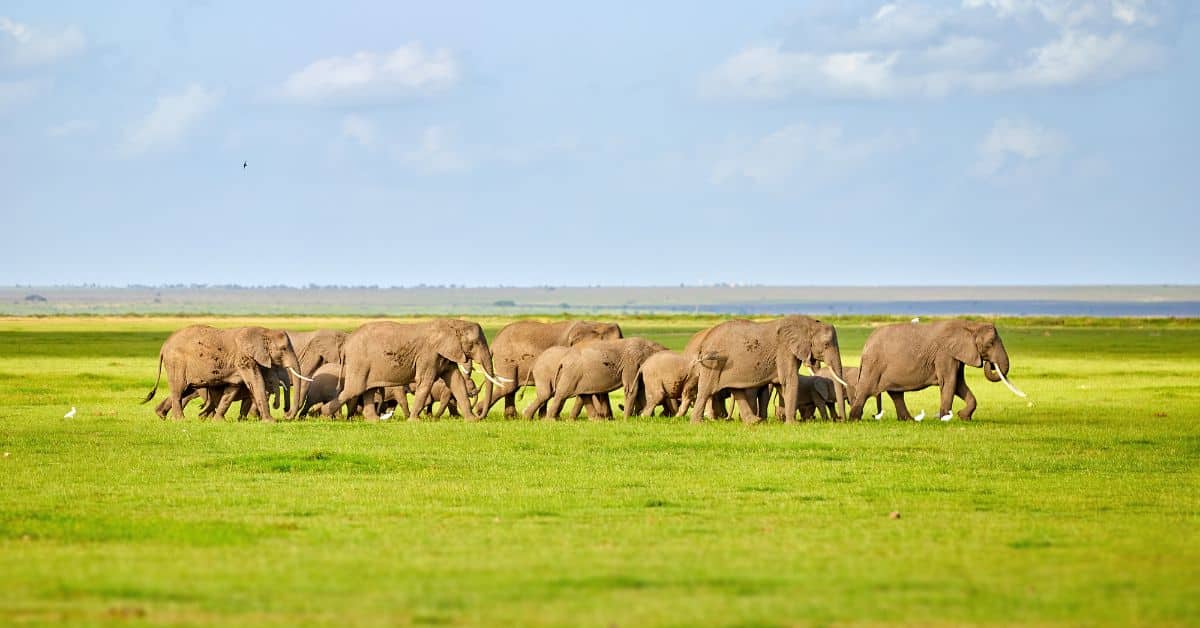
1. Diverse Wildlife and Scenic Landscapes: Mkomazi National Park is home to many wildlife, including elephants, giraffes, zebras, and the iconic African fish eagle. The park’s varied habitats offer breathtaking wildlife viewing and photography backdrops, from savannahs and woodlands to riverine forests.
2. The Rhino Sanctuary: Mkomazi is renowned for its dedicated black rhino sanctuary, where black rhinos are carefully protected and bred. This sanctuary highlights the park’s commitment to conservation and gives you a unique chance to see these majestic creatures up close.
3. Thrilling Safari Adventures: Embark on exciting safari game drives with experienced guides who share insights into the park’s ecosystems and animal behaviors. Options include day safaris, night drives, and walking safaris, each offering a unique perspective on Mkomazi’s natural wonders.
4. Cultural Encounters with Local Communities: Engage with the vibrant culture and traditions of the local communities around Mkomazi Park. Cultural visits allow travelers to learn about the locals’ way of life, their conservation efforts, and the symbiotic relationship between the park and nearby villages.
5. Sustainable Tourism Practices: Mkomazi National Park exemplifies sustainable tourism with initiatives supporting the environment and local communities. Tourism activities and park fees fund conservation projects and community development, ensuring that the benefits of tourism are widely shared and contribute to the park’s long-term preservation.
Wildlife Encounters: Discovering the Big Five and More


Embark on thrilling game drives through Mkomazi National Park and witness the incredible diversity of wildlife it offers. Encounter the famous African Big Five – lion, elephant, buffalo, leopard, rhinoceros, and other iconic animals like giraffes, zebras, and wildebeests.
Learn about these remarkable creatures’ behavior, habitats, and conservation status. Be prepared for awe-inspiring sightings and capture unforgettable moments as you witness nature’s grandeur unfold before your eyes.
Highlights
1. Thrilling Game Drives: Experience the excitement of game drives through Mkomazi National Park, where the diverse wildlife roams freely. These drives provide an unparalleled opportunity to see the park’s inhabitants in their natural habitats.
2. Encounter the Big Five:. Witness the renowned African Big Five – lions, elephants, buffalo, leopards, and rhinoceroses – in their natural environment. Mkomazi offers a rare chance to observe these majestic animals up close.
3. Iconic Wildlife Sightings: In addition to the Big Five, spot other iconic animals like giraffes, zebras, and wildebeests. The park’s rich biodiversity ensures a variety of thrilling wildlife encounters.
4. Educational Insights: Learn about these remarkable creatures’ behaviors, habitats, and conservation status from knowledgeable guides. Gain a deeper appreciation of the efforts to protect and preserve Mkomazi’s wildlife.
5. Capture Unforgettable Moments: Prepare for awe-inspiring sightings and the opportunity to capture the stunning scenery in photographs. Witness nature’s grandeur unfolds before you and takes home lifetime memories.
Rhino Tracking: The Ultimate Encounter with Black Rhinos


Embark on thrilling game drives through Mkomazi Park and witness the incredible diversity of wildlife it offers, including numerous predators such as lions, leopards, and cheetahs. Encounter the famous African Big Five – lion, elephant, buffalo, leopard, rhinoceros, and other iconic animals like giraffes, zebras, and wildebeests.
Learn about these remarkable creatures’ behavior, habitats, and conservation status. Be prepared for awe-inspiring sightings and capture unforgettable moments as you witness nature’s grandeur unfold before your eyes.
Highlights
1. Exhilarating Rhino Tracking Expeditions: Join experienced guides on an exciting journey to find and observe black rhinoceroses in their natural habitat. This adventure offers a unique and intimate wildlife experience in Mkomazi National Park.
2. Insightful Learning Experience: Discover black rhinos’ behavior, feeding patterns, and survival challenges. Learn valuable knowledge from guides about their daily lives and conservation status.
3. Safe and Respectful Wildlife Observation: Observe black rhinos from a safe distance, ensuring minimal disturbance to their natural behavior. Appreciate ethical wildlife tourism’s importance and its role in conservation.
4. Deep Conservation Appreciation: Understand the critical efforts required to protect and preserve black rhinos. This encounter highlights the significance of ongoing conservation initiatives and their impact on the species’ survival.
5. Unforgettable Once-in-a-Lifetime Experience: Leave Mkomazi National Park with a profound appreciation for the majesty and vulnerability of black rhinos. This unique experience will resonate deeply, emphasizing the need to protect these endangered animals for future generations.
Birdwatching: A Haven for Avian Enthusiasts
Mkomazi National Park is a haven for birdwatchers, boasting over 450 species of birds. Explore the diverse habitats, from open plains to riverine forests, and spot various colorful and exotic bird species.


Keep your binoculars handy to observe stunning birds such as the Fischer’s lovebird, violet wood-hoopoe, and the Usambara eagle-owl. Immerse yourself in the melodious symphony of bird calls as you explore the park’s hidden corners, making it a paradise for avian enthusiasts.
The once-in-a-lifetime experience of being up so close to something so magnificent, yet so vulnerable, brings out the awe in anyone for these endangered animals.
Highlights
1. Diverse Bird Species Mkomazi National Park is home to over 450 bird species, making it a paradise for birdwatchers. The park’s avian diversity is spectacular, from colorful exotics to rare endemics.
2. Varied Habitats Explore the park’s diverse habitats, including open plains, riverine forests, and woodlands. Each habitat offers unique birdwatching opportunities and a chance to spot different species.
3. Iconic Bird Sightings Keep your binoculars ready to observe stunning birds, such as the Fischer’s lovebird, violet wood-hoopoe, and Usambara eagle-owl. These iconic species are a highlight for any birdwatching enthusiast.
4. Melodious Bird Calls: Immerse yourself in the musical symphony of bird calls that fills the air. The sounds of the park’s feathered residents create a serene and enchanting atmosphere.
5. Birdwatching Paradise Mkomazi National Park’s hidden corners and stunning landscapes give a perfect backdrop for birdwatching adventures. Whether you are a seasoned birder or a novice, the park offers an unforgettable experience for avian enthusiasts.
Walking Safaris: Connecting with Nature on Foot
Mkomazi National Park in northeastern Tanzania offers various transportation choices for visitors to reach the park, including air travel, road trips, guided safari tours, private transfers, and local transportation. Additionally, the park provides a unique opportunity for walking safaris, allowing visitors to connect with nature on foot.

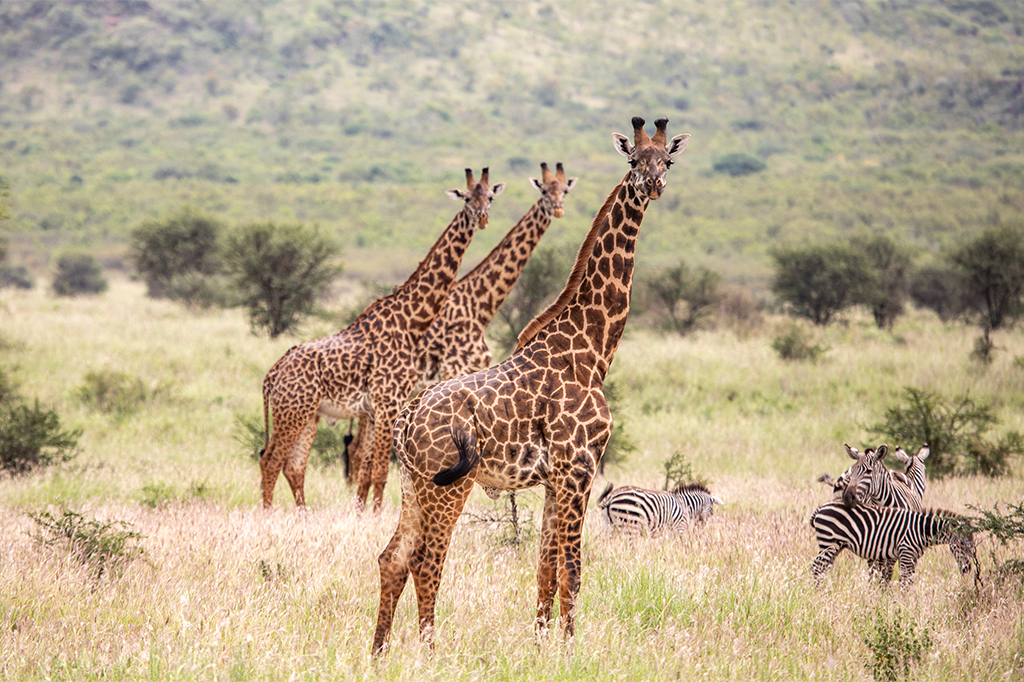
Guided walking safaris, bush camping, nature walks, and birdwatching walks are all available to explore the park’s diverse landscapes and encounter its wildlife up close. Safety is paramount, and it is essential to follow the guidance of experienced park rangers and guides.
Embarking on a walking safari in Mkomazi National Park enables visitors to experience the park’s beauty, observe wildlife behavior, and gain a deeper appreciation for the natural environment. With its rich ecosystems and biodiversity, East Africa offers similar thrilling experiences in destinations like Kenya, Tanzania, and Uganda, especially during the dry-season months of July to October.
Highlights
1. Wildlife-Viewing: Elephants, giraffes, and rare African wild dogs offer intimate and memorable wildlife viewing experiences in their natural habitat.
2. Scenic Landscape Exploration: Explore the park’s varied landscapes, from open savannahs to lush riverine forests, on foot, immersing yourself in the stunning natural beauty and discovering hidden gems inaccessible by vehicle.
3. Educational Nature Walks: Engage in guided nature walks led by experienced rangers, learning about local flora, fauna, and conservation efforts, deepening your understanding of East Africa’s ecosystems and biodiversity.
4. Safe and Guided Adventures: Ensure safety under the expert guidance of knowledgeable guides and park rangers, who provide insights into wildlife behavior conservation challenges and ensure responsible viewing practices.
5. Authentic Cultural Experiences: Interact with local communities and learn about their traditions and livelihoods, gaining a richer cultural perspective alongside your wildlife adventures in this lesser-known gem of Tanzania.
Cultural Interactions: Engaging with Local Communities
Mkomazi National Park is one of many places for game viewing. The place is more about encounters with the local communities and learning about their rich culture.


Dramatic landscapes are set against the backdrop of the Pare and Usambara Mountains, which form part of northeastern Tanzania’s Eastern Arc Mountain ranges. Adjacent visits to villages, meet very friendly locals.
Engage in cultural activities like beadwork, pottery, and traditional dances. Share the warm traditions and customs of the Maasai and other indigenous tribes. This cultural exchange will help us understand regional heritage and the importance of community-based conservation.
Highlights
1. Authentic Village Visits: Experience the warmth of local hospitality firsthand by visiting nearby villages surrounding Mkomazi National Park, where you can engage with community members and learn about their daily lives and traditions.
2. Traditional Arts and Crafts: Participate in conventional activities such as beadwork, pottery-making, and learning traditional dances, immersing yourself in the cultural practices passed down through generations.
3. Maasai Cultural Immersion: Engage with the Maasai and other indigenous tribes, gaining insight into their unique customs, dress, and rituals while appreciating their deep connection to the land and wildlife.
4. Community Conservation Efforts: Learn about community-based conservation initiatives directly from local leaders and community members, understanding how their efforts contribute to preserving the region’s natural heritage.
5. Cultural Exchange and Understanding: Foster meaningful connections through cultural exchange, gaining a deeper appreciation for the region’s heritage and the symbiotic relationship between local communities and conservation efforts.
Conservation Tours: Behind the Scenes of Wildlife Protection


Gain insight into the behind-the-scenes wildlife protection efforts by joining conservation tours in Mkomazi National Park. Visit anti-poaching units, research centers, and veterinary facilities to learn about the conservation strategies and initiatives implemented in the park.
Meet the dedicated conservationists and rangers who work tirelessly to safeguard the park’s flora and fauna. Understand their challenges and innovative approaches to protecting and preserving the ecosystem’s biodiversity.
Highlights
1. Anti-Poaching Unit Visits: Explore the front lines of wildlife protection by visiting anti-poaching units in Mkomazi National Park, where you can see firsthand the strategies and technologies used to combat illegal poaching activities.
2. Research Center Insights: Gain access to research centers within the park, where scientists conduct critical studies on wildlife behavior, habitat conservation, and biodiversity monitoring, contributing to informed conservation decisions.
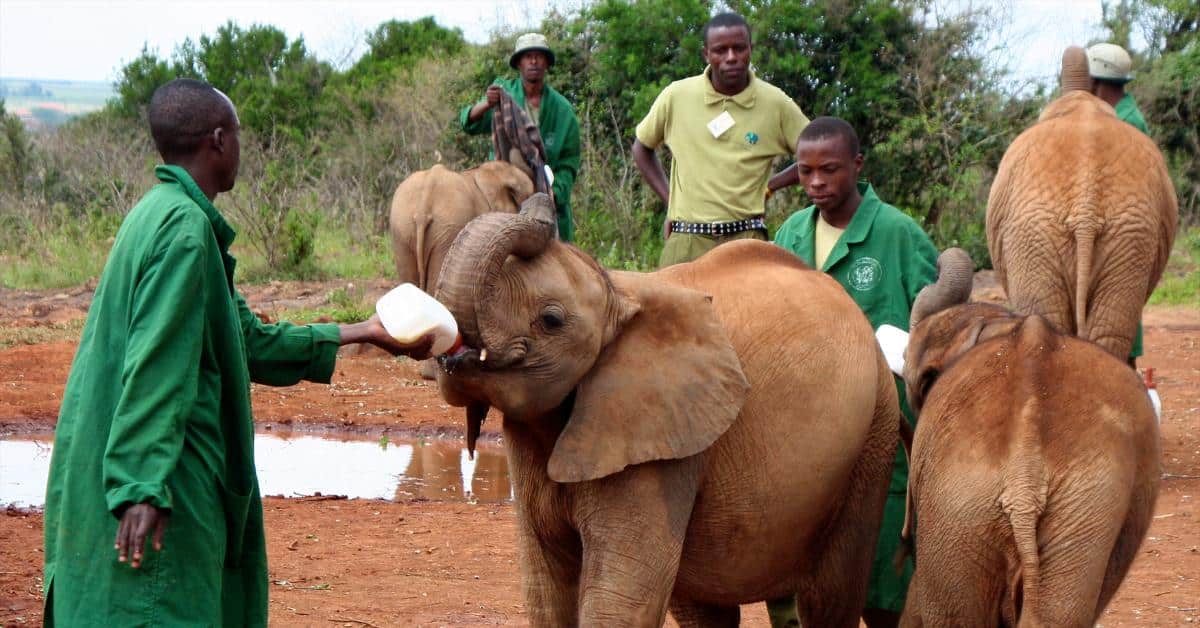
3. Veterinary Facilities Tour: Visit veterinary faculties focused on treating injured or orphaned wildlife, then their repair and release into the wild.
4. Meet Conservation Experts: Interact with dedicated conservationists and park rangers who share their expertise and firsthand experiences, providing insights into wildlife protection efforts’ daily challenges and successes.
5. Innovative Conservation Practices: Learn about innovative conservation practices and initiatives implemented in Mkomazi National Park, including community-based conservation programs and sustainable resource management to preserve the park’s ecological balance.
Final Thoughts
Visit Mkomazi National Park for a remarkable safari experience. With its unique focus on rhino conservation and the incredible diversity of wildlife, national parks in Tanzania play a crucial role in preserving the country’s rich biodiversity and natural heritage.


Mkomazi stands out but is often compared to Serengeti National Park and Serengeti National Parks, famous for their vast herds and the Great Migration. The neighboring Tsavo National Park also contributes to an extensive ecosystem, allowing animals to migrate between the parks. From the thrill of encountering the Big Five to the intimate experiences of rhino tracking and walking safaris, this park has something to captivate every nature lover and adventure seeker.
Immerse yourself in the beauty of the natural surroundings, connect with the local communities, and contribute to the conservation efforts that make Mkomazi National Park a true sanctuary for the black rhinoceros. Embark on an extraordinary journey in 2025/2026 and make memories that will last a lifetime.
Frequently Asked Questions (FAQs)
What is the best time to visit Mkomazi National Park?
Mkomazi National Park experiences distinct dry and wet seasons, influencing wildlife sightings and park accessibility. From June to October, the dry season offers excellent game viewing as animals congregate around water sources, and vegetation is less dense.
The wet season lasts from the month of November to May. It brings lush greenery and migratory bird arrivals, making it ideal for birdwatching. However, travel during this period may be challenging due to muddy roads.
Ultimately, the best time to visit depends on your wildlife viewing preferences and tolerance for weather conditions.
What wildlife can be seen in Mkomazi National Park?
Mkomazi National Park is renowned for its diverse wildlife, including endangered species like African wild dogs, black rhinos, and elephants. Other notable species include giraffes, zebras, buffalo, and antelope species such as elands and oryx.
The park boasts over 450 bird species. In addition to hosting many other species of wildlife, visitors will find these animals in their natural habitats of open savannas and riverine forests, all at their disposal to provide a rich, complete, and all-embracing safari experience.
What activities are available in Mkomazi National Park?
Mkomazi National Park offers a range of activities to suit different interests. Game drives are famous for wildlife viewing, with opportunities to explore the park’s diverse landscapes and encounter its resident animals.
Guided walking safaris provide better conditions for venturing into the wild on foot. Birdwatching is another highlight, with the park’s affluent avian diversity attracting bird enthusiasts year-round.
Cultural interactions with local communities offer insights into traditional lifestyles, while conservation tours provide behind-the-scenes looks at wildlife protection efforts.
How do I get to Mkomazi National Park?
Mkomazi Park is located in northeastern Tanzania and is accessible by road and air. For those flying, Kilimanjaro International Airport is the closest major airport, with domestic flights available to the park’s airstrip.
Road trips from major cities like Arusha are also possible, with guided safari tours and private transfers providing convenient transportation options. Local buses and taxis offer budget-friendly alternatives, though travel times may vary depending on road conditions and weather.
What accommodations are available in Mkomazi National Park?
Accommodation options in Mkomazi National Park cater to various preferences and budgets. Visitors can choose from lodges and tented camps within or near the park, offering comfortable amenities and stunning views of the surrounding wilderness. These accommodations often feature eco-friendly practices and blend harmoniously with the natural environment, providing an authentic safari experience.