

Mount Meru, located in Tanzania, is a majestic and iconic mountain that offers adventurers a thrilling and rewarding experience. With its breathtaking landscapes, diverse wildlife, and rich cultural heritage, Mount Meru is a haven for outdoor enthusiasts and nature lovers.
Kilimanjaro International Airport is the main entry point for travelers visiting Mount Meru. This comprehensive guide will explore the best tours and activities to make the most of your visit in 2025/2026.
Climbing Mount Meru: Conquer the Summit
Mount Meru, the fifth-highest mountain in Africa, stands majestically in the heart of Arusha National Park, offering adventurers a challenging and rewarding climb. The journey to the summit of Mount Meru is an actual test of physical endurance and mental determination.
Still, the breathtaking panoramic views and the sense of accomplishment make it all worthwhile. One of the first decisions to make when embarking on the Mount Meru climb is choosing the correct route.
The Momela Route is the most popular and well-trodden path, taking approximately 3 to 4 days to reach the summit. This route offers diverse landscapes, ranging from lush montane forests to alpine desert zones, providing trekkers with scenic views. Along the way, hikers can enjoy incredible views of the Meru Crater.
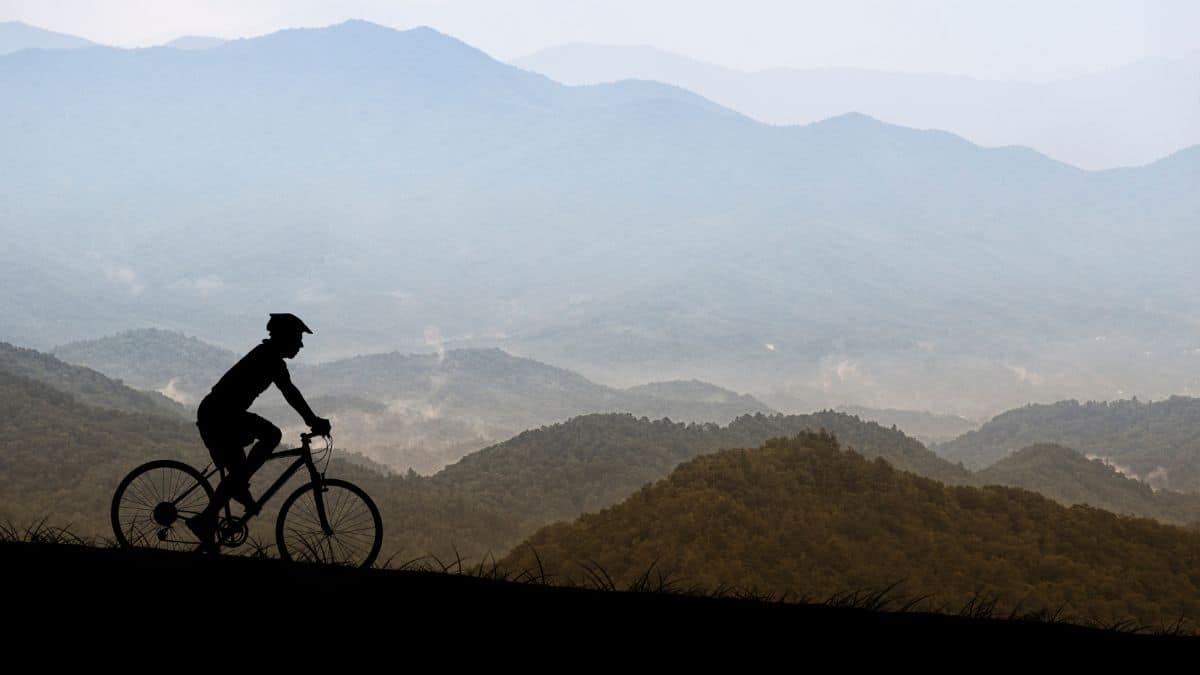
Climbing Mount Meru demands a reasonable level of physical fitness and mental preparedness. Regular cardiovascular exercises like hiking, running, or cycling are essential to improve stamina and endurance. Hikers must also traverse a narrow ridge towards the summit.
Strength training exercises targeting the legs, core, and upper body will help cope with the mountain’s rugged terrain and challenging uphill sections. Mental preparation is equally crucial, as the climb can be physically demanding and mentally taxing. The climb’s final part involves navigating the crater’s sloping outer wall.
The trek requires patience, determination, and a positive mindset to overcome any challenges during the ascent. The Saddle Hut is a crucial resting point for hot lunch, dinner, and overnight stays before reaching the summit.
Wildlife Safari in Arusha National Park: Encounter Nature’s Finest
Embarking on a wildlife safari inArusha National Park is a fantastic way to immerse yourself in nature and encounter various fascinating wildlife. The park, located at the foothills of Mount Meru, boasts a diverse ecosystem that includes lush forests, picturesque lakes, and sprawling grassy plains.
During your safari, you’ll have the opportunity to spot an impressive range of wildlife species. Keep your eyes peeled for majestic giraffes gracefully grazing on the tall trees, zebras with their striking black-and-white stripes roaming the open plains, and mighty buffalos congregating near water sources.
The park is also home to various species of monkeys, such as vervet monkeys and black-and-white colobus monkeys, adding an element of playfulness to your safari experience.
Cultural Interactions: Connecting with the Locals
Embracing the opportunity to connect with the local communities surrounding Mount Meru will enhance your travel experience and allow you to understand the region’s rich cultural heritage better. Cultural interactions give a unique opportunity to learn about the local people’s traditions, customs, and way of life.
A nearby township, Usa River, offers visitors the chance to experience authentic Tanzanian life through unique outings guided by local staff. Participating in guided cultural tours is an excellent way to explore the local culture. Knowledgeable guides will accompany you to important cultural sites and provide insights into the history and significance of these places.
They will also act as cultural ambassadors, facilitating interactions with the locals and bridging the gap between different cultures. These tours may include visits to traditional villages, historical landmarks, and community centers.
Visiting local villages is a particularly enriching experience as it allows you to witness the residents’ daily lives. You’ll have the chance to observe traditional practices, such as farming, crafts, and cooking, and witness the strong sense of community that permeates these villages.
Interacting with the friendly locals will provide valuable insights into their traditions and allow for cultural exchanges that foster mutual understanding and appreciation.
Waterfall Tours: Discover Nature’s Hidden Gems
It’s a pleasure to take waterfall tours in Mount Meru, which offer access to many of nature’s hidden treasures, serene beauty, and tranquil atmosphere. The area has several captivating waterfalls, each offering a unique and enchanting experience.
Ngurudoto Waterfall is one of the prominent waterfalls in the area. Nestled amidst the verdant landscape, this waterfall is a sight to behold.
The cascading waters create a mesmerizing display as they flow gracefully down the rocks, creating small pools along the way. The surrounding lush vegetation adds to the picturesque setting, making it an ideal spot for photography and relaxation.
Meru Waterfall is another gem that awaits nature enthusiasts. Being secluded and in a calm environment, this waterfall is endowed with tranquility, away from the hustle and bustle of the world.
The rushing waters create a welcoming atmosphere, while the flora and fauna all around lend to its natural beauty. The falling water mists everything around, creating a surrealistic change to the scene, thus magical.
Coffee Plantation Tours: Taste the Finest Coffee
Immerse yourself in the world of coffee by embarking on coffee plantation tours in the Mount Meru region. These tours provide a remarkable chance to explore the rich coffee culture and gain insights into the fascinating journey of coffee production, from seed to cup. Visitors can also tour the coffee farms, witness coffee being processed, and purchase some to return home.
As you visit local coffee plantations, knowledgeable guides will guide you through the various stages of coffee production. You’ll learn about the different coffee varieties grown in the region, their unique characteristics, and the ideal growing conditions required for cultivating high-quality coffee beans.
Discover the intricacies of coffee farming, from planting the seeds to nurturing the coffee plants throughout their growth cycle. Witness the meticulous process of coffee harvesting, where skilled farmers handpick the ripe coffee cherries with precision.
Understand carefully sorting and processing methods to ensure that only the best quality beans are picked. Guides will explain the importance of proper fermentation and drying techniques in achieving the desired flavor profiles.
Nature Walks and Birdwatching: Explore the Wilderness
Immerse yourself in the breathtaking natural beauty of the Mount Meru region by embarking on nature walks and birdwatching excursions. These activities let you explore the diverse landscapes, see unique flora and fauna, and connect with the wilderness on a deeper level.
During your hikes, you will traverse montane forests, which serve as habitats for wild animals. Nature walks near Mount Meru offer a chance to escape the busy city life and embrace the serenity of nature.
As you traverse dense forests, open plains, and grassy savannahs, you’ll be surrounded by a symphony of sights, sounds, and scents. The region boasts a rich biodiversity, with abundant plant species, trees, and wildflowers.
Conclusion
Mount Meru offers various tours and activities that cater to every adventurer’s interests. Whether you choose to climb the mountain, explore the wildlife-rich national parks, engage in cultural exchanges, discover hidden waterfalls, or indulge in coffee plantation tours, Mount Meru promises unforgettable experiences.
Plan your trip in 2025/2026 and immerse yourself in this region’s natural wonders and cultural treasures.
Frequently Asked Questions (FAQs)
What makes climbing Mount Meru a unique experience compared to Mount Kilimanjaro?
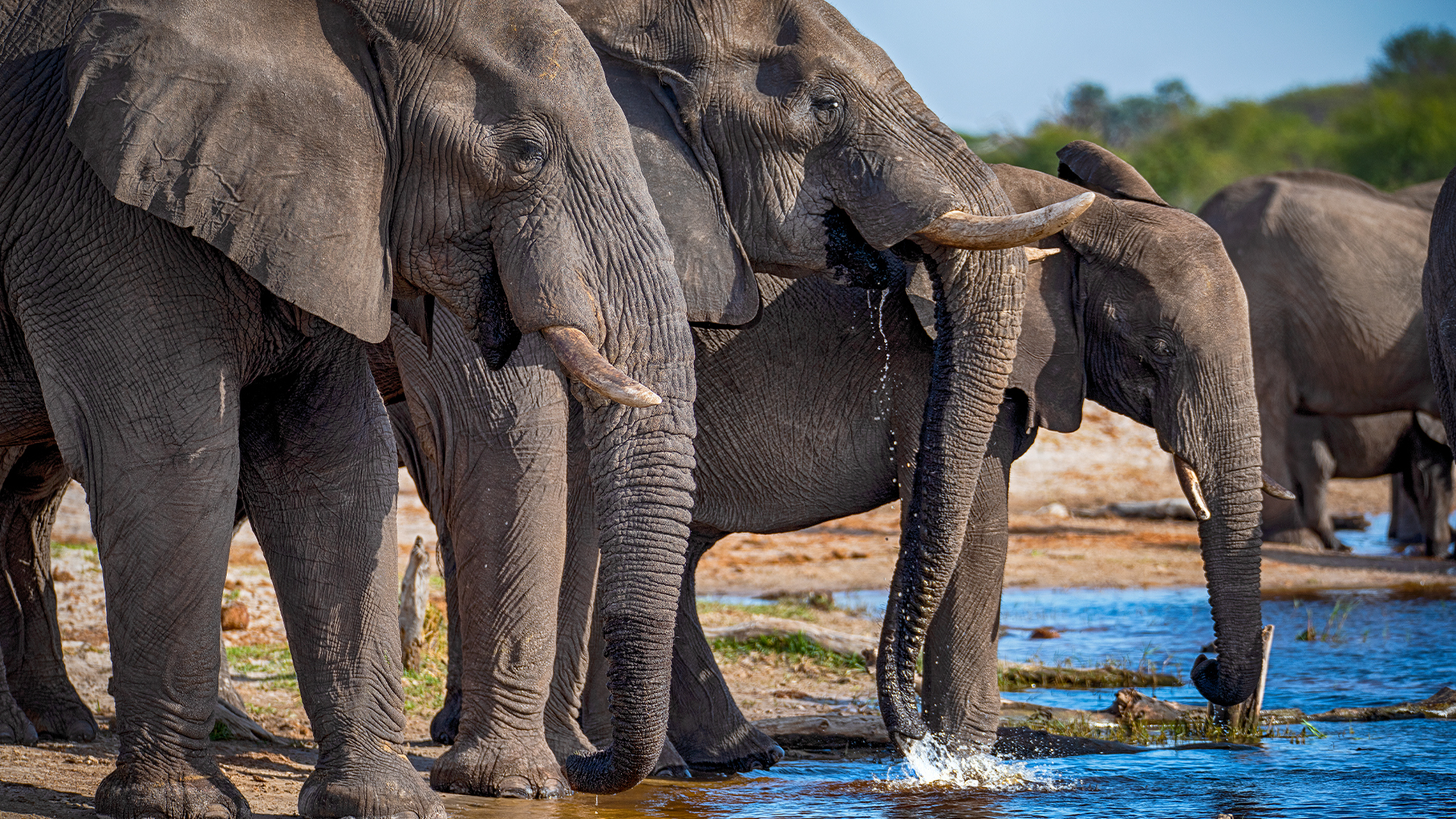
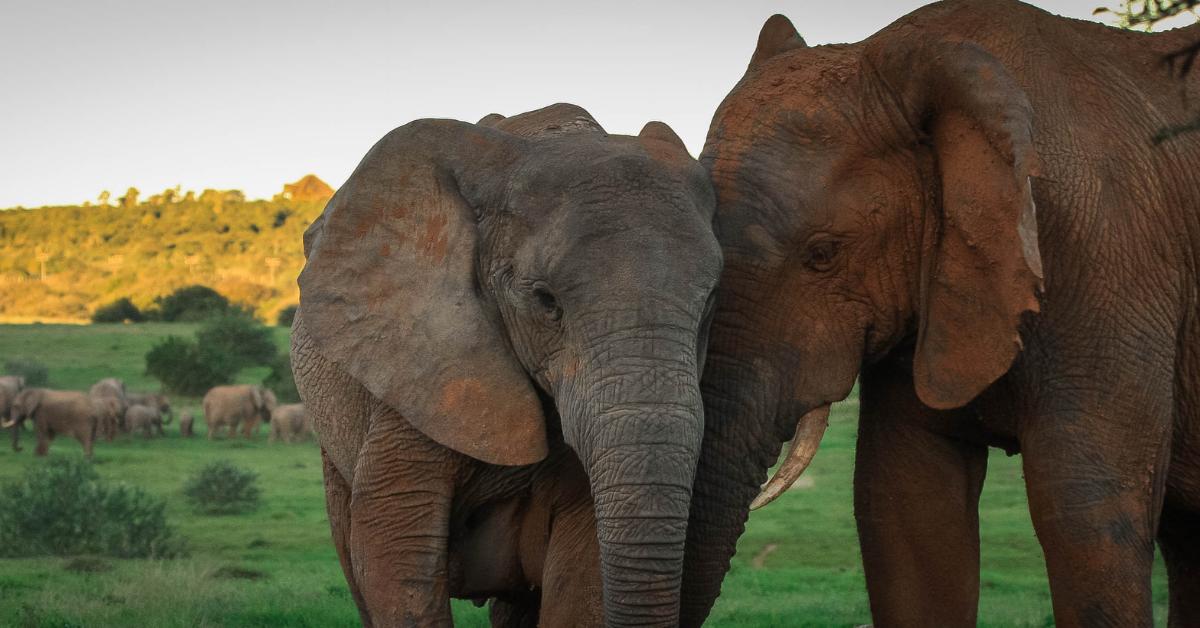
Climbing Mount Meru offers a unique experience distinct from Mount Kilimanjaro due to its diverse wildlife, scenic beauty, and challenging yet rewarding trek. Unlike Kilimanjaro, Mount Meru stands within Arusha National Park, allowing trekkers to spot wildlife such as elephants, giraffes, and buffaloes as they ascend.
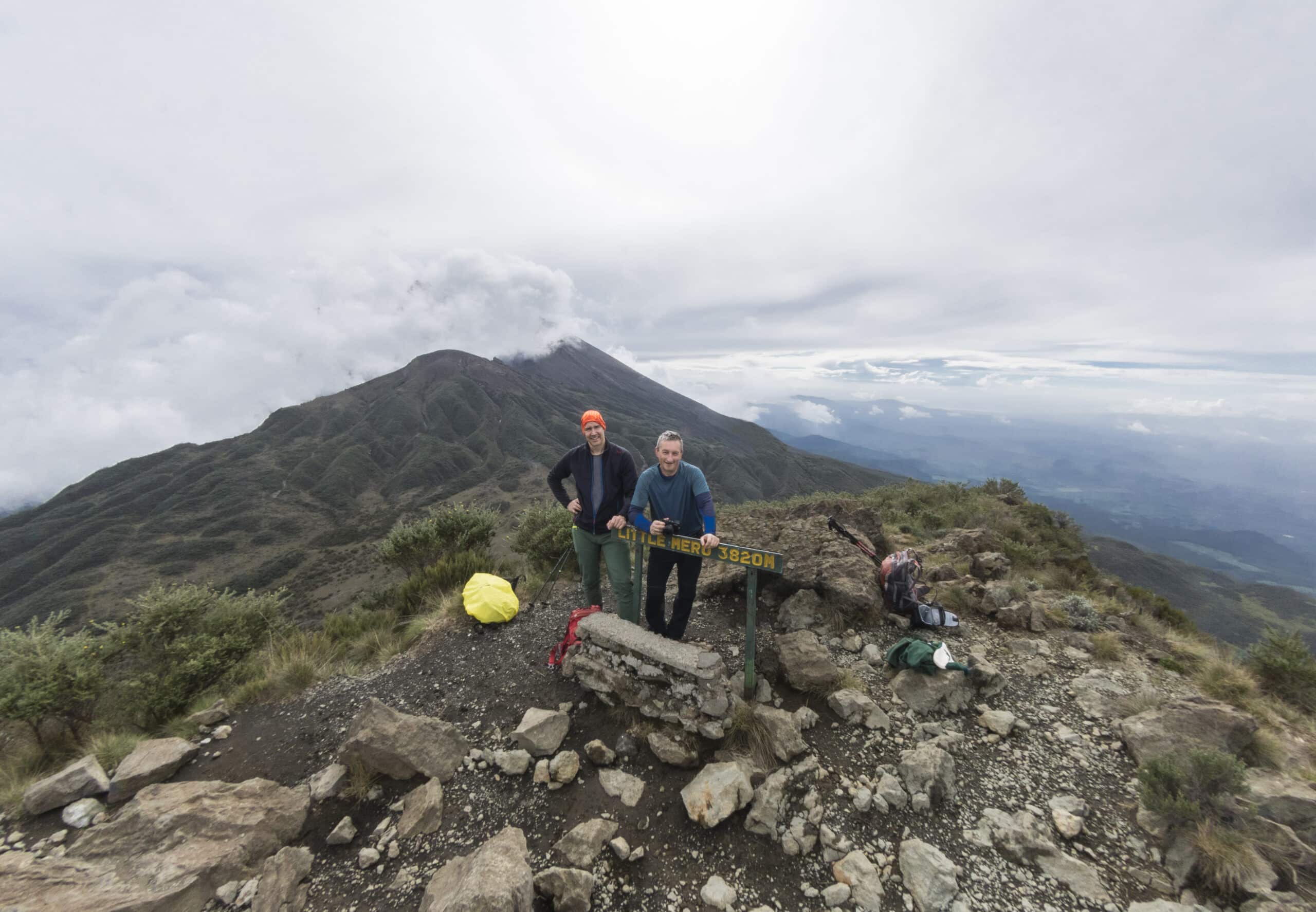
The trail passes through montane forest, heathland, and alpine desert, offering varied landscapes and ecosystems. The climb also includes a dramatic ridge walk to the summit, which provides breathtaking views of the Ash Cone and Mount Kilimanjaro in the distance.
What should I expect during a Mount Meru climb?
During a Mount Meru climb, trekkers can expect a multi-day adventure that involves hiking through lush montane forests, crossing open heathlands, and traversing rocky ridges. The climb typically starts at Momella Gate and includes overnight stays at designated huts like Miriakamba Hut and Saddle Hut.
Highlights of the trek include stunning views from Rhino Point and the chance to see diverse flora and fauna within the wildlife estate of Arusha National Park. Though the final ascent to the summit is overwhelming, it offers beautiful vistas with panoramic views of surrounding landscapes and Mount Kilimanjaro.
How can I combine a Mount Meru climb with a Mount Kilimanjaro trek?
Combining a Mount Meru climb with a Mount Kilimanjaro trek is an excellent way to acclimatize and maximize your Tanzanian adventure. Many climbers choose to summit Mount Meru first to better prepare for the higher altitudes of Kilimanjaro.
The acclimatization gained from Meru’s altitude of 4,566 meters can significantly enhance your chances of reaching Kilimanjaro’s summit. Most of the time, this climb to Mount Meru will take about 3-4 days before embarking on the ascent of Kilimanjaro, facilitating a smoother transition to the higher altitudes.
What wildlife can I expect to see while trekking Mount Meru?
While trekking Mount Meru, you can expect to encounter various wildlife within Arusha National Park’s wildlife estate. The montane forests are home to colobus, blue monkeys, and a rich bird species.
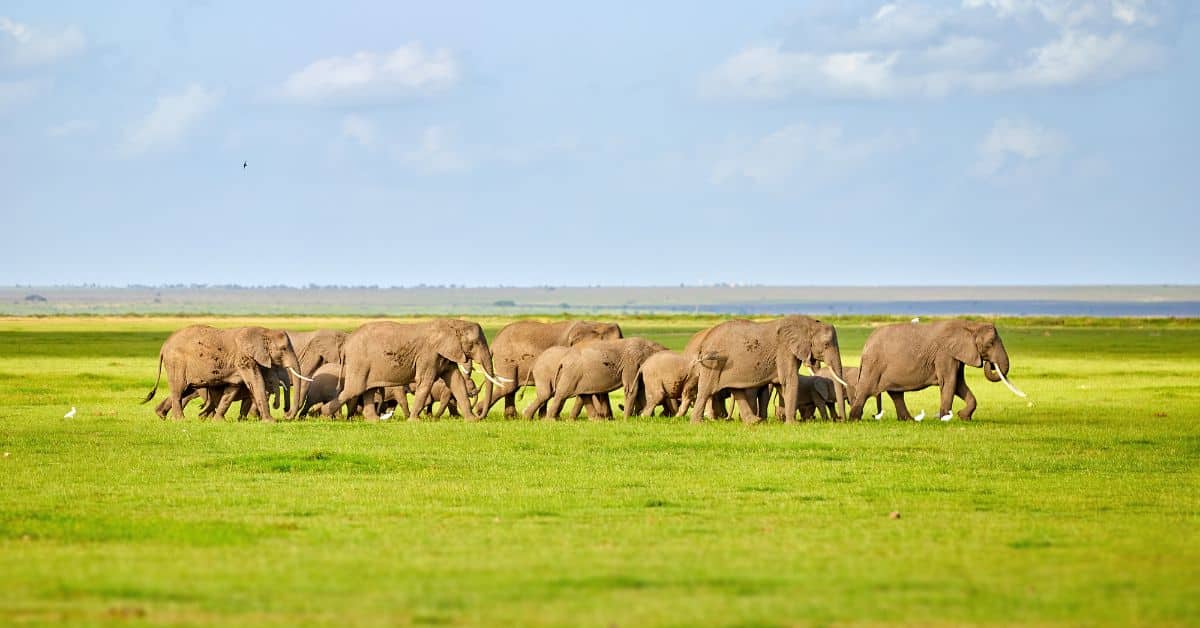
As you ascend, you may spot larger animals like elephants, buffaloes, and giraffes. Bushbucks and dik-diks inhabit the lower slopes, while elands and occasional leopards frequent the open heathlands and higher altitudes.
The trek’s diverse habitats offer ample wildlife viewing opportunities, making the climb an enriching experience.
What are the accommodation options during a Mount Meru trek?
During a Mount Meru trek, accommodations include staying in designated mountain huts such as Miriakamba Hut and Saddle Hut. Miriakamba Hut is at an altitude of 2,514 meters and offers dormitory-style rooms with basic facilities, providing a comfortable resting place for the first night.
Then, there’s the Saddle Hut, situated at 3,570 meters. These huts are equipped with essential amenities, including beds, toilets, and dining areas, ensuring trekkers have a safe and comfortable stay while acclimatizing and preparing for the climb.
What are the highlights of the trek to Rhino Point?
The trek to Rhino Point is one of the highlights of the Mount Meru climb. It is located at 3,800 meters and features a panoramic view of the surroundings around Mt. Kilimanjaro.
The trail to Rhino Point involves a challenging but scenic ascent through montane forests and alpine desert, with opportunities to spot wildlife along the way. The vantage point provides trekkers with a sense of accomplishment and breathtaking vistas, making it a memorable part of the Mount Meru experience.
How difficult is Mount Meru’s climb?
The Mount Meru climb is moderately difficult and suitable for trekkers with a reasonable fitness level and some hiking experience. The trek involves steep ascents, rocky terrain, and high altitudes, particularly during the final push to the summit.
However, the well-marked trails, armed park rangers, and experienced guides ensure a safe and manageable climb. The gradual ascent and acclimatization provided by the multi-day trek help trekkers adjust to the altitude, making it a rewarding and achievable adventure.
What is the best time of year to climb Mount Meru?
The dry seasons are the best times to climb Mount Meru—particularly June to October and late December to February. These are generally good months with a stable atmosphere, clear skies, and less rainfall, providing better trekking conditions and breathtaking views.
The dry seasons are also the peak times for tourism, allowing one to find more climbing groups and other trekkers easily. However, since Mount Kilimanjaro’s weather can quickly change from one condition to another, a climber must be prepared for any weather conditions.
Can I do a forest walk in Arusha National Park before or after my Mount Meru trek?
You can enjoy a forest walk in Arusha National Park before or after your Mount Meru trek. The park offers guided forest walks that closely examine the diverse flora and fauna within the montane forests. These walks are an excellent way to acclimate before trek or unwind after climbing.
You can explore the lush vegetation, spot wildlife such as monkeys and birds, and learn about the park’s ecosystems from knowledgeable guides. Forest walks offer a peaceful and immersive experience, complementing your Mount Meru adventure.
How do I get to Arusha town from Kilimanjaro International Airport?
To get to Arusha town from Kilimanjaro International Airport, you can arrange a private transfer, take a shuttle bus, or hire a taxi. The airport is approximately 60 kilometers from Arusha, and the journey takes about 1-1.5 hours by road.
Many hotels and tour operators provide airport transfer assistance, ensuring a convenient and hassle-free arrival. The drive from the airport to Arusha town offers lovely views of the surrounding landscapes, including glimpses of Mount Meru and Mount Kilimanjaro, setting the stage for your Tanzanian adventure.
What other activities can I do around Mount Meru besides trekking?
Besides trekking, you can enjoy several other activities around Mount Meru. Arusha National Park offers game drives, canoeing on the Momella Lakes, and bird watching, providing diverse experiences within the park’s wildlife estate.
You can also visit local villages and cultural centers to learn about the Maasai and Meru tribes’ traditions and lifestyle. For golfing enthusiasts, the Kilimanjaro Golf and Wildlife Estate provides a challenging golfing experience amidst incredible views of the surrounding mountains. These activities add variety to your Mount Meru trip and allow you to explore the region’s natural and cultural richness.
What are the safety measures in place during the Mount Meru climb?
Safety measures during the Mount Meru climb include armed park rangers accompanying trekkers to ensure their protection from wildlife encounters. Additionally, experienced guides lead the treks, providing valuable support and expertise.
The designated mountain huts, such as Miriakamba Hut and Saddle Hut, offer secure and comfortable accommodations for overnight stays. Trekkers are advised to obey their guides, keep to marked trails, and be prepared for changing weather conditions to make the climb safely enjoyable.
Can I see Mount Kilimanjaro from Mount Meru?
Yes, you can see Mount Kilimanjaro from Mount Meru. The ascent of Mount Meru offers spectacular views of Kilimanjaro, especially from the summit and critical viewpoints such as Rhino Point. Kilimanjaro’s snow-capped peak rising above the clouds is a breathtaking highlight of the Mount Meru trek.
These views provide a unique perspective and a sense of accomplishment, as you can see the highest peak in Africa while standing on Mount Meru. The vistas are stunning at sunrise and sunset, offering excellent photo opportunities.
What is the significance of the montane forest on Mount Meru?
The montane forest on Mount Meru is significant for its rich biodiversity and ecological importance. This forest zone on the mountain’s lower slopes is home to various animal and plant species, including endemic and rare fauna and flora.
The montane forest provides an essential habitat for wildlife, including colobus monkeys, bushbucks, and numerous bird species. It also plays a crucial role in water catchment, contributing to the region’s hydrological cycle. Trekkers can enjoy the lush vegetation and the opportunity to spot wildlife while hiking through this vibrant ecosystem.
What should I pack for when climbing Mount Meru?
Packing for a Mount Meru climb requires careful preparation to ensure you have the necessary gear and supplies for a successful trek. Essential items include sturdy hiking boots, warm clothing for higher altitudes, a waterproof jacket, and comfortable trekking pants.
Bring a cold-weather sleeping bag, headlamp, and personal hygiene kit. Also, remember to bring a water bottle, energy snacks, and a first aid kit. A good-quality backpack is essential for carrying gear. Being well-prepared with the right equipment ensures a comfortable and enjoyable climb.