

As the second-highest peak in Tanzania, Mount Meru stands tall and proud, offering an unforgettable adventure for those seeking to conquer its summit.
Mount Meru is a must-visit destination for avid hikers and nature enthusiasts with its stunning landscapes, diverse flora and fauna, and breathtaking views. This comprehensive travel guide will explore everything you need about Mount Meru, from its unique features and climbing routes to preparation tips and safety guidelines.
Get ready to go on an extraordinary journey to the Roof of Africa.
Overview of Mount Meru
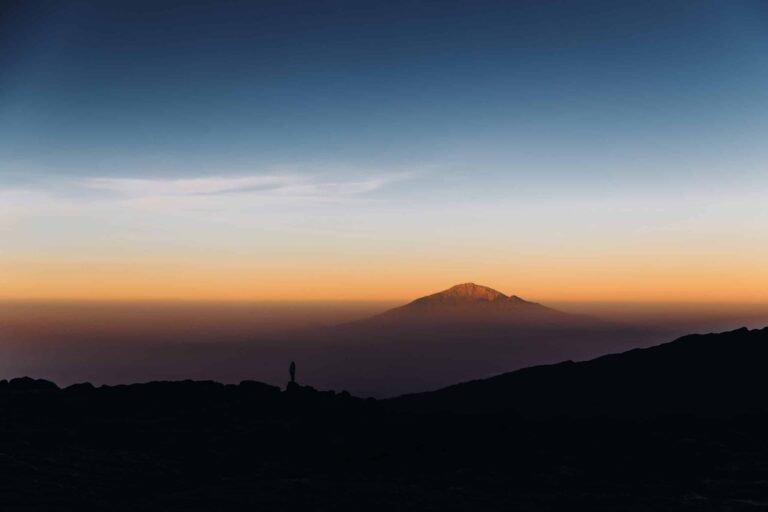
Mount Meru in northern Tanzania is a popular alternative for trekkers seeking a challenging and rewarding adventure. This active stratovolcano stands 4,566 meters above sea level and offers breathtaking landscapes, diverse flora and fauna, and stunning views of Mount Kilimanjaro.
The Momella Route offers unique experiences and challenges. Trekking Mount Meru requires fitness and stamina, and experienced guides and porters ensure safety and support.
Reaching the summit provides panoramic views of the surrounding area, including Mount Kilimanjaro. A Mount Meru trek in 2023/2024 promises a spectacular adventure and a deep appreciation for Tanzania’s natural beauty.
Getting There
Reaching Mount Meru is relatively convenient due to its proximity to Arusha, a major city in Tanzania. Here are some standard transportation options to consider:
1. Flights
Fly into Kilimanjaro International Airport (JRO), the closest international airport to Arusha. From there, you can get a ride to your accommodation in Arusha or directly to the starting point of your Mount Meru trek.
2. Road
If you are already in Tanzania or close regions, you can opt for a road journey to Arusha. The city is well-connected by roads and can be accessed by bus or private vehicle.
Several bus services operate between major cities and towns, offering affordable and convenient transportation.
Many tour operators and accommodations in Arusha also provide airport transfers or transportation services from nearby towns. It is wise to arrange transportation in advance to ensure a smooth and hassle-free journey.
Best Time to Climb: Weather and Seasons
When planning your climb on Mount Meru, it is essential to consider the best time to embark on your journey. The weather and seasons significantly determine the overall hiking conditions and the visibility you can expect during your ascent.
Here are some details to help you choose the optimal time for your Mount Meru climb:
1. Dry Season
The dry season is the best time to climb Mount Meru. It extends from June to October and January to February. The weather is relatively stable during this period, with clear skies and minimal rainfall.
The dry season offers excellent visibility, allowing you to enjoy beautiful, far-reaching views of the surrounding landscapes and spot wildlife in the distance.
2. Wet Season
The wet season in Tanzania occurs from March to May and November to December. During these months, rainfall is more frequent, and the mountain experiences cloudy and misty conditions.
The wet season brings lush greenery and vibrant vegetation to the mountain, creating a picturesque setting. However, hiking or mountain climbing during this time can be more tricky due to slippery trails and reduced visibility.
It is crucial to be prepared for rain showers and to choose appropriate gear for wet conditions.
3. Shoulder Seasons
The shoulder seasons, which include April to May and November, can be a good option for climbers who prefer fewer crowds on the mountain. These months fall between the peak tourist seasons, and you may encounter fewer climbers on the trails.
However, the weather can be more unpredictable during these periods, with a higher chance of rainfall and mist.
Permits and Regulations: Planning your Climb
When planning to climb Mount Meru, it is essential to understand the permits and regulations involved. A park entry permit is needed to access the Arusha National Park, where Mount Meru is located.
Additionally, a climbing permit specific to Mount Meru is necessary. These permits can be obtained at the park gate or through a licensed tour operator.
It is vital to adhere to park regulations, like staying on designated trails, avoiding littering, respecting wildlife and vegetation, and camping only in designated areas. Hiring a licensed guide is mandatory for the climb.
Additional requirements like proof of travel insurance or a medical certificate may be needed depending on the regulations. It is recommended to stay informed about the latest fees and regulations from park authorities or tour operators.
By obtaining the necessary permits and following the regulations, climbers can have a compliant and responsible climb while contributing to the conservation efforts of the national park.
Preparing for the Climb: Fitness and Training
Though not as challenging as Africa’s tallest mountain—Mount Kilimanjaro, preparing for the Mount Meru climb still requires a focus on fitness, training, and mental preparation. Gradually increase your exercise routine, incorporating cardiovascular exercises, strength training, and endurance training.
Mental resilience and altitude acclimatization are also crucial to having an unforgettable journey. Seek guidance from a healthcare professional and consult them regarding any pre-existing conditions.
Accommodation Options: Where to Stay
When planning your Mount Meru trek, you have various accommodation options to choose from. Whether you prefer lodges, campsites, luxury resorts, or homestays, there is something to suit every preference and budget.
Lodges and campsites provide basic amenities and a convenient resting place, while luxury resorts offer upscale facilities and exceptional services for a more indulgent experience. Consider homestays and guesthouses in local villages for a more authentic and immersive stay.
It’s essential to consider location, amenities, and personal preferences when selecting your accommodation. Booking is advised to secure your preferred choice, especially during peak climbing seasons.
Ultimately, the goal is to find a comfortable and rejuvenating place to rest before and after your Mount Meru trek.
Cultural Interactions: Connecting with the Locals
Engaging in cultural interactions while climbing Mount Meru can enhance your experience by giving insights into local traditions and customs. Guided cultural tours, homestays, and participation in local festivals and events are ways to connect with the locals.
Volunteering and learning the local language can also foster meaningful connections. It’s essential to approach these interactions respectfully and seek permission when necessary.
Embracing the opportunity to connect with the locals will create memorable experiences and a deeper appreciation for the local community.
Beyond Mount Meru: Exploring Arusha and Surroundings
Embark on a thrilling Kilimanjaro expedition en route from the dynamic city of Arusha, a perfect kickoff for your Mount Meru adventure. The region strikes a balance between stunning scenic beauty, mountain streams, and rich biodiversity in its national parks and reserves.
From your Kilimanjaro climb to cultural site visits, Arusha and its surrounding attractions enrich your Tanzanian exploration with various natural and cultural wonders.
Conclusion
As you reach the end of this comprehensive Mount Meru travel guide, you have the knowledge and insights to embark on an extraordinary journey to the Roof of Africa. Whether you are a seasoned hiker or a first-time adventurer, Mount Meru offers an awe-inspiring experience that will leave you with memories to treasure for a lifetime.
So, pack your gear, lace up your boots, and get ready to conquer the heights of Mount Meru, immersing yourself in Tanzania’s natural beauty and cultural richness.
Frequently Asked Questions – Mount Meru (FAQs)
1. Why Climb Mount Meru?
Mount Meru, located in Tanzania, is the fifth-highest mountain on the African continent. It serves as an excellent acclimatization climb for those planning to summit Kilimanjaro. The journey offers stunning views, diverse natural habitats, and insight into local cultures.
An ascent of Mount Meru involves navigating through rich wildlife areas, guided by experienced mountain guides, before reaching its majestic peak. Climbers often use it as a preparatory climb, enhancing their chances of a successful ascent on Kilimanjaro.
2. Who guides the climbers on Mount Meru?
Climbing Mount Meru requires the expertise of professional mountain guides, who are integral to a safe and successful ascent. These guides are well-versed in the terrain, altitude-related symptoms, and emergency procedures.
They also know about the mountain’s natural habitat, ensuring climbers have an educational experience. Additionally, they coordinate with the expedition team, ensuring all logistics are handled smoothly.
3. What preparations are necessary for climbing Mount Meru?
Preparation for climbing Mount Meru includes physical training, acclimatizing to high altitudes, and understanding the local culture and conservation efforts. Climbers should pack appropriate gear for camping and be prepared for various weather conditions.
Paying park and conservation fees is essential for supporting local communities and maintaining the natural habitat. Joining an organized expedition team can help manage these details.
4. How does climbing Mount Meru compare to climbing Mount Kilimanjaro?
Climbing Mount Meru is often considered a preparatory step for the more challenging climb of Kilimanjaro, Africa’s highest mountain. While Meru offers a diverse natural habitat and spectacular landscapes, it is less crowded and provides a unique opportunity to acclimatize, reducing the risk of altitude-related symptoms.
Both require similar preparations, including dealing with park fees, hiring mountain guides, and understanding the importance of conservation fees.
5. What are the accommodation options on Mount Meru?
Accommodation on Mount Meru primarily involves camping along the trail in designated areas. Campsites offer basic facilities, and some may offer options like a private room, though these are limited.
Staying in these camps immerses climbers in the mountain’s natural beauty and supports conservation efforts through camping fees. Climbers are encouraged to respect the local environment and communities by adhering to park regulations.
6. What are the park and conservation fees for climbing Mount Meru?
Climbing Mount Meru involves paying park and conservation fees, which support the preservation of the area’s natural habitat and benefit local communities. These fees contribute to wildlife protection, trail maintenance, and community projects.
The fees vary, so checking the latest costs with expedition teams or tour operators is advisable. These payments are crucial for the sustained conservation efforts and the welfare of the surrounding communities.
7. How does the altitude on Mount Meru affect climbers?
The altitude on Mount Meru can lead to altitude-related symptoms, such as headaches and nausea, affecting climbers’ performance. Gradual acclimatization is vital to reducing these risks.
Mountain guides monitor climbers for symptoms and can provide advice on managing altitude sickness. Pre-climb preparation, including physical conditioning and proper hydration, is essential in mitigating these effects.
8. What wildlife can be seen while climbing Mount Meru?
Mount Meru’s ascent takes climbers through various natural habitats, home to diverse wildlife. From dense forests to alpine meadows, climbers might spot buffalo, monkeys, and different bird species.
The lower slopes are especially rich in wildlife, offering a distinct perspective on the region’s natural biodiversity. Guides provide insights into the local fauna, enhancing the climbing experience.
9. Can Mount Meru be climbed all year round?
Yes, Mount Meru can be climbed year-round, but the best times are during the dry seasons from June to February, avoiding the long rainy season from March to May. The weather during these dry months is more conducive to a successful ascent, with clearer paths and less slippery trails.
Planning with an expedition team helps select the optimal climbing window. With seasoned guides, you will improve your climb and enhance the experience with insider tips and local knowledge!
10. What cultural experiences can climbers have around Mount Meru?
When not trekking up Mount Meru’s slopes, adventurers can wander through nearby villages, greeting friendly residents and learning about their way of life. Cultural tours offer a peek into the vibrant traditions, from energetic dances to skilled craft-making.
Visitors often leave with a newfound respect for the community’s efforts to protect and live harmoniously with their stunning natural surroundings. Such cultural connections make the journey up the mountain even more meaningful, as climbers carry stories and lessons from the mountain’s guardians.
11. Are there any environmental conservation efforts climbers should be aware of?
Climbers joining the trek up Mount Meru lend a hand to nature by adhering to eco-conscious rules. This includes paying fees directly towards conservation projects, sticking to paths to prevent soil erosion and disturbance of plant life, and leaving no trace behind to keep the mountain clean.
This mindful approach helps protect the rich biodiversity of flora and fauna that call the mountain their home. In doing so, climbers play a small but significant role in safeguarding this magnificent ecosystem for tomorrow’s climbers to enjoy.
12. How do park fees contribute to the local community?
Every climber’s contribution, in the form of park fees, makes a big difference to the communities near Mount Meru. This money is invested back into the region, driving conservation programs to protect the rich natural habitats.
These funds fuel various community development initiatives, leading to improved schools, better health care, and robust local infrastructure. It paints a vivid image of how responsible tourism can uplift local communities while promoting the safeguarding of precious natural resources.
13. What is the role of an expedition team in climbing Mount Meru?
Planning a climb up Mount Meru? An expedition team is your best ally. They take care of all the nitty-gritty details, from mapping out your route to providing experienced mountain guides who’ll support you every step of the way.
They deal with practical aspects such as setting up camping spots and prepping climbers for altitude sickness. More than that, they also enrich your journey by providing valuable insights into local customs and conservation efforts—making the climb a truly holistic experience.
14. Why is acclimatization important for Mount Meru climbers?
Scaling up Mount Meru? Be sure to acclimatize properly to counter altitude sickness. Allowing your body time to adapt to the increasing elevation keeps your performance levels high and nips altitude sickness in the bud.
This can be achieved by spending a few extra days at high altitudes before attempting the climb and by maintaining a slow, steady ascent under the watchful eyes of seasoned mountain guides. Remember, it’s not about how fast you get up but how well you can manage the climb. What should climbers know about conservation fees before climbing Mount Meru?
15. What should climbers know about conservation fees before climbing Mount Meru?
Embarking on a journey to scale Mount Meru involves more than physical preparation; climbers must also recognize the significance of conservation fees in safeguarding the mountain’s ecosystem. These essential fees directly fund critical efforts like wildlife protection measures, upkeep of the trails, and the execution of projects to enhance local community welfare.
By understanding how these contributions are utilized, climbers become more mindful participants, fostering practices that consider the environment and support the region’s socioeconomic development. Consequently, this awareness cultivates a more profound respect and appreciation for Mount Meru’s rich natural and cultural landscapes, encouraging a more fulfilling and sustainable climbing experience.. Remember, it’s not about how fast you get up but how well you can manage the climb. What should climbers know about conservation fees before climbing Mount Meru?
16. What is the best season to climb Mount Meru?
The best period to climb Mount Meru is during the dry seasons, which run from June to February, with short rains in November. These are the busiest and most favorable months.
The weather conditions are most stable during this time, offering clear skies and minimal precipitation.
17. Are there any specific cultural customs I should know when visiting the communities around Mount Meru?
It’s essential to respect the local customs of communities around Mount Meru. This includes dressing modestly, greeting elders respectfully, and asking for permission before taking photographs of people.
Learning a few basic phrases in Swahili, the local language, is also courteous to show respect towards the community. Your mountain guide or tour operator can provide more detailed cultural guidelines based on the specific areas you’ll be visiting.