

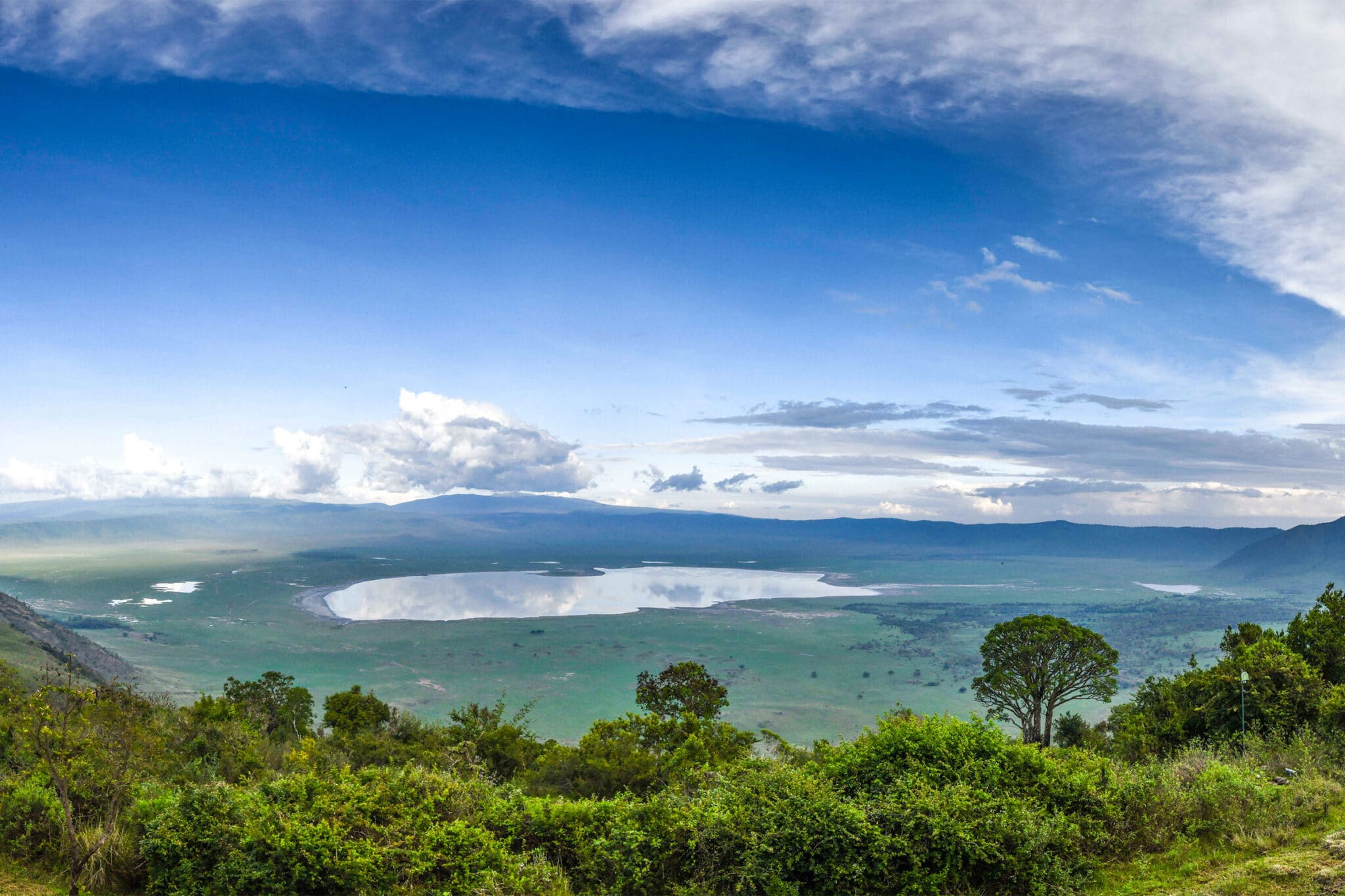
Nestled in northern Tanzania, the Ngorongoro Conservation Area is a sanctuary for wildlife and nature lovers. With its breathtaking landscapes, diverse ecosystems, and remarkable rhinoceros population, Ngorongoro offers a truly immersive and unforgettable experience.
In this comprehensive guide, we will take you on a journey through the wonders of Ngorongoro, providing you with all the information you need to plan your visit. From understanding the significance of Ngorongoro Crater to discovering the best ways to explore the area, we will cover it all.
Whether you’re an avid wildlife photographer, a passionate adventurer, or simply seeking a unique and awe-inspiring travel experience, Ngorongoro has something extraordinary.
Understanding Ngorongoro Conservation Area
The incredible Ngorongoro Conservation Area is a true gem nestled in the heart of northern Tanzania. Get ready to be enchanted by this UNESCO World Heritage Site, renowned as one of Africa’s most spectacular wildlife destinations.
Let me paint a vivid picture: imagine standing on the iconic Ngorongoro Crater’s rim, peering into a vast expanse that takes your breath away. It’s a scene from a wildlife documentary, with a landscape showcasing lush grasslands, sparkling soda lakes, and picturesque acacia woodlands.

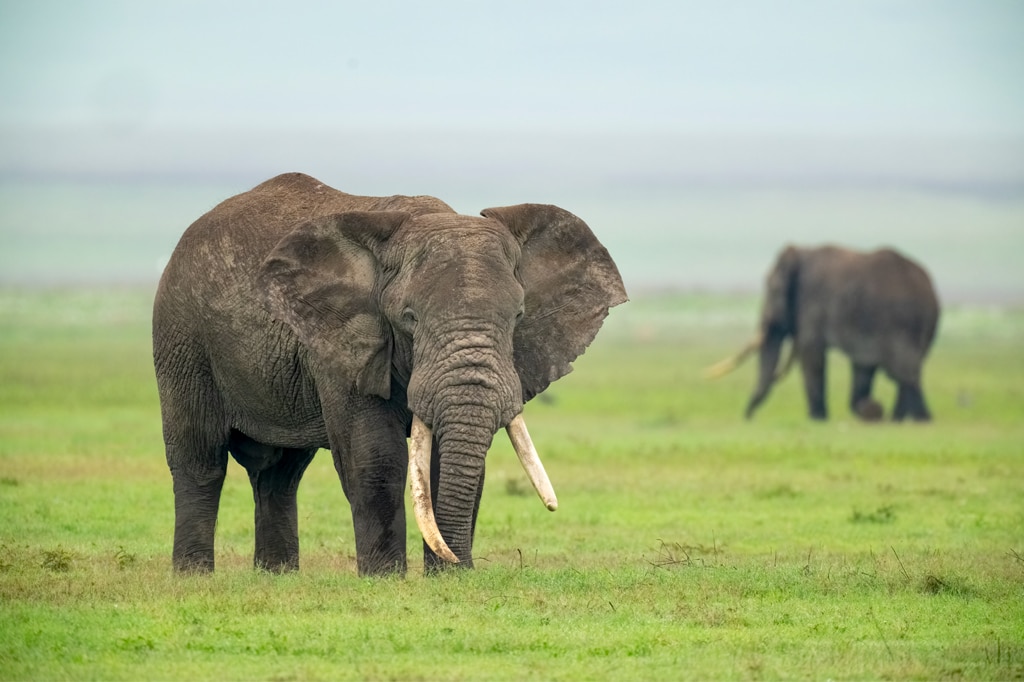
This harmonious mix of colors and textures creates a haven for an extraordinary array of wildlife, making Ngorongoro a paradise for nature enthusiasts and avid photographers alike.
But here’s the real kicker: Ngorongoro is not just any wildlife haven; it’s a sanctuary with a critical mission. Brace yourself for an astonishing fact – this remarkable area is home to a significant population of black and white rhinoceros, two majestic species that are sadly endangered.
Ngorongoro plays a pivotal role in rhinoceros conservation, providing a haven where these magnificent creatures can thrive and multiply. The tireless efforts of conservationists have been instrumental in safeguarding these rhinos, ensuring that their presence graces this landscape for generations to come.
Getting to Ngorongoro
Getting to Ngorongoro is an adventure in itself. You have various transportation options, including air travel to nearby airports and ground transfers to the conservation area.


Self-driving is viable if you prefer a more independent experience, provided you’re familiar with the local conditions and regulations. Alternatively, guided tours with Easy Travel can offer a hassle-free and informative journey with knowledgeable guides leading the way.
Accommodations in Ngorongoro
Regarding accommodations in Ngorongoro, prepare for various options that accommodate every traveler’s needs and preferences. Ngorongoro covers you whether you’re seeking luxury, comfort, or a more rustic experience.
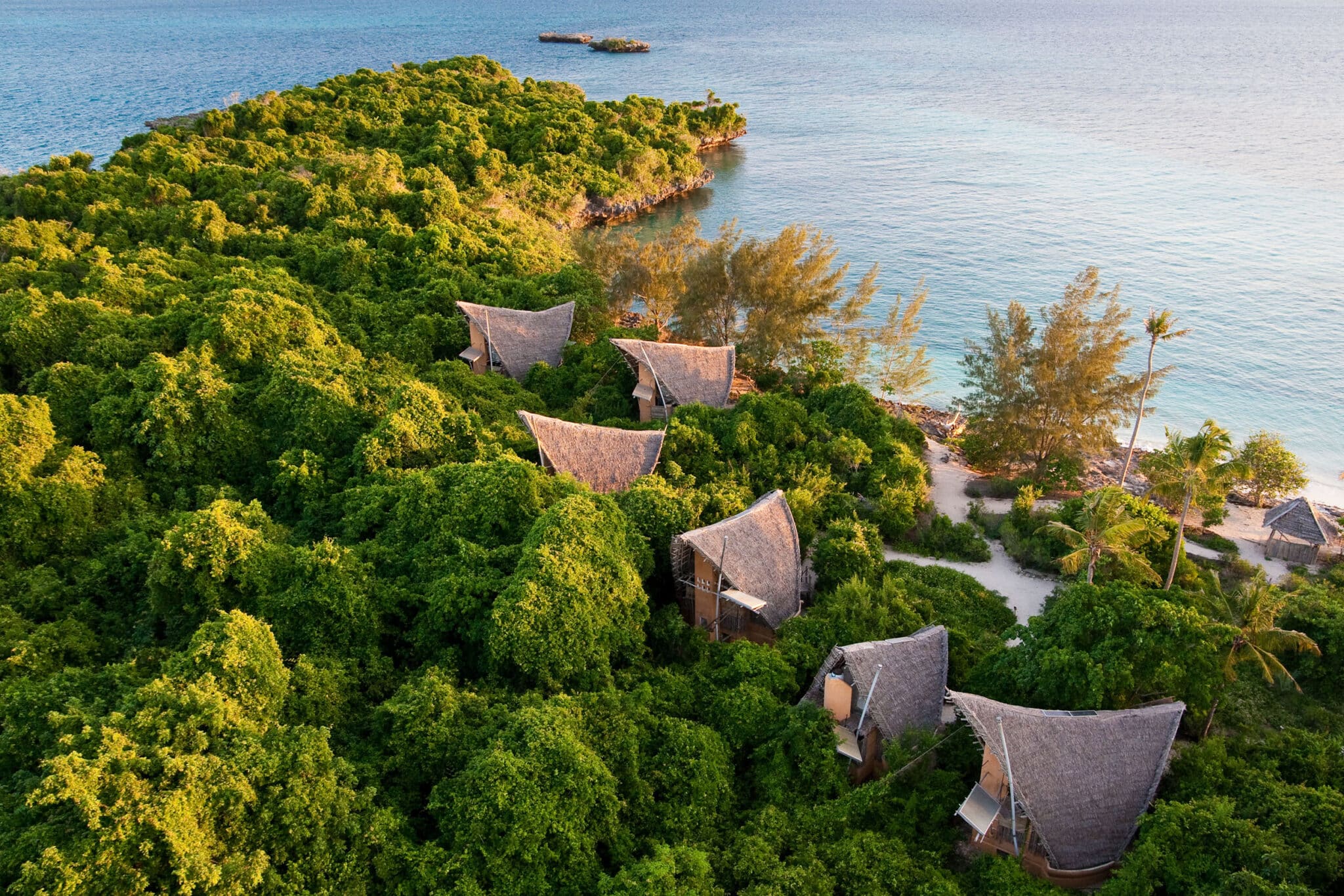
Imagine retreating to a cozy lodge on the crater rim, offering panoramic views that will leave you spellbound. These lodges are meant to blend seamlessly with the natural surroundings, providing a peaceful haven where you can relax and recharge after a thrilling day of exploration. Picture yourself unwinding on a private terrace, sipping your favorite drink as the golden hues of the sunset paint the sky.
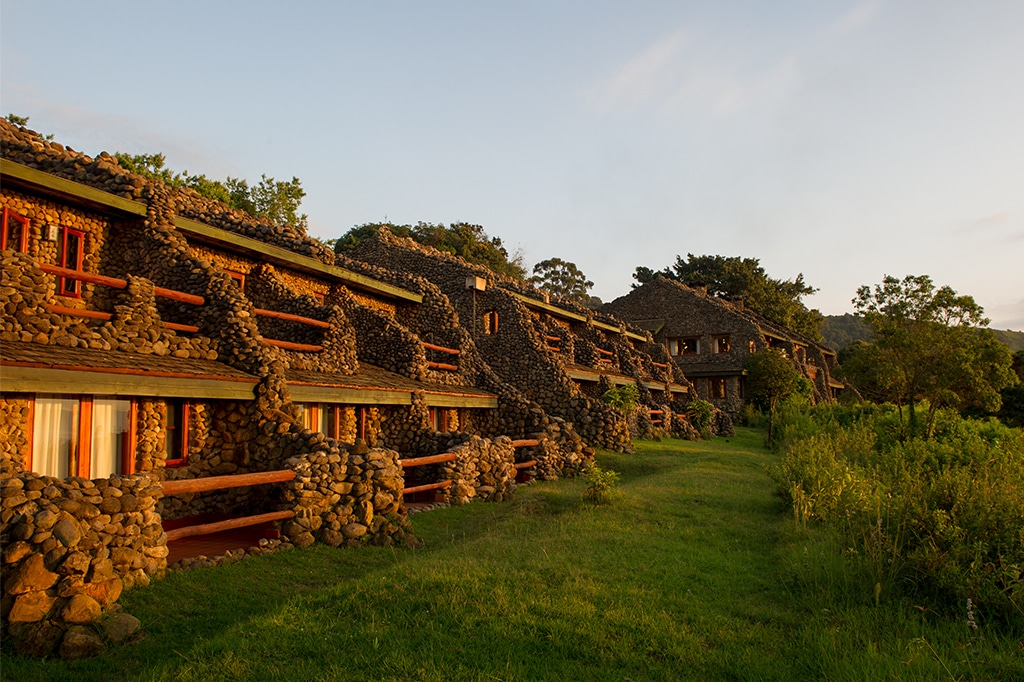

Tented camps are the way for those who prefer a closer connection to nature. These camps offer a notable blend of comfort and adventure, immersing you in the wild without compromising convenience.
Imagine falling asleep to African bush’s sounds, serenaded by the nocturnal symphony of crickets and distant roars of lions. It’s a truly immersive experience that transports you to a different world.
If you’re adventurous or traveling on a budget, campsites provide a fantastic option for getting up close and personal with nature. Imagine waking up to the melodic birds chirping, unzipping your tent to reveal the breathtaking vista of the crater stretching out before you.
Campsites in Ngorongoro offer basic facilities, ensuring a comfortable stay while allowing you to embrace the rugged beauty of the wilderness fully.
Wildlife Viewing in Ngorongoro
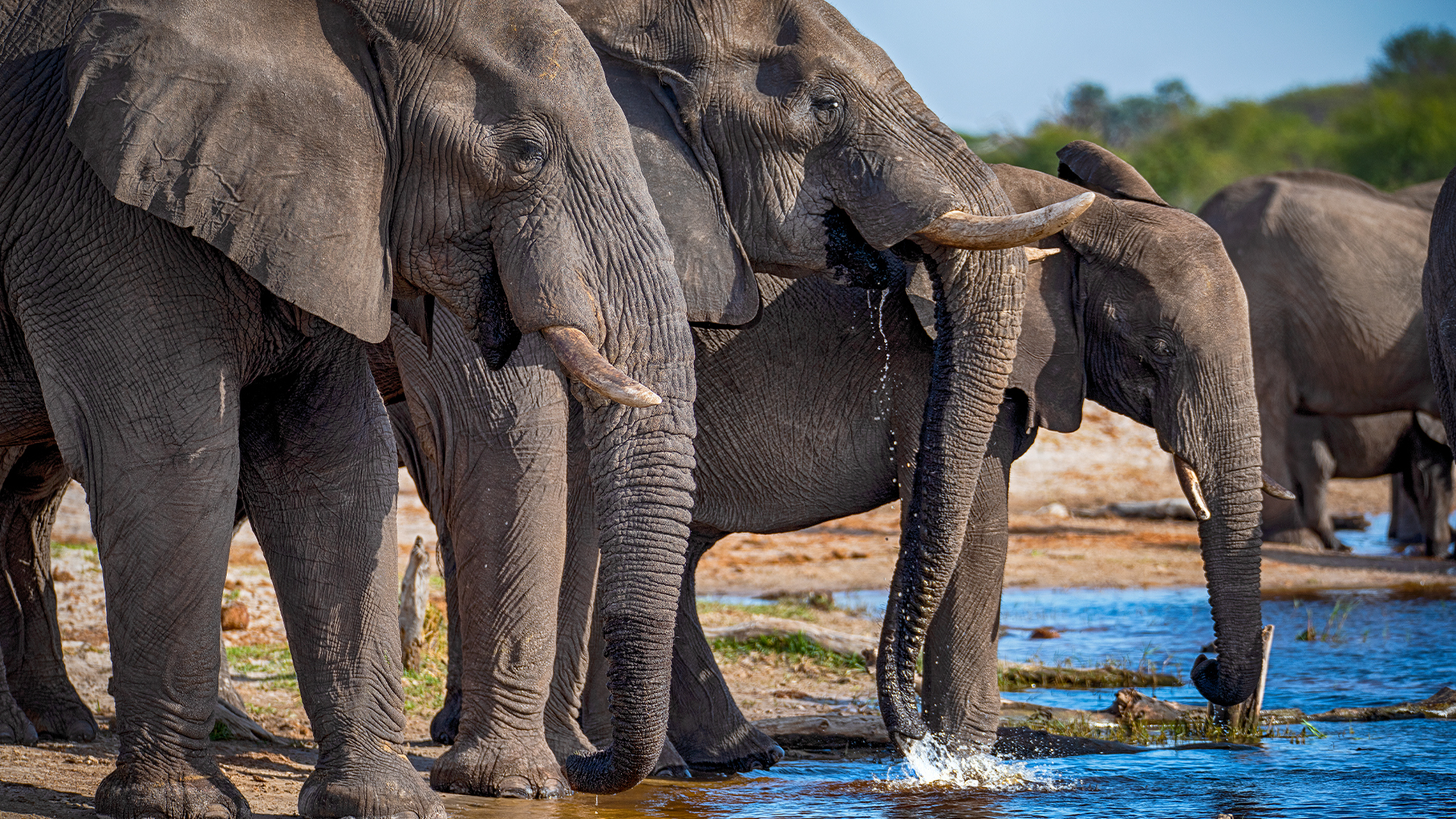
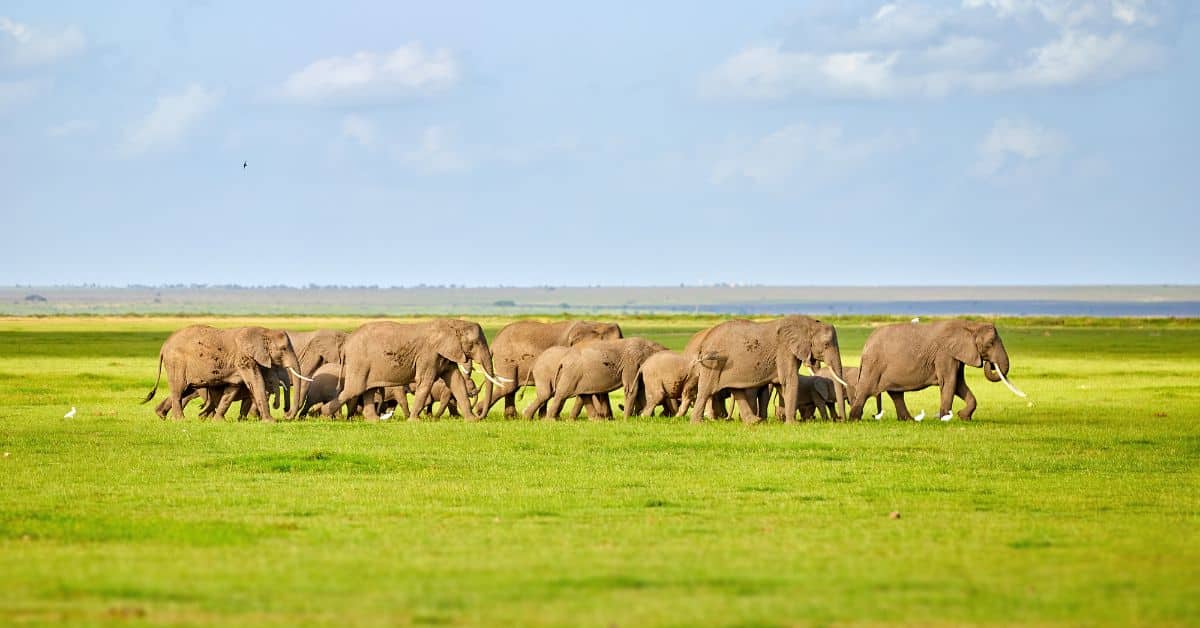
As you venture into the vast expanse of Ngorongoro, prepare to be greeted by an array of magnificent creatures that call this place home. The wildlife encounters are genuinely awe-inspiring, from the mighty African elephants gracefully meandering through the grasslands to the stealthy leopards perched high in the trees.
One of the highlights of Ngorongoro is the presence of the majestic rhinoceros. This area is home to a significant population of both black and white rhinos, providing a rare opportunity to observe these endangered species in their natural habitat. Witnessing these gentle giants as they go about their daily routines is an experience that will leave you in awe of the wonders of nature.


But the wildlife spectacle doesn’t end with the rhinos. Ngorongoro is also home to an abundance of other fascinating animals. Spotting a pride of lions sleeping in the shade or witnessing the breathtaking speed of a cheetah in pursuit of its prey is a sight that will leave you breathless.
Keep your eyes open for the playful antics of hippos in the water, the graceful movements of giraffes as they graze on treetops, and the colorful plumage of numerous bird species.
Remember to approach wildlife with respect and adhere to the guidelines provided by your guides. Maintaining a safe distance and observing animals in their natural behavior ensures both their well-being and your safety.
By practicing responsible wildlife viewing, you contribute to conservation efforts and help protect these incredible creatures for future generations.
Cultural Interactions and Local Experiences


Ngorongoro is not only about wildlife; it’s also an opportunity to immerse yourself in the vibrant Maasai culture. The Maasai people are an integral part of the region’s heritage, and you can engage in cultural interactions, visit Maasai villages, and learn about their traditions and way of life.
Explore local markets, where you’ll find unique handicrafts and immerse yourself in the flavors of traditional cuisine. These experiences offer a deeper grasp of the local community and create lasting memories.
Other Attractions and Activities in Ngorongoro


While the Ngorongoro Crater takes the spotlight other attractions and activities in the area are worth exploring. Take a guided tour to Olduvai Gorge, known as the “Cradle of Mankind,” and discover its archaeological significance.
Embark on a hike to Olmoti Crater and Empakaai Crater, where you’ll be rewarded with panoramic views of the surrounding landscapes. These different experiences add depth to your Ngorongoro adventure.
Conservation and Responsible Tourism in Ngorongoro
Preserving Ngorongoro’s natural beauty and wildlife is paramount. Responsible tourism practices play a critical role in maintaining the delicate balance of this ecosystem. Be mindful of the environment, adhere to designated trails, and avoid disturbing wildlife.
Support local conservation efforts and engage with the community respectfully and sustainably. Doing so contributes to the long-term preservation of Ngorongoro’s biodiversity.
Planning Tips and Essential Information


So, you’ve decided to embark on an exciting journey to Ngorongoro, the land of breathtaking beauty and incredible wildlife. As you prepare for your adventure, here are some planning tips and essential information to ensure a smooth and memorable experience.
1. Pack Accordingly
When packing for Ngorongoro, it’s important to be prepared for varying weather conditions. Layered clothing is essential as temperatures can fluctuate throughout the day.
Remember to pack cozy walking shoes, a hat, sunscreen, insect repellent, and a waterproof jacket in case of rain. And, of course, don’t leave your camera behind to capture the incredible moments you’ll encounter.
2. Visa Requirements
Before traveling to Tanzania, check the visa requirements for your country. Ensure your passport is valid for at least six months before departure.
You must also have your visa when you arrive at the airport or apply online. Remember to carry sufficient cash to pay for the visa fee if required.
3. Currency and Payment
Prioritize your health by visiting a travel clinic or healthcare professional before your trip. They will provide up-to-date information on required vaccinations and any health precautions while traveling in Tanzania.
You must also carry a basic first aid kit and necessary prescription medications.
4. Health Considerations
While Ngorongoro is a relatively safe destination, taking precautions is vital to ensure a safe trip. Always listen to your guides’ instructions and follow their advice regarding wildlife encounters and safety protocols.
It’s advisable to avoid walking alone at night and to keep your belongings secure. By staying vigilant and informed, you can have a worry-free experience.
5. Safety Precautions
While Ngorongoro is a relatively safe destination, taking precautions is vital to ensure a safe trip. Always listen to your guides’ instructions and follow their advice regarding wildlife encounters and safety protocols.
It’s advisable to avoid walking alone at night and to keep your belongings secure. By staying vigilant and informed, you can have a worry-free experience.
6. Wildlife Interaction
One of the highlights of Ngorongoro is the incredible wildlife you’ll encounter. It’s essential to keep a respectful distance from the animals and never feed or approach them.
Remember that you are in their natural habitat, and observing without disturbing their behavior is essential. Listen to your guides, who are knowledgeable about wildlife etiquette, and enjoy the beauty of these creatures from a safe distance.
7. Responsible Tourism
Ngorongoro is not only a destination to admire nature but also an opportunity to contribute to its conservation. Support local conservation initiatives and respect the environment by minimizing your impact.
Dispose of waste properly, avoid littering, and follow designated trails to protect fragile ecosystems. Engage with the local communities respectfully and culturally sensitively, supporting their sustainable way of life.
8. Best Time to Visit
The best time to visit Ngorongoro depends on your interests. From June to October, the dry season offers excellent wildlife viewing opportunities as animals gather around water sources.
From November to May, the wet season brings lush greenery and the chance to witness newborn animals. Consider your preferences and plan accordingly.
Considering these planning tips and essential information, you’re on your way to a successful and enjoyable adventure in Ngorongoro. Prepare for the unexpected, embrace the beauty of the wildlife and landscapes, and create memories that will last a lifetime.
Conclusion
In conclusion, Ngorongoro is a wildlife enthusiast’s dream come true. With its stunning landscapes, diverse wildlife, and the opportunity to contribute to rhinoceros conservation, it promises an unforgettable experience.
Enjoy the incredible wildlife viewing opportunities, explore the Ngorongoro Crater, and interact culturally with the Maasai community. Remember to be a responsible traveler, supporting local conservation efforts and respecting the environment.
Ngorongoro awaits your arrival, ready to immerse you in its natural wonders and make memories that will last a lifetime.
Frequently Asked Questions – Ngorongoro (FAQs)
1. What is the Ngorongoro Conservation Area, and how is it related to the Serengeti National Park?
The Ngorongoro Conservation Area is a famous UNESCO Heritage site in northern Tanzania. It borders the Serengeti National Park, allowing animals to move freely between the two areas.
The conservation features a unique volcanic caldera, offering a distinct ecosystem. It provides an essential corridor for wildlife migrations, especially during the calving season.
2. On one trip, can I visit the Ngorongoro Crater and the Serengeti National Park?
Yes, many visitors combine a tour of the Ngorongoro Crater with the Serengeti National Park. The proximity of the two allows for diverse safari experiences.
Travel agencies often offer packages that include both destinations. This combination provides the chance to see various African wildlife and landscapes.
3. What kind of wildlife can I expect to see on the crater floor of the Ngorongoro?
The crater floor of Ngorongoro is teeming with wildlife, including zebras, lions, and elephants. It’s particularly renowned for its high density of predators.
The varied ecosystems within the caldera support over 25,000 large animals. It’s a premier spot for viewing the Big Five in their natural habitat.
4. What are the opening hours for visiting the Ngorongoro Crater?
The Ngorongoro Crater is open daily to visitors from 6:00 AM to 6:00 PM. Early mornings are best for spotting predators in action.
Tourists must be with an official guide or safari vehicles. Always check the latest information, as opening hours may vary.
Nestled in Tanzania, Kilimanjaro National Park is a captivating destination that offers a unique blend of natural beauty, cultural immersion, and adventure. This travel guide provides a comprehensive overview of what to expect when visiting this remarkable region in 2023/2024.
5. Are there specific safari vehicles recommended for the terrain of Ngorongoro?
Safari vehicles used in Ngorongoro are typically 4x4s designed to handle rough terrains. Open-top vehicles are popular for offering unobstructed views of the wildlife.
All vehicles must be registered and adhere to conservation area regulations. It’s essential to pick a reputable tour operator like Easy Travel for the best experience.
6. What is the best time of year to visit Ngorongoro’s Crater for wildlife viewing?
The best time for wildlife viewing in Ngorongoro is during the dry season, from June to September. Animals are more likely to be found around water sources during these months.
The calving season in early February also attracts many predators. However, Ngorongoro offers excellent wildlife viewing year-round.
7. How does the caldera of Ngorongoro’s Crater differ from other volcanic craters?
Ngorongoro’s caldera is the world’s largest unflooded and unbroken caldera. It was formed when a giant volcano exploded and collapsed on itself two to three million years ago.
The caldera creates a natural enclosure for wildlife. This unique geography makes it one of East Africa’s most remarkable natural wonders.
8. Can I do a walking safari on the crater floor of the crater?
Walking safaris on the crater floor are strictly regulated and must be led by an armed ranger. These walks offer a unique perspective of the ecosystem.
Safety protocols are in place due to the proximity of predators. It’s an unforgettable experience for visitors looking for an adventurous encounter with nature.
9. What conservation efforts are in place to protect the wildlife in the conservation area?
The Ngorongoro Conservation Area Authority (NCAA) implements various conservation strategies. Efforts include anti-poaching patrols and community involvement in conservation.
The NCAA also regulates tourism to minimize environmental impact. Sustainable practices ensure the preservation of this unique ecosystem for future generations.
10. How do the Maasai people fit into the Conservation Area?
The Maasai people have been living in harmony with nature in the area for hundreds of years. They can graze their livestock on the crater’s plains alongside wild animals.
Their traditional lifestyle offers a unique cultural aspect to the conservation area. The coexistence of Maasai and wildlife is a testament to the conservation’s success in integrating community and nature.
11. What accommodations are available near the Crater?
Accommodations range from luxury lodges on the crater rim to more budget-friendly camping sites. Many offer stunning views of the caldera.
Booking in advance is recommended, specifically during peak seasons. Staying near the crater allows for early morning starts to safaris.
12. Are there specific health and safety precautions to take when visiting Ngorongoro?
Visitors should ensure they are up to date with vaccinations and malaria prevention. It’s also advisable to bring insect repellent and sun protection.
Listening to your guide and staying in safari vehicles is crucial for safety. Always follow the conservation area’s guidelines to ensure a safe and enjoyable visit.
13. What other activities can be done in the Conservation Area besides safaris?
Besides the traditional vehicle safaris, visitors can engage in walking safaris, Maasai cultural visits, and bird watching. There are also opportunities for hiking around the rim of the caldera.
Photographic tours are famous for capturing stunning landscapes and wildlife. Each activity offers a unique way to experience the beauty of the conservation area.
14. What is the significance of the plains surrounding the Crater?
The plains surrounding the Crater are an integral part of the ecosystem, providing grazing grounds for zebras and other herbivores. These plains are a buffer zone supporting wildlife migration between Ngorongoro and the Serengeti National Park.
They offer spectacular scenic beauty and are crucial for the annual wildebeest migration. The health of these plains directly impacts the biodiversity within the crater.
15. How vital is the calving season in the Ngorongoro Conservation Area?
The calving season, usually in February, is critical for the Ngorongoro Conservation Area. It attracts a high concentration of predators due to the abundance of newborn animals.
This period offers unique opportunities for wildlife observation. The calving season is a highlight for many visitors, showcasing the circle of life in East Africa’s majestic landscapes.