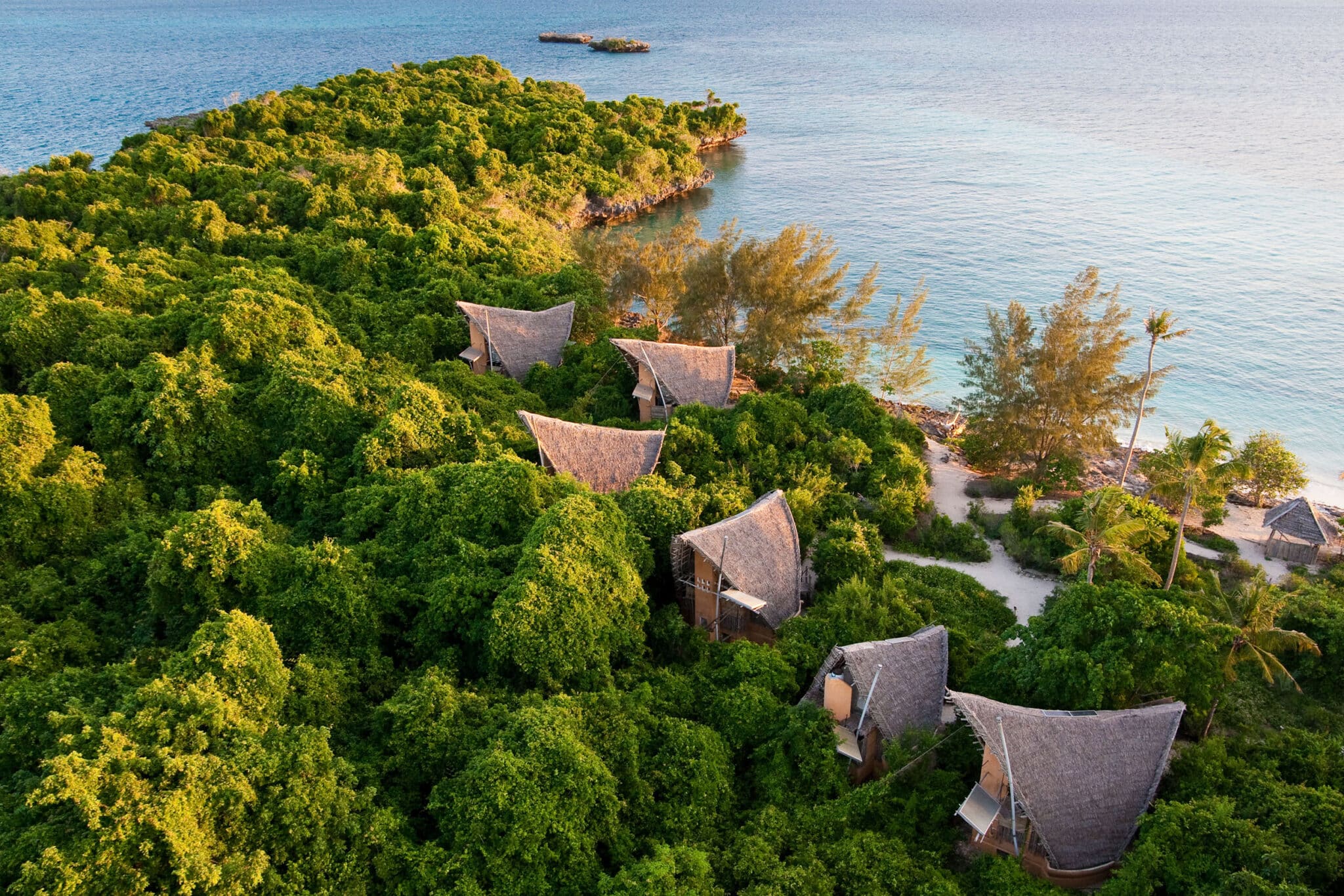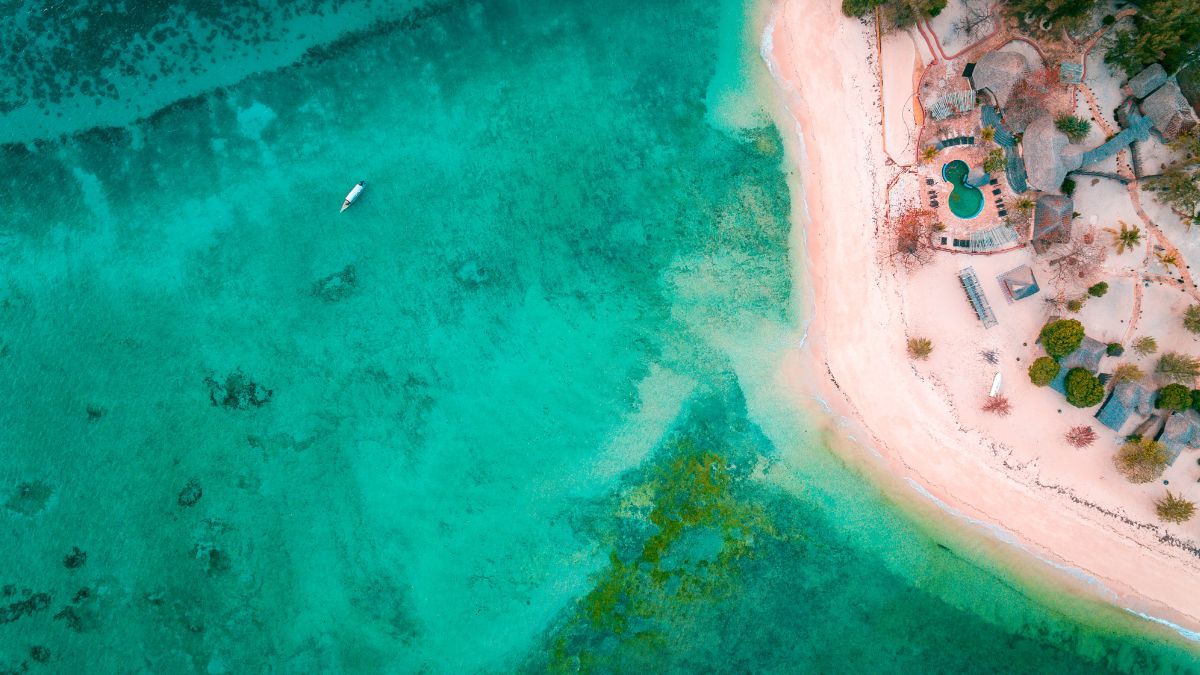



Chapwani Island, a hidden gem off the coast of Zanzibar, offers a serene and idyllic escape for those seeking natural beauty, tranquility, and adventure. With its pristine beaches, crystal-clear waters, and rich cultural heritage, Chapwani Island provides many exciting activities and experiences. If you’re planning a visit to Chapwani Island in 2025/2026, here are some of the best things to do to make your trip truly memorable.
Snorkel in the Crystal-Clear Waters
Discover the mesmerizing underwater world surrounding Chapwani Island through snorkeling. Dive into the crystal-clear waters and explore the vibrant coral reefs that teem with colorful fish and marine life. Rent snorkeling gear from your accommodation or join a guided tour that will take you to the best snorkeling spots around the island.
Swim alongside graceful sea turtles, marvel at the intricate coral formations, and immerse yourself in the beauty of this underwater paradise. The rich biodiversity and pristine conditions make Chapwani Island a snorkeler’s dream come true.
Explore the Pristine Beaches of Chapwani Island
Chapwani Island is blessed with pristine beaches that offer a tranquil setting for relaxation and leisure. Take leisurely walks along the soft white sand, feel the gentle caress of the ocean breeze, and bask in the warm tropical sun.
Find a secluded spot to lay down your beach towel, enjoy a picnic, or soak in the serene surroundings. The beaches of Chapwani Island are the perfect place to unwind, read a book, or engage in beachcombing to discover beautiful seashells and unique treasures washed ashore.
Visit the Old Prison Museum
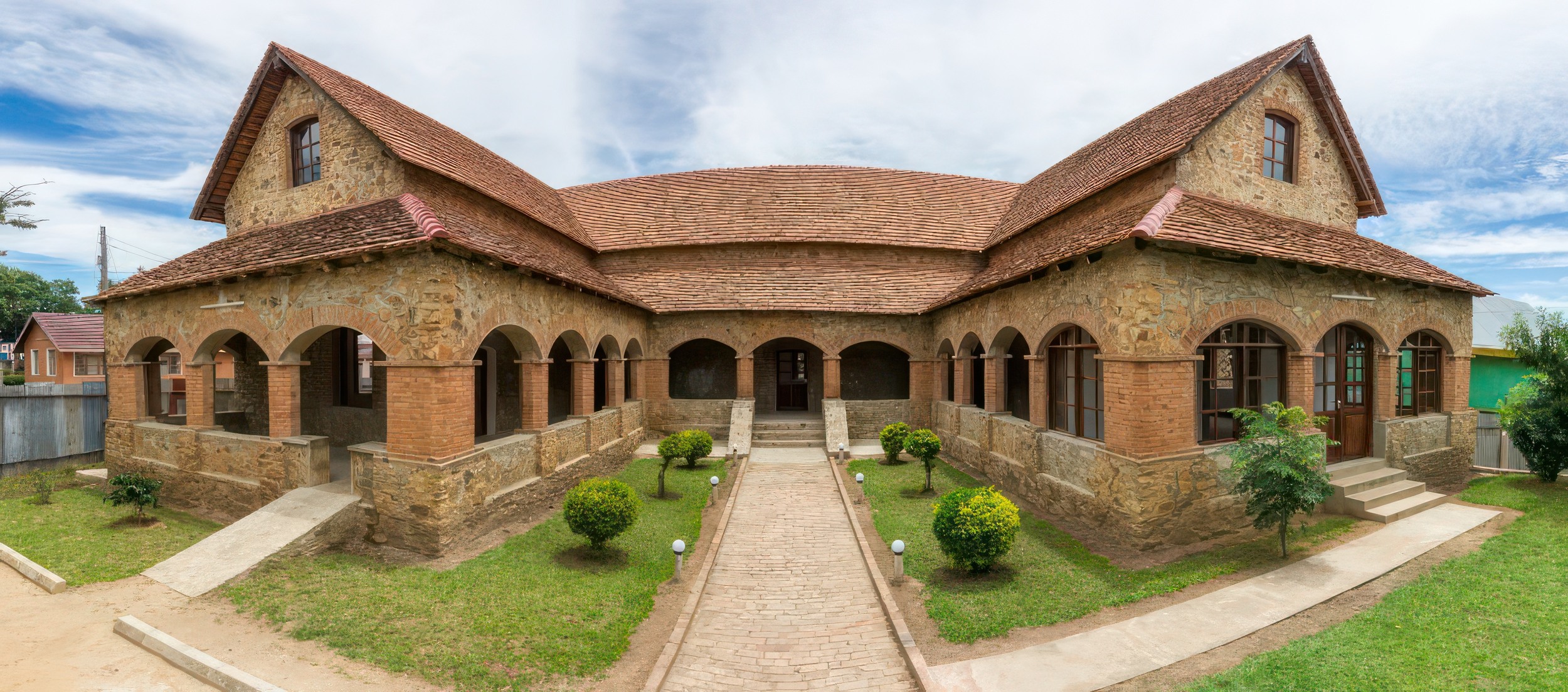
Delve into the island’s history by visiting the Old Prison Museum, a historical landmark that sheds light on Chapwani Island’s past as a detention center for rebellious slaves. Take a guided tour and learn about the island’s role in the slave trade and the struggles endured by those who were imprisoned here.
Explore the museum’s exhibits, which include artifacts, documents, and displays that provide insights into Zanzibar’s complex history. Gain a deeper understanding of Chapwani Island’s significance and the impact of its past on the present.
Embark on a Nature Walk
Immerse yourself in the island’s lush and verdant landscapes by embarking on a nature walk. Discover winding trails that meander through coconut palm groves, tropical gardens, and indigenous forests. Enjoy the sights and sounds of the island’s diverse flora and fauna, and keep an eye out for the resident peacocks that gracefully roam the grounds.
Nature walks on Chapwani Island offer a peaceful and immersive experience in the island’s untouched natural surroundings. Capture the beauty of endemic plant species, spot colorful birds in their natural habitat, and let the tranquility of nature rejuvenate your senses.
Indulge in a Beachfront Massage
Pamper yourself with a relaxing beachfront massage as you listen to the soothing sounds of the ocean waves. Many of the island’s accommodations offer spa services that allow you to unwind and rejuvenate amidst the island’s serene ambiance.
Let skilled therapists melt away your stress and tension with traditional techniques and aromatic oils. Enjoy a massage in a picturesque beachside setting, where the gentle sea breeze and the rhythm of the waves enhance the sense of relaxation. A beachfront massage on Chapwani Island is the ultimate indulgence, offering a blissful escape from the cares of everyday life.
Enjoy Water Sports and Adventure Activities
For those seeking adventure and adrenaline-pumping experiences, Chapwani Island has plenty to offer. Engage in various water sports, including kayaking, paddleboarding, and windsurfing, as you navigate the island’s pristine coastline.
Feel the adrenaline rush as you jet ski across the turquoise waters, or try fishing and reel in a prized catch. Chapwani Island is a playground for thrill-seekers and water sports enthusiasts. Explore the rugged beauty of the island’s coast, discover hidden coves, and create unforgettable memories as you engage in exhilarating activities.
Experience a Traditional Swahili Dinner
Immerse yourself in the local culture by experiencing a traditional Swahili dinner on Chapwani Island. Many accommodations offer the opportunity to savor authentic Swahili cuisine, known for its rich flavors and aromatic spices.
Indulge in tempting dishes such as biryani, pilau, and freshly caught seafood. Let the tastes and aromas transport you to the heart of Zanzibar’s culinary heritage, providing a feast for both the palate and the senses. Enjoy your meal in a tranquil beachside setting as the sun sets and casts a golden glow over the ocean.
Whether it’s the adrenaline that lures you or the serene beauty of the Tanzanian highlands, West Kilimanjaro caters to every kind of adventurer, promising experiences of a lifetime.
Take a Sunset Cruise
Witness the enchanting beauty of the Chapwani Island sunset with a leisurely sunset cruise. Board a traditional dhow boat and set sail across the calm waters of the Indian Ocean. As the sun begins its descent, be captivated by the kaleidoscope of colors painting the sky.
Enjoy breathtaking views, sip refreshing drinks, and embrace the moment’s serenity. A sunset cruise on Chapwani Island offers a truly magical experience, allowing one to relax, bond with loved ones, and create lasting memories.
Engage in Yoga and Meditation
Find your inner peace and connect with the tranquil surroundings of Chapwani Island through yoga and meditation. Many accommodations offer yoga sessions in serene settings like the beach or gardens, allowing you to harmonize your body and mind.
Engage in guided meditation sessions to restore balance and calm. Experience the transformative power of these ancient practices amidst the island’s natural beauty. Feel the gentle ocean breeze, listen to the soothing sounds of nature, and let go of the stresses of everyday life.
Capture Memories with Photography
Chapwani Island is a photographer’s paradise, offering countless opportunities to capture stunning images. From the picturesque beaches and vibrant marine life to the island’s lush landscapes and cultural landmarks, every corner of Chapwani Island is a potential masterpiece. Grab your camera or smartphone and let your creativity flow as you capture the essence of this tropical paradise.
Photograph the intricate patterns of coral, capture the vibrant colors of tropical fish, or frame the tranquil beauty of a Chapwani Island sunset. Preserve your memories of Chapwani Island and create photographs that will transport you back to its beauty for years to come.
Final Thoughts
Chapwani Island in 2025/2026 promises many exciting and unforgettable experiences. Whether you’re snorkeling in the crystal-clear waters, indulging in a beachfront massage, or immersing yourself in the island’s cultural heritage, each moment on Chapwani Island is bound to be filled with beauty, serenity, and adventure.
Plan your trip, embrace the island’s wonders, and create lasting memories on this remarkable tropical getaway.
Frequently Asked Questions (FAQs)
1. What are the top activities to do on Chumbe Island?
Chumbe Island is part of the Chumbe Island Coral Park and provides various nature-inspired activities. The most popular activities are snorkeling in the coral reefs, hiking in the forest reserve, and visiting the historic lighthouse
You can also attend exciting educational programs organized by the park, where you’ll learn about the local ecology and conservation efforts. The island is a fantastic location for bird watching and photography as well.
2. Is Chumbe Island suitable for snorkeling?
Absolutely! Chumbe Island is home to one of the most well-preserved coral reefs in the region. Snorkeling here provides an incredible opportunity to explore the colorful underwater world and the numerous unique species it houses.
The crystal-clear waters, rich marine biodiversity, and the Island’s commitment to conservation make it a paradise for snorkeling enthusiasts. Guides are available to ensure a safer and informative snorkeling experience.
3. Can we visit the lighthouse on Chumbe Island?
Visitors are encouraged to visit the island’s lighthouse, an important historical landmark. From the top of the lighthouse, you can absorb spectacular panoramic views of the entire island and the surrounding ocean.
Built in the early 20th century during the German colonial era, it offers a unique insight into the island’s history. Exploring the lighthouse is a captivating cultural twist to the typically nature-focused activities on Chumbe Island.
4. What kinds of birds can I see on Chumbe Island?
Chumbe Island is home to a diverse population of rare and exotic bird species. Some more notable residents include the endangered Roseate Tern and the Crab-plover.
Other species, such as the Black-Naped Tern, Sooty Tern, Saunders’s Tern, and Brown Noddy, also inhabit the island. Local guides are available to assist birdwatchers in spotting and identifying these beautiful creatures.
5. Are there any guided tours available on Chumbe Island?
Chumbe Island offers guided tours focusing on the area’s unique ecology and conservation efforts. These tours include guided reef walks, forest nature walks, and trips to the historic lighthouse.
Guides are experienced and knowledgeable about the local flora, fauna, and history. Their insights enrich the experience, making these tours informative, engaging, and perfect for those keen to learn more about the island’s natural and cultural heritage.
6. What water sports can I enjoy on Chumbe Island?
While Chumbe Island primarily focuses on conservation, visitors can engage in non-intrusive water sports like snorkeling. The incredible coral reef provides an unforgettable snorkeling experience.
Due to the conservation efforts, activities like jet-skiing, boat racing, and fishing are not permitted here. The aim is to protect marine life and maintain the tranquility of this unique ecological hotspot.
7. What wildlife can I see on Chumbe Island?
Aside from prolific birdlife, Chumbe Island is also home to various other wildlife species. The island hosts the world’s largest known population of coconut crabs, an impressive and fascinating creature.
Additionally, visitors can spot various animals, such as the Ader’s duiker, which is amongst the world’s rarest antelopes. The fruit bat is another tropical species that call this island home.
8. What marine life is typical in the waters around Chumbe Island?
Chumbe Island’s waters are a reserve for a wide range of impressive marine life. The pristine coral reefs host over 200 species of coral and more than 400 fish species.
Visitors can spot breathtaking creatures while snorkeling, including blue-spotted stingrays, hawksbill turtles, and stonefish. This rich biodiversity makes Chumbe Island a premier destination for marine life enthusiasts.
9. Are there educational activities for children on Chumbe Island?
Children visiting Chumbe Island can participate in a variety of educational activities. Interactive guided tours provide knowledge about the local ecology, including reef walks and hikes in the forest reserve.
The island’s fun and educational approach helps children understand and appreciate the importance of conservation. This makes Chumbe Island not just a holiday destination but also a valuable learning experience for young minds.
10. Can I contribute to the conservation efforts on Chumbe Island?
For those willing, there are several ways to contribute to Chumbe Island’s conservation efforts. One way is through the ‘Adopt a Coral’ program, where you can sponsor a coral’s growth and maintenance.
Also, by merely choosing to visit Chumbe Island, you’re supporting local conservation work, as revenues from ecotourism directly fund conservation and education efforts. Volunteers for various projects can contribute their time and assist with scientific monitoring and data collection.
11. What’s the best time to visit Chumbe Island?
Chumbe Island can be visited year-round, but the dry season from June to October is charming for outdoor activities. The weather is sunny and dry during these months, making it ideal for snorkeling, nature walks, and bird-watching.
November to March also offers good conditions, with slightly higher temperatures. Other seasons may experience heavy rains, affecting visibility for snorkeling and other outdoor activities.
12. What unique plants can I find on Chumbe Island?
Chumbe Island provides a protected habitat for various rare and endemic plant species. With the guided forest walks, visitors can learn about and explore the island’s unique vegetation, including the endangered Coral Rag Forest and lush mangroves.
Sightings may include the vibrant Neobracea Palm, the Antiaris toxicaria with its poisonous sap, or the famous Adenia species of the passionflower family. It’s indeed a botanist’s paradise.
13. What are some of the sustainable practices on Chumbe Island?
Chumbe Island is dedicated to preserving its natural beauty and biodiversity through several sustainable practices. They include energy conservation through solar power, rainwater harvesting, water filtration systems, composting toilets, and waste management systems.
The Island utilizes eco-friendly construction and strictly regulates visitor activities to minimize impact. Additionally, substantial efforts are made to educate locals and visitors about conservation, further contributing to sustainability.
14. Is Chumbe Island suitable for honeymooners?
Chumbe Island offers a secluded and romantic getaway for honeymooners. They can explore the stunning coral reefs, take romantic sunset walks, or climb the historical lighthouse for fascinating island views.
With only eight eco bungalows available in the area, couples can enjoy high privacy and exclusive serenity. A honeymoon on Chumbe Island offers a unique blend of romance and eco-conscious adventure.
15. Are there dining options available on Chumbe Island?
The Chumbe Island Lodge provides food and drinks for visitors staying on the island. Meals are prepared using locally sourced ingredients encompassing Zanzibari, African, and other international cuisines.
The restaurant section of the Lodge also offers picturesque views of the Indian Ocean and the scenic beach. It’s worth noting that most meal plans are usually included in the room rate of the eco-bungalows.
16. Can I stay overnight on Chumbe Island?
Chumbe Island offers accommodations in the form of eco-lodges or bungalows. Each bungalow is designed with eco-principles in mind, and the interiors are passionately furnished for a comfortable stay.
These eco-bungalows offer an immersive experience of living amidst the unique biodiversity of Chumbe Island. Guests can enjoy breathtaking views, delicious cuisine, and the tranquil sounds of nature from their private accommodation.
17. What should I pack for a trip to Chumbe Island?
When packing for Chumbe Island, consider light, comfortable clothing suitable for a tropical climate. Include swimwear, beach towels, sunblock, hats, and comfortable footwear for beach and nature walks.
Don’t forget your binoculars for birdwatching and a waterproof camera for snorkeling. As the island is remote, pack all necessary personal items and medications as convenience stores might be limited.
18. How do I reach Chumbe Island?
Chumbe Island is situated off the coast of Zanzibar, Tanzania. Visitors typically fly into Zanzibar International Airport, and from there, Chumbe Island can be reached by boat in approximately 30 minutes.
Boat transfers are arranged for eco-lodged guests, ensuring a hassle-free journey to and from the island. Coordinating with your accommodation provider for accurate schedules and arrangements is advised.
19. Are there any health and safety guidelines I should follow on Chumbe Island?
Chumbe Island’s primary focus is eco-conservation and preserving the local flora and fauna. Visitors are encouraged to respect the local environment and not harm wildlife. When snorkeling, it’s important not to touch or disturb coral reefs.
As this area is tropical, it’s recommended to protect yourself from sunburn, hydrate regularly, and use insect repellent. Before your trip, check with your doctor about any required vaccinations.
20. Is Chumbe Island accessible for visitors with mobility issues?
Due to its natural geography and the need to preserve the environment, Chumbe Island might present challenges for visitors with mobility issues. Some parts of the island are rocky or sandy, and the eco-lodges might not have all the facilities required.
However, Chumbe Island Coral Park is committed to making their experiences accessible to many people. It’s recommended that visitors with special requirements contact them directly for information about available facilities and assistance.