

Marangu Route, popularly known as the “Coca-Cola Route,” is one of the most popular and accessible routes for climbing Mount Kilimanjaro, the highest peak in Africa. It is the only route that offers specific features, such as the ability to ascend and descend the same way.
The Marangu Route also provides hut accommodation with dormitory-style shelters, offering protection from the elements and basic amenities like mattresses and pillows. Along the way, you’ll encounter breathtaking landscapes, diverse flora and fauna, and a sense of accomplishment as you reach the summit.
In this guide, we’ll explore the best things to see on the Marangu Route, ensuring you make the most of your journey to the Roof of Africa.
Mandara Hut: The Gateway to Kilimanjaro
Marangu Gate is the starting point of your Kilimanjaro trek, where you will register and begin your ascent. The Mandara Hut, nestled amidst the verdant rainforest, provides a peaceful and enchanting setting for your first night on Mount Kilimanjaro.
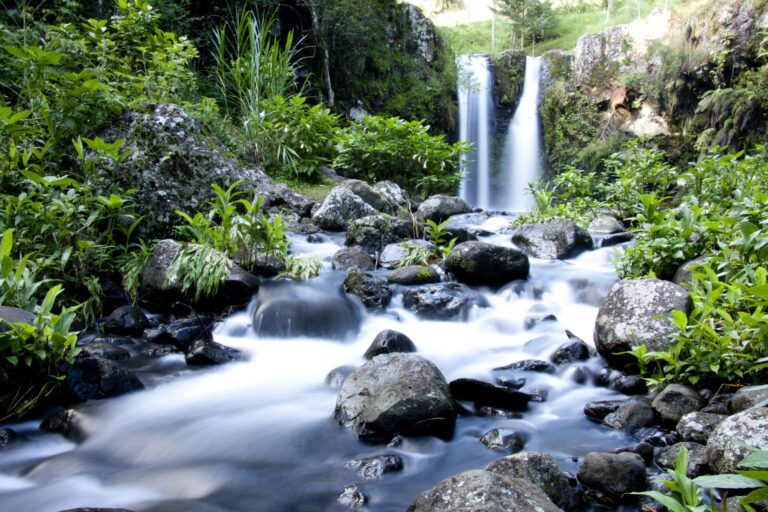
As you arrive at the hut, you’ll immediately be captivated by the sights and sounds of the surrounding rainforest. Towering trees create a lush canopy overhead, filtering sunlight and creating a relaxed, refreshing atmosphere.


Stroll around the area surrounding the hut to fully appreciate the rainforest’s rich biodiversity. Look out for the majestic giant ferns that dot the landscape, their fronds unfurling like delicate green feathers. These ancient plants have thrived here for centuries, creating a prehistoric ambience that transports you to another time.
As you explore further, you’ll come across towering heather trees, their gnarled trunks reaching for the sky. These trees, with their twisted branches and vibrant green foliage, add a touch of mystique to the surroundings.
Marvel at their resilience as they have adapted to the challenging conditions of the mountain.
Highlights
1. Starting Point of the Trek: Marangu Gate marks the beginning of your Kilimanjaro adventure, where you’ll officially register and embark on your ascent towards the summit.
2. Tranquil Mandara Hut: Nestled in the lush rainforest, Mandara Hut provides a serene haven for trekkers, offering a peaceful ambience amidst the verdant surroundings.
3. Enchanting Rainforest: Immerse yourself in the sights and sounds of the rainforest as you arrive at Mandara Hut, surrounded by towering trees and the gentle rustle of leaves.
4. Rich Biodiversity: Stroll around Mandara Hut to discover the diverse rainforest flora, from majestic giant ferns to towering heather trees, each contributing to the area’s vibrant ecosystem.
5. Ancient Atmosphere: The presence of ancient giant ferns and gnarled heather trees lends an otherworldly ambience to the surroundings, evoking a sense of timelessness and wonder as you begin your Kilimanjaro trek.
Horombo Hut: A Vista of Volcanic Landscapes
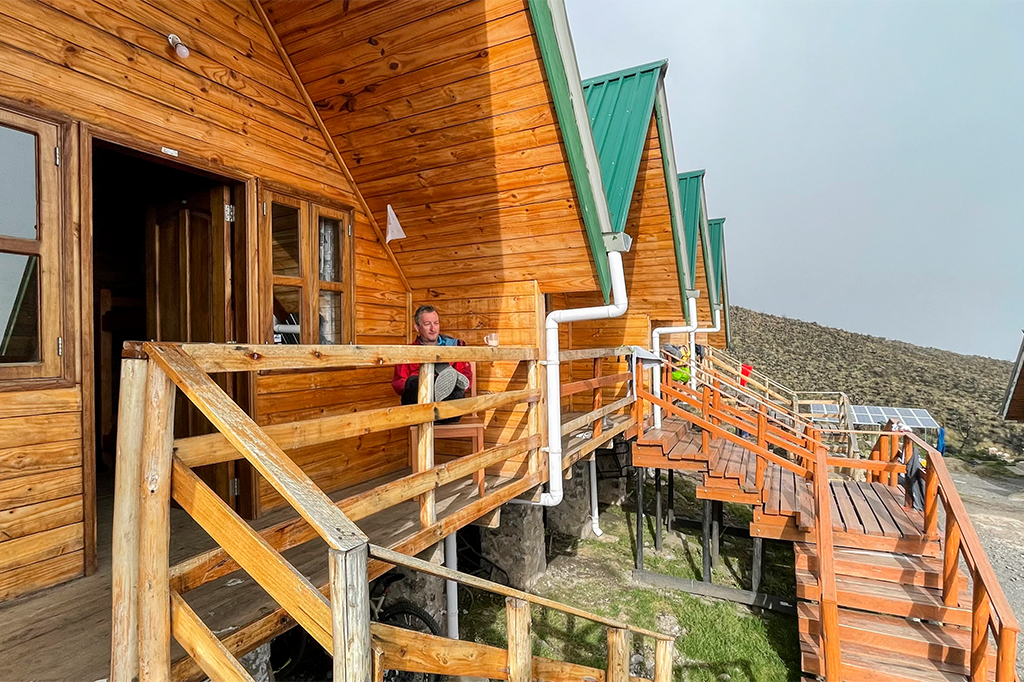
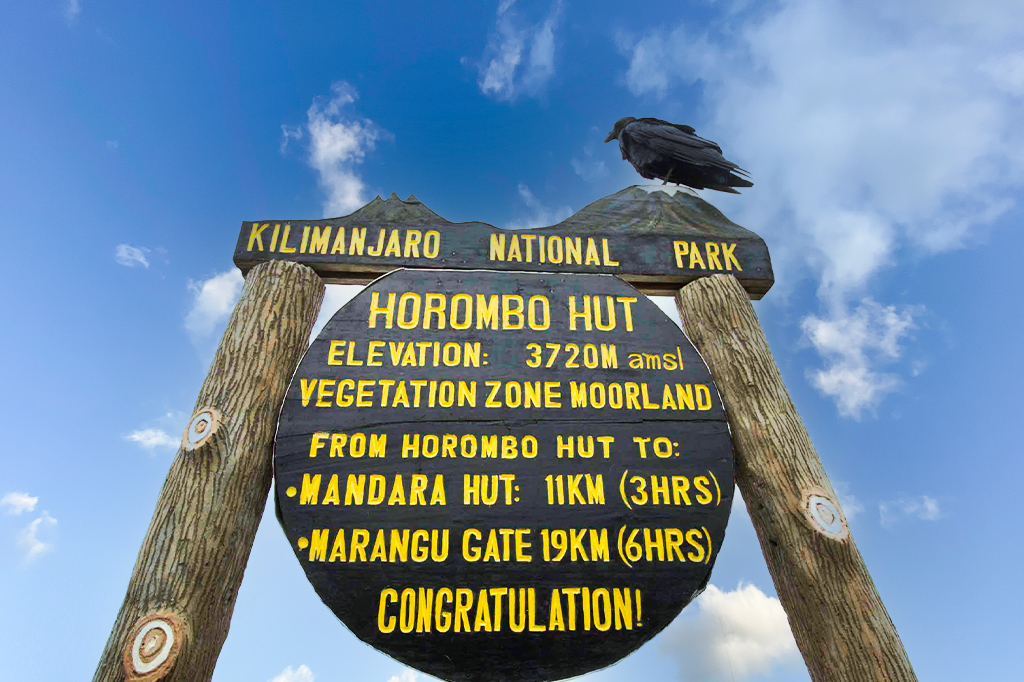
As you ascend higher along the Marangu Route, the Horombo Hut welcomes you with its breathtaking vistas and unique volcanic landscapes. Nestled at an impressive altitude of 3,720 meters (12,205 feet), this campsite provides a unique viewpoint from which to witness the grandeur of Mount Kilimanjaro. The alpine desert, characterised by its volcanic rock terrain and scarcity of vegetation, presents a challenging environment with extreme weather conditions that hikers must prepare for.
From the Horombo Hut, feast on the expansive grassy moorland that blankets the mountain’s lower slopes. The undulating terrain stretches as far as the eye can see, creating a captivating sight of rolling hills and valleys.
The golden grasses sway in the gentle mountain breeze, depicting serenity and tranquillity. But it is the volcanic landscapes that genuinely captivate the imagination at Horombo Hut.
Look towards the horizon, and if weather permits, you may glimpse Kibo, the highest of Kilimanjaro’s three volcanic cones. Its majestic presence, adorned with a crown of shimmering snow, is a testament to the immense geological forces that shaped this iconic mountain.
Highlights
1. Breathtaking Vistas: Horombo Hut offers trekkers breathtaking views of the surrounding volcanic landscapes, providing a memorable backdrop for your Kilimanjaro adventure.
2. Unique Volcanic Terrain: Situated at an impressive altitude of 3,720 meters (12,205 feet), Horombo Hut immerses you in the alpine desert environment, characterised by volcanic rock formations and sparse vegetation, creating a landscape unlike any other.
3. Expansive Grasslands: From Horombo Hut, marvel at the expansive grassy moorland covering Kilimanjaro’s lower slopes, offering a sweeping panorama of rolling hills and valleys stretching into the distance.
4. Tranquil Serenity: Amidst the golden grasses swaying in the mountain breeze, Horombo Hut exudes an aura of tranquillity and peace, providing a serene retreat for weary hikers.
5. Majestic Kibo Views: On clear days, visitors to Horombo Hut may be treated to a majestic view of Kibo, the highest of Kilimanjaro’s volcanic cones, adorned with a glistening crown of snow, serving as a reminder of the mountain’s awe-inspiring geological history.
Zebra Rocks: A Natural Wonder at Marangu Route
As you make your way towards the summit of Mount Kilimanjaro along the Marangu Route, a fascinating natural wonder awaits you: the awe-inspiring Zebra Rocks. Situated at approximately 4,020 meters (13,189 feet), these striking rock formations showcase the remarkable forces of nature that have shaped the mountain over millennia.
The Zebra Rocks derive their name from the distinctive black and white stripes that closely resemble a zebra’s coat. These captivating patterns adorn the rocks, creating a visual spectacle that is both mesmerizing and unique.


As you approach this scenic spot, take a moment to appreciate the intricate geological processes that have formed these remarkable formations. The contrasting colors of the rocks against the backdrop of the mountain create a stunning and photogenic setting.
This is the perfect opportunity to capture lasting memories of your Kilimanjaro adventure. With your camera in hand, frame the beauty of the Zebra Rocks against the sweeping vistas of the surrounding landscapes.
The interplay of light and shadow accentuates the natural contours of the rocks, adding depth and texture to your photographs. Beyond their visual appeal, the Zebra Rocks also serve as a reminder of the incredible geological history of Mount Kilimanjaro.
Highlights
1. Remarkable Natural Formation: Zebra Rocks, located at around 4,020 meters (13,189 feet) along the Marangu Route, are a testament to the fascinating geological forces that have sculpted Mount Kilimanjaro over millions of years.
2. Distinctive Appearance: Named for their resemblance to a zebra’s coat, these rocks boast striking black and white stripes, creating a visually captivating spectacle for trekkers ascending the mountain.
3. Geological Marvel: Take a moment to marvel at the intricate geological processes that have shaped the Zebra Rocks, appreciating the remarkable patterns and textures that adorn these ancient formations.
4. Perfect Photo Opportunity: Capture the beauty of the Zebra Rocks against the backdrop of Kilimanjaro’s sweeping landscapes. The contrasting colours and interplay of light and shadow provide a stunning backdrop for memorable photographs.
5. Historical Significance: Beyond their aesthetic appeal, the Zebra Rocks offer insight into Mount Kilimanjaro’s rich geological history, reminding them of the mountain’s ancient origins and enduring natural beauty.
Kibo Hut: The Last Stop Before the Summit
At an elevation of 4,703 meters (15,430 feet), the Kibo Hut stands as the last stop before reaching Mount Kilimanjaro’s summit. Situated on the saddle between Kibo and Mawenzi, the second-highest volcanic cone, this campsite marks a significant milestone in your journey.
As you arrive at the Kibo Hut, you will be greeted by anticipation and excitement. The barren, lunar-like landscape surrounding the hut creates a surreal atmosphere reminiscent of an otherworldly realm.
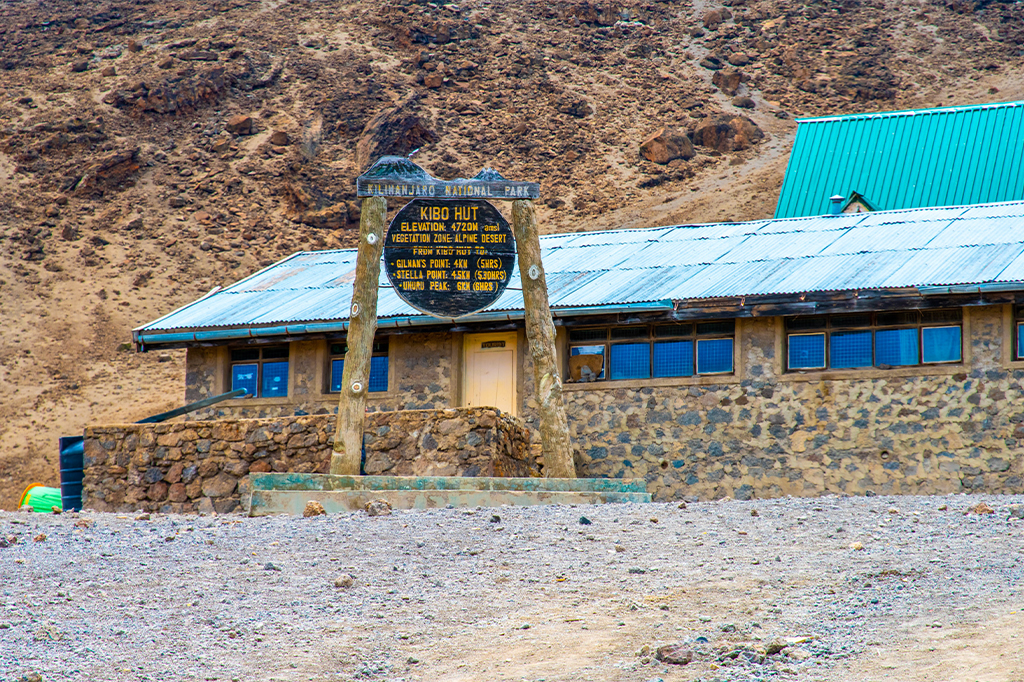
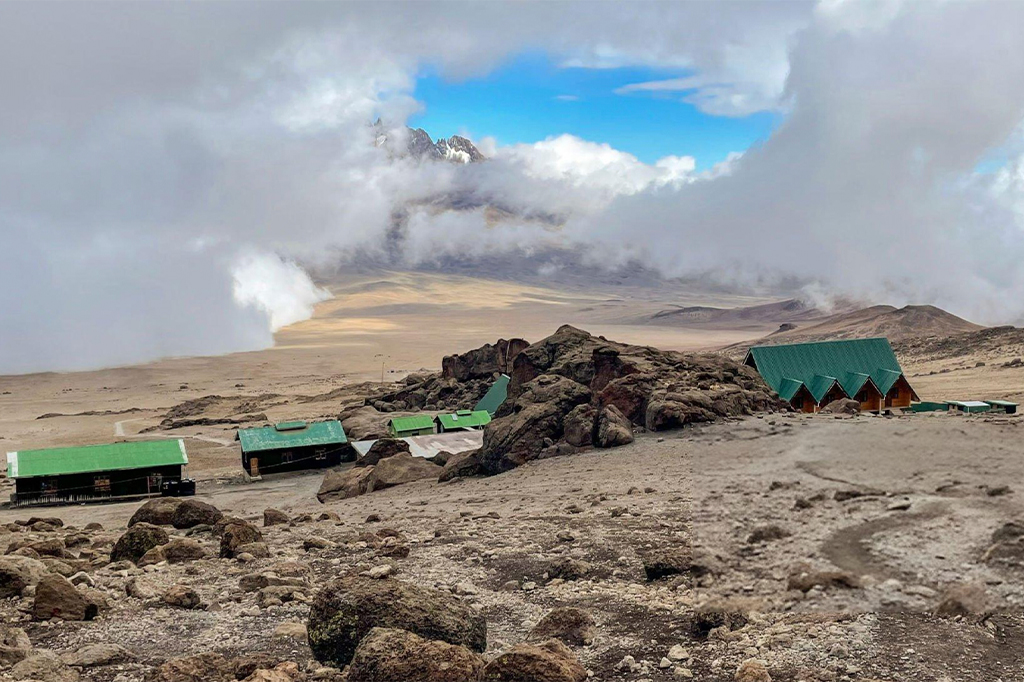
The absence of vegetation and the rugged terrain is a stark reminder of the extreme conditions and the remarkable feat ahead. Take a moment to pause and appreciate the vast landscape stretching out before you.
The panoramic views from this high-altitude campsite are genuinely awe-inspiring. From here, you can gaze upon the sweeping slopes of the mountain, the distant valleys, and the vast African plains below.
The vastness of the scene serves as a humbling reminder of the magnitude of the natural world.
Highlights
1. Ultimate Destination: Kibo Hut, positioned at 4,703 meters (15,430 feet), represents the final resting point before embarking on the summit push of Mount Kilimanjaro, making it a pivotal location for trekkers on their journey to the top.
2. Summit Day Challenge: As the launching pad for the strenuous summit day ascent, Kibo Hut symbolises the culmination of mental and physical preparation, where climbers must summon their inner strength and resilience to conquer the highest point in Africa.
3. Saddle Between Giants: Positioned between Kibo and Mawenzi, the second-highest volcanic cone, Kibo Hut offers trekkers a unique perspective, nestled amidst the dramatic landscape of Kilimanjaro’s vast summit plateau.
4. Surreal Lunar Landscape: The stark, barren terrain surrounding Kibo Hut creates an ethereal ambience, evoking comparisons to a lunar landscape and heightening the anticipation and gravity of the summit bid.
5. Panoramic Majesty: From Kibo Hut, trekkers are treated to breathtaking panoramic vistas of Kilimanjaro’s slopes, distant valleys, and the sprawling African plains below, offering a profound appreciation for the sheer magnificence of the natural world.
Uhuru Peak: The Summit of Africa
Reaching Uhuru Peak, the highest point on Mount Kilimanjaro and the ultimate goal of your Marangu Route adventure, is a monumental achievement that will be carved in your memory for a lifetime. Standing tall at an elevation of 5,895 meters (19,341 feet), Uhuru Peak offers a sense of triumph and a breathtaking view that will take your breath away.
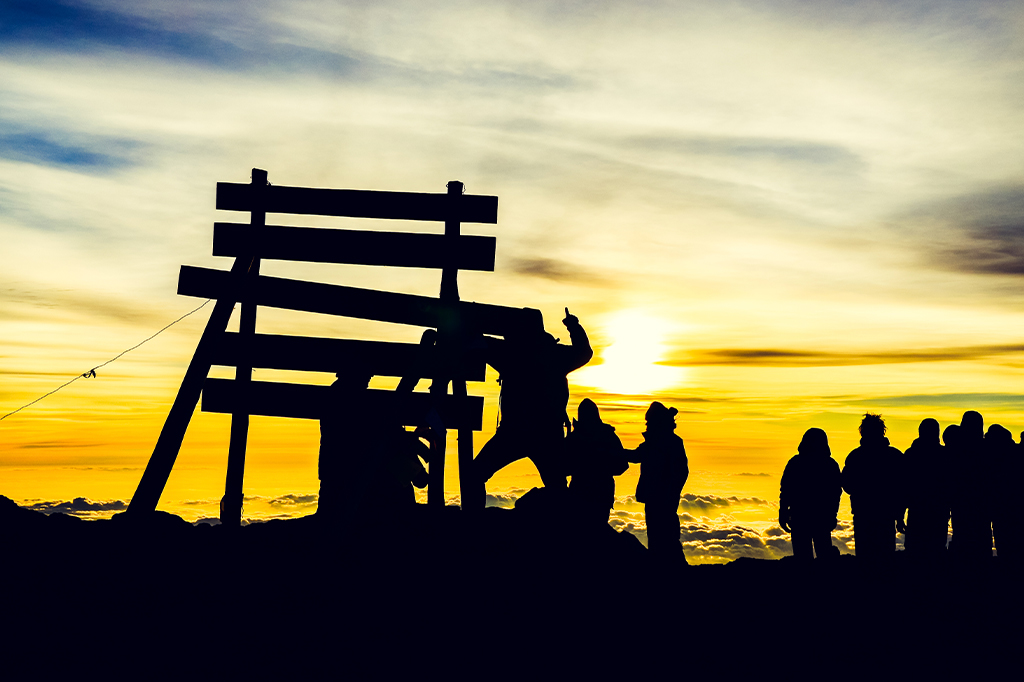
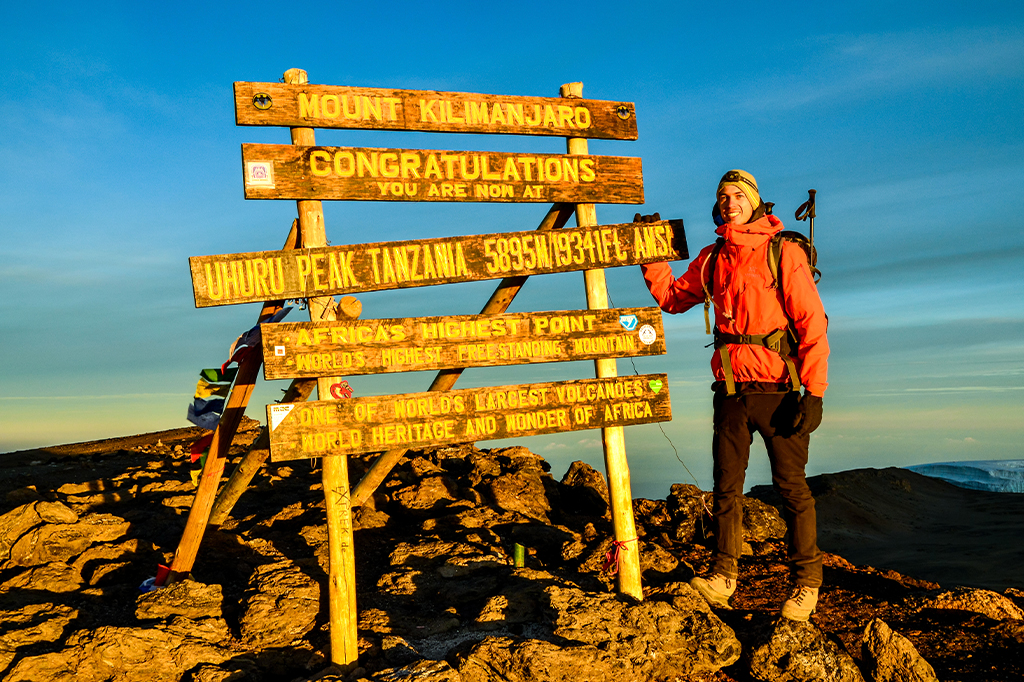
As you ascend the final stretch towards the summit, the anticipation and excitement build. The air becomes thinner, and every step requires immense effort and determination. But with each passing meter, you inch closer to realizing your dreams.
As the first light of dawn begins to break, painting the sky with hues of pink and orange, you will witness a truly awe-inspiring sight. The sunrise over the African continent from the summit of Kilimanjaro is a magical moment that words cannot fully capture.
The glow of the sun’s rays illuminates the glaciers and snow-covered slopes, creating a scene of unparalleled beauty.
Highlights
1. Crowning Achievement: Uhuru Peak, towering at 5,895 meters (19,341 feet), represents the pinnacle of your Marangu Route journey, offering a sense of triumph and accomplishment as you stand atop the highest point in Africa.
2. Memorable Ascent: The final push towards Uhuru Peak is a test of endurance and determination, with each step bringing you closer to realising your mountaineering dreams amidst the thinning air and challenging terrain.
3. Breathtaking Views: From the summit, soak in the panoramic vistas of Kilimanjaro’s snow-capped peaks and the vast African plains below, experiencing a sense of wonder at the natural beauty surrounding you.
4. Magical Sunrise: Witnessing the sunrise from Uhuru Peak is a transcendent moment, as the first light of dawn paints the sky in vibrant hues, casting a golden glow over the glaciers and creating a scene of unparalleled beauty.
5. Indelible Memories: Standing at the summit of Kilimanjaro, you’ll carry memories of the challenging journey, the exhilarating triumph, and the breathtaking views that define the experience of reaching Uhuru Peak, the summit of Africa’s highest mountain.
Conclusion
The Marangu Route offers a remarkable journey to the top of Mount Kilimanjaro, providing you with unforgettable experiences and breathtaking sights. As one of the seven Kilimanjaro routes, it is famous for its accessibility and scenic beauty. Each stage presents its wonders, from the lush rainforest of Mandara Hut to the volcanic landscapes of Horombo Hut, the unique Zebra Rocks, the final stop at Kibo Hut, and the ultimate achievement of reaching Uhuru Peak.
As you plan your adventure to the Roof of Africa in 2025/2026, be prepared to be stunned by the natural beauty and awe-inspiring vistas that await you on the Marangu Route. However, be mindful of altitude sickness, which can occur at high altitudes.
To avoid it, consider a gradual ascent and ensure proper hydration. The diversity makes Kilimanjaro National Park a prominent part of any Tanzanian Safari, offering an immersive experience of Africa’s mesmerising landscapes.
Frequently Asked Questions (FAQs)
How does the Marangu Route compare to other Kilimanjaro climb routes?
The Marangu Route, famously known as the “Coca-Cola Route,” is often considered one of the more straightforward options for climbing Kilimanjaro. It follows a well-defined path and features sleeping accommodations in mountain huts, making it a popular choice for those seeking a comfortable trekking experience. However, while the Marangu Route may be less physically demanding than some other routes, reaching Uhuru Peak requires proper preparation and acclimatisation.
What gear do I need for the Marangu Route trek?
For the Marangu Route trek, you’ll need essential trekking gear such as sturdy hiking boots, moisture-wicking clothing, a daypack, sunscreen, and a wide-brimmed hat. Additionally, you’ll need a warm sleeping bag suitable for cold temperatures and a few more layers for the chilly nights at higher altitudes.
Bringing a headlamp, trekking poles, and a refillable water bottle is also recommended. Your tour operator may provide a detailed packing list to ensure you have everything you need for a successful trek.
How long does it take to reach Uhuru Peak via the Marangu Route?
The Marangu Route requires approximately 5 to 6 days to reach Uhuru Peak, Kilimanjaro’s summit. This time frame allows for gradual acclimatisation to the altitude, reducing the risk of altitude-related illnesses and boosting your chance of a successful summit attempt. The route is relatively direct, with fewer variations in altitude than other routes, making it a popular choice for those seeking a shorter trek to the summit.
What are the sleeping arrangements like on the Marangu Route?
Along the Marangu Route, trekkers stay in mountain huts or dormitory-style accommodations operated by the Tanzanian National Park Authority. These huts provide basic sleeping facilities, including bunk beds and mattresses.
While the huts offer a more comfortable option than camping, it’s essential to note that they can still be quite basic, and you’ll need to bring your sleeping bag and personal belongings. Additionally, the availability of beds in the huts is limited, so booking your trek well in advance is advisable to secure accommodation.
What is the terrain like on the Marangu Route?
The Marangu Route features a variety of terrain, including forested trails, rocky paths, and alpine desert landscapes. The lower sections pass through lush rainforests, while the higher elevations are characterised by sparse vegetation and volcanic rock formations.
As you ascend towards Uhuru Peak, the terrain becomes more challenging, with sections of scree and loose gravel near the summit. Wearing proper footwear and using trekking poles can help you navigate the diverse terrain safely.
When is the best time to climb Kilimanjaro via the Marangu Route?
The optimal time to climb Kilimanjaro via the Marangu Route is during the dry season, typically from late June to October and late December to early March. During this time, you’ll encounter clear skies, minimal rainfall, and more stable weather conditions, making for a more enjoyable trekking experience.
However, it’s essential to note that Kilimanjaro can be climbed year-round, and the route is also open during the rainy season. Trekkers should be ready for colder temperatures and possible rain during the rainy season.
What is Gilman’s Point, and where is it located on the Marangu Route?
Gilman’s Point is a significant landmark located near the summit of the crater rim of Kilimanjaro. It marks the endpoint of the crater ascent route and is one of the primary viewpoints for witnessing the sunrise over the surrounding glaciers and landscapes. Gilman’s Point is situated just below Uhuru Peak and is typically reached shortly before sunrise by trekkers following the Marangu Route.
How does the Marangu Route lead climbers to Uhuru Peak?
The Marangu Route follows a relatively direct path to Uhuru Peak. It starts from the Marangu Gate and ascends through various ecological zones, including rainforest, moorland, and alpine desert.
Trekkers pass through key landmarks such as Mandara Huts, Horombo Huts, and Kibo Huts before reaching the crater rim. From there, the final ascent to Uhuru Peak involves a steep climb up the rocky path, culminating in breathtaking summit views.
Are hot drinks like tea or coffee available on the Marangu Route?
Hot drinks like tea or coffee are typically available at the mountain huts along the Marangu Route. After a long day of trekking, many trekkers appreciate the opportunity to warm up with a hot beverage and relax in the huts’ cosy atmosphere. The hut staff’s hot drinks can help keep you hydrated and comfortable throughout your trip.
What is the significance of Stella Point on the Marangu Route?
Stella Point is a crucial waypoint located on the crater rim of Kilimanjaro, just below Uhuru Peak. It marks the intersection of the crater ascent route and the southeastern approach, known as the Mweka Route. Trekkers following the Marangu Route typically pass through Stella Point shortly before reaching Uhuru Peak, making it a significant milestone in their journey to the summit.
How does the Marangu Route compare in terms of altitude gain and difficulty?
The Marangu Route is often considered one of the less challenging routes on Kilimanjaro regarding altitude gain and difficulty. It features a more gradual ascent profile than other routes, with sleeping accommodations in mountain huts.
While the Marangu Route still requires proper preparation and acclimatisation, it is generally regarded as suitable for trekkers with moderate fitness levels looking for a less physically demanding option to climb Kilimanjaro.
What is the shortest route to reach Uhuru Peak?
The Marangu Route is often considered the shortest route to reach Uhuru Peak, the summit of Kilimanjaro. Depending on your itinerary and the trekking pace, it typically takes 5 to 6 days to complete. The relatively direct path and the availability of sleeping accommodations in mountain huts make the Marangu Route a popular pick for those seeking a shorter trekking experience on Kilimanjaro.
What should I expect during the entire trip on the Marangu Route?
Throughout the entire trip on the Marangu Route, you can expect to experience a range of landscapes, from lush rainforests to barren alpine deserts. You’ll also encounter varying weather conditions, from warm temperatures at lower elevations to cold temperatures and possibly snow near the summit. Additionally, you’ll be able to interact with fellow trekkers and experienced guides, creating lasting memories and camaraderie.
What are the Kibo Huts, and how do they factor into the Marangu Route?
Kibo Huts are essential accommodations along the Marangu Route, with an elevation of approximately 4,703 meters (15,430 feet). These mountain huts provide shelter and sleeping accommodations for trekkers during their ascent to Uhuru Peak. Located near the summit, Kibo Huts serve as the final resting point before the challenging summit push, allowing trekkers to rest and prepare for the last leg of their journey.