

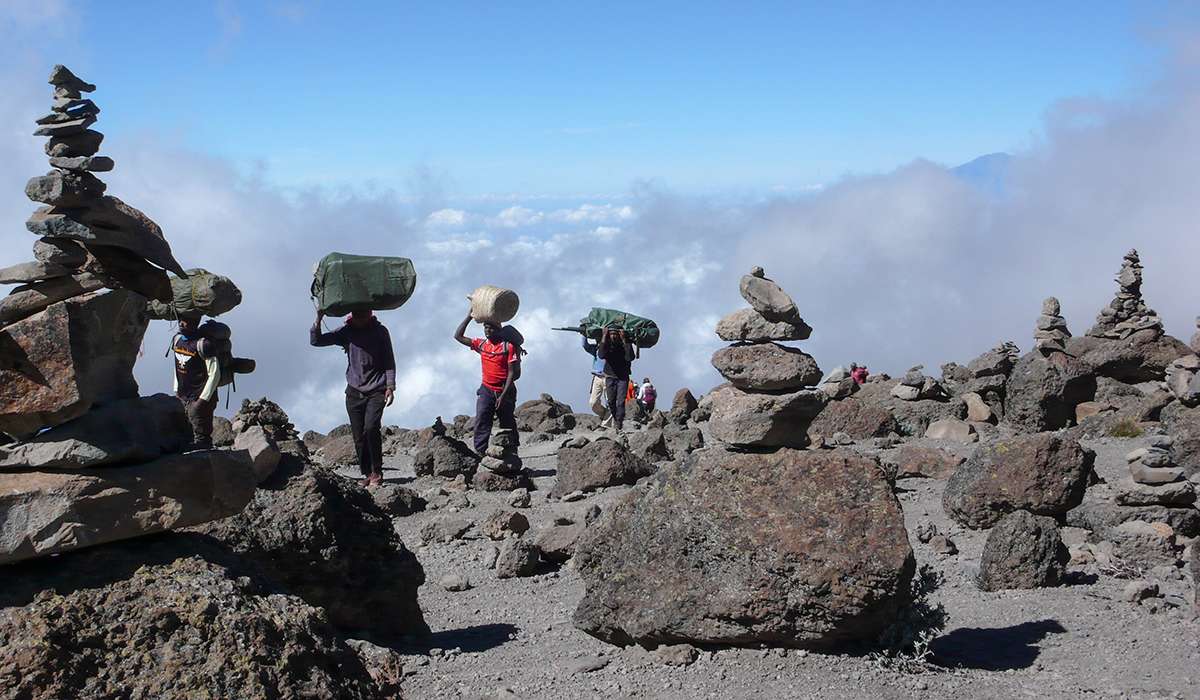
Supporting responsible Kilimanjaro trekking is crucial. It not only minimizes risks on the mountain but also enhances safety measures for everyone involved.
This is especially true for Mount Kilimanjaro in Northern Tanzania. Reaching its towering 19,341-foot peak demands exceptional support. Successfully and safely summiting the world’s highest free-standing mountain—and Africa’s tallest point—requires a monumental effort from hikers, guides, and, most importantly, the porters.
Why Responsible Trekking on Kilimanjaro Matters
Responsible trekking on Kilimanjaro is vital for protecting the mountain’s delicate environment, uplifting local communities, and ensuring this iconic natural treasure endures for future generations. Kilimanjaro’s sensitive ecosystems and rich biodiversity are at risk from the impacts of high tourism volumes. Without proper management, this can result in environmental damage, waste buildup, and the erosion of trails.
Responsible trekking also contributes to the local economy in a sustainable way by promoting fair employment practices and supporting local businesses. By choosing responsible trekking, you help preserve the mountain’s natural beauty and cultural heritage while ensuring a meaningful and eco-conscious experience for all adventurers.
How to Choose a Responsible Trekking Company for Kilimanjaro
Choosing a responsible kilimanjaro trekking company for Kilimanjaro guarantees ethical and sustainable practices. Prioritize companies accredited by organizations like the Kilimanjaro Porters Assistance Project (KPAP) and committed to “leave no trace” principles.
Such companies should prioritize fair treatment of porters, ensuring they receive fair wages, proper safety gear, and suitable working conditions. They should also adhere to strict environmental practices, including effective waste management and minimizing trail impact. Opting for an operator with strong community connections and a commitment to sustainability not only enriches your trekking experience but also supports the local region in meaningful ways.
Support Fair Treatment for Porters and Guides
The people who help trekkers reach Kilimanjaro’s summit—porters and guides—are essential to every climber’s success. Supporting fair treatment for these workers involves choosing companies that ensure fair wages, reasonable workloads, adequate equipment, and proper shelter and food provisions.
Many porters face harsh conditions and lack essential resources, so trekking with a company that prioritizes their well-being ensures ethical labor practices. Fair treatment provides a safer, more dignified experience for porters and guides and contributes to the long-term sustainability of Kilimanjaro’s trekking industry by valuing and respecting its local workforce.
Protecting Kilimanjaro’s Environment: Best Practices for Trekkers
Protecting Kilimanjaro’s environment starts with individual actions taken by each trekker. Basic steps, such as packing out all trash, avoiding single-use plastics, and sticking to designated trails, significantly reduce environmental impact.
Using eco-friendly toiletries and reusable items, like water bottles and containers, minimizes pollution. Additionally, respecting wildlife and maintaining a safe distance from animals helps preserve Kilimanjaro’s natural habitats.
By practicing environmental stewardship, trekkers can enjoy the mountain’s beauty while helping to preserve it for others.
The Role of KPAP in Promoting Responsible Trekking on Kilimanjaro
The Kilimanjaro Porters Assistance Project (KPAP) is a nonprofit organization that advocates for ethical porter treatment on Kilimanjaro. KPAP-certified trekking companies are held to high standards for wages, porter welfare, and fair labor practices, making them reliable choices for responsible trekkers.
Through its partnerships, KPAP ensures porters access to proper gear, fair pay, and safe working conditions. By choosing a KPAP-partnered company, trekkers actively support the well-being of the mountain’s workforce, promoting ethical tourism that benefits local communities.
Reduce Your Environmental Impact on the Trail
Reducing environmental impact while trekking Kilimanjaro involves careful planning and adopting sustainable habits. For example, bringing reusable water bottles, utensils, and food containers helps reduce plastic waste.
Trekkers should use biodegradable soap and toiletries to avoid polluting the environment and stick to trails to minimize erosion and vegetation damage. Limiting group size is another effective way to reduce strain on the ecosystem.
By preparing responsibly, trekkers can reduce their footprint, helping to protect Kilimanjaro’s fragile environment.
Respecting Local Culture and Traditions While Trekking Kilimanjaro
Kilimanjaro’s surrounding communities, particularly the Chagga and Maasai people, have deep-rooted cultural traditions that enrich the trekking experience. Respecting these customs by learning basic Swahili greetings, dressing modestly, and understanding the cultural significance of Kilimanjaro fosters positive interactions with locals.
Responsible companies often provide cultural education, which helps trekkers engage more meaningfully with residents. This respect enhances the experience and supports harmonious relationships with those who call Kilimanjaro home.
Porters: The true heartbeat of mount Kilimanjaro
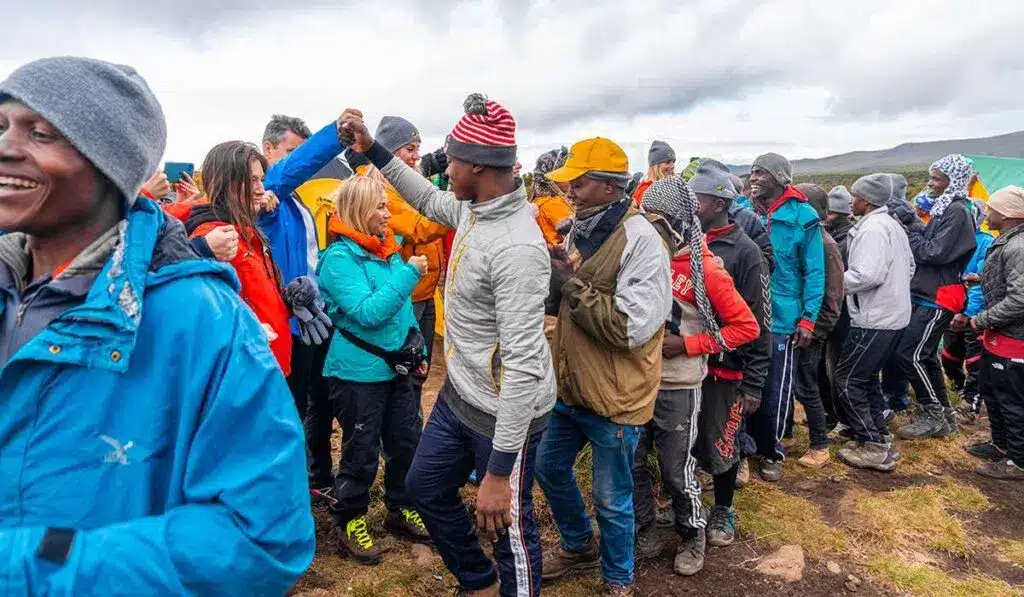
Responsible trekking on Kilimanjaro is essential to safeguarding the mountain’s unique environment, supporting local communities, and preserving this natural landmark for future generations.
In addition to these guides, the true bread-and-butter of any successful Mount Kilimanjaro trek comes with its porters.
Porters are the real muscle behind any successful Kili trek; they are the mountain’s human spirit.
Each year, thousands of porters work tirelessly to shuttle gear, luggage, tents, food, and water up and down this
massif. Without them, reaching the summit would be near impossible.
Porters are the ones who carry your gear, set up tents, and prepare hot water for coffee, and who help you in the case
of emergencies. Porters wake up before dawn to start packing up, leapfrogging ahead so that you will have the best
campsite possible. They are also the last to bed, washing dishes and fetching water. Porters are heroes, the men and
women behind-the-scenes who make Kilimanjaro expeditions such a life-changing experience.
What’s the best way to respect porters? KPAP
Because we believe these porters are critical players in the success of reaching Kilimanjaro’s summit, Easy
Travel is one of the strongest advocates for their welfare, and we are one of only a few KPAP-certified operators in Tanzania.
KPAP stands for the Kilimanjaro Porter Assistance Project. The nonprofit was founded in 2003, in Boulder, Colorado, and their main aims are to:
- Raise public awareness regarding the proper treatment of porters on Mount Kilimanjaro,
- Assist climbing companies with procedures to ensure fair and ethical treatment of their porters
- Lend free gear to porters and other mountain crew
- Ensure responsible travel practices and safe working conditions of porters
- Offer educational classes to empower and motivate porters and mountain crew.
When you choose a KPAP-certified travel guide company, you ensure that all porters:
- Have proper equipment
- Get nutritious meals on the mountain, and not just one meal per day.
- Carry no more than 20 kilograms (44 pounds)
- Get paid on time, in amounts that meet National Park requirements
- Provided ample tent space to sleep
- Not treated badly by guides and cook
- Receive proper medical attention if injured on Africa’s tallest mountain
With KPAP-certified treks, there are always monitors for compliance, to ensure the KPAP
standards are being practiced on the mountain. One porter, for example, will be designated to report to KPAP about the conditions. For Easy Travel, to retain our certification we must consistently score high on their rating system.
Here’s more about the comprehensive requirements to become a partner with KPAP.
Our motto? Happy porters, happy clients

For us, it’s simple: treat people with the dignity they deserve, and they reciprocate that back.
When you choose Easy Travel for your Kilimanjaro experience, our KPAP-certification guarantees a level of respect for each porter.
For over 30 years, we’ve been a locally owned and operated Tanzanian business. That means our
entire staff and customer support are local. These people are our family, the reason we thrive, the reason why we’re
awarded each year for our tours. KPAP-certified Kilimanjaro treks are a necessary
safeguard among many we take to go the extra mile for our clients and staff.
KPAP needs your help!
As a nonprofit, KPAP relies entirely on donations, grants, and gifts from people like you. Currently, they are asking for your help. KPAP is running a fundraising campaign to continue doing this exceptional work. If you support ethical standards and workers rights, and can afford to donate (even $1 would be of help!), please do.
You can donate using the following link: https://kiliporters.org
Frequently Asked Questions (FAQs)
What does “responsible trekking” mean for Kilimanjaro?
Responsible trekking on Kilimanjaro involves minimizing environmental impact, supporting local communities, and ensuring fair treatment of porters and guides. It focuses on sustainable travel that respects the mountain’s natural and cultural heritage, helping to protect its beauty for future generations.
Practicing responsible trekking not only helps preserve Kilimanjaro’s unique landscape but also fosters a respectful exchange between visitors and local people. This approach enhances the trekking experience by ensuring that tourism benefits the environment and the community.
Why is responsible trekking important in Kilimanjaro?
Large numbers of visitors impact Kilimanjaro’s unique and fragile ecosystem, so responsible trekking is vital to preserving the landscape, protecting wildlife, and supporting the local economy in a way that promotes long-term sustainability.
By following responsible practices, trekkers reduce their impact on the trails, help prevent erosion, and protect native plants and animals. These efforts are essential for maintaining the mountain’s health, allowing future climbers to enjoy it, and ensuring that tourism contributes positively to the local communities.
How does responsible trekking benefit the local community?
When trekkers choose ethical operators, they help improve the working conditions for porters and create sustainable job opportunities within the local economy. This kind of support encourages long-term growth in the region and ensures that local people are directly involved and benefit from tourism on Kilimanjaro.
What should I look for in a responsible trekking kilimanjaro company?
A responsible trekking company practices sustainability, prioritizes fair porter treatment, and has vital environmental initiatives. They should respect local customs, have ethical standards, and follow waste management protocols to ensure a minimal footprint.
Reputable companies should also be transparent about their practices, such as compensating staff, managing waste, and contributing to community welfare. Selecting a responsible company ensures that your journey up Kilimanjaro is aligned with ethical, environmental, and social responsibility.
Are there certification programs for responsible Kilimanjaro trekking?
Yes, programs like the Kilimanjaro Porters Assistance Project (KPAP) and the International Mountain Explorers Connection (IMEC) certify companies that adhere to ethical porter treatment and sustainable practices.
Choosing a certified operator ensures a responsible trekking experience. These programs are crucial in promoting transparency and accountability among trekking operators, making it easier for trekkers to select companies that prioritize environmental sustainability and fair treatment of local staff.
What is KPAP, and how does it support responsible trekking?
KPAP, the Kilimanjaro Porters Assistance Project, advocates for fair wages, ethical treatment, and improved working conditions for porters. Partnering with KPAP-certified companies ensures that trekkers support fair porter practices on their journey.
KPAP-certified operators provide adequate wages, meals, and equipment for porters, ensuring their safety and well-being on the mountain. Supporting KPAP also helps create awareness of Porter’s welfare among travelers, encouraging more trekkers to prioritize ethical travel.
How can I ensure my porters and guides are treated fairly?
Choosing a KPAP-certified company is one way to ensure fair treatment of porters. These companies adhere to ethical standards in wages, meals, and equipment for porters, ensuring better working conditions during the trek.
Before booking, you can also ask questions to confirm that your trekking company follows KPAP standards. This way, you contribute to a fairer, safer experience for the porters who work tirelessly to support your climb.
What environmental practices should I follow on Kilimanjaro?
Supporting sustainability while trekking includes packing out all waste, staying on designated trails, and using eco-friendly toiletries. Respecting wildlife and maintaining a safe distance from animals helps preserve Kilimanjaro’s ecosystem.
Additionally, bringing reusable items like water bottles and avoiding single-use plastics can further reduce your environmental impact. Practicing these measures ensures that the natural beauty of Kilimanjaro remains for future generations.
Are there limits on the number of trekkers to reduce environmental impact?
While there isn’t an official cap, responsible companies often manage group sizes to reduce environmental strain. Smaller groups leave a smaller footprint, helping to protect the trails and enhance the experience for trekkers. Opting for smaller group sizes also allows for a more personal experience on the mountain, with less congestion and a quieter atmosphere, providing an opportunity to appreciate Kilimanjaro’s natural beauty truly.
Can I bring my reusable items to reduce waste?
Yes, bringing reusable items like water bottles, utensils, and containers helps reduce single-use plastic waste. Many responsible companies also provide filtered water refills to limit plastic bottle usage. Reusable items can significantly reduce waste that might otherwise accumulate on the trails, preserving the environment for others and helping to make Kilimanjaro a cleaner, greener destination.
How do responsible trekking companies manage waste on Kilimanjaro?
Ethical companies enforce strict “leave no trace” policies to pack out all waste generated on the trek. This commitment to waste management protects Kilimanjaro’s environment for future visitors.
By choosing companies that actively work to reduce their environmental impact, trekkers contribute to maintaining the mountain’s beauty and preserving its unique landscape. These companies also educate trekkers on minimizing their waste, ensuring a more sustainable approach to trekking.
How do responsible treks respect local culture in Kilimanjaro?
By learning about local traditions, greeting locals respectfully, and following dress codes, trekkers show that they value the cultures that make Kilimanjaro unique. These interactions create a more meaningful experience for both visitors and local people.
Responsible trekking companies educate visitors on local customs and encourage respectful interactions. This approach fosters positive relationships with the Chagga and Maasai communities, supporting cultural appreciation.
What are the benefits of taking a longer route for responsible trekking?
Longer routes help trekkers acclimate, reduce altitude sickness risks, and improve summit success rates. They also lessen environmental impact by spreading out foot traffic, benefiting both trekkers and the mountain.
Additionally, longer routes give trekkers more time to immerse themselves in Kilimanjaro’s natural surroundings, creating a deeper connection with the environment and enhancing the trekking experience.
Can I contribute to local conservation projects as part of my Kilimanjaro trek?
Some responsible companies work with conservation groups, allowing trekkers to support Kilimanjaro’s ecosystem through donations or volunteer opportunities. These efforts help preserve the mountain’s unique flora and fauna.
By contributing to these efforts, trekkers can leave a lasting positive impact on the mountain. Giving back can be incredibly fulfilling, ensuring the environment is preserved and future trekkers can enjoy Kilimanjaro’s natural beauty.
How can I raise awareness about responsible trekking after my climb?
Sharing your experience and highlighting the importance of responsible trekking can inspire others. Promoting ethical companies and sustainable practices can help others make more conscious travel choices for Kilimanjaro.
Social media posts, blog entries, or conversations with friends are all effective ways to spread awareness. The more people know about responsible trekking, the better they’ll be able to make sustainable decisions for their adventures.