


The archipelago of Zanzibar, off the coast of Tanzania, is a dreamy destination of exquisite beaches, turquoise waters, and fascinating history. To the southwest of the main island, Unguja, lies a hidden gem called Fumba Beach, a tranquil paradise gaining popularity for its untouched beauty.
As you plan your trip to Zanzibar for 2025/2026, we present a complete guide to exploring Fumba Beach, often called Tanzania’s best beach.
Why Visit Fumba Beach?
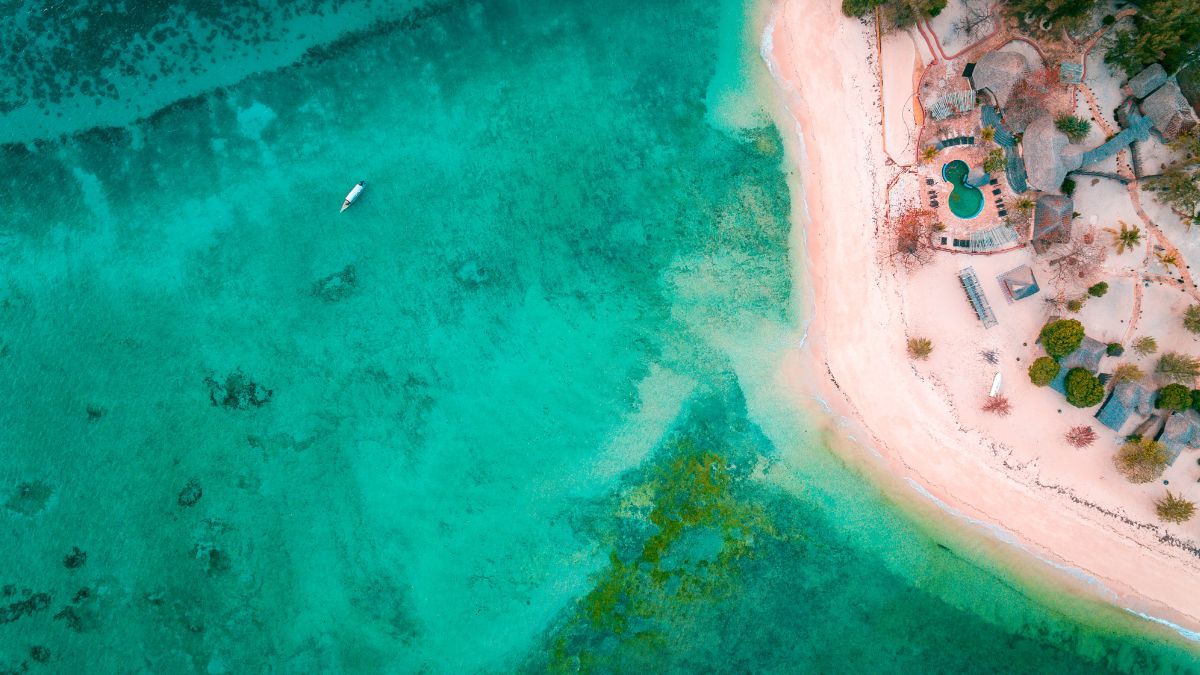
Fumba Beach is a gorgeous stretch of white sand in the Fumba Peninsula. An area was declared a conservation zone by the government. With its secluded location, Fumba Beach is less crowded than the more tourist-centric northern beaches, giving you plenty of space to unwind and enjoy the picturesque scenery in tranquillity.
This beach is also the gateway to the Menai Bay Conservation Area, a marine reserve teeming with tropical fish, dolphins, and sea turtles. The bay, with its islands and sandbanks, offers excellent snorkeling and diving spots.
The beachside is lined with palm and baobab trees, while the peninsula’s interior is home to various bird species, making it an ideal location for birdwatchers. So, whether you are a water sports enthusiast, a wildlife lover, or someone looking for a peaceful retreat, Fumba Beach has something to offer.
Getting There
Fumba Beach is approximately 30 30-minute drive from Zanzibar City, including Stone Town, the historical center of Zanzibar. Taxis are readily available, but remember to agree on a fare before the journey, as most do not run on meters.
Alternatively, you could rent a car or motorbike for more freedom to explore the island at your own pace. Public transportation is also an option, with the “dala-dala,” a local minibus, being the cheapest, albeit not the most comfortable mode of transport.
Where to Stay?
Accommodation options in Fumba Beach range from luxurious resorts to budget-friendly guesthouses.
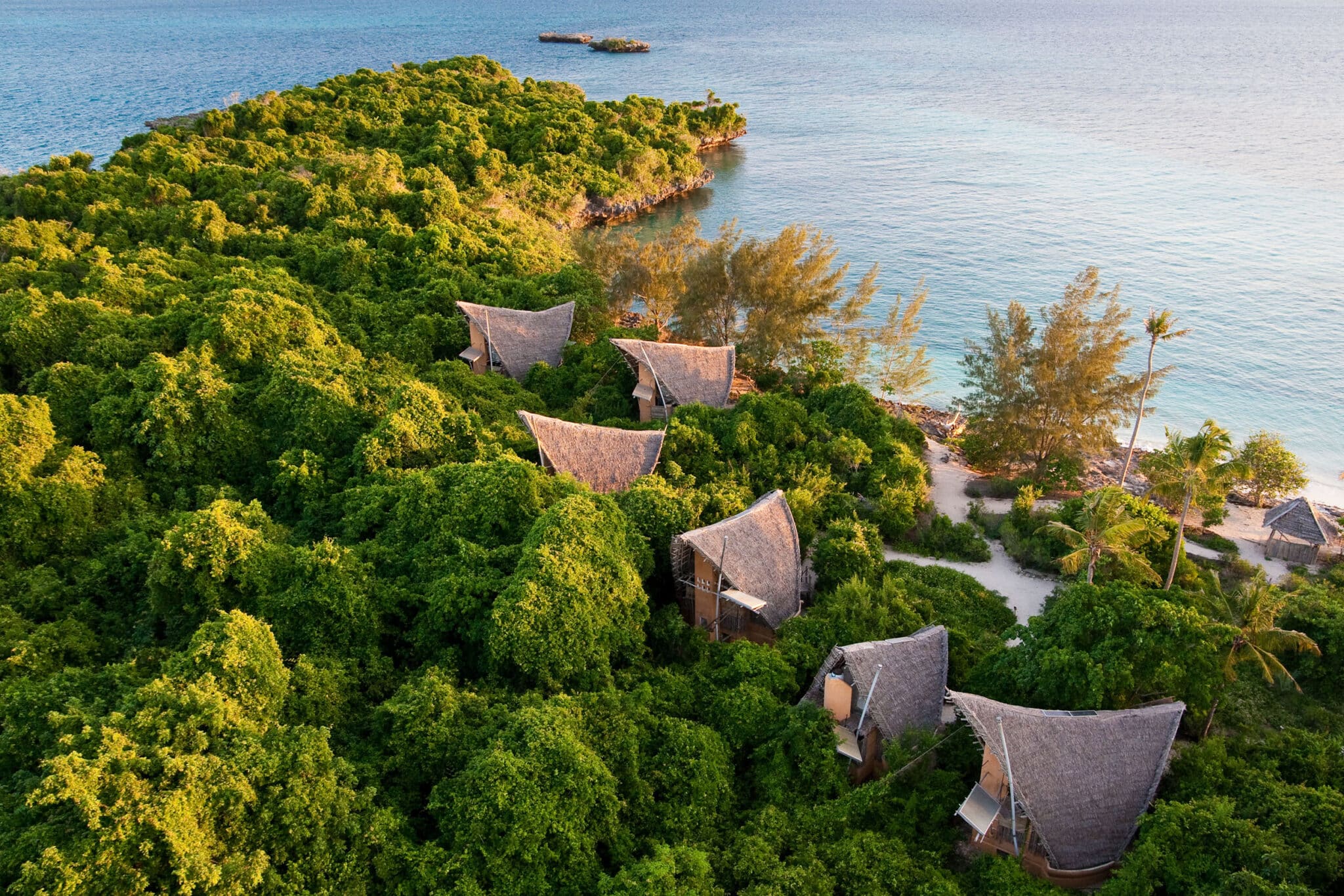
One of the top choices is the Fumba Beach Lodge, nestled in a secluded spot amidst 40 acres of exquisite wilderness. This boutique lodge offers spacious rooms and suites, all with sea views and amenities like an infinity pool, a beachfront restaurant, and a dive center.
For budget travelers, guesthouses in the nearby village provide comfortable rooms and a chance to engage with the local community. Most also arrange activities like village tours, boat trips, and cooking classes.
What to Do?
1. Beach Activities
Unquestionably, Fumba Beach is a sanctuary for those seeking tranquility and the simple joy of relaxation. Its pristine coastline, augmented by the warm, golden sand and the endless azure view of the Indian Ocean, makes it a sunbather’s paradise. Stretching out on a beach mat or reclining on a hammock, you can let the world escape as you absorb the sun’s vibrant energy and revel in the rhythm of the lapping waves.
This serene setting offers the ideal backdrop to delve into a good book, indulge in peaceful introspection, or marvel at the beauty of nature surrounding you. Relaxing on Fumba Beach can serve as a calming meditation, an opportunity to pause and embrace the moment, rejuvenating your mind, body, and spirit amidst the beach’s natural grandeur.
2. Dolphin Watching and Snorkeling Trip
Embarking on a boat trip to the Menai Bay Conservation Area offers an enjoyable voyage and a captivating opportunity to witness the playful antics of dolphins in their natural habitat. The bay is well-known for its rich marine biodiversity, with dolphins being one of the conservative area’s main attractions. Observing their social behavior and impressive acrobatics in the clear blue waters is an unforgettable experience that nature lovers and wildlife enthusiasts will almost certainly appreciate.
These excursions typically include a pre-planned stop at one of the area’s pristine sandbanks or secluded islands. Here, you can plunge into the warm, clear waters of the bay for a snorkeling adventure. Discover an underwater world bustling with colorful coral reefs and varied marine species – a breathtaking spectacle that is truly a haven for snorkelers. After your snorkeling experience, enjoy the distinctive taste of a beach barbecue, where the crackle of the fire and the aroma of grilling food mark a satisfying closure to your adventurous boat trip.
3. Diving
Fumba Beach, adorned with clear and warm waters, teems with a rich diversity of marine species, making it a sought-after spot for divers from around the world. Its underwater landscape is a thriving ecosystem of vibrant coral gardens, exotic fish species, and other intriguing marine life, creating an aquatic wonderland waiting to be explored. With its welcoming conditions and experiential value, it is genuinely befitting of the title ‘diver’s paradise.’
Furthermore, the local dive centers cater to the needs of both novice and experienced divers. They offer a range of courses that provide comprehensive training for beginners or enhance the skills of advanced divers. Notably, these centers also arrange diving excursions to various dive sites throughout Menai Bay, expanding the array of diving experiences and promising unique underwater adventures for every participant.
4. Village Tour
Embarking on a guided tour to the nearby village offers a unique insight into everyday life within the local community. Visitors can observe their customs, traditions, and daily routines by exploring the homes, schools, and bustling markets, creating a valuable cultural exchange. This immersive experience allows for a deeper understanding of the lives of the village’s inhabitants, providing an authentic glimpse into their local world.
Moreover, participating in communal activities like joining the locals for an exuberant game of football not only promotes camaraderie but also fosters a shared sense of joy and connection with the community members. These shared plays and laughter bridge cultural boundaries and facilitate a genuine connection, leaving visitors with invaluable memories of their time in the village.
5. Bird Watching
The Fumba Peninsula is a veritable treasure trove for birdwatchers, boasting a remarkable diversity of more than 50 avian species. This lush area presents a fantastic opportunity to observe unique and fascinating birds in their natural habitats. Watch for some of the region’s most renowned species, such as the majestic African Fish Eagle, the vibrant Paradise Flycatcher, and the striking Mangrove Kingfisher.
In addition to the captivating visual display, these birds’ melodic calls and songs enhance the experience, making a trip to the Fumba Peninsula an auditory delight. For birdwatching enthusiasts and nature lovers alike, this diverse ecosystem provides an unforgettable, immersive encounter with the rich avian life of the region.
6. Cooking Classes
Engaging in a local Swahili cooking class presents a unique opportunity to delve into the region’s rich culinary landscape. It offers an experiential learning platform where you can learn firsthand the skills and techniques of preparing traditional Swahili dishes. A step-by-step guided process will unfold the methods used to meticulously prepare dishes like “ugali,” a hearty maize porridge staple, “pilau,” a fragrant spiced rice, and “samaki wa kupaka,” a flavorful coconut fish curry.
Cooking these traditional dishes is a fascinating journey into the heart of Swahili culture, where each recipe holds a story of the island’s history and influences. Besides acquiring culinary skills, this experience could deepen your appreciation for the culture, history, and way of life of the Swahili people.
7. Visit the Jozani Forest
A mere stone’s throw away from Fumba Beach lies the picturesque Jozani Chwaka Bay National Park. This renowned park is the proud sanctuary of Red Colobus monkeys, an endangered species found exclusively in Zanzibar. Their playful nature and vivid, unique appearance make them a charismatic and much-beloved attraction within the park.
Venturing deeper, the park also features a verdant forest and a thriving mangrove swamp that showcase the exquisite diversity of the island’s ecosystems. A well-trodden nature trail guides visitors through this lush haven, revealing the park’s flora and fauna and offering an unforgettable journey through Zanzibar’s cherished natural beauty.
What to Eat?
In Zanzibar, the cuisine is undoubtedly a testament to its rich cultural tapestry, boasting a harmonious blend of African, Arabic, and Indian influences. Fumba Beach, in particular, allows visitors to indulge in the variety of flavors this culinary fusion offers, with seafood serving as the star of many dishes. Relish the catch-of-the-day, grilled to perfection, at beachfront restaurants or experience the local “boma” style barbecue that exudes mouthwatering aromas.
Diving further into the world of local delicacies, don’t miss out on the opportunity to taste the sumptuous “octopus curry” or the iconic street food delight known as “Zanzibar pizza.” Complementing this exotic culinary journey, end your feasting on a sweet note by savoring the island’s succulent tropical fruits, such as delectable mango, juicy papaya, and fragrant passion fruit. The flavors of Zanzibar will undoubtedly satiate your taste buds and leave a compelling impression of the island’s culinary treasures.
Shopping and Souvenirs
No travel experience is complete without bringing back a piece of the destination in the form of souvenirs. Near Fumba Beach, you can find local markets selling a range of products that reflect the rich cultural heritage of Zanzibar.
Look for intricately carved wooden boxes, a traditional craft in Zanzibar known as Zanzibar chests. These often feature brass inlays and detailed carvings that make them beautiful keepsakes. Local textiles, particularly the brightly colored and patterned “kanga” and “kitenge” fabrics, are another popular choice.
For the foodies, spices are a must-buy in Zanzibar, also known as the Spice Island. You can find a variety of fresh spices, including cloves, cinnamon, nutmeg, and vanilla, that will add a touch of Zanzibari flavor to your home cooking.
Conservation Efforts
Due to increased tourism and climate change, Zanzibar and its pristine beaches face environmental challenges. In Fumba Beach, several initiatives have been taken to promote sustainable tourism.
Local hotels and lodges actively participate in beach clean-ups and water conservation. They also try to reduce their carbon footprint by using solar energy and minimizing waste. Visitors are encouraged to participate in these initiatives and to follow guidelines to protect the environment, such as avoiding littering and not disturbing wildlife.
The Menai Bay Conservation Area, established in 1997, is a significant effort towards conserving marine life in the region. The area is patrolled to prevent illegal fishing and to protect the dolphins and turtles that inhabit these waters.
Safety Tips
While Fumba Beach is generally a safe destination, it’s always essential to follow basic safety precautions. Keep an eye on your belongings, especially on the beach. Avoid isolated areas, particularly after dark, and always inform someone reliable about your plans if you go out alone or with a small group.
Ensure that you have comprehensive travel insurance that covers medical emergencies. Also, checking with your country’s foreign travel advisory for Tanzania and Zanzibar before planning your trip is advisable.
Lastly, remember to respect the local customs and traditions. Zanzibar is predominantly Muslim, and dressing modestly is expected, especially when you are away from the beach.
Final Thoughts
In conclusion, Fumba Beach is a slice of paradise combining natural beauty and cultural richness. Its tranquil setting away from the tourist crowds and various activities and experiences make it an ideal destination for any traveler.
From lounging on the pristine beach to exploring the colorful marine life, diving into the local culture, and indulging in tantalizing cuisine, every moment at Fumba Beach promises a memory worth cherishing.
With this comprehensive guide, we hope to have sparked your interest in this extraordinary destination. Plan your visit to Fumba Beach in Zanzibar for 2025/2026, and prepare for an unforgettable Tanzanian adventure. Karibu Zanzibar!
Frequently Asked Questions (FAQs)
1. What activities can I engage in at Fumba Beach?
Fumba Beach is an oasis of activities, making it a cherished destination for adventure seekers and leisure enthusiasts. The beach offers an ideal setup for water sports like diving, snorkeling, and sailing. You can dive into the bay’s crystal-clear waters and explore its rich marine life or get the most out of your sailing excursions beneath the sun-kissed sky.
Birdwatchers and nature lovers will be fascinated with the array of bird species in the nearby Fumba Peninsula. If you prefer a cultural encounter, you can take a guided tour of the nearby village to experience the local way of life. There is also the opportunity to immerse yourself in a Swahili cooking class where you can learn to prepare traditional dishes.
2. Are there restaurants near Fumba Beach?
The Fumba Beach area houses various beachfront restaurants, offering an impressive dining experience. These establishments specialize in seafood, with their menus featuring the catch-of-the-day prepared in traditional Swahili style or international cuisine. The local “boma” style barbecue is particularly recommended for those who wish to enjoy local flavors.
The restaurants cater to different culinary preferences, ensuring that there are options available for everyone. Whether you want to try the local Zanzibar pizza or sample a more exotic dish like octopus curry, these restaurants can satiate your palate. Don’t forget to end your meal with some of the island’s luscious tropical fruits!
3. Can I visit Jozani Chwaka Bay National Park from Fumba Beach?
You can easily plan a visit to the Jozani Chwaka Bay National Park from Fumba Beach. This acclaimed park is situated close to the beach and is the conservatory of the endangered species, the Red Colobus monkey. Once there, you can spend hours watching their antics and exploring their lush forest habitat.
The park also features a distinctive mangrove swamp and offers a well-trodden nature trail. Walking this path allows you to better appreciate the variegated flora and fauna of Jozani Chwaka Bay National Park. Therefore, if you are residing or visiting Fumba Beach, a trip to this park is highly recommended.
4. What bird species can I spot at the Fumba Peninsula?
The Fumba Peninsula is an avian paradise, with more than 50 different species of birds. Some of the notable species include the African Fish Eagle, the Paradise Flycatcher, and the Mangrove Kingfisher. The opportunity to witness these exotic birds in their natural habitat is a spectacle not to miss.
Birdwatchers will appreciate species diversity and the mesmerizing calls and songs filling the peninsula. Whether you’re an experienced birder or a casual observer, the Fumba Peninsula birdlife is an engaging and fascinating experience. It undeniably enhances the natural allure of the area.
5. What marine life can I see when I go diving or snorkeling at Fumba Beach?
Fumba Beach is renowned for its abundant marine life, making diving and snorkeling activities a thrilling exploration of aquatic wonders. If you venture into deeper waters within the Menai Bay Conservation Area, expect to witness a vibrant scenario of colorful corals, exotic fish species, and perhaps even playful dolphins.
It’s not unusual to spot creatures like sea turtles, starfish, and many tropical fish species. Each dive or snorkeling session can serve as an extended peek into the biodiversity of this marine environment. These experiences bring you face-to-face with a world that flourishes beneath the surface of the clear, warm waters of Fumba Beach.
6. Is Fumba Beach safe for visitors?
Fumba Beach is generally considered safe for visitors, offering a serene and secure environment for a relaxing seaside experience. Security measures are in place to ensure the safety and comfort of beachgoers. However, as with any travel destination, it’s important to remain vigilant and adhere to prescribed safety guidelines.
It’s recommended to keep a close eye on your belongings and follow local advice and information for swimming or engaging in water activities, as sea conditions can vary. Always consult local guides or tourist offices for the most accurate and up-to-date information. Respecting eco-guidelines to maintain the place’s natural beauty is equally crucial.
7. What is the best time to visit Fumba Beach?
While Fumba Beach is a year-round destination, the best period to visit would be from June to October and from December to March during the dry seasons. This time features less rainfall, thereby providing excellent conditions for beach activities and water sports. It’s also an ideal time for wildlife spotting, whether at sea or within Jozani Chwaka Bay National Park.
However, it’s worth noting that the climate can vary, and keeping an eye on weather forecasts when planning your beach activities or wildlife excursions is advisable. Regardless of the season, Fumba Beach exudes an enchanting allure thanks to its scenic beauty, rich biodiversity, and various experiences.