

If you’re an adventurous soul seeking a thrilling and awe-inspiring experience, climbing Mount Kilimanjaro should be on your bucket list.
The Machame Route is among the most sought-after choice for many climbers among the various routes to reach the summit. This article will present why you should consider climbing Kilimanjaro via Machame Route in 2025/2026.
Unmatched Scenic Beauty at Machame Route
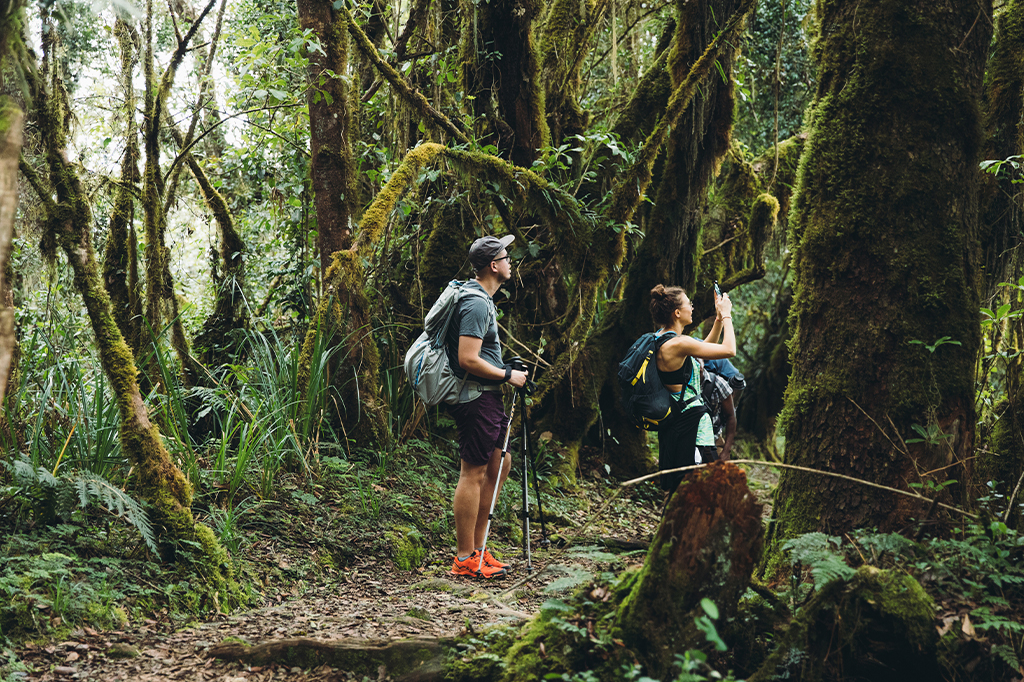
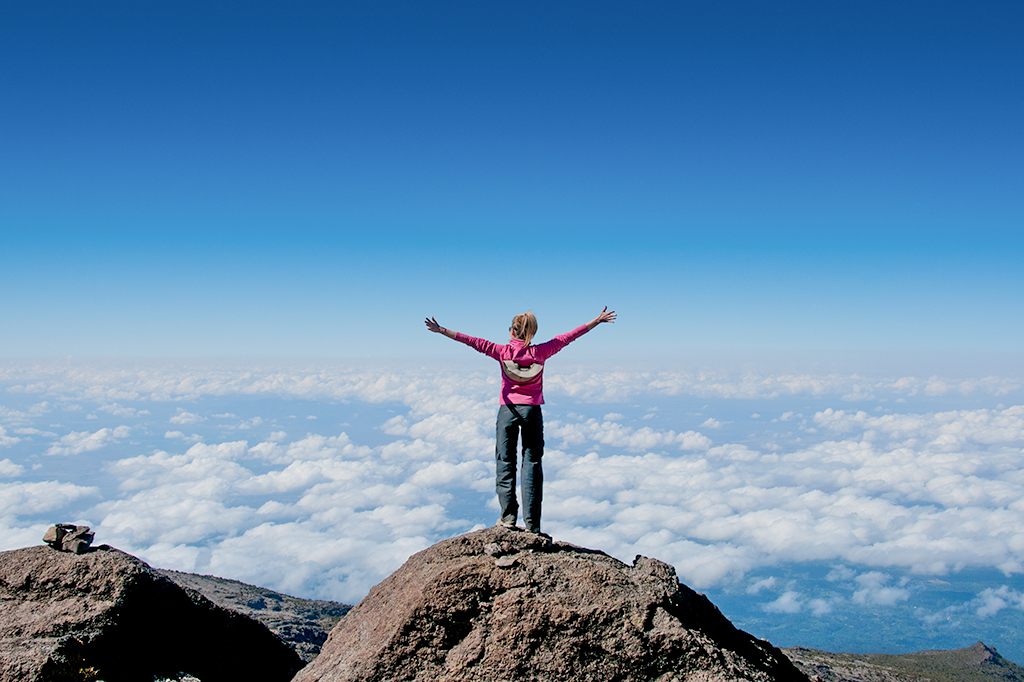
Climbing Kilimanjaro via the Machame Route allows climbers to witness some of the most breathtaking vistas on the African continent. As you ascend through diverse ecological zones, the landscapes transform from lush rainforests to moorlands, alpine deserts, and, eventually, the snow-capped Uhuru Peak.
The route offers panoramic views of Mount Meru, the Shira Plateau, and the surrounding plains. The sheer beauty of the Machame Route is an experience that will forever be etched in your memory.
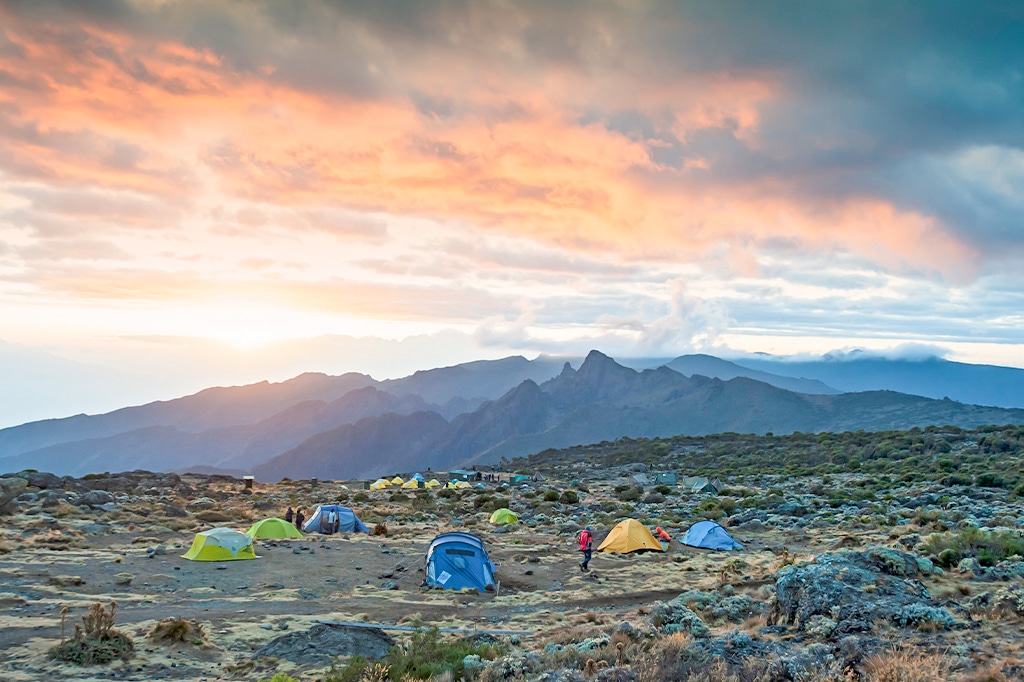
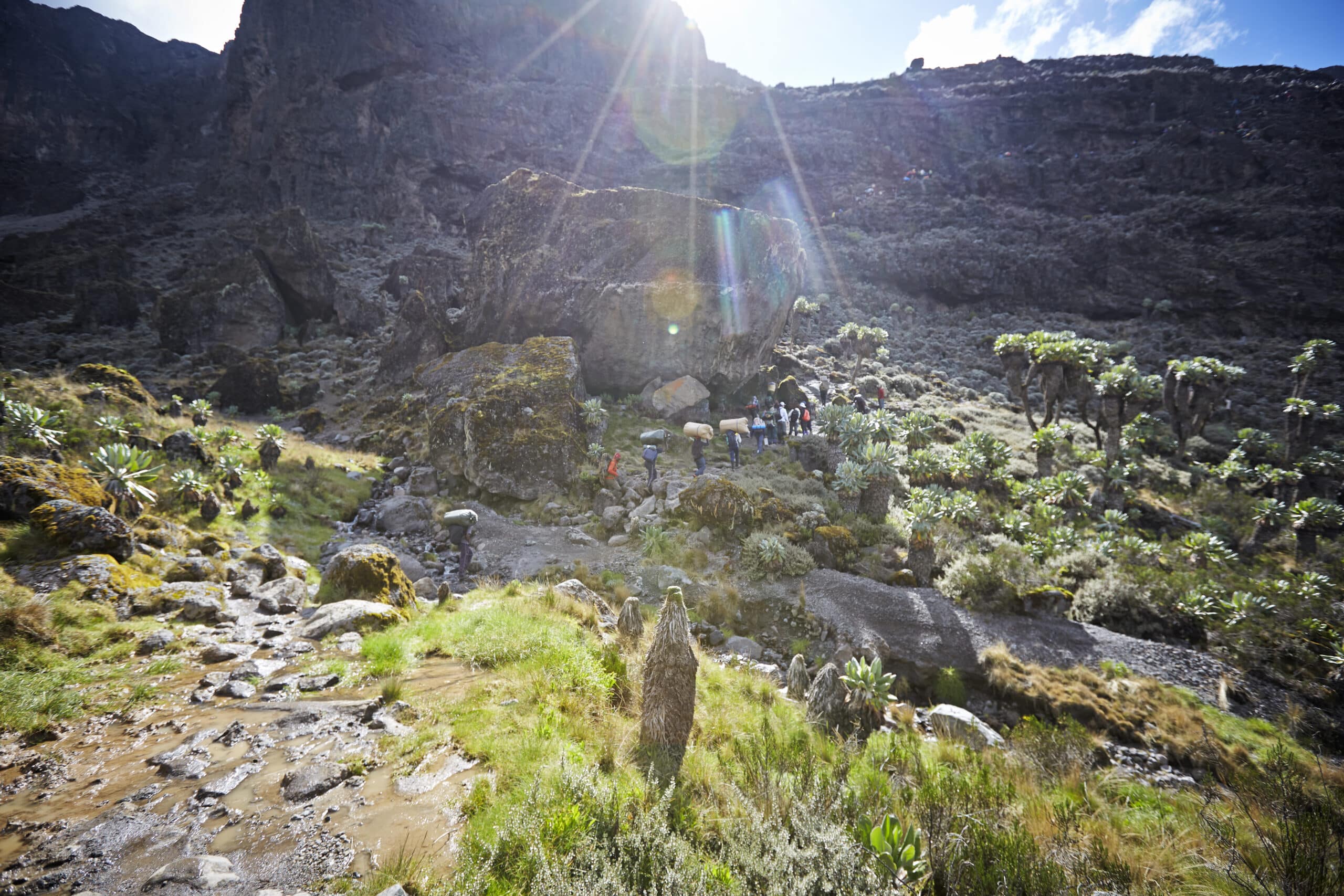
Moreover, the Machame Route showcases a remarkable display of ecological diversity and natural wonders. As climbers go through the route, they are treated to a visual feast of ever-changing landscapes and breathtaking vistas.
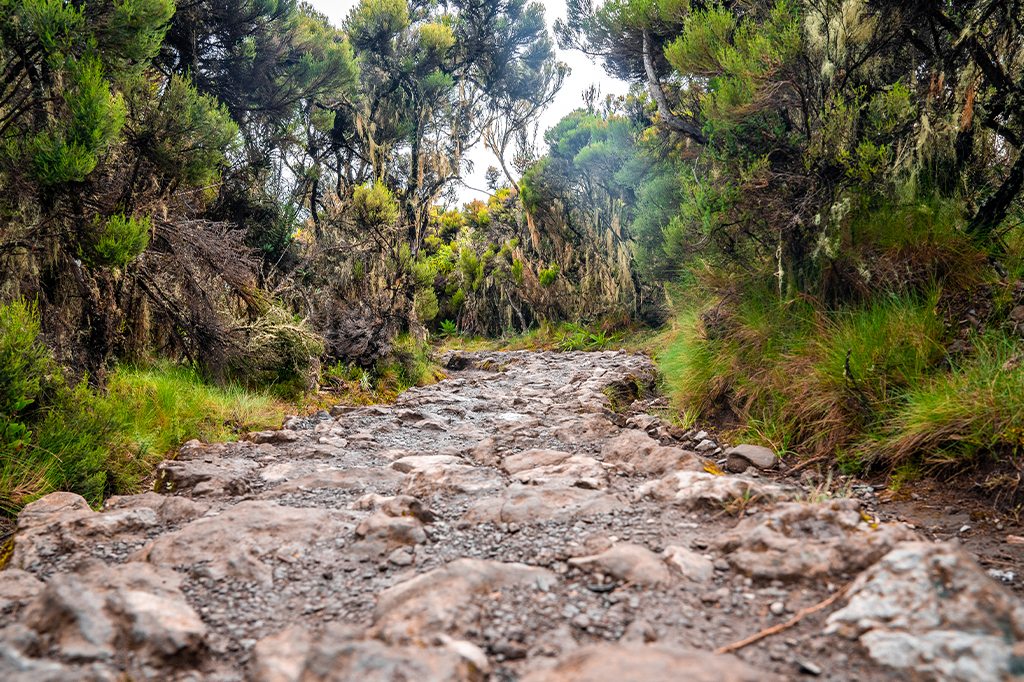
The journey commences in the dense and verdant rainforests that envelop the lower slopes of Mount Kilimanjaro. Towering trees adorned with epiphytic plants and draped in moss create a mystical atmosphere.
The air fills with the musical sounds of exotic bird species, adding to the charm of the surroundings. The dense vegetation provides a cool and refreshing atmosphere, offering a pleasant respite from the outside world.
Excellent Acclimatization Profile
The Machame Route is renowned for providing a varied and exhilarating climbing experience. This makes it an ideal choice for adventure seekers looking to challenge themselves while immersing in the awe-inspiring natural beauty of Mount Kilimanjaro.
One of the highlights of the Machame Route is navigating its steep inclines. As climbers ascend through the different ecological zones, they encounter sections that require physical endurance and mental fortitude.
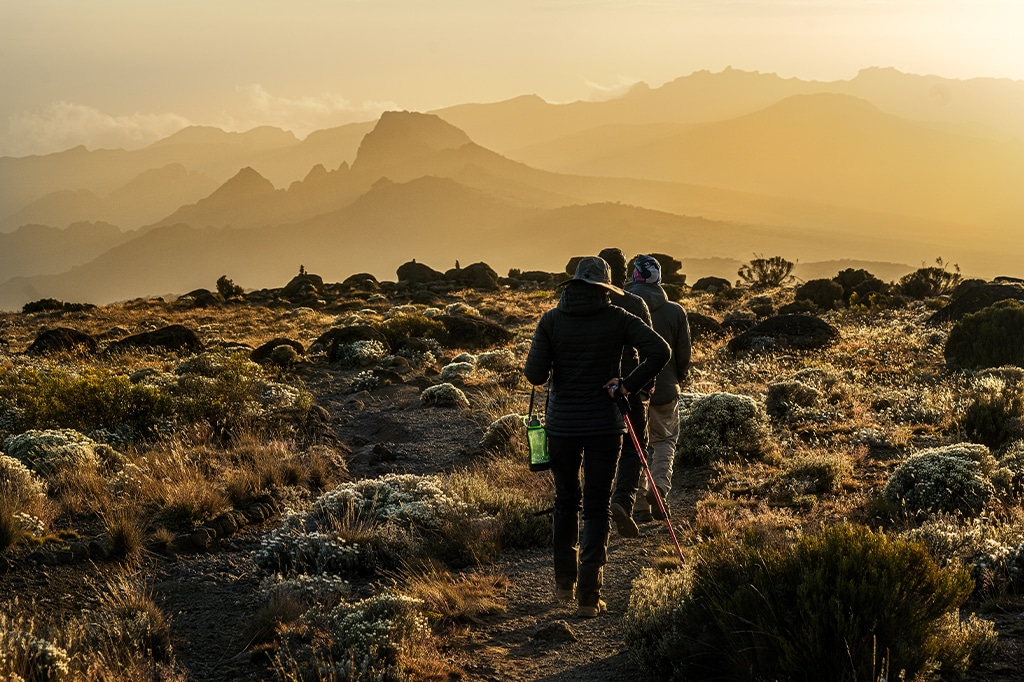

The path winds its way up the mountain, demanding stamina and perseverance. The steep slopes provide a thrilling and challenging experience, pushing climbers to test their limits and discover their inner strength.
One of the most iconic features of the Machame Route is the famous Barranco Wall. This imposing rock face presents a thrilling ascent that requires careful maneuvering and using hands and feet.
Climbers must navigate through narrow passages, scramble over rocks, and conquer the vertical sections. Overcoming the Barranco Wall is a true accomplishment and a highlight of the route, rewarding climbers with a sense of achievement and stunning views from the top.
Varied Climbing Experience
The Machame Route is renowned for providing a varied and exhilarating climbing experience. This makes it an ideal choice for adventure seekers looking to challenge themselves while immersing in the awe-inspiring natural beauty of Mount Kilimanjaro.
One of the highlights of the Machame Route is navigating its steep inclines. As climbers ascend through the different ecological zones, they encounter sections that require physical endurance and mental fortitude.
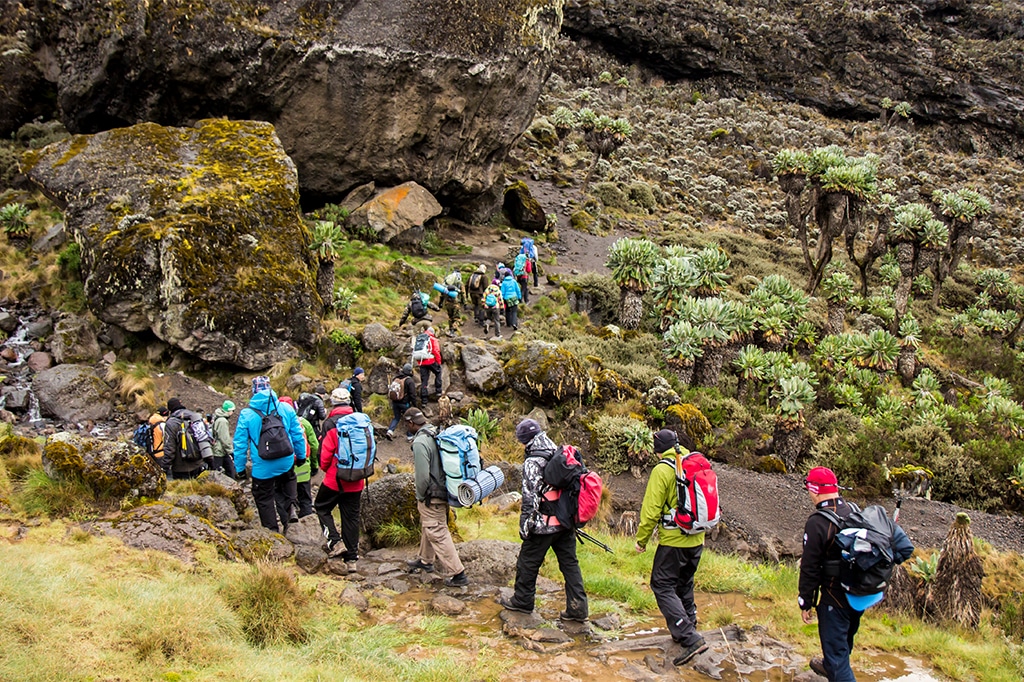
The path winds its way up the mountain, demanding stamina and perseverance. The steep slopes provide a thrilling and challenging experience, pushing climbers to test their limits and discover their inner strength.
One of the most iconic features of the Machame Route is the famous Barranco Wall. This imposing rock face presents a thrilling ascent that requires careful maneuvering and using hands and feet.
Climbers must navigate through narrow passages, scramble over rocks, and conquer the vertical sections. Overcoming the Barranco Wall is a true accomplishment and a highlight of the route, rewarding climbers with a sense of achievement and stunning views from the top.
Less Crowded than Other Routes
One of the distinct advantages of choosing the Machame Route is the opportunity to experience a less crowded journey compared to other popular routes on Mount Kilimanjaro. While the mountain attracts adventurers worldwide, the Machame Route offers a more serene and intimate climbing experience.
Compared to routes such as Marangu or Lemosho, known for their higher number of climbers, the Machame Route sees fewer people on the trail. This lower level of foot traffic allows climbers to enjoy greater tranquility and solitude throughout their journey.
The peacefulness of the route enables you to connect more deeply with the natural environment, creating a truly immersive experience as you make your way through the diverse landscapes of the mountain. The Machame Route’s popularity among climbers ensures a sense of camaraderie and community, even with fewer fellow climbers encountered along the way.
As you progress through the route, you may interact with like-minded individuals worldwide who share your passion for adventure and exploration. These connections can add a social aspect to your climb, fostering new friendships and the opportunity to share stories and experiences.
The route’s ample camping options also contribute to the less crowded nature of the Machame Route. The availability of multiple campsites along the trail helps distribute climbers and prevents overcrowding at any one location.
This enhances the overall experience by maintaining a peaceful atmosphere and ensures that essential facilities, such as campgrounds and sanitary facilities, are less strained, providing a more comfortable and enjoyable journey.
Summit Success Rate
Achieving the summit of Mount Kilimanjaro is an accomplishment of a lifetime. The Machame Route boasts an excellent success rate for climbers reaching Uhuru Peak, the highest point on the mountain.


The gradual ascent and well-planned itinerary give climbers the best chance of acclimatization and summit success. The route is challenging but attainable for individuals with good fitness and determination.
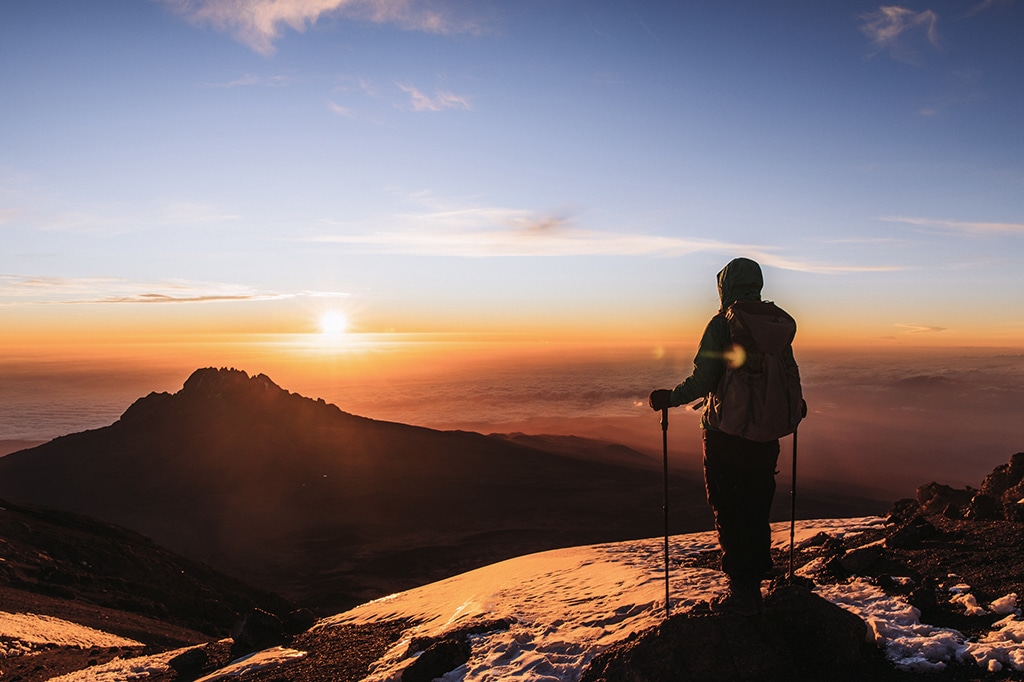
Standing at the summit and witnessing the sunrise over the vast African plains is an experience that will leave you with an immense sense of pride and fulfillment.
Conclusion
Embarking on the Machame Route to climb Mount Kilimanjaro in 2025/2026 promises a life-changing adventure. The route offers stunning scenic beauty, a well-planned acclimatization profile, a varied climbing experience, a less crowded environment, and an impressive summit success rate.
Frequently Asked Questions (FAQs)
1. How difficult is the Machame Route on Mount Kilimanjaro?
The Machame route is considered a moderately complex route on Mount Kilimanjaro. It is not technically challenging, but climbers face steep trails and high altitudes. Proper acclimatization is critical to cope with the high altitude, especially as you approach the summit.
The route involves six to seven days of trekking, typically covering five to seven hours of walking each day. However, the climb’s difficulty is often offset by the stunning scenic views and varied ecosystems you traverse.
2. What time of year is best for climbing Kilimanjaro via the Machame Route?
The best times to climb Kilimanjaro via the Machame route are during the mountain’s two dry seasons: January to March and June to October. During these periods, the weather is generally milder, and the trails are less muddy and slippery, which increases the chances of a successful climb.
However, the mountain can be climbed year-round, offering a unique experience each season. In the off-peak seasons, the mountain is less crowded, offering a more solitary experience.
3. What gear do I need for the Machame Route?
You’ll need essential trekking equipment and gear for the Machame Route to accommodate extreme weather conditions. These include a good-quality 4-season sleeping bag to withstand sub-zero temperatures, waterproof hiking boots, thermal layers, a waterproof jacket and trousers, a wide-brimmed hat for sun protection, sunglasses, and a walking pole.
Remember to pack headlamps for night trekking, a water purifier, snack bars for energy, and a first aid kit. Having the right gear significantly increases your comfort and safety on the route.
4. Can I climb the Machame Route without any climbing experience?
The Machame Route can be without specialized climbing skills or experience. The trail is marked and does not have technical sections that necessitate professional climbing skills, making it suitable for fit beginners.
However, the route is strenuous, and climbers must be physically healthy. A regular fitness regime, including cardio and strength training for several weeks before the climb, can significantly enhance your likelihood of reaching the summit.
5. How safe is the Machame Route?
The Machame Route has a high safety record, but like any high-altitude trek, it carries inherent risks of altitude sickness. To mitigate these risks, most tours are designed to include adequate time for acclimatization.
Professional guides and porters will also accompany you throughout your journey. In an emergency, descent can be quickly facilitated, and rescue services are available. Travel insurance that covers high-altitude trekking is recommended.
6. What is the success rate on the Machame Route?
The success rate for Machame Route varies but is generally higher than that of other routes, often quoted at around 85%. This is due to its longer duration, which allows better acclimatization for climbers.
It is a challenging yet attainable route for climbers prepared adequately for physical fitness and acclimatization. However, many factors, such as weather and individual health and fitness levels, can influence success.
7. What kind of accommodation is available on the Machame Route?
Accommodation on the Machame Route is only in tents, as there are no hut facilities like on other routes. Tented campsites along the route have basic sanitary facilities and communal dining areas.
Porters from your team will carry and set up the tents and cater to meals. Although not luxurious, camping offers an adventure experience and a closer connection to the natural surroundings.
8. What about altitude sickness on the Machame Route?
Altitude sickness is a severe concern when climbing Kilimanjaro via any route. Symptoms include fatigue, headaches, nausea, and shortness of breath.
To minimize the risk, the climb is designed to ensure proper acclimatization, and ascending slowly is advised. Drinking water, eating well, and getting enough sleep can also help prevent altitude sickness.
9. What does ‘Climb High, Sleep Low’ mean, and how does it pertain to the Machame route?
‘Climb High, Sleep Low’ is a trekking strategy used to acclimate the body to high altitudes, reducing the risk of altitude sickness. It involves ascending to a higher altitude during the day and then sleeping at a lower altitude at night.
This method is part of the design of the Machame Route, which includes climbs to high points followed by descents to lower sleeping points, thereby allowing your body to adjust to the lower oxygen levels at high altitudes.
10. How do weather conditions on Kilimanjaro affect the Machame route?
Weather conditions are an integral aspect of the trek on the Machame Route. Mount Kilimanjaro’s weather system can vary dramatically along the route.
Rain, snow, and cold temperatures are common, and as you ascend, temperatures can drop below freezing, especially overnight. Therefore, being well-prepared with the right gear for all weather conditions is essential.
11. What is the descent route on the Machame trail?
Upon reaching the apex of the Machame trail on Mount Kilimanjaro, climbers commence their descent via the distinctly separate Mweka route. Specifically designed and reserved for descents, the Mweka route is a swift and efficient avenue to navigate down from the altitude-high summit.
However, despite its speed and efficiency, the steep slope of the descent often imposes considerable strain on the knees, potentially making the journey down physically challenging. Yet, with the sensible use of trekking poles, climbers can redistribute the stress exerted on the knees, meaningfully alleviating the discomfort accompanying this rapid descent.
12. Can I get a guide for the Machame Route?
Yes, and it’s mandatory to have a guide to climb Mount Kilimanjaro. Professional guides are experienced in dealing with altitude sickness and safety concerns.
They lead your trek, ensure proper acclimatization, manage the team of porters, and generally enhance your chance of successfully summiting. These guides are well-versed in the mountain’s terrain and weather patterns and can provide knowledge about the trail and its surrounding ecosystems.
13. Is potable water readily available along the Machame route?
During the initial phase of the Machame Route trek, climbers have access to water at campgrounds and from natural streams encountered along the path. It is imperative to consider the potential presence of harmful bacteria or parasites in this water, making purification a vital step before consumption; this is typically achieved through chemical tablets or portable filtration systems.
As trekkers progress past the third day, natural water sources become less accessible, and the responsibility of providing water shifts to the support team. Porters will transport and supply water, ensuring it has been boiled to eliminate health hazards and safeguard climbers against waterborne illnesses.
14. How is the food on the trek along the Machame Route?
On an organized trek, a group of porters includes a chef who prepares meals throughout the climb. The food on the trek is designed to provide the carbohydrates and proteins needed for climbing.
It usually includes a variety of fruits, vegetables, meats, grains, and plenty of water or tea. Dietary restrictions can generally be catered to if communicated with your tour operator in advance.
15. What kind of wildlife can be seen along the Machame Route?
The Machame Route of Mount Kilimanjaro, though primarily known for its challenging trek and breathtaking landscapes, is also home to some intriguing wildlife. In the initial stages of the trek through the lush rainforest zone, trekkers often share the trail with colobus monkeys and blue monkeys and enjoy the sightings of diverse bird species.
However, extreme mountain conditions make wildlife sightings infrequent as one climbs higher. The alpine zones may seem devoid of larger wildlife. Yet, attentive trekkers may still encounter unique ornithological species and small mammals skittering across the rocky outcrops, adding an extra thrill to the climbing experience.
16. What is the cost of climbing the Machame Route?
The cost of climbing the Machame Route can range between $2,000 to $4,000 per person, depending on the tour operator and their services. The price includes park fees, guides, porters, and meals during the trek.
Remember that additional costs, such as flights, accommodations before and after the trek, and any necessary rented or purchased gear, are not included in tour fees. It is also customary to provide tips to the guides and porters who assist throughout the trek.
17. Can I hire a porter for the Machame Route, and if so, how much does it cost?
Hiring a porter is highly recommended for the Machame Route to reduce your load and enhance your trekking experience. A typical porter can carry up to 15 kg (33 lbs) of gear.
The cost usually ranges from $10 to $15 per day, and hiring a porter is often included in the overall price when booking a Kilimanjaro trek through a licensed tour operator. Remember that tipping your porter is customary and essential to their income.
18. What is the “Leave No Trace” principle, and how does it apply to the Machame Route?
The “Leave No Trace” principle is an ethical guideline for conserving and protecting nature while enjoying outdoor activities. The seven main principles are to plan and prepare, travel and camp on solid surfaces, dispose of waste properly, leave what you find, reduce campfire impact, respect wildlife, and be thoughtful of others.
This principle is essential when trekking the Machame Route, as it helps preserve the fragile ecosystems and natural beauty of Mount Kilimanjaro for future generations. Climbers must follow these guidelines throughout their trek, minimizing their environmental impact.