

Jozani Chwaka Bay National Park in Zanzibar is a hidden gem waiting to be discovered. This unique destination offers a wealth of natural beauty, captivating wildlife, and cultural experiences, making it a must-visit in 2023/2024.


Here are five compelling reasons why you should plan a visit to Jozani Chwaka Bay National Park:
Encounter the Endangered Red Colobus Monkeys in Jozani
1. Witness the Unique Red Colobus Monkeys
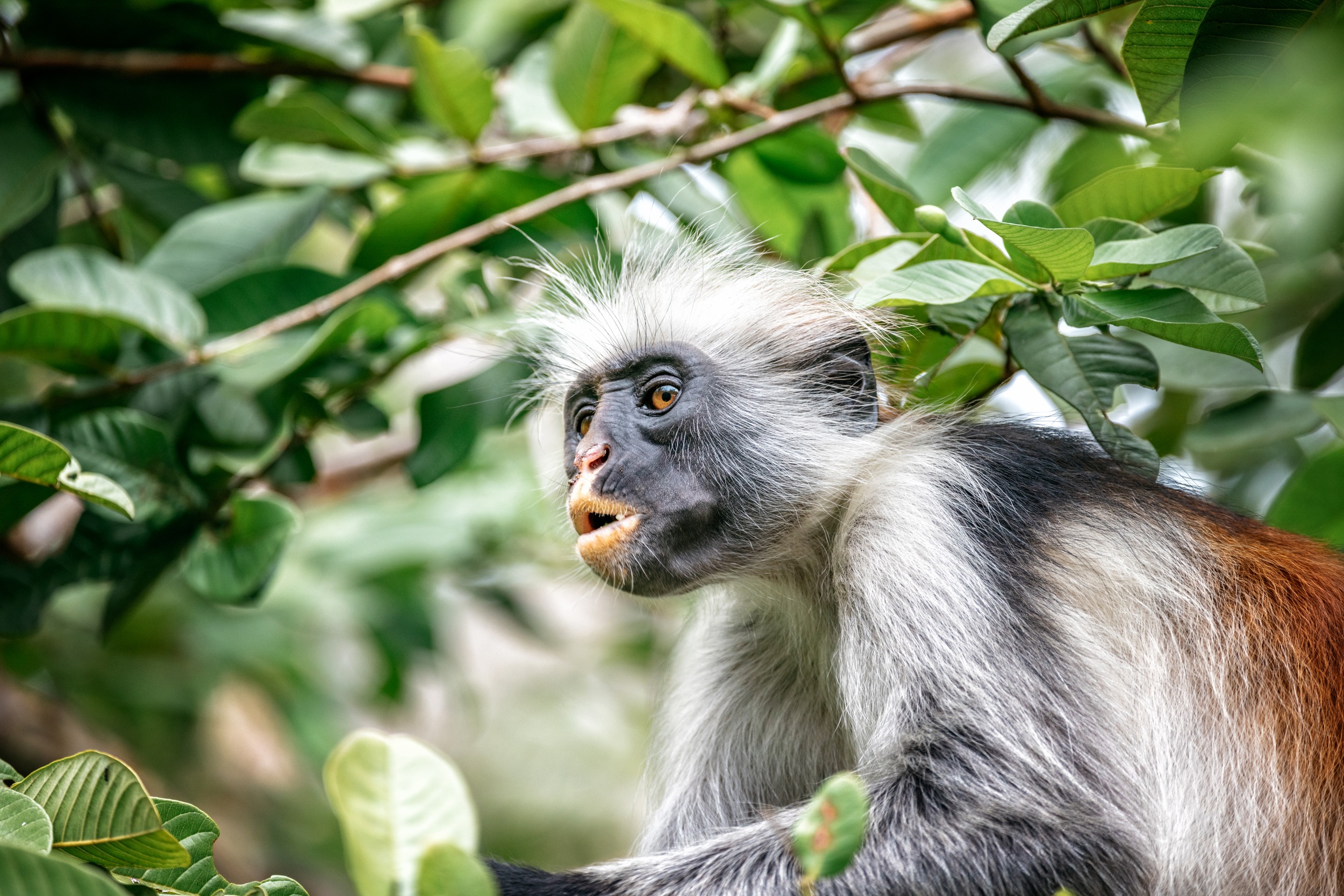
Jozani Chwaka Bay National Park is renowned for its population of red colobus monkeys, an endangered primate species found only in Zanzibar. These captivating creatures, with their vibrant red fur and long white tufts of hair, offer a mesmerizing sight as they swing through the treetops and playfully interact with each other. Observing their social dynamics and natural behaviors is a rare opportunity that shouldn’t be missed.
2. Learn About Conservation Efforts
Visiting Jozani Chwaka Bay National Park provides a chance to learn about the ongoing conservation efforts aimed at protecting the red colobus monkeys. Through guided tours and educational programs, you can gain insights into these monkeys’ challenges and the measures being taken to ensure their survival. Engage with local conservationists and understand the importance of preserving their natural habitat for future generations.
Explore the Diverse Ecosystems

1. Wander Through Mangrove Forests
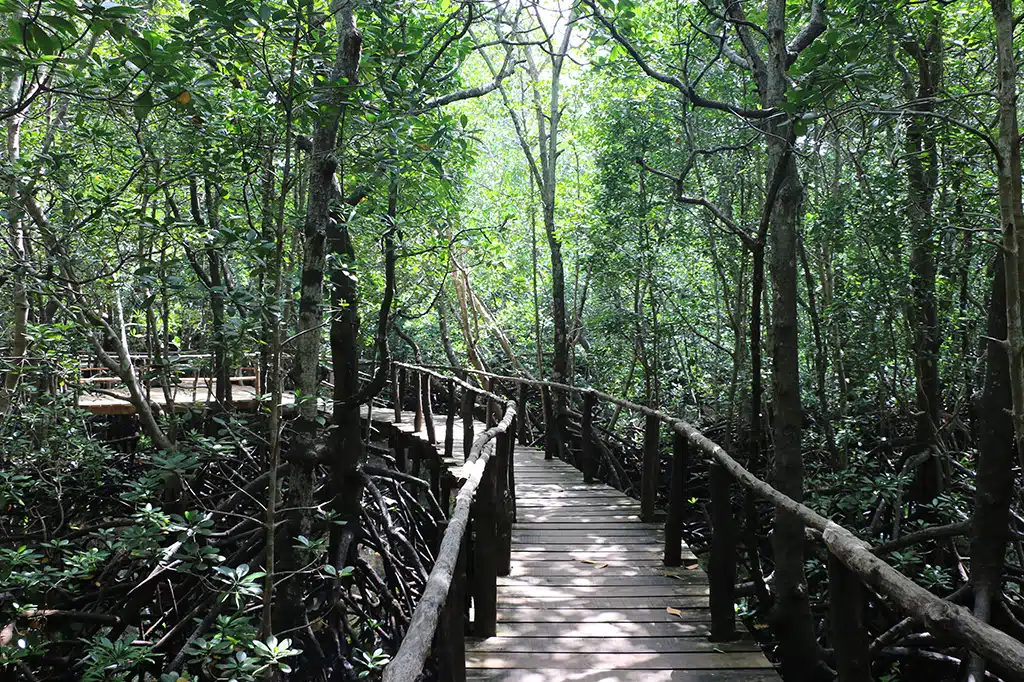
Jozani Chwaka Bay National Park is a remarkable destination renowned for its vibrant and wide-spreading mangrove forests. These mangroves are a spectacle for the eyes with their lush greenery and complex structure and play a vital role in the park’s ecological balance. They act as a significant carbon sink, reduce coastal erosion, and provide a protective habitat for numerous aquatic species.
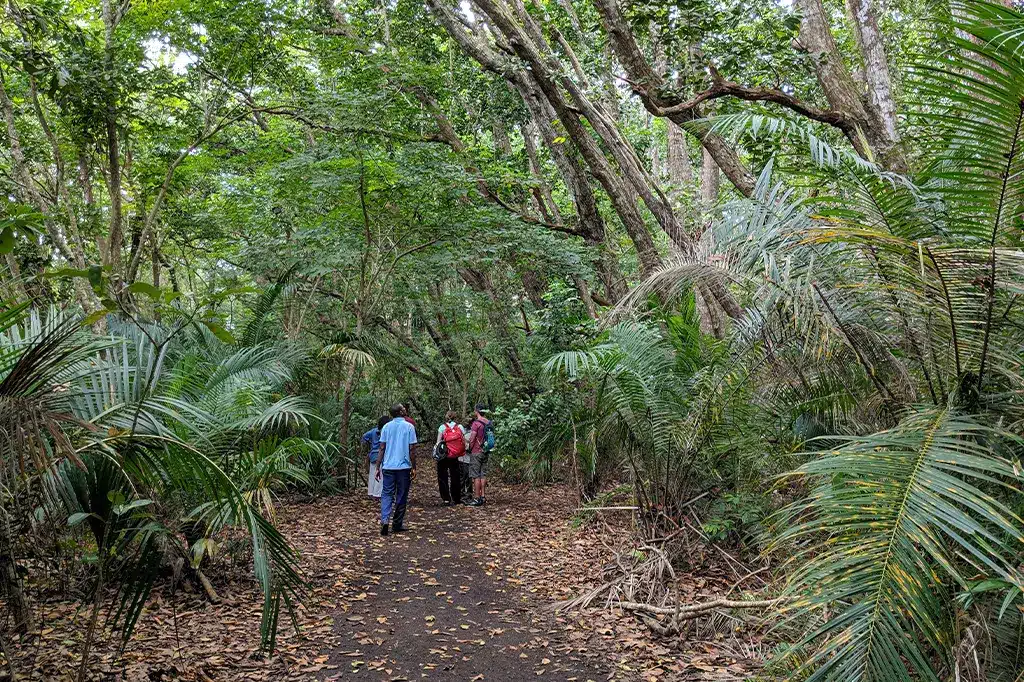
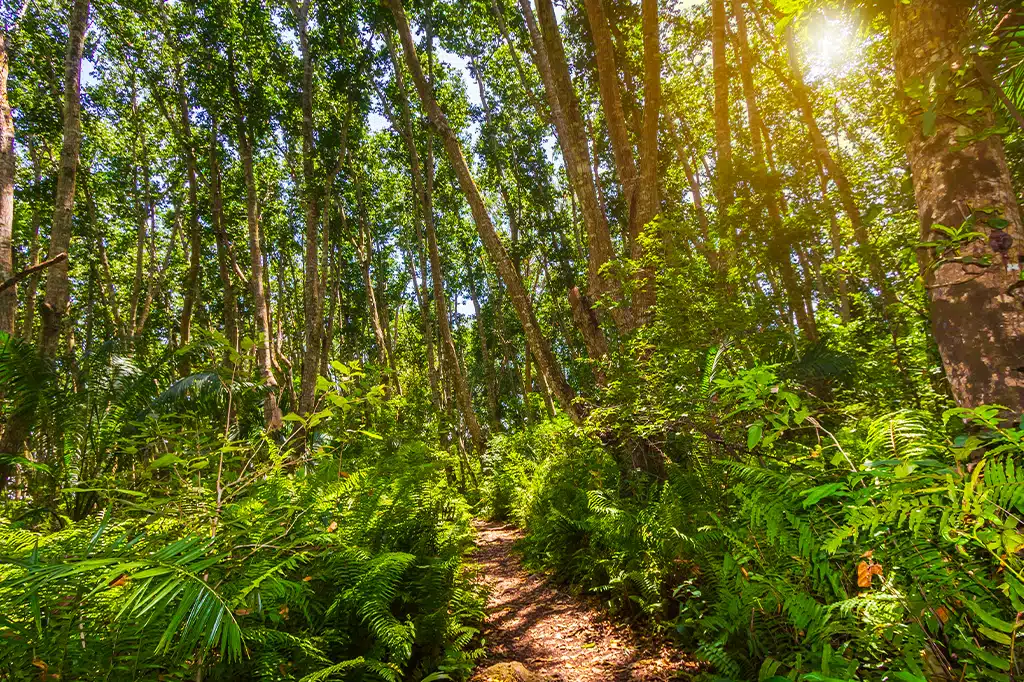
Your communion with nature begins when you journey down the park’s well-kept trails and weaving boardwalks. The pathways, enveloped by overarching leaves, lead you deep into the heart of the mangrove forests and immerse you in an almost ethereal atmosphere. The tranquil ambiance, punctuated only by the symphony of rustling leaves and gentle tidal waters, ensures a calming, therapeutic experience that brings you closer to nature.
2. Discover Scenic Wetlands
Jozani Chwaka Bay National Park’s wetlands are essential ecosystems teeming with diverse flora and fauna, crucial to the park’s overall health and balance. As you traverse the verdant wetland expanses, you’ll notice the thriving vegetation and be serenaded by lively bird calls. Observe wading birds gracefully through the wetlands, including elegant herons and gentle egrets.
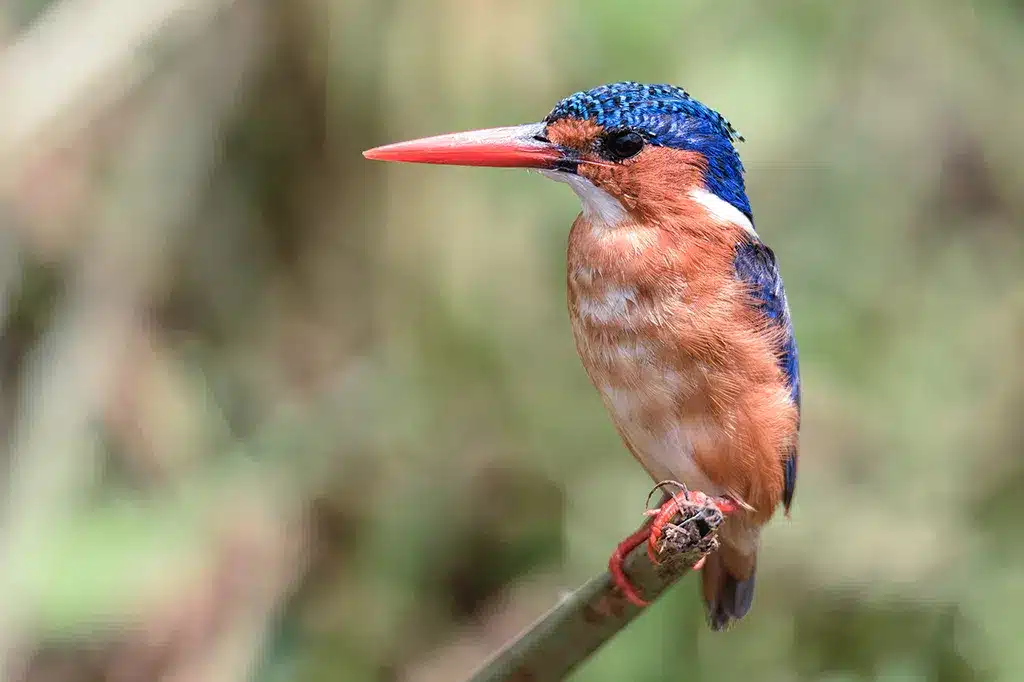
Simultaneously, witness the stunning vibrancy of kingfishers as they zip through the water, hunting their prey. The wetlands present a tranquil haven for nature enthusiasts, delivering an exceptional intertwining of serenity and beauty. Photographers are drawn to these picturesque landscapes, capturing timeless snapshots of thriving life within the park’s pristine wetlands.
3. Appreciate the Coral Rag Scrublands
Jozani Chwaka Bay National Park’s coral rag scrublands contrast the verdant wetlands and timbered areas, unveiling another layer of the park’s ecological diversity. Amidst the rocky outcrops and coarse terrain, various plant species can be observed, demonstrating exceptional adaptability to the challenging environment. The unique flora prevailing here, against the odds, evokes admiration for the resilience of Mother Nature.
Visiting these scrublands offers the opportunity to learn about the ecosystem’s relevance in the park’s broader ecological framework, enhancing one’s understanding of environmental dynamics. In their stark simplicity, these scrublands contribute significantly to the park’s biodiversity despite their arid nature. Ultimately, this park component adds a stunning geological dimension to the Jozani Chwaka experience.
Immerse Yourself in Local Culture


1. Visit Nearby Villages
A journey to Jozani Chwaka Bay National Park offers more than just natural beauty; it extends an immersive cultural experience synonymous with Zanzibar’s rich heritage. Opt for a guided tour to the neighboring villages, where warm, lively locals welcome you into a vivid tableau of their daily lives and traditions. Indulge in positive interactions with the residents, embracing the chance to gain insights into their captivating customs, beliefs, and practices.
Dive deeper into the culture by witnessing traditional performances, where vivacious dances and enchanting music bring Zanzibari folklore alive. Explore the local artisans’ workshops, admiring the exquisite craftsmanship that goes into creating their unique handiwork. These encounters offer a deep connection to the essence of Zanzibari culture, enriching your park visit with unforgettably authentic experiences.
2. Sample Local Cuisine
Any journey to Zanzibar should undeniably include a culinary exploration to capture the complete essence of the island. Within the vicinity of Jozani Chwaka Bay National Park, numerous restaurants invite you to sample Zanzibari dishes, a flavorful fusion of local ingredients, aromatic spices, and fresh seafood. Experience the vibrant flavors of Zanzibari biryani, a fragrant, spiced rice dish often served with succulent meat or vegetables.
Treat your palate to Zanzibar’s famous seafood curries, where the bounty of the surrounding waters meets the island’s rich array of spices. With each bite, these gastronomic offerings will transport you to the heart of Zanzibari culture, further enriching your park experience. Ultimately, your sensorial journey through these culinary landscapes will deliver a delightful and genuine taste of the region.
Discover Unique Wildlife
1. Spot a Variety of Monkey Species
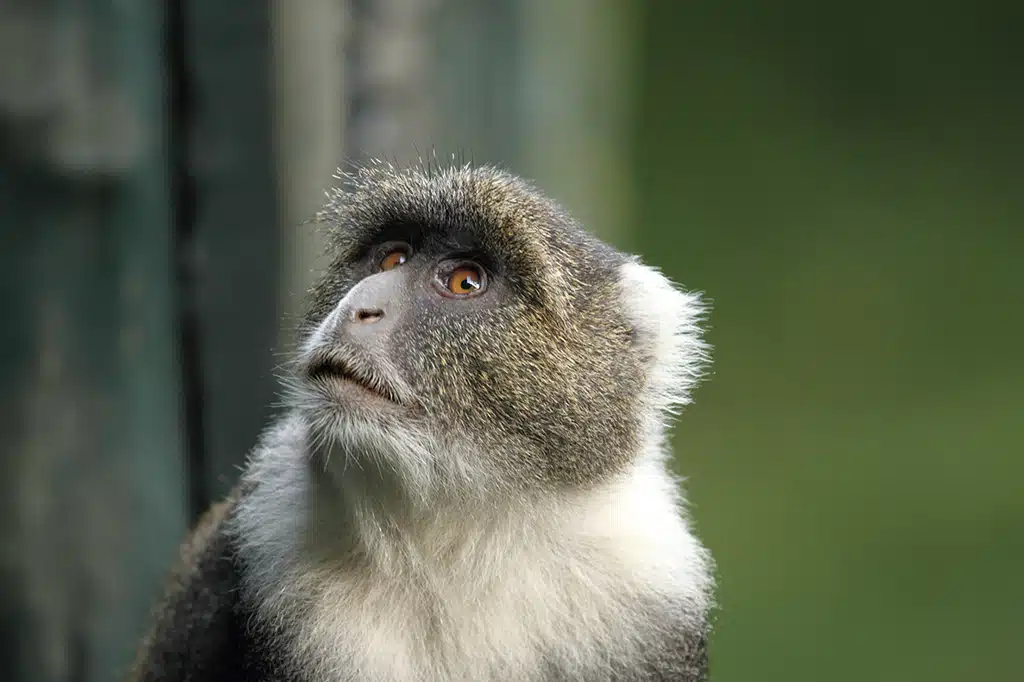
While Jozani Chwaka Bay National Park is widely renowned for its red colobus monkeys, it also hosts various other primate species. Among these captivating creatures, look out for the elusive bushbabies, smaller-sized nocturnal primates. Characterized by their prominent round eyes and powerful leaping abilities, spotting a bushbaby in its natural habitat is thrilling.
Another common park resident is the Sykes monkey, known for its skill and captivating inquisitiveness. Often sighted in the lush tree canopies of the park, these agile creatures add another dimension to the park’s rich biodiversity. Experiencing these species offers a unique lesson in adaptation, survival, and diversity in the animal kingdom.
2. Birdwatching Paradise
Jozani Chwaka Bay National Park is a veritable treasure for birdwatchers, offering an extraordinary abundance of bird species. Visitors can observe varied birdlife in great detail with binoculars, from brilliantly hued kingfishers to radiant sunbirds. The park’s wetland regions provide a stage for many waterbirds, creating a visually stunning tableau of avian activity.
The wide range of bird species owes much to the park’s diverse habitats, which offer ample food and shelter. Consequently, these diverse avian populations turn the park a paradise for bird enthusiasts, ensuring a bounty of observation opportunities. Additionally, the colorful and diverse birdlife offers photographers endless moments to capture, making for a fulfilling artistic pursuit within the park.
Support Conservation Efforts

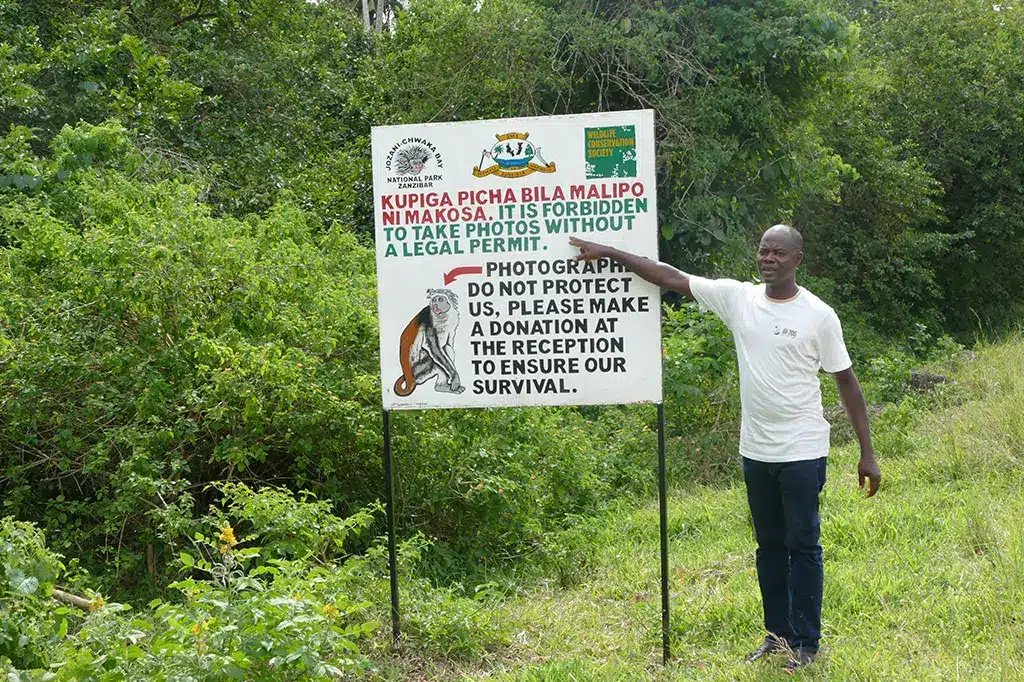
1. Contribute to Conservation
When you set foot in Jozani Chwaka Bay National Park, you embark on a memorable adventure and make a valuable contribution to preserving the park’s precious ecosystems and diverse wildlife. Each entrance fee and involvement in local initiatives aid the park’s continuous conservation efforts, ensuring that these unique habitats and their inhabitants continue thriving.
By visiting the park, you play a pivotal role in maintaining the delicate balance of its ecosystems, preserving the area’s rich biodiversity, and supporting the community that depends on it. Your conscientious choice to explore and support Jozani Chwaka Bay National Park leaves an indelible mark on the future, helping safeguard this natural wonder for future generations.
2. Learn About Sustainable Practices
Embarking on your journey through Jozani Chwaka Bay National Park, seize the opportunity to engage with knowledgeable park rangers and guides. Leverage their expertise to understand how to adopt sustainable practices to reduce your environmental footprint during your exploration. They will provide valuable insights into responsible tourism, ensuring your adventure is both exciting and eco-friendly.
Simultaneously, they can shed light on the various sustainable initiatives within the park that you can support to contribute to the region’s well-being. It’s about preserving the natural beauty and strengthening the surrounding communities. Thus, your visit transforms from a simple sightseeing expedition into a meaningful and impacting experience.
Final Thoughts
In conclusion, Jozani Chwaka Bay National Park offers an unparalleled opportunity to encounter the endangered red colobus monkeys, explore diverse ecosystems, immerse yourself in local culture, and support conservation efforts. Plan your visit to Jozani Chwaka Bay National Park in 2023/2024, and embark on a journey of discovery, conservation, and appreciation for the natural wonders of Zanzibar.
Frequently Asked Questions (FAQs)
1. What is the best time to visit Jozani Chwaka Bay National Park?
The best time to visit Jozani Chwaka Bay National Park is during the dry seasons, from June to October and January to February. Wildlife is easier to spot during these periods as they gather around water sources.
The weather is also more favorable with less rain and more sunshine, making your visit comfortable. It’s important to note that the park remains captivating even during the rainy seasons and can offer unique experiences including lush vegetation and vibrant birdlife.
2. What wildlife can be spotted in the park?
Jozani Chwaka Bay National Park boasts a rich diversity of wildlife, primarily known for housing the rare red colobus monkeys. But that’s not all, you can also spot elusive bushbabies, the agile Sykes monkey, and several other small mammals.
The park is a birdwatcher’s paradise with numerous bird species like the colorfully vibrant sunbirds and kingfishers, and the variety of waterbirds in the wetland areas. The unique diversity of its fauna makes the park such a magnificent destination.
3. Can anyone visit Jozani Chwaka Bay National Park?
Jozani Chwaka Bay National Park is an inclusive destination, welcoming everyone from children and adults to solo wanderers and larger groups. It’s a perfect spot for families, offering a multitude of educational experiences that enable children and adults alike to learn about nature and wildlife in a fun and interactive way. One caveat is that the park’s natural environment, though stunningly beautiful, may pose some challenges to visitors with physical disabilities due to uneven pathways or lack of specific infrastructures.
Therefore, all visitors, especially those with mobility issues, should check the details concerning the park’s accessibility in advance. This ahead-of-time planning can help ensure a visit that is as enjoyable and hassle-free as possible. Ultimately, Jozani Chwaka Bay National Park strives to provide every visitor with a remarkable, inclusive adventure amidst its unique ecosystems.
4. How do I get to Jozani Chwaka Bay National Park?
Jozani Chwaka Bay National Park, a nature lover’s paradise, is conveniently situated on the idyllic Zanzibar Island, a mere 38 kilometers southeast of the culturally rich Stone Town. A straightforward car or taxi ride from Stone Town will get you to the park in approximately one hour, making it an easy excursion. The journey offers panoramic views of the island’s diverse landscapes, adding an element of visual pleasure to the trip.
Alternatively, if you prefer a more immersive cultural experience, local buses, or ‘dala dala,’ colloquially known, also operate at the park. Remember that these buses tend to stop frequently, lengthening the travel time. Nonetheless, this mode of transport is an excellent way to interact with locals, learn about their daily lives, and steep yourself in the Zanzibari way of life.
5. Are guided tours available at the park?
Guided tours are a significant facet of the Jozani Chwaka Bay National Park experience. These tours are led by local guides who know the park’s extensive flora and fauna. Along with identifying various plant and animal species, the guides also emphasize on their ecological significance and the urgent need for their conservation. This valuable source of knowledge delivered by the guides greatly enhances the visitor experience, giving a depth of understanding that isn’t easily achieved alone.
The exciting revelations about the park’s rich biodiversity and distinctive ecosystems turn the tours into enriching, enlightening ventures. Whether you’re a nature novice or a seasoned enthusiast, the guided tours at Jozani Chwaka Bay National Park promise to elevate your understanding and appreciation of nature in captivating ways.
6. What are the park’s operating hours?
Jozani Chwaka Bay National Park is open seven days a week from 7:30 AM to 5:00 PM. However, arriving earlier in the morning when the wildlife is most active is recommended. Please note that opening hours might be subject to change, so it’s advisable to check official resources for the most accurate information.
7. Is there an entrance fee for Jozani Chwaka Bay National Park?
There is an entrance fee for Jozani Chwaka Bay National Park. This small fee contributes to the park’s conservation efforts. While the fee might vary slightly, it’s currently around $10 for adults and half the price for children. It’s wise to check with the park’s official contacts or website for current prices.
8. Are there any local cultural activities around the park?
There are many local cultural activities near the park. For example, you can experience local cuisine at nearby eateries or learn about traditional farming methods on spice tours. Moreover, communities around the park display handicrafts, offering you a chance to learn about Zanzibar’s rich traditions, support local crafts, and take home a piece of Zanzibari culture.
9. Can I see the famous red colobus monkeys at the park?
You will be able to see the red colobus monkeys at the park. The park is known as a sanctuary for this unique species, accounting for about 50% of the entire population of Zanzibar red colobus. These distinctive creatures are generally unfazed by humans and often come close, making for wonderful viewing and photographic opportunities.
10. Are trekking and hiking trails available?
The park has multiple trekking and hiking trails for visitors of all fitness levels. These trails offer ample opportunity to explore the park’s diverse ecosystems, from the lush forest canopies to the mangrove boardwalks. As many wildlife species are arboreal, enjoying these trails may reward you with exceptional wildlife spotting experiences.
11. What options are available for food and drink close to the park?
While no food and drink is available within the park, several eateries are close by serving delicious Zanzibari cuisine. These restaurants cater to various tastes and preferences from seafood dishes to vegetarian options. Sampling local dishes is a fantastic way to delve deeper into Zanzibari culture.
12. Are there any special rules or guidelines for visitors?
Visitors are expected to respect the park’s rules and guidelines which include not feeding or disturbing the animals, sticking to designated paths, carrying out all trash, and generally being respectful of nature. These rules are in place to ensure the preservation of the park’s ecosystems and the well-being of the wildlife.
13. Can I contribute to conservation efforts at the park?
By visiting the park, you’re already contributing to its conservation. The entrance fees go towards conservation efforts. Additionally, local initiatives provide opportunities to contribute more directly – such as participating in educational workshops or donating to specific projects.
14. What is the best activity for birdwatching enthusiasts?
The best activity for birdwatching enthusiasts is naturally, birdwatching. The park attracts many bird species due to its diverse habitats. One can grab a pair of binoculars and head to the park’s wetlands in the early mornings or late afternoons for the best birding experience.
15. How do I prepare for a visit to Jozani Chwaka Bay National Park?
Before visiting Jozani Chwaka Bay National Park, ensure you’re well-equipped for outdoor exploration. Wear comfortable, breathable clothing and sturdy shoes. Carry binoculars for wildlife spotting, a hat and sunscreen for protection from the sun, and enough water for hydration. Respect the natural environment and follow all park rules for the best experience.