

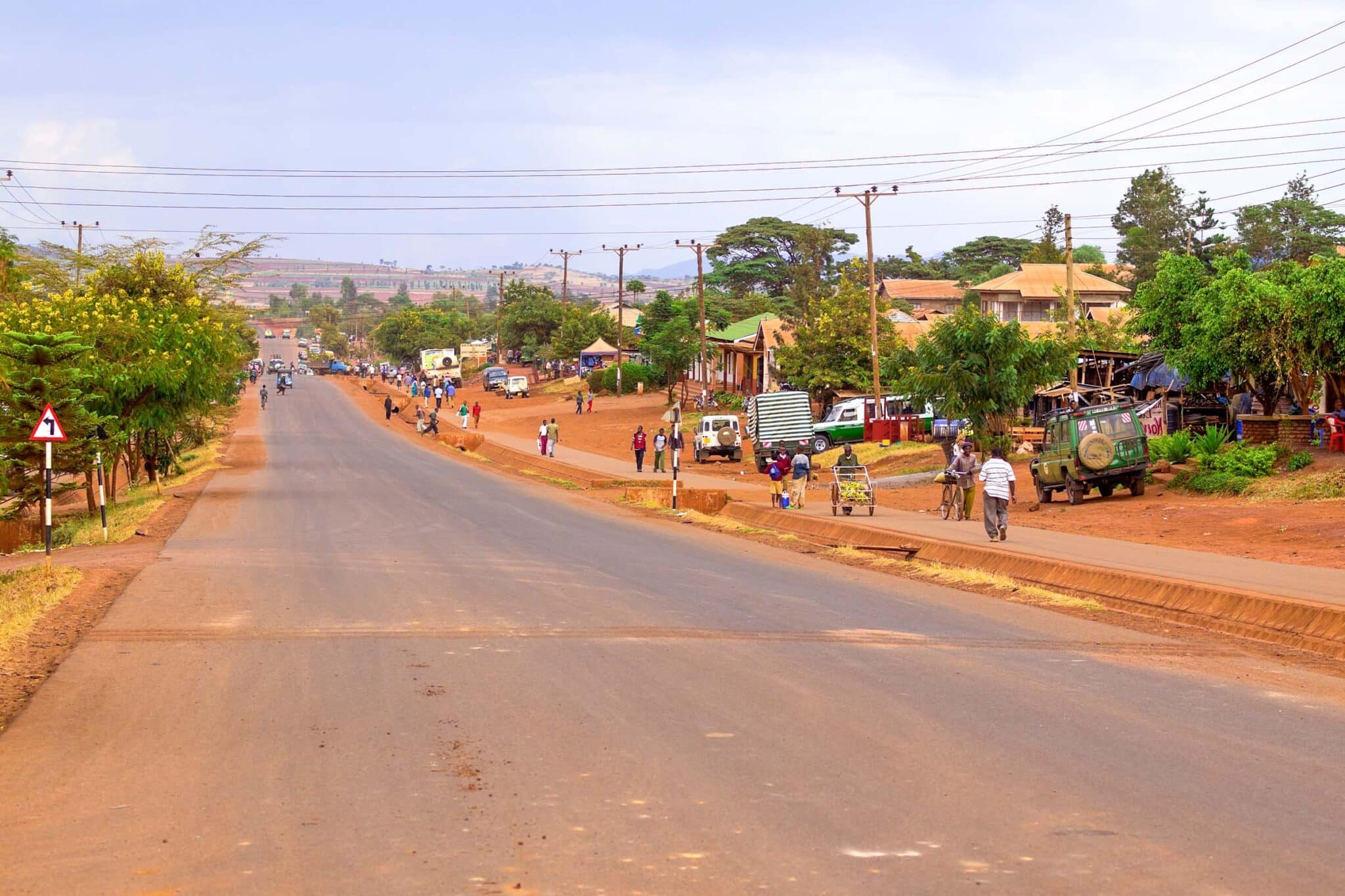
Karatu, a charming town in northern Tanzania, is a hidden gem that offers travellers a wealth of attractions and experiences. From its proximity to iconic national parks to its rich cultural heritage, Karatu has something to offer everyone.
If you’re contemplating visiting Tanzania in 2025/2026, here are five compelling reasons to include Karatu on your itinerary.
Gateway to the Serengeti and Ngorongoro: Wildlife Safari at Its Best

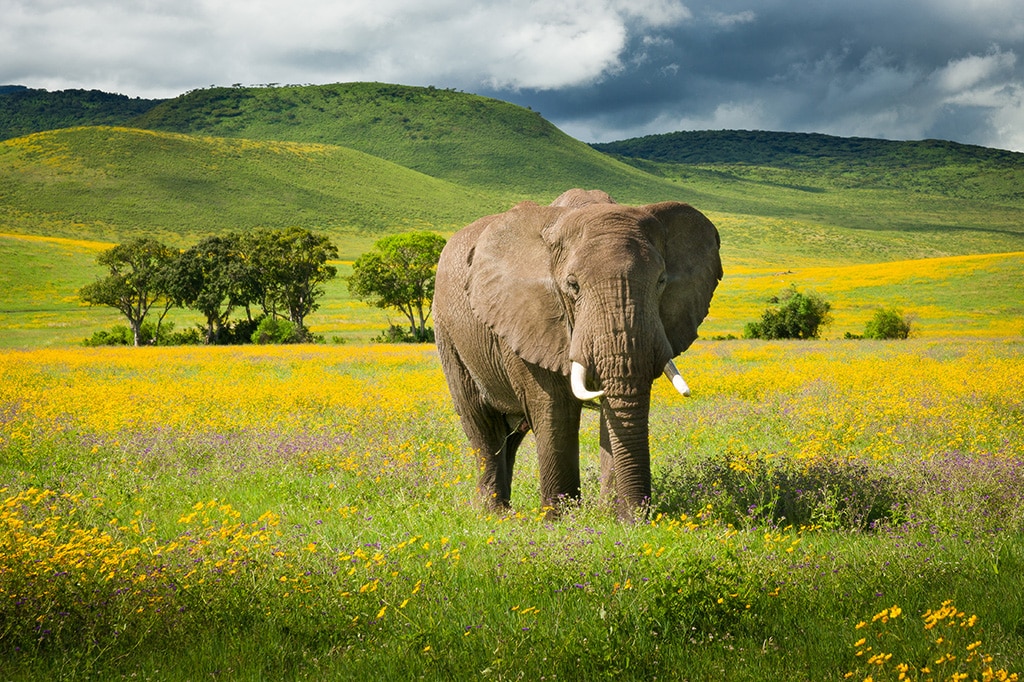
Karatu is an ideal gateway to two of Tanzania’s most famous destinations: the Serengeti National Park and the Ngorongoro Conservation Area. These natural wonders are renowned for their breathtaking landscapes and incredible wildlife encounters.
In the Serengeti, the awe-inspiring Great Migration unfolds annually as millions of wildebeests, zebras, and other creatures journey across the plains searching for greener pastures. This natural phenomenon is a testament to the remarkable power of nature and provides an unforgettable spectacle for those fortunate enough to witness it.
Meanwhile, the Ngorongoro Crater, often referred to as the “Garden of Eden,” presents unparalleled opportunities to observe a diverse array of wildlife within the confines of an ancient volcanic caldera. From the majestic Big Five—lions, elephants, buffaloes, leopards, and rhinoceroses—to an abundance of bird species, the wildlife encounters in these national parks are nothing short of extraordinary.
1. Tour highlights
The Great Migration in the Serengeti: Witnessing the Great Migration is a significant highlight of a Serengeti and Ngorongoro safari tour. This incredible natural phenomenon involves millions of wildebeest, zebras, and gazelles migrating across the vast Serengeti plains in search of fresh grazing grounds. The spectacle of massive herds, river crossings, and predator-prey interactions is a once-in-a-lifetime experience that showcases the raw beauty and drama of the African wilderness.
Wildlife Abundance in the Ngorongoro Crater: The Ngorongoro Crater, often called the “Eden of Africa,” is a UNESCO Heritage Site and a key highlight of the safari tour. The crater’s unique ecosystem supports dense wildlife, including the Big Five (lions, elephants, leopards, buffalos, and rhinoceros). The enclosed nature of the crater provides a great chance to see a wide variety of animals in a relatively small area, offering an unforgettable safari experience.
Scenic Landscapes and Photographic Opportunities: Both the Serengeti and Ngorongoro Conservation Area boast stunning landscapes that serve as a backdrop to the rich wildlife. From expansive savannahs and acacia-dotted plains in the Serengeti to the dramatic caldera walls and lush vegetation in the Ngorongoro Crater, the scenery is diverse and photogenic. Safari-goers have ample opportunities to capture iconic shots of African wildlife against these picturesque backdrops, making it a paradise for photography enthusiasts.
Cultural Immersion: Engage with the Maasai People and Local Communities
Nestled in a region of cultural significance, Karatu offers visitors a notable opportunity to delve into the authentic local lifestyle. Surrounded by traditional Maasai villages, the town invites interaction with Maasai communities, providing insights into their customs and opportunities to observe their traditional dances and ceremonies.


Engaging in cultural workshops and classes provides a deeper understanding of traditional crafts like beadwork and wood carving. Exploring bustling local markets allows for an immersive experience, offering a glimpse into the vibrant daily life of the locals. Through firsthand encounters with local culture, visitors gain a richer appreciation for Tanzania’s diverse traditions and heritage.
1. Tour highlights
Traditional Maasai Dances and Rituals: Cultural immersion with the Maasai people often involves witnessing and participating in traditional dances and rituals. Visitors can experience the vibrant and rhythmic dances the Maasai performs, usually accompanied by chanting and intricate movements. These dances are a form of entertainment and hold cultural and ceremonial significance, offering a deep insight into the community’s traditions and storytelling.
Visit to a Maasai Village: The tour typically includes visiting a Maasai village, allowing participants to explore the traditional homesteads (bomas) and gain firsthand experience of Maasai daily life. Visitors may have the chance to interact with Maasai families, learn about their customs, and witness traditional activities such as beadwork, pottery, and the construction of their distinctive huts. This authentic encounter fosters a genuine cultural exchange and provides a glimpse into the resilience and adaptability of the Maasai people.
Insight into Maasai Livelihoods and Livestock: The Maasai are renowned pastoralists, and a cultural immersion tour often provides insights into their nomadic lifestyle and dependence on livestock. Visitors can learn about the significance of cattle, goats, and sheep in Maasai culture and traditional herding practices. This tour aspect offers a deeper understanding of the symbiotic relationship between the Maasai and their animals, highlighting the importance of sustainable practices in their way of life.
Scenic Landscapes and Outdoor Adventures: Nature’s Playground
The landscapes surrounding Karatu are genuinely awe-inspiring, offering a playground for outdoor enthusiasts. The region is dotted with rolling hills, lush green valleys, and picturesque farmlands, creating a stunning backdrop for adventure. Explore the nearby forests and take nature walks or hikes, enjoying the fresh air and breathtaking views.
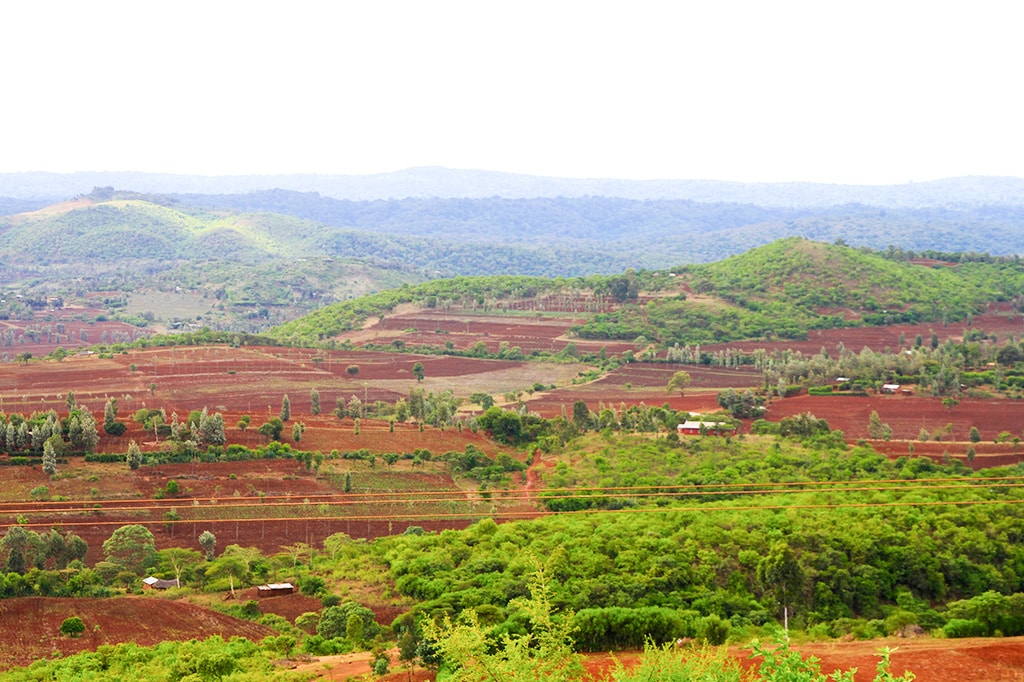

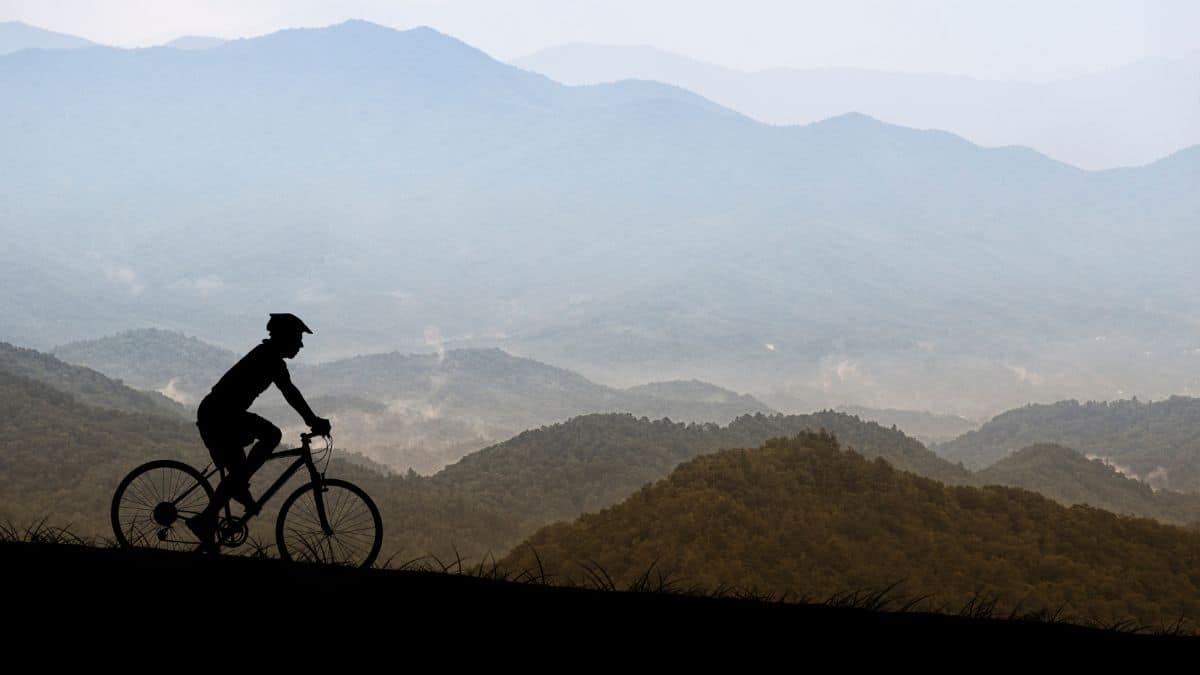
For those seeking more adrenaline-pumping activities, Karatu is an excellent destination for mountain biking. It offers exhilarating trails that cater to all levels of experience. The diverse terrain provides opportunities for thrilling descents and challenging climbs.
If you prefer a more tranquil experience, visit nearby waterfalls, such as the majestic Materuni or the refreshing Chemka, where you can swim in crystal-clear pools amidst the beauty of nature. Whether you’re an avid hiker, a mountain biking enthusiast, or a nature lover, Karatu offers many options to satisfy your outdoor cravings.
1. Tour highlights
Ngorongoro Highlands Scenery: Karatu, situated near the Ngorongoro Conservation Area, offers stunning views of the Ngorongoro Highlands. Lush greenery, rolling hills, and picturesque farmlands distinguish the landscape. Visitors can enjoy panoramic vistas of this highland region, providing a serene backdrop for exploration.
Coffee Plantations and Cultural Tours: Karatu is known for its coffee plantations, and a tour of the area often includes visits to these plantations.
Participants can take guided walks through the coffee farms, learning about the cultivation and processing of coffee. Additionally, cultural tours may introduce visitors to the local Chaga and Iraqw communities, offering insights into their traditions, daily life, and agricultural practices.
Waterfalls and Hiking Trails: Karatu is surrounded by scenic landscapes, including waterfalls and hiking trails. A tour in this region may involve visits to picturesque waterfalls, providing opportunities for nature walks and hikes.
These excursions allow visitors to appreciate the area’s natural beauty, enjoy the sound of cascading water, and see the diverse flora and fauna that thrive in the highland environment. The combination of waterfalls and hiking adds an adventurous and refreshing dimension to the tour experience.
Karatu Coffee Plantations and Culinary Delights: A Gastronomic Adventure
Karatu is known for its thriving coffee plantations, providing a unique opportunity to discover the journey of coffee from bean to cup. Take a tour of a local plantation, interact with coffee farmers, and learn about the intricate processes of producing one of Tanzania’s most prized exports. From the hand-picking of ripe coffee cherries to the roasting and brewing techniques, you’ll gain a newfound appreciation for the artistry and science behind the perfect cup of coffee.


Additionally, Karatu boasts a range of culinary delights, from authentic Swahili cuisine to international flavours. Indulge in delicious Nyama Choma (grilled meat), sample aromatic spices, and experience the vibrant flavours that entice Tanzanian cuisine. Try the famous Tanzanian street food, such as Mishkaki (grilled skewered meat) or Zanzibar’s flavorful seafood dishes.
Whether you’re a coffee connoisseur or a food enthusiast, Karatu offers a gastronomic adventure that will tantalise your taste buds.
1. Tour highlights
Ngorongoro Highlands Scenery: Karatu, situated near the Ngorongoro Conservation Area, offers stunning views of the Ngorongoro Highlands. Lush greenery, rolling hills, and picturesque farmlands distinguish the landscape. Visitors can enjoy panoramic vistas of this highland region, providing a serene backdrop for exploration.
Coffee Plantations and Cultural Tours: Karatu is known for its coffee plantations, and a tour of the area often includes visits to these plantations. Participants can take guided walks through the coffee farms, learning about the cultivation and processing of coffee. Additionally, cultural tours may introduce visitors to the local Chaga and Iraqw communities, offering insights into their traditions, daily life, and agricultural practices.
Waterfalls and Hiking Trails: Karatu is surrounded by scenic landscapes, including waterfalls and hiking trails. A tour in this region may involve visits to picturesque waterfalls, providing opportunities for nature walks and hikes.
These excursions allow visitors to appreciate the area’s natural beauty, enjoy the sound of cascading water, and explore the flora and fauna that thrive in the highland environment. The combination of waterfalls and hiking adds an adventurous and refreshing dimension to the tour experience.
Sustainability and Responsible Tourism: Making a Positive Impact
Karatu is committed to sustainable tourism practices and responsible travel. Many accommodations and tour operators in the area prioritise eco-friendly initiatives, including waste management, energy conservation, and community involvement. By visiting Karatu, you can contribute to local conservation efforts and support responsible tourism practices.
Engage in community projects, visit cultural initiatives, and learn about the conservation actions in the region. Doing so will give you an incredible travel experience and contribute to preserving Karatu’s natural and cultural heritage for future generations.
Embrace sustainable travel practices, such as carrying a reusable water bottle, using eco-friendly products, and respecting wildlife and the environment. Making conscious choices can positively impact the local community and help preserve Karatu’s treasures for years.
1. Tour highlights
Community Engagement and Empowerment: A key highlight of a Sustainability and Responsible Tourism tour is the emphasis on community engagement and empowerment. Visitors may have the opportunity to interact with local communities, learn about their needs and aspirations, and support initiatives that contribute to the well-being of residents. This can include purchasing locally made crafts, participating in community projects, staying in accommodations, and prioritising hiring from the local community.
Environmental Conservation and Wildlife Protection: The goal is to empower tourists with the knowledge to make environmentally and socially responsible decisions during the tour and future travels. This educational aspect encourages a mindset of mindful and sustainable tourism.
Final Thoughts
In conclusion, Karatu offers a unique blend of natural beauty, cultural immersion, outdoor adventures, gastronomic delights, and responsible tourism practices. Whether you’re drawn to the incredible wildlife encounters, the rich cultural heritage, the scenic landscapes, or the delicious coffee and cuisine, Karatu has something to captivate every traveller. Plan your visit to Karatu in 2025/2026 and go on a journey of discovery, exploration, and unforgettable experiences in this remarkable part of Tanzania.
Frequently Asked Questions (FAQs) – Karatu
1. What are the main attractions in Karatu?
Karatu is renowned for its proximity to several remarkable attractions, making it a hub for adventurous travellers seeking diverse experiences. One of the main attractions is the famed Lake Manyara National Park, renowned for its rich wildlife and scenic beauty. Visitors can expect to see different species, including African elephants, buffalo, and tree-climbing lions, making it an ideal destination for wildlife enthusiasts.
Additionally, Karatu serves as a gateway to the southern parks of Tanzania, including Ruaha National Park and Tarangire National Park, offering unparalleled safari adventures. The Big Five in Tanzania, including African lions, elephants, buffalo, leopards, and black rhinos, ensures visitors an unforgettable wildlife viewing experience.
2. Can I see the Big Five in Karatu?
Visitors to Karatu can witness the iconic Big Five of Africa: the African elephant, African buffalo, African lion, African leopard, and black rhino. Lake Manyara National Park, located near Karatu, is mainly known for its diverse wildlife population, including sightings of these majestic creatures. While sightings are not guaranteed, joining guided safari tours or exploring the national parks with experienced guides increases the likelihood of encountering the Big Five in their natural habitat.
3. Are there opportunities for wildlife safaris in Karatu?
Karatu and the neighbouring regions present plentiful opportunities for wildlife safaris, enabling tourists to delve into the diverse ecosystems of Tanzania’s national parks. Lake Manyara National Park stands out as a favoured destination for safari enthusiasts and is renowned for its varied wildlife population, which includes African elephants, buffalo, and lions known for their tree-climbing behaviour.
Additionally, nearby parks such as Ruaha National Park and Tarangire National Park provide unique safari experiences, with opportunities to spot the Big Five and other fascinating species in their natural habitat.
4. Is Karatu close to Lake Manyara National Park?
Karatu is conveniently near Lake Manyara National Park, one of Tanzania’s most renowned wildlife destinations. The park is just a short distance from Karatu, making it easily accessible for visitors interested in exploring its diverse ecosystems and abundant wildlife.
Lake Manyara National Park is celebrated for its picturesque landscapes, including the scenic lake after which it is named, and its affluent wildlife population, which includes African elephants, African buffalo, and tree-climbing lions.
5. What wildlife can I expect to see in Karatu?
Karatu and its surrounding areas are home to a wide variety of wildlife, allowing visitors to witness some of Africa’s most iconic species in their natural habitat. Wildlife sightings may include African elephants, buffalo, lions, leopards, and various bird species.
Tree-climbing lions are a particular highlight of Lake Manyara National Park. At the same time, other regional parks, such as Ruaha National Park and Tarangire National Park, offer opportunities to see additional species, such as giraffes, zebras, and hippos.
6. Are there tree-climbing lions in Karatu?
One of the unique attractions of Lake Manyara National Park, located near Karatu, is the presence of tree-climbing lions. These lions have developed the unusual habit of climbing trees, particularly in the park’s woodland areas.
While the exact reason for this behaviour is not fully understood, it is believed to provide the lions with a vantage point for spotting prey or escaping the heat on the ground. Witnessing these majestic predators lounging in the branches of acacia trees is a memorable experience for visitors to Karatu.
7. How far is Karatu from Ruaha National Park?
Karatu is far from Ruaha National Park, one of Tanzania’s largest and most biodiverse national parks. The distance between the two destinations is approximately 430 kilometres (267 miles) by road, translating to roughly 8 to 10 hours of travel time, depending on road conditions and traffic. While the journey may be extended, the opportunity to explore the vast wilderness of Ruaha National Park, with its abundant wildlife and stunning landscapes, makes it a worthwhile excursion for visitors staying in Karatu.
8. Are there guided safari tours available in Karatu?
Guided safari tours are readily available in Karatu and its surrounding areas. These tours allow visitors to explore Tanzania’s national parks and wildlife reserves with experienced guides.
They also offer a safe and informative way to discover the region’s natural wonders, with knowledgeable guides leading wildlife-spotting expeditions and sharing insights into the local ecosystem. Whether visitors are interested in game drives, walking safaris, or birdwatching excursions, guided safari tours are available to suit various interests and preferences.
9. Can I spot African elephants in Karatu?
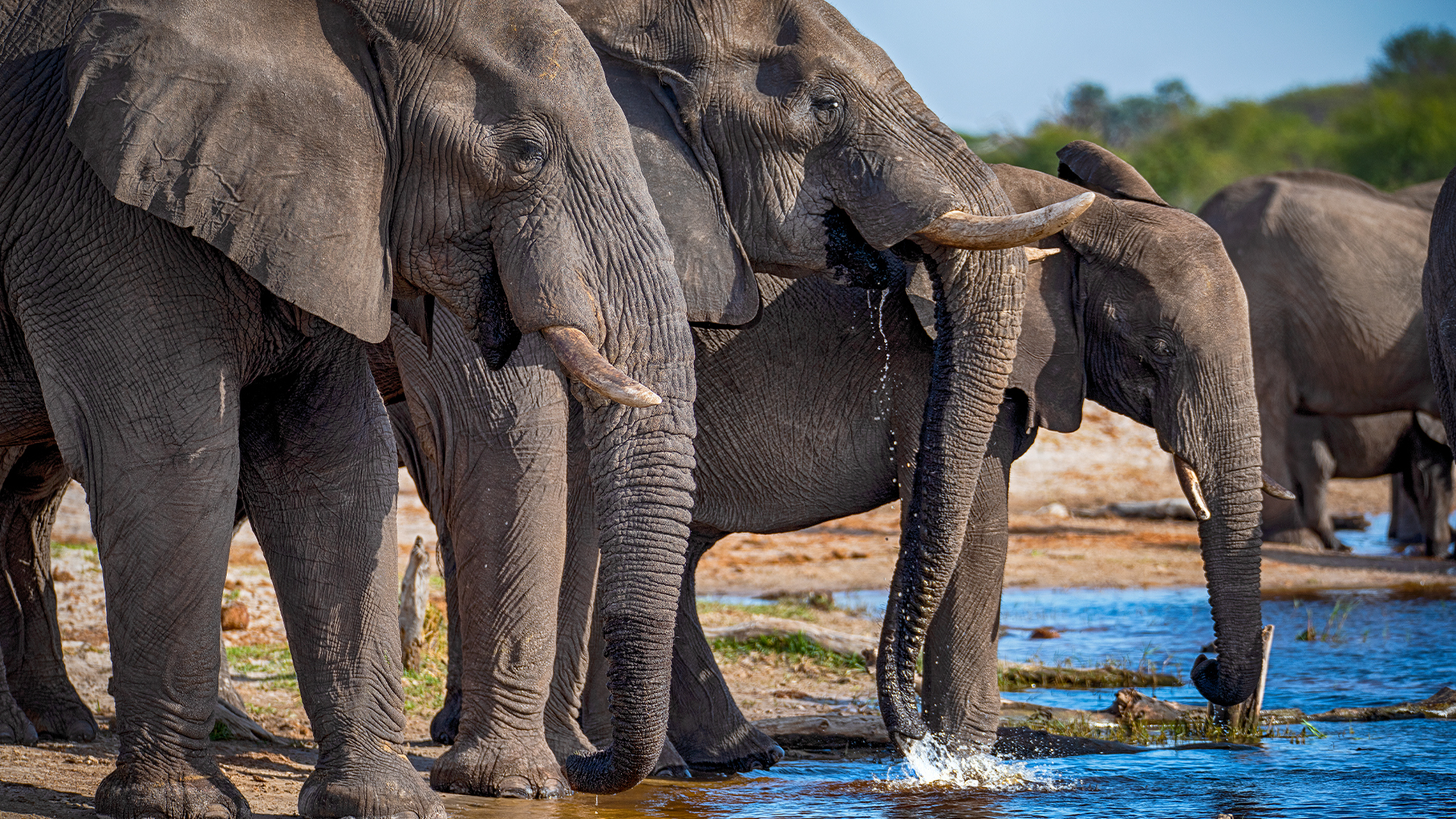
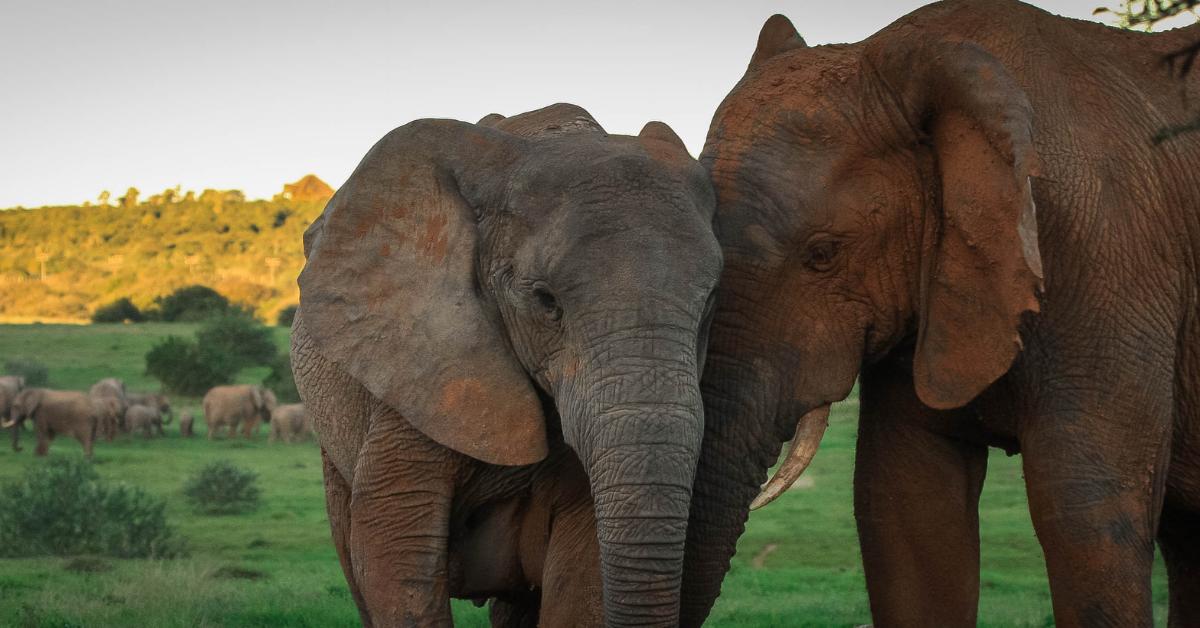
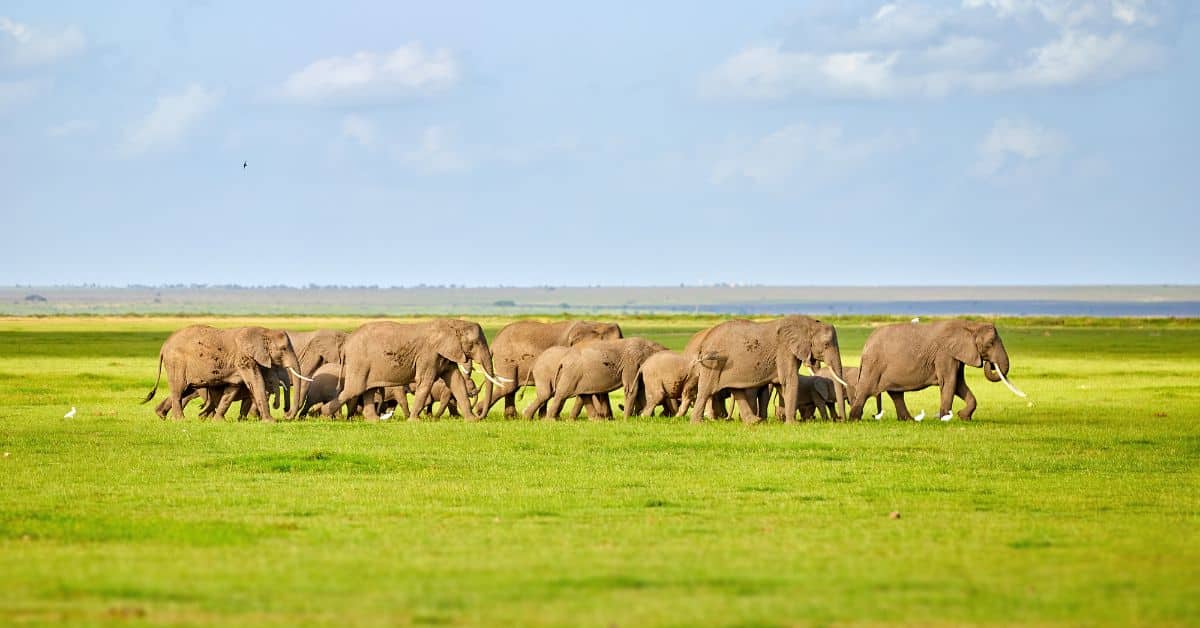
Yes, African elephants are among the many species of wildlife that can be spotted in Karatu and its surrounding areas. Lake Manyara National Park, in particular, is known for its population of African elephants, which can often be seen roaming the park’s diverse landscapes.
Visitors to Karatu may also encounter elephants in nearby parks, such as Ruaha National Park and Tarangire National Park, where these majestic creatures congregate around water sources during the dry season.
10. Is Karatu part of the Southern Parks of Tanzania?
Karatu is near the Southern Parks of Tanzania, a collection of national parks and game reserves in the country’s southern part. These parks, which include Ruaha National Park and Tarangire National Park, are renowned for their abundant wildlife, diverse ecosystems, and stunning landscapes. Visitors to Karatu have easy access to these parks, making it an ideal start for exploring the Southern Parks and experiencing the unparalleled beauty of Tanzania’s wilderness.
11. Are there any dangerous animals in Karatu?
While wildlife sightings are a highlight of visiting Karatu and its surrounding areas, visitors must exercise caution and respect the animals’ natural habitats. Some species, such as African lions and African buffalo, can pose a danger if approached too closely or provoked.
However, guided safari tours and experienced guides ensure that visitors can observe these animals safely from a distance. By following park regulations and heeding the advice of knowledgeable guides, visitors can enjoy unforgettable wildlife encounters while minimising the risk of danger.
12. Can I visit Mount Kilimanjaro from Karatu?
Visitors in Karatu can visit Mount Kilimanjaro, Africa’s highest peak, located approximately 250 kilometres (155 miles) northeast of Karatu. While Karatu is farther away from Mount Kilimanjaro than some other towns and cities in Tanzania, it is still within a reasonable distance for a day trip or overnight excursion to the mountain. Many tour operators offer guided tours and treks to Mount Kilimanjaro from Karatu, allowing visitors to experience this iconic natural landmark firsthand.
13. What makes Karatu unique compared to its Asian counterparts?
Karatu’s unique appeal lies in its rich biodiversity, stunning landscapes, and vibrant cultural heritage, distinguishing it from its Asian counterparts. Unlike many destinations in Asia, Karatu offers visitors the opportunity to experience Africa’s iconic wildlife up close, with the chance to spot species such as African elephants, African lions, and black rhinos in their natural habitat.
Karatu’s proximity to world-renowned national parks, such as Lake Manyara and Ruaha, provides unparalleled opportunities for wildlife safaris and outdoor adventures. The region’s cultural diversity, with influences from various ethnic groups and traditions, further adds to its impressive charm, making it a captivating destination for travellers seeking authentic African experiences.
14. Is Karatu located in East Africa?
Karatu is situated in East Africa, specifically in northern Tanzania. The region is known for its stunning landscapes, abundant wildlife, and rich cultural heritage, making it a popular destination for travellers worldwide. Karatu’s strategic location near several of Tanzania’s most famous national parks, including Lake Manyara and Tarangire, makes it an ideal base for exploring the natural wonders of East Africa and embarking on unforgettable safari adventures.
15. How can I plan a Tanzania safari starting from Karatu?
Planning a Tanzania safari starting from Karatu is straightforward, thanks to the region’s proximity to several of the country’s most renowned national parks and wildlife reserves. Visitors can begin by researching the various parks and reserves in the area, such as Lake Manyara, Ruaha, and Tarangire, to determine which ones align with their interests and preferences.
Next, they can book guided safari tours or game drives with reputable tour operators or lodges in Karatu, ensuring access to experienced guides and comfortable accommodations during their safari experience. Finally, visitors should consider factors such as transportation, park fees, and travel insurance to ensure a smooth and enjoyable safari adventure in Tanzania.