

Ruaha National Park is a hidden gem located in Tanzania, East Africa. While it may not be as well-known as other popular safari destinations, it offers an incredible wildlife experience that rivals any other.
With its vast landscapes, diverse ecosystems, and abundant wildlife, Ruaha National Park is a must-visit destination for nature enthusiasts and adventure seekers alike. In this article, we will explore five compelling reasons why you should consider visiting Ruaha National Park in 2023/2024.
Extraordinary Wildlife Diversity at Ruaha National Park
This hidden gem in Tanzania is an absolute paradise for animal enthusiasts. Its remarkable array of wildlife species will leave you in awe. Imagine embarking on a game drive, your heart pounding with anticipation as you venture into the park.
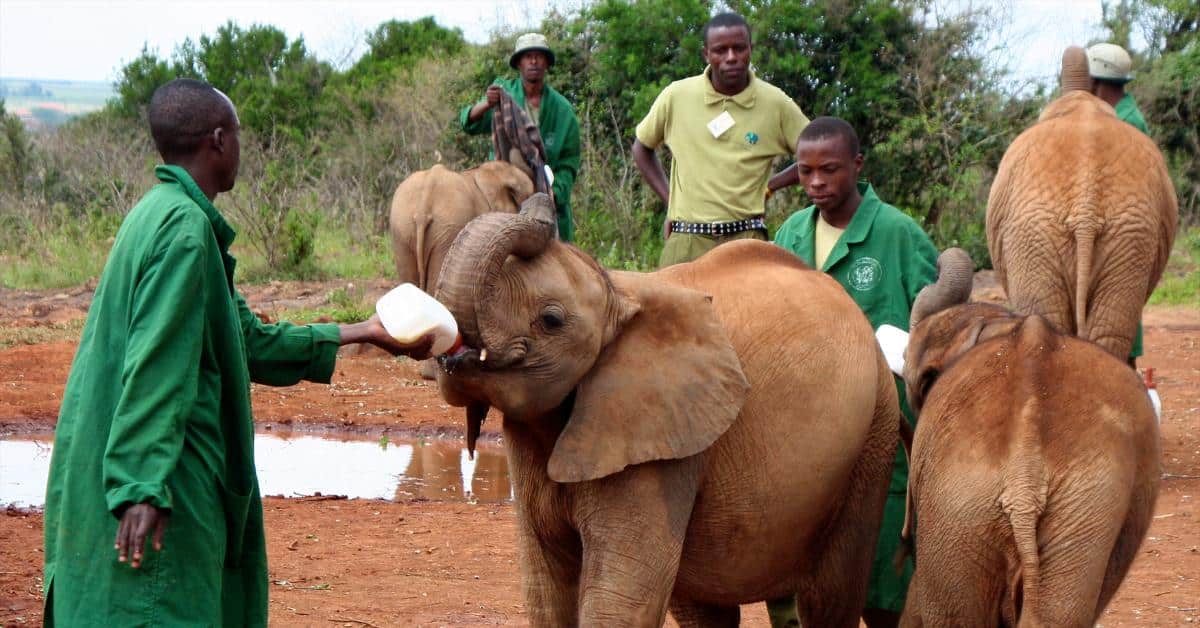
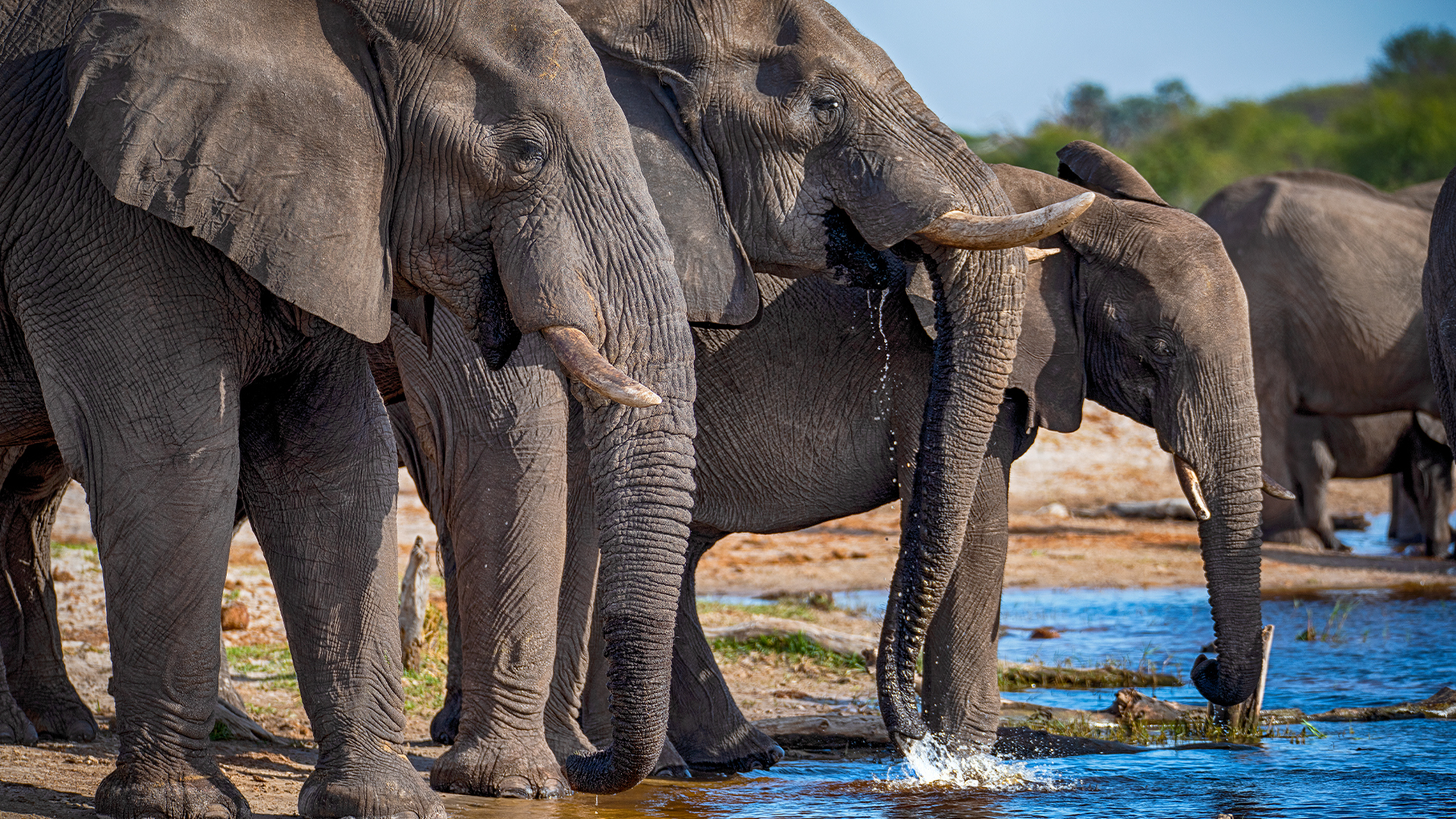
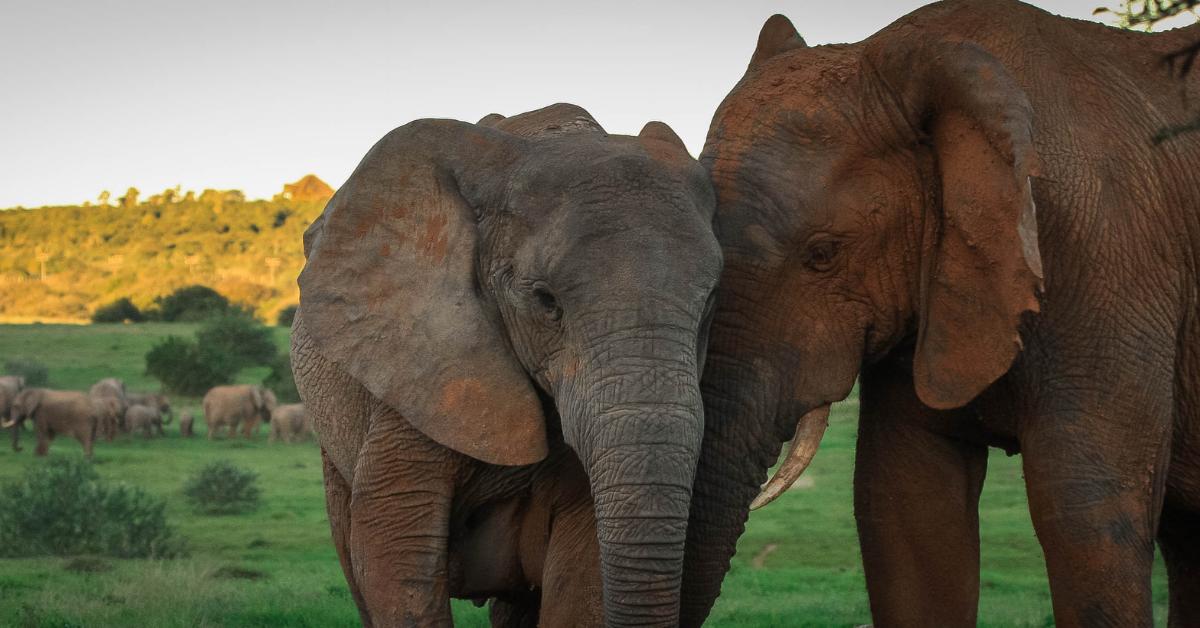
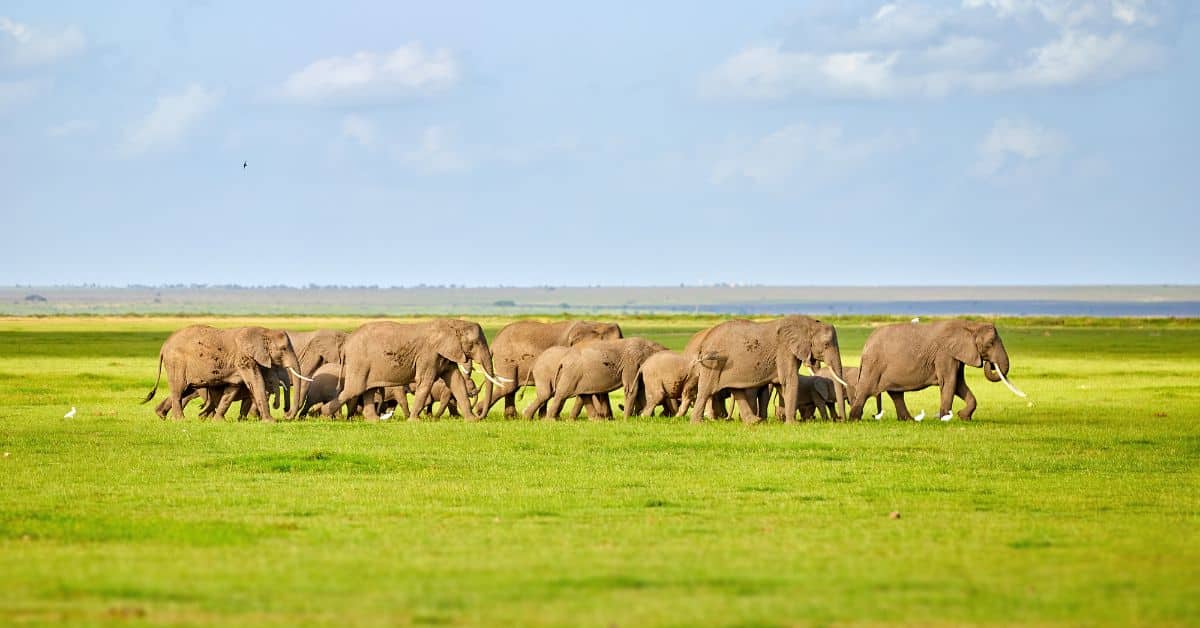
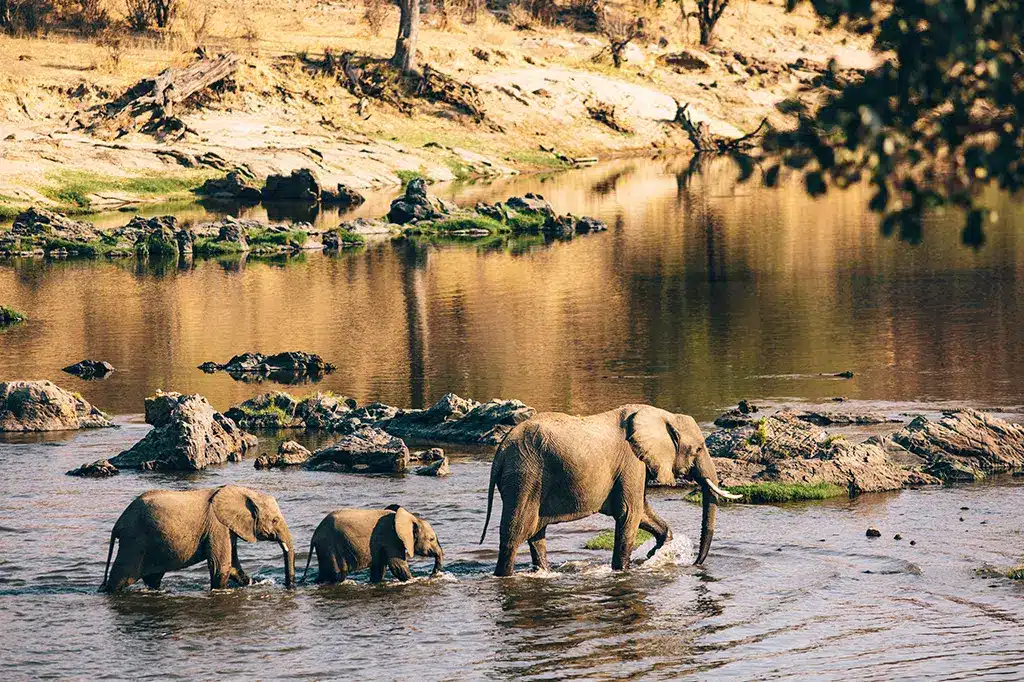
As you traverse the vast plains and meandering rivers, you’ll be greeted by a symphony of sounds – the rustling of leaves, the distant roars of lions, and the trumpeting of elephants. Your eyes will widen in amazement as you spot a majestic elephant family gracefully strolling through the tall grass, their enormous tusks shining in the sunlight.
But that’s just the beginning! Ruaha National Park is home to over 500 bird species, making it a haven for birdwatchers. Picture yourself in awe as you witness a vibrant tapestry of colors fluttering through the sky.
From the regal African fish eagle soaring above the Great Ruaha River to the graceful lilac-breasted roller perched on a branch, each moment will be a visual feast for your eyes. Keep your binoculars ready as you continue your safari adventure, for Ruaha is famed for its predators.
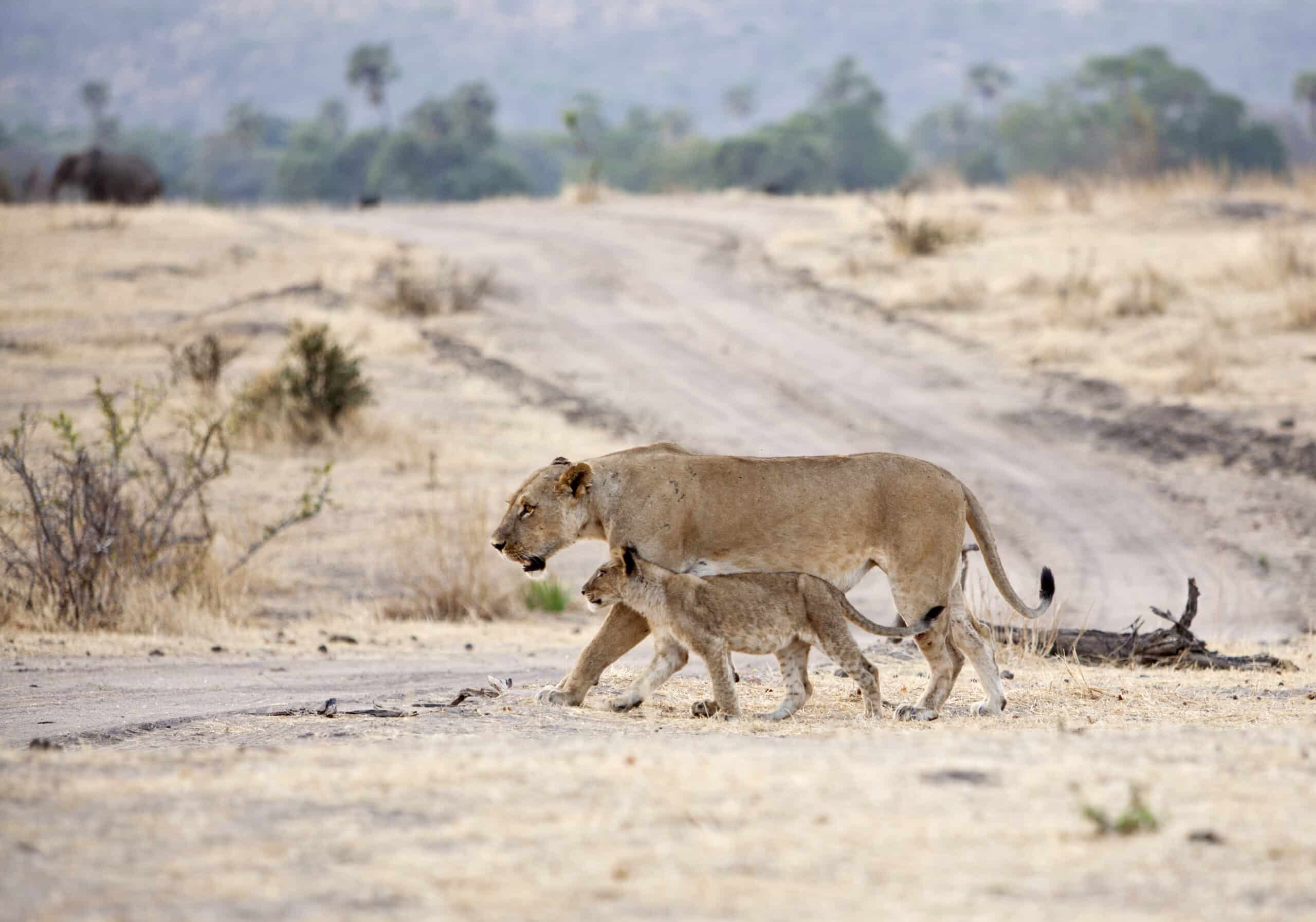
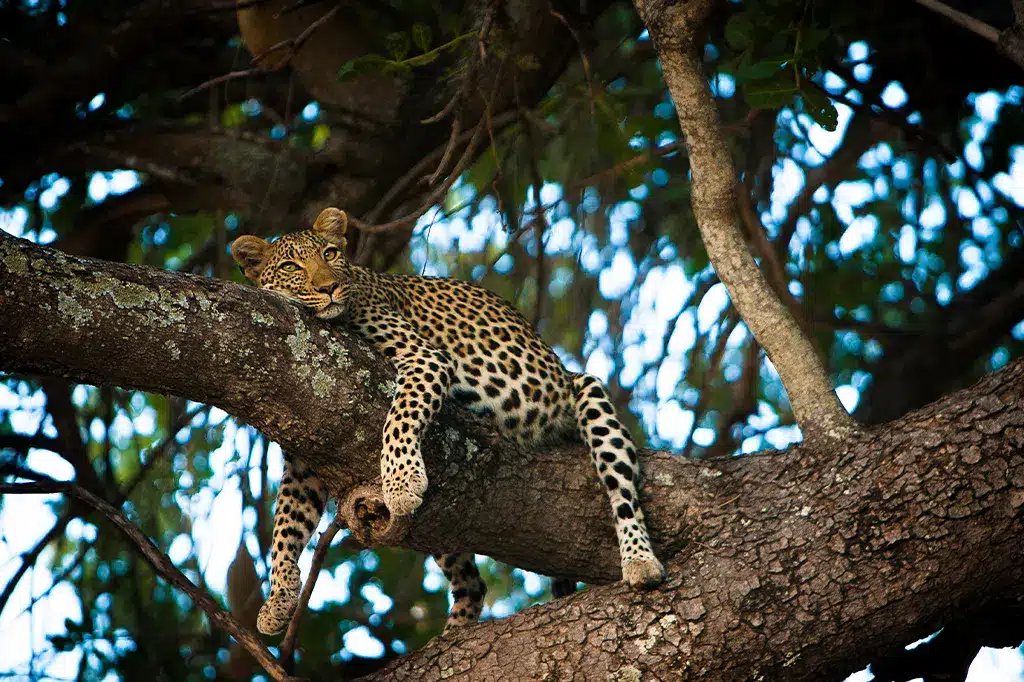
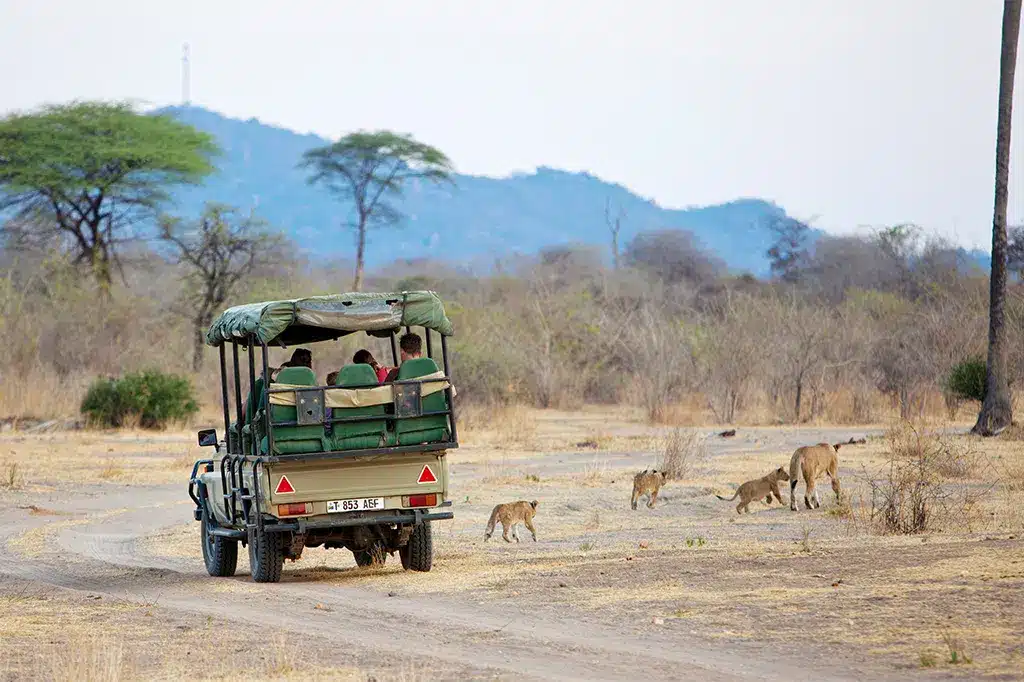
If you’re lucky enough, you may see lions, leopards, and cheetahs stealthily prowling the grasslands, their graceful movements concealing their lethal hunting talents. It’s an extraordinary sight to witness a lioness and her cubs basking lazily in the sun, their golden coats glistening against the backdrop of the sprawling savannah.
Untouched Wilderness
One of the most significant advantages of visiting Ruaha National Park is its untouched wilderness. Unlike some of the more popular safari destinations, Ruaha offers a sense of exclusivity and solitude.
The park covers an enormous area of approximately 20,226 square kilometers, making it the largest national park in Tanzania. With its vast plains, rolling hills, and meandering rivers, Ruaha allows visitors to immerse themselves in the untouched beauty of nature.
Whether you explore the park on game drives, walking safaris, or even fly camping, you will feel a deep connection to the pristine surroundings. This provides a unique and authentic African safari experience. As you enter the park, you’ll feel a sense of anticipation building within you.
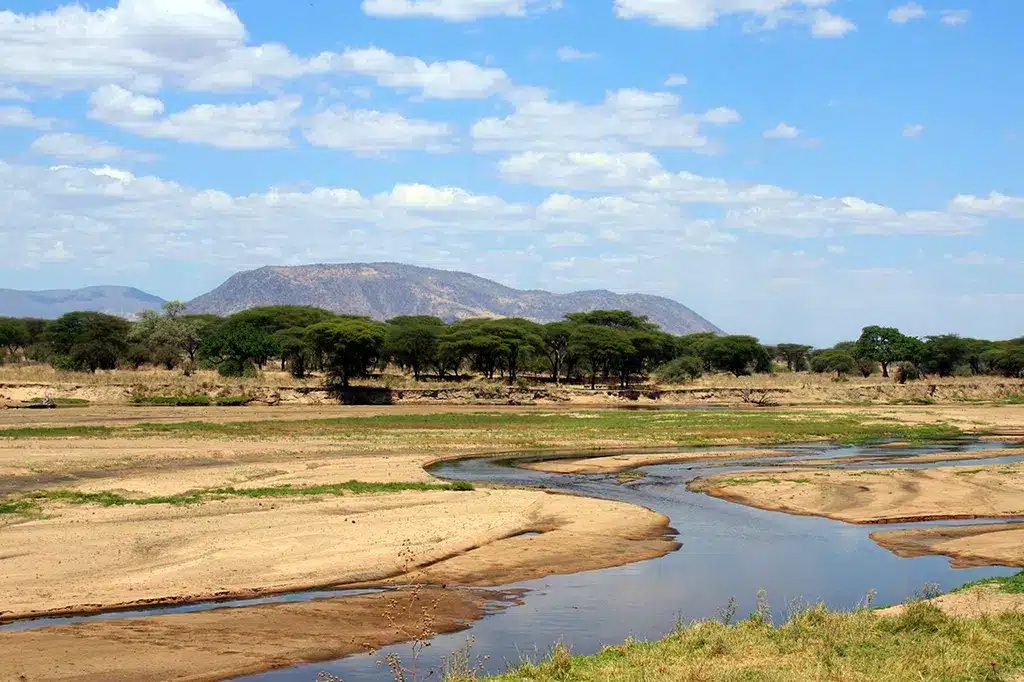
The vastness of Ruaha is simply awe-inspiring. This national park covers an enormous area of approximately 20,226 square kilometers. You’ll find yourself surrounded by endless plains, rolling hills, and rugged terrain that stretches as far as the eye can see.
The sheer scale of the wilderness in Ruaha is humbling. You’ll be captivated by the untouched landscapes that have remained virtually unchanged for centuries.
Picture yourself standing on the edge of a vast grassland, the golden savannah stretching out before you, dotted with acacia trees and bathed in the warm glow of the African sun.
Spectacular Landscapes
Ruaha National Park is renowned for its breathtaking landscapes, ranging from open grasslands to dense woodlands and rugged hills. The Great Ruaha River, the park’s lifeline, adds an extra touch of beauty to the already mesmerizing scenery.
Towering baobab trees, acacia forests, and striking rock formations further adorn the park’s landscape. The diversity of these landscapes creates an ever-changing backdrop, perfect for photography enthusiasts seeking to capture the raw beauty of Africa.

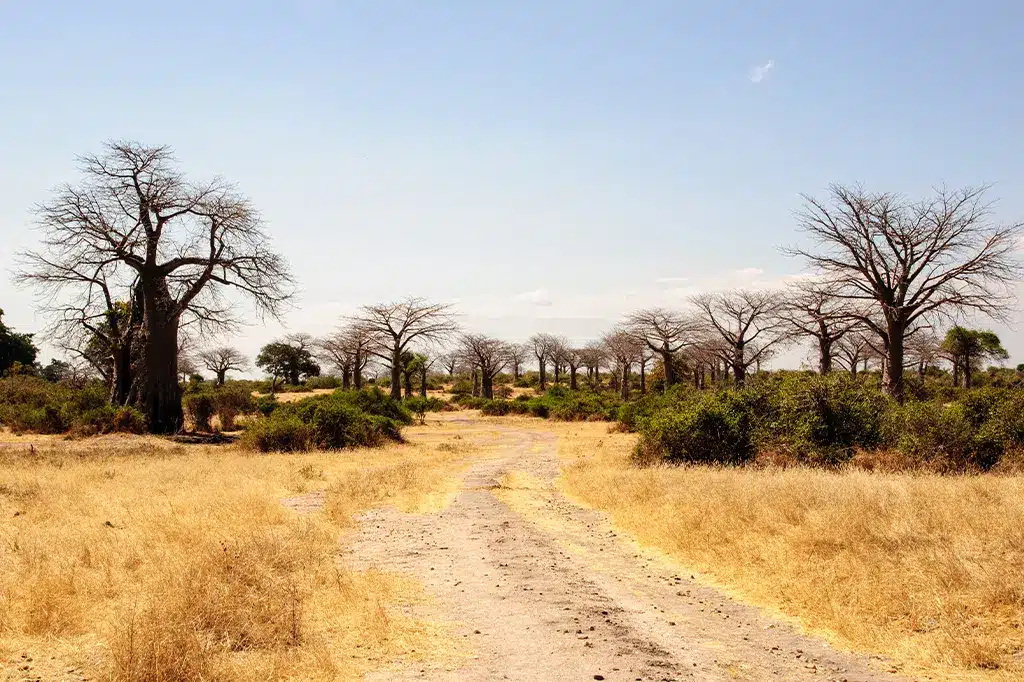
Whether witnessing a vibrant sunset over the savannah or admiring the lush greenery along the riverbanks, Ruaha National Park promises awe-inspiring vistas at every turn. As you venture into the park, prepare to be mesmerized by a tapestry of landscapes that seem straight out of a dream.
Picture yourself standing atop rolling hills, surveying the vast expanse before you. The open grasslands stretch like an endless sea, adorned with golden hues that dance harmoniously with the sun’s rays.
It’s a sight that makes you feel like you’re standing at the world’s edge. But Ruaha National Park is not just about the wide-open spaces.
Prepare to be enchanted by the captivating diversity of its terrain. Explore dense woodlands where the sunlight filters through the canopy, casting a mottled pattern on the forest floor. Walk amidst towering trees, their branches reaching for the sky as if inviting you to join their secret dance with the wind.
Off-the-Beaten-Path Adventure
For those seeking a sense of adventure and exploration, Ruaha National Park offers a unique opportunity to go off the beaten path. Due to its relatively remote location, the park receives fewer visitors than other popular African destinations.
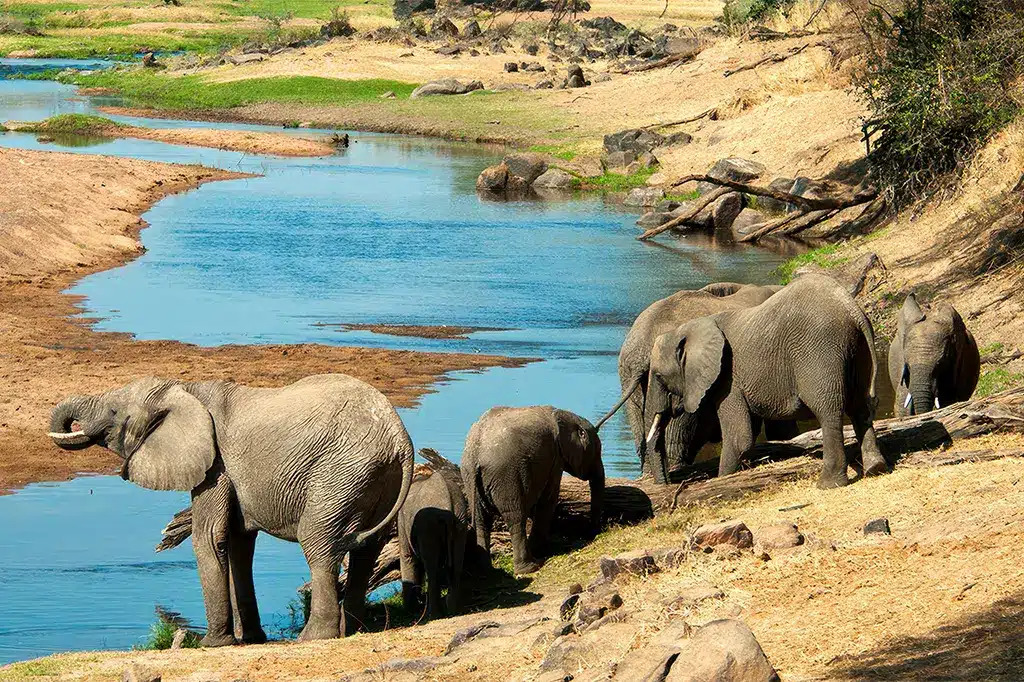

This means you can experience a true wilderness adventure with fewer crowds and a more intimate connection to nature. Imagine traversing through vast landscapes without encountering another vehicle or wildlife up close without any distractions.
In Ruaha, you can experience the thrill of discovering untamed Africa in a more authentic and immersive way.
Cultural Encounters
Ruaha National Park is not only about wildlife and landscapes but also a place to immerse yourself in the rich local culture. The park is located within the heartland of the Gogo people, one of Tanzania’s ethnic groups known for its vibrant traditions and cultural heritage.

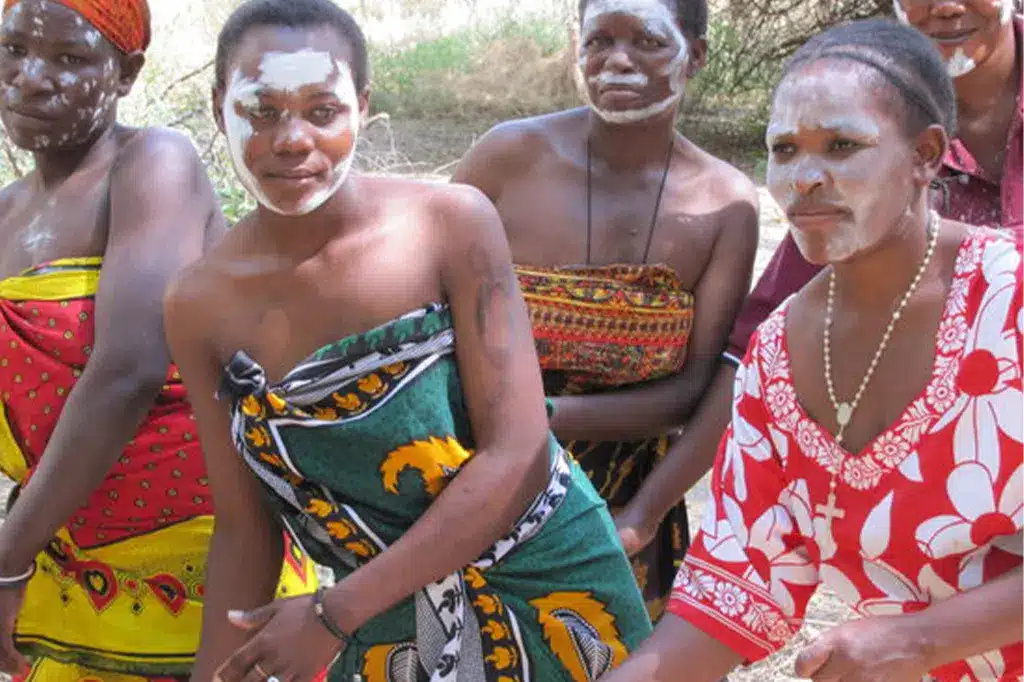
Interacting with the local communities can provide a unique insight into their way of life, traditions, and beliefs. You may have the opportunity to visit a traditional village, witness traditional dances, or even participate in community-led conservation projects.
These cultural encounters can enrich and contribute to a deeper understanding of the region’s history and people.
Conclusion
Ruaha National Park is an extraordinary destination that offers a unique and unforgettable safari experience. From its remarkable wildlife diversity to its untouched wilderness, spectacular landscapes, off-the-beaten-path adventure, and cultural encounters, Ruaha National Park has something for every nature enthusiast.
Whether you are a wildlife lover, a photography enthusiast, or someone seeking an authentic African adventure, Ruaha National Park should be at the top of your travel bucket list for 2023/2024. So pack your bags, grab your camera, and prepare for an incredible journey into the heart of Tanzania’s wilderness.
Frequently Asked Questions (FAQs)
What makes Ruaha National Park unique compared to other parks in Tanzania?
Ruaha National Park is one of Tanzania’s largest and most remote parks, offering a genuinely untouched and authentic safari experience. Unlike more popular parks like Serengeti or Nyerere National Park, Ruaha remains less crowded, allowing visitors to enjoy the vast landscapes and abundant wildlife in peace.
Known for its diverse ecosystems, Ruaha is home to many animals, including giant elephants, lions, wild dogs, and East African cheetah populations. It is also a haven for bird-watching enthusiasts, with over 570 species recorded, including several endemic species.
When is the best time to visit Ruaha National Park for game viewing?
The best time to visit Ruaha National Park for optimal game viewing is during the dry season, which typically lasts from June to October. During this period, the vegetation thins out, making it easier to spot animals as they gather around the Great Ruaha River and other water sources.
Wildlife sightings, including lions, elephants, wild dogs, and East African cheetahs, are more frequent as animals are drawn to these water sources in search of food and water. The dry season also offers excellent bird-watching opportunities.
However, for those interested in seeing the lush landscapes, the rainy season from November to April provides a different, equally beautiful experience with more vibrant greenery and newborn animals.
What animals can you expect to see during a Ruaha safari?
Ruaha National Park is home to an impressive array of wildlife, making it one of Tanzania’s most biodiverse parks. Visitors can expect to see large populations of elephants, lions, giraffes, zebras, and buffaloes.
The park is also a crucial habitat for endangered species such as wild dogs and East African cheetah populations. Additionally, the park hosts many antelope species, including the rare greater kudu with its iconic spiral horns.
Ruaha is a paradise for bird watching. Over 570 species of birds, including migratory and endemic species, offer year-round avian diversity.
How does Ruaha National Park compare to Nyerere National Park?
Ruaha National Park and Nyerere National Park (formerly Selous Game Reserve) are known for their large and affluent wildlife populations but offer different experiences. Ruaha is more remote and less visited, providing a quieter and more exclusive safari.
It’s famous for its high density of predators, including lions, cheetahs, and wild dogs, and its dramatic landscapes of rocky escarpments and baobab trees. In contrast, Nyerere National Park is famous for its boating safaris along the Rufiji River, where visitors can spot crocodiles and hippos up close.
Both parks are ideal for wildlife enthusiasts but offer unique attractions depending on personal interests.
Can you do a night game drive in Ruaha National Park?
Ruaha National Park offers night game drives, allowing visitors to experience the park after dark and spot nocturnal animals. This is a thrilling way to see rarely active daily wildlife like leopards, aardvarks, genets, and civets.
Night drives also provide an opportunity to witness predator-prey interactions, especially as lions and other big cats become more active at night. A night game drive in Ruaha can be an unforgettable addition to your safari, offering a unique perspective on the park’s ecosystem.
What are the accommodation options available in Ruaha National Park?
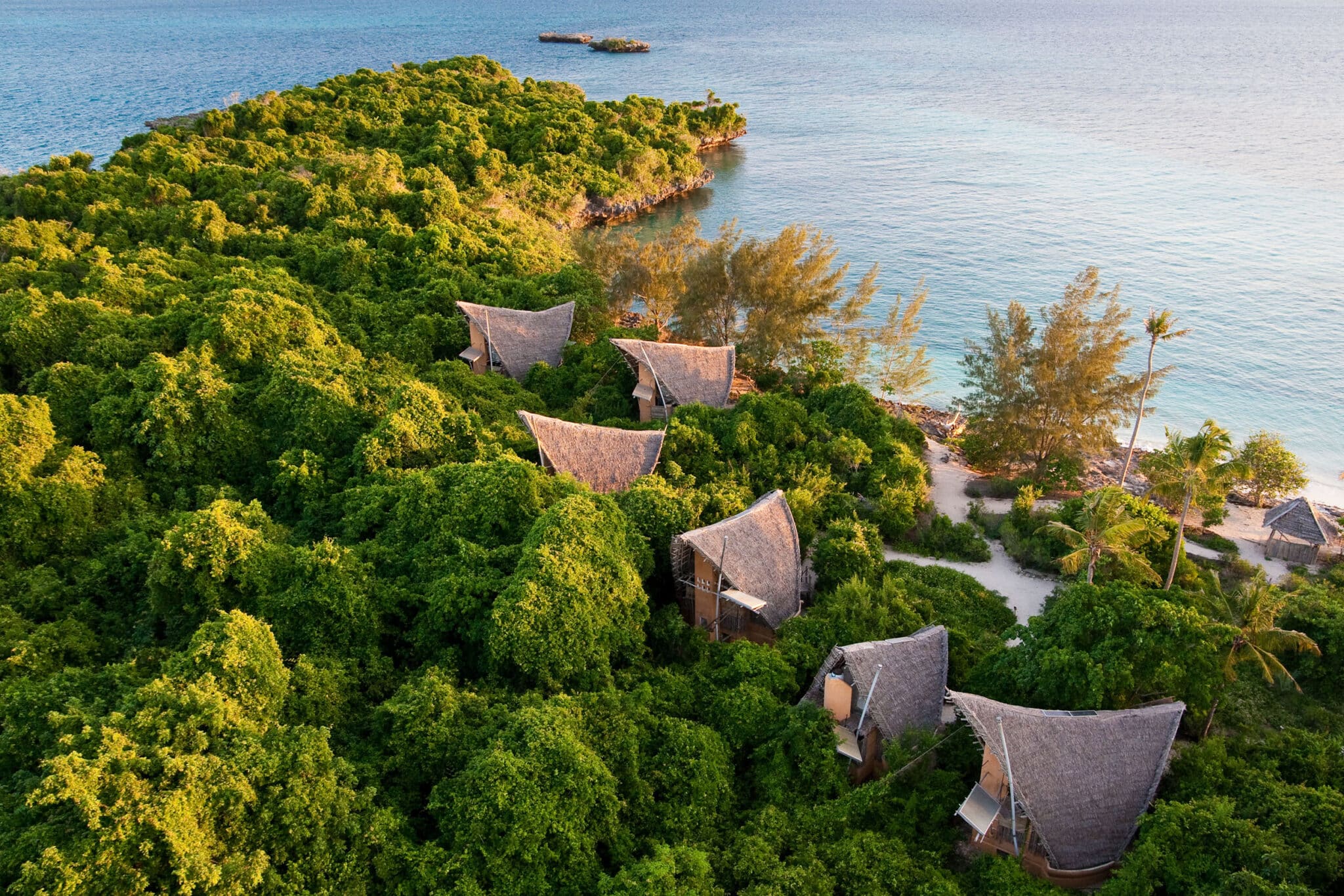
Ruaha National Park offers various accommodations, from luxury lodges and tented camps to more budget-friendly campsites. Many lodges are in prime park areas, offering stunning views and easy access to critical game-viewing regions.
Some luxury camps offer private game drives, walking safaris, and night game drives. For a more rustic experience, there are public campsites where you can camp under the stars. Regardless of your choice, staying within the park immerses you in the Ruaha safari experience.
Are there any boating safaris available in Ruaha National Park?
While Ruaha National Park is primarily known for its traditional game drives, it does not offer boating safaris like Nyerere National Park. However, visitors to Ruaha can still enjoy game viewing along the Great Ruaha River, where many animals gather to drink and hunt.
This area provides excellent wildlife sightings, and the riverbanks teem with hippos, crocodiles, and various bird species. For those specifically interested in boating safaris, Nyerere National Park is a better option as it offers guided boat trips along the Rufiji River.
How long should I plan to stay in Ruaha National Park?
To fully experience the wildlife and landscapes of Ruaha National Park, it is recommended to stay for at least three to four days. This allows enough time to explore different areas of the park and maximize your chances of spotting various animals, including wild dogs, East African cheetah populations, and elephants.
For those with more time, a five—to seven-day extended stay is ideal for combining game drives with other activities such as bird watching, walking safaris, and night game drives. A longer stay also allows visitors to experience the park at different times of the day, increasing the chances of diverse wildlife sightings.
Can you spot East African cheetah populations in Ruaha National Park?
Yes, Ruaha National Park is home to a significant population of East African cheetahs, one of the park’s highlights for wildlife enthusiasts. Although cheetahs are more elusive than other big cats like lions, they can be seen hunting in the park’s open plains.
The best time to spot cheetahs is during the early morning or late afternoon when they are most active. The park’s vast savannah and fewer tourist vehicles than other parks allow visitors to enjoy more intimate and uninterrupted sightings of these graceful predators.
Is Ruaha National Park suitable for bird watching?
Absolutely! Ruaha National Park is a paradise for bird watchers, boasting over 570 species of birds, including both migratory and endemic species. During the rainy season, the park becomes a haven for migratory birds, making it an ideal time for bird enthusiasts.
Some notable species include the Ruaha red-billed hornbill, Tanzanian red-billed buffalo weaver, and the striking black-collared lovebird. Whether you are a seasoned birder or a casual wildlife observer, bird-watching in Ruaha is an extraordinary experience.
What is the weather like in Ruaha National Park during the dry season?
The dry season in Ruaha National Park typically lasts from June to October and is characterized by sunny days with temperatures ranging from 25°C to 30°C (77°F to 86°F). During this time, water sources dry up, and animals congregate around the Great Ruaha River, making it an excellent season for game viewing. The dry season also offers clear skies, which enhance the experience of night game drives and allow visitors to spot nocturnal animals more efficiently.
Is it worth visiting Ruaha National Park during the rainy season?
Yes, visiting Ruaha National Park during the rainy season, which occurs from November to April, can be a rewarding experience. While the thick vegetation can make wildlife viewing more challenging, the park transforms into a lush, green landscape teeming with life.
This season is perfect for bird watching as migratory birds flock to the park. It is also a great time to witness the birth of young animals. Additionally, the rainy season brings fewer visitors, allowing for a more peaceful and intimate park experience.
Can you see wild dogs in Ruaha National Park?
Ruaha National Park is one of the few places in Africa where you can see wild dogs, an endangered species. The park is home to one of the largest populations of wild dogs in Tanzania. These fascinating animals are highly social and often move in packs, making for exciting game viewing.
Early and late afternoons are the best times to spot them, as they are more active during these incredible hours. Wildlife enthusiasts flock to Ruaha to see these rare predators in their natural habitat.
Are walking safaris available in Ruaha National Park?
Yes, walking safaris are available in Ruaha National Park, offering a unique and immersive way to experience the park’s wildlife and landscapes. Led by experienced guides, these safaris allow visitors to explore the park on foot and gain a deeper understanding of the ecosystem by tracking animals and learning about the flora and fauna up close.
Walking safaris are a great complement to game drives. They provide a more intimate connection with nature and the chance to observe smaller animals, insects, and plant life often overlooked during vehicle safaris.
What is the main difference between Ruaha National Park and Nyerere National Park?
While Ruaha National Park and Nyerere National Park are excellent safari destinations, they offer distinct experiences. Ruaha is known for its rugged landscapes, large predator populations, including lions and wild dogs, and exceptional game viewing, especially during the dry season.
It is more remote and less frequented by tourists, making it ideal for those seeking a quieter, more exclusive safari. On the other hand, Nyerere National Park is famous for its boating safaris along the Rufiji River, where visitors can spot hippos, crocodiles, and aquatic bird species.
Both parks are essential stops for wildlife enthusiasts, but your desired safari experience determines which park is better for your adventure.