


Mto wa Mbu, a small town in the Manyara Region of northern Tanzania, is a hidden gem that offers many exciting activities and breathtaking natural wonders.
Nestled at the foot of the Great Rift Valley, Mto wa Mbu is known for its cultural diversity, stunning landscapes, and proximity to some of Tanzania’s most renowned national parks. Whether you are an adventure seeker, nature lover, or culture enthusiast, Mto wa Mbu has something to offer everyone.
Here is a comprehensive guide to the best things to do in Mto wa Mbu in 2025/2026.
Experience a Guided Canoe Safari at Mto wa Mbu
Discover the Wetlands Mto wa Mbu, surrounded by lush wetlands and a network of interconnected lakes and rivers. One of the best ways to explore this unique ecosystem is through a guided canoe safari.

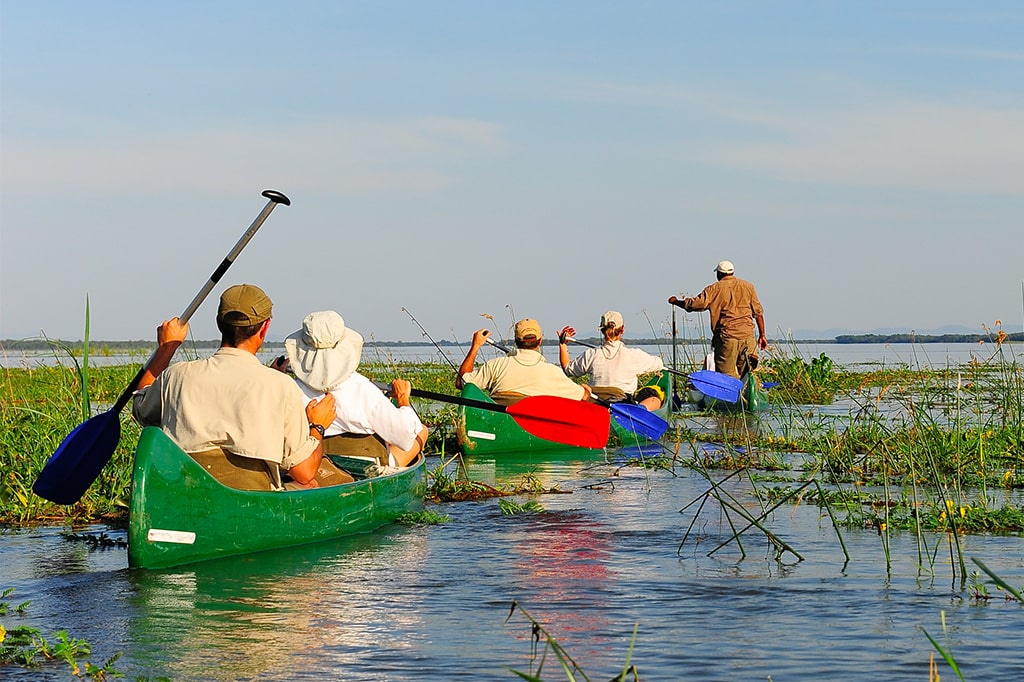
Hop into a traditional dugout canoe, known as a “mokoro,” and glide through the calm waters while admiring the abundant birdlife, including pelicans, herons, and kingfishers. Your knowledgeable guide will navigate the channels, highlighting the diverse flora and fauna that call this wetland home.
The canoe safari offers a serene and peaceful experience, allowing you to immerse yourself in the tranquility of nature.
Take a Coffee Plantation Tour
From Bean to Cup Tanzania is renowned for its flavorful coffee, and Mto wa Mbu is no exception. Embark on a coffee plantation tour and learn about cultivating and harvesting coffee beans.
Walk through the lush plantations, surrounded by the aroma of freshly roasted coffee, and discover the intricacies of coffee production. Engage with local farmers, who will share their knowledge and techniques.
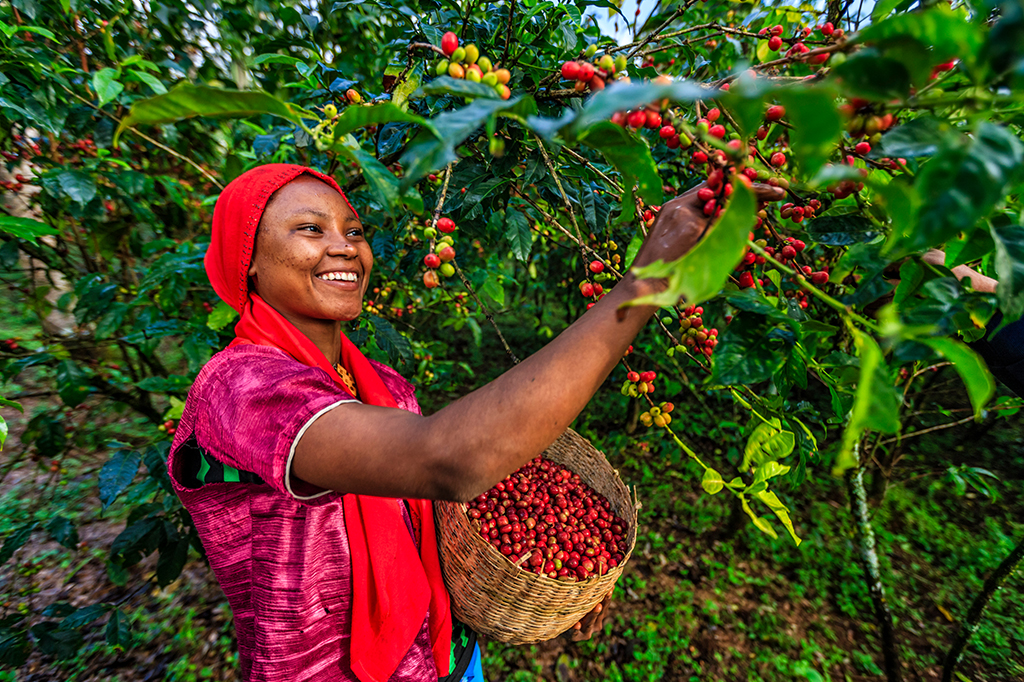

Participate in hands-on activities such as picking coffee cherries and processing the beans. The tour concludes with a coffee-tasting session, where you can savor the rich flavors of Tanzanian coffee.
This immersive experience provides a deeper appreciation for the labor and craftsmanship behind every cup of coffee.
Explore Lake Manyara
Boat Safari and Birdwatching Lake Manyara, located just a short distance from Mto wa Mbu, offers more than just wildlife sightings. Embark on a boat safari across the lake’s calm waters and witness the unique ecosystem that thrives in and around the lake.
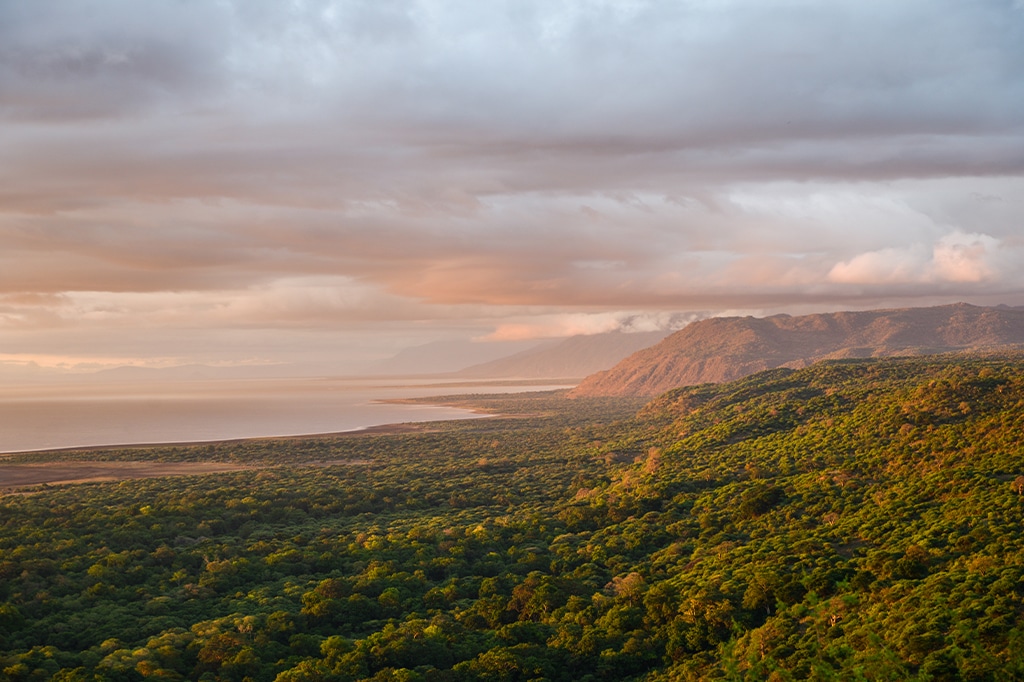

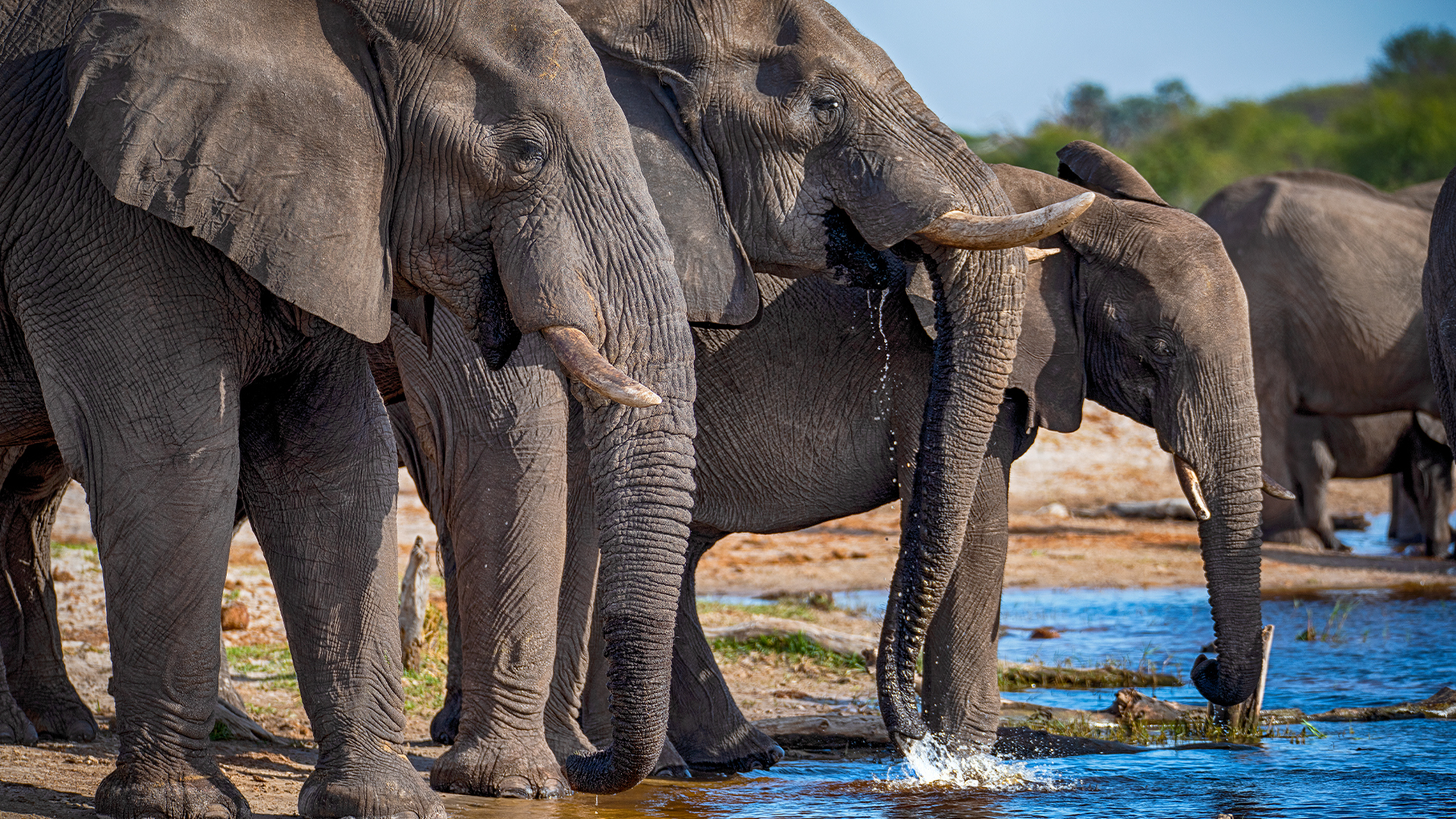
You can spot hippos basking in the sun, watch elephants come to drink, and observe the playful antics of monkeys along the shoreline. Lake Manyara is also a haven for birdwatchers, with over 400 bird species recorded in the area.
Keep your binoculars ready to spot pink flamingos, African fish eagles, and numerous other colorful avian species. A visit to Lake Manyara promises an enchanting blend of wildlife, scenery, and birdlife.
Trek to the Maji Moto Hot Springs
Relax and Rejuvenate Escape the hustle and bustle of Mto wa Mbu and embark on a trek to the Maji Moto Hot Springs, located in the nearby Engaruka Basin. This hidden gem offers a natural spa experience amidst the wilderness.
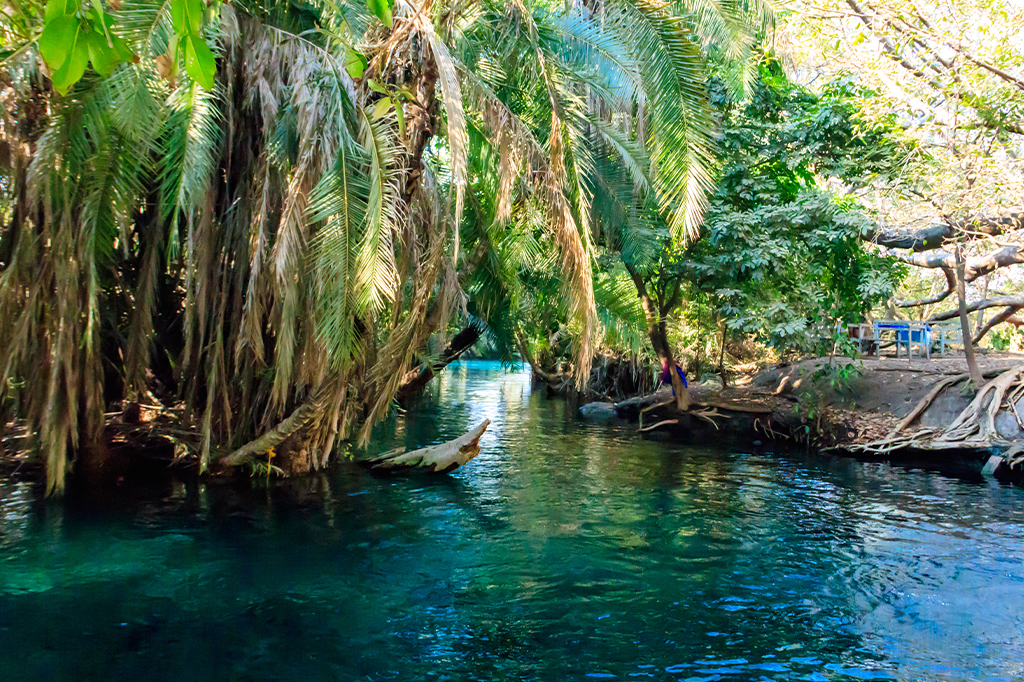

The trek to the hot springs takes you through scenic landscapes, including lush forests and open savannahs. Once you arrive, soak in the soothing, warm waters known for their therapeutic properties.
Let the natural minerals rejuvenate your body and soul as you unwind in this serene oasis. The Maji Moto Hot Springs provides the perfect opportunity to connect with nature and find inner peace.
Visit the Manyara Painted Maasai Market
Witness Artistry in Action If you have a passion for art and craftsmanship, visiting the Manyara Painted Maasai Market is a must. Located in Mto wa Mbu, this bustling local market showcases the skills and creativity of local artisans.

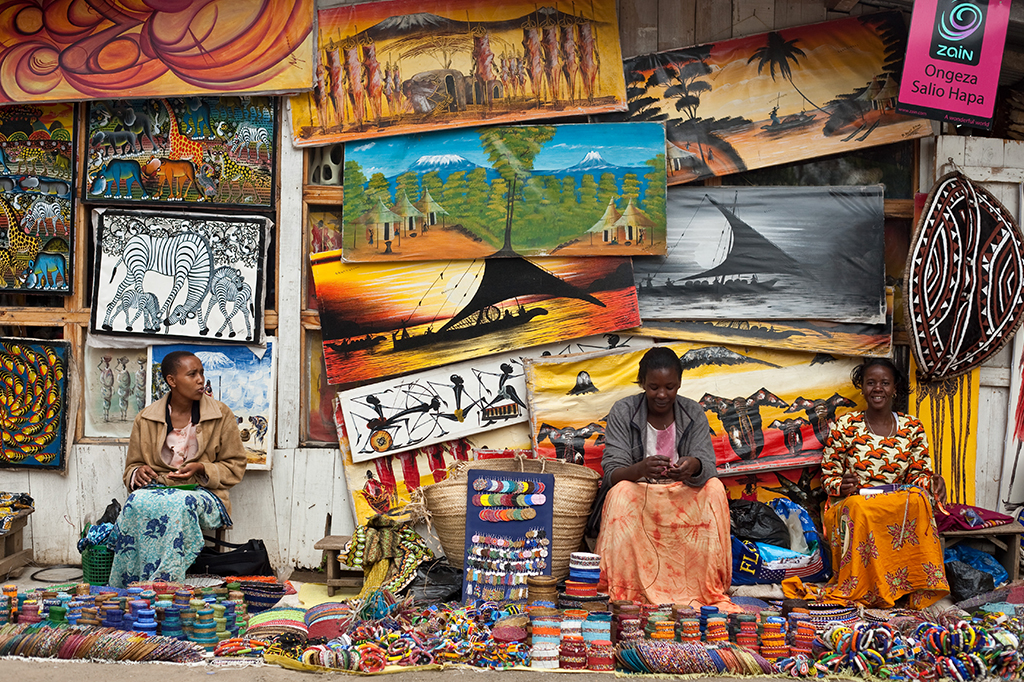
Browse through a vibrant array of hand-painted Tinga Tinga artwork, intricate Maasai beadwork, traditional wood carvings, and colorful batik fabrics. Observe the artisans at work and witness the meticulous process of creating these beautiful pieces.
You can even try your hand at some of the art forms under the guidance of skilled craftsmen. Visiting the Manyara Painted Maasai Market provides an excellent opportunity to support local artists and take home unique souvenirs.
Engage in a Cultural Tour
Mto wa Mbu is known for its multicultural population, with over 120 different ethnic groups residing in the area. A cultural tour allows you to explore the diversity and traditions of these communities.


Visit local villages and interact with the residents, learning about their daily lives, customs, and rituals. Witness traditional dances and music performances that showcase the vibrant cultural heritage of the region. These tours also offer insights into the historical and cultural meanings behind various local practices and artworks.
You can also participate in hands-on activities such as pottery-making, banana beer brewing, or traditional cooking classes. These cultural tours provide a deeper understanding of the local way of life and foster cross-cultural exchange.
Go on a Bike Tour: Discover the Countryside
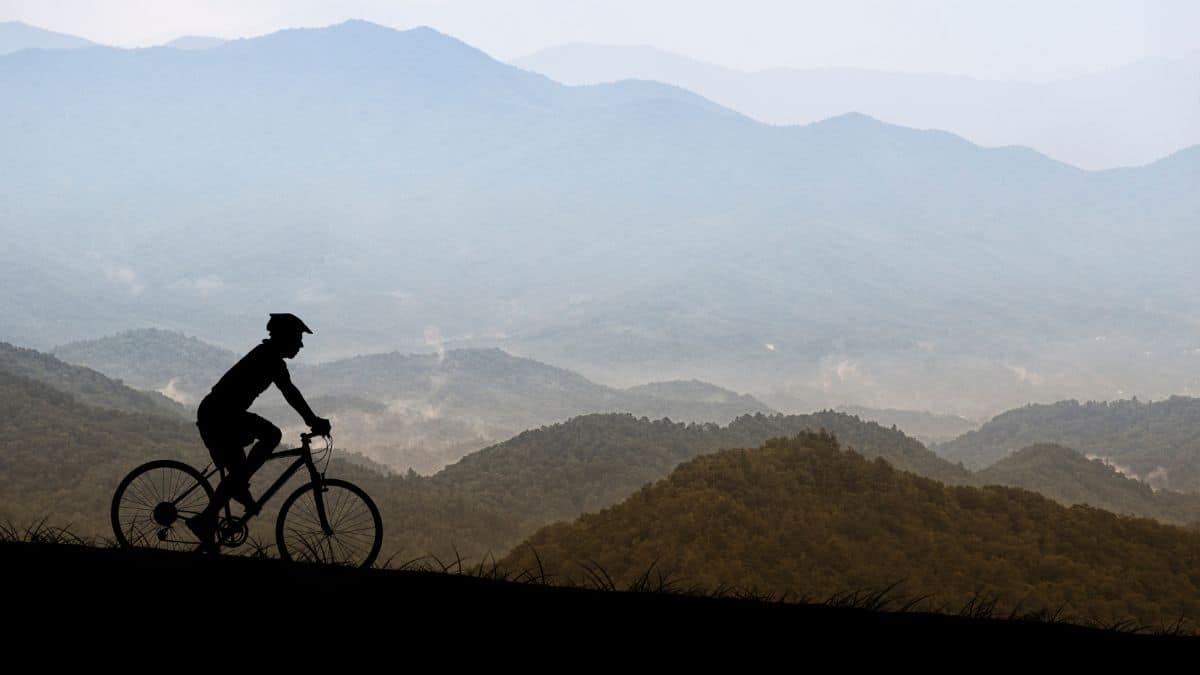
Explore the picturesque landscapes and rural countryside of Mto wa Mbu on a thrilling bike tour. Rent a bicycle and embark on a guided adventure through banana and coffee plantations, rice fields, and small villages.


Enjoy the refreshing breeze as you pedal along scenic trails, passing by lush greenery and local farms. Along the way, you can make stops to interact with farmers, taste fresh tropical fruits, and learn about the agricultural practices in the region.
A bike tour offers a unique countryside perspective and allows you to connect with the natural beauty and local communities.
Visit the Cultural Heritage Center: Art, Crafts, and Souvenirs
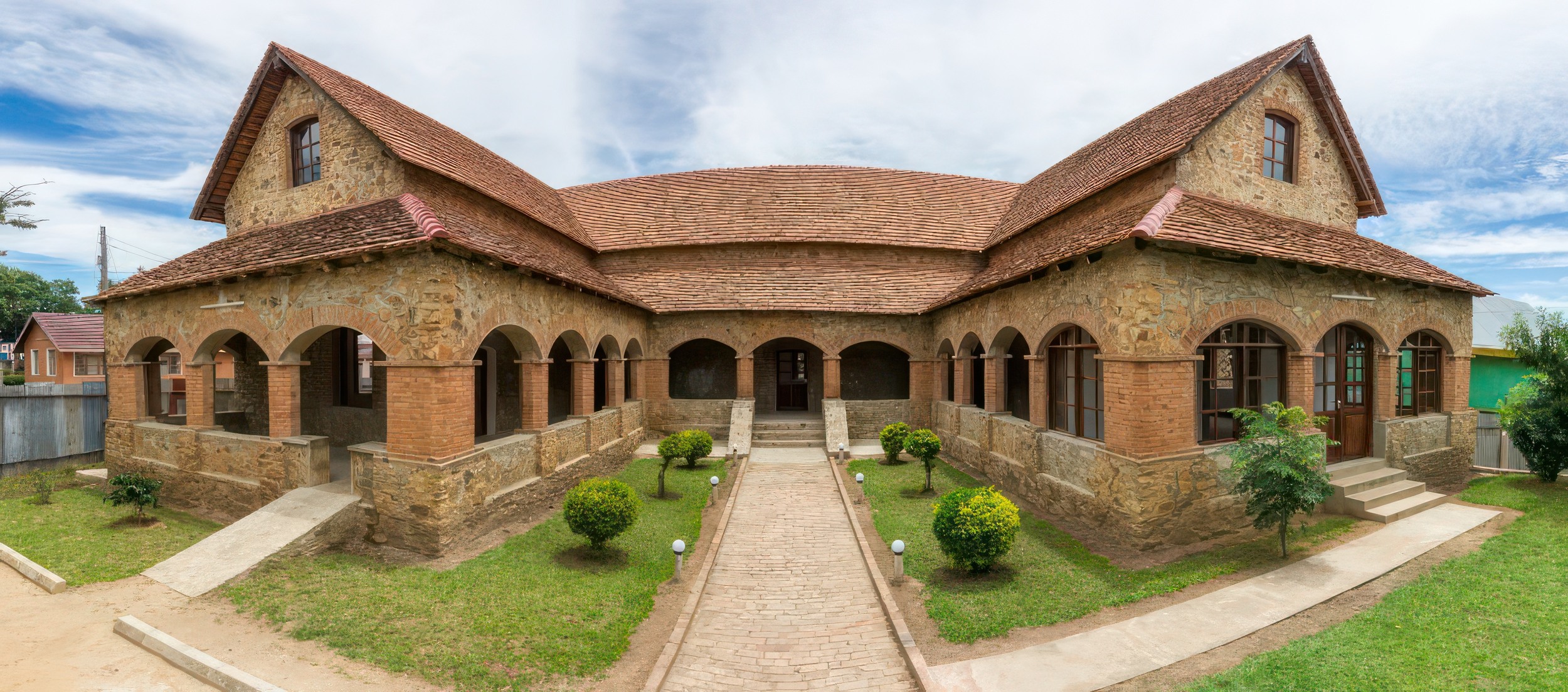
Located on the outskirts of Mto wa Mbu, the Cultural Heritage Center is a haven for art lovers and souvenir hunters. Explore the center’s vast African art collection, including sculptures, paintings, textiles, and jewelry—marvel at the intricate wood carvings, beaded jewelry, and colorful fabrics created by talented artisans.


The center also features a Maasai market where you can purchase authentic Maasai crafts and souvenirs. Take your time to wander through the center’s beautiful gardens, relax at the coffee shop, or enjoy a traditional Tanzanian meal at the on-site restaurant.
The Cultural Heritage Center is a treasure trove of artistic expression and a great place to find unique keepsakes of your visit.
Conclusion
Mto wa Mbu offers a diverse range of activities and attractions that cater to every traveler’s interests. Whether you are a nature enthusiast, a culture lover, an adventure seeker, or an art enthusiast, this vibrant town has something for everyone.
From exploring the abundant wildlife of Lake Manyara National Park to immersing yourself in the local culture through village tours and market visits, Mto wa Mbu promises a memorable and enriching experience. So, plan your trip to Mto wa Mbu in 2025/2026 and embark on a journey filled with adventure, discovery, and connection with Tanzania’s rich natural and cultural heritage.
Frequently Asked Questions (FAQs)
What are the top attractions in Mto wa Mbu?
Mto wa Mbu offers a rich tapestry of attractions highlighting its unique blend of nature and culture. Key attractions include the stunning landscapes of the nearby Serengeti National Park and Tarangire National Park.
The vibrant Mto wa Mbu village within the village provides an immersive experience of a typical Tanzanian community. The village banana plantation is also a must-see, showcasing the area’s agricultural richness.
Take advantage of the colorful stalls selling fruit and beautiful souvenirs, providing a taste of local craftsmanship and produce.
How can I experience local culture in Mto wa Mbu?
Visit the village to fully experience the local culture in Mto wa Mbu. Here, you can engage with locals and learn about their daily lives. The Youth Art Project is another excellent cultural stop where young artists showcase their talents and creativity.
Participating in a village tour allows you to see traditional homes, local markets, and community activities, comprehensively understanding a typical Tanzanian community. You can also taste local dishes and shop for beautiful souvenirs that offer an authentic flavor of the region.
What makes the Youth Art Project in Mto wa Mbu unique?
The Youth Art Project in Mto wa Mbu is unique because it empowers local youth by providing a platform to express their creativity through art. This initiative nurtures young talent and offers visitors a chance to purchase unique artworks, supporting the artists and the community.
The project is a vibrant display of the local culture and artistic expression, making it a highlight for those interested in art and social impact. Additionally, visitors can engage with the young artists, gaining insights into their creative methods and the stories behind their works. This interaction enriches the experience and fosters a deeper connection with the local community.
What can I expect from a visit to the village banana plantation?
A visit to the village banana plantation in Mto wa Mbu offers an insightful glimpse into local agriculture. You can expect to learn about the various types of bananas grown in the area and their significance to the community.
The plantation tour often includes:
– A walk through the lush fields.
– Explanations of farming techniques.
– The opportunity to taste fresh bananas.
This experience highlights the importance of agriculture in a typical Tanzanian community and its role in daily life.
This experience highlights the importance of agriculture in a typical Tanzanian community and its role in daily life.
Are there any significant parks near Mto wa Mbu?
Yes, there are several significant parks near Mto wa Mbu. The Serengeti National Park, famous for its incredible wildlife and the annual Great Migration, is within reach for those seeking a safari adventure.
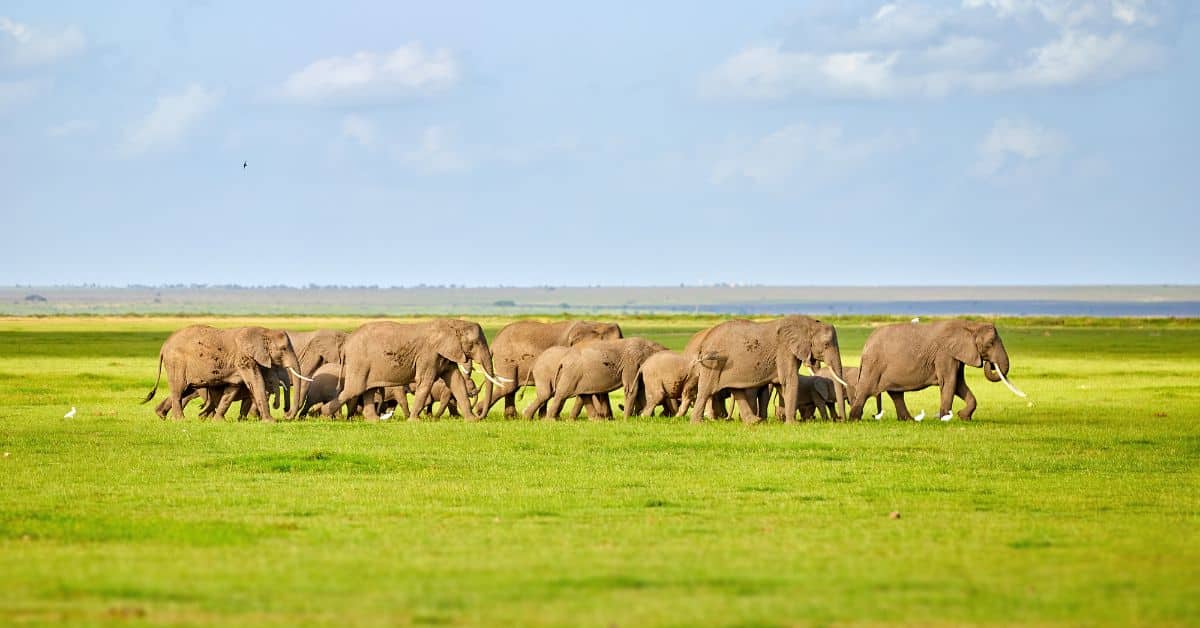
Tarangire National Park is also nearby and is renowned for its large elephant herds and picturesque baobab trees. Both parks offer exceptional wildlife viewing opportunities and are essential stops for nature enthusiasts visiting the region.
How long should I plan to spend in Mto wa Mbu?
To fully experience Mto wa Mbu, plan to spend at least half a day exploring the village and its surroundings. This allows enough time to visit the key attractions, such as the Mto wa Mbu village, the village banana plantation, and the Youth Art Project.
However, if you wish to explore the nearby national parks like Serengeti and Tarangire, consider extending your stay to several days to take full advantage of the safari opportunities. Additionally, staying longer will allow you to immerse yourself in the local culture and participate in community-based activities. This extended stay can enrich your experience and create lasting memories of visiting this unique region.
What kinds of souvenirs can I find in Mto wa Mbu?
Mto wa Mbu is known for its beautiful souvenirs, which reflect local culture and craftsmanship. You can find various items, including handmade jewelry, colorful textiles, traditional Maasai beadwork, and intricate carvings.
The stalls selling fruit also often have beautifully crafted baskets and other artisanal goods. These souvenirs make perfect mementos for your visit and support the local economy.
What is the best way to explore the Rift Valley Wall near Mto wa Mbu?
The best way to explore the Rift Valley Wall near Mto wa Mbu is through a guided hike or nature walk. These tours often provide informative commentary about the geological significance and history of the Rift Valley.
The wall offers stunning scenic views of the surrounding landscape, making it a perfect area for photography and nature appreciation. A guided tour ensures you gain a deeper understanding of this natural wonder.
How can I support the local community while visiting Mto wa Mbu?
Supporting the local community in Mto wa Mbu can be done in several meaningful ways. Participating in cultural tours and purchasing from local artisans at the Youth Art Project and market stalls are excellent ways to contribute.
Additionally, engaging in community-based tourism activities, such as visiting the village banana plantation and taking part in village tours, ensures your spending directly benefits the residents. Responsible tourism practices, such as respecting local customs and minimizing environmental impact, also play a crucial role.
What wildlife can I expect to see in Tarangire National Park?
In Tarangire National Park, you can expect to see diverse wildlife. The park is especially famous for its large elephant herds, but you can also see leopards, spot lions, cheetahs, giraffes, zebras, and various antelope species.
The park’s swamps and rivers attract numerous bird species, making it a haven for birdwatchers. The scenic landscape, dotted with baobab trees, provides a stunning backdrop for wildlife viewing.
What are the best times to visit Serengeti National Park from Mto wa Mbu?
The best times to visit Serengeti National Park from Mto wa Mbu are during the dry seasons, from late June to October and from late December to March. These periods offer optimal conditions for wildlife sightings, as animals congregate around water sources, and the plains are less dense with vegetation, making them easier to observe.
Additionally, visiting during the dry season reduces the likelihood of encountering mosquito-related issues, ensuring a more comfortable and enjoyable safari experience in one of Africa’s most renowned national parks.
Can I visit Mto wa Mbu and Tarangire National Park in one day?
Visiting Mto wa Mbu contributes to responsible tourism by supporting community-based initiatives and promoting sustainable practices. Engaging in local tours, purchasing handmade goods, and participating in cultural activities ensure your visit benefits the local economy.
Additionally, responsible tourism involves respecting the environment and local customs, minimizing your ecological footprint, and fostering positive cultural exchanges. By embracing these principles, visitors can have a meaningful and enriching experience while contributing positively to the community and environment of Mto wa Mbu.
How does visiting Mto wa Mbu contribute to responsible tourism?
Visiting Mto wa Mbu contributes to responsible tourism by supporting community-based initiatives and promoting sustainable practices. Engaging in local tours, purchasing handmade goods, and participating in cultural activities ensure your visit benefits the local economy.
Additionally, responsible tourism involves respecting the environment and local customs, minimizing your ecological footprint, and fostering positive cultural exchanges. By embracing these principles, visitors can have a meaningful and enriching experience while contributing positively to the community and environment of Mto wa Mbu.
What is the significance of the typical Tanzanian community in Mto wa Mbu?
The typical Tanzanian community in Mto wa Mbu is significant because it offers a genuine insight into the daily lives and traditions of Tanzanian people. This community showcases the region’s rich cultural heritage and diversity, allowing visitors to experience traditional practices, local cuisine, and communal activities.
By visiting, you gain a deeper appreciation for the country’s cultural fabric and contribute to preserving these traditions, ensuring they thrive for future generations to experience and cherish. Your presence and support help sustain the local economy and encourage the continuation of these invaluable cultural practices.
What can I learn from a village tour in Mto wa Mbu?
A village tour in Mto wa Mbu provides an educational and immersive experience of the local way of life. You can learn about traditional housing, farming practices, and community organizations. Additionally, you will have the opportunity to interact with the residents and hear their stories firsthand.
The tour often includes visits to key sites such as the village banana plantation and local markets. Engaging with residents and participating in daily activities offer valuable insights into a typical Tanzanian community’s social and cultural dynamics.