

Jozani Chwaka Bay National Park is a stunning natural reserve in Zanzibar, Tanzania. With its diverse ecosystems, rare wildlife, and captivating scenery, it is a must-visit destination for nature enthusiasts and adventure seekers. However, choosing the right time to explore this incredible conservation area is essential to making the most of your visit.
In this blog, we will explain the best time to visit Jozani Chwaka Bay National Park in 2023/2024, considering weather conditions, wildlife sightings, and other factors that can enhance your experience.
Understanding the Seasons in Jozani Chwaka Bay National Park
During the dry season, typically from June to October, Jozani Chwaka Bay National Park unveils a landscape adorned with lush greenery and comfortably warm temperatures. This season is ideal for those seeking clearer skies and more straightforward navigation through the park’s trails, allowing for a more immersive exploration of its diverse ecosystems.
The dry season also enhances wildlife viewing opportunities, as animals gather around water sources, presenting a picturesque scene for visitors. Alternatively, the wet season, from November to May, brings refreshing rains that breathe life into the park’s flora and create a vibrant ambiance.
While this season showcases the park’s lush splendor at its peak, visitors may need to navigate muddy trails and embrace the occasional downpour. Ultimately, the choice of season depends on personal preferences, with the dry season offering a classic African safari experience and the wet season providing a unique chance to witness the rejuvenation of nature in a tropical paradise.
Dry Season (June to October)
The dry season in Jozani Chwaka Bay National Park, spanning from June to October, offers visitors a respite from significant rainfall, creating favorable conditions for exploration. With lower precipitation, the trails become more accessible, allowing outdoor enthusiasts to enjoy activities such as hiking and wildlife observation without the hindrance of mud.
The drier climate during this season enhances visibility, providing optimal opportunities to appreciate the park’s diverse ecosystems. As a result, the dry season stands out as an ideal time for those seeking a more predictable and comfortable outdoor experience in Jozani.
Here are some key factors to consider:
Weather Conditions
Jozani Chwaka Bay National Park welcomes the dry season with warm and pleasant weather, creating an inviting environment for outdoor enthusiasts. With temperatures ranging between 25°C to 30°C (77°F to 86°F), visitors can enjoy comfortable conditions for exploration and activities within the park.
The clear skies characteristic of this season offer unobstructed views, providing stunning glimpses of the park’s diverse landscapes and vibrant wildlife habitats. In these favorable weather conditions, the dry season becomes an ideal time for nature lovers to immerse themselves in the beauty and wonders of Jozani Chwaka Bay National Park.
Wildlife Sightings
The dry season in Jozani Chwaka Bay National Park emerges as a prime opportunity for captivating wildlife sightings. As rainfall diminishes, water sources become scarce, compelling animals to gather around the remaining watering holes. This heightened concentration of wildlife enhances the likelihood of encountering diverse species, from the iconic red colobus monkeys and sykes monkeys to an array of captivating birdlife.
The clear and drier conditions prevalent during this season offer optimal visibility, making it easier for visitors to spot and observe animals from a distance. The combination of reduced foliage and increased animal activity transforms the dry season into a wildlife enthusiast’s paradise, providing a unique and memorable safari experience in Jozani Chwaka Bay National Park.
Accessibility and Trails
During the dry season in Jozani Chwaka Bay National Park, improved accessibility unfolds along its trails and boardwalks. With reduced rainfall, the paths become less muddy and considerably easier to navigate, offering visitors a seamless exploration experience.
This favorable condition allows you to venture deep into the heart of the mangrove forests, stroll along the elevated boardwalks, and uncover the park’s diverse ecosystems without the concern of slippery conditions underfoot. The drier terrain enhances the overall trekking experience, providing ample opportunities to immerse yourself in the natural beauty and biodiversity of Jozani Chwaka Bay National Park.
Popular and Crowded
It’s crucial to know that the dry season marks the peak tourist influx in Zanzibar, including Jozani Chwaka Bay National Park. The favorable weather conditions attract a larger number of visitors during this time, creating a more bustling atmosphere.
Strategic planning can be beneficial for those seeking a quieter and more secluded experience. Consider visiting the park during weekdays or opt for an earlier morning exploration to avoid the peak crowds and relish a more tranquil encounter with the natural wonders of Jozani Chwaka Bay National Park.
Wet Season (November to May)
During the wet season in Jozani Chwaka Bay National Park, which typically extends from November to May, the landscape undergoes a transformative process characterized by higher rainfall and a flourishing abundance of lush vegetation. This period breathes new life into the park, as the rains nurture the diverse ecosystems, leading to vibrant foliage and heightened greenery.
The increased rainfall results in a rise in water levels, revitalizing water sources and contributing to the overall vitality of the park’s flora and fauna. While navigating the trails may involve some challenges due to muddy conditions, the wet season offers a unique opportunity to witness the park’s rejuvenation and experience the thriving beauty of Jozani Chwaka Bay National Park in a verdant and dynamic state.
Here are some key considerations for visiting the park during the wet season:
Weather Conditions
In Zanzibar, the wet season brings a notable increase in rainfall and higher humidity levels. Despite the rain, temperatures remain warm, ranging from 25°C to 32°C (77°F to 90°F), creating a tropical and balmy atmosphere. The wet season offers relief from the heat, and the occasional downpours contribute to the island’s lush and vibrant landscape.
Visitors should be prepared for spontaneous rain showers and plan activities accordingly, embracing the opportunity to experience the island’s natural beauty in a more verdant state. While the wet season may pose some logistical considerations, it also brings forth a different charm, unveiling Zanzibar’s tropical allure in a captivating and refreshing light.
Lush Vegetation and Scenic Beauty
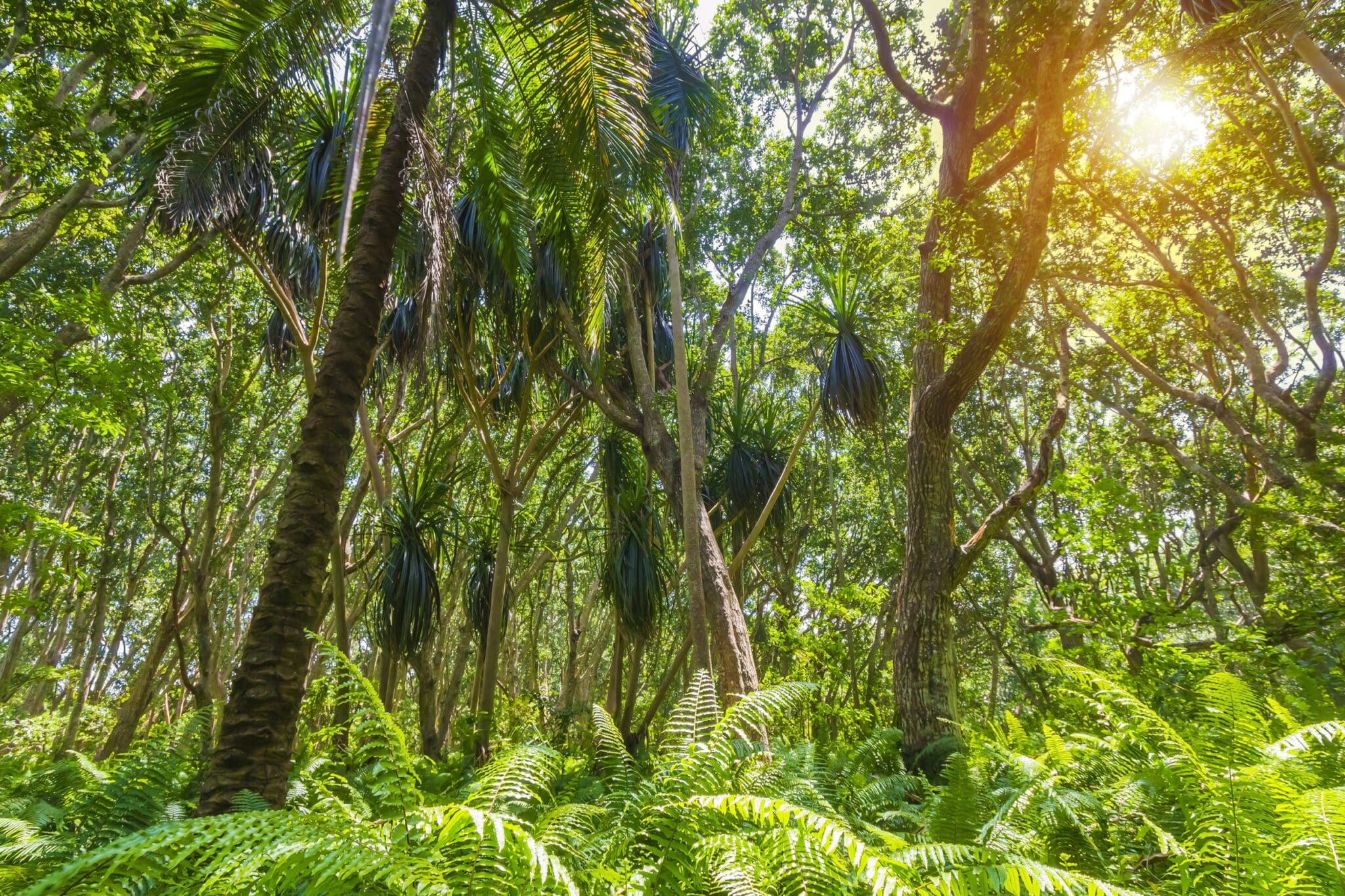
The wet season in Jozani Chwaka Bay National Park ushers in a spectacle of vibrant colors and an explosion of lush vegetation. The landscapes transform remarkably into a lush green paradise adorned with blooming flowers and rejuvenated foliage. This period provides a unique opportunity for photographers to capture the park’s enchanting beauty in full bloom, with the vibrant hues and intricate details of the flora creating captivating images.
The increased greenery enhances the overall visual appeal, offering visitors a chance to witness the park’s incredible biodiversity in full swing. The wet season, with its flourishing vegetation and vibrant colors, showcases Jozani Chwaka Bay National Park in a dynamic and visually stunning light, adding a layer of enchantment to the natural wonders that abound within its borders.
Wildlife and Birdlife
While some animals may seek shelter during the wet season in Jozani Chwaka Bay National Park during heavy rains, there are still exciting opportunities for wildlife sightings. The lush vegetation, nourished by the rains, offers abundant food sources, attracting a variety of species that become more active. The heightened greenery provides an ideal backdrop for observing and photographing the park’s diverse inhabitants, adding an extra layer of fascination to wildlife encounters.
Birdwatchers, in particular, find the wet season to be a paradise as the avian residents become more vibrant and active, showcasing a kaleidoscope of colors and melodic calls. The wet season, despite occasional showers, becomes a dynamic period for wildlife enthusiasts, promising captivating moments and a deeper connection with the flourishing ecosystems of Jozani Chwaka Bay National Park.
Fewer Crowds and Lower Prices
In contrast to the dry season, the wet season witnesses fewer visitors to Jozani Chwaka Bay National Park. This presents an ideal opportunity for those seeking a more peaceful and intimate experience with nature, as the park exudes a quieter ambiance. Moreover, during the wet season, accommodation rates and tour prices often tend to be lower, providing potential cost savings for your trip.
The decreased influx of tourists allows for a more personalized exploration of the park’s wonders, creating a serene atmosphere for those who appreciate a quieter and more contemplative connection with the natural environment. Choosing to visit during the wet season not only offers a unique perspective on the park’s vitality but also provides a budget-friendly option for those looking to experience Jozani Chwaka Bay National Park in a more tranquil setting.
Choosing the Best Time for Your Visit
Considering the factors mentioned above, the best time to visit Jozani Chwaka Bay National Park depends on your preferences and priorities. Here are some guidelines to help you choose the ideal time for your visit:
– For Wildlife Sightings: The prime period for wildlife sightings in Jozani Chwaka Bay National Park is the dry season from June to October. This season, characterized by animals gathering around water sources, particularly offers excellent chances to spot the iconic red colobus monkeys.
With clear skies, comfortable temperatures, and less muddy trails, the dry season facilitates optimal conditions for outdoor exploration and photography. However, it coincides with the peak tourist season in Zanzibar. To avoid crowds, consider strategic timing, such as weekdays or early mornings, for a more secluded experience with the park’s wonders.
– For Lush Scenery: For those seeking lush scenery and vibrant landscapes in Jozani Chwaka Bay National Park, the wet season from November to May is the ideal timeframe to plan a visit. During this period, the park reaches its peak of greenery, creating stunning visuals and exceptional photo opportunities. The increased rainfall revitalizes the surroundings, leading to flourishing foliage and dynamic bursts of colors.
Photography enthusiasts will find the wet season a delightful time, capturing vibrant landscapes and the renewed energy of the park. While muddy trails may be a consideration, the wet season presents a unique opportunity to witness the transformation of Jozani Chwaka Bay National Park into a verdant paradise, appealing to those who appreciate the beauty of lush scenery and dynamic ecosystems.
– For a Quieter Experience: For a quieter and more serene experience in Jozani Chwaka Bay National Park, the wet season from November to May is an excellent choice, as it is generally less crowded than the dry season. To enhance the tranquility of your visit, consider exploring on weekdays or during the early morning when there are fewer tourists. The lush landscapes of the wet season create a peaceful retreat into nature, allowing for a more intimate connection with the surroundings.
Weekday visits afford the luxury of fewer crowds, providing an opportunity to explore the park’s diverse ecosystems without the usual hustle and bustle. The early morning hours add to the tranquility, offering a contemplative and undisturbed experience. By choosing the wet season and strategic timing, you can immerse yourself in the natural beauty of Jozani Chwaka Bay National Park with a sense of peace and solitude.
– For Outdoor Activities: For outdoor enthassists, the wet and dry seasons in Jozani Chwaka Bay National Park present opportunities for exploration. However, the dry season from June to October stands out for providing optimal trail conditions, making it ideal for hiking, walking, and extensive outdoor activities.
During this period, the paths become less muddy, ensuring stable and enjoyable experiences for those engaging in outdoor adventures. Suppose your plan involves extensive exploration and active engagement with the park’s landscapes. In that case, the dry season offers favorable trail conditions, facilitating a deeper immersion into the heart of Jozani Chwaka Bay National Park.
– For Budget Considerations: When planning a vacation, budget considerations are key. One opportunity for significant cost savings is during the wet season, which frequently provides reduced accommodation rates and tour prices.
By taking advantage of these lower rates, you can have a great experience without breaking the bank. Therefore, it’s worth strategically planning your visit to coincide with this off-peak period to make your trip more affordable.
It’s important to note that weather patterns can vary from year to year. It’s recommended to check the weather forecasts closer to your travel dates for the most accurate information.
Final Thoughts
Jozani Chwaka Bay National Park is a captivating destination in Zanzibar that offers a range of experiences throughout the year. Whether you visit during the dry season for wildlife sightings or the wet season for lush landscapes, the park’s natural beauty and unique wildlife will leave a lasting impression.
Consider your preferences, priorities, and the factors mentioned in this guide to determine the best time for your visit to Jozani Chwaka Bay National Park in 2023/2024. Plan your trip accordingly and get ready to embark on an unforgettable adventure in this remarkable conservation area.
Frequently Asked Questions (FAQs) – Karatu
1. What is Jozani Chwaka Bay National Park?
Jozani Chwaka Bay National Park is the only national park located in the Zanzibar Archipelago in Tanzania. Known for its rich biodiversity, spanning an area of approximately 50 square kilometers, it harbors unique wildlife, including the endemic Red colobus monkeys and the Zanzibar leopard.
It is also home to various ecosystems, including coral rag forests, salt marshes, and mangroves. It offers visitors an opportunity to explore Tanzania’s unique eco-tourism.
2. What is the best time to visit Jozani Chwaka Bay National Park?
The best time to visit Jozani Chwaka Bay National Park is during the dry season, from June to October and December to February. These periods are ideal as they provide comfortable weather conditions for exploring the park.
During the wet seasons, the park is often muddy, making the trails slippery and more challenging to navigate. However, if you’re on a budget, you may prefer to visit during the wet seasons as they often provide lower accommodation rates.
3. What wildlife can be seen at Jozani Chwaka Bay National Park?
Jozani Chwaka Bay National Park is known for its unique biodiversity. The park is home to the endemic Red colobus monkeys, which are not found anywhere else in the world.
Other animals include the elusive Zanzibar leopard, various bird species, and many butterflies. Visitors enjoy trekking and witnessing these rare species in their natural habitat.
4. What attractions are available at Jozani Chwaka Bay National Park?
The main attractions at Jozani Chwaka Bay National Park include the wildlife, especially the Red colobus monkeys. The park also features a network of nature trails that wind through the varied ecosystems, including the mangrove forest.
The Forest Nature Trail and the Mangrove Boardwalk offer guided tours to visitors. The visitor’s center also provides valuable information about the park’s flora, fauna, and conservation efforts.
5. Can we stay overnight within Jozani Chwaka Bay National Park?
Unfortunately, there are no accommodation facilities within the Jozani Chwaka Bay National Park. However, several options are available, varying from budget lodges to luxurious resorts.
Staying nearby allows visitors to arrive at the park early in the morning for the best wildlife viewing opportunities. It also provides easy access to the park, ensuring you don’t miss out on any activities.
6. Are guided tours available at Jozani Chwaka Bay National Park?
Guided tours are available at Jozani Chwaka Bay National Park and are highly recommended. These tours are led by knowledgeable guides who can provide detailed information about the local flora and fauna.
Tailored tours also offer a greater chance of spotting the diverse wildlife, especially the elusive Red colobus monkeys. Additionally, guides can help ensure visitors follow park regulations to preserve the pristine environment.
7. What measures are taken at Jozani Chwaka Bay National Park to conserve the environment?
Jozani Chwaka Bay is a national park with several conservation measures in place. These include strict regulations about waste disposal and disturbing wildlife.
These measures help ensure the park’s sustainability and preserve its unique biodiversity. Additionally, entrance fees and guided tour costs contribute directly to the park’s conservation efforts, aiding in protecting this remarkable habitat for future generations.