

Are you planning to climb Mount Kilimanjaro? Then, there are essential things to know before climbing Africa’s highest peak.
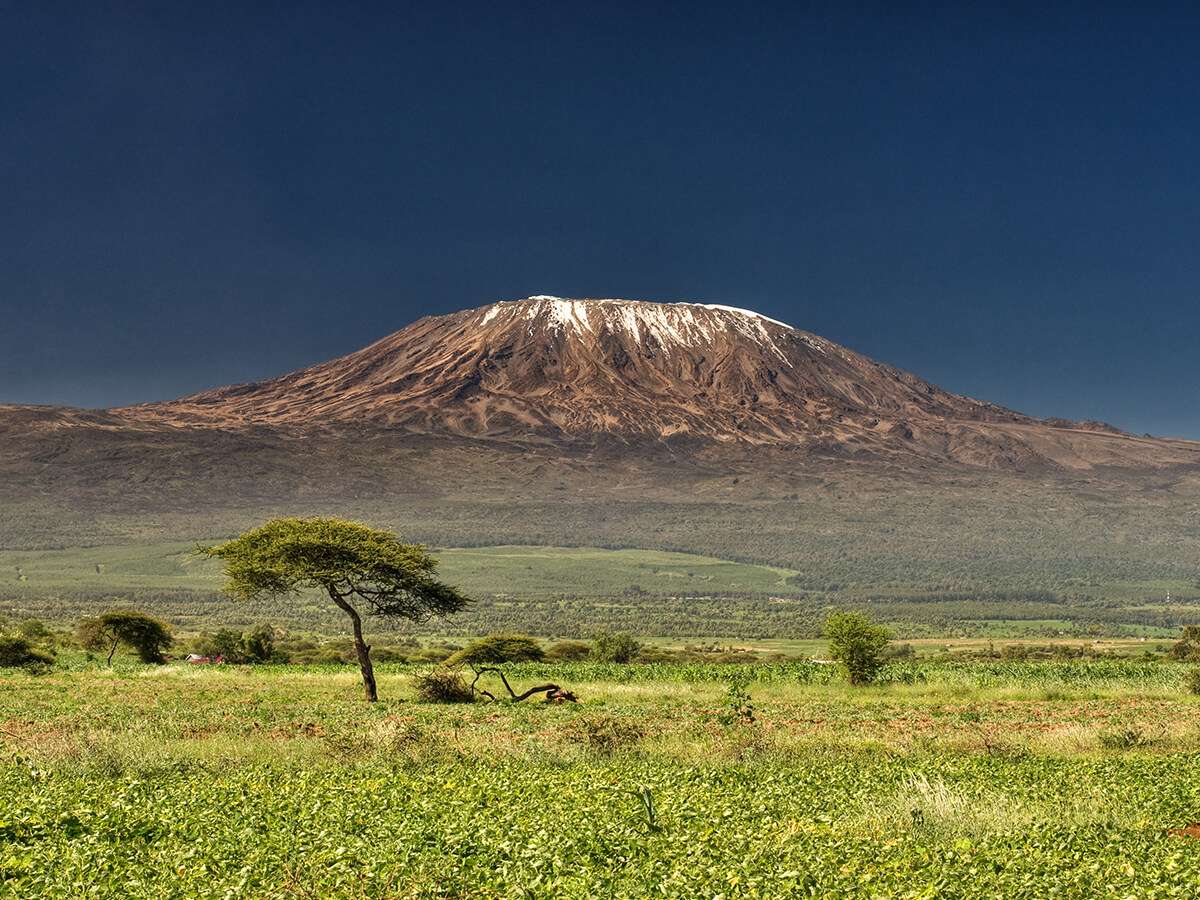
Situated in Tanzania, Mount Kilimanjaro boasts three volcanic cones: Kibo, Mawenzi, and Shira. It is the tallest freestanding mountain globally, at 5,895 meters above sea level.
So, what are the essential things to know before climbing Kilimanjaro? Here are the answers:
It’s best to climb during the dry season

Although Mount Kilimanjaro is climbable all year round, it’s still best to ascend the Mountain during the dry season. This way, you’ll have the best view of Kilimanjaro and have a much smoother trek upwards.
Ideally, climb between January and February or between June and October. During these months, you’ll experience good weather conditions and a much more comfortable hike to the summit.
Avoid the months of March (end of month) through May as much as possible, as November is the wettest month in Kilimanjaro.
But, if you’re a seasoned climber, you can take risks in climbing the muddy trails of Kilimanjaro. However, make sure to be extra careful when gambling with the weather.
Things to know about booking with a local KPAPS certified tour operator: It is your best option

When you book your Kilimanjaro tour, booking with a local tour operator is best. This way, you’ll support the local guides and the country’s economy, as well as protect the ecology of the place.
When you go through a KPAP-certified tour operator, you ensure that all porters are treated fairly and respectfully. Kilimanjaro porters are vital for a successful climb, and they will be your physical support to the summit, so it only makes sense to support them in any way you can.
Many operators offer an all-inclusive tour having the following inclusions:
– tents
– foods
– transportation
– porter services
– guides
Moreover, if you want to experience a safari, you can go through Serengeti and Ngorongoro Crater with peace of mind. Easy Travel is KPAP-certified and has been operating within the community of Tanzania and its landscapes for over 35 years.
Choose the route you’re most comfortable with

You must also know the best route to trek for your level of expertise and fitness. Find the trail you’re comfortable with and want to climb the most.
On Kilimanjaro, there are seven established routes for the climb—the Marangu Route, Machame Route, Lemosho Route, Shira, Rongai, Northern Circuit, and Umbwe.
If you’re a novice climber, opt for the Marangu Route, the quickest, cheapest, and most comfortable route. This route takes five to six days.
Meanwhile, the Machame Route charges up the southern side of the peak, and the climb can take six to seven days. This route is tough-going, so it’s much better for those with climbing experience or anyone up for some challenges along the way.
Furthermore, the Lemosho Route offers scenic views up to the west ridge, and the climb can last six to nine days. However, if you’re not confident in your altitude performance, it’s best to book longer tours.
This provides better acclimatization and a higher success rate than the shorter ones.
It’s not a technical climb, It’s a hike

One misconception about climbing Kilimanjaro is that it’s a technical climb but a hike.
Thus, climbing Kilimanjaro doesn’t require any technical skills. It’s known as a ‘walk up’ Mountain because you only need to walk up to reach the peak.
You won’t need harnesses, ice axes, or ropes since falling off a cliff is not dangerous. In addition, there are no rocks on the trails that require climbing skills.
However, one must be physically fit to trek the highest freestanding mountain in the world.
The country is warm, but the mountain is cold
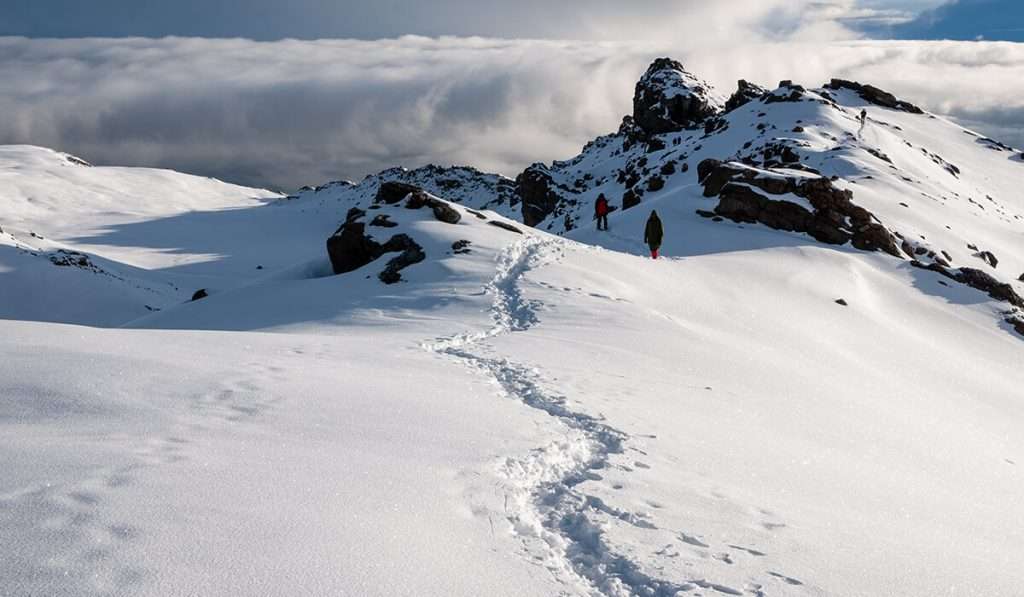
Despite Africa’s proximity to the equator, it’s essential to note that Kilimanjaro’s climate could be cooler. Temperatures decrease significantly with elevation gain, necessitating cold-weather clothing layers to maintain warmth.
During the day, the climb could be warm due to the sun’s brightness, so a layer of clothes might be comfortable. However, as you climb higher, the temperature gets low, requiring you to wear layers of clothes and a knitted hat.
Temperatures at night can fall below freezing point, so it’s best to bring the right gear and clothing for your Kilimanjaro climb.
You’ll have a support team
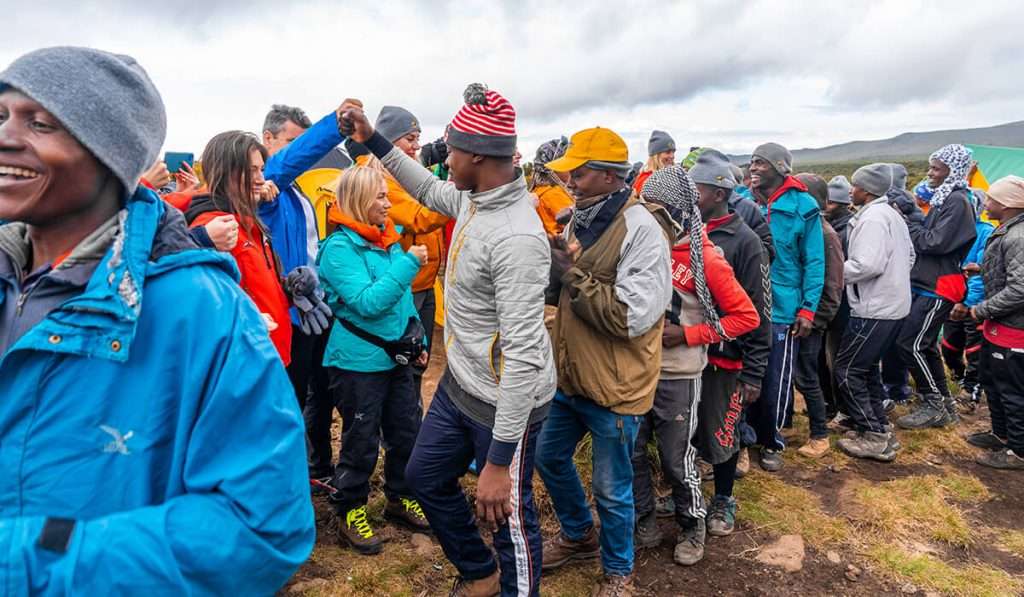
Climbing the Mountain will be smooth as you’ll have a support team. You’ll have a guide, cook, and a porter to accompany you on the trek and do all the heavy work, such as:
– setting up the tent
– taking down the tent
– cook food
– fetch water
– clean the campsite
Thus, you won’t have to use your energy on these labors; you can focus more on acclimatizing to the altitude and relishing the hike.
Acute Mountain Sickness (AMS) is serious

The higher the elevation, the thinner the air. This is why most climbers experience acute mountain sickness (AMS), and it’s the main reason why most people fail to reach the peak of Mount Kilimanjaro.
AMS occurs when the human body adjusts to the lower oxygen levels at high elevations. This process, known as acclimatization, creates biological responses to resist oxygen deficiency.
Symptoms of AMS typically start with
light headache
Nausea
Fatigue
However, these symptoms will disappear as soon as your body acclimatizes to the current elevation. As long as you notice your body recovering in this manner, it’s a good sign that your body is adapting well to the scarcity of oxygen. Thus, there’s no need for concern.
However, if you tour with a reliable and award-winning tour operator like Easy Travel, you will be safe, as they’ve prepared everything beforehand. Your health will be observed to ensure your well-being isn’t declining and that you are fit enough to continue climbing the peak of Kilimanjaro.
No worries! There’s a toilet where you can handle your business
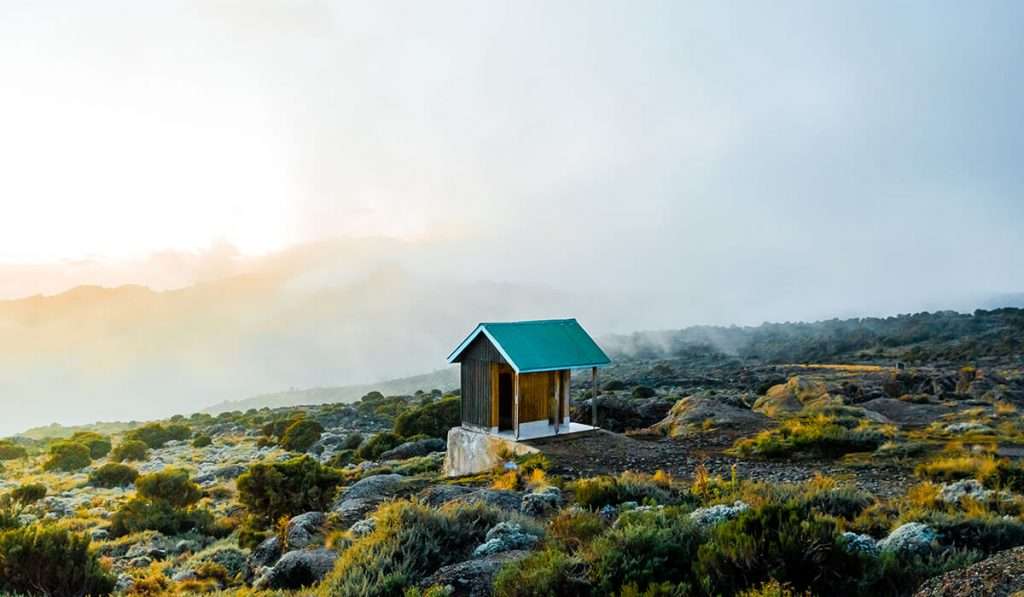
One of the many worries of climbers is going to the toilet during their stay on the mountain. There are so-called ‘long drop’ toilets on the hill to give you ease of mind over this concern.
These’ long drop’ toilets are dug into the ground with a wooden covering. You’ll be squatting over the opening, which could be disgusting or filthy. Thus, it’s best to spend extra on a private toilet tent to ensure privacy and cleanliness.
No Wi-Fi and electricity on mount Kilimanjaro

Another thing you need to know before climbing Kilimanjaro is that there’s no WIFI or electricity on the mountain. So, if you’re not up for these things, it’s best not to push through with the climb.
However, if you’re up for the adventure, you’ll never regret it, as it can be a life-changing experience. You may use this time to take a break from your noisy and hectic schedule and reflect.
The final ascent is tough but worth it

The final ascent is relatively challenging for everyone compared to the usual routine. This is because you’ll have to ascend in the middle of the night, which means you’ll be sleep-deprived while trekking the dark, rocky, and cold path.
In addition, as it’s the middle of the night, you can’t see where you’re headed. All you can see is the illumination of headlamps that light up a few steps in front.
You may also see the headlamps of people who have gone ahead far above, which could make you feel disheartened by how far you still need to go. However, once you’ve reached the top, all your struggles will be compensated with the beautiful view from the top and the pride of successfully climbing Africa’s highest peak.
Conclusion
So there you have it: 10 must-knows before you climb the highest mountain in Africa and the tallest freestanding mountain on the planet. There is so much beauty to be seen along the journey, and it is definitely a life-changing climb.
If you plan to ascend the great Kilimanjaro, we recommend you check out our other blogs on the subject. If you need advice or help planning your dream climb, Easy Travel is here to help you plan every step of the way.
Frequently Asked Questions – Mount Kilimanjaro (FAQs)
1. What are the seven established climbing routes up Mount Kilimanjaro?
Mount Kilimanjaro presents climbers with seven established routes, each boasting unique duration, difficulty, and landscape characteristics. From the iconic Marangu route to the scenic Machame and Lemosho routes, climbers have options suited to their preferences and physical abilities. Whether seeking a challenging ascent or a more leisurely trek, Mount Kilimanjaro’s diverse routes cater to various fitness levels and adventurous spirits.
2. What is altitude sickness, and how can you avoid it while climbing Mount Kilimanjaro?
Altitude, or acute mountain sickness (AMS), arises when the body struggles to adapt to higher elevations. Adopting a gradual ascent strategy is crucial to mitigate the risk of altitude sickness during a Mount Kilimanjaro ascent, providing ample time for acclimatization at different altitudes.
Staying hydrated by drinking water and considering medications like acetazolamide can further help prevent altitude-related complications. By prioritizing these precautionary measures, climbers can enhance their chances of a safe and enjoyable journey to the summit of Mount Kilimanjaro.
3. What should I expect on a Mount Kilimanjaro climb during summit night?
Summit night on Mount Kilimanjaro is a challenging but awe-inspiring endeavor for climbers. It commences with a midnight ascent towards Uhuru Peak, the mountain’s highest point, amidst the darkness of the night.
Guided solely by the illumination of headlamps, climbers traverse steep and icy terrain, propelled by their unwavering determination to witness the sunrise from the summit, an unforgettable moment symbolizing the culmination of their Kilimanjaro expedition.
4. Which is the best Kilimanjaro route for beginners?
The Marangu route, affectionately known as the “Coca-Cola route,” is renowned among novice climbers for its accessibility and simplicity. Unlike other routes, it boasts comfortable mountain huts for accommodation rather than requiring tents, making it a more straightforward trek. With well-established paths and amenities along the way, the Marangu route provides a less strenuous ascent, ideal for those new to mountaineering.
5. What mental preparation is necessary for climbing Mount Kilimanjaro?
Given the array of challenges the journey presents, mentally preparing for climbing Mount Kilimanjaro is as crucial as physical training. Cultivating a positive mindset, establishing achievable goals, and channeling determination toward reaching Uhuru Peak are integral facets of mental readiness. By maintaining a resilient outlook and focusing on the ultimate objective, climbers can navigate the mental hurdles encountered along the route to Kilimanjaro’s summit.
6. What camping equipment do I need for a Mount Kilimanjaro climb?
Essential camping gear ensures comfort and safety throughout the journey when preparing for a Mount Kilimanjaro climb. This includes sturdy tents, insulated sleeping bags, and sleeping pads to withstand cold temperatures at higher elevations.
Climbers should also equip themselves with appropriate clothing for fluctuating weather conditions, alongside essential items like headlamps, trekking poles, and backpacks for day hikes, ensuring preparedness for the diverse challenges of the ascent.
7. What mountaineering equipment is necessary for climbing Mount Kilimanjaro?
For conquering Mount Kilimanjaro, essential mountaineering gear ensures comfort and safety amidst the challenging terrain. This includes insulated clothing layers, a down jacket, and waterproof outerwear to combat varying weather conditions.
Sturdy hiking boots provide stability, while crampons offer traction on icy surfaces. Additionally, climbers should pack accessories like gloves, hats, sunglasses, and sunscreen to shield against the sun’s harsh rays, ensuring a well-equipped and protected ascent.
8. What is the best time of year to climb Mount Kilimanjaro?
Opting to climb Mount Kilimanjaro during the dry seasons, spanning from January to March and June to October, ensures favorable weather conditions and minimal precipitation. These periods provide ideal climbing conditions, with clearer skies and reduced chances of encountering adverse weather. By selecting these optimal windows, climbers maximize their chances of summit success while enjoying a more comfortable and enjoyable ascent.
9. How do I get to Kilimanjaro Airport for my climb?
Situated near Moshi in Tanzania, Kilimanjaro Airport is the primary entry point for climbers embarking on Mount Kilimanjaro expeditions. It offers international flight connections from major cities worldwide, facilitating convenient access to the region for travelers from diverse locations. This accessibility streamlines the journey to Mount Kilimanjaro, allowing climbers to commence their adventure promptly upon arrival at Kilimanjaro Airport.
10. Are there any accommodations near Mount Kilimanjaro before starting the climb?
In Moshi, near Mount Kilimanjaro, various lodging options cater to climbers, ranging from economical hostels to luxurious lodges. These accommodations are excellent bases for climbers to relax and acclimate before embarking on their mountain ascent. Whether seeking budget-friendly accommodations or indulgent retreats, visitors to Moshi have ample choices to suit their preferences and budgetary considerations.
11. Can I combine a Mount Kilimanjaro climb with a safari in Tanzania?
Combining a Mount Kilimanjaro climb with a safari adventure in Tanzania’s iconic national parks, including Ngorongoro Crater and Serengeti, offers travelers a multifaceted exploration of the country’s natural marvels. This integrated itinerary provides a holistic experience, showcasing Tanzania’s diverse landscapes and abundant wildlife in one seamless journey. Travelers maximize their time in Tanzania by immersing themselves in the rich tapestry of its natural wonders while creating lasting memories by embarking on both adventures concurrently.
12. How long does it take to climb Mount Kilimanjaro?
The duration of a Mount Kilimanjaro climb is contingent upon the selected route and itinerary, with most expeditions spanning between five to nine days. This timeframe accommodates the necessary acclimatization period and gradual ascent towards Uhuru Peak, the mountain’s summit. By allowing ample time for adjustment to the altitude and physical exertion, climbers increase their chances of reaching the pinnacle of Mount Kilimanjaro successfully.
13. What is Uhuru Peak, and how do I reach it during a Mount Kilimanjaro climb?
At an impressive elevation of 5,895 meters (19,341 feet) above sea level, Uhuru Peak proudly reigns as Mount Kilimanjaro’s tallest summit. Adventurers ascend to this lofty pinnacle via a selection of established routes, each promising a distinct journey to the summit adorned with breathtaking vistas of the surrounding landscapes. These diverse pathways provide climbers unparalleled views and contribute to the allure and mystique of conquering Mount Kilimanjaro’s majestic peak.
14. Is hiring a guide for a Mount Kilimanjaro climb necessary?
While not obligatory, hiring a guide for a Mount Kilimanjaro climb is strongly advised, primarily for safety and logistical considerations. These seasoned guides offer invaluable expertise, ensuring climbers navigate the mountain safely and effectively. With their guidance, climbers enhance their chances of reaching the summit while enjoying a memorable and fulfilling expedition up Mount Kilimanjaro.
15. What wildlife can be seen around Mount Kilimanjaro?
While Mount Kilimanjaro may not be renowned for its wildlife, the adjacent areas, such as Kilimanjaro National Park and nearby game reserves, boast a wealth of diverse species. Visitors can marvel at sightings of elephants, buffaloes, leopards, and an array of antelope species while exploring these rich ecosystems. These encounters add a captivating dimension to the overall safari experience, complementing the awe-inspiring vistas of Mount Kilimanjaro with the wonders of East Africa’s wildlife.