

If you plan to climb Mount Kilimanjaro, know it will be challenging. You may undergo sickness, fatigue, and more.
So, are you fit enough to climb Mount Kilimanjaro? If not, how can you train? Climbing Kilimanjaro requires no technicalities, as it’s essentially a hike. However, some routes are too complex to trek, mainly due to the addition of acclimatization. Thus, you must have extensive hill-walking experience or regular aerobic exercises.
If you need to be more fit, training programs are specifically crafted for the trek up Kilimanjaro. The training could last for at least three to four months.
During your training, you’ll be hiking progressively and gaining elevation at least 10% weekly. This will ensure good trekking conditioning and guarantee your safety and success.
How easy is it to climb mount Kilimanjaro
Kilimanjaro climb isn’t the easiest mountain to climb, but it’s not the hardest either. If you pick the most suitable route and undergo months of training, you can ensure your success on your Kilimanjaro climb.
The trails of this mountain aren’t steep, so anyone who’s physically fit can climb the highest free-standing mountain in the world. However, dealing with the altitude can make the trek hard.
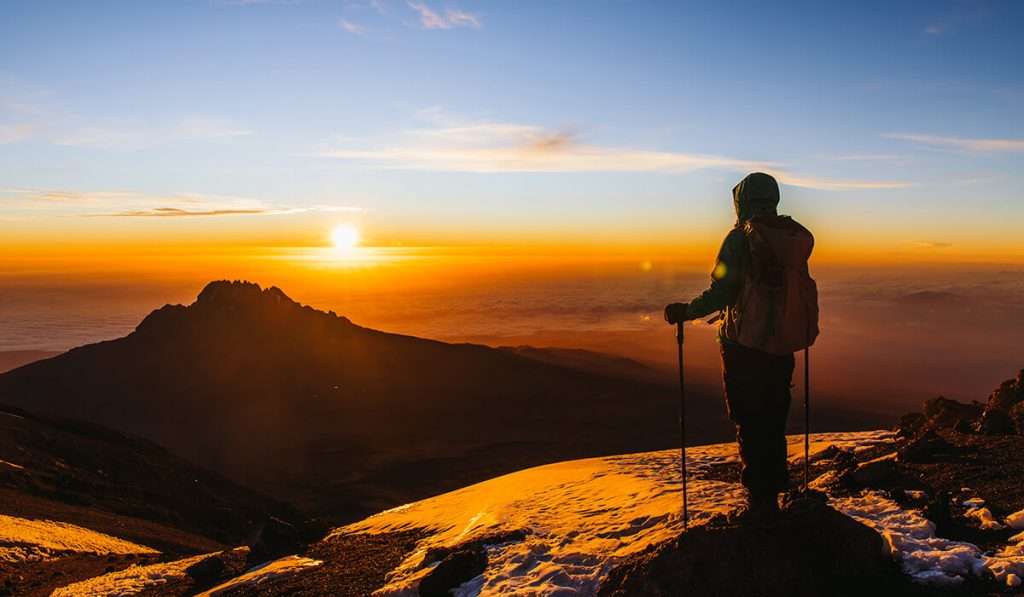
The 4,084-foot ascent requires 49% less oxygen and a descent of approximately 6,870 feet. Summit night is particularly tough as it’s the windiest and coldest part of your Kilimanjaro adventure.
In addition, you’ll start trekking to the summit at around midnight, so you can’t see anything except the reflections of headlamps in front of you.
However, you’ll take frequent, short breaks to prevent straining yourself. This will allow you to reach Uhuru Peak safely and securely.
The climb Mount Kilimanjaro success rate

Kilimanjaro has an overall success rate of 65% to 70%. However, this significantly depends on the route you choose for your trek.
As you might already know, there are seven routes up Kilimanjaro, which are:
– Umbre Route
Each of these routes has pros and cons, and it is best to evaluate which trail suits your adventure appetite and capabilities. To help you decide, we have put together the route information.
Climb Mount Kilimanjaro: Marangu route success rate

The Marangu route has an 80% success rate. It is the oldest and most well-established trail.
Furthermore, this is the only route with dormitory-style accommodations instead of camping.
1. Pros
– It only takes five to six days to summit.
– Cheapest compared to all other routes.
– Best choice for rainy treks
– Diverse terrains
– Easy to trek / least complicated out of all trails
2. Cons
– Crowded
– Low acclimatization
– Low success rate
– The same ascent and descent trail
Climb Mount Kilimanjaro: Rongai route success rate

The Rongai Route success rate is 60% for the 6-day trek and 80% for a 7-day climb. This trail is remote, so it’s the least visited.
However, it offers unique and stunning vistas. The longer your trek option is, the higher your success rate will be.
1. Pros
– The only trail approaching Kilimanjaro from the North
– Superb panoramic views with calm tracks
– One of the most accessible routes on Kilimanjaro
– High success rate
– Less traffic
– Diverse trek via Marangu route descent
– Receives less rainfall during the low season
2. Cons
– Long drive from the starting point
– could be difficult
– Not best for acclimatization
Climb Mount Kilimanjaro: Shira route success rate

The success rate via the Shira route is 85%. This route is more challenging than other trails but offers more spectacular views.
Though the trek of this route is a bit rough, you’ll be well-compensated with beautiful scenery as you hike. However, this path is best for those quickly adjusting to the high-altitude starting point.
1. Pros
– Less traffic
– Great views
2. Cons
– Start at a high altitude
Climb Mount Kilimanjaro: Lemosho routes success
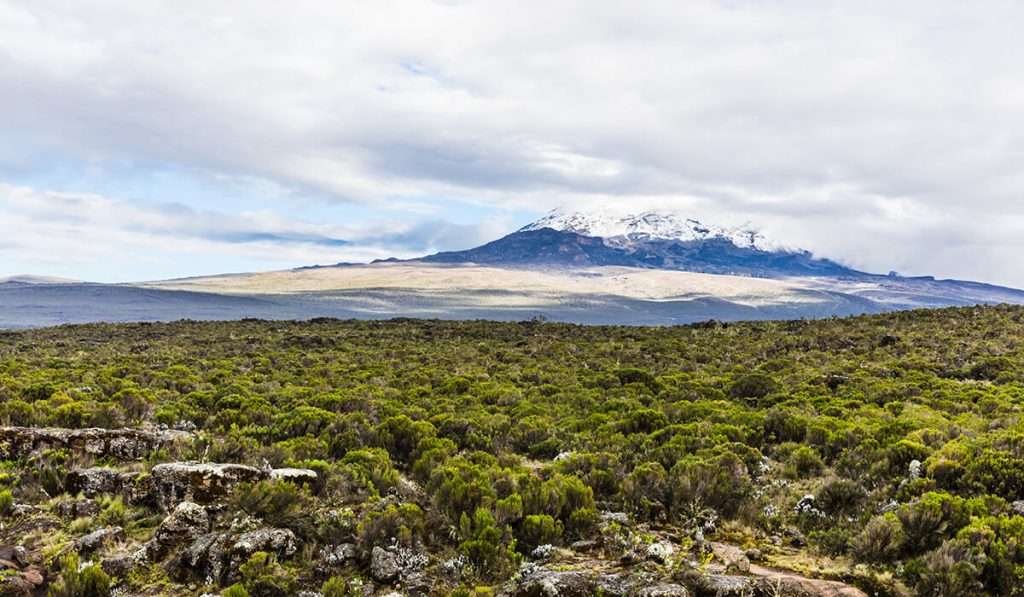
The success rate of the Lemosho route varies, depending on the number of days to summit. The average success rate for an 8-day trek is 90%, while the 7-day hike is 85%.
This route offers the most striking views of Kilimanjaro on various sides.
1. Pros
– Deemed as the most beautiful out of all routes
– High success rate
– Varied day options (7 to 8 days to summit)
– Less traffic
– There is a higher chance of experiencing wildlife
2. Cons
– Expensive
– Longer trek days
Climb Mount Kilimanjaro: North circuit route success rate
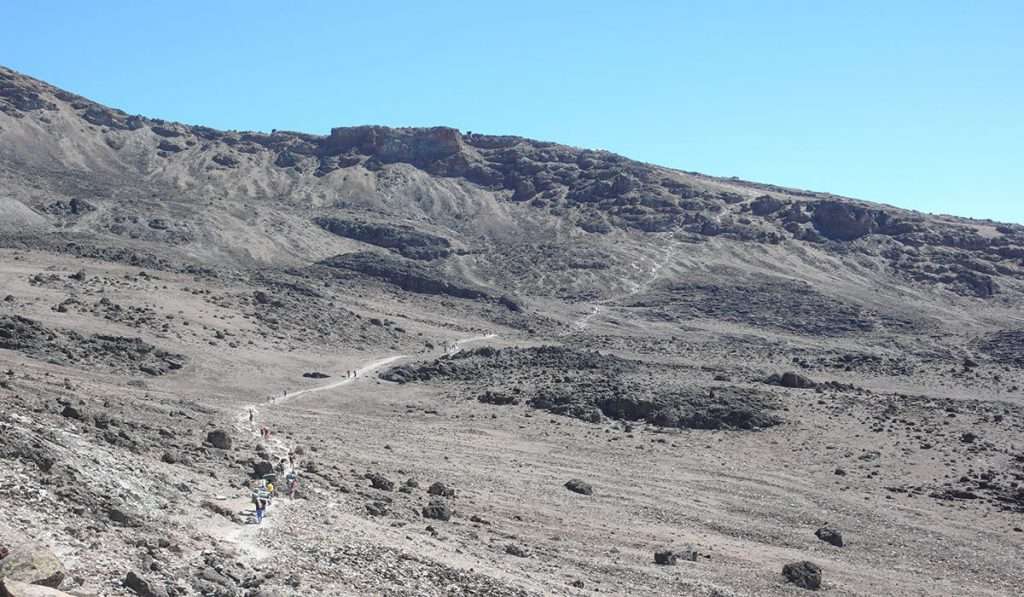
This route is the longest trail in Kilimanjaro, with a 95% success rate. This course has the highest success rate of all the routes.
It’s usually a nine-day trip and offers 360-degree views of the stunning and rarely visited northern slope. This route gives the most acclimatization opportunities and is thus highly recommended.
1. Pros
– 360-degree panoramic view
– The best route for acclimatization
– Superb climatic conditions
2. Cons
– Longest route
– You may experience trekking fatigue
– Expensive
Climb Mount Kilimanjaro: Machame route success rate

On average, the Machame route has a 73% success rate for a 6-day trek and 85% for a 7-day hike. This trail is relatively complex, but it’s all worth it due to the scenic landscapes you can see.
This route gives more time to acclimate and allows the body to get used to the lack of oxygen at progressing elevations.
1. Pros
– Exceptional views
– Reasonable challenges for thrill-seekers
– Good acclimatization opportunities
2. Cons
– High traffic
– Little to no wildlife experience
– Relatively hard trek
Climb Mount Kilimanjaro: Umbwe route success rate

The average success rate for the Umbwe route is 70% for all Kilimanjaro tour operators. It’s the hardest of all trails and ideally best for those most experienced trekkers.
1. Pros
– The shortest trail up Mount Kilimanjaro
2. Cons
– The steepest and most difficult compared to all routes
– Less time for acclimatization
– Low success rate
– Expensive
How should I train for my Kilimanjaro climb?

You can train for your Kilimanjaro climb by training regularly, at least for two to three months before your trek schedule. Ensure to make an exercise routine that includes aerobic exercises, progressive hiking, and strength training.
You may also search for Kilimanjaro’s training climb programs to ensure summit success.
How long should I train for my mount Kilimanjaro climb? What training do I need?

To adequately prepare for climbing Kilimanjaro Peak, aim to train consistently for three to four months before your climb. Incorporate various exercises into your training regimen, such as aerobic workouts to build endurance, strength training to improve muscle strength, and progressive elevation hikes to acclimatize to higher altitudes. Additionally, consider including activities that target core strength and flexibility to enhance overall fitness and resilience during your climb.
Conclusion
Limitless options are available, and Easy Travel can help you craft your dream trek up Africa’s tallest mountain. Contact us today to begin planning your life-changing adventure up Mount Kilimanjaro!
Frequently Asked Questions (FAQs)
1. How fit do I need to be to climb Kilimanjaro?
To climb Kilimanjaro, you don’t need to be an elite athlete, but you do need to be in good physical shape. With the proper preparation and training, most people can successfully summit it.
Focusing on cardiovascular fitness, endurance, and leg strength is essential to coping with the long, steep ascents and high altitudes. Incorporating activities like hiking, running, cycling, and strength training into your fitness routine can help prepare your body for the challenges of the climb.
Additionally, mental preparedness is crucial for staying motivated and overcoming obstacles during the trek.
2. What is altitude sickness, and how can it be?
Altitude sickness can happen when ascending to high altitudes too quickly, causing symptoms like headache, nausea, and fatigue. To prevent altitude sickness on Kilimanjaro, ascending gradually is essential, allowing your body time to acclimate to the decreasing oxygen levels.
Maintaining a steady pace, staying hydrated, and listening to your body are crucial. Some climbers may also benefit from medications like acetazolamide to help prevent symptoms. It’s essential to familiarize yourself with the signs of altitude sickness and communicate openly with your guide or tour operator if you experience any symptoms.
3. What is involved in a summit attempt on Kilimanjaro?
A summit attempt on Kilimanjaro typically involves an overnight ascent starting from a high-altitude campsite such as Barafu Camp. Climbers usually begin their summit push around midnight to reach Uhuru Peak, the highest point on Kilimanjaro, in time for sunrise.
The ascent is challenging, with steep, rocky terrain and freezing temperatures. Climbers must wear multiple layers of clothing and use headlamps to navigate.
Pace yourself, take frequent breaks, and keep hydrated during the ascent to maximize your chances of reaching the summit successfully.
4. What are some training tips for hiking Kilimanjaro?
Training for a Kilimanjaro hike should focus on building cardiovascular endurance, leg strength, and mental resilience. To improve cardiovascular fitness and endurance, incorporate aerobic exercises like hiking, running, cycling, and stair climbing into your fitness routine.
Strengthening exercises targeting your legs, core, and lower back, such as squats, lunges, and planks, can help prepare your muscles for the trek’s demands. Additionally, you can practice hiking with a weighted backpack to simulate the conditions of Kilimanjaro and get accustomed to carrying your gear.
5. How important is mental preparedness for climbing Kilimanjaro?
Mental preparedness is just as necessary as physical fitness when climbing Kilimanjaro. The trek can be mentally challenging, with extended hours of hiking, unpredictable weather conditions, and the altitude affecting your mood and energy levels.
Maintaining a positive attitude, setting realistic expectations, and staying focused on reaching the summit can help you conquer challenges and stay motivated during the climb. Visualizing success, practicing mindfulness techniques, and drawing inspiration from the natural beauty surrounding you can also boost your mental resilience on the mountain.
6. How long does it take to climb Kilimanjaro?
Most people climb Kilimanjaro via the popular Machame or Lemosho routes in about seven days, allowing time for proper acclimatization and ascent to the summit. Shorter routes, such as the Marangu route, can be completed in five to six days but may not provide adequate acclimatization time for some climbers.
It’s crucial to pick a route that matches your fitness level, experience, and preferences and allows for slow acclimatization to minimize the risk of altitude sickness.
7. What should I bring for a Kilimanjaro climb?
Packing for a Kilimanjaro climb requires careful consideration of the essentials to stay safe, comfortable, and prepared for changing weather conditions. Some essential items to pack include suitable clothing for layering, sturdy hiking boots, a warm sleeping bag, a headlamp or flashlight, a refillable water bottle or hydration system, high-energy snacks, sunscreen, lip balm, and personal toiletries.
It’s also essential to pack any necessary medications, first aid supplies, and altitude sickness prevention medication if recommended by your healthcare provider.
8. How should I train for Kilimanjaro if I need to be in better physical shape?
Even if you’re not in great physical shape, you can still train effectively for a Kilimanjaro climb by gradually building your fitness level over time. Start with moderate-intensity activities like cycling, walking, or swimming, and slowly increase the duration and intensity of your workouts as your fitness improves.
Incorporate strength training exercises targeting your legs, core, and cardiovascular system to improve your fitness and endurance. Additionally, practice hiking on varied terrain with a weighted backpack to simulate the conditions you’ll encounter on Kilimanjaro and build your hiking stamina.
9. Is it necessary to use a tour operator or guide to climb Kilimanjaro?
While an optional guide to climb Kilimanjaro is not strictly necessary, it’s highly recommended, especially for inexperienced climbers or those unfamiliar with the terrain and altitude. A reputable tour operator can provide essential services like experienced guides, porters to carry gear, pre-arranged permits and accommodations, and emergency support in case of illness or injury. Additionally, climbing with a group or guide can enhance safety, camaraderie, and the overall experience of the trek.
10. What is the best period to climb Kilimanjaro?
The best period to climb Kilimanjaro is during the dry seasons, typically from late June to October and from December to February. These months offer the most stable weather conditions, with clear skies, lower precipitation, and warmer temperatures, making for a more enjoyable and safer climbing experience. However, preparing for cold temperatures and potential snowfall near the summit year-round is essential, as Kilimanjaro’s high altitude can create unpredictable weather patterns.
11. How should I pace myself during a Kilimanjaro climb?
Pacing yourself during a Kilimanjaro climb is crucial for conserving energy, preventing altitude sickness, and increasing your chances of reaching the summit successfully. Aim to maintain a slow and steady pace throughout the trek, taking frequent short breaks to rest and hydrate.
Listen to your body’s signals and adjust your pace accordingly to avoid overexertion. Finding a rhythm that allows you to hike comfortably while still making steady progress toward your goal is essential.
12. What kind of footwear should I wear for a Kilimanjaro climb?
Choosing the proper footwear is essential for a Kilimanjaro climb, as you’ll be trekking over varied terrain, including rocky trails, loose scree, and snowy slopes. Opt for sturdy, waterproof hiking boots with ankle support and a grippy sole to provide stability and protection against slips and falls.
Break in your shoes before the trek to ensure they’re comfortable and well-fitted, and consider wearing moisture-wicking socks to stop blisters and keep your feet dry during long days of hiking.
13. Are day hikes an excellent way to prepare for a Kilimanjaro climb?
Incorporating day hikes into your training regimen is an excellent way to prepare for a Kilimanjaro climb, as they help build endurance, strength, and hiking stamina. Choose trails with varied terrain and elevation gain similar to what you’ll encounter on Kilimanjaro, and gradually increase the duration and difficulty of your hikes over time.
Practice carrying a weighted backpack to simulate the trek conditions and get accustomed to hiking with gear. Additionally, use day hikes to test out your footwear, clothing, and gear to ensure they’re comfortable and suitable for climbing.
14. How necessary is physical fitness for climbing Kilimanjaro?
Physical fitness is essential for climbing Kilimanjaro, as the trek involves long hiking days at high altitudes and challenging terrain. Being in good physical condition can help you cope with the physical climb demands, decrease the risk of altitude sickness, and raise your chances of reaching the summit successfully.
Focus on cardiovascular fitness, endurance, and leg strength through regular aerobic exercise, strength training, and hiking practice. Additionally, prioritize flexibility, balance, and core strength to improve your overall fitness and hiking performance on Kilimanjaro.
15. What are some critical components of a Kilimanjaro training plan?
A comprehensive Kilimanjaro training plan should include aerobic exercise, strength training, flexibility work, and hiking practice to prepare your body for the climb’s physical demands. To improve cardiovascular fitness and endurance, incorporate at least three to five days of cardiovascular exercise, such as walking, running, cycling, or swimming, into your weekly routine.
Additionally, include two to three days of strength training targeting your legs, core, and upper body to build muscular strength and endurance for long days of hiking. Remember to schedule regular rest days to give your body time to recover and prevent overtraining injuries.