

Serengeti, Mount Kilimanjaro, and Zanzibar are where you can do your Tanzania safari adventures
Tanzania is a country rich in culture and wildlife. It’s one of Africa’s top safari destinations and has become synonymous with Serengeti, Mount Kilimanjaro, and Zanzibar.
The country is home to Africa’s most famous national parks, like the Serengeti National Park. The most popular thing in this wildlife-rich country is visiting safaris and wildlife-related adventures.
But how do you get the most out of your Tanzania Safari adventure? First, you must plan and list the tourist places you want to visit. In other words, have an itinerary.
Itineraries help maximize your travel time and smooth out your safari adventure. Use the tips below to learn more about this and other benefits.
10 detailed tips to get the most out of your Tanzania safari adventure
Traveling is an exhilarating adventure, but it needs to be more straightforward. It involves more than just booking a plane ticket and finding accommodation.
So, what’s the key to those seamless adventures? The secret lies in meticulous itinerary planning and thorough travel preparations, especially for Tanzanian safaris, where experienced safari guides and camping safaris can make all the difference.
Tanzania safari tip #1: Make an itinerary

Planning ahead is crucial for an unforgettable Tanzanian safari experience. A detailed itinerary maximizes your time in Tanzania’s national parks and safari destinations.
Your itinerary should encompass:
Travel time to specific attractions and safari destinations you wish to explore.
Buffer time to accommodate unexpected delays like traffic or weather conditions.
Flexibility to adapt to unforeseen circumstances, ensuring your time is well-utilized.
Moreover, a well-structured itinerary helps manage expenses, prioritize must-visit destinations, and facilitate smooth travel between locations. Whether tracking wildlife in the Serengeti or marveling at the beauty of Ngorongoro Crater, a thoughtfully planned itinerary sets the stage for an unforgettable Tanzanian safari adventure.
Tanzania safari tip #2: Prepare and pack essential things

Once you’ve crafted your safari itinerary, it’s time to prepare and pack essential items for your safari tour. Here’s a checklist to ensure you’re fully equipped for your adventure:
High SPF sunscreen: Shield your skin from the African sun during outdoor activities.
Medical kit: Include essentials like bandaids, pain killers, antiseptic ointment, electrolyte tablets, travel sickness tablets, insect repellent, and eye drops.
Varied clothing: Pack suitable attire for different safari activities, including lightweight and breathable clothing for hot days and layers for cooler evenings.
Comfortable shoes: Opt for sturdy, closed-toe shoes suitable for walking safaris and outdoor exploration.
Binoculars: Bring binoculars to boost your wildlife viewing experience.
Day bag: Carry a lightweight backpack to store essentials during excursions.
Toiletries: Transfer toiletries like shampoo and moisturizers into travel-sized containers to save space.
Gadgets: Bring a mobile phone with a camera or a DSLR to capture memorable moments, along with chargers.
Swahili phrasebook: Familiarize yourself with basic Swahili phrases to facilitate communication with locals.
Money: Carry sufficient cash and consider bringing a mix of local currency and US dollars for convenience.
Prepare these essential travel items to ensure a smooth and enjoyable safari experience. By packing thoughtfully and ahead of time, you’ll be well-prepared to embark on your safari adventure without missing any necessities.
Tanzania safari tip #3: Get travel insurance, book a flight and accommodation

Getting travel insurance could be the most overlooked part of traveling. Some, if not most, travelers often don’t get this essential as it means extra expenditure.
However, this ‘extra expenditure’ can be helpful during your travels. For example, if you’ve lost your passport, baggage, or other documents, you’ll have help.
Your insurance will compensate for the cost of the things you’ve lost so that you can acquire a new one. So, it is beneficial to get travel insurance for your next tour.
Choose an insurance plan that includes coverage for:
Trip cancellation
Emergency evacuation
Hospital treatment related to your trip
Medical emergencies
Ensure you have your policy number and travel insurance emergency contact information readily available for quicker assistance.
Tanzania safari tip #4: Take precaution while traveling

It’s always best to take precautions, especially when traveling to a foreign country. You must ensure your safety and security aren’t overlooked.
When embarking on an African Safari, it’s advisable to heed the following precautions:
Never carry a large sum of cash and pieces of jewelry while traveling.
Put your money, passport, and other required documents in a pouch. Ensure they are perfectly hidden under your shirt, backpack, or camera bag. Keep them out of sight.
Please watch your bags closely, particularly in crowded markets, airports, restaurants, and streets.
Never walk at night alone. If you want to take a night stroll, walk with someone you know.
Storage your airline tickets, cash, passport, and other valuables securely before venturing out. Many hotels offer safety deposit boxes where you can keep your passport, money, and travel documents. Alternatively, if you’re concerned about using a safe, you can entrust your valuables to the hotel management.
Tanzania safari tip #5: Follow the country’s COVID-19 travel guidelines

Navigating travel during the COVID-19 pandemic requires adherence to stringent guidelines set by governments worldwide. When planning your safari adventure, particularly to sought-after safari destinations like Tanzania, it’s essential to stay informed and comply with the travel regulations established by the Tanzanian government.
Before embarking on your journey, familiarize yourself with the latest travel advisories and entry requirements of Tanzanian authorities. This includes obtaining necessary visas, adhering to quarantine protocols if applicable, and providing proof of negative COVID-19 tests as per government directives.
Additionally, when booking safari itineraries and accommodations at safari lodges, prioritize establishments implementing stringent health and safety measures to mitigate the risk of virus transmission. Look for safari vehicles operated by reputable companies that adhere to sanitation protocols and ensure adequate physical distancing among passengers.
By staying informed and adhering to official guidelines, you can navigate the complexities of travel during the pandemic and enjoy a safe and memorable safari experience in Tanzania’s stunning wilderness.
Tanzania safari tip #6: Bring cash, debit cards and credit cards

When venturing to Tanzania, especially as a safari destination, it’s wise to carry a mix of payment options to ensure seamless financial transactions. Be prepared with cash, debit, and credit cards to navigate various payment scenarios during your African safari experience.
If opting to carry US dollars, prioritize bills issued from 2009 onwards, as older currency may not be accepted. However, exercise caution when exchanging currency and only engage with authorized money traders to prevent potential scams.
Moreover, your visit to Tanzania extends beyond safaris, as interactions with local communities enrich the African safari experience. Whether purchasing souvenirs or engaging in cultural exchanges, having access to different payment methods ensures you can support local businesses and immerse yourself fully in Tanzania’s vibrant culture.
Tanzania safari tip #7: Bring a travel adaptor

With so many things to do and see in Tanzania, almost everything requires planning, especially if you plan to go to Serengeti. You surely want to capture many breathtaking spots in the country.
Thus, bringing an adapter is essential to keep your gadgets adequately charged. As you might already know, US plugs won’t fit in the standard Tanzanian power outlet. Thus, bringing suitable adaptors for your gadgets on your Tanzania safari tours is crucial.
Tanzania safari tip #8: Take a bottled water with you all the time
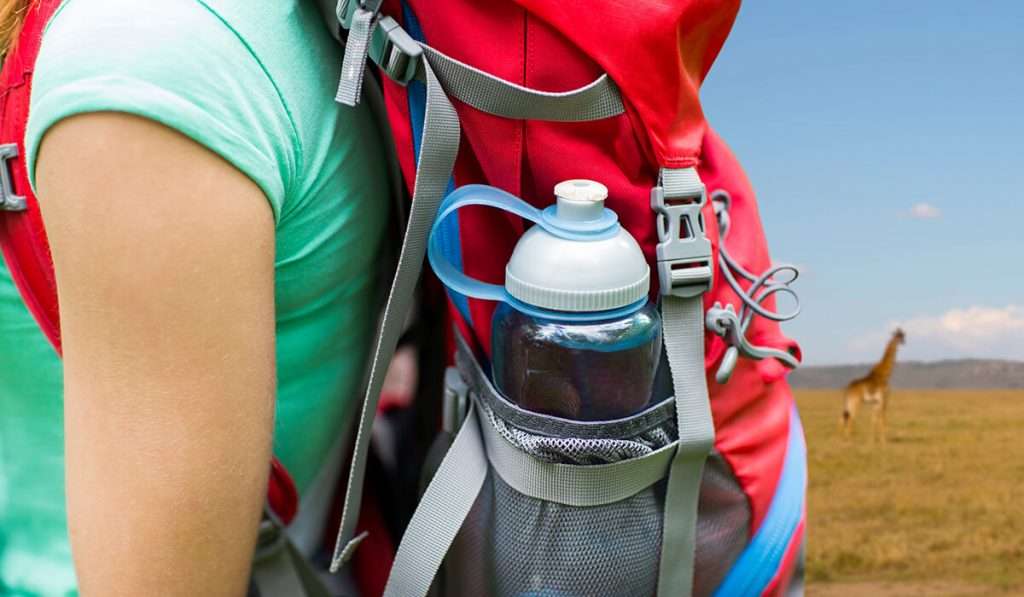
Staying hydrated is crucial during safaris to prevent dehydration, especially under the African sun. Ensure you drink water regularly to maintain optimal hydration levels throughout your adventure.
When bottled water may not be readily accessible, consider using purification tablets to treat water from alternative sources, ensuring it’s safe for consumption. Additionally, carrying a reusable tumbler allows you to contribute to sustainability efforts within the safari industry, reducing reliance on single-use plastic bottles.
By prioritizing hydration and adopting eco-friendly practices, you support responsible safari operators and luxury lodges and contribute to conserving Tanzania’s pristine wilderness for future generations.
Tanzania safari tip #9: Wear eye protection

When embarking on safaris, particularly within private reserves, it’s common to encounter dusty terrain along the safari roads. Consider wearing protective eyewear such as glasses to safeguard your eyes from irritation, especially if you wear contact lenses.
Additionally, the dusty conditions can affect camera equipment, impacting the clarity of your wildlife sightings. Remember to regularly clean your camera lenses and securely store them in a camera bag when not in use to prevent dust accumulation and maintain optimal photographic opportunities.
By giving importance to safeguarding your eyes and taking care of your camera equipment, you can completely engage in the safari adventure organized by trusted safari operators and camps. This guarantees unforgettable encounters with wildlife as you explore the stunning landscapes of Tanzania.
Tanzania safari tip #10: Give a tip!

While offering tips is not obligatory, it’s a customary practice in African culture. Even small gratuities can make a meaningful difference to local staff members.
Recognizing the value of their service and hospitality by tipping generously fosters positive relationships and supports the livelihoods of those working in the tourism industry. Ultimately, your contributions contribute to the well-being and prosperity of the local communities you visit.
To finish off
There are so many great adventures awaiting you in Tanzania. The endless safari landscapes and wildlife make this country something from another world, and you’re about to soak it all up.
Pack the right essentials (water bottle, sunglasses, etc.), follow the COVID-19 guidelines, and make a detailed itinerary. Oh, and most importantly, get your travel insurance! Once you’ve ticked off all the boxes mentioned above, it’s time for your once-in-a-lifetime adventure in Tanzania.
Frequently Asked Questions – Tanzania Safari Adventure(FAQs)
1. What should I expect during a Tanzania safari adventure?
Generally speaking, a Tanzania safari adventure immerses you in the natural habitats of Tanzania’s parks, where you’ll encounter diverse wildlife in their element. You’ll embark on game drives led by experienced safari guides, traversing private reserves and national parks.
Be prepared for a bumpy ride on rugged terrain as you seek out wildlife sightings, from majestic elephants to elusive big cats. Accommodations typically include tented camps, offering basic amenities amid the wilderness. Early morning game drives are expected to catch wildlife at sunrise, while evenings provide opportunities for close-up snaps as the sun sets over the savannah.
2. How do I choose a safari operator for my Tanzania adventure?
When selecting a safari operator, research their reputation, experience, and the quality of their guides. Look for operators with knowledge of Tanzania’s parks and a commitment to sustainable tourism practices.
Reading reviews and testimonials from past travelers can also offer insights into the operator’s reliability and service quality. Ensure the operator includes private reserves or exclusive access areas in their itineraries for enhanced wildlife sightings and a more intimate safari experience.
3. What wildlife can I expect to see during a Tanzania safari?
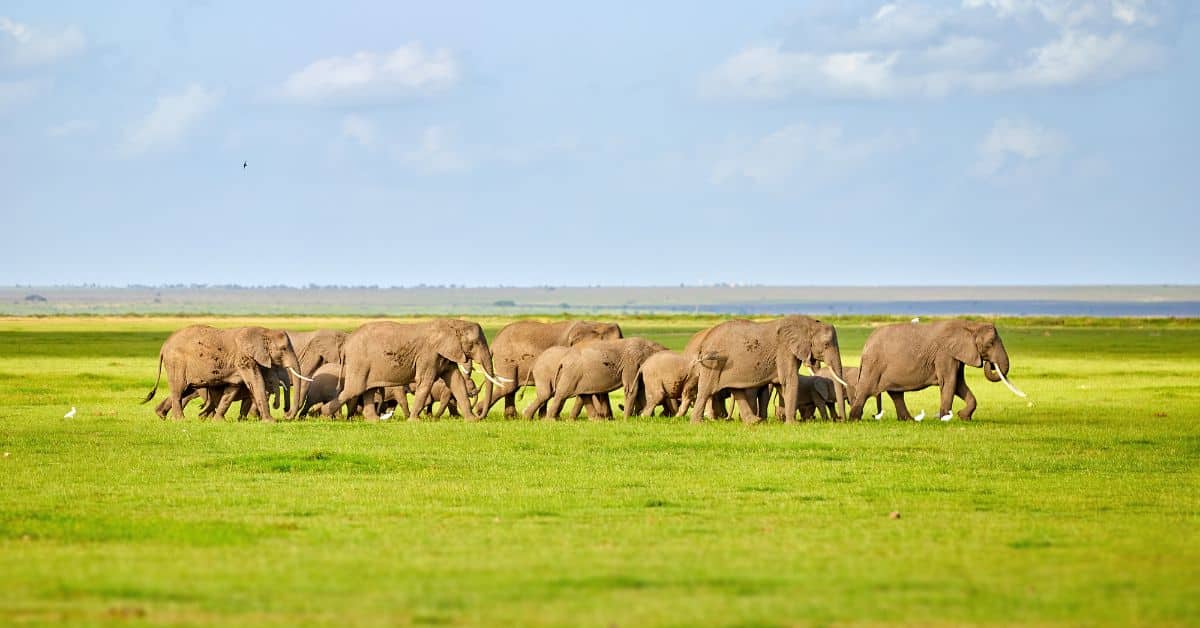
Tanzania’s parks are renowned for their rich biodiversity, offering opportunities to spot iconic African wildlife such as lions, elephants, giraffes, zebras, and wildebeests. Depending on the location and season, you may also encounter rhinos, leopards, cheetahs, and various bird species.
Private reserves often provide excellent opportunities for wildlife sightings due to their exclusive access and lower tourist traffic. These reserves allow for more intimate encounters with the animals in their natural habitat.
4. What is the accommodation like on a Tanzania safari?
Accommodations during a Tanzania safari adventure typically include tented camps in or near the national parks. These camps offer comfortable beds, en-suite bathrooms with hot water showers, and dining areas serving delicious local cuisine. While the accommodations may be rustic, they provide an authentic safari experience, allowing you to connect with nature while enjoying essential comforts.
5. How rough is the terrain during a Tanzania safari?
Tanzania’s safari terrain can be rugged and uneven, especially during game drives in search of wildlife sightings. Expect a bumpy ride as you traverse dirt roads, rocky paths, and sometimes dense vegetation.
While the terrain may be challenging, it adds to the sense of adventure and immersion in the wild. Safari vehicles are equipped to handle the rough terrain, ensuring your comfort and safety throughout the journey.
6. Is health insurance necessary for a Tanzania safari?
Health insurance is highly recommended for a Tanzania safari adventure, as it covers medical emergencies, evacuation, and unexpected health issues. While precautions are taken to ensure safety during the safari, accidents or illnesses can occur, especially when traveling in remote areas. Comprehensive health insurance offers peace of mind and ensures prompt medical attention.
7. What is the best time of year to go on a Tanzania safari?
The dry season, typically from June to October, is considered the best time for a Tanzania safari adventure. Wildlife congregates around water sources during this period, making it easier to see animals during game drives.
The weather is also more relaxed and drier, reducing the risk of rain and enhancing visibility. Early mornings and late afternoons offer optimal conditions for wildlife sightings and photography, as animals are more active during these times.
8. What amenities are available at tented camps in Tanzania?
Tented camps in Tanzania offer essential comforts for a pleasant stay amidst the wilderness. These conveniences typically comprise comfortable beds with mosquito nets, private bathrooms featuring flush toilets and hot showers, and communal dining spaces serving delicious meals. Additionally, some camps provide extra amenities like lounges, libraries, and outdoor seating areas for guests to unwind and appreciate the natural surroundings.
9. Are Tanzania’s parks suitable for close-up wildlife photography?
Tanzania’s parks offer excellent opportunities for close-up wildlife photography, especially during game drives in private reserves or exclusive access areas. Experienced safari guides are skilled at approaching animals safely and positioning the vehicle for optimal photography angles. Whether capturing a lioness on the hunt or a herd of elephants at a water hole, you’ll have ample opportunities for stunning close-up shots of Africa’s iconic wildlife in their natural habitat.
10. What activities are available during early evenings on a Tanzania safari?
During the early evenings on a Tanzania safari, guests can enjoy various activities to enhance their safari experience. These may include guided nature walks or bush walks led by knowledgeable guides, which provide insights into the smaller flora and fauna often overlooked during game drives. Sundowner drives, where guests enjoy refreshments while watching the sunset over the savannah, are also popular, offering a serene and memorable safari experience.
11. How can I ensure optimal wildlife sightings during my Tanzania safari adventure?
To maximize your chances of wildlife sightings during a Tanzania safari adventure, choose safari operators with experienced guides familiar with the region’s parks and wildlife behavior. Opt for safari itineraries that include private reserves or exclusive access areas, where tourist numbers are limited, allowing for more intimate wildlife encounters. Additionally, consider visiting during the dry season when animals gather various water sources, making them easier to spot during game drives.
12. Can I expect to see the Big Five during a Tanzania safari?
Yes, Tanzania is one of the prime destinations in Africa for spotting the Big Five—lions, elephants, buffaloes, leopards, and rhinoceroses. These iconic animals can be found in national parks and reserves across the country, offering ample opportunities for wildlife enthusiasts to witness them in their natural habitat.
13. What types of safari vehicles are used for game drives in Tanzania?
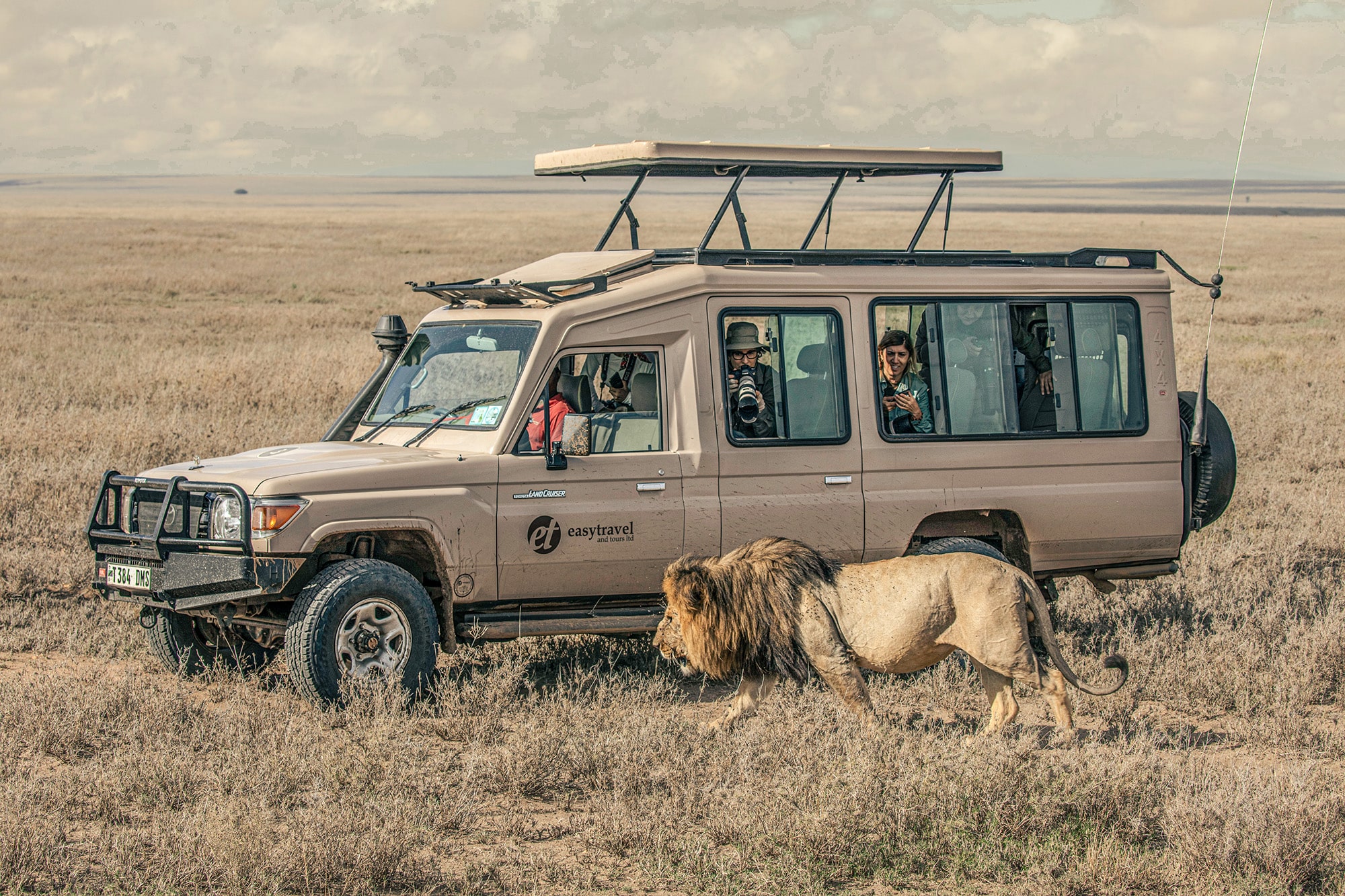
Safari operators in Tanzania typically use rugged, open-sided vehicles specifically designed for game viewing. These vehicles offer unobstructed views of the surrounding wilderness and wildlife, allowing passengers to enjoy optimal visibility and photography opportunities during game drives. With their sturdy construction and elevated seating, safari vehicles are well-equipped to navigate the diverse terrain during safari excursions.
14. Are there options for luxury accommodations in Tanzania’s safari destinations?
Tanzania offers a range of luxury lodges and tented camps for travelers seeking a premium safari experience. These accommodations often feature spacious tents or suites with lavish furnishings, private verandas, and en-suite bathrooms. You can enjoy spa treatments, gourmet dining, and personalized service while surrounded by the breathtaking landscapes and abundant wildlife of Tanzania’s safari destinations.
15. How can I support local communities during my Tanzania safari?
One way to support local communities during your Tanzania safari is to choose safari operators and accommodations prioritizing community involvement and sustainable tourism practices. Many lodges and camps in Tanzania collaborate with nearby communities, providing employment opportunities, education, and healthcare initiatives.
Additionally, consider purchasing handmade crafts or souvenirs directly from local artisans and joining in cultural activities or village visits that contribute to the economic empowerment of local communities.