

Bagamoyo, a historic town on the eastern coast of Tanzania, is a hidden gem that offers a unique blend of cultural heritage, natural beauty, and warm hospitality. If you’re planning a visit to Bagamoyo in 2025/2026, finding the perfect accommodation is vital to ensuring a comfortable and memorable stay.
In this comprehensive guide, we’ll explore various accommodation options to suit different preferences and budgets, helping you make an informed choice for your stay in Bagamoyo.
Stay in Bagamoyo: Luxury Resorts and Lodges
For those seeking a high-end and indulgent experience, Bagamoyo offers luxury resorts and lodges that provide world-class amenities and unparalleled comfort. These establishments are known for their exquisite design, impeccable service, and stunning locations.


One such option is the Bagamoyo Beach Resort, which boasts beachfront villas and suites with breathtaking views of the Indian Ocean. The resort features various amenities, including a swimming pool, spa facilities, and gourmet dining options. Its tranquil ambiance and luxurious offerings make it an ideal choice for a relaxing and upscale stay in Bagamoyo.
Another luxury option is the Bagamoyo Oceanview Hotel, perched on a hilltop overlooking the ocean. The hotel offers elegantly designed rooms and suites, a swimming pool, a restaurant serving international and local cuisine, and a spa for indulgent treatments. The panoramic views and top-notch service make it a desirable choice for a lavish stay in Bagamoyo.
Stay in Bagamoyo: Boutique Hotels
If you prefer a more intimate and personalized experience, Bagamoyo’s boutique hotels are an excellent choice. These establishments often have a unique character, reflecting the local culture and offering a charming ambiance.


The Kaole Arts Hotel is a boutique hotel combining artistic flair and comfort. Its rooms and suites are adorned with local artwork, creating a vibrant and inviting atmosphere. The hotel also features an art gallery, a restaurant serving Swahili and international cuisine, and a cozy lounge area where you can relax and unwind. With its artistic charm and warm hospitality, the Kaole Arts Hotel offers a distinctive and memorable stay in Bagamoyo.
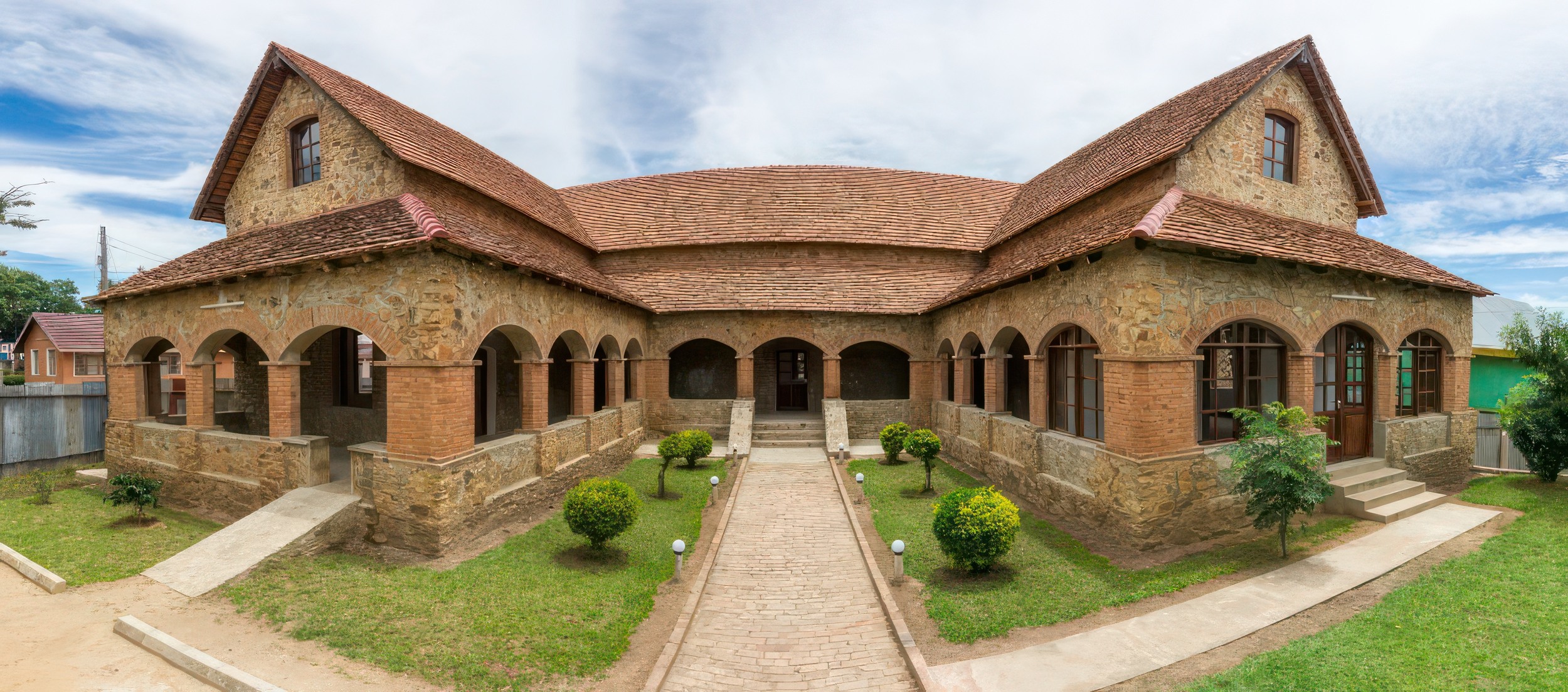
The Bagamoyo Spice Villa is another boutique hotel that captures the essence of Bagamoyo’s history and culture. Housed in a renovated historic building, the hotel showcases traditional Swahili architecture and décor. The rooms are tastefully decorated and equipped with modern amenities. Guests can enjoy a courtyard garden, a rooftop terrace with panoramic views, and a restaurant serving Swahili delicacies. The Bagamoyo Spice Villa provides a charming and immersive experience in the heart of Bagamoyo.
Stay in Bagamoyo: Guesthouses and Bed & Breakfasts
Bagamoyo offers a range of guesthouses and bed & breakfast establishments for a more budget-friendly and cozy stay. These options provide comfortable accommodations with a home-like atmosphere and personalized service.


The Bagamoyo Guesthouse is a popular choice among budget travelers. It offers clean and comfortable rooms, a communal lounge area, and a garden where guests can relax. The guesthouse provides a friendly and welcoming environment, making it an excellent option for those seeking a simple and affordable stay in Bagamoyo.
The Bagamoyo Bed & Breakfast is another excellent choice for budget-conscious travelers. It offers well-appointed rooms with essential amenities, a communal dining area, and a garden. The friendly hosts provide a warm welcome and are happy to assist with local recommendations and tips for exploring Bagamoyo.
Stay in Bagamoyo: Eco-Lodges and Campsites
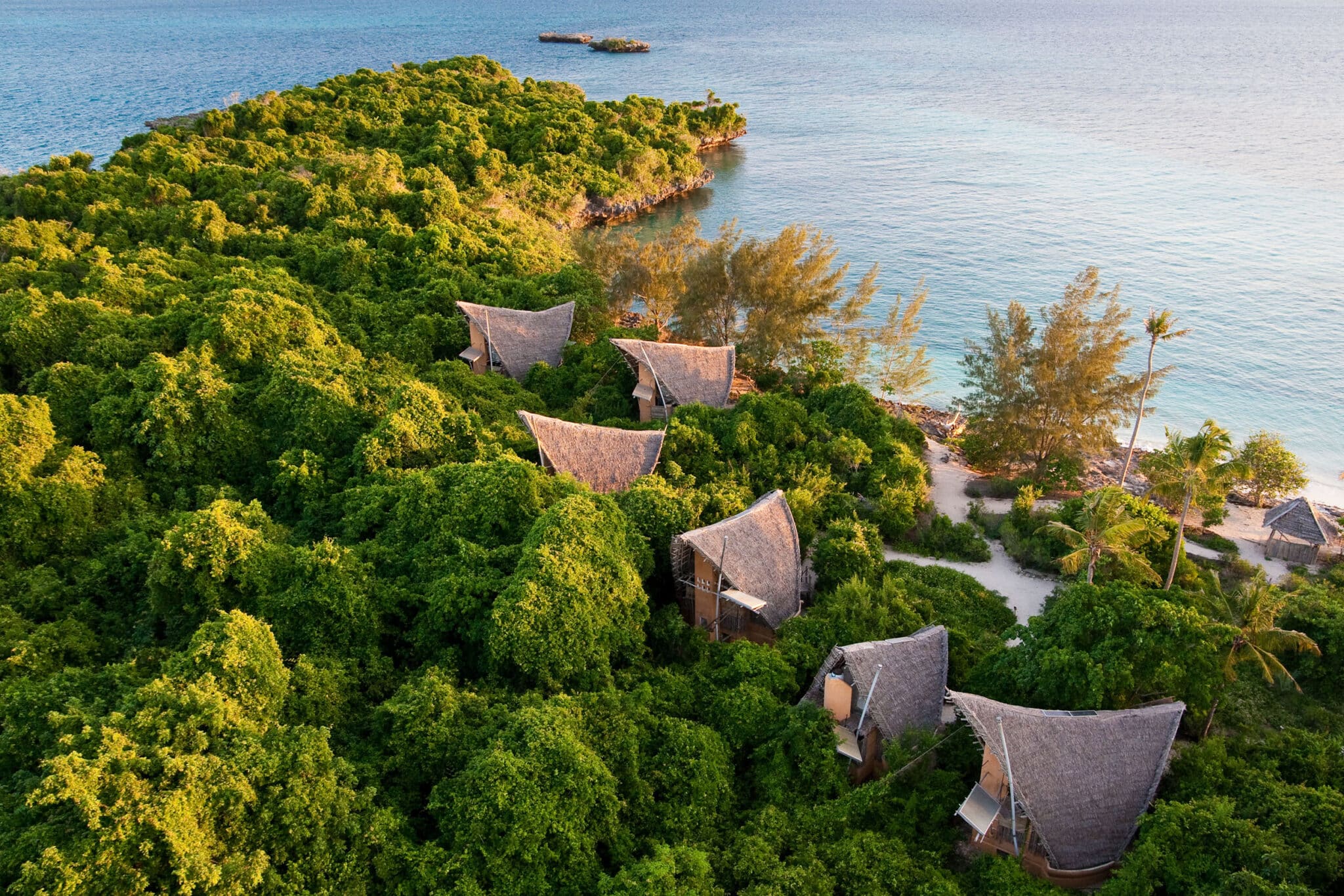
For those seeking a closer connection with nature and a more eco-friendly stay, Bagamoyo offers eco-lodges and campsites that allow you to immerse yourself in the region’s natural beauty.


The Bagamoyo Forest Retreat is an eco-lodge nestled within a lush forested area. It offers rustic yet comfortable accommodations, blending seamlessly with the surrounding environment. The retreat emphasizes sustainability and eco-friendly practices, providing guests with a tranquil and nature-focused experience. Enjoy birdwatching, nature walks, and a serene ambiance at this unique eco-lodge.
For camping enthusiasts, Bagamoyo has several campsites that offer a back-to-nature experience. The Bagamoyo Camping Ground is famous for providing basic facilities such as tent pitches, shared bathrooms, and a communal kitchen area. The campsite offers a budget-friendly option for those who enjoy camping under the stars and waking up to the sounds of nature.
Stay in Bagamoyo: Historic Guesthouses
Bagamoyo’s rich history is reflected in its historic guesthouses, which offer a glimpse into the town’s past while providing comfortable accommodations.
The Old Boma Guesthouse is housed in a beautifully restored historic building that once was the German administration headquarters. The guesthouse features well-appointed rooms with modern comforts and traditional décor. Guests can enjoy a courtyard garden, a restaurant serving local and international cuisine, and a unique historical ambiance that transports them back in time.
The Livingstone House is another historic guesthouse that takes you through Bagamoyo’s past. The house was once the residence of renowned explorer Dr. David Livingstone. Today, it offers comfortable rooms, a cozy lounge area, and a peaceful garden where guests can relax. Staying at the Livingstone House allows you to experience the charm and history of Bagamoyo firsthand.
Final Thoughts
With its rich history, cultural heritage, and natural beauty, Bagamoyo offers a range of accommodation options to suit different preferences and budgets. From luxury resorts and boutique hotels to guesthouses, eco-lodges, and historic establishments, there is something for everyone in Bagamoyo. Consider your preferences, budget, and desired experience when choosing where to stay in Bagamoyo in 2025/2026. Easy Travel Tanzania, with its expertise and local knowledge, can assist in finding the perfect accommodation for your stay, ensuring a comfortable and memorable visit to this captivating town on Tanzania’s coast.
Frequently Asked Questions (FAQs)
1. Where is Bagamoyo located?
Bagamoyo is a remarkable town and an essential key to East Africa’s rich history. It sits calmly on the Tanzanian shoreline, caressed by the sparkling waves of the Indian Ocean, giving it an irresistible charm. Its location within 75 kilometers from Dar es Salaam, Tanzania’s central hub of economic activity, makes it easily accessible for tourists and locals.
As part of the ancient trading route along the East African coast, Bagamoyo has a compelling heritage reflected in its architecture, culture, and people. It takes pride in its past, being a point of connectivity between Africa and the world during the trading epochs. This vitality of heritage and secluded beauty, blended with a tranquil coastal vibe, makes Bagamoyo an unforgettable Tanzanian gem.
2. What is Bagamoyo known for?
Bagamoyo, a name that translates to “Lay down your heart,” vividly depicts its past as a vital slave trading port during the 19th century. Records of its somber history are etched across the town, a centerpiece of which is the preserved ruins that witness a time of immense suffering and struggle.
UNESCO’s involvement has helped raise global awareness toward these manifest tokens of history, aiding their preservation for future generations. Today, Bagamoyo is celebrated not just for its historical importance but also for its unrivaled natural beauty.
Its coastline resembles azure blue waters lapping against the pristine, white sandy beaches. The fusion of its historical richness, cultural heritage, and captivating coastal landscapes profoundly differentiates Bagamoyo from other global tourist destinations.
3. Is Bagamoyo a UNESCO Heritage Site?
Bagamoyo District, a remarkable region in Tanzania, is recognized for its unique blend of cultural history and impressive architecture. The Tanzanian Government duly designated it as a Historical Conservation Area, a testament to the country’s commitment to protecting its rich heritage. This designation ensures that both the natural and man-made aspects of Bagamoyo are preserved and maintained.
In addition to local recognition, Bagamoyo’s significance has gained global attention. Bagamoyo is included in UNESCO’s tentative list of World Heritage Sites. This potential UNESCO status stands as international recognition of Bagamoyo’s historical importance and cultural richness, amplifying its allure as a must-visit destination.
4. What activities can I do in Bagamoyo?
Tailored for every kind of traveler, Bagamoyo is a vibrant canvas for various activities. Heritage enthusiasts can wander through the pathways of history in the old town, soaking in the preserved architecture and cultural nuances. The ancient Kaole Ruins also serve as an unforgettable exploration, offering glimpses into Bagamoyo’s past.
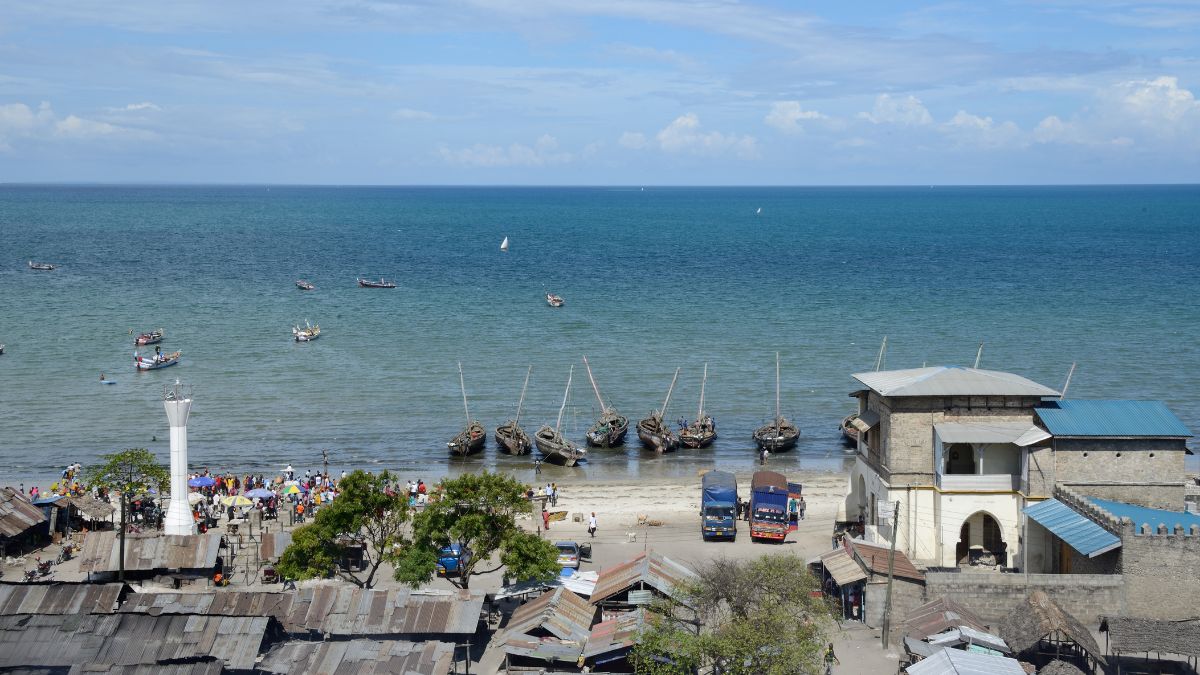
The immaculate sandy beaches provide an ideal retreat for those seeking relaxation, while adventure seekers can partake in various water sports. The local fishing culture offers a unique spectacle, allowing visitors to witness the town’s lifeline firsthand. Likewise, vibrant performances at the Bagamoyo School of Art display the town’s rich artistic heritage.
5. What is the best time to visit Bagamoyo?
When you visit Bagamoyo, it hinges heavily on what you enjoy most. If your ideal getaway centers around basking in the sun and outdoor adventures, the drier months of June through October and January to February offer the perfect climate.
During these periods, rainfall is significantly less, allowing for uninterrupted exploration. Conversely, if immersing yourself in colorful cultural celebrations captivates your interest, aim for late September or early October.
This period coincides with the Bagamoyo Arts Festival, a local event that radiates the vibrancy of Tanzanian culture and artistry. Therefore, a trip to Bagamoyo can be tailor-made to fit your interests, whether climate convenience or cultural immersion.
6. How can I reach Bagamoyo?
Reaching Bagamoyo from Tanzania’s bustling city, Dar es Salaam, is relatively straightforward. A road journey can get you there in about 1.5 to 2 hours, making it an easy and scenic drive along the Tanzanian coast. If you prefer public transportation, frequent and affordable bus services connect the two cities.
Flying is the quickest way for travelers from afar to reach the region. You can fly to Julius Nyerere International Airport in Dar es Salaam. From there, a convenient, connecting road journey will take you straight to Bagamoyo’s welcoming shores.
7. What about health and safety in Bagamoyo?
Bagamoyo is essentially a safe destination for tourists, but like any other, it requires mindful preparation. Ensuring travel insurance is in place provides peace of mind against unforeseen circumstances. Staying abreast of routine vaccines is essential for health protection.
Another crucial step is equipping yourself with insect repellent and antimalarial medication, as malaria is a potential threat in the area. Exercising these simple precautions lets you focus on enjoying your visit to Bagamoyo while minimizing risks, ensuring a memorable and gratifying experience.
8. What language is spoken in Bagamoyo?
In Bagamoyo, like elsewhere in Tanzania, Swahili is the official language that resonates in the day-to-day communication of the locals. Still, due to the influx of international visitors, English has also found significant usage in the area.
Hotels and restaurants, acclimatized to catering to tourists, commonly employ English for better communication. Moreover, English translations and guides are often available at major tourist attractions. This linguistic flexibility stems from Bagamoyo’s thriving tourism industry and its desire to deliver an inclusive and welcoming experience to visitors from around the globe.
9. What food is Bagamoyo known for?
Bagamoyo’s culinary landscape defines itself through richly flavored Swahili cuisine. Meal times often center around dishes encompassing staples such as rice, beans, and fish, all intricately seasoned with various spices.
Given its advantageous coastal location, Bagamoyo offers an abundance of fresh seafood – a true delight to savor. A stroll along its streets unveils a vibrant street food scene, where “Zanzibar Pizza,” a local favorite, must be sampled.
The enticing taste of a Bagamoyo mango is also hard to resist. Bagamoyo’s food scene is enticingly diverse, offering simple, hearty street food to mouth-watering fine dining.
10. Are there ATMs in Bagamoyo?
Navigating monetary transactions in Bagamoyo is reasonably straightforward. The town has multiple ATMs, where Tanzanian shillings – the local currency – can quickly be withdrawn. These ATMs are conveniently located in town centers and occasionally within resort properties, ensuring easy accessibility.
Beyond cash transactions, most accommodation facilities, restaurants, and prime tourist attractions readily accept credit cards. This blend of options enhances travel convenience, allowing visitors to manage their expenses without hassle while immersing themselves in all that Bagamoyo offers.
11. Can I visit Bagamoyo with the children?
Catering to visitors of all ages, Bagamoyo shines as a family-friendly destination. The picturesque beaches, historically rich cultural sites, and unspoiled natural attractions together form an engaging experience for children. With a variety of activities that cater to diverse interests, Bagamoyo ensures a memorable time for the whole family.
Nevertheless, prudent planning must involve necessary measures regarding your child’s health and safety. Securing the appropriate travel insurance, staying updated on vaccinations, and being mindful of general safety guidelines will lay the groundwork for an enjoyable, worry-free family adventure in the fascinating town of Bagamoyo.
12. What wildlife can I see in Bagamoyo?
Though not primarily known for its wildlife, Bagamoyo is an enticing gateway to many sensorial wildlife experiences. The surrounding region is a birdwatcher’s paradise, boasting various bird species.
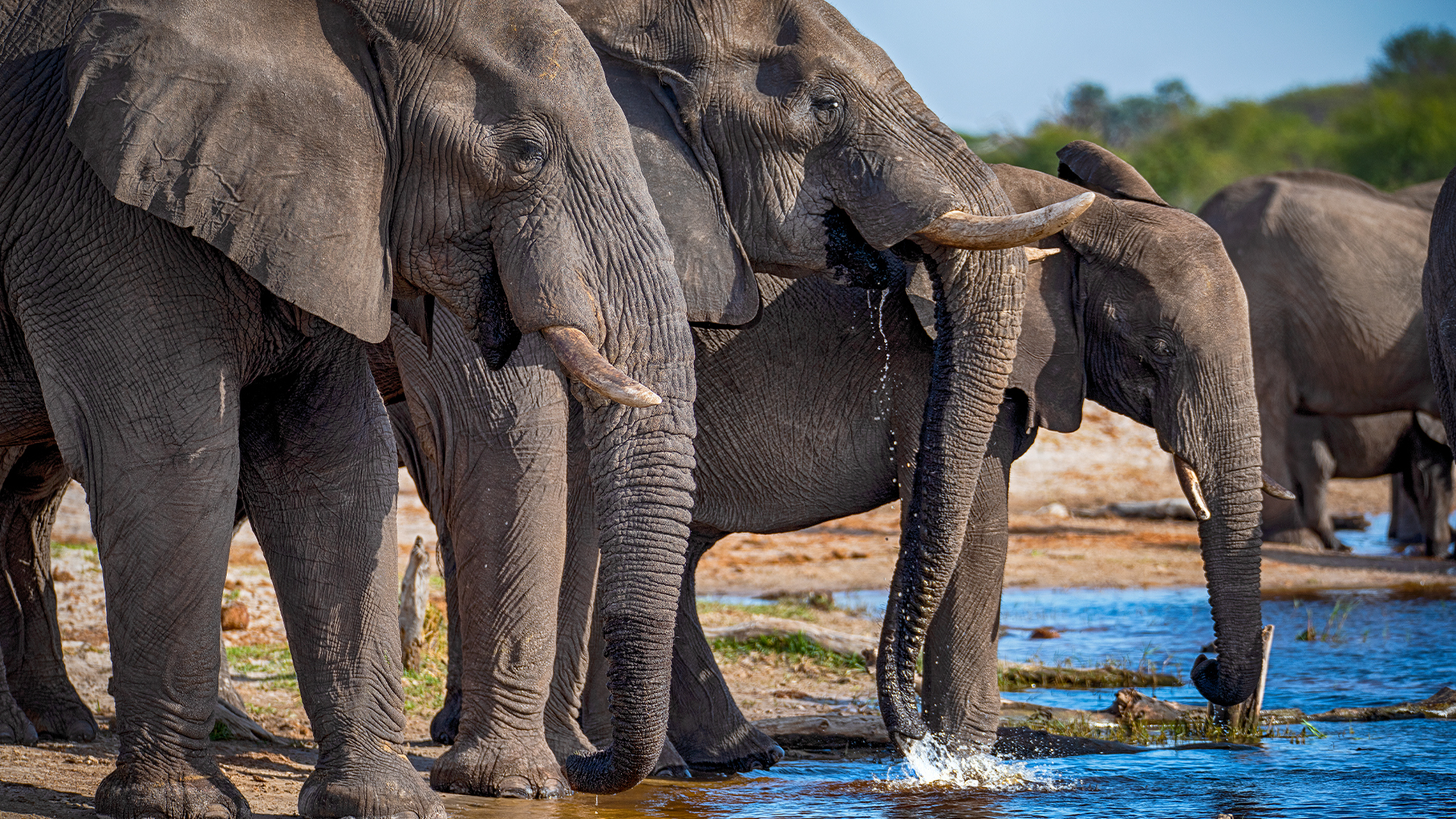
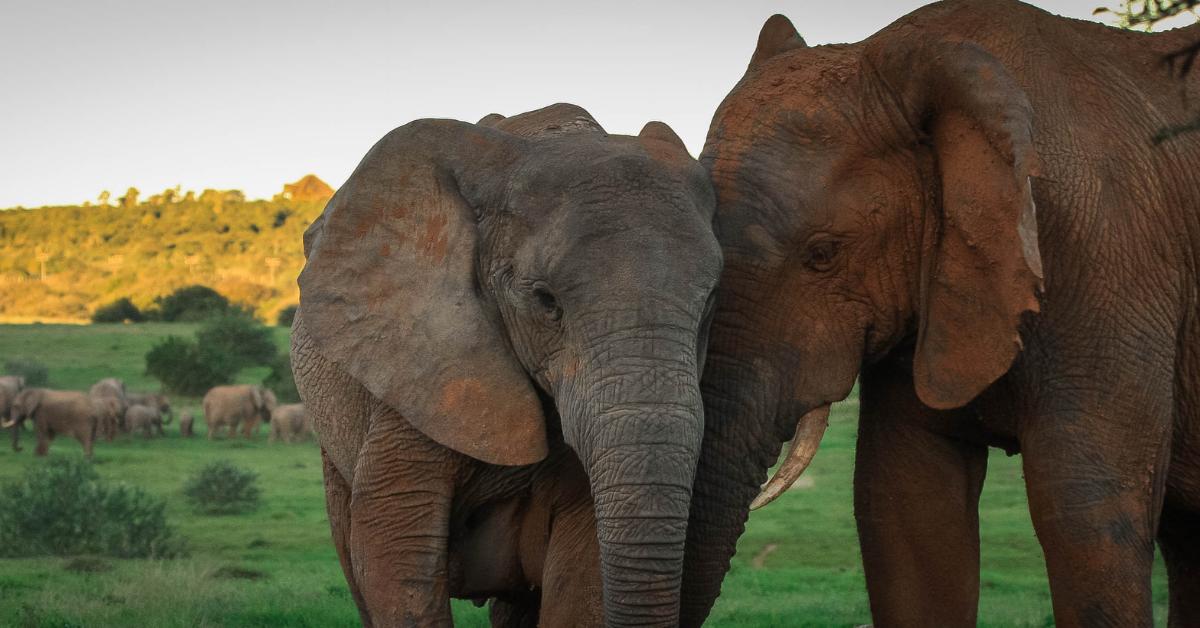
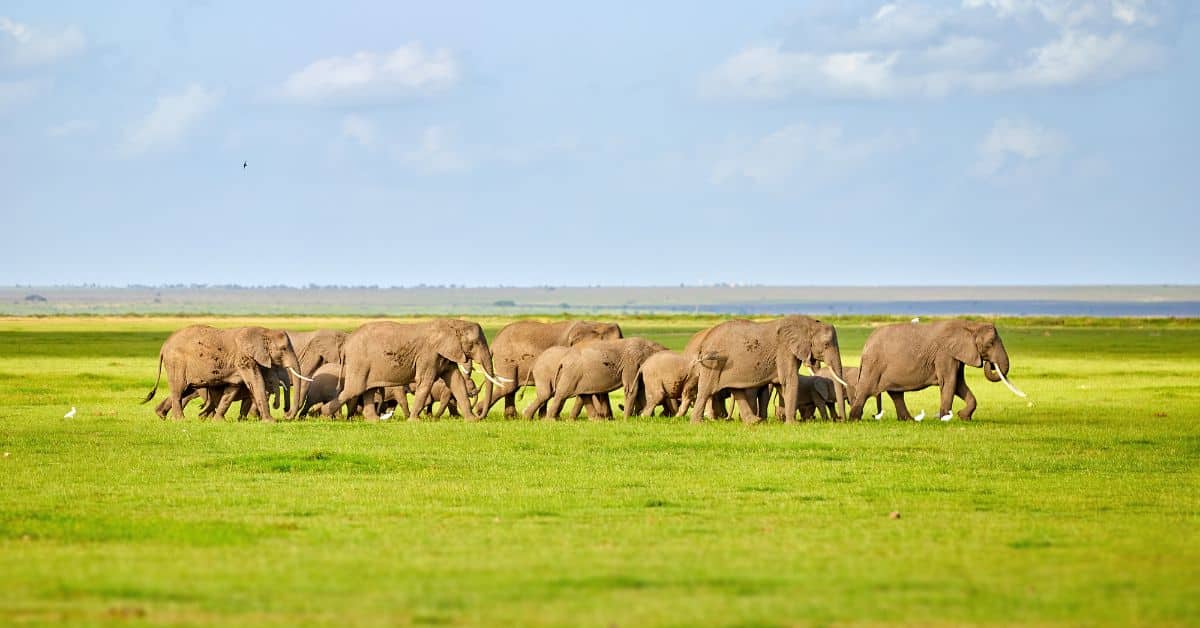
A bit further north of Bagamoyo lies Saadani National Park, a natural sanctuary where you can observe various wildlife creatures, including stately lions, towering elephants, imposing buffaloes, and diverse animal life. Heading into the azure water of the Indian Ocean adds another dimension to your wildlife venture, where you can spot playful dolphins frolicking in their natural habitat with some luck.
13. What types of accommodations can I find in Bagamoyo?
Bagamoyo prides itself on a broad spectrum of accommodation options, catering to various tastes, budget requirements, and travel styles. For the budget-conscious traveler, reliable and affordable guesthouses are available, offering essential amenities without compromising comfort.
Budget permitting, one could opt for mid-range hotels, balancing comfort and cost. For a heightened degree of luxury, Bagamoyo hosts upscale resorts where opulence is a part of the everyday experience. The cherry on top is the stunning ocean views many of these accommodations offer, mirroring Bagamoyo’s picturesque coastal charm and transforming your stay into an immersive ocean-side experience.
14. Is Bagamoyo suitable for snorkeling and diving?
Bagamoyo is a good destination for snorkeling and diving. The Indian Ocean here has clear, warm waters and houses a variety of marine life. Always ensure that you follow safety guidelines and, where possible, hire equipment and book excursions from trusted operators.
15. What should I pack for a trip to Bagamoyo?
Light, breathable clothing that offers protection from the sun is ideal for Bagamoyo’s tropical climate. Also, pack a swimsuit for beach activities, a hat, sunscreen, insect repellent, and comfortable shoes for exploring. Remember to pack any necessary medication and health supplies, too.
16. Can I access WiFi in Bagamoyo?
While Bagamoyo is a historical town, it does have reasonably modern amenities. Many hotels, restaurants, and public spaces offer free WiFi, though the speed and reliability may vary. It is recommended to check the availability of WiFi while booking your accommodations.
17. Is tap water safe to drink in Bagamoyo?
Drinking only bottled or thoroughly boiled water in Bagamoyo is generally advised, as tap water might be unsafe for consumption. Also, avoid ice in your drinks unless you’re sure they’re made from purified water. Bottled water is widely available in hotels, restaurants, and stores.
18. What local markets or shops are there in Bagamoyo?
Bagamoyo has several local markets selling various goods, including food, clothes, housewares, and traditional Tanzanian craftwork. The best known is probably the Bagamoyo Fish Market, where mixed seafood is sold. For souvenirs, the Sculpture School offers beautiful handmade items.