

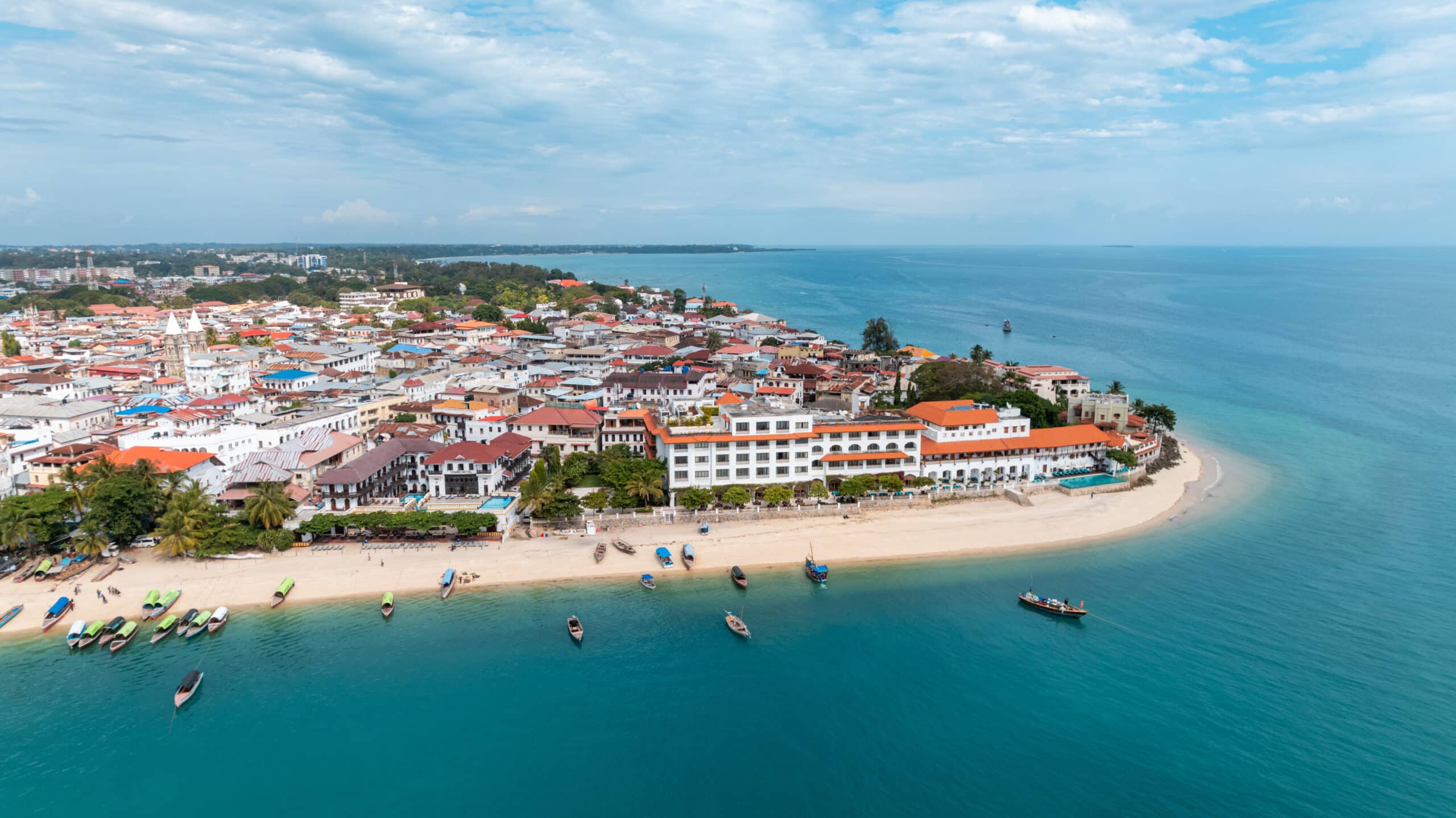
Zanzibar, an enchanting island located off the coast of Tanzania in East Africa, is a tropical paradise that has been capturing the hearts of travelers for decades.
With its stunning white sandy beaches, crystal-clear turquoise waters, and rich cultural heritage, Zanzibar provides a unique and unforgettable experience for all who visit. In this comprehensive travel guide, we will explore the best that Zanzibar offers in 2025 and 2026, from its pristine beaches to its vibrant culture and exciting activities.
Getting to Zanzibar Island

Zanzibar is well-connected to various international and regional destinations, making it easily accessible by air. The Abeid Amani Karume International Airport, located in Zanzibar City, is the main gateway to the island.
Several airlines, like significant carriers and regional airlines, operate regular flights to Zanzibar. Direct flights are available from Nairobi, Dar es Salaam, Johannesburg, Dubai, Doha, and Istanbul.
Flight durations vary depending on the departure location, but most international flights to Zanzibar range from 2 to 6 hours.
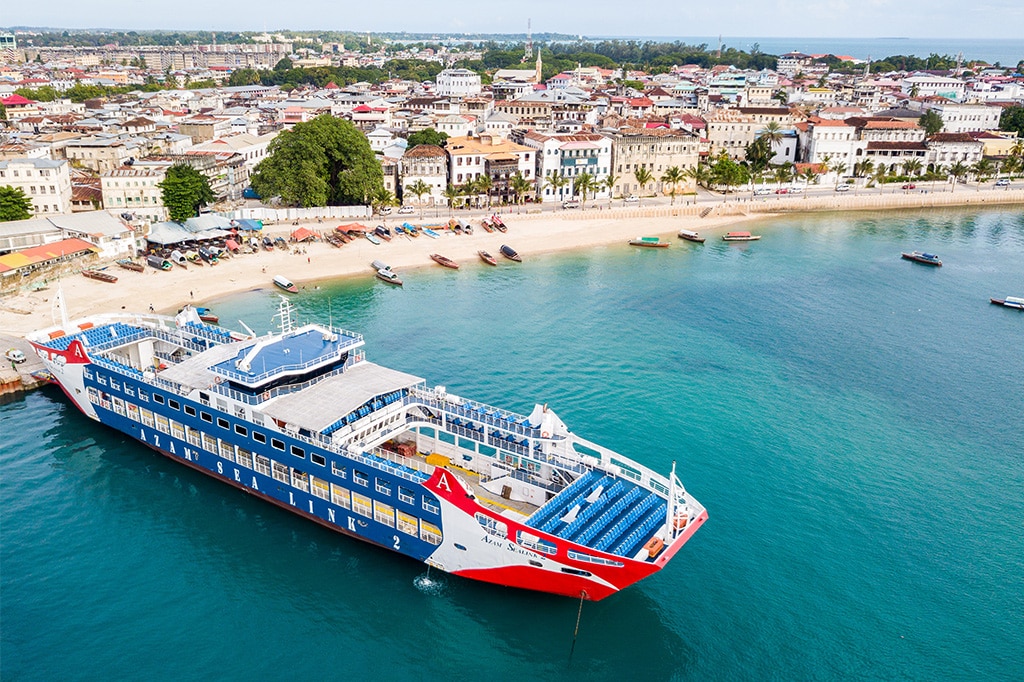
By Sea: You can reach Zanzibar by sea for a more adventurous and scenic route. Ferries operate between Dar es Salaam, the largest city in Tanzania, and Zanzibar.
The trip takes about 2 hours and offers excellent views of the Indian Ocean. Ferries are available multiple times daily, and booking your tickets in advance is advisable, particularly during peak travel seasons.
The Magic of Zanzibar Island

Zanzibar Island, frequently called the “Spice Island,” is renowned for its exotic spices, historic Stone Town, and breathtaking beaches. As you step foot on the island, a warm tropical breeze immediately greets you, and the scent of cloves and cinnamon is in the air.
Combining natural beauty and cultural heritage makes Zanzibar a truly magical destination.
Best Time to Visit Zanzibar Island
Zanzibar Island enjoys a tropical climate throughout the year, with warm temperatures and lots of sunshine. The best time to visit is during the dry season, from June to October.
This period offers pleasant weather, calm seas, ideal beach activities, and water sports conditions. However, even during the rainy season from November to May, Zanzibar has its charm, with lush green landscapes and fewer crowds.
Exploring Stone Town of Zanzibar Island
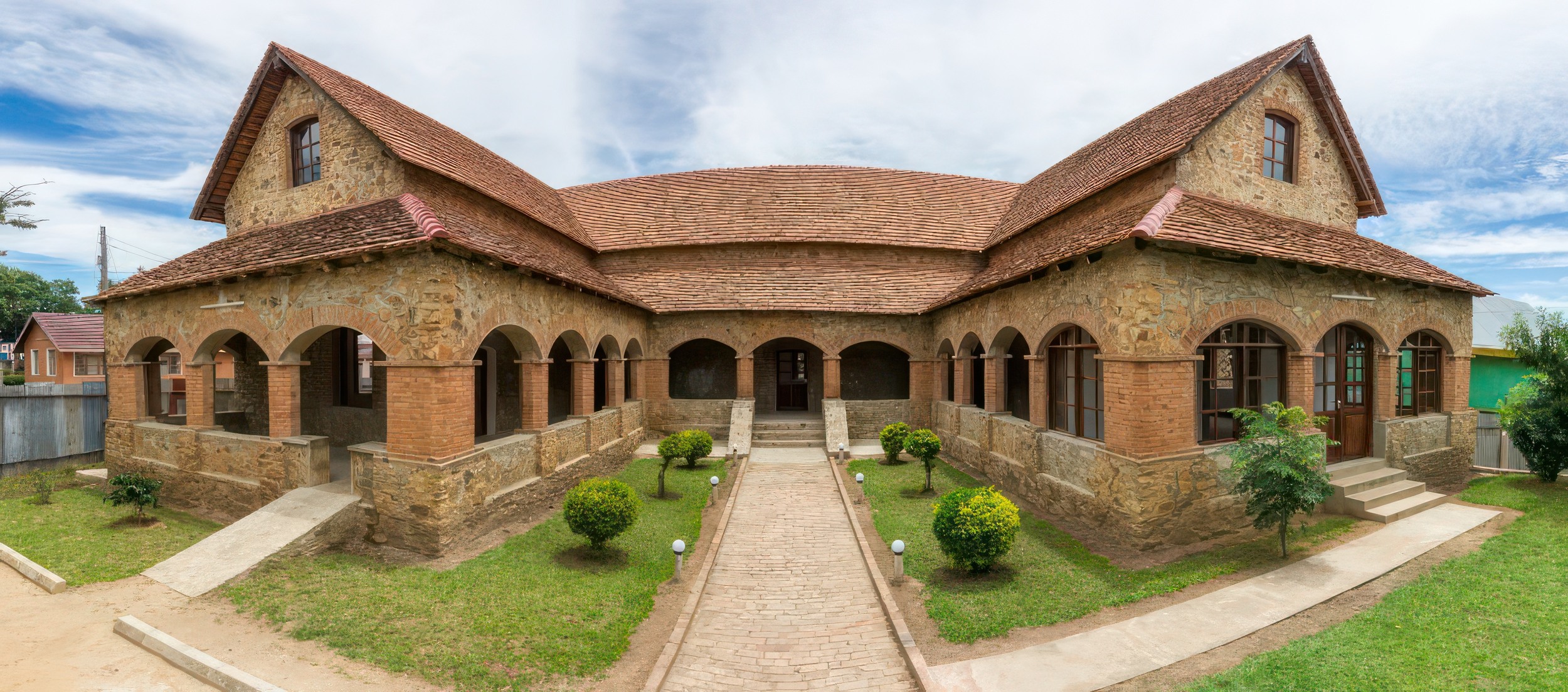
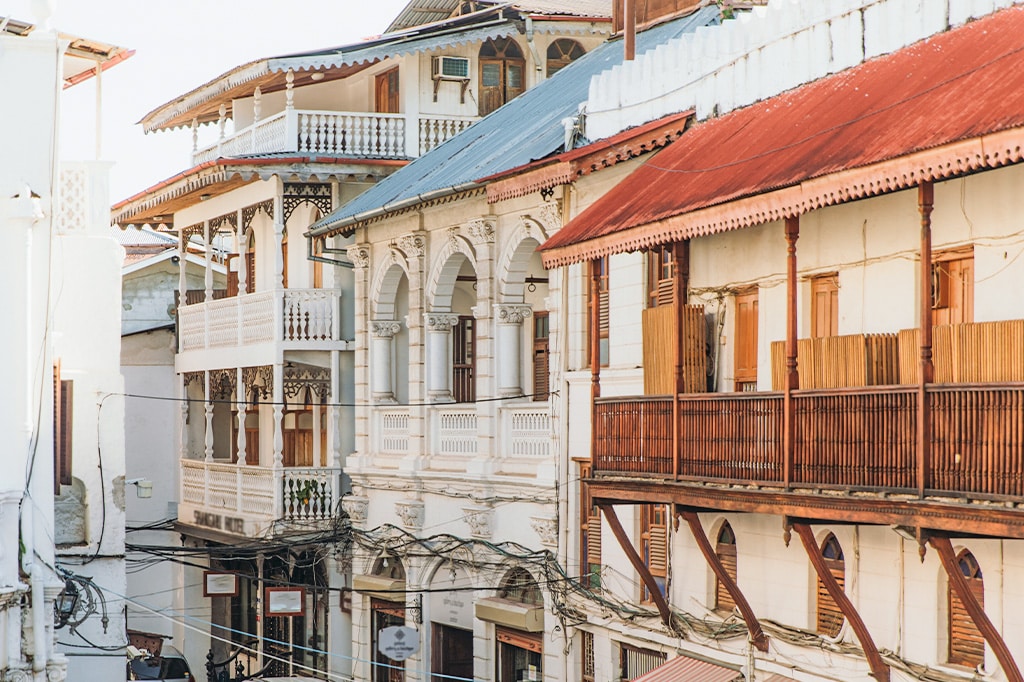
Stone Town, the historical heart of Zanzibar, is a UNESCO Heritage Site and a must-visit for any traveler. This ancient trading port is a maze of narrow streets, bustling markets, and centuries-old architecture.

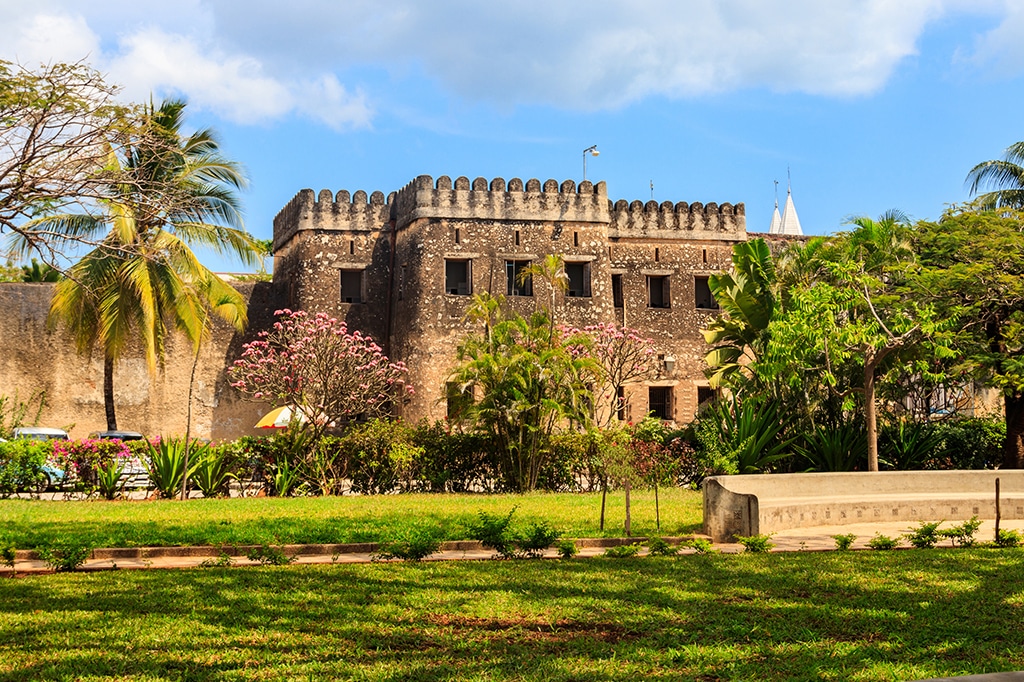
Stroll through the labyrinthine alleys, visit the Arab-style houses and grand palaces, and immerse yourself in the vibrant atmosphere. See the House of Wonders, the Old Fort, and the Sultan’s Palace Museum.
1. Highlights
1. UNESCO World Heritage Site: Stone Town is recognized by UNESCO for its outstanding cultural significance, keeping the rich history and architectural heritage of Zanzibar Island
2. Labyrinthine Streets: Explore the maze-like alleys of Stone Town, where each turn reveals hidden gems, colorful markets, and glimpses of daily life in this historic trading hub.
3. Architectural Marvels: Admire the intricate details of Arab-style houses, grand palaces, and colonial-era buildings that showcase the diverse influences shaping Stone Town’s unique architecture.
4. Iconic Landmarks: Discover iconic landmarks such as the House of Wonders, the Old Fort, and the Sultan’s Palace Museum, each offering insights into Zanzibar’s storied past and cultural heritage.
5. Vibrant Atmosphere: Immerse yourself in the vibrant atmosphere of Stone Town, where the bustling markets, lively street vendors, and friendly locals create an unforgettable sensory experience steeped in history and tradition.
Zanzibar’s Beaches
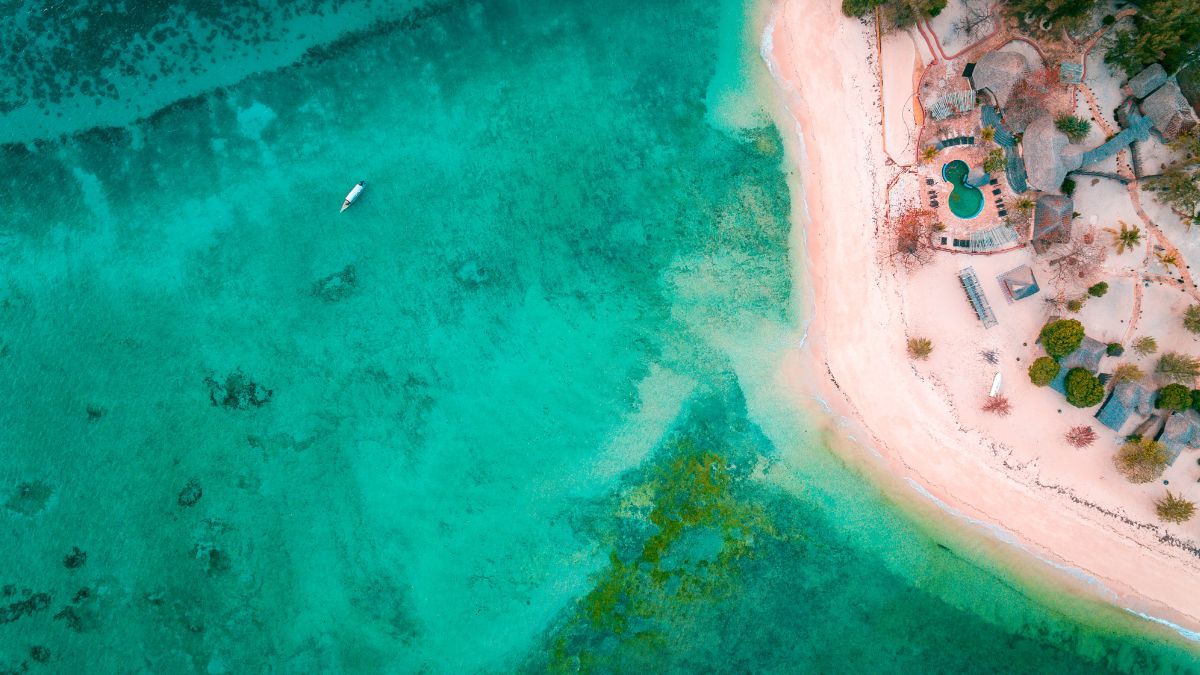
Zanzibar is famous for its stunning beaches that rival the best in Africa. The island offers diverse coastal landscapes, from powdery white sands to secluded coves and vibrant coral reefs.

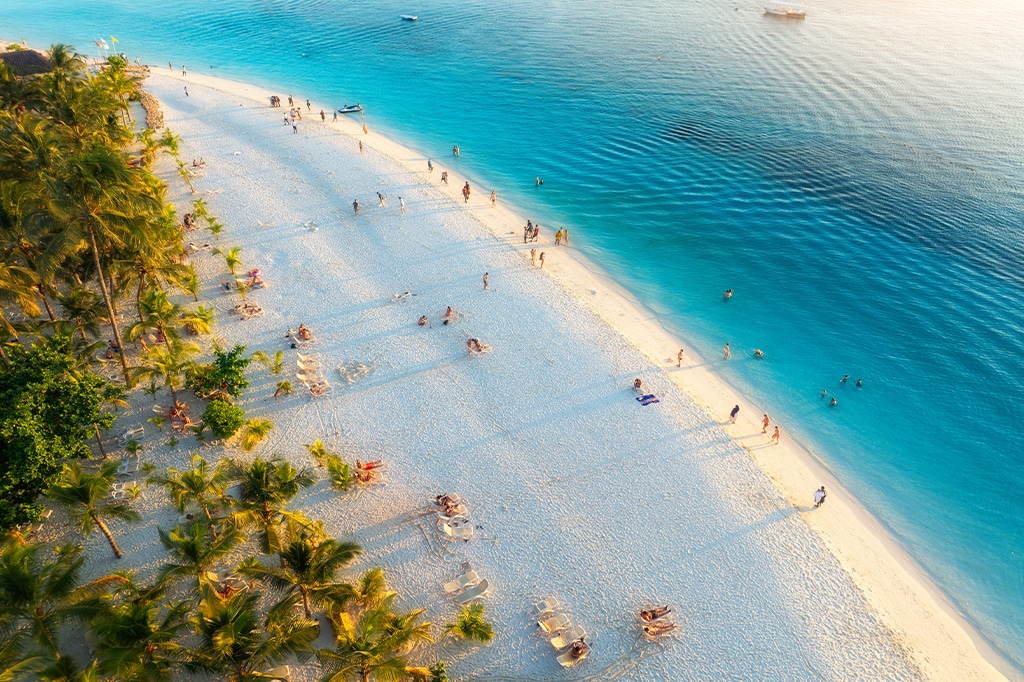
Nungwi Beach, located in the north, is known for its postcard-perfect beauty and opportunities for diving and snorkeling. Kendwa Beach, nearby, is famous for its lively full moon parties.
With its constant trade winds, Paje Beach attracts kitesurfing enthusiasts on the east coast. For a quieter experience, head to the southeastern beaches of Jambiani or Michamvi.
1. Highlights
1. Pristine Coastal Landscapes: Explore Zanzibar’s diverse coastal landscapes, featuring powdery white sands, secluded coves, and vibrant coral reefs that offer breathtaking views and unparalleled natural beauty.
2. Nungwi Beach: Experience the postcard-perfect beauty of Nungwi Beach in the north, renowned for its crystal-clear waters, golden sands, and opportunities for diving and snorkeling amidst colorful marine life.
3. Kendwa Beach: Join the vibrant full moon parties at Kendwa Beach, located near Nungwi, where lively music, dancing, and festivities under the stars create an unforgettable beachside atmosphere.
4. Paje Beach: Embrace the thrill of kitesurfing at Paje Beach on the East Coast, where constant trade winds and wide-open expanses of sand provide ideal conditions for adrenaline-fueled water sports.
5. Serene Southeastern Beaches: Escape the crowds and unwind on the tranquil shores of Jambiani or Michamvi, located in the island’s southeastern part, offering a peaceful retreat amidst pristine nature and local charm.
Water Activities and Marine Life in Zanzibar Island
Zanzibar’s coral reefs are full of lively marine life, making it a sanctuary
for snorkelers and divers. Whether you’re a beginner or an experienced diver, numerous dive centers and snorkeling operators offer guided trips to the best spots.
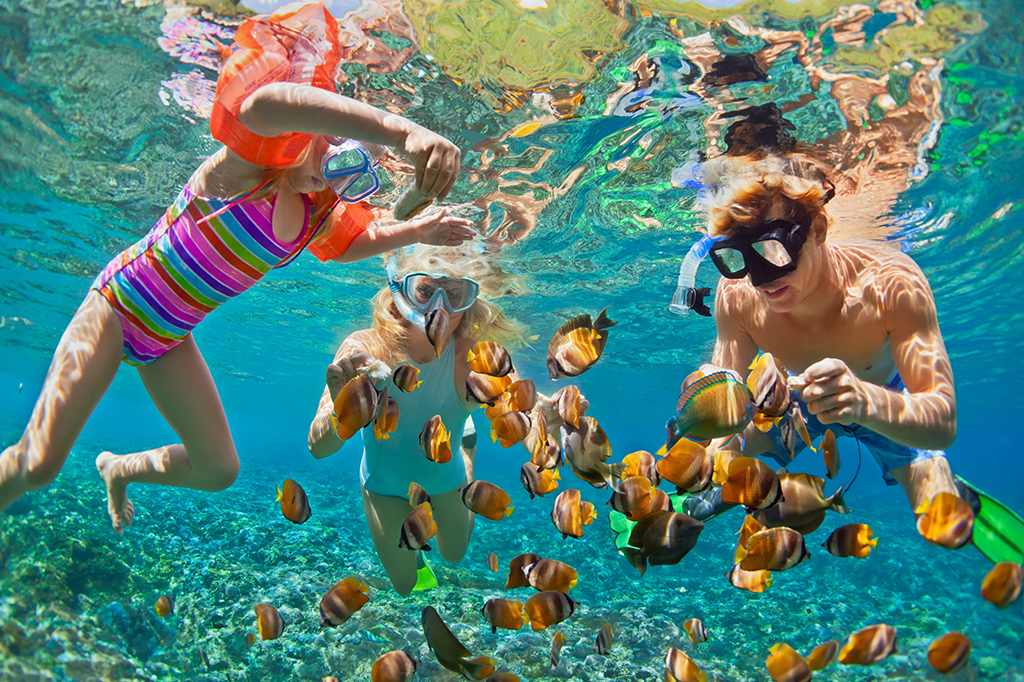
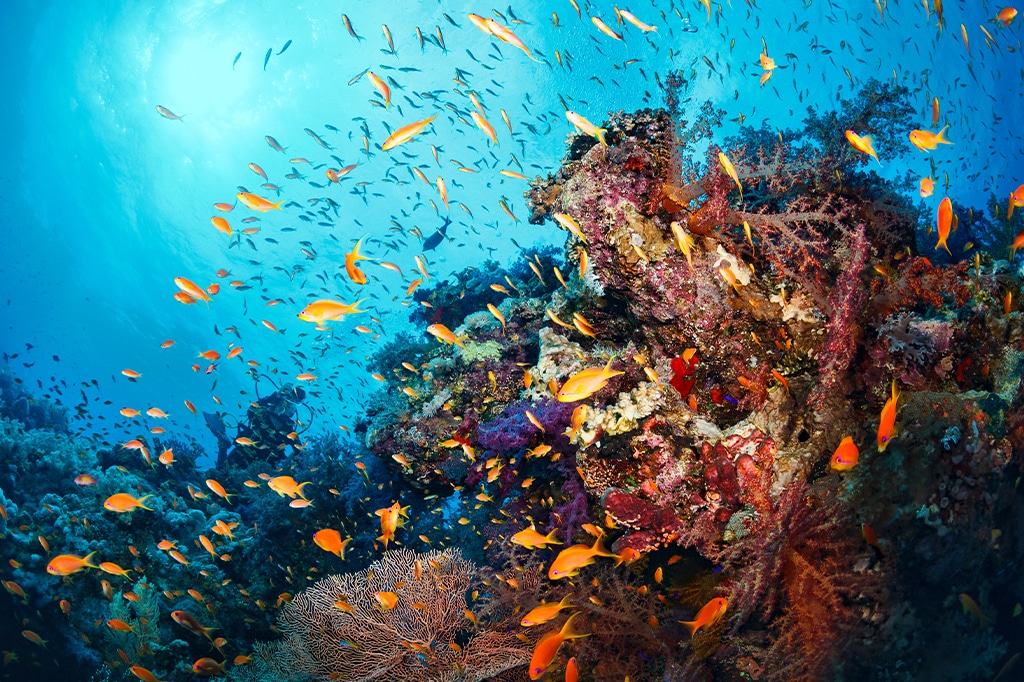
The Mnemba Atoll is a renowned diving site known for its pristine coral gardens, intricate underwater landscapes, and the chance to encounter various marine species. This includes reef sharks, rays, and colorful tropical fish.
Other popular dive sites include Tumbatu Island, Leven Banks, and the Bawe and Chumbe Islands. You pick to explore the underwater world through snorkeling and diving, encounter dolphins, or contribute to sea turtle conservation.
Moreover, you can indulge in deep-sea fishing or embrace the island’s maritime heritage on a dhow cruise. Zanzibar offers a range of water activities that will leave you with unforgettable memories of its pristine waters and abundant marine life.
1. Highlights
1. Vibrant Coral Reefs: Explore Zanzibar’s vibrant coral reefs, home to diverse marine life, making it a haven for snorkelers and divers of all levels.
2. Mnemba Atoll: Dive into the crystal-clear waters of the Mnemba Atoll, a renowned diving site known for its pristine coral gardens, intricate underwater landscapes, and frequent sightings of reef sharks, rays, and colorful tropical fish.
3. Dive Sites: Discover other popular dive sites such as Tumbatu Island, Leven Banks, and the Bawe and Chumbe Islands, each offering unique underwater experiences and opportunities to encounter fascinating marine species.
4. Water Activities: Indulge in various water activities, from snorkeling and diving to deep-sea fishing and dhow cruises, providing endless opportunities to immerse yourself in Zanzibar’s maritime heritage and natural beauty.
5. Conservation Efforts: Contribute to sea turtle conservation efforts by participating in guided tours or volunteer programs to protect these endangered species and preserve Zanzibar’s marine ecosystems for future generations.
Zanzibar Island Spice Tours and Plantations
Discover Zanzibar’s nickname as the “Spice Island” by taking a spice tour. Visit aromatic spice plantations, where you’ll learn about the cultivation and harvesting of cloves, nutmeg, vanilla, and other spices.

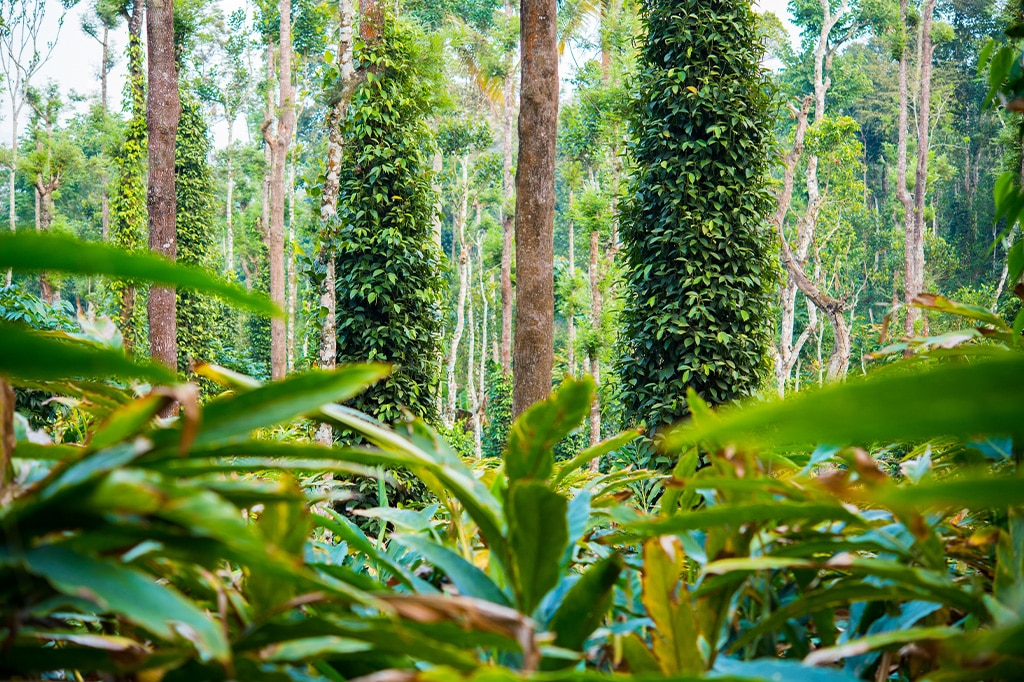
Engage your senses as you smell and taste the fresh spices and witness the vibrant colors of the plantations. Embark on a guided spice tour to immerse yourself in Zanzibar’s spices.
Many tour operators and local guides offer informative and interactive tours, taking you to lush plantations where you can see, touch, smell, and taste various spices. These tours provide insights into spices’ history, cultivation, and traditional uses and their cultural significance for the local population.
1. Highlights
1. Spice Plantations: Explore Zanzibar’s lush spice plantations, where you can see the cultivation and harvesting of cloves, nutmeg, vanilla, and other aromatic spices that have earned the island its reputation as the “Spice Island.”
2. Sensory Experience: Engage your senses as you smell the fragrant spices, taste their flavors, and marvel at the vibrant colors of the plantations, offering a sensory journey into the heart of Zanzibar’s spice trade.
3. Guided Tours: Embark on guided spice tours led by knowledgeable local guides or tour operators who will provide insightful commentary on the spices’ history, cultural significance, and traditional uses, enriching your experience.
4. Interactive Learning: Participate in interactive activities during the tours, such as spice tastings and demonstrations, allowing you to deepen your understanding of the spices and their importance in Zanzibar’s culture and economy.
5. Cultural Immersion: Engage yourself in the rich cultural heritage of Zanzibar as you explore the spice plantations and learn about the island’s centuries-old tradition of spice cultivation, which continues to shape its identity and livelihoods.
Zanzibar’s Cultural Heritage
Zanzibar’s rich cultural heritage is a captivating blend of diverse influences from Arab, Persian, Indian, and African traditions. To understand the complex history of Zanzibar, a visit to its historical sites is essential.

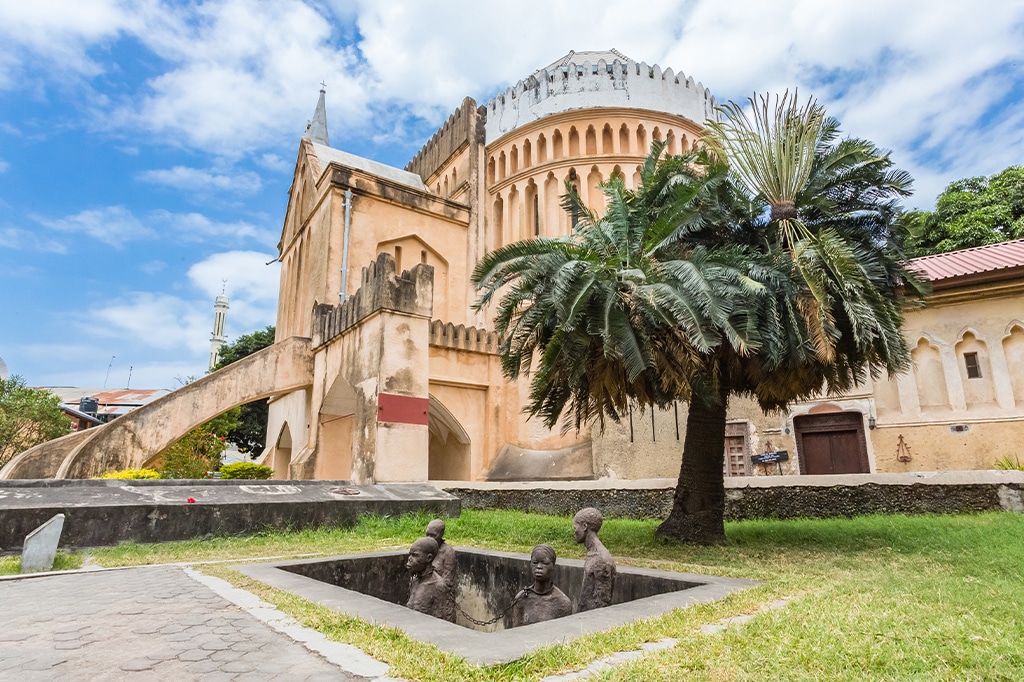
The Slave Market in Stone Town is a poignant reminder of the island’s dark past. Explore the chambers where slaves were held, hear stories of their resilience, and learn about the impact of the slave trade on Zanzibar’s history.
The adjacent Anglican Cathedral, built on the site of the old slave market, serves as a memorial to those who suffered during this era. Guided tours provide in-depth knowledge and illuminate the island’s journey toward freedom and human rights.
1. Highlights
1. Cultural Fusion: Experience Zanzibar’s unique cultural tapestry, characterized by a fusion of Arab, Persian, Indian, and African influences, evident in its architecture, cuisine, music, and traditions.
2. Historical Sites: Delve into Zanzibar’s complex history by visiting its historical sites, such as the Slave Market in Stone Town. Explore the chambers where slaves were once held captive, offering a poignant glimpse into the island’s dark past.
3. Slave Market Remnants: Witness the remnants of the island’s slave trade at the Slave Market site, where guided tours provide insight into the harrowing experiences of enslaved individuals and the resilience of those who endured such atrocities.
4. Memorial at Anglican Cathedral: Pay homage to the victims of the slave trade at the Anglican Cathedral, built on the former site of the Slave Market. The cathedral stands as a solemn memorial, honoring the memory of those who suffered and highlighting Zanzibar’s journey toward freedom and human rights.
5. Guided Tours: Enhance your understanding of Zanzibar’s cultural heritage with guided tours led by experts. Gain deeper insights into the island’s history, traditions, and ongoing efforts to preserve its cultural legacy.
Island-Hopping to the Zanzibar Archipelago
While Zanzibar Island itself is a gem, take advantage of the option to see the surrounding islands of the Zanzibar Archipelago. Take a short boat ride to Prison Island, home to giant tortoises and pristine beaches.


Mnemba Island, on the northeastern coast, is a private paradise famous for its exclusivity and luxury resorts. Pemba Island, the second-largest island in the archipelago, offers a more off-the-beaten-path experience with untouched landscapes and excellent diving spots.
1. Highlights
1. Pristine Prison Island: If you want to meet giant tortoises and relax on pristine beaches, you can take a short boat ride to Prison Island. It provides a peaceful retreat from the busy mainland and lets you experience an exclusive feeling since this is not a tourist-packed spot.
2. Exclusive Mnemba Island: Experience luxury and exclusivity on Mnemba Island, famed for its private resorts and secluded ambiance. Enjoy world-class amenities, pristine beaches, and crystal-clear waters, perfect for snorkeling and diving.
3. Off-the-Beaten-Path Pemba: Explore the lesser-known island of Pemba, boasting untouched landscapes and a more authentic Zanzibari experience. Discover hidden coves, lush forests, and excellent diving spots teeming with marine life.
4. Island-Hopping Adventures: Embark on island-hopping adventures across the Zanzibar Archipelago, each island offering its unique charm and allure. From pristine beaches to vibrant marine ecosystems, there’s something for every traveler to discover.
5. Diverse Experiences: Whether you seek luxury and relaxation or off-the-beaten-path exploration, island-hopping in the Zanzibar Archipelago offers diverse experiences to suit every traveler’s preferences and interests.
Zanzibar Island Accommodation and Dining Options
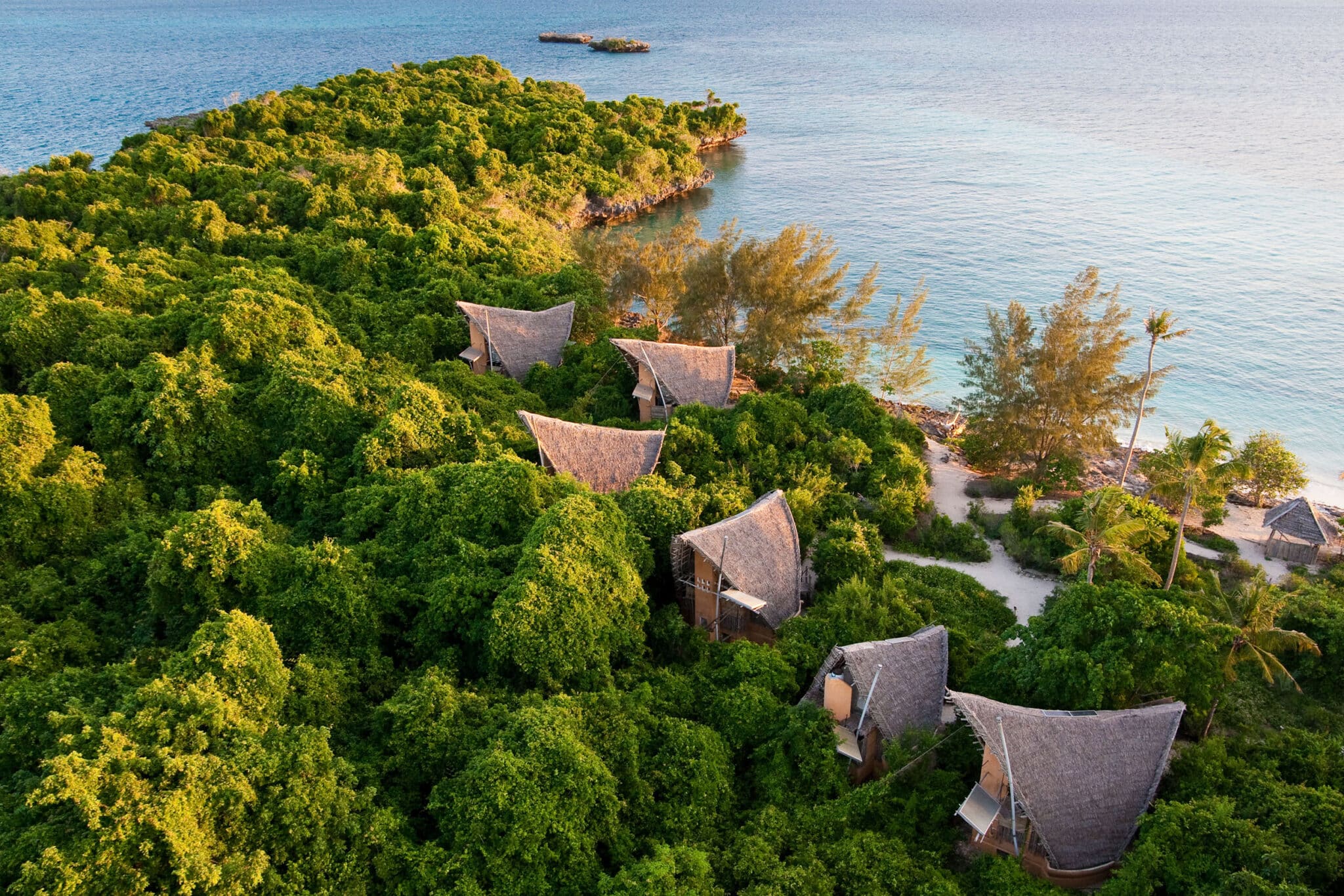
Zanzibar Island offers a range of accommodation options to suit every traveler’s taste and budget. From luxury beach resorts with stunning ocean views to boutique hotels and eco-lodges in nature, there is something for everyone.


Indulge in the island’s culinary delights by sampling the local seafood dishes, Swahili cuisine, and international flavors available in the numerous restaurants and beachfront cafes.
1. Highlights
1. Luxurious Beach Resorts: Experience opulent beachfront living at Zanzibar’s luxury resorts, offering stunning ocean views, world-class amenities, and unparalleled hospitality for a truly indulgent getaway.
2. Charming Boutique Hotels: Discover the island’s charm and character at boutique hotels in historic Stone Town or along the coastline. These intimate accommodations offer personalized service and unique cultural experiences.
3. Eco-Friendly Lodges: Embrace sustainability and eco-tourism at Zanzibar’s eco-lodges, set amidst pristine nature reserves and offering eco-friendly accommodations, organic cuisine, and immersive nature experiences.
4. Culinary Delights: Delight your taste buds with Zanzibar’s diverse culinary scene, featuring fresh seafood, aromatic spices, and traditional Swahili dishes. From street food stalls to luxury restaurants, there’s something for every palate satisfaction.
5. Beachfront Dining: Experience the ultimate dining ambiance at beachfront cafes and restaurants, where you can taste delicious meals while enjoying panoramic views of the turquoise Indian Ocean and feeling the gentle sea breeze.
Conclusion
Zanzibar Island, with its breathtaking beaches, rich cultural heritage, and vibrant atmosphere, is truly a gateway to the best beaches in Africa. Whether you’re seeking relaxation, adventure, or a cultural experience, Zanzibar has it all.
Plan your visit to this tropical paradise in 2025 or 2026, and immerse yourself in the beauty and enchantment that await you on this idyllic island. Contact us today for more details.
Frequently Asked Questions – Zanzibar Island (FAQs)
1. What are the best places to spot whale sharks in the Zanzibar Archipelago?
To spot whale sharks in the Zanzibar Archipelago, head to Mafia Island, known for its thriving marine life and pristine waters. Join a guided diving excursion or snorkeling to meet these gentle giants in their natural home, particularly during the whale shark season from October to March.
2. What are the must-visit national parks in Zanzibar?
One of the must-visit national parks in Zanzibar is Jozani Chwaka Bay National Park, renowned for its lush mangrove forests, diverse wildlife, and iconic red colobus monkeys. Explore the park’s scenic trails and boardwalks to observe these endangered primates and immerse yourself in the island’s natural beauty.
3. When is the best time to visit The Rock Restaurant in Zanzibar?
The best time to visit The Rock Restaurant in Zanzibar is during low tide when the restaurant’s iconic location on a rock formation in the Indian Ocean is accessible by foot. Enjoy a memorable dining experience with panoramic ocean views and indulge in delicious seafood and international cuisine.
4. What is unique about Pemba Island in the Zanzibar Archipelago?
Pemba Island, located in the Zanzibar Archipelago, is known for its unspoiled beauty, lush landscapes, and rich cultural heritage. Explore its pristine beaches, vibrant coral reefs, and traditional villages, offering a tranquil escape from the bustling tourist areas of Zanzibar.
5. Can I witness the Great Migration while visiting Zanzibar?
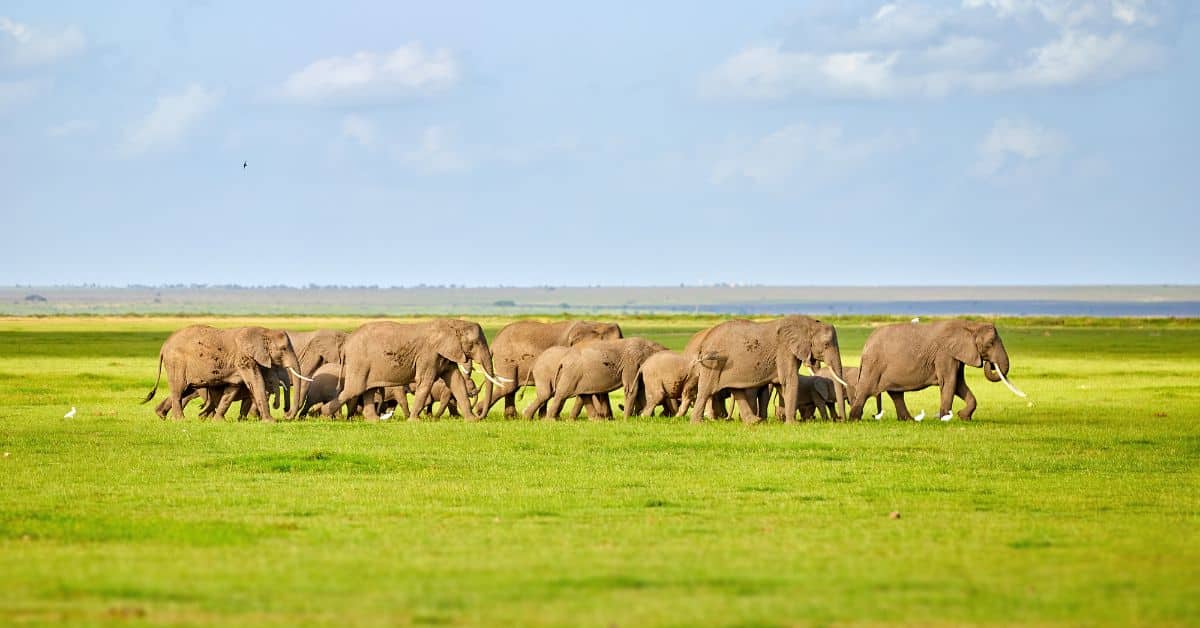
While Zanzibar is not directly part of the Great Migration route, visitors can combine their trip with a safari to the nearby Serengeti National Park in Tanzania. Witness one of the world’s most incredible wildlife spectacles as millions of wildebeest and other animals travel over the Serengeti plains in search of greener pastures.
6. What activities can I enjoy in Jozani Forest?
Jozani Forest offers a range of eco-friendly activities, including guided nature walks, birdwatching, and wildlife spotting. Explore the forest’s diverse ecosystem, home to unique flora and fauna such as the endemic red colobus monkeys and mangrove forests.
7. Where can I find good food in Zanzibar?
Zanzibar boasts a vibrant culinary scene with various street food, cafes, and restaurant vendors offering delicious local and international cuisine. Head to Stone Town for authentic Swahili dishes, seafood delicacies, and fusion cuisine influenced by Zanzibar’s diverse cultural heritage.