

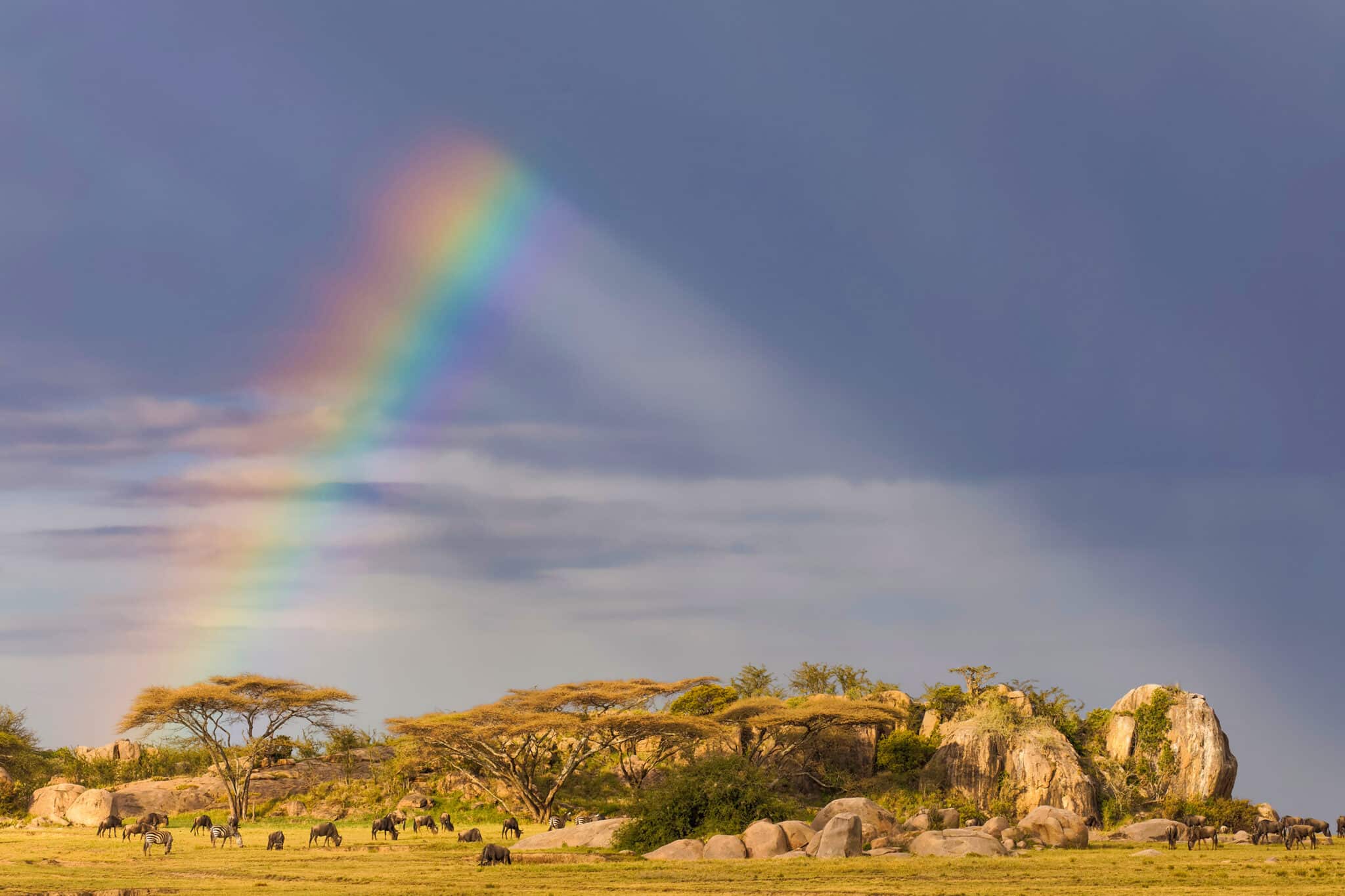
Planning for a wild safari experience? If so, you would want to take advantage of the best national parks in Tanzania.
Without its national parks, Tanzania and all the other safari destinations in Africa wouldn’t be able to attract so many visitors. The national parks are home to all the animals and are central to any break to Africa.
The great thing about Tanzania is that there are plenty of parks that you can choose from to visit. Which one is going to be the right one for you? Here is our summary of the best national parks to visit in Tanzania.
The great thing about Tanzania is that there are plenty of parks that you can choose from to visit. Which one is going to be the right one for you? Here is our summary of the best national parks to visit in Tanzania.
Best national parks to visit in Tanzania: Our top 5 picks
While Tanzania has an endless list of natural beauty spots, a handful of beautiful and famous national parks stand out.

Each has its own quirks and charms, but they all offer an incredible experience that will stay with you long after your trip. Here are our top 5 national parks in Tanzania:
Ngorongoro Crater
The Ngorongoro Conservation is a game reserve made up of a crater that has been around for millions of years. The natural walls meant that man couldn’t get in, which allowed nature to run free and create a diversity of wildlife.


There are so many things to love about the Ngorongoro Crater. One of the main reasons people choose this particular conservation is because it allows the chance to see the Big Five in one space, surrounded by a massive concentration of wildlife.
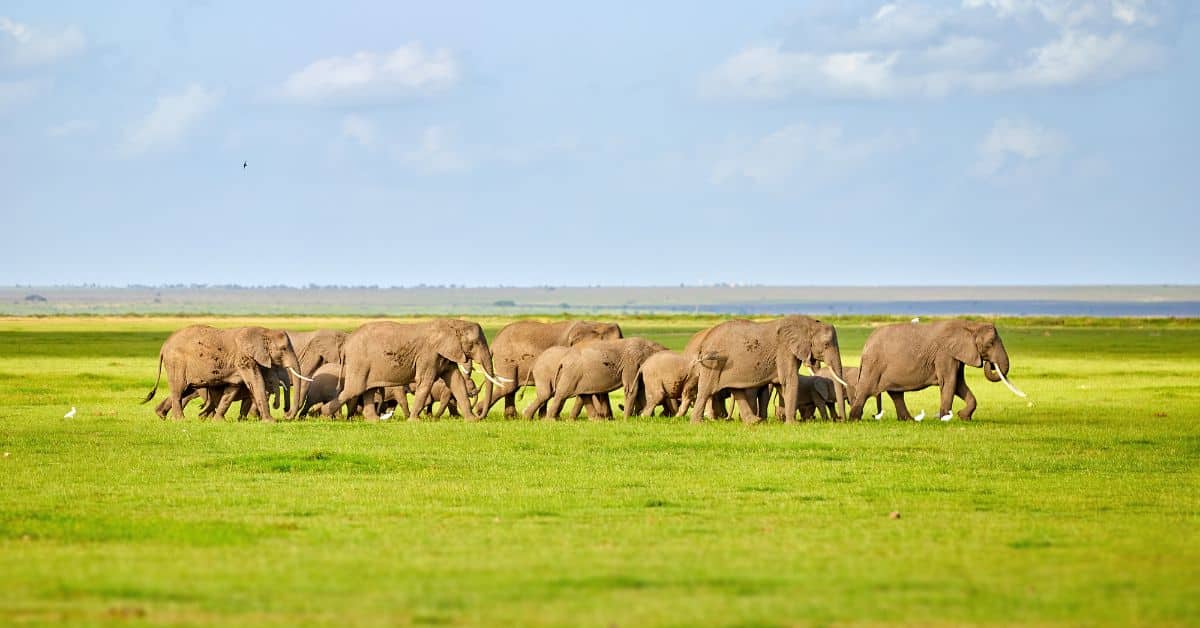
It is also home to the Black Rhinos, which are highly endangered. Expect to see herds of elephants roaming around, lions stalking their prey, and wildebeest protecting one another in this excellent life space.
Serengeti National Park
The Serengeti is the home to The Great Wildebeest Migration, which means it is one of the most popular parks for a safari break in Tanzania. It is among Tanzania’s most significant and beautiful national parks in the world.
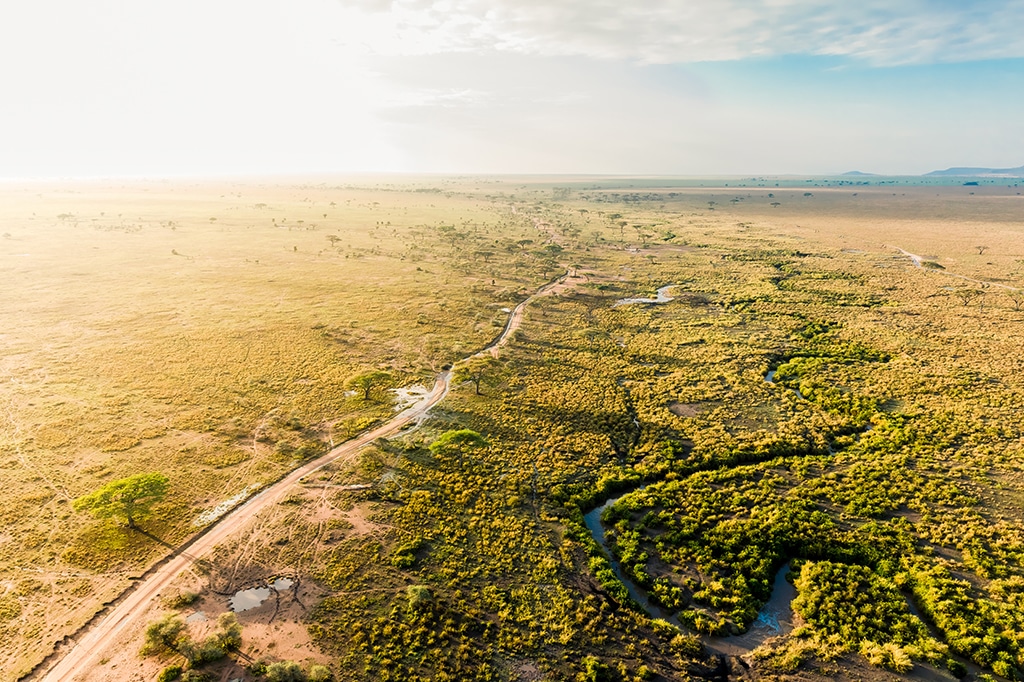
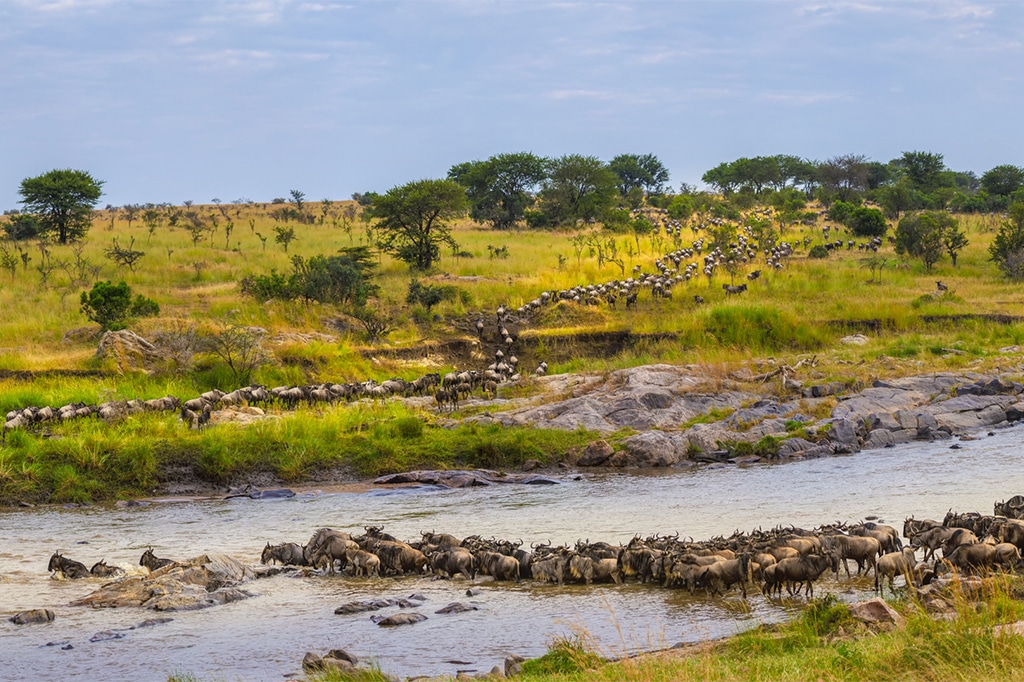
The wildlife experiences here are unmatched. Serengeti National Park provides the ultimate African safari experience with its abundant wildlife.
There are hot air balloon safaris (a must-have experience), game drives, fantastic accommodation options to consider, and plenty of animals to see. However, remembering that the Serengeti can get busy, particularly during peak season, is worth remembering.
Lake Manyara National Park
Lake Manyara is a well-known national park that is packed with wildlife and is comprised of a massive body of water. There is mighty tall African grass in this area, which we explore while on a safari, along with groundwater forests.
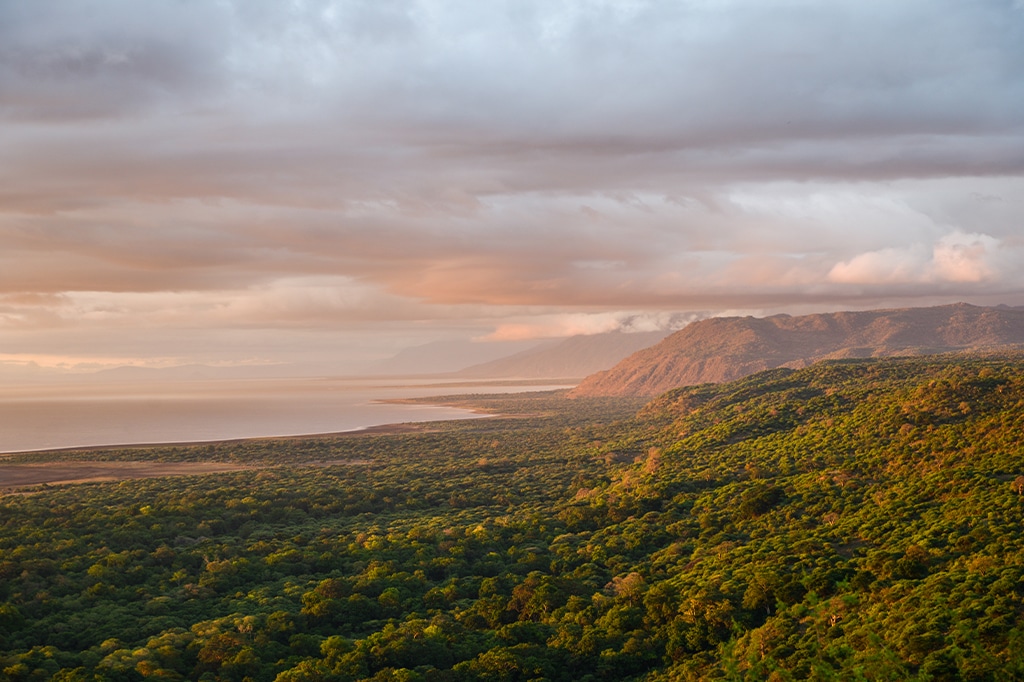

This is the home of thousands of flamingos and other beautiful birds. The landscape in this national park is gorgeous. You may find it harder to spot some predators and smaller creatures here, so keep your ears and eyes sharply peeled for the most breathtaking bird sightings and mating calls you’ll ever hear.
Tarangire National Park
It is not located on the main safari route, meaning you can expect Tarangire to be less crowded than other national parks in the country. Compared to Lake Manyara, Tarangire is ten times bigger.

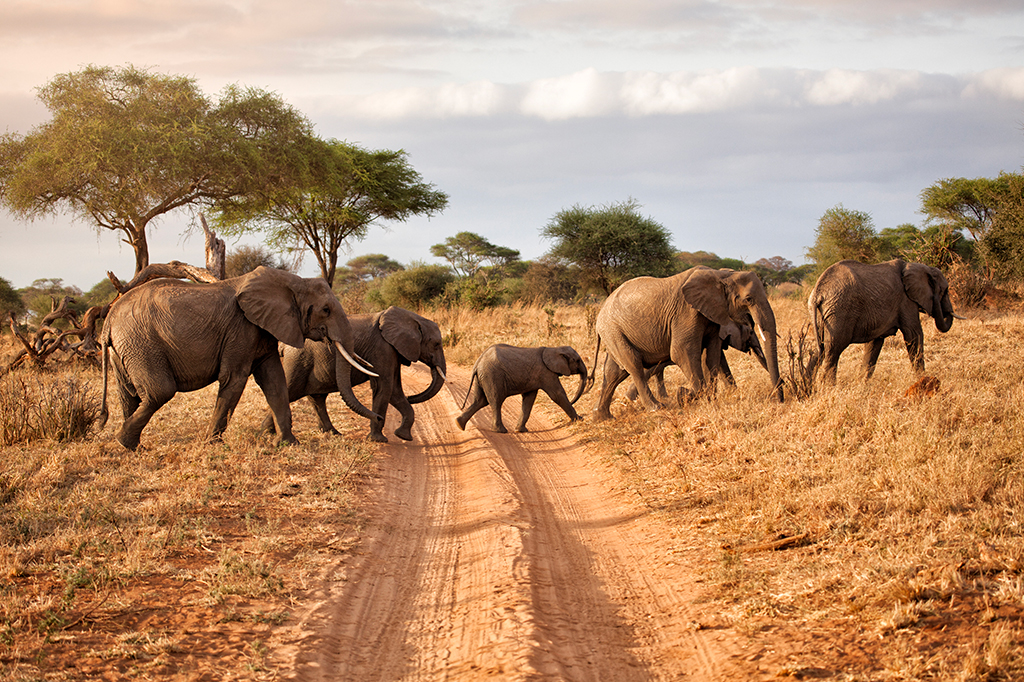
It is often seen as a mini Serengeti, as savannah planes stretch far into the horizon that we explore on our safaris. Tarangire is a popular spot for those looking for walking and night safaris and offers some of the most breathtaking landscapes.
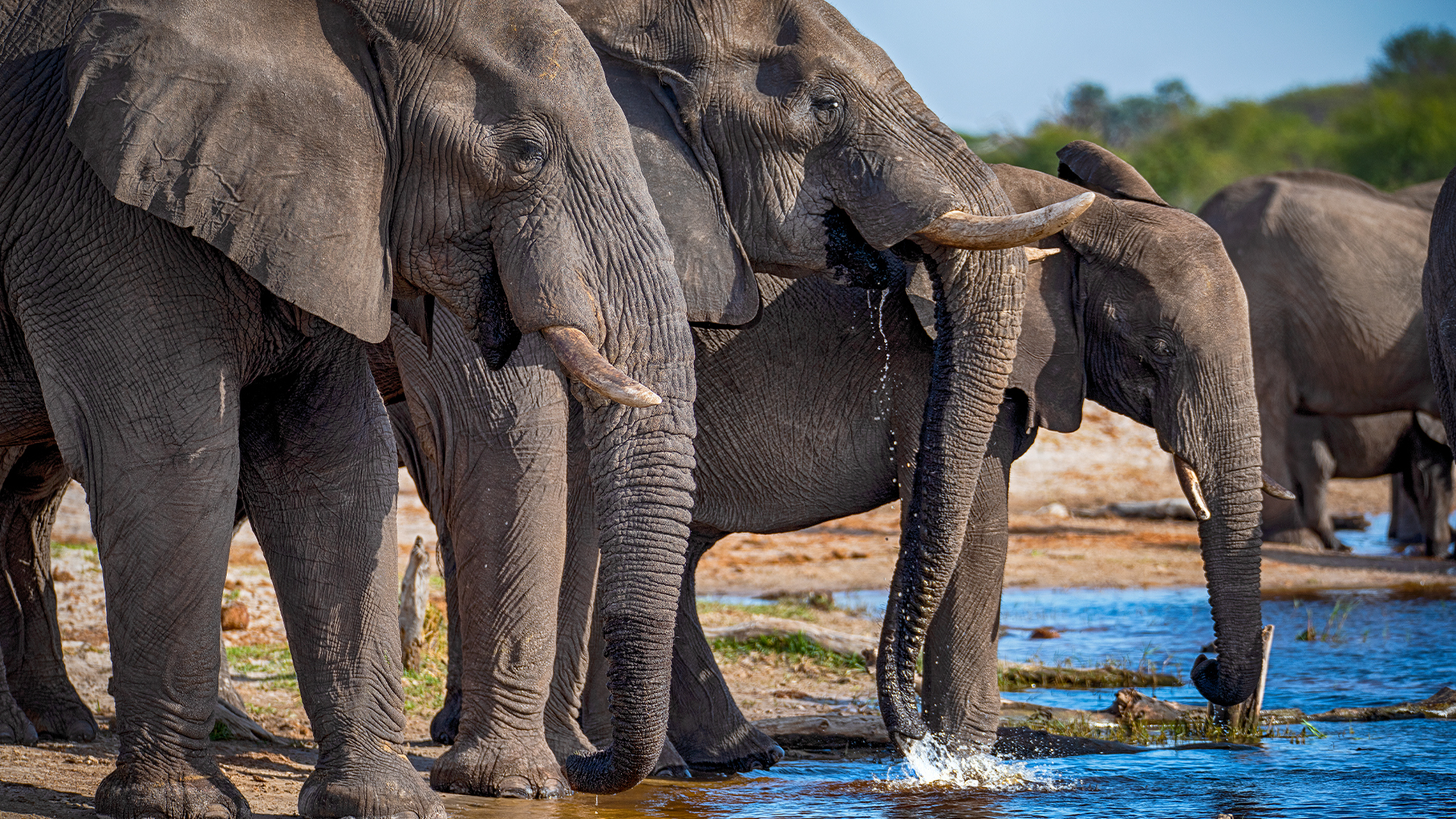
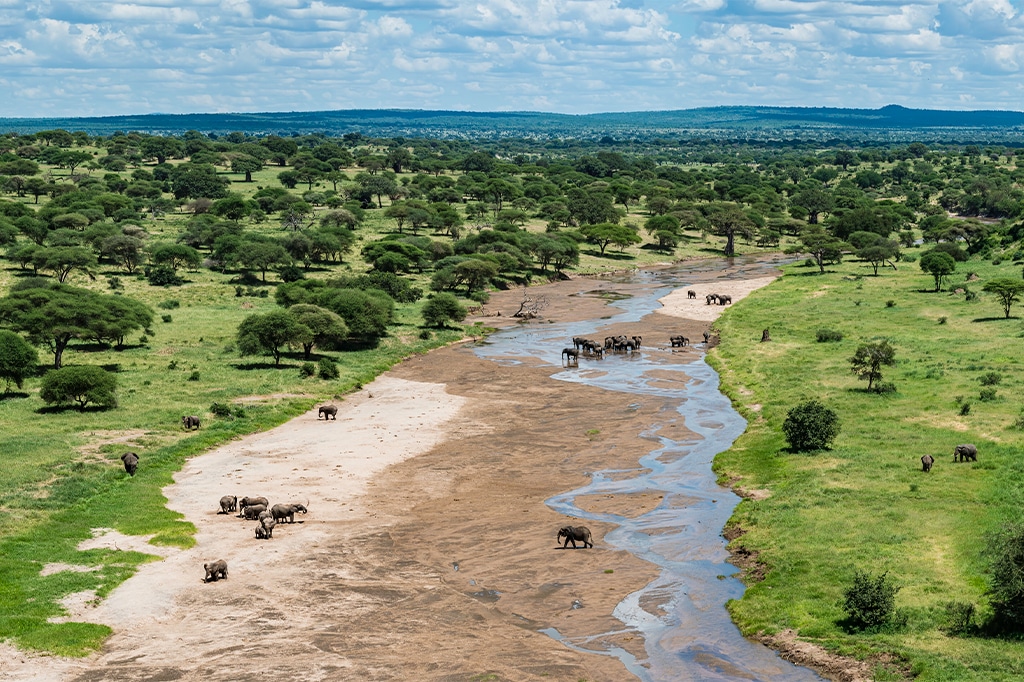
Here, you will likely glimpse some of the hundreds of elephants that call it home. Tarangire National Park is also famous for its mighty baobab trees. These trees are breathtaking in size, and we have an entire blog dedicated to these magnificent giants.
Kilimanjaro National Park
Mount Kilimanjaro is Earth’s tallest freestanding mountain and Africa’s tallest mountain. It stands with an overwhelming sense of magnificence, and the magnitude of its height is something you’ll never forget.
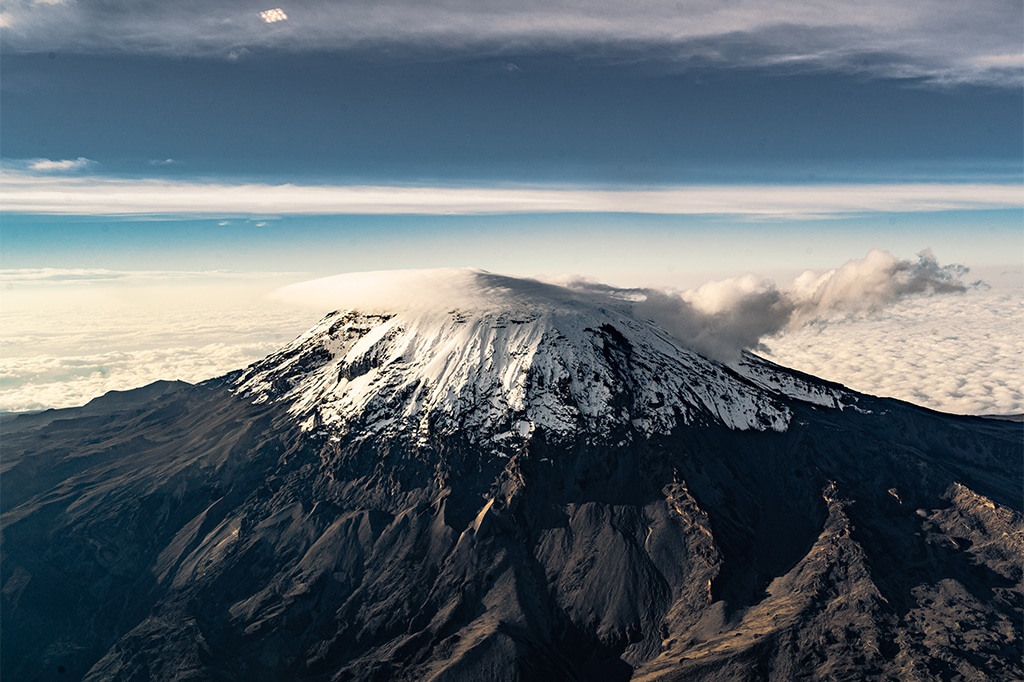

The mountain hosts a plethora of different climate zones and creates its own water cycle, too! We encourage you to read up on the various routes up the hill in case this is something you want to do. Summiting Kilimanjaro is truly a life-changing experience.
Other notable mentions of the best national parks in Tanzania
1. Ruaha National Park
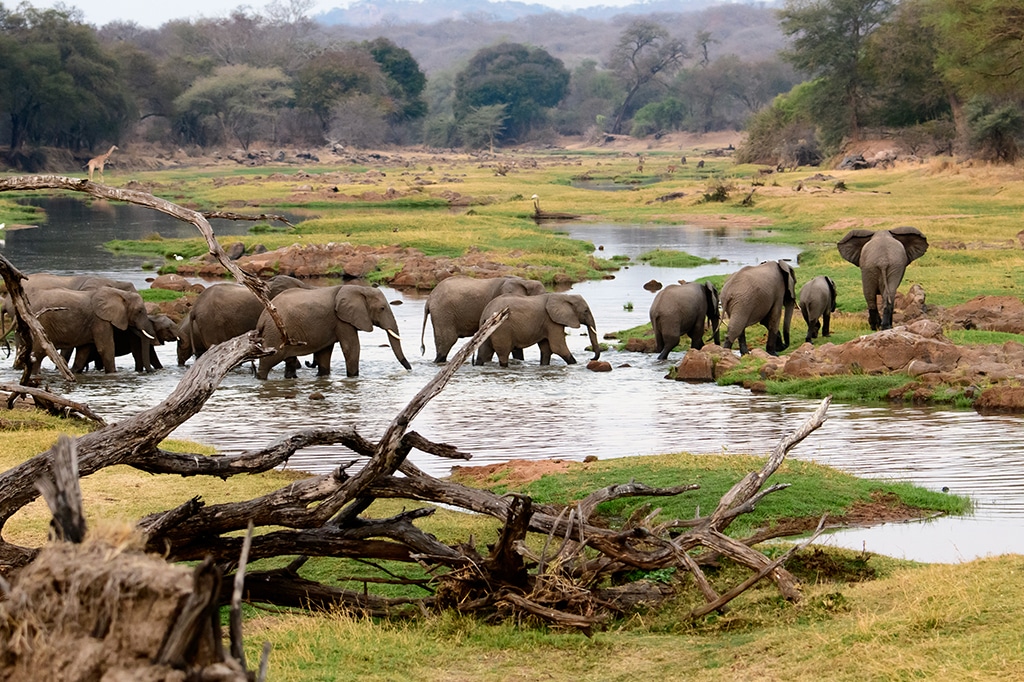
Ruaha is among the largest national parks in Tanzania, offering breathtaking landscapes coupled with a large concentration of diverse wild animals. In addition to massive herds of elephants and unparalleled big cat sightings, visitors can witness the rare and impressive African wild dogs in their natural habitat.
Redefining birdwatching, the park is also known for its vast variety of bird species, delighting avian enthusiasts. Ruaha truly is a must-visit destination for those seeking to experience Tanzania’s wildlife’s raw and captivating beauty.
2. Arusha National Park
With its diverse ecosystems, Arusha National Park is a haven for adventurers. Hikers can explore Mount Meru, bird watchers will appreciate the variety of avian species, and wildlife lovers can marvel at the flourishing animal populations, including black and white colobus monkeys.
3. Gombe Stream National Park
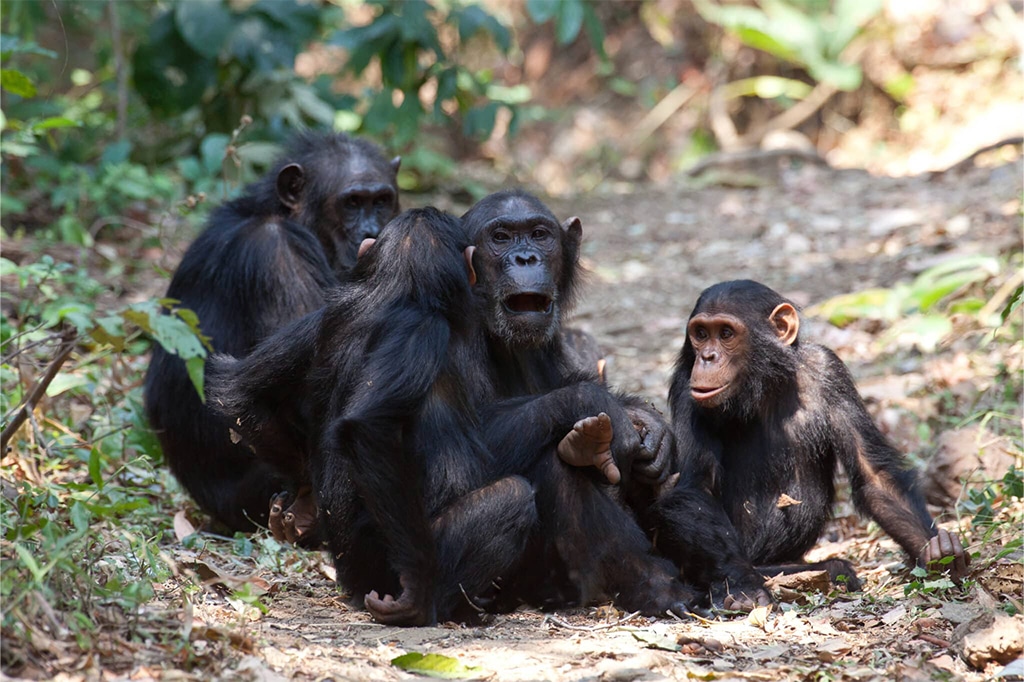
Known as the site of Jane Goodall’s groundbreaking chimpanzee research, Gombe Stream National Park offers a unique opportunity to observe these fascinating primates up close. Lake Tanganyika’s park is situated on the shores of Lake Tanganyika and boasts beautiful hiking trails and stunning lake views.
4. Nyerere National Park
Once the Selous Game Reserve, Nyerere National Park is a UNESCO Heritage Site well-known for its untouched wilderness. Its rich biodiversity features everything from African bush elephants and black rhinos to cheetahs.
A boat safari on the Rufiji River offers a unique perspective of the park’s wildlife.
5. Mahale Mountains National Park
Nestled on Lake Tanganyika’s shore, Mahale Mountains National Park is a gem in the heart of Tanzania. It’s home to one of the largest known populations of chimpanzees, whose intimate interactions provide a captivating spectacle.
Beyond primate observation, visitors can explore the towering Mahale Mountain Range, adorned with lush rainforest—the crystal-clear waters of Lake Tanganyika beckon for scenic boat rides, kayaking, and fishing excursions.
Animal lovers can also catch glimpses of leopards, warthogs, and numerous tropical bird species. For a truly immersive experience, cultural visits to the local Tongwe people provide insight into their vibrant customs and traditions.
6. Udzungwa Mountains National Park
Udzungwa Mountains National Park often called the “African Galapagos” for its vast biodiversity, serves as a hiker’s paradise with lush rainforests and majestic waterfalls. The steep Sanje Waterfall trail, leading to a spectacular 170m high waterfall, guarantees awe-inspiring panoramic views.
The park is also one of Tanzania’s top birdwatching destinations, thrillingly sighting numerous endemic species. Primate enthusiasts will enjoy spotting populations of colobus monkeys and Sanje mangabeys.
The diverse vegetation of Udzungwa creates a striking backdrop perfect for photography. Finally, invigorating swims in natural plunge pools add a refreshing touch to your jungle exploration.
Conclusion
Tanzania offers some of the largest game reserves in the world. With an unmatched density of wildlife throughout the country, beautiful game viewing, and vast plains to explore, this is undoubtedly the place to be on an African safari.
There are so many amazing parks to visit, many different animals to see and endless African wilderness to explore. This is Tanzania, waiting to give you the safari of your dreams.
With so many different places and animals to see, choosing which parks to add to your itinerary can take time. Contact our safari experts if you need help crafting the ultimate safari experience. See you in the wild, dear traveller!
Frequently Asked Questions (FAQs)
1. What wildlife can be seen in Ruaha National Park?
Ruaha National Park, famed for being the largest national park in Tanzania, is home to rich and diverse wildlife. Here, you can witness massive herds of elephants, a beautiful variety of bird species, and the park’s big cats, including lions, leopards, and cheetahs.
The park also hosts a significant population of African wild dogs, offering a rare sight of this endangered species. Other animals, such as giraffes, zebras, and African buffaloes, can also be seen.
With careful observation, chances of spotting the elusive nocturnal pangolin also exist. Ruaha’s vastness and natural beauty provide a truly authentic African safari experience.
2. What activities are available in Arusha National Park?
Arusha National Park offers diverse activities to suit all adventurous spirits. Hikers can trek the scenic nature trails on Mount Meru, the fifth-highest peak in Africa.
Bird watchers will appreciate the park’s multitude of avian species, while wildlife enthusiasts can spot populations of black-and-white colobus monkeys, giraffes, and zebras. Canoeing safaris on Momella Lake provide unique opportunities to view aquatic wildlife and birdlife.
Additionally, game drives and walking safaris led by professional guides offer an intimate encounter with the park’s inhabitants. Finally, the park’s picturesque picnic sites present a relaxing ambience amidst magnificent views.
3. What is unique about Gombe Stream National Park?
Gombe Stream National Park, although small, is famous as the site of Jane Goodall’s revolutionary research on chimpanzees. Visitors can join guided treks to observe the park’s thriving chimpanzee populations, offering unforgettable up-close encounters with these intelligent primates.
Apart from chimpanzees, the park is inhabited by various other monkey species and a range of small antelope species. Unique to Gombe, visitors can also explore the lush forest trails that wend towards waterfalls and vantage points with stellar views over Lake Tanganyika.
In the lake, you can enjoy the tranquillity of swimming, snorkelling, and sunset watching. The park’s biological richness and sweeping lake views make it truly special.
4. What can I expect to see at Nyerere National Park?
Nyerere National Park, previously known as Selous Game Reserve, is a UNESCO World Heritage Site celebrated for its wilderness. The park hosts various animals, including African bush elephants, black rhinos, cheetahs, and African wild dogs.
Boating safaris on the Rufiji River offer unmatched opportunities to observe water-loving animals such as hippos, crocodiles, and various water birds. The park’s unique landscapes, like hot springs and the towering termite mounds, are also points of interest.
In addition to self-driving game viewing, visitors may enjoy guided walking safaris for a more intimate experience with nature. With some luck, elusive leopards and lions may also appear during your visit.
5. Can I hike in Mahale Mountains National Park?
Yes, Mahale Mountains National Park offers terrific hiking opportunities, catering to visitors of all fitness levels. Treks through its lush mountainous terrain allow one to experience the pristine African wilderness firsthand.
Chimpanzee tracking is a major highlight here, where guided treks take you into the natural habitat of these fascinating apes. Besides chimpanzees, hikers may encounter other animals like bushbucks, pigs, and monkeys.
The magnificent Nkungwe Peak, the highest peak in the park, also makes for a thrilling hiking experience. Indeed, the park’s unspoiled natural beauty and diverse wildlife make hiking in Mahale a once-in-a-lifetime experience.
6. What makes Udzungwa Mountains National Park unique?
Often referred to as the “African Galapagos,” Udzungwa Mountains National Park is unique due to its vast biodiversity, with many endemic species. It houses several primate species and offers excellent birdwatching opportunities, featuring numerous endemic bird species.
The park doesn’t offer traditional wildlife safaris but instead prides itself on a vibrant plant and tree species diversity, some of which are not found anywhere else in the world.
It is also home to the spectacular Sanje Waterfall, which empties into plunge pools ideal for a refreshing swim. The park’s many hiking and trekking trails, taking visitors through unique rainforest landscapes with stunning panoramas, further add to its distinct appeal.
Udzungwa Mountain National Park showcases biodiversity, redefining the typical safari experience.
7. What is the best time to visit Tanzania’s national parks?
The ideal time to visit Tanzania’s national parks depends on your interests and chosen activities. Generally, the dry season (June to October) is considered the best period for wildlife viewing, as animals gather around watering holes and the vegetation is less dense, providing easier visibility.
Bird watchers might prefer the wet season (November to May), when migratory bird species can be observed, and the scenery is greener and more vibrant. However, April and May see heavy rainfall, making some parks less accessible.
Therefore, it is essential to research each park’s specific conditions to determine the optimal time for your visit.
8. Are Tanzania’s national parks child-friendly?
Most national parks in Tanzania are family-friendly, providing exciting opportunities for children to experience and learn about African wildlife and ecosystems. Many safari lodges and camps offer family-friendly accommodations and are equipped to cater to children.
Some parks and lodges even provide kids’ clubs, educational programs, and trained staff to ensure young visitors have an unforgettable experience. However, it is essential to note that certain activities (e.g., walking safaris or chimpanzee tracking) might have age restrictions.
Always consult with park authorities and accommodation providers regarding children’s safety, age limits, and available services.
9. Are there any specific health concerns when visiting Tanzania’s national parks?
Before travelling to Tanzania, it is essential to consult a healthcare professional about recommended vaccinations and precautions. Commonly recommended vaccinations include tetanus, hepatitis A, typhoid, and yellow fever.
Malaria prevention and precautions against mosquito bites are also crucial in many national parks, as malaria is present in some areas. Carry a personal first-aid kit, insect repellent, and sun protection for your trip.
Obtaining emergency medical assistance could be problematic when visiting remote parks, so ensure that your medical insurance covers potential evacuation costs. Maintaining proper hygiene, staying hydrated, and being prepared will provide a safe and enjoyable visit to Tanzania’s national parks.
10. What should you wear when visiting national parks in Tanzania?
When visiting Tanzania’s national parks, it is essential to pack comfortable, practical clothing and footwear and items to protect yourself from the sun, cold, and rain. Opt for lightweight, long-sleeved shirts and trousers in neutral colours to provide sun protection and minimize your visibility to wildlife.
Good shoes or boots are necessary for walking safaris and trekking. Morning and evening safari game drives can get chilly, so bring warm layers like a fleece, a hat, gloves, and a windproof jacket.
Rain gear, including a waterproof coat and umbrella, will be helpful during the wet season. Remember to pack swimwear for lodges with pools or visiting parks with swimming opportunities.
11. Are camping options available in Tanzania’s national parks?
Camping options are available in many of Tanzania’s national parks, allowing visitors to experience the wilderness up close. Public and particular campsites are available, ranging from basic campgrounds with limited facilities to more upscale campsites with amenities like showers and dining areas.
Some parks offer fly camping, allowing guests to spend a night or two in the bush with a guide, away from the main camp or lodge. Many mobile camping safari operators also set up tents in different locations, deepening your connection with nature.
Always book your campsite through an authorized tour operator or the Tanzania National Parks Authority.
12. Are there any photographic restrictions in Tanzania’s national parks?
Photography is generally allowed and encouraged within Tanzania’s national parks; however, there are a few guidelines to follow. Avoid using flash photography, especially when photographing animals, as it can disturb and distress them.
Don’t interfere with wildlife by approaching too closely or going off designated tracks to get a better shot. Visitors can use drones in national parks with prior permission from the park authorities.
When photographing local people or villages, always ask for permission and respect their customs and privacy. Being mindful of the environment and respecting Tanzania’s wildlife and culture will ensure a positive experience for all.