

Jozani Chwaka Bay National Park is a special place in Zanzibar. It’s full of unique plants and animals, including one of Africa’s rarest primates—the red colobus monkey.
In this guide, you’ll learn everything you need to know about visiting the park in 2023/2024. You’ll discover tips for spotting the monkeys and enjoying the park’s beautiful surroundings.
Get ready for an unforgettable adventure in nature and dive right in with Easy Travel!
About Jozani Chwaka Bay National Park
Jozani Chwaka Bay National Park is Zanzibar’s only national park, covering an area of approximately 50 square kilometers. The park is known for its diverse ecosystems, including mangrove forests, salt marshes, and coral rag scrublands. It was established primarily to protect the endangered red colobus monkey population, but it also serves as a sanctuary for a wide range of other plant and animal species.
The Red Colobus Monkeys of Jozani Chwaka Bay National Park
One of the main highlights of visiting Jozani Chwaka Bay National Park is the opportunity to see the red colobus monkeys. These primates are endemic to Zanzibar and are characterized by their vibrant red fur, long white tufts of hair, and black faces. They are known for their playful nature and acrobatic abilities, making them a delight to observe.
Within the park are several troops of red colobus monkeys, each consisting of around 20 to 30 individuals. These troops often roam freely in the park’s forested areas, swinging through the trees and feeding on leaves, fruits, and flowers. Spotting these charismatic creatures in their natural habitat is a truly magical experience and a must-do for wildlife enthusiasts.
Exploring Jozani Chwaka Bay National Park
1. Walking Trails
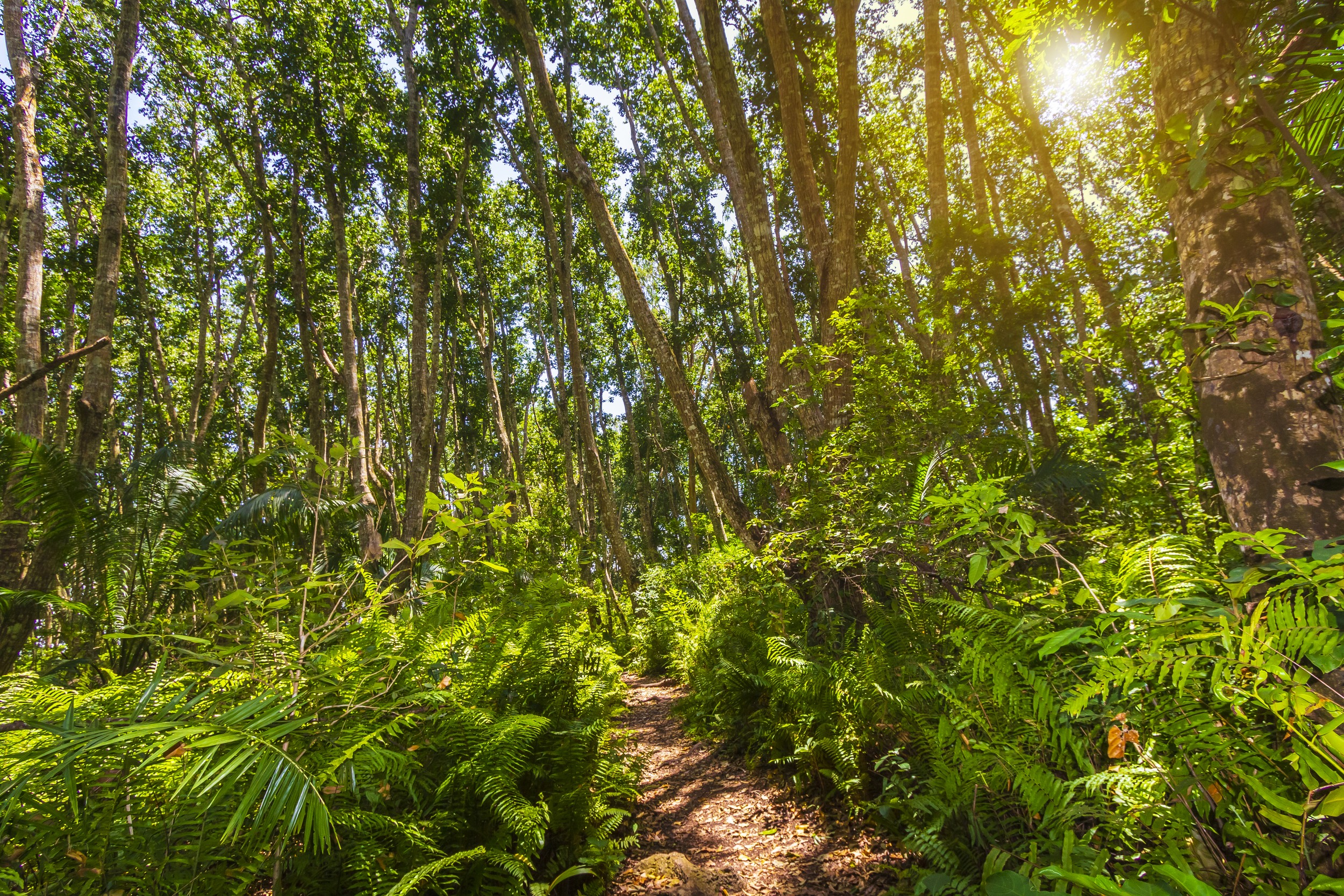
Jozani Chwaka Bay National Park prides itself on a network of well-maintained walking trails that weave through its vast and diverse ecosystems. These trails offer an exhilarating opportunity to explore the park’s dense vegetation and encounter unique wildlife, including the endangered red colobus monkeys up close. The trails lead through the park’s forested areas, providing picturesque sights and the tranquil ambiance of untouched nature that leaves visitors in awe.
As you traverse these paths, the rustling of leaves may signal other wildlife residents such as bushbabies and Sykes monkeys. Don’t forget to look up in the trees and sky – a vibrant variety of birdlife nests within the park, often announcing its presence through a melodious symphony. This immersive experience allows visitors to connect with nature while discovering the park’s rich biodiversity.
2. Mangrove Boardwalk
The Jozani Chwaka Bay National Park invites you to explore the enigmatic beauty of its mangrove forest with a leisurely stroll along the boardwalk. This elevated walkway, engineered to minimize disturbance to this fragile ecosystem, offers an unparalleled journey through the heart of the wetland habitat. As you walk, the intricate root systems of the mangroves unfold beneath you in an astonishing natural maze.
Take a moment to appreciate their architectural marvel and learn about their critical role in coastline stabilization. The mangroves don’t just anchor the earth – they also harbor a myriad of marine creatures, providing a nurturing habitat in their submerged roots. This unique exploration offers an insightful look into the symbiotic relationship of flora and fauna, further emphasizing the park’s holistic approach to conservation.
3. Wildlife Viewing Platforms
Jozani Chwaka Bay National Park is renowned for its several strategically positioned elevated viewing platforms designed to offer visitors an exceptional experience of observing red colobus monkeys. From the sanctuary of these platforms, you can witness the natural behaviors of these primates, as they effortlessly traverse through the trees, socialize with their peers, and forage for their meals.
To enrich your viewing experience, consider bringing along binoculars or a camera equipped with a zoom lens. These tools allow for a more intimate observation of the monkeys and their intriguing behaviors. Additionally, they provide an opportunity to capture remarkable close-up images of these captivating creatures. The viewing platforms facilitate these immersive experiences, enabling visitors to delve into the wildlife of the park while fostering respect for these primates in their natural habitat.
4. Park Regulations and Guidelines
To ensure the protection of the park’s wildlife and ecosystems, it’s important to adhere to the following regulations and guidelines:
– Stay on designated paths and trails to minimize disturbance to the wildlife and vegetation.
– Keep a respectful distance from the red colobus monkeys and avoid any attempts to touch or feed them.
– Do not litter. Dispose of waste in designated bins or carry it out with you to maintain the park’s pristine condition.
– Follow the instructions of park rangers and guides who are there to assist and provide information.
– Remember that the park is a protected area, and any form of hunting, fishing, or removal of plants and animals is strictly prohibited.
How to Get to Jozani Chwaka Bay National Park
Jozani Chwaka Bay National Park, nestled within the mesmerizing realm of Zanzibar, offers easy accessibility from multiple regions of the island. Geographically, the park is situated approximately 35 kilometers southeast of Zanzibar’s vibrant capital, Stone Town. To reach the park from Stone Town or other areas, visitors have several convenient options for arranging transportation.
Trusted local tour operators are available to provide hassle-free travel packages, often complete with guided tours of the park. For those seeking direct travel, taxis are an excellent choice and can be readily hired throughout Zanzibar. This range of travel options ensures that visitors can embark comfortably on their journey to explore the unique wonders of Jozani Chwaka Bay National Park.
Best Time to Visit
To experience Jozani Chwaka Bay National Park at its finest, consider planning a visit during the dry season, generally spanning from June to October. During these months, the park flourishes under pleasantly temperate weather conditions characterized by lower humidity and minimal rainfall. These factors combine to create an ideal environment for outdoor exploration.
The dry season also ushers in the perfect conditions for observing the park’s famed red colobus monkeys, as they are more active and easier to spot in the absence of rain. By visiting during the dry season, you’ll be rewarded with comfortable conditions, enhancing your overall experience of the breathtaking beauty and natural wonders that Jozani Chwaka Bay National Park has to offer.
Nearby Attractions
While Jozani Chwaka Bay National Park is the main attraction in the area, there are other nearby points of interest worth exploring. These include:
– Uzi Island: Uzi Island, a hidden gem situated just off the coast, is renowned for its unspoiled beauty and array of recreational activities. This idyllic haven is adorned with pristine beaches that stretch along its shoreline, inviting visitors to unwind in tranquility. Authentic traditional fishing villages on the island present a window into the local culture and customs, providing a rare glimpse of life on Uzi.
For those seeking aquatic adventures, the island also delivers remarkable opportunities to explore the underwater world through activities such as snorkeling and diving. In this vibrant marine environment, visitors can discover a colorful diversity of fish and coral species. Overall, Uzi Island offers a delightful mix of relaxation, cultural experiences, and exhilarating water-based activities for all to enjoy.
– Chwaka Bay: Chwaka Bay, a tranquil retreat tucked in the serene surroundings of Zanzibar, is known far and wide for its rich biodiversity. Feathered inhabitants of the bay include a fascinating variety of bird species, making it a paradise for avid birdwatchers. The bay’s lush surroundings provide the perfect backdrop for spending hours observing these avian creatures.
Equally captivating are the scenic boat trips offered along the picturesque coastline. As you sail along the gentle waves, you can relish the panoramic views of the shoreline and the diverse marine life. Chwaka Bay, with its vibrant birdlife and tranquil waters, hence provides a perfect blend of nature and adventure for visitors.
– Muyuni Village: A quaint and captivating destination, Muyuni village offers a truly immersive look into the heart of Swahili culture. Upon your arrival, you’ll be warmly welcomed by the hospitable locals, who are delighted to introduce you to their traditional way of life. During your visit, you can observe and join in time-honored customs, gaining firsthand understanding of the village’s rich cultural heritage.
The community’s close-knit lifestyle and warm, open atmosphere provide a unique opportunity to connect with the locals and share experiences. Muyuni Village presents an invaluable chance to broaden your cultural horizons through genuine interactions with its inhabitants. Your visit will undoubtedly deepen your appreciation for the diverse beauty of Swahili culture.
Accommodation Options
Although Jozani Chwaka Bay National Park does not feature lodging within its boundaries, the surrounding areas provide ample accommodation options catering to diverse tastes and budgets. Choices range from opulent resorts to wallet-friendly guesthouses, ensuring each visitor finds the perfect place to rest and recharge. Among the preferred options are the luxurious beachfront resorts situated in Paje, which offer proximity to both the park and the stunning coastline.
For the eco-conscious, Chwaka Bay’s eco-lodges offer comfortable lodgings nestled amid natural scenery. Moreover, nearby villages boast an array of boutique hotels that add a touch of charm and personality to your stay. With these varied offerings, visitors can be confident they’ll find a suitable accommodation to complement their Jozani Chwaka Bay National Park experience.
Jozani Chwaka Bay National Park is not just about the red colobus monkeys. The park is home to a wide range of flora and fauna, making it a paradise for nature enthusiasts. Here are additional activities and attractions to explore during your visit to Jozani Chwaka Bay National Park in 2023/2024:
Birdwatching
Birdwatching aficionados visiting Jozani Chwaka Bay National Park are bound to have a field day amidst the park’s impressive diversity of avian species. The park boasts a variety of different habitats, such as alluring mangrove forests and flourishing wetlands, which serve as magnets for a spectacular range of birdlife. As you saunter through the park’s winding trails and expansive boardwalks, keep your trusty binoculars at the ready.
You may spot brilliant kingfishers with their shimmering hues, majestic fish eagles soaring through the sky, playful weaverbirds actively building nests, and elusive sunbirds flitting among the flowers. Given the sheer variety of species – over a whopping 100 have been recorded – every trip within the park promises a wealth of exciting birdwatching experiences.
Nature Photography
Jozani Chwaka Bay National Park presents a dynamic canvas for photographers looking to capture the essence of nature’s beauty. The park’s varied landscapes, from verdant mangrove forests and scenic wetlands to panoramic coastal vistas, serve as perfect backdrops for captivating nature photography. Regardless of whether you’re an amateur hobbyist or a seasoned professional, the exquisite scenery and distinctive wildlife of the park are sure to enthrall and inspire you.
By experimenting with different perspectives, harnessing the park’s natural light, and exploring unique compositions, you can compose breathtaking images. Each photographic journey through the park allows you ample opportunities to devise your creative narrative through stunning freeze frames. As you imprint the park’s natural wonders onto your pictures, you’ll leave with tangible memories to reminisce and share.
Guided Nature Walks
Participating in a guided nature walk in Jozani Chwaka Bay National Park offers an immersive way to learn about the park’s rich ecology and diverse wildlife. These informative walks, led by experienced park rangers, provide enlightening insights into the symbiotic relationships among the park’s flora and fauna, as well as highlight the importance of conservation initiatives.
As you traverse the park’s landscape, you’ll uncover little-known medicinal applications for various plants, spot camouflaged insects and reptiles, and uncover intriguing specifics about the unique ecosystem. These insightful nature walks foster a heightened recognition for nature’s interconnected balance and offer a firsthand experience of impactful conservation work. By journey’s end, your understanding and appreciation of the park’s ecological significance will be greatly enriched.
Canoeing or Kayaking
Chwaka Bay, a tranquil retreat tucked in the serene surroundings of Zanzibar, is known far and wide for its rich biodiversity. Feathered inhabitants of the bay include a fascinating variety of bird species, making it a paradise for avid birdwatchers. The bay’s lush surroundings provide the perfect backdrop for spending hours observing these avian creatures.
Equally captivating are the scenic boat trips offered along the picturesque coastline. As you sail along the gentle waves, you can relish the panoramic views of the shoreline and the diverse marine life. Chwaka Bay, with its vibrant birdlife and tranquil waters, hence provides a perfect blend of nature and adventure for visitors.
Visit the Butterfly Conservation Project
Immerse yourself in the magical realm of butterflies at the Jozani Chwaka Bay Butterfly Conservation Project, a unique initiative nestled within the boundaries of the National Park. At the heart of the project lies the venerated aim of conserving and safeguarding native butterfly species found in Zanzibar.
As you embark on a guided tour of the initiative, you will unravel the fascinating lifecycle of butterflies, their integral role in ecological balance, and the meticulous conservation endeavors undertaken to protect their habitats. Prepare to be enthralled by the mesmerizing colors of the butterflies as they flit and flutter in specially curated gardens. The opportunity to observe these delicate creatures thriving in their innate habitat will leave you with vivid memories and deeper understanding of the importance of insect conservation.
Cultural Interactions
Dive into the authentic local culture by venturing into nearby villages and interacting with the warm and welcoming inhabitants. Witness enthralling traditional dance performances, listen to melodic tunes, and observe skilled artisans at work as they craft intricate pieces. Engaging in lively conversations with residents will unveil deeper insights into their customs, time-honored traditions, and everyday lives.
This enriching cultural exchange opens the door to a deeper appreciation for the local community, revealing the unique fabric of life in the area. By broadening your horizons and fostering connections, your visit to Jozani Chwaka Bay National Park will be truly enriched, reflecting not just the merits of natural beauty but also the human spirit.
Relaxation on the Beach
Once you’ve marveled at the natural wonders of Jozani Chwaka Bay National Park, reward yourself with a tranquil retreat to the stunning beaches hugging the nearby coastline. Relish the idyllic scenes of sunbathing, immersing yourself in the inviting crystal-clear waters, or ambling along the fine, soft sands while the cool sea breeze languidly ruffles your hair.
Beaches such as Jambiani Beach, Paje Beach, and Bwejuu Beach earn high praise from beach connoisseurs and are within easy reach of the park. Each of these coastal paradises offers soothing seascape vistas, ensuring that your seaside escape serves as the best relaxation complement to your adventure-filled exploration of the park.
Local Cuisine
A visit to Jozani Chwaka Bay National Park isn’t complete without indulging in the delightful flavors of the local cuisine. Venture to cozy eateries and bustling cafes nearby that serve up a smorgasbord of authentic Zanzibari dishes. Relish the delectable fusion of aromatic spices, succulent seafood, and exotic tropical fruits, all integral elements of the area’s culinary tradition.
From spice-infused curries that set your taste buds tingling to sumptuous seafood platters showcasing the freshest catch of the day, Zanzibari cuisine is truly a gastronomic extravaganza. No culinary exploration of the area would be complete without savoring the renowned Zanzibar pizza, a deliciously unique street food delicacy that guarantees an unforgettable gustatory experience.
Conservation and Sustainability
Jozani Chwaka Bay National Park stands steadfast in its commitment to robust conservation and sustainability initiatives. Allocate some time to familiarize yourself with the park’s distinctive conservation efforts, including ambitious reforestation endeavors, habitat regeneration plans, and community involvement initiatives. You can actively contribute to the park’s conservation goals by demonstrating respect for the surrounding natural environment, practicing mindful tourism, and closely adhering to guidelines stipulated by park authorities.
Actively participating in these initiatives educates you about the park’s ecological significance while fostering your own stewardship towards nature. Your support can make a real difference in safeguarding the delicate balance of this unique ecosystem. Remember, every step taken towards conservation helps to ensure that future generations can experience and appreciate the splendor of Jozani Chwaka Bay National Park.
Final Thoughts
With its diverse array of activities and attractions, Jozani Chwaka Bay National Park offers a complete experience for nature enthusiasts, wildlife lovers, and those seeking cultural immersion. Explore the park’s trails, encounter its unique wildlife, and embrace the serenity of its natural surroundings. Plan your visit to Jozani Chwaka Bay National Park in 2023/2024 and create lifelong memories as you discover the wonders of this remarkable conservation area.