

Marangu, a charming town nestled at the foothills of Mount Kilimanjaro in Tanzania, offers a plethora of exciting tours and activities for travelers in 2025/2026.
Whether you’re a nature enthusiast, an adventure seeker, or a cultural explorer, Marangu has something to captivate every visitor. From hiking expeditions to cultural encounters and wildlife safaris, let’s explore the best ways to see and do everything Marangu offers.
Mount Kilimanjaro Trekking: Conquer Africa’s Highest Peak
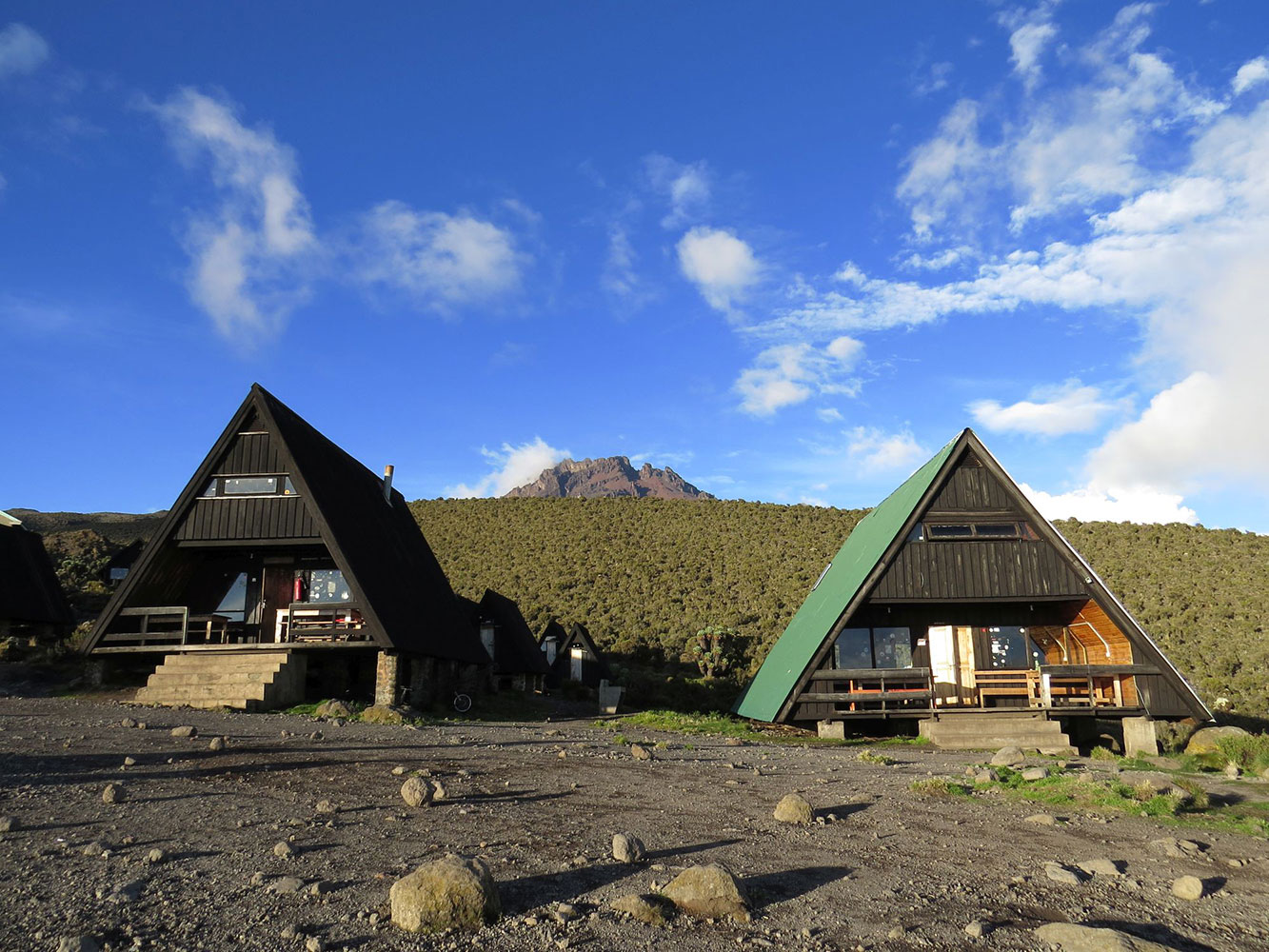
Embarking on a Mount Kilimanjaro trek in Marangu is a thrilling adventure that allows you to conquer Africa’s highest peak, Uhuru Peak. The Marangu Route, known as the “Coca-Cola” route, is the most well-established route and the only route offering sleeping huts in dormitory style.
This route provides sleeping huts with communal dining halls, making it a convenient option for climbers. However, it is also the most crowded route as it approaches Mount Kilimanjaro from the southeast.
Proper preparation, including physical training and acclimatization, is crucial for a successful climb. At Marangu Gate, climbers like Mandara Hut will pass through various encampments.
Further along the trek, you will stay at Horombo Hut and Kibo Hut, which offer rest and preparation for the summit climb. Many climbers opt for the 5-Day Marangu Route Kilimanjaro package, which provides a structured itinerary for the journey.
Further along the trek, you will stay at Horombo Hut and Kibo Hut, which offer rest and preparation for the summit climb. Many climbers opt for the 5-Day Marangu Route Kilimanjaro package, which provides a structured itinerary for the journey. As you ascend, you will navigate steep and heavy scree up to Gilman’s Point on the crater rim.
Reaching the summit of Uhuru Peak is a moment of triumph, offering breathtaking views and a profound sense of achievement. Embark on this once-in-a-lifetime journey with Marangu Route Kilimanjaro climbing and create memories that will last a lifetime.
Marangu Waterfalls: Discover Nature’s Beauty
Marangu is home to two stunning waterfalls, Materuni and Kinukamori, which showcase the region’s natural beauty. Materuni Waterfalls in a lush green gorge offer a mesmerizing spectacle as the water cascades down in multiple tiers.
Visiting Materuni allows you to immerse yourself in nature and capture breathtaking photographs. Kinukamori Waterfalls, hidden within the rainforest, offer a tranquil oasis where you can escape the hustle and bustle of everyday life.
The journey to Kinukamori is an adventure in itself, and upon arrival, you’ll be greeted by the soothing sights and sounds of the cascading water. Whether you admire their beauty or take a refreshing swim in the natural pools, visiting these waterfalls allows you to experience the magic and serenity of nature.
Local guides can enhance your visit with their knowledge and lead you on nearby nature trails. The Marangu waterfalls are a delight for nature lovers, offering an unforgettable retreat into the wonders of the natural world.
Cultural Experiences: Engage with the Chagga People
Marangu, with its vibrant Chagga community, offers a unique opportunity to engage with the local culture and immerse yourself in the rich traditions and way of life of the Chagga people. By participating in cultural experiences, you can gain valuable insights into their history, customs, and artistic expressions.
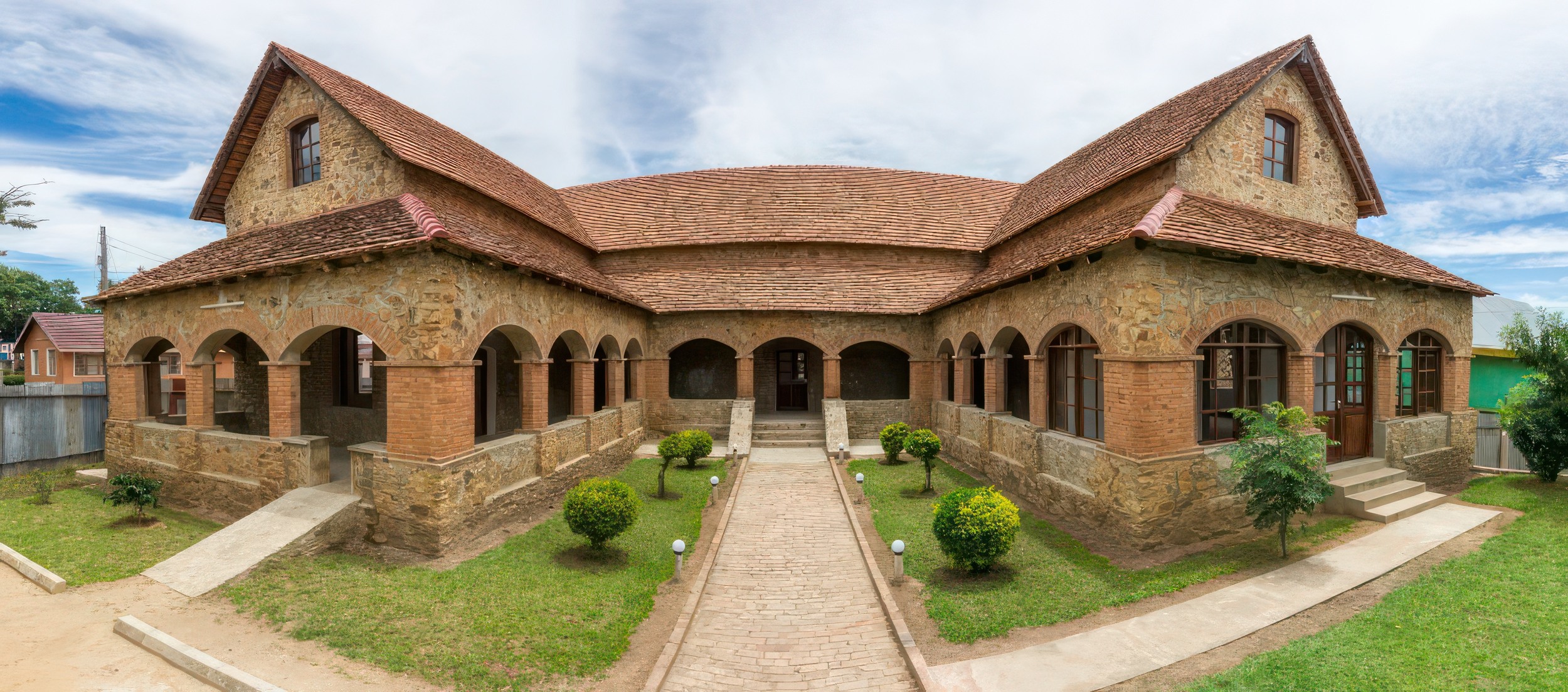
A visit to the Chagga Museum is a must for anyone interested in understanding the Chagga culture. The museum showcases a diverse collection of artifacts, photographs, and exhibits depicting the Chagga people’s history, traditions, and daily life.
Guided tours provide detailed explanations of the exhibits, offering a deeper understanding of the Chagga heritage. To truly experience the vibrancy of Chagga culture, witnessing traditional dances is a must.
The rhythmic beats of drums, the lively movements of the dancers, and the colorful traditional attire create a captivating spectacle. These dances often tell stories of the Chagga community, their connection with nature, and significant historical events.
Traditional ceremonies are another fascinating aspect of Chagga culture. These ceremonies, rooted in ancient traditions, mark important milestones in the community’s life, such as initiations, weddings, and harvest festivals.
Visitors may have the opportunity to witness and participate in these ceremonies, gaining a deeper appreciation for the Chagga people’s spiritual beliefs and practices.
Wildlife Safaris: Explore the Surrounding National Parks
Marangu’s prime location near several national parks makes it an ideal base for wildlife enthusiasts. Embark on thrilling wildlife safaris and immerse yourself in the surrounding area’s diverse ecosystems and abundant wildlife.
Here are some national parks you can explore:
1. Arusha National Park
Just a short distance from Marangu, Arusha National Park offers a rewarding day trip for wildlife enthusiasts. This compact yet stunning park is known for its varied landscapes, including lush forests, picturesque lakes, and majestic Mount Meru.
Embark on game drives and spot a range of wildlife, such as giraffes, zebras, buffalos, warthogs, and various primates. Arusha National Park is also a paradise for birdwatchers, with over 400 bird species recorded in the area.
Don’t miss the opportunity to take a canoe ride in the Momella Lakes, surrounded by the serene beauty of the park.
2. Serengeti National Park
For a more extensive wildlife safari adventure, venture to the world-renowned Serengeti National Park. This vast savannah ecosystem is famous for its extraordinary wildebeest migration, where millions of wildebeests, zebras, and gazelles traverse the plains in search of greener pastures.
Witness this awe-inspiring spectacle and capture incredible wildlife interaction and predator-prey dynamics moments. The Serengeti is also home to Africa’s iconic Big Five—lions, elephants, leopards, rhinos, and buffalos. Explore the park on game drives, guided walks, or even hot air balloon safaris for a truly unforgettable experience.
3. Tarangire National Park
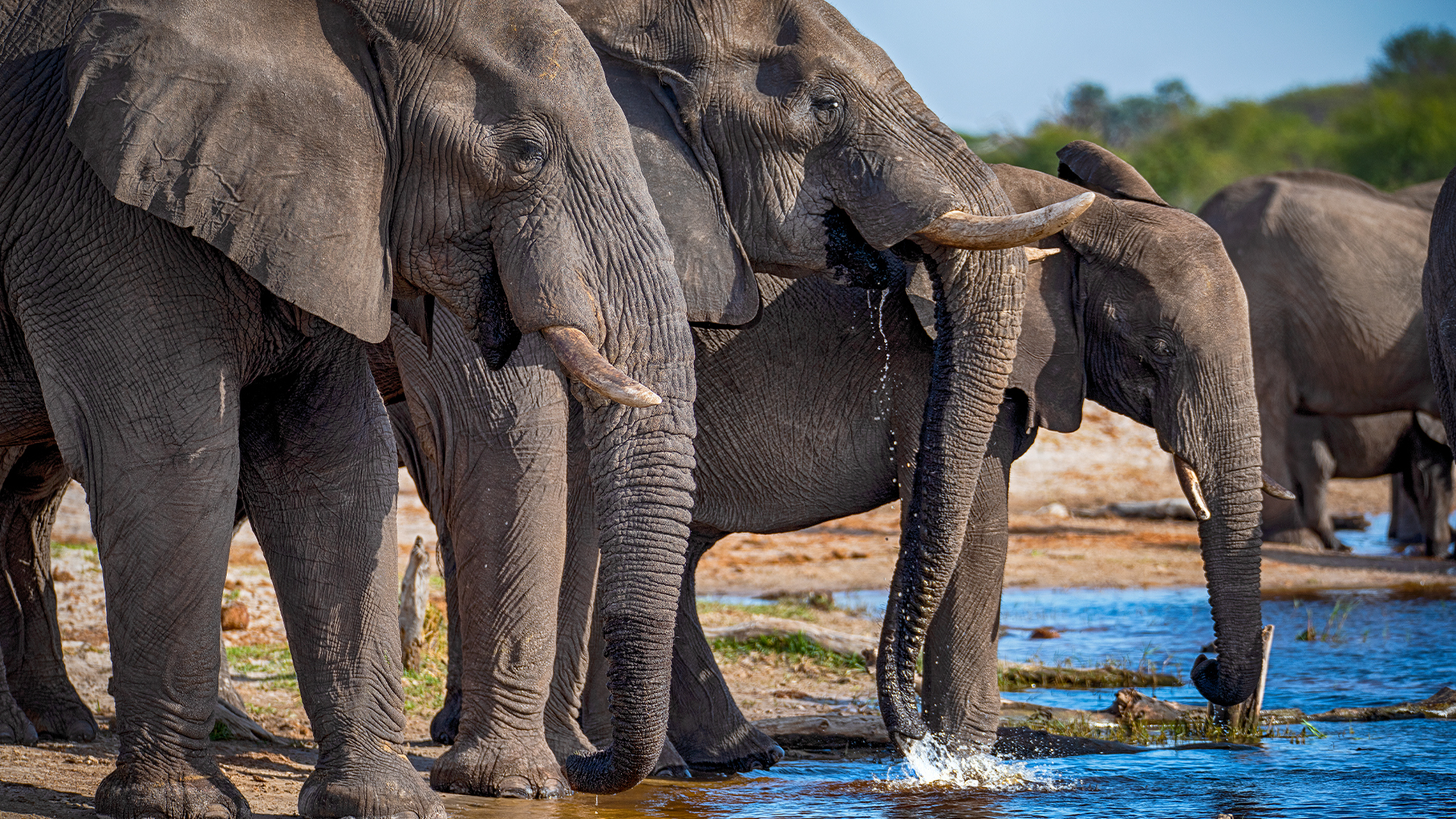
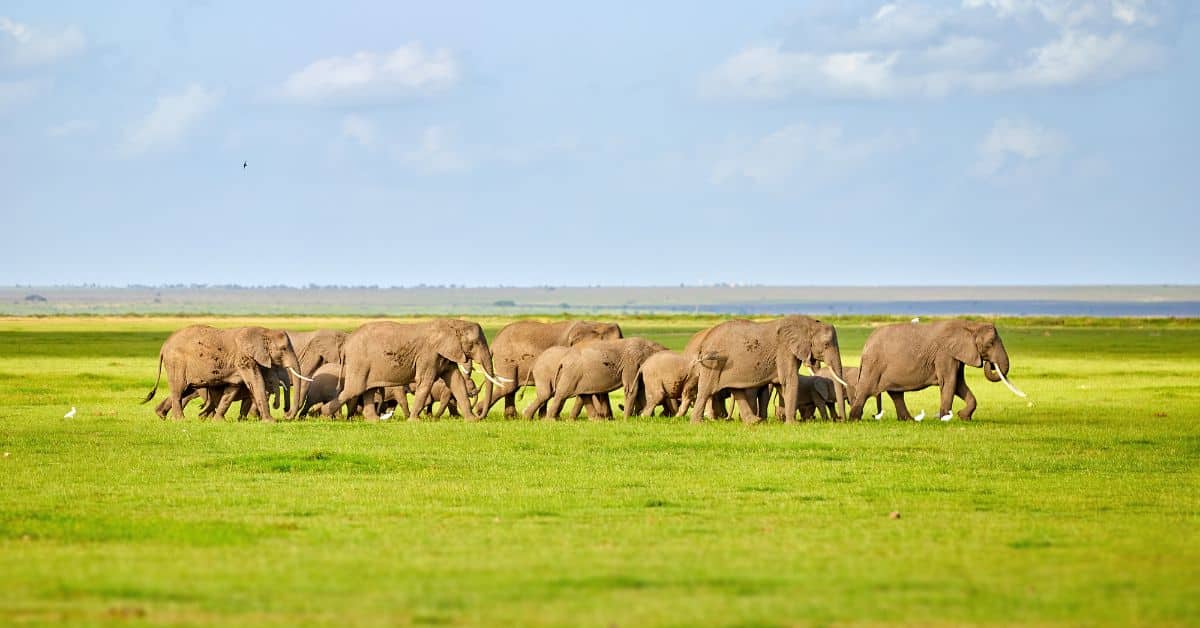
Located to the southwest of Marangu, Tarangire National Park is known for its diverse wildlife and iconic baobab trees. The park is famous for its large elephant population, and during the dry season, you can witness hundreds of elephants congregating around the Tarangire River.
Alongside elephants, you can spot other wildlife, such as lions, giraffes, zebras, wildebeests, and an array of bird species. Tarangire National Park offers a more off-the-beaten-path safari experience, allowing you to explore the park’s unspoiled wilderness and encounter wildlife in a tranquil setting.
4. Lake Manyara National Park
Situated at the base of the Great Rift Valley, Lake Manyara National Park is known for its scenic beauty and diverse wildlife. The park is famous for its tree-climbing lions, which you may have a rare chance to observe.
Explore the dense forests, open grasslands, and the picturesque Lake Manyara itself, home to a myriad of bird species, hippos, and flamingos. Game drives in Lake Manyara National Park offer a unique opportunity to witness the park’s incredible biodiversity up close.
Coffee Plantation Tours: Savor the Flavors of Tanzania
Tanzania is renowned for its rich coffee heritage, and Marangu provides the perfect opportunity to delve into the world of coffee production. Take a tour of coffee plantations, where you’ll witness the entire coffee-making process, from cultivation to harvesting and roasting.
Engage with local farmers, learn about the traditional methods of coffee cultivation, and savor a freshly brewed cup of aromatic Tanzanian coffee.
Day Trips to Moshi: Explore the Vibrant Town
Moshi, a bustling town near Marangu, is worth a visit for its vibrant atmosphere and cultural offerings. Take a day trip to Moshi and explore its bustling markets, where you can shop for local crafts, fabrics, and souvenirs.
Visit the iconic Moshi Clock Tower, a symbol of the town’s heritage, and enjoy panoramic views of Mount Kilimanjaro from its vicinity. Engage with the friendly locals, sample delicious street food, and soak up the lively ambiance of this charming town.
Conclusion
Marangu in 2025/2026 offers various exciting tours and activities catering to diverse interests. From conquering Mount Kilimanjaro to immersing yourself in the region’s natural wonders, engaging with the local culture, embarking on wildlife safaris, exploring coffee plantations, or experiencing the vibrant town of Moshi, Marangu has it all.
Frequently Asked Questions (FAQs)
What is the best time of year to take a Marangu tour?
The best time to take a Marangu tour, especially when climbing Mount Kilimanjaro, is during the dry season. The ideal periods are from January to mid-March and from June to October. These months offer the best weather conditions for a Kilimanjaro hike, with clear skies, less rain, and milder temperatures, making the ascent safer and more enjoyable.
How do I pick a reliable tour operator for my Marangu adventure?
A reliable tour operator is crucial for a successful and enjoyable Marangu tour. Look for operators with positive reviews, experienced guides, and comprehensive packages that include meals, accommodation, and permits. Wide range African Safaris is a reputable option that offers well-organized tours with professional guides to ensure your safety and enjoyment.
Additionally, a good tour operator will provide valuable pre-trek information and support, helping you prepare for the cognitive and physical demands of the ascent. They also offer essential services like altitude sickness monitoring and emergency response plans. Choosing a reputable operator can significantly impact the overall quality of your Kilimanjaro experience.
What should I expect during the Marangu Route Kilimanjaro hiking experience?
The Marangu Route, famously known as the Coca-Cola Route, is known for its relatively gentle gradient and well-maintained paths. It typically takes 5-6 days, with overnight stays at designated huts like Mandara, Horombo, and Kibo.
This route offers sleeping huts with basic amenities, providing a more comfortable experience than camping in tents. Due to its popularity, the Marangu Route is often busier than other routes, creating a social and lively atmosphere among climbers.
What types of accommodations are available on the Marangu Route?
Accommodations on the Marangu Route include dormitory-style sleeping huts at Mandara, Horombo, and Kibo. These huts provide bunk beds, mattresses, and basic facilities such as communal dining halls and washrooms. While not luxurious, these huts offer shelter and a place to rest during your climb.
Each hut is designed to withstand the mountain’s harsh weather conditions, ensuring climbers have a safe and dry place to sleep. The communal areas are great for meeting fellow trekkers and sharing experiences. Additionally, the huts are strategically located to allow for gradual acclimatization to the altitude, enhancing your chances of a successful summit.
How physically demanding is climbing Mount Kilimanjaro via the Marangu Route?
Climbing Mount Kilimanjaro via the Marangu Route is moderately challenging. While the trail is less steep compared to other routes, the altitude and duration of the hike require a good level of physical fitness. Acclimatization is essential, and many tour operators include an extra day at Horombo Huts.
What kind of meals are provided during the Kilimanjaro hike on the Marangu Route?
The tour operator typically provides meals during the Kilimanjaro hike, including breakfast, lunch, and dinner. The meals are crafted to provide nutrition and energy and blend local flavors with global cuisine. Any special dietary needs can be accommodated but must requested in advance.
Various meal choices ensure climbers receive essential nutrients to maintain energy levels during the demanding trek. Moreover, the communal dining setup encourages camaraderie among climbers as they exchange stories and prepare for the next part of their adventure.
What is the significance of Horombo Huts on the Marangu Route?
Horombo Huts are an important acclimatization stop on the Marangu Route. Located at 3,720 meters, they offer trekkers a place to rest and adjust to the higher altitude. Many climbers spend an extra day here to improve their chances of a successful summit.
This additional day facilitates better acclimatization to the altitude, minimizing the chances of altitude-related illnesses and enhancing the chances of summiting successfully. It also offers time to explore the nearby surroundings and appreciate the breathtaking views of the mountain landscape from this elevated perspective.
Can I take a guided tour of Marangu village?
Many tour operators offer guided tours of Marangu Village. These tours provide insights into local culture, traditions, and daily life. You can visit local markets, schools, and historical sites, offering a deeper understanding of the region beyond the Kilimanjaro hike.
Visiting Marangu village allows travelers to engage with the local community, understand traditional customs, and contribute to sustainable tourism efforts. Interact with hospitable locals and immerse yourself in the genuine hospitality of Tanzania’s vibrant village lifestyle.
What is a typical day like at Kibo Hut during the Marangu Route climb?
A typical day at Kibo Hut, the last stop before the summit attempt involves resting and preparing for the final ascent. Climbers usually arrive in the afternoon, have an early dinner, and then relax before starting the summit push around midnight. The goal is to reach Uhuru Peak by sunrise. Proper rest and hydration are crucial during this period to conserve energy for the challenging climb ahead.
How do I prepare for an overnight stay on the Marangu Route?
Preparing for an overnight stay on the Marangu Route involves packing appropriate gear, including warm clothing, a good sleeping bag, and personal items. Tour operators provide a detailed packing list. Ensuring you have the right gear is crucial for a comfortable and safe climb. Remember to pack light but efficiently, as you’ll need to carry your belongings during the trek.
Are there any specific permits required to climb Mount Kilimanjaro?
Yes, climbers need permits to hike Mount Kilimanjaro. Reputable tour operators typically include these permits in their packages.
The permits cover entry fees to Kilimanjaro National Park and help fund conservation efforts. It’s essential to ensure that your tour operator obtains the necessary permits on your behalf to ensure a smooth and legal ascent of the mountain.
What wildlife can I expect to see during my Marangu tour?
While the primary focus of a Marangu tour is the Kilimanjaro hike, you may encounter various wildlife, especially in the lower forest zones. Look out for monkeys, birds, and, occasionally, larger mammals.
The diverse ecosystems along the route provide habitats for a variety of species. Exploring the rich biodiversity adds extra excitement to your trekking experience and offers opportunities for memorable encounters with Tanzania’s natural wonders.
How do I acclimatize properly during the Marangu Route climb?
Proper acclimatization is critical to a successful Kilimanjaro climb. The Marangu Route includes strategic stops like Horombo Huts to help climbers acclimatize. It’s important to follow your guide’s advice, stay hydrated, and take it slow.
Some tour operators recommend an extra acclimatization day. This additional day can significantly improve your chances of reaching the summit by allowing your body more time to adjust to the higher altitudes. Always listen to your body and communicate any concerns to your guide.
What safety measures are in place during the Kilimanjaro hike?
Proper acclimatization is critical to a successful Kilimanjaro climb. The Marangu Route includes strategic stops like Horombo Huts to help climbers acclimatize. It’s important to follow your guide’s advice, stay hydrated, and take it slow.
Some tour operators recommend an extra acclimatization day. This additional day can significantly improve your chances of reaching the summit by allowing your body more time to adjust to the higher altitudes. Always listen to your body and communicate any concerns to your guide.
What safety measures are in place during the Kilimanjaro hike?
Tour operators prioritize safety by providing experienced guides, regular health checks, and emergency evacuation plans. Guides carry medical kits, and oxygen is available for high-altitude emergencies.
Choosing a reputable tour operator ensures these safety measures are in place. Additionally, they often conduct pre-trek briefings to educate climbers on altitude sickness and emergency protocols. This thorough preparation helps ensure all participants a safer and more successful climb.
How can I book a Marangu tour for the 2023/2024 season?
Booking a Marangu tour for the 2023/2024 season is straightforward. Many tour operators offer online booking services. Research various operators read reviews, and choose a package that suits your preferences and budget. You should book early to secure your desired dates and accommodations.
Remember to check if the tour operator includes essential services like dinner accommodation and sleeping huts in its package. Planning ensures a smoother, more enjoyable experience on your Kilimanjaro adventure.