

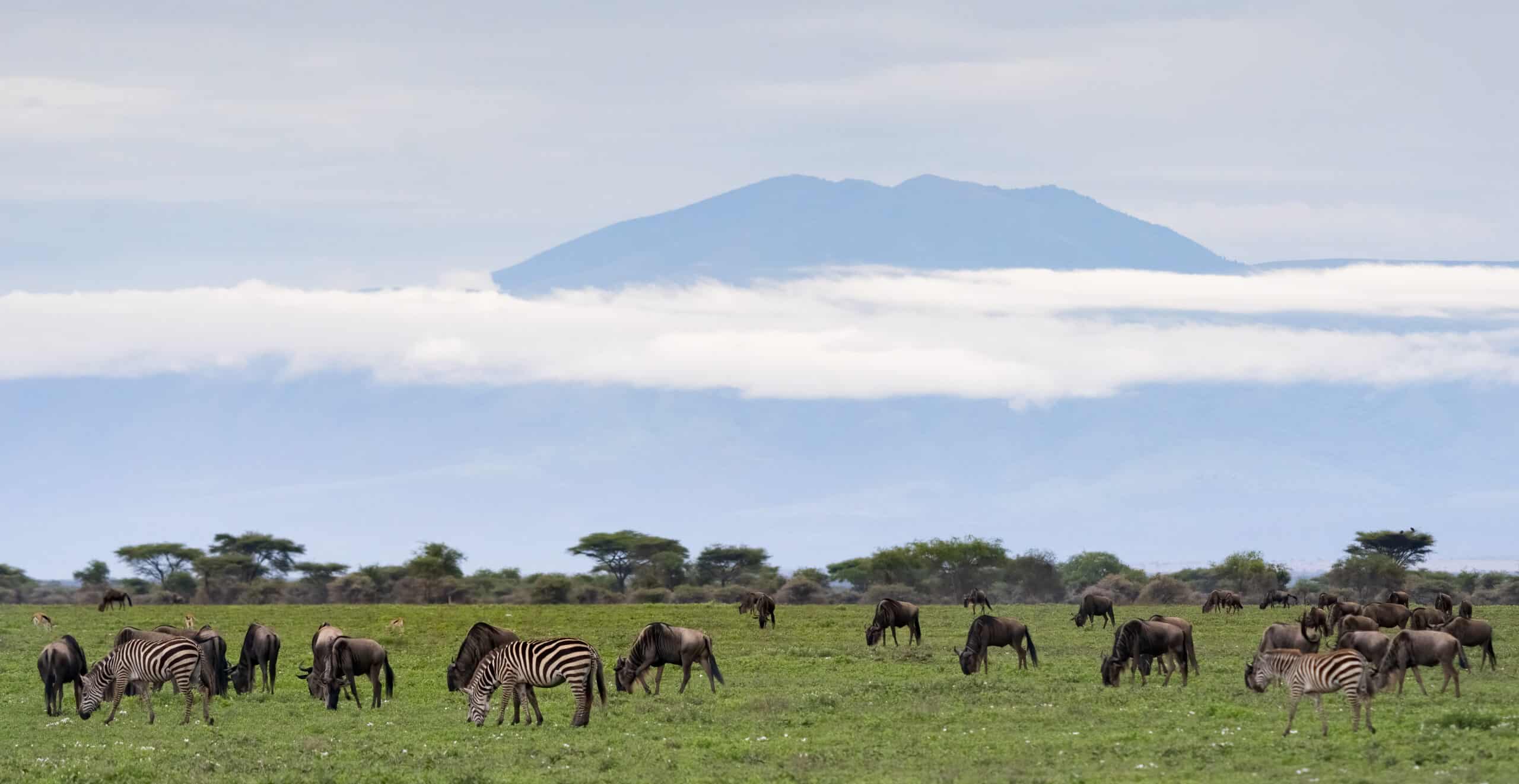
Ndutu is a breathtaking place where nature unfolds its most awe-inspiring spectacle: the Great Wildebeest Migration.
If you’ve ever dreamt of witnessing the raw power and beauty of millions of wildebeests stampeding across the vast Serengeti plains, then Ndutu is the place to be. This complete travel guide is your passport to experiencing the unforgettable magic of Ndutu, offering insider tips, expert insights, and all the essential information you need to make the most of your adventure.
In this comprehensive travel guide, we will dive into everything you need to know to make the most of your visit to Ndutu in 2023/2024.
Overview of Ndutu
Ndutu is not just a significant wildlife destination celebrated for its diverse ecosystem and enchanting landscapes; it plays a pivotal role in Tanzania during the incredible journey of the Great Wildebeest Migration Safari. This awe-inspiring wildebeest migration safaris, often hailed as one of the planet’s most spectacular natural events, finds a vital waypoint in the refreshing embrace of Ndutu.
Imagine witnessing the heart-stopping spectacle of the Great Wildebeest during the annual Migration show. The dream becomes a reality in Ndutu amidst a scene lifted straight from nature’s most majestic script.
As the calendar pages turn, a staggering congregation of millions of wildebeests, zebras, and other wildlife set off on an ancient path carved by the relentless pursuit of sustenance. Driven by primal instincts, their hooves thunder across the vast landscapes, weaving through Tanzania and Kenya, stitching the Serengeti to the Masai Mara National Reserve.
It’s a journey fraught with peril, marked by breathtaking courage and a stark quest for survival. And Ndutu? It emerges as a beacon of hope, offering verdant grasslands and vital water sources indispensable to the migration.
But this majestic spectacle isn’t just about survival. It’s a testament to the raw, unbridled beauty of the wild, a phenomenal showcase of life in motion that draws visitors from across the globe.
The Masai Mara Migration, the riveting climax in Kenya, wouldn’t be possible without the critical role played by Ndutu. Here, as the wildebeests replenish, regroup, and give birth, spectators are gifted with a chance to delve deep into the circle of life, witnessing firsthand the awe-inspiring resilience of nature.
So, here’s the deal: in this Ndutu Travel Guide, we will spill the beans on this mind-blowing event. We’ll show you the best times to go, how to get there, where to kick back and relax, and the mind-blowing experiences that’ll leave you awe-struck in this natural paradise.
Get pumped and be ready for the adventure of a lifetime as you witness nature’s blockbuster unfold before your eyes. It’s going to be an epic journey!
Understanding the Wildebeest Migration
Regarding accommodations in Mwanza, you’ll find various options catering to different preferences and budgets. Whether you’re looking for luxury hotels, comfortable guesthouses, or budget-friendly options, Mwanza has something for everyone.
For those seeking luxury and indulgence, upscale hotels offer elegant rooms and suites with modern amenities. These hotels often provide stunning views of Lake Victoria and feature on-site restaurants, swimming pools, fitness centers, and spa facilities. You can expect extraordinary service and a luxurious atmosphere during your stay.
Guesthouses are popular if you prefer a more cozy and intimate setting. These establishments offer comfortable rooms with a homely atmosphere and personalized service. They are often family-run and provide a more authentic experience, allowing you to interact with the friendly hosts and get a taste of the local culture.
Budget-conscious travelers will also find affordable accommodations in Mwanza. Budget hotels and lodges offer clean and comfortable rooms at a reasonable price. These options are great for those who want to save on accommodation expenses and spend more on exploring the city and its attractions.
Additionally, Mwanza has a variety of mid-range hotels, bed and breakfasts, and serviced apartments that balance comfort and affordability. These accommodations offer decent amenities and a pleasant stay without breaking the bank.
No matter where you stay in Mwanza, you can expect warm hospitality and various amenities to ensure a comfortable and enjoyable experience. From luxury hotels to homey guesthouses and affordable options, Mwanza provides diverse accommodations to suit every traveler’s needs.
Wildlife Viewing and Safari Experiences
Regarding wildlife viewing and safari experiences, Ndutu offers abundant opportunities to witness the diverse and magnificent animal life that inhabits the area. As the home of the Great Wildebeest Migration, Ndutu becomes a prime location to observe this incredible natural phenomenon.
Embarking on guided safaris and game drives is one of the best ways to explore the vast landscapes of Ndutu and encounter a wide array of wildlife. Experienced guides walking safaris will navigate the terrain, taking you to the most promising areas for wildlife sightings.
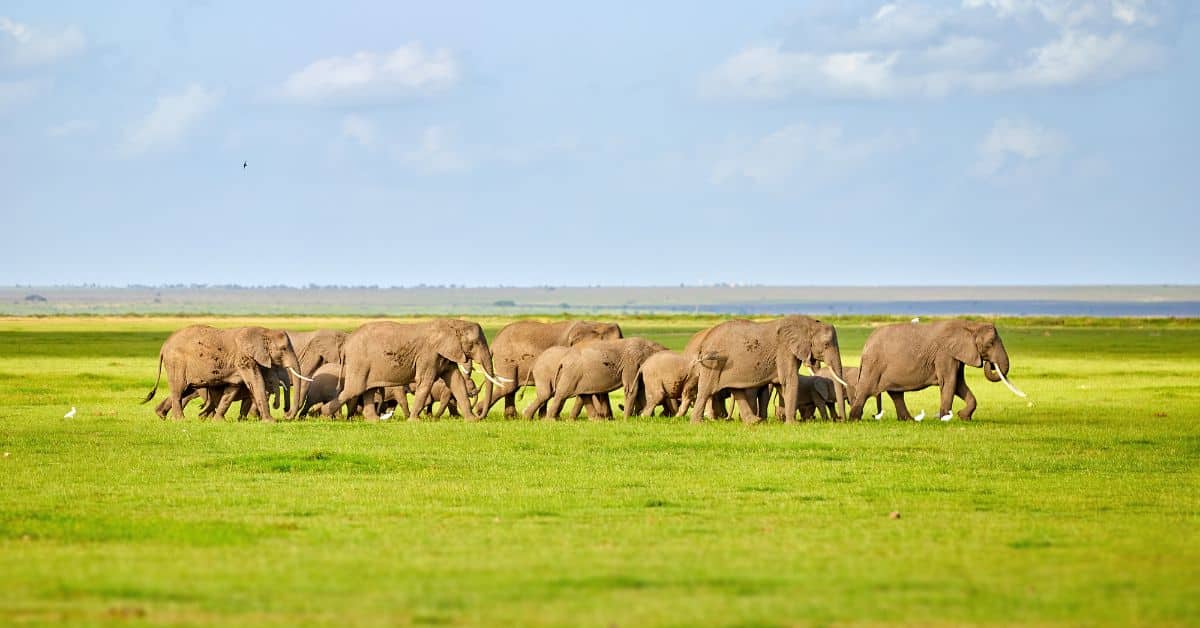
Along the way, you may spot herds of wildebeests, zebras, gazelles, and other grazers and their accompanying predators, such as lions, cheetahs, and hyenas. Seeing these fauna in their natural habitat is spectacular and will leave you with memories that last a lifetime.
Cultural Interactions and Local Experiences
If you’re looking for more than just wildlife encounters, Ndutu has something special in store for you – cultural interactions and local experiences that will add depth and richness to your journey. One of the highlights is the opportunity to connect with the Maasai community, renowned for its vibrant culture and traditions.
Imagine stepping into a Maasai village, where you can immerse yourself in their way of life and learn about their age-old customs. The Maasai are known for their colorful attire, intricate beadwork, and distinctive rituals.
During your visit, you can engage in lively conversations, participate in traditional dances, and even try your hand at Maasai crafts. It’s a chance to understand better their traditions and the values they hold dear.
Other Attractions and Activities in Ndutu
While the wildebeest migration takes center stage, Ndutu has more to offer. In addition to the incredible wildlife and cultural experiences, Ndutu has a treasure trove of other attractions and activities that will keep you enthralled throughout your visit.
One of the must-visit destinations near Ndutu is the renowned Ngorongoro Conservation Area. This UNESCO World Heritage Site is home to the magnificent Ngorongoro Crater, an ancient volcanic caldera teeming with diverse wildlife.
Embark on a game drive into the crater and be prepared to be mesmerized by the sheer abundance of animals, including lions, elephants, rhinos, and more. If you’re a history buff, visiting the Olduvai Gorge is a must.
This famous archaeological site is known as the “Cradle of Mankind,” as it has yielded significant discoveries about human evolution. Explore the museum and learn about renowned archaeologists’ fascinating excavations and discoveries.
Conservation and Responsible Tourism in Ndutu
Conservation and responsible tourism are at the heart of Ndutu’s efforts to preserve its natural beauty and protect its precious wildlife. As visitors, we have the privilege of experiencing this remarkable ecosystem, and it’s our responsibility to ensure its sustainability for generations to come.
One of the basic principles of responsible tourism is minimizing our impact on the environment. When visiting Ndutu, following the guidelines set by the local authorities and your tour company or operator is essential. Stick to allotted trails and roads to avoid damaging delicate habitats.
Remember, wildlife should be observed from a safe distance to avoid disturbing their natural behavior. Supporting local conservation initiatives is another vital aspect of responsible tourism.
Ndutu is home to various conservation projects that work tirelessly to protect the area’s wildlife and habitats. By visiting Ndutu, you contribute to these efforts through park fees and support local communities that rely on conservation for their livelihoods.
Getting There
As we conclude our Ndutu Travel Guide, we hope you feel inspired to go on an unforgettable journey to this wildlife haven in 2023/2024. Summarizing the highlights of Ndutu as a wildlife destination, we encourage you to witness the Great Wildebeest Migration and immerse yourself in the captivating beauty of the Serengeti plains.
Remember to respect the natural environment, engage in responsible tourism practices, and contribute to the conservation efforts that make Ndutu a sustainable and remarkable destination for future generations.
Conclusion
As we conclude our Ndutu Travel Guide, we hope you feel inspired to go on an unforgettable journey to this wildlife haven in 2023/2024. Summarizing the highlights of Ndutu as a wildlife destination, we encourage you to witness the Great Wildebeest Migration and immerse yourself in the captivating beauty of the Serengeti plains.
Remember to respect the natural environment, engage in responsible tourism practices, and contribute to the conservation efforts that make Ndutu a sustainable and remarkable destination for future generations.
Frequently Asked Questions – Ndutu (FAQs)
1. What role does Ndutu play in the Serengeti Migration?
Ndutu is a crucial calving ground for the wildebeest during the Serengeti migration. Each year, the wildebeest migrate to the Serengeti’s southern plains, near Ndutu, for fresh grazing after the short rains. Ndutu is strategically located between the south and central Serengeti, making it an optimal spot for witnessing the start of the migration.
2. When is the best time to experience the Migration River Crossings at Ndutu?
The best time to witness river crossings of migration in the Ndutu area is between January and March. This is when the wildebeest and other ungulates are concentrated in the southern Serengeti and begin their journey north, often involving dramatic river crossings.
3. How does Ndutu compare to the Northern Serengeti for safari experiences?
While the Ndutu area and the Northern Serengeti offer exceptional safari experiences, Ndutu is primarily known for the calving season and spectacular predator action. In contrast, the Northern Serengeti is famous for the Masai Mara River crossing, typically between July and October.
4. Can I see the Great Migration if I visit Ndutu outside the peak season?
Yes, Ndutu offers a year-round African safari experience with different yearly highlights. Although the mass of wildebeests may move on, the area remains populated with diverse wildlife, and the Serengeti migration can often be spotted in different phases nearby.
5. What wildlife besides the wildebeest can be seen in Ndutu?
Apart from the migrating wildebeest, Ndutu is home to many African wildlife, including big cats, elephants, giraffes, and many bird species, making for a comprehensive African safari experience.
6. How does the scenery of the Southern Serengeti differ from that of the Eastern Serengeti?
Ndutu, located in the Southern Serengeti, is characterized by open grasslands and woodlands ideal for the calving season. The Eastern Serengeti encompasses more rugged landscapes and kopjes, offering different wildlife dynamics but equally stunning views of the Serengeti migration.
7. Are Walking Safaris available in the Ndutu area of the Serengeti National Park?
Ndutu offers walking safaris, allowing visitors to experience the African bush up close under the guidance of experienced rangers. Walking safaris in Ndutu let guests explore the ecosystem beyond typical game drives.
They offer a unique, up-close experience of the environment, its flora, fauna, and the less conspicuous yet integral microorganisms. It’s an excellent way to connect with nature beyond the typical game drives.
8. What makes the Mara River crossings different from those in Ndutu?
The Mara River crossings, mainly in the Northern Serengeti and Masai Mara plains, are renowned for their intensity and the number of animals involved. The crossings in Ndutu are less frequent but can be just as dramatic during the migration.
Witnessing the river crossings in Ndutu’s calmer environments offers a unique, intimate viewing experience compared to the more crowded Mara. This opportunity complements the overall migration spectacle, catering to those who prefer quieter, less congested wildlife viewing experiences.
9. How do the Masai Mara conservancies compare to Ndutu for viewing the Great Migration?
The Masai Mara conservancies offer a more exclusive, less crowded viewing of the migration, especially the river crossings. Ndutu, while within the borders of the Serengeti National Park, provides a unique chance to see the early stages of the migration, including calving.
The conservancies’ approach to tourism limits vehicle numbers, ensuring intimate wildlife encounters and sustainable observation practices. Meanwhile, Ndutu’s location is ideal for observing the beginnings of the wildebeest migration cycle, where the landscape comes alive with newborns.
10. What is unique about the wildlife viewing opportunities in Central Serengeti compared to Ndutu?
The central Serengeti is known for its year-round wildlife viewing, including resident carnivores and prey. Ndutu, on the other hand, is a seasonal hotspot, especially for witnessing the calving season during the Serengeti migration.
The central Serengeti offers consistent wildlife sightings, while Ndutu shines seasonally, peaking during the migration’s calving season. Safari-goers often combine both destinations to witness the Serengeti’s diverse wildlife encounters.
11. Can I Visit the Northern and Eastern Serengeti From a Base in Ndutu?
While Ndutu is an excellent location during the calving season, it is relatively far from the Northern and Eastern Serengeti regions. Visitors often plan separate circuits or longer trips to cover these distinct park areas.
Guided tours often have itineraries that ensure you experience the most from each region, tracking the migration’s cyclical pattern. A diverse circuit allows travelers to witness the varying landscapes, wildlife concentrations, and highlights, such as the dramatic river crossings in northern Serengeti and the renowned big cat sightings in the eastern region.
12. In which part of Serengeti is Ndutu located?
Ndutu is in the Serengeti’s southern plains, part of the Ngorongoro Conservation Area. It is often considered an extension of the Serengeti National Park for its role in the yearly wildebeest migration.
This strategic positioning makes Ndutu a prime location for witnessing the spectacular phenomenon of the calving season, where hundreds of thousands of wildebeest give birth over a few short weeks. The abundance of newborn animals naturally attracts predators, providing visitors with unparalleled opportunities to observe nature’s drama unfold.
13. Does Ndutu offer opportunities for cultural interactions?
Apart from wildlife, Ndutu and the surrounding areas provide opportunities for visitors to engage with local Maasai communities, offering a more rounded African safari experience. These cultural interactions allow guests to learn about traditional Maasai customs, lifestyle, and their symbiotic relationship with the land and wildlife.
Visitors can partake in village tours, beadwork sessions, and storytelling events, enriching their understanding and appreciation of the local heritage. This cultural exchange adds a unique and memorable dimension to the wildlife-centric safari, making it an all-encompassing journey through the heart of Tanzania.
14. Are there luxury accommodations available for an optimal safari in Ndutu?
Ndutu boasts a range of accommodation options, from luxury tented camps to lodges, ensuring visitors can experience the wonders of the plains comfortably and in style. Many of these accommodations offer an unparalleled view of the Serengeti plains, allowing guests to enjoy wildlife sightings right from their doorstep, further enhancing the immersive African safari experience.
15. How does the Ndutu region ensure the sustainability of wildlife tourism?
Conservation efforts in Ndutu include regulated tourism, anti-poaching measures, and community involvement, ensuring the preservation of the area’s rich ecosystem and the sustainability of its African safari experience. These efforts are vital in maintaining the natural balance and supporting the annual phenomenon of the wildebeest migration, which is central to Serengeti’s biodiversity and global ecological significance.