

Introduction
Lake Manyara National Park is like a secret treasure hidden near the Great Rift Valley in Tanzania. It’s a fantastic place to go on a safari because it offers many different environments and incredible views.
In this blog, we’ll tell you five great reasons to visit Lake Manyara in 2025 or 2026. It’s perfect for people who love nature and adventures because you can see many animals, enjoy beautiful landscapes, and meet interesting people from different cultures.
For those looking to extend their adventure, Focus East Africa Tours is a recommended tour operator for organizing a Tanzania safari that includes Lake Manyara National Park, among other destinations.
Incredible Wildlife Diversity at Lake Manyara
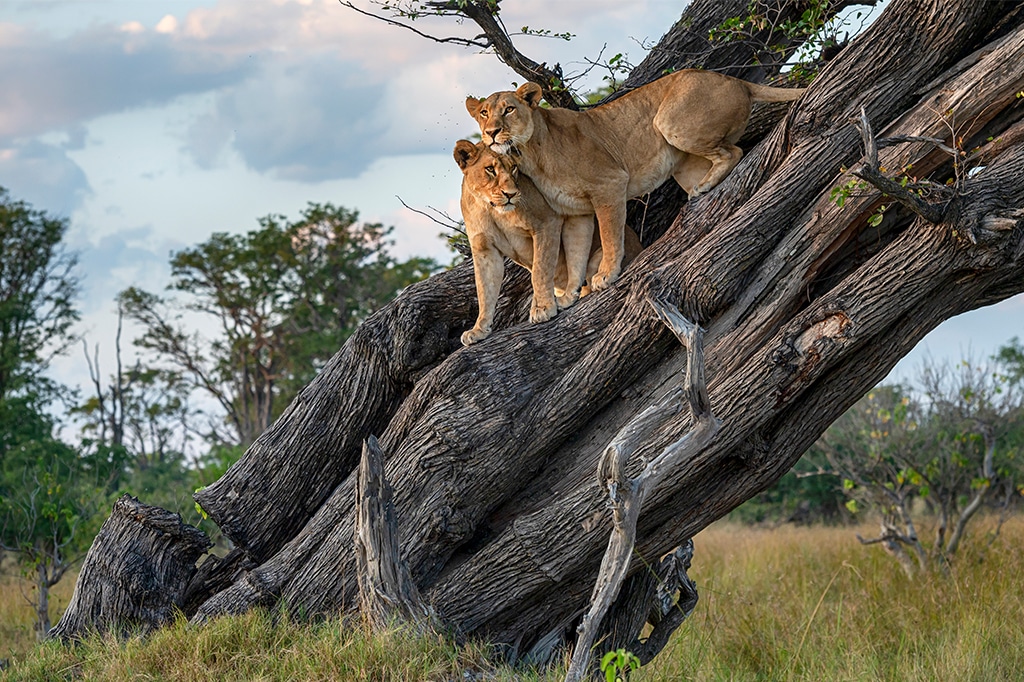
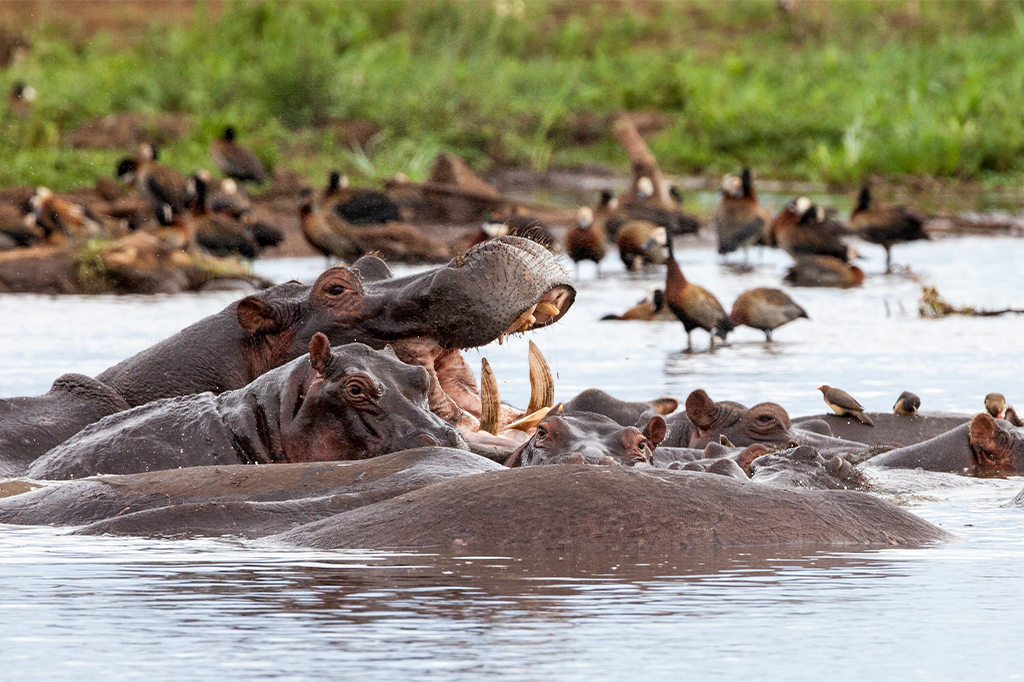
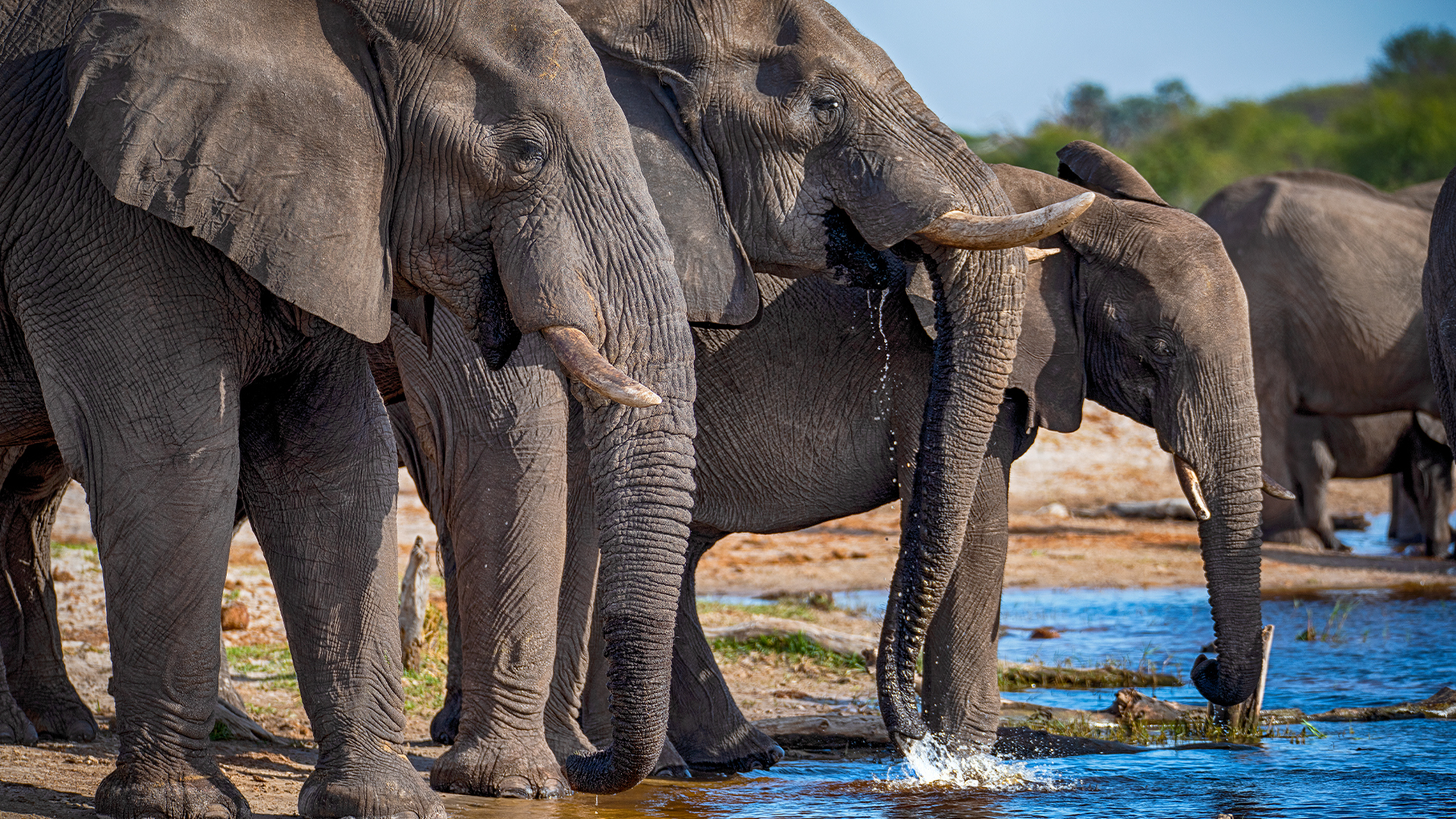
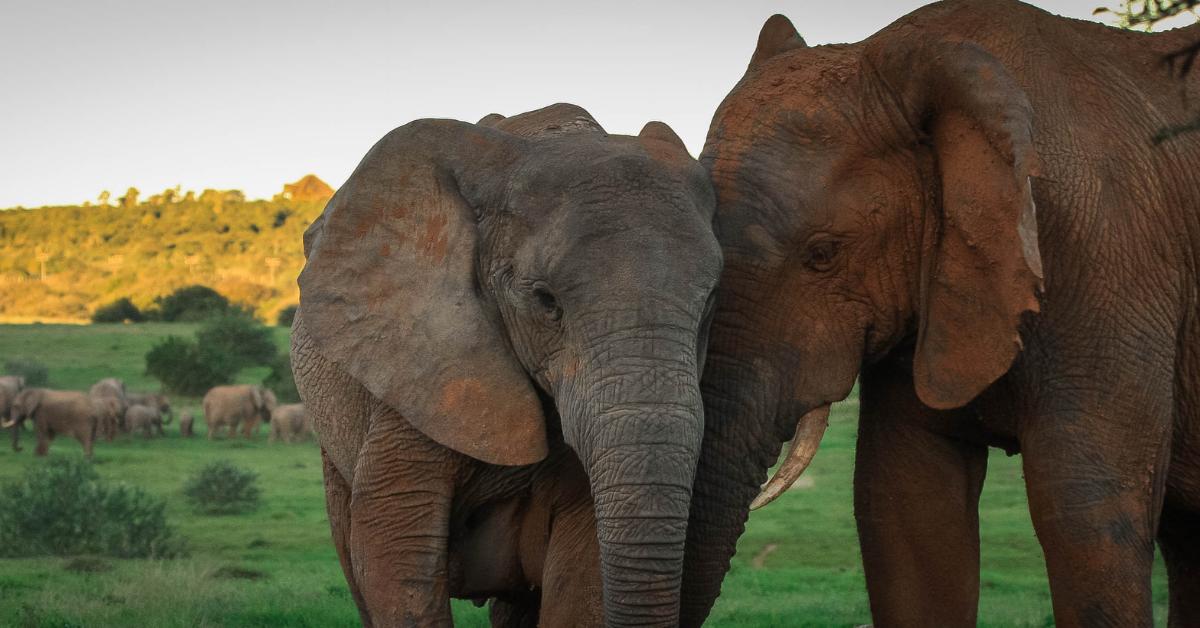
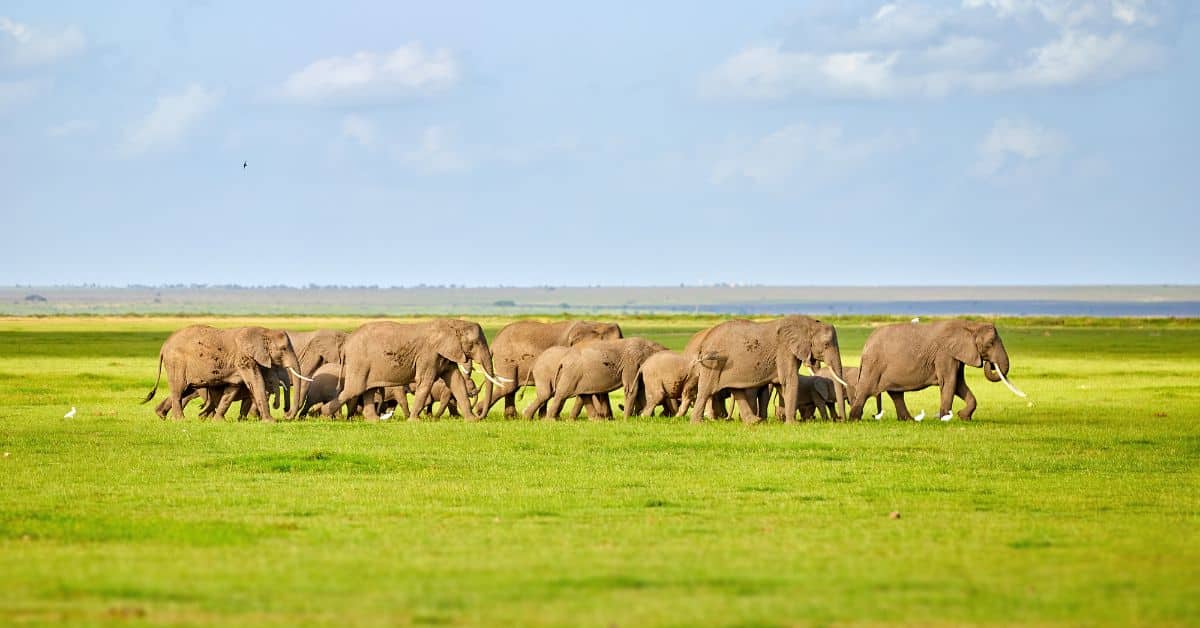
One of the top reasons to visit Lake Manyara National Park, also known as Lake Manyara NP, is its incredible wildlife diversity. Despite its small size, the park houses many animal species. You can spot iconic African mammals such as elephants, buffalos, giraffes, zebras, and wildebeests roaming the savannah.
The park is also known for its tree-climbing lions, a rare behavior in only a few lion populations. Witnessing these majestic predators resting on the branches of acacia trees is a truly remarkable sight.
1. Highlights
1. Abundant African Mammals: Lake Manyara National Park has many famous African animals, so if you love wildlife, you should go there. You can see these fantastic animals in their homes, like big elephants, strong buffalos, tall giraffes, cool zebras, and wildebeests.
2. Rare Tree-Climbing Lions: One of the park’s most renowned highlights is its population of tree-climbing lions, a behavior exhibited by only a few lion populations worldwide. Witnessing these majestic predators lounging on the branches of acacia trees is a truly unforgettable experience, offering a unique glimpse into their adaptability and behavior.
3. Rich Biodiversity in a Compact Space: Despite its relatively small size, Lake Manyara National Park is teeming with wildlife diversity, showcasing the remarkable richness of Tanzania’s natural heritage. Whether spotting large mammals on the savannah or observing elusive predators exhibiting unique behaviors, the park offers a compact yet captivating safari experience that leaves a lasting impression on visitors.
Spectacular Birdwatching Opportunities
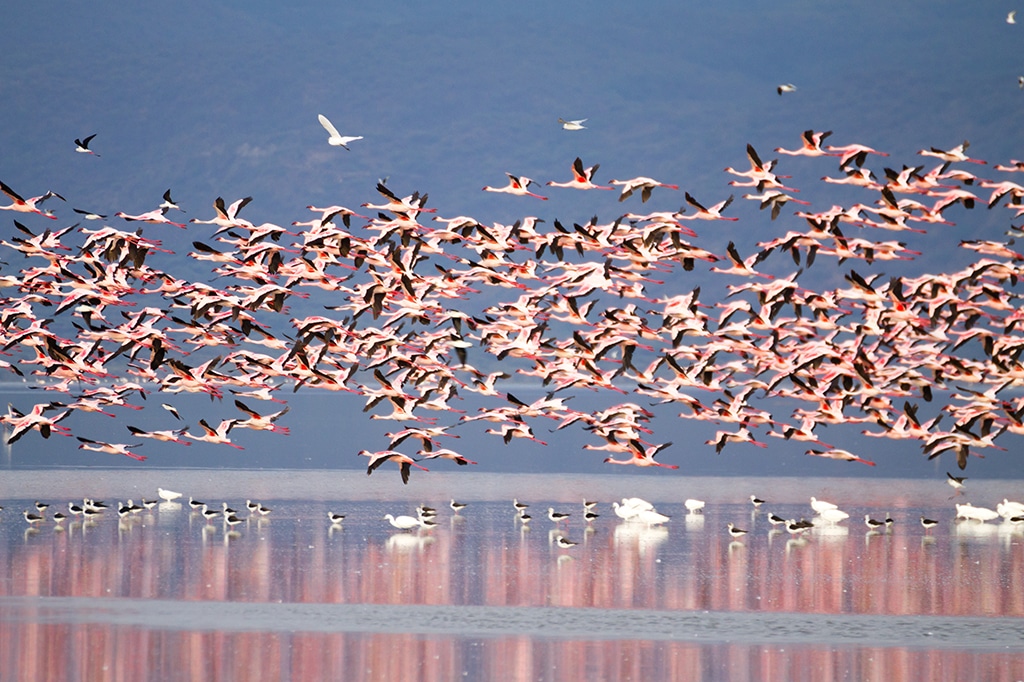

Lake Manyara National Park is a birdwatchers’ haven. The alkaline lake attracts many bird species, making it an ideal destination for enthusiasts. The park is famous for its pink-hued flamingos, which gather in large flocks along the lake’s shores.
Witnessing thousands of these graceful birds wading in the shallow waters is a mesmerizing experience. The Manyara Park houses over 400 bird species, including pelicans, storks, herons, and kingfishers, offering ample opportunities for birdwatching and photography.
1. Highlights
1. Iconic Flamingo Spectacle: Lake Manyara National Park is renowned for its spectacular gatherings of pink-hued flamingos along the shores of its alkaline lake. Witnessing thousands of these graceful birds in their natural habitat is a mesmerizing experience that captivates birdwatchers and nature enthusiasts alike.
2. Diverse Avian Species: With over 400 bird species recorded within the park, Lake Manyara offers birdwatchers a diverse range of avian delights to discover. From elegant herons and majestic pelicans to colorful kingfishers and stately storks, the park’s rich birdlife provides ample opportunities for birdwatching and photography.
3. Scenic Birding Settings: Explore the scenic landscapes of Lake Manyara National Park while indulging in birdwatching activities. Whether strolling along the lake’s shores or venturing into the park’s varied ecosystems, birdwatchers can immerse themselves in picturesque surroundings while observing and photographing the park’s abundant bird species.
Scenic Landscapes and Breathtaking Views
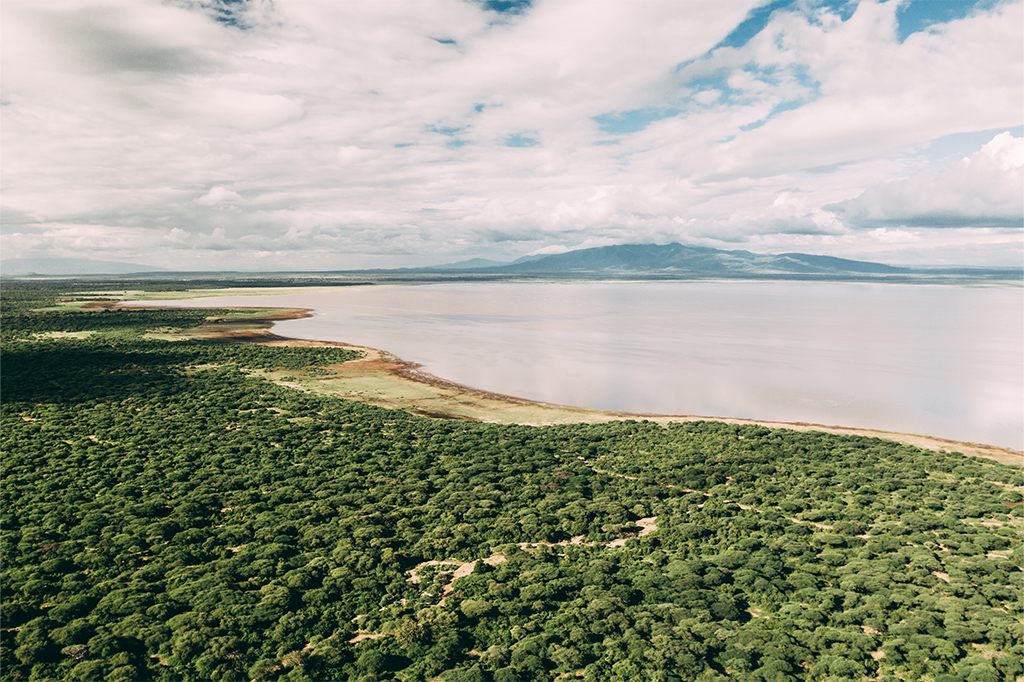

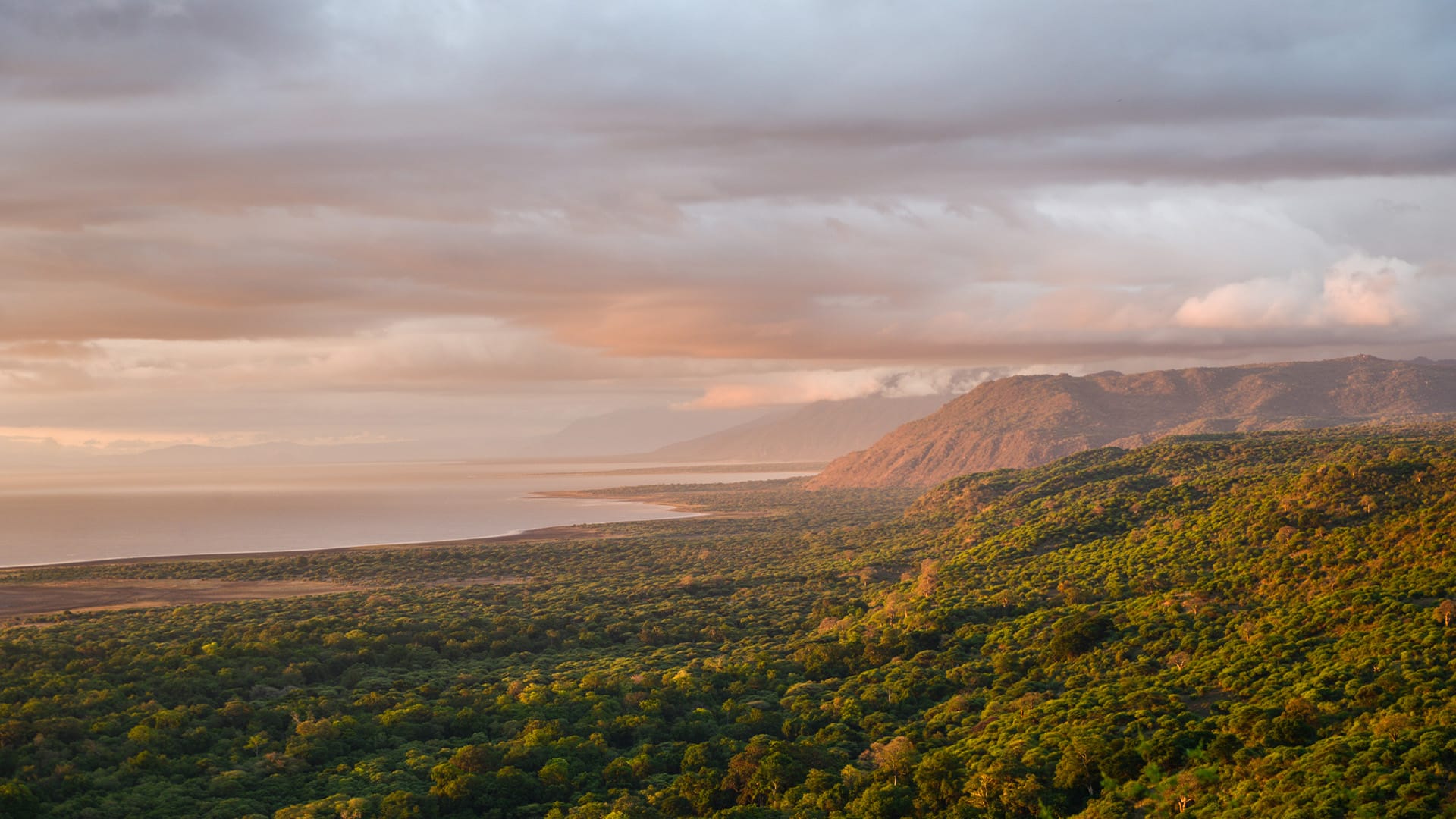
Lake Manyara National Park boasts stunning landscapes that captivate visitors with their beauty. The park offers different scenic vistas, from the lush groundwater forest, where troops of baboons and blue monkeys reside, to the open grassy plains and the dramatic Rift Valley escarpment.
The elevated viewpoints provide sweeping panoramas of the park and the lake’s sparkling waters. Whether you’re capturing the sunset over the horizon or admiring the reflections in the tranquil waters, the scenery at Lake Manyara is simply breathtaking.
1. Highlights
1. Diverse Scenic Vistas: Lake Manyara National Park showcases diverse landscapes, each offering unique beauty. The park’s scenery is rich and varied, from the lush groundwater forest teeming with wildlife to the vast open grassy plains and the dramatic Rift Valley escarpment. This provides you with endless opportunities for exploration and discovery.
2. Elevated Viewpoints: Climb to elevated viewpoints within the park to enjoy sweeping panoramas of Lake Manyara and its surroundings. From these vantage points, visitors can marvel at the expansive vistas, admiring the sparkling waters of the lake and the diverse habitats that stretch out before them.
3. Tranquil Beauty: Whether you’re exploring the forested areas, traversing the open plains, or gazing out from the escarpment, the scenery at Lake Manyara National Park exudes tranquility and natural beauty. The serene ambiance of the park’s landscapes invites you to immerse yourself in the peaceful surroundings.
Cultural Encounters with the Maasai
Lake Manyara National Park is located in an area inhabited by the Maasai people, one of Tanzania’s most well-known ethnic groups. The Maasai are renowned for their vibrant culture, distinctive attire, and traditional way of life.


Visiting the park provides an opportunity to engage in cultural encounters with the Maasai community. Learn about their customs, traditions, and ancient rituals. Participate in a traditional Maasai dance, witness their renowned jumping competitions, and visit a Maasai village to gain insights into their daily lives.
These cultural interactions offer a unique and enriching experience that will leave a lasting impression. Visitors interested in the Maasai culture might also consider exploring the Ngorongoro Conservation Area and Serengeti National Park as part of their Tanzanian adventure.
1. Highlights
1. Immersive Cultural Experiences: Engage in authentic cultural encounters with the Maasai people, gaining insight into their vibrant traditions and way of life. Participate in traditional Maasai dances, witness mesmerizing jumping competitions, and visit a Maasai village to experience firsthand the daily rituals and customs of this renowned ethnic group.
2. Insightful Cultural Education: Learn about the rich history, customs, and ancient rituals of the Maasai community through interactive experiences and storytelling. Engage with Maasai elders and community members to deepen your understanding of their cultural heritage.
3. Lasting Memories and Connections: Cultural encounters with the Maasai offer a memorable and enriching experience that fosters cross-cultural understanding and appreciation. Whether it’s participating in a traditional ceremony, sharing a meal with Maasai families, or simply listening to their stories, these interactions create lasting memories and meaningful connections that transcend cultural boundaries.
Off-the-Beaten-Path Safari Experience
While Lake Manyara National Park may not be as well-known as some of Tanzania’s larger parks, its relative obscurity is part of its charm. The park offers a more intimate and off-the-beaten-path safari experience, immersing you in nature without the crowds.


Comparatively, Tarangire National Park is celebrated for its less congested nature and vast landscapes dotted with ancient baobab trees. It’s also known for its focused game viewing during peak seasons, presenting a different yet equally breathtaking natural splendor.
Enjoy the park’s tranquility as you embark on game drives, guided walks, or canoeing safaris. The peaceful surroundings and abundance of wildlife make for an authentic and personal safari adventure.
1. Highlights
1. Intimate Wildlife Encounters: Lake Manyara National Park offers a more intimate safari experience, allowing you to immerse yourself in nature. Enjoy peaceful game drives, guided walks, or canoeing safaris, where you can encounter a diverse array of wildlife up close without the distraction of large tourist groups.
2. Tranquil Natural Settings: Experience the tranquility of Lake Manyara and Tarangire National Parks, where the peaceful surroundings and vast landscapes create a serene backdrop for your safari adventure. Explore the park’s diverse ecosystems, from lush forests to open plains, and marvel at the ancient baobab trees that dot the landscape.
3. Authentic Safari Adventure: Embark on an off-the-beaten-path safari adventure that offers a more authentic and personal experience of Tanzania’s wilderness. Whether you’re exploring Lake Manyara’s hidden gems or discovering the secluded corners of Tarangire National Park, the abundance of wildlife and the tranquility of the surroundings ensure an unforgettable safari experience that is truly off the beaten path.
Final Thoughts
Lake Manyara National Park is a vital part of the Tanzania national parks system, inviting you to explore the diverse landscapes and wildlife across Tanzania, including the Serengeti National Park, Ngorongoro Crater, and others. Lake Manyara is a hidden gem that offers a unique safari experience in Tanzania.
With its incredible wildlife diversity, spectacular birdwatching opportunities, scenic landscapes, cultural encounters, and off-the-beaten-path ambiance, Lake Manyara is a destination that should not be missed.
Plan your visit to Lake Manyara National Park in 2025/2026 and create unforgettable memories as you explore its wonders.
Frequently Asked Questions (FAQs)
1. What are the accommodation options available near Lake Manyara?
Visitors to Lake Manyara have various accommodation options catering to different preferences and budgets. From luxurious lodges to cozy tented camps, there’s something for everyone. Many lodges and camps are strategically located near the park entrance, offering easy access to the wilderness.
These lodgings often blend well with the natural surroundings, giving a unique and immersive experience. For those seeking a more rustic adventure, campsites are available within the park, allowing visitors to stay closer to nature.
2. What wildlife can be seen during walking safaris in Lake Manyara?
Walking safaris in Lake Manyara offers a unique opportunity to explore the park’s diverse ecosystem on foot and encounter its rich wildlife up close. Guided by experienced rangers, visitors can spot various animals, including elephants, giraffes, zebras, and countless bird species.
Walking safaris offer a deeper bond with nature, allowing participants to appreciate the African bush’s sights, sounds, and smells in a more intimate setting. With safety protocols and knowledgeable guides leading, walking safaris in Lake Manyara promise unforgettable wildlife encounters.
3. How does the dry season affect the landscape and wildlife in Lake Manyara?
The dry season in Lake Manyara, typically occurring from June to October, brings about significant changes to the landscape and wildlife dynamics. As water sources dwindle, animals congregate around the remaining waterholes, offering excellent game-viewing opportunities.
The vegetation also becomes sparse, making it easier to spot wildlife against the backdrop of the dry savannah. During this time, large herds of elephants, buffalo, and other herbivores roam the park, searching for water and grazing grounds.
4. What makes the hippo pool in Lake Manyara unique?
The hippo pool in Lake Manyara is a fascinating feature that attracts visitors with its abundance of these semi-aquatic mammals. Located near the Simba River, the hippo pool offers a rare chance to observe these magnificent creatures in their natural habitat.
Visitors can witness the hippos lounging in the water or engaging in territorial disputes, displaying their impressive size and strength. Additionally, the hippo pool is a gathering place for various bird species, adding to the spectacle.
5. What are the characteristics of the African bush surrounding Lake Manyara?
The African bush surrounding Lake Manyara is characterized by its diverse vegetation, ranging from open grasslands to dense woodlands. Acacia trees dot the landscape, providing shade for wildlife and serving as lookout posts for predators.
Thorny shrubs and bushes thrive in the arid conditions, offering refuge for smaller animals and nesting sites for birds. The terrain is punctuated by rocky outcrops and seasonal rivers, creating a mosaic of habitats that support various flora and fauna.
6. Can we go on a night game drive in Lake Manyara?
Lake Manyara National Park offers night game drives, providing a unique opportunity to witness the park’s nocturnal wildlife in action. Led by experienced guides, night game drives allow you to explore the park after dark and encounter elusive creatures such as leopards, hyenas, and bushbabies.
Spotlights enhance visibility and illuminate animals’ eyes, creating an otherworldly atmosphere. Night game drives offer an exciting experience in the park’s ecosystem, revealing the behaviors and interactions of nocturnal species often missed during daytime safaris.
7. How does the wet season transform Lake Manyara?
The wet season, typically occurring from November to May, dramatically transforms Lake Manyara’s landscape. Heavy rains replenish the park’s water sources, filling the lakes and rivers.
As a result, the vegetation undergoes a lush green revival, creating a verdant backdrop for wildlife sightings. The wet season is a time of plenty in Lake Manyara, with abundant grazing opportunities attracting large herds of herbivores like wildebeests, zebras, and antelopes.
8. What big cats can be spotted in Lake Manyara National Park?
Lake Manyara National Park is home to various big cats, including lions, leopards, and cheetahs. Lions are particularly prominent in the park and can often be spotted resting in acacia trees’ shades or roaming the grassy plains in search of prey.
Although more elusive, Leopards inhabit the dense woodlands and rocky outcrops of Lake Manyara, blending seamlessly into their surroundings. Cheetahs, renowned for their speed and agility, are occasionally sighted in the open savannah, where they hunt for fast-moving prey such as gazelles and impalas.
9. Is Lake Manyara suitable for extensive group safaris?
Lake Manyara National Park is well-suited for extensive group safaris, offering a range of facilities and amenities to accommodate visitors of all group sizes. The park features spacious picnic areas, rest stops, and viewing platforms, allowing groups to gather and enjoy the scenery together.
Guided tours and game drives can be arranged for large groups, with knowledgeable guides providing insights into the park’s wildlife and ecology. Additionally, several lodges and camps near Lake Manyara offer accommodations suitable for large groups, ensuring a comfortable and memorable safari experience for everyone.
10. What is the significance of groundwater forests in Lake Manyara?
Groundwater forests play a crucial role in the ecosystem of Lake Manyara, providing habitat and resources for various plant and animal species. These unique forests are sustained by underground springs and rivers, which maintain a constant water supply throughout the year.
As a result, groundwater forests remain green and lush even during the dry season, offering refuge for wildlife during times of scarcity. The dense vegetation of groundwater forests covers smaller mammals, birds, and reptiles while also serving as a vital corridor for larger animals such as elephants and buffaloes.
11. Can you elaborate on the wildlife encounters during walking safaris in Lake Manyara?
Walking safaris in Lake Manyara offers a unique and immersive wildlife experience, letting you explore the park’s diverse habitats on foot and encounter its inhabitants up close. Guided by experienced rangers, participants can observe various wildlife, from large mammals to smaller creatures often overlooked on traditional game drives.
Walking safaris let you experience a deeper connection with nature, allowing for intimate sightings of animals in their daily routines. Along the way, guides share their knowledge of the park’s ecology, pointing out tracks, signs, and behaviors that offer insights into the lives of its inhabitants.
12. What activities are available for visitors during the dry season at Lake Manyara?
During the dry season, Lake Manyara offers various activities for visitors to enjoy amidst the arid landscapes of the African bush. Game drives provide excellent opportunities to spot wildlife congregating around water sources, with elephants, giraffes, and antelopes among the highlights.
Guided walks along nature trails allow visitors to explore the park on foot and find its hidden gems, from scenic viewpoints to ancient baobab trees. Cultural visits to nearby Maasai villages offer insights into traditional ways of life and provide opportunities to interact with local communities.