


Introduction
Tucked beneath the towering twin peaks of Mt. Meru and Mt. Kilimanjaro, Arusha is a bustling Tanzanian city teeming with life, colour, and thrilling adventure. Known as the “Safari Capital of the World,” the town is the pulsating heart of Tanzania’s safari circuit, a vibrant cultural hub, and the gateway to some of the world’s most iconic national parks.
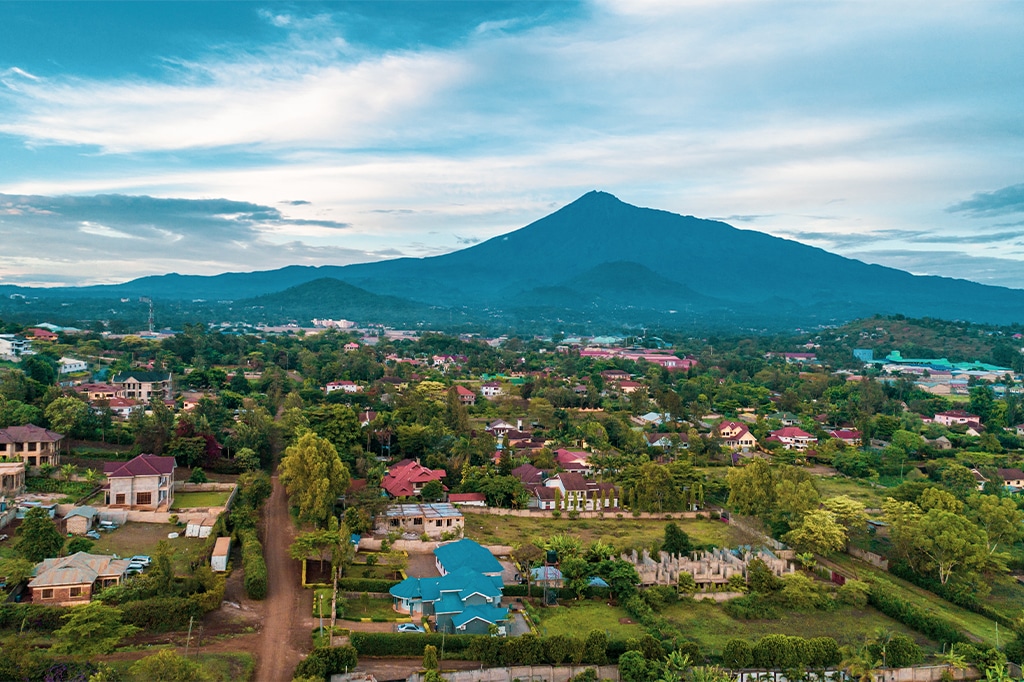

Home to Easy Travel Tanzania, a seasoned local tour operator with over 35 years of experience, this comprehensive guide is your golden ticket to exploring the multifaceted allure of Arusha in 2025/2026.
1. Guide to Arusha: Brief History and Culture
Before the arrival of the colonial powers, the city was home to the Maasai people, an ethnic group known for their distinctive customs and dress. During the German colonial administration in the late 19th and early 20th centuries, Arusha became a crucial administrative centre. After gaining independence, the town emerged as a symbol of Pan-African unity, hosting the Arusha Declaration in 1967 and playing a key role in founding the East African Community in 1999.
Over time, the town has evolved into a cultural melting pot, with over 120 tribes from across Tanzania contributing to the city’s rich cultural tapestry. From the energetic local music scene filled with Bongo Flava (a Tanzanian music genre) beats, the bustling ‘dala dala’ (minibus taxis) zipping through the streets, to the stunning Tingatinga paintings sold in local markets, Arusha’s cultural scene is as vibrant as its wildlife.
Getting to Arusha
Traveling to the stunning city of Arusha is now hassle-free, thanks to the strategic location of Kilimanjaro International Airport. Sitting between Arusha and Moshi, it’s Tanzania’s second-largest airport and an important gateway of entry into the country. This airport hosts several international airlines from continents like Europe and Asia, and even within Africa, making international travel to Arusha straightforward and efficient.
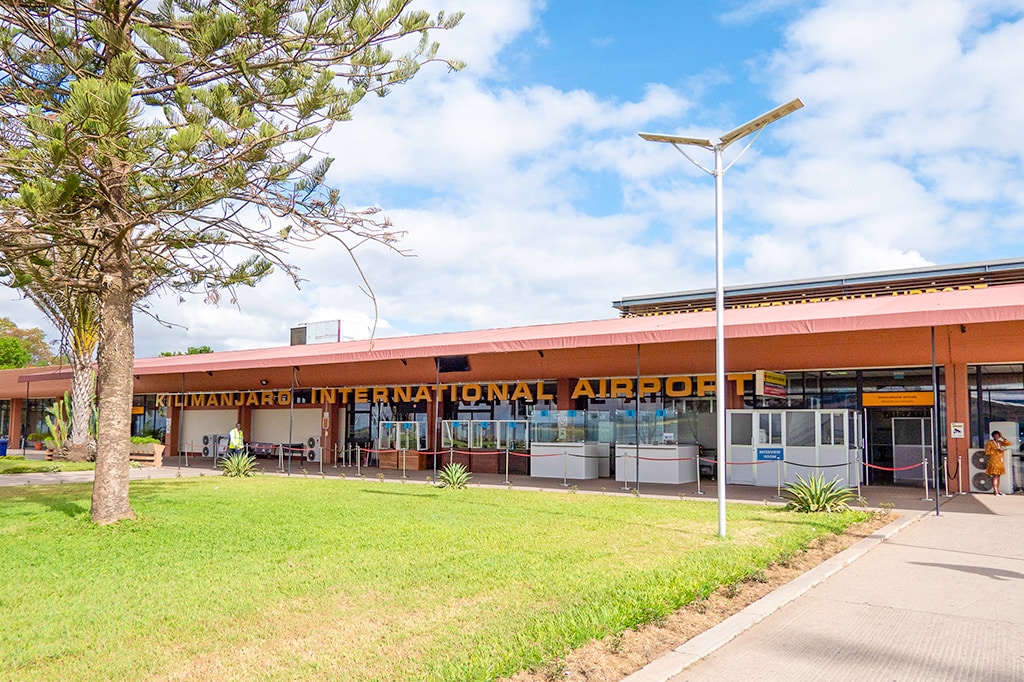

Another option is to fly into Julius Nyerere International Airport, situated in the bustling city of Dar es Salaam. From there, you can opt for either a shorter domestic flight or take on the road with a bus ride to reach Arusha. Each journey routes you through some of Tanzania’s beautiful landscapes, starting your Arusha adventure even before you arrive.
Guide to Arusha: Must-Visit Attractions
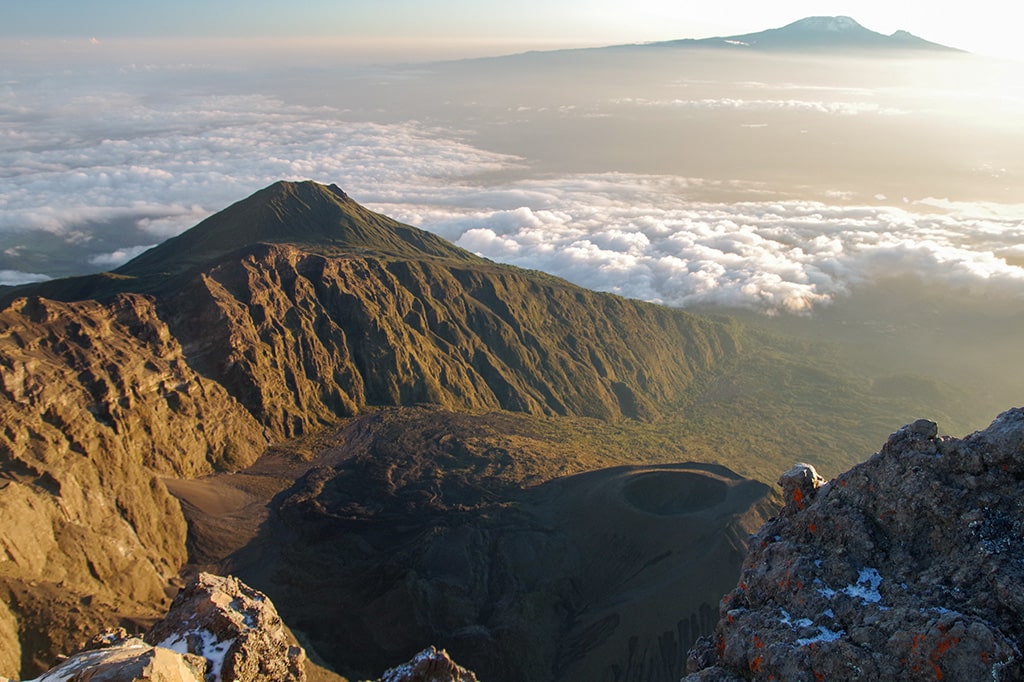
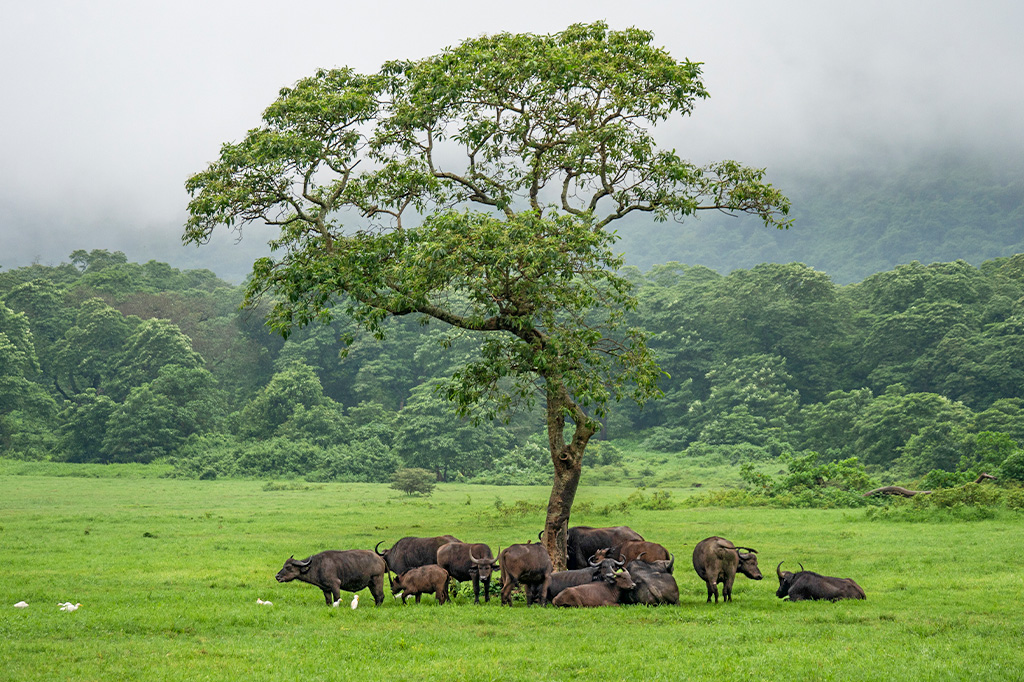
Arusha is a city renowned for its myriad attractions that offer both natural and cultural experiences. A visit to Arusha National Park takes you into a thriving ecosystem, allowing wildlife viewing with fewer crowds compared to more famous African safari spots. Here, you can behold the striking Mount Meru, observe diverse animals in their natural habitats, and journey through lush forests and shimmering lakes.
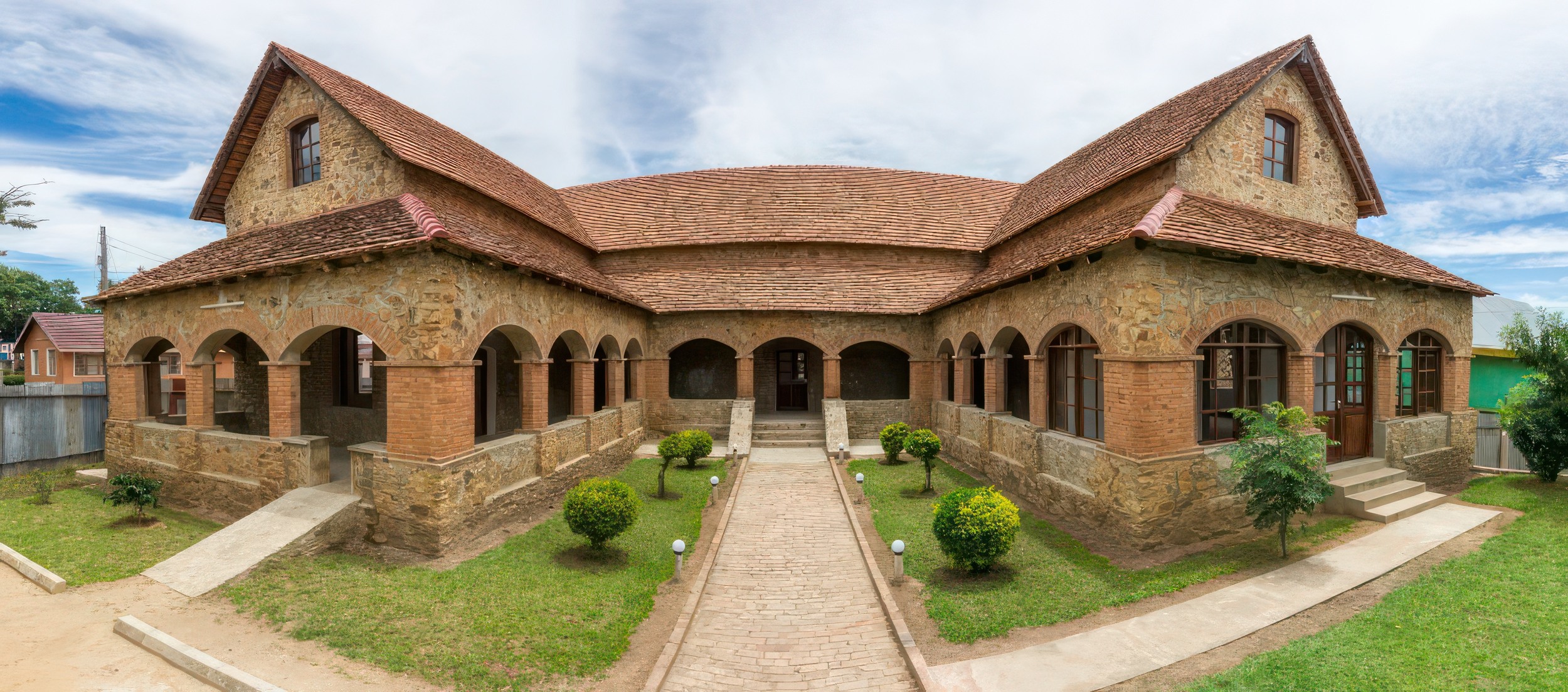
Meanwhile, the Arusha Declaration Museum offers a window into the intriguing history of Tanzania and its path to independence. Cultural connoisseurs will find the Cultural Heritage Centre captivating, with its vast collection of African arts, and you can immerse yourself in local Tanzanian life at the bustling Arusha Central Market. Finally, make time to visit Shanga Shangaa, an inspiring initiative where disabled artisans create beautiful, handcrafted items, supporting their livelihoods while showcasing their talent.
Guide to Arusha: Adventure Activities
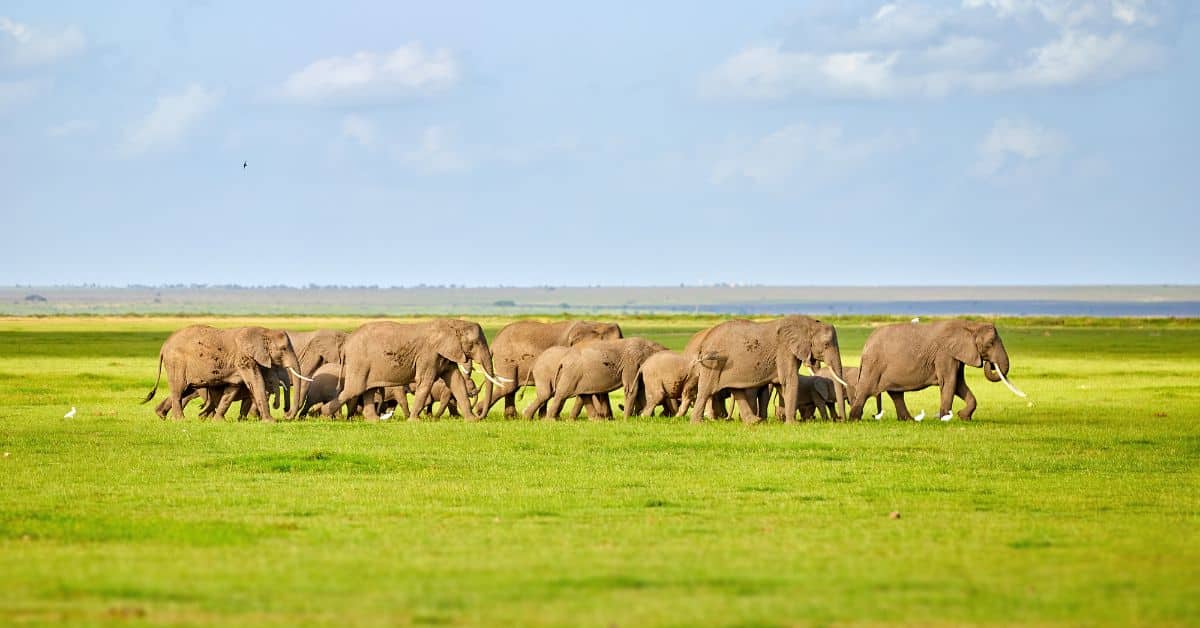
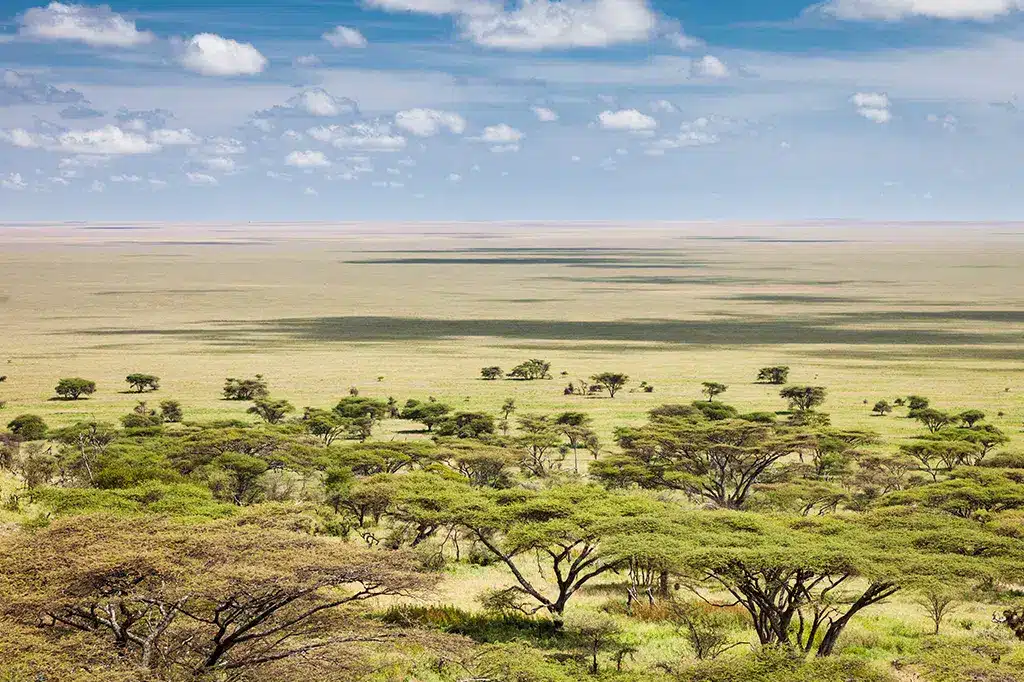
Arusha serves as a springboard to a range of outdoor adventures. Embark on a safari to the world-famous Serengeti National Park or the Ngorongoro Conservation Area. Here, you’ll witness the legendary Great Migration, where thousands of wildebeests, zebras, and gazelles traverse the plains in a dramatic spectacle of life and survival.

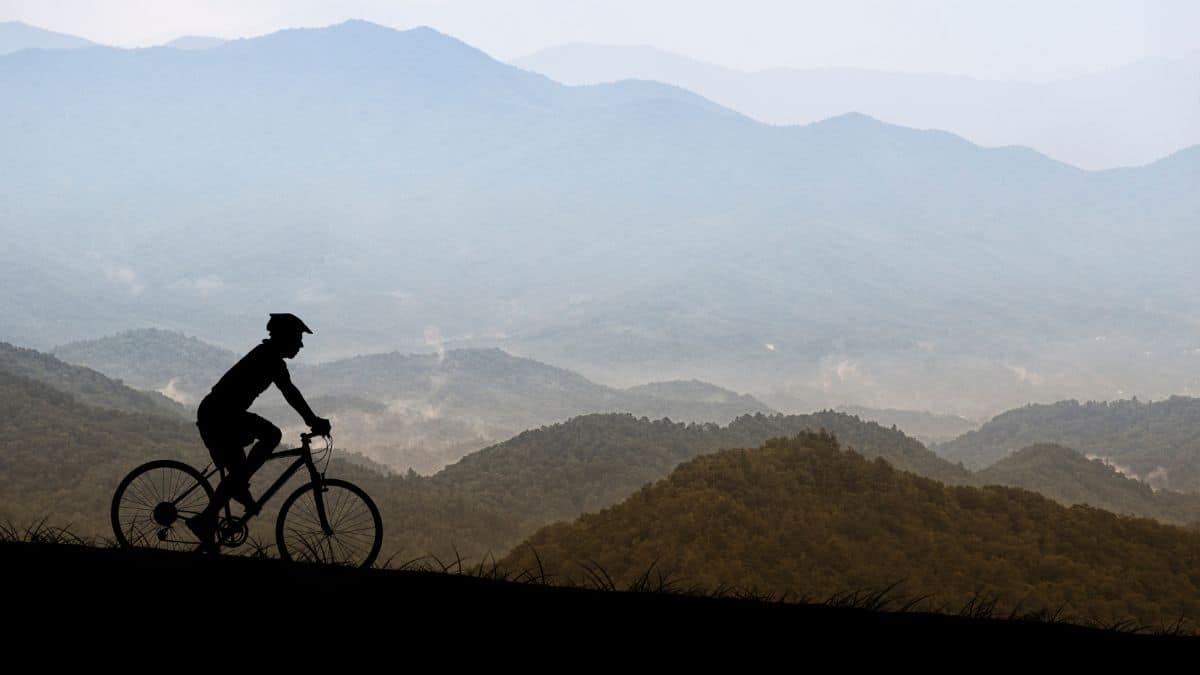
Fancy conquering Africa’s highest peak? Organize a trek to Mount Kilimanjaro or challenge yourself with a climb up Mount Meru. If you’re looking for a more relaxed activity, consider a day trip to the beautiful Arusha Coffee Lodge, where you can learn about coffee production and sample some of the best coffee in the world.
Guide to Arusha: Culinary Landscape
In Arusha, the culinary scene is as diverse as the city itself. Start your gastronomic adventure with a local staple: ‘ugali,’ a maize meal porridge often served with meat or fish. Sample ‘nyama choma’ (grilled meat) or ‘mshikaki’ (meat skewers), commonly found at street food stalls.


Don’t miss the chance to try ‘mandazi,’ a sweet Swahili doughnut that pairs perfectly with a cup of Tanzanian coffee. For a fancy dining experience, head to the Arusha Coffee Lodge, where you can enjoy a meal amidst the coffee plantations. For the vegans and vegetarians, ‘Maharaja Indian Restaurant’ offers a variety of plant-based options.
1. Guide to Arusha Accommodation: From Budget to Luxury
Whether you’re a budget backpacker or luxury seeker, the City has accommodation to suit every travel style. For budget travellers, the White House of Tanzania offers comfortable rooms and a friendly atmosphere. Mid-range options like Outpost Lodge provide great value with comfortable rooms and a pool.
For a luxurious stay, the Arusha Coffee Lodge offers plush rooms nestled amidst coffee plantations. Alternatively, the Arusha Serena Hotel, set against the backdrop of Mount Meru, provides top-tier comfort and incredible views.
2. Guide to Arusha: Local Markets and Souvenirs
Shopping in Arusha is a vibrant experience, where colorful markets and specialty shops offer a wide array of Tanzanian crafts, textiles, and more. Maasai Market Curios and Crafts is a must-visit. Here, you’ll find Maasai beadwork, Tanzanian fabrics known as kanga and kitenge, carved wooden items, and other handicrafts.
For Tanzanite, a rare and precious gemstone native to Tanzania, head to the Tanzanite Experience Museum, where you can learn about the stone’s history and shop for quality jewelry.
The Arusha Central Market is another shopping hotspot. While primarily a food market, you can also find a range of local goods. Remember, bargaining is part of the shopping experience!
Essential Travel Tips and Safety Guidelines
While Arusha is generally safe for travelers, like anywhere, it’s essential to be aware of your surroundings and take basic precautions. Avoid displaying expensive items, and be cautious in crowded places where pickpockets might operate.


When it comes to health, ensure you have comprehensive travel insurance that covers medical evacuation. Also, consider vaccinations for diseases like typhoid and hepatitis A, and remember to take anti-malarial precautions.
Pack light, breathable clothing, and don’t forget a sturdy pair of shoes if you’re planning on hiking. Also, a reusable water bottle, sunscreen, and a hat are essentials.
Tanzanians are warm and friendly, but respecting local customs is crucial. Dress modestly, particularly when visiting rural areas, and always ask permission before photographing people.
Easy Travel Tanzania: Your Perfect Travel Partner
Easy Travel Tanzania, a trusted local tour operator with over three and a half decades of expertise, is committed to turning your Arusha escapade into a lifelong memory. Our tailored service offerings range from exhilarating safaris, treks up the iconic Kilimanjaro, immersive cultural tours to tranquil beach holidays in Zanzibar, all designed to create the perfect travel experience for you.

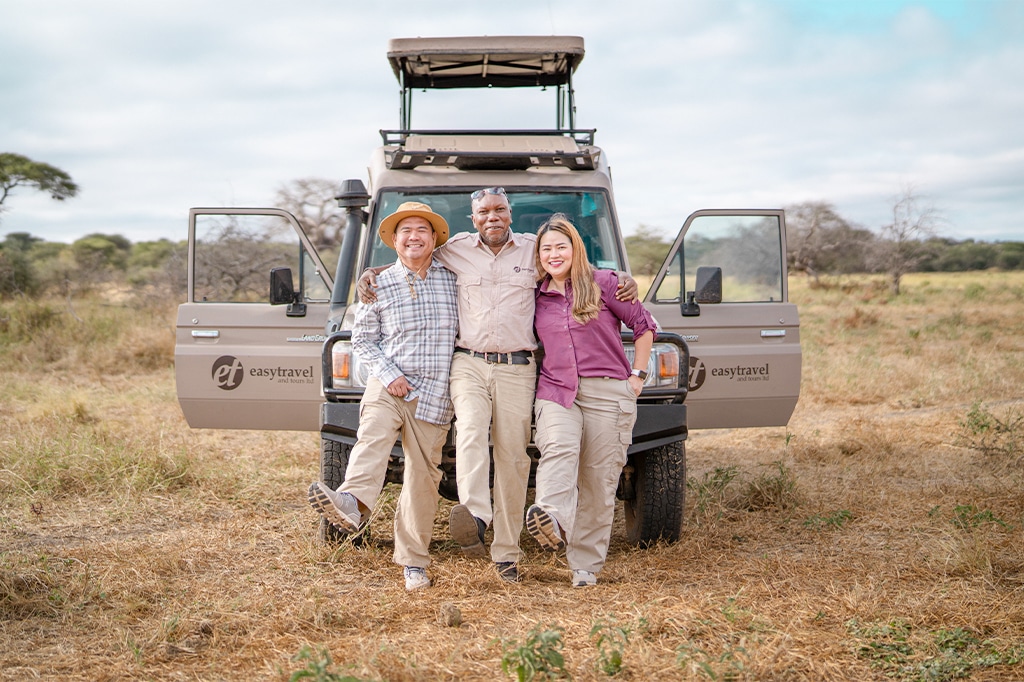
Our dedicated team, equipped with in-depth local knowledge and a genuine passion for Tanzania, offers unparalleled insights into the region’s finest attractions. As you explore Arusha and beyond with us, you’ll be introduced to the sights, experiences, and hidden gems that truly capture the essence of this fabulous country.
Conclusion
Arusha, the bustling safari capital of Tanzania, promises adventures and experiences unlike any other. This city, with its vibrant culture, extraordinary wildlife, and stunning landscapes, invites you to embark on a journey of a lifetime. With this comprehensive guide and Easy Travel Tanzania as your trusted companion, get ready to explore, eat, and engage in the rich tapestry of Arusha’s experiences. Your adventure starts here!
Frequently Asked Questions (FAQs)
1. What is the best time to visit Arusha for wildlife safaris?
The optimal period for wildlife safaris in Arusha largely depends on the experience you seek. Generally, the best time for safaris occurs during the dry seasons – June to October and late December to February – when animals tend to congregate around water sources, making them easier to spot. These periods also offer favorable weather conditions, with clearer skies and more accessible roads, enabling smoother game drives. However, visiting during the wet seasons can often yield better discounts and still offer memorable wildlife encounters but expect more challenging navigating conditions.
2. What should I pack for a trip to Arusha?
When packing for a trip to Arusha, it’s essential to consider the activities you plan to undertake and the time of year you’re visiting. Lightweight, breathable clothing in neutral colors, sturdy and comfortable shoes, sunglasses, and a wide-brimmed hat are must-haves. Pack layers, such as a fleece, a lightweight windbreaker, and a waterproof jacket for cooler temperatures in higher altitudes and evenings.
Don’t forget essentials like sunscreen, insect repellent, a power adapter, binoculars for wildlife viewing, and a camera to capture the incredible landscapes and experiences. If you’re planning on hiking Mount Kilimanjaro or Mount Meru, consult specific packing lists provided by your tour operator to ensure you’re well prepared.
3. How much should I budget for a trip to Arusha?
The amount you should budget for a trip to Arusha varies greatly based on factors such as your preferred activities, accommodation, and dining options. General costs for mid-range accommodations can range from $50 to $150 per night, while upmarket lodges can charge $200+ per night.
Typical restaurant meals could cost between $5 to $15, with higher-end options offering meals north of $20. For safari excursions, budget at least $150 to $200 per person per day; the price ultimately depends on the size of your group, accommodation quality, and park entry fees. It’s always a good idea to allocate extra funds for tips, souvenirs, and unforeseen expenses that might arise during your trip.
4. What currency is used in Arusha?
Tanzanian Shilling (TZS) is the official currency of Arusha and can be easily obtained from ATMs in the city. It’s wise to carry a mix of cash and cards for convenience, as many local markets, shops, and small businesses may only accept cash.
Larger hotels, restaurants, and tour operators often accept credit cards, though be prepared to pay a card transaction fee. It’s also helpful to have a small amount of US dollars on hand, as they are widely accepted and often preferred for significant expenses, such as park entrance fees and accommodations.
5. Is it safe to drink tap water in Arusha?
Tap water in Arusha is not considered safe for tourists to drink, as it may contain bacteria and parasites that can cause gastrointestinal distress. Instead, stick to bottled or purified water, which is easily available at hotels, restaurants, and supermarkets. Additionally, avoid consuming ice in your beverages and make sure to use purified water when brushing your teeth.
6. What is the typical food in Arusha?
Arusha offers a variety of culinary experiences, including traditional Tanzanian fare and international dishes. A staple Tanzanian dish is “ugali” – a type of maize porridge often accompanied by meat, vegetables, or beans. Other popular local dishes include “nyama choma” (grilled meat), “chapati” (flatbread), and “mchemsho” (a slow-cooked meat and vegetable stew). Street food is abundant, offering inexpensive and delicious options such as “mishkaki” (meat skewers) and “chipsi mayai” (potato and egg stir-fry). Many restaurants serve Indian, Italian, and Chinese cuisine, as well as fusion fare, catering to diverse tastes and preferences.
7. Do I need a visa to visit Arusha, Tanzania?
Many visitors to Tanzania, including those coming to Arusha, do require a visa. Visa requirements vary depending on your nationality and the duration and purpose of your visit. Most tourists can obtain a single-entry tourist visa, valid for up to 90 days, either upon arrival at the airport or in advance through the Tanzania Immigration Department’s website or a Tanzanian embassy in their home country. Be sure to check the most current visa requirements for your specific nationality before planning your trip.
8. Is Arusha safe for tourists?
Arusha is generally safe for tourists, with most visitors enjoying a trouble-free stay. It’s essential, however, to exercise common-sense precautions, such as avoiding walking alone in remote or poorly lit areas, especially at night. Keep your belongings secure, and remain vigilant in crowded spaces like markets, where pickpocketing may occur. It’s a good idea to consult your accommodation or tour operator for advice on safe areas to explore.
9. Which languages are spoken in Arusha?
Swahili is the official language of Tanzania and is widely spoken in Arusha. Many people, especially in the tourism and service industries, also speak English, making communication reasonably accessible for foreign visitors. Learning a few basic Swahili phrases before your trip can be a great way to connect with locals and enrich your cultural experience.
10. Do I need vaccinations before traveling to Arusha?
It’s advisable to be up-to-date on routine vaccinations before traveling to Arusha, such as measles-mumps-rubella (MMR), diphtheria-tetanus-pertussis, varicella (chickenpox), polio, and your yearly flu shot. Healthcare professionals also recommend additional vaccines for Tanzania, including hepatitis A, typhoid, and, in certain cases, hepatitis B and rabies. Consult your doctor or a travel health specialist before your trip to ensure you have the appropriate vaccinations. Additionally, Tanzania requires proof of a Yellow Fever vaccination if you are traveling from a country with a risk of the virus.
11. How can I avoid mosquito-borne illnesses in Arusha?
To protect yourself from mosquito-borne illnesses such as malaria and dengue fever in Arusha, use mosquito repellent, wear long sleeves and pants, and sleep under a mosquito net or in air-conditioned rooms. Additionally, discuss taking anti-malarial medication with your doctor before traveling, as they can advise the best course of action based on your specific itinerary.
12. Is it customary to tip in Arusha?
Tipping in Arusha is not mandatory but is generally appreciated as a way of showing gratitude for good service. It is customary to tip tour guides, drivers, hotel staff, and waitstaff at restaurants. In most instances, 5 to 10% of the total bill is acceptable, but it ultimately depends on the level of service. For safari guides, a suggested daily tip is around $10 to $15 per person per day, while for trekking guides and porters, the amount can vary depending on the climb’s difficulty and the duration of the trek.
13. What kind of accommodation options are available in Arusha?
Arusha offers a wide range of accommodation options catering to different budgets and comfort levels. You can choose from budget-friendly guesthouses and backpacker hostels, mid-range lodges and hotels, boutique bed and breakfasts, and luxury resorts. When booking your stay, consider factors such as location, amenities, and the type of activities you plan to engage in during your Arusha visit.
14. Is it safe to travel solo in Arusha?
Traveling solo in Arusha is generally safe, with many solo travelers enjoying memorable and enjoyable experiences. It’s crucial, however, to exercise common-sense precautions and remain vigilant.
Utilize reputable tour operators, ensure your accommodation is in a safe area, and avoid walking alone in remote places, particularly after dark. Connecting with other travelers, either in accommodations or on group tours, can provide added security and enhance your travel experience.
15. What is the transportation system like in Arusha?
Arusha offers several transportation options, with ‘dala dalas,’ the local minibusses, being a popular and affordable choice. Taxis are found throughout the city but ensure you negotiate the fare beforehand. You can rent a car for a more comfortable and flexible transport option, though be prepared for the city’s dynamic traffic.
While public transportation is relatively efficient, you may prefer to use private transportation or organized tour services to visit more remote or tourist-centric destinations, as they offer a hassle-free and safer mode of travel.