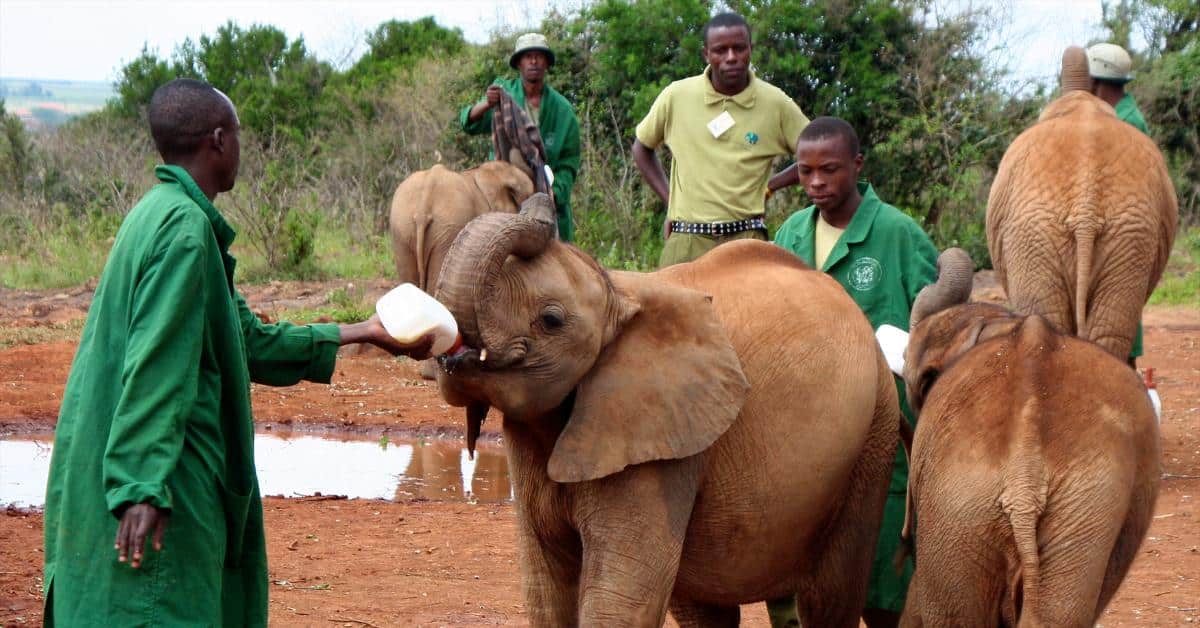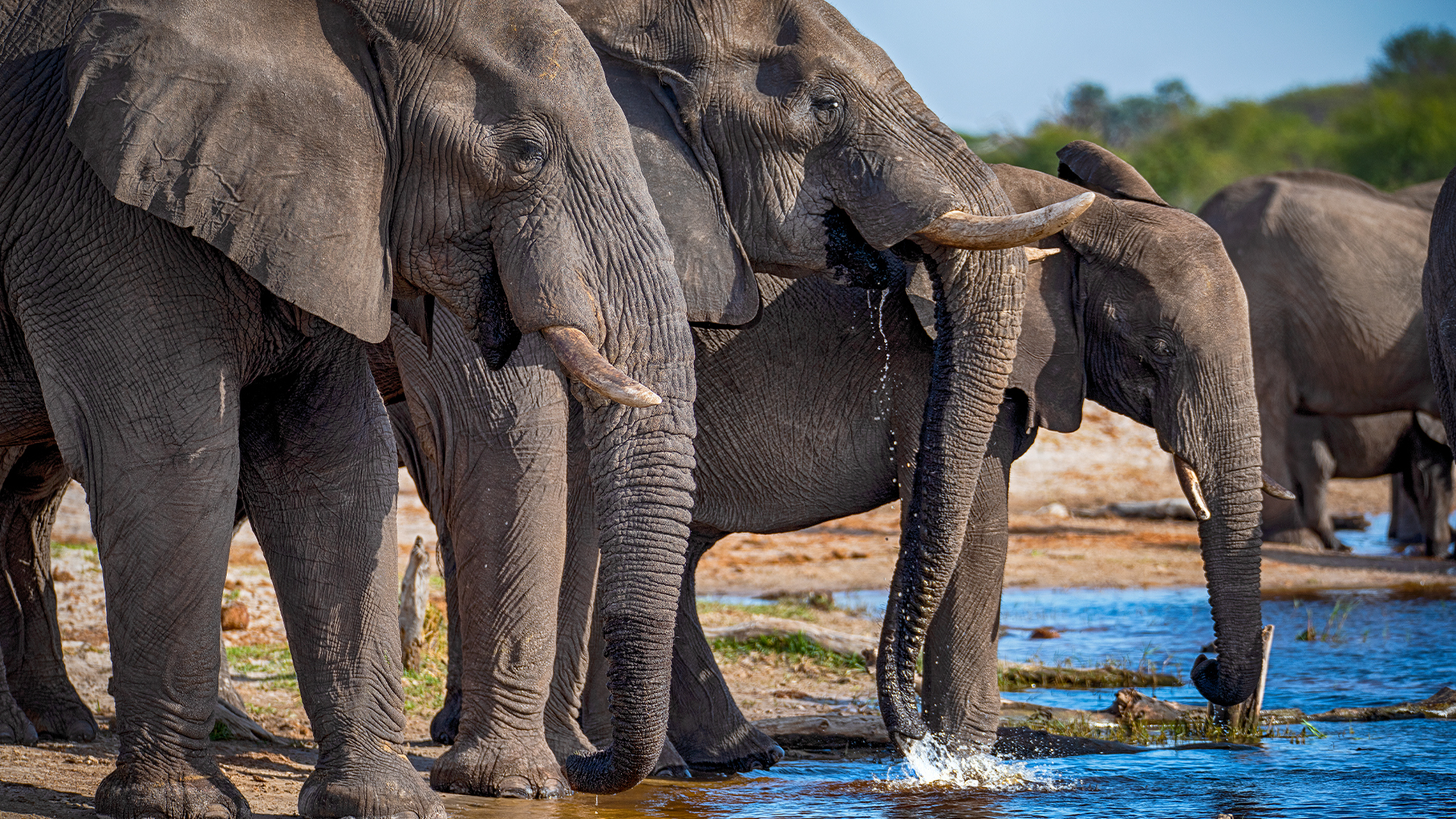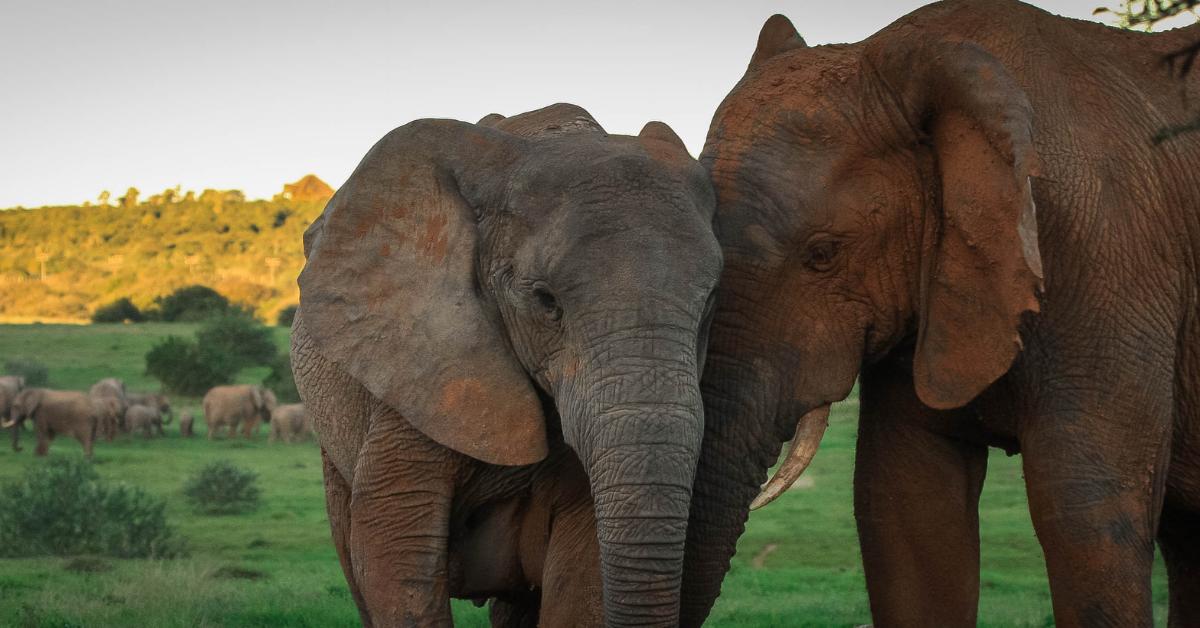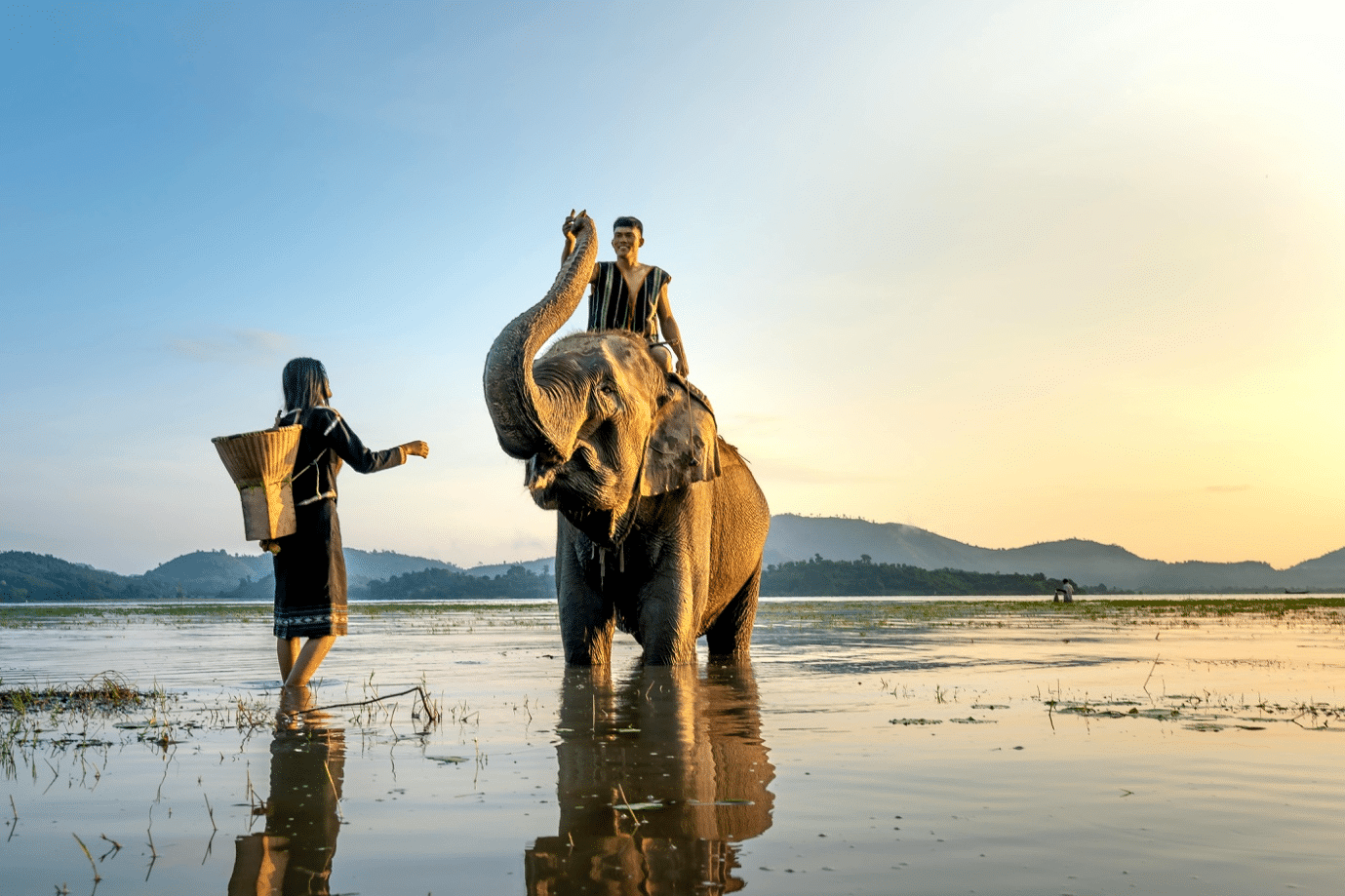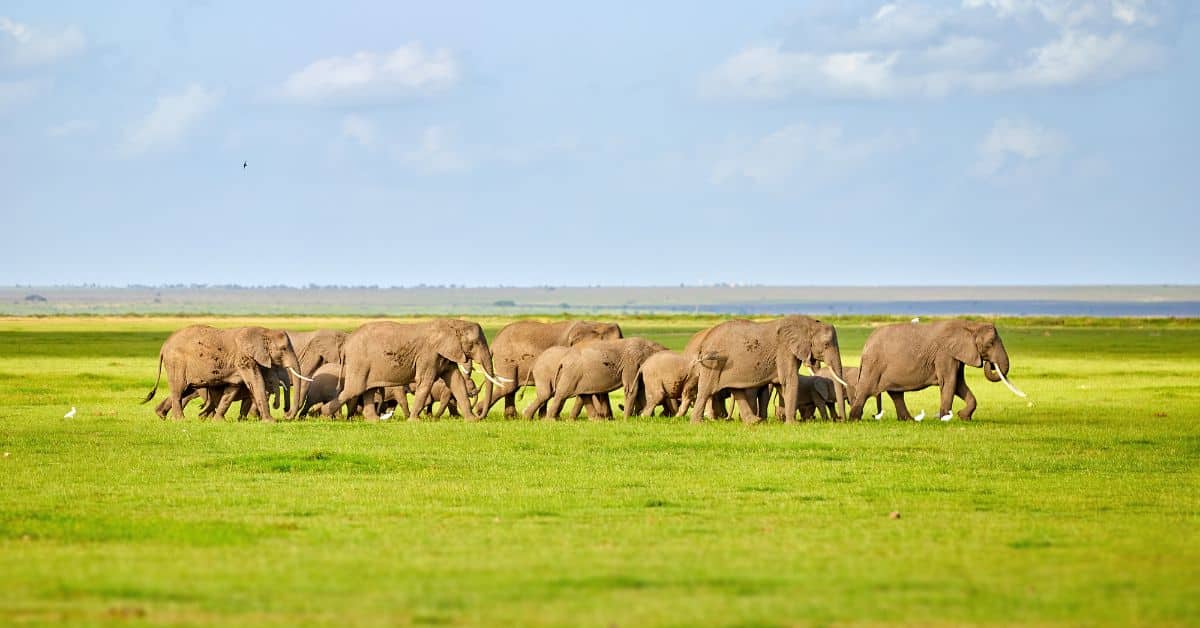



When you think of Tanzania, lush landscapes, wild safaris, and the iconic Great Migration may come to mind. But you might be surprised that Tanzania is also a land full of vegetarian “residents”—millions of herbivores, from wildebeest and gazelles to zebras and giraffes, all rely on the country’s vibrant plant life to survive.
While these animals thrive on a plant-based diet, you may wonder if you can do the same on your Tanzanian adventure. The answer is a resounding YES!
Whether you’re a dedicated vegetarian, a vegan, or just trying to eat more plants while traveling, this guide will give you everything you need to know to eat well in Tanzania without breaking your diet. Here’s a breakdown of what to expect, tips on eating out, and must-try dishes that are both local and vegetarian-friendly.
A Quick Tour of Tanzania’s Vegetarian-Friendly Food Scene
Tanzania’s food culture is a flavorful blend of African, Arab, and Indian influences. East Africa’s rich history has brought a variety of spices and dishes to the table, creating a unique mix of flavors.
And while many traditional meals may include meat, Tanzanian cuisine offers plenty of delicious vegetarian options. Ugali, a thick cornmeal staple, is served everywhere, and it’s usually paired with vegetables, beans, and other side dishes, making it a fantastic meat-free option. From fresh tropical fruits to hearty stews, you’ll find plenty of plant-based foods to fuel your journey.
Your 60-second tour of Tanzania’s food scene

Tanzania’s food culture is a flavorful blend of African, Arab, and Indian influences. East Africa’s rich history has brought a variety of spices and dishes to the table, creating a unique mix of flavors.
And while many traditional meals may include meat, Tanzanian cuisine offers plenty of delicious vegetarian options. Ugali, a thick cornmeal staple, is served everywhere, and it’s usually paired with vegetables, beans, and other side dishes, making it a fantastic meat-free option. From fresh tropical fruits to hearty stews, you’ll find plenty of plant-based foods to fuel your journey.
Here’s a more comprehensive look at your typical food in Tanzania.
A quick note on cultural etiquette
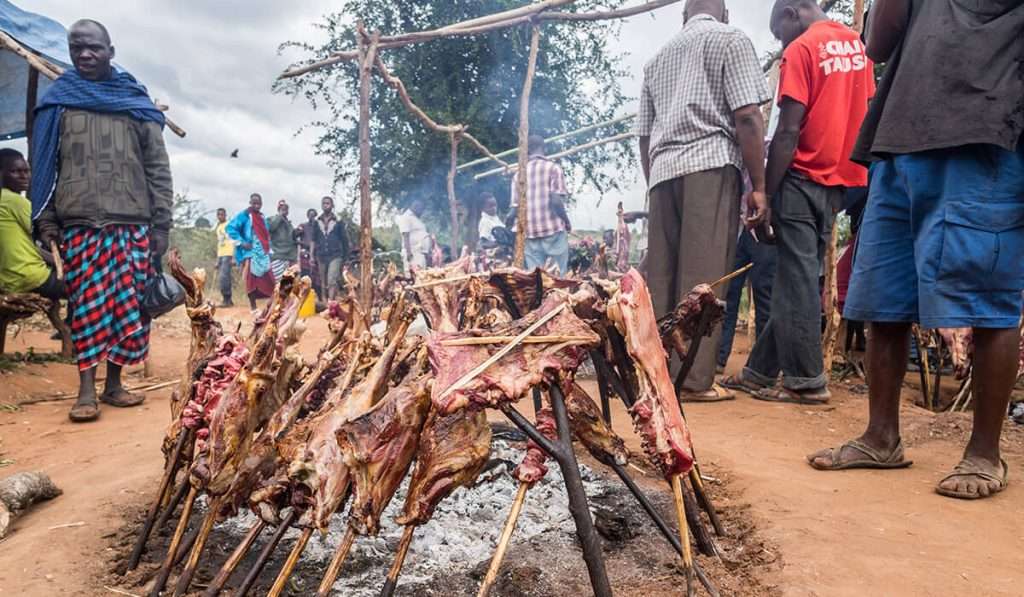
For many Tanzanians, eating meat can be a sign of status. To afford meat is something most everyone aspires to, and many Tanzanians will not refuse meat when available. In fact, for millennia tribes like the Maasai have subsisted primarily on cow milk, meat, and blood.(source)
This means vegetarianism may be less common or even unusual in some areas, especially rural communities. However, Tanzanians are generally welcoming and will do their best to accommodate dietary needs.
Remember that patience and open communication go a long way in understanding and respecting each other’s cultures.
Vegetarian (or vegan) on safari? No problem

You’re in luck if you’re going on a safari with a tour operator like Easy Travel. Many safari lodges and camps work with professional chefs who are experienced in catering to various dietary needs, including vegetarian and vegan diets.
They can prepare a variety of options, from traditional Tanzanian foods to Western-style meals. Just inform your travel organizers about your dietary preferences in advance, and they’ll be happy to make the necessary arrangements.
Here’s the 5 best vegetarian foods to eat in Tanzania
Ugali – I said it earlier and I’ll say it again: this stuff is everywhere, scooped and dipped and devoured by the truckload all across the country. It’s what fuels the country, so dig in.
Maharagwe – These red kidney beans are a staple in Tanzania, prepared spicy or savory and cooked in coconut milk (drooling) and paired with chapatti or, you guessed it, ugali (more drooling). – (Source)
Pilau – Tanzania’s favorite rice pilau dish originated in India, but its Tanzanian version includes more spices. Restaurants will often cook pilau using chicken broth, so if that is a problem please tell our Easy Travel staff in advance so we can make necessary arrangements.
Fresh Fruits, Nuts, and Vegetables – You will quickly discover Tanzanian markets and roadside stands overflowing with colorful, plump produce as well as cashews, eggs, and other non-meat proteins. Remember the old adage: if you can’t peel it, boil it, or cook it, forget it!
Indian Fare – There are over 50,000 Tanzanians of Indian origin living in the country today, due to an influx of Indian traders in the 19th century. As a vegetarian you’ll want to sniff out some of these Indian restaurants, especially in larger cities like Arusha. Simply put, Indian cuisine has mastered vegetarian dining. – (Source)
Vegan-Friendly Tips for Traveling in Tanzania
If you’re a vegan, you can still enjoy Tanzanian cuisine. Here are some tips to make your experience more accessible:
– Ask about cooking methods. Some dishes, like pilau or soups, might be made with chicken broth. Politely ask if they can use vegetable stock or leave out animal-based ingredients.
– Bring snacks. Vegan snacks like nuts, dried fruits, and energy bars can be helpful when options are limited.
– Look for fresh possibilities. Fresh fruits and vegetables are widely available, especially in markets. These are usually vegan and safe choices.
Planning Meals on the Go
If you’re exploring or visiting rural areas, you may find fewer vegetarian or vegan options, as meat is more commonly included in meals. Here are some ideas to keep you satisfied:
– Order sides. Dishes like ugali, beans, and vegetable stews are often served as side dishes. Ordering a mix of sides can make a filling vegetarian meal.
– Ask for chapati. This flatbread is widely available and is an excellent addition to any meal.
– Carry some nuts or snacks. If you’re going to be away from major towns, pack a few snacks like nuts, fruits, or granola bars, just in case.
Additional resources
More about Vegetarian Food in Tanzania
Surviving as a Vegan in Tanzania
Happy Cow, A Comprehensive List of Vegetarian Eateries in Tanzania
Bottom Line: Can You Be a Vegetarian in Tanzania?
Yes, absolutely! With some planning, you can enjoy Tanzania’s rich food culture while following your dietary choices. From filling dishes like ugali to flavorful stews, fruits, and Indian-inspired fare, Tanzania has plenty of options for vegetarians. And with support from travel operators like Easy Travel, finding delicious vegetarian meals on safari and in lodges is simple.
Getting you there?
If you’re excited to explore Tanzania’s landscapes, wildlife, and food without compromising your vegetarian lifestyle, contact Easy Travel. We’ll help make sure your trip is memorable and diet-friendly, from providing vegetarian-friendly dining options to offering expert travel advice.
Frequently Asked Questions (FAQs)
Is it possible to find vegetarian food in Tanzania?
Yes! Tanzania has a wide variety of vegetarian-friendly dishes. You’ll find East African staples like ugali (a cornmeal porridge), maharagwe (kidney beans in coconut milk), and pilau (spiced rice).
Fresh fruits and vegetables are abundant in Tanzania, especially in markets and roadside stands so that vegetarians can enjoy a flavorful plant-based diet. Many Tanzanian dishes focus on grains, legumes, and seasonal produce, making it a welcoming place for vegetarians.
Tanzania’s food scene has also been influenced by Indian cuisine due to the country’s significant Indian population. As a result, there are many vegetarian-friendly Indian restaurants, especially in cities like Arusha and Dar es Salaam.
Can I go on safari in Tanzania as a vegetarian or vegan?
Absolutely! Many safari lodges and camps, including vegetarian and vegan meals, cater to dietary preferences. Safari camps often serve traditional and Western-style foods, and most have experienced chefs who can prepare vegetarian and vegan meals.
With advance notice, safari tour operators like Easy Travel can ensure your dietary needs are met, making your experience comfortable and worry-free. Safari lodges take great care to offer high-quality, diverse meals that meet guests’ dietary restrictions.
What are some traditional vegetarian dishes I should try?
There are several traditional Tanzanian vegetarian dishes worth trying. Ugali, a cornmeal-based staple, is eaten by nearly everyone in Tanzania and pairs well with greens, beans, or other vegetable-based dishes. Maharagwe, a dish made from red kidney beans cooked in coconut milk, is another popular, flavorful, and nutritious option. These dishes are simple, hearty, and perfect for a vegetarian diet.
Pilau is another must-try vegetarian dish in Tanzania, though be sure to ask if it’s cooked with vegetable or chicken broth. It’s a spiced rice dish, often enjoyed during celebrations and special occasions. Additionally, you’ll find various fresh fruits, vegetables, and cashews throughout the country, ensuring plenty of nutritious plant-based foods. Tanzanian cuisine is full of natural flavors that make it enjoyable for all dietary types.
How can I communicate my dietary needs to locals?
In Tanzania, many people speak English in tourist areas, making it easy to communicate your dietary needs. Simply saying “vegetarian” or “no meat” is usually understood. However, learning a few phrases in Swahili can be helpful. Saying “Mimi ni mla mboga tu” (I am only a vegetarian) or “Hakuna nyama” (No meat) can make your needs clear. Locals are generally respectful and willing to accommodate dietary preferences.
Swahili phrases can be especially helpful in rural areas where English is not less commonly spoken. Tanzanians are known for hospitality, so most people will try to understand and respect your dietary choices. If you’re traveling with a tour company, informing them about your dietary preferences ensures that local guides and accommodations are prepared to meet your needs.
What should I watch out for if I’m vegan in Tanzania?
If you’re vegan, checking whether animal-based ingredients, like ghee or chicken broth, are used to prepare seemingly vegetarian dishes is essential. Although Tanzanian cuisine has many plant-based dishes, some recipes may contain these ingredients as a default.
Politely asking about the cooking methods or requesting modifications is usually well-received. It’s a good idea to carry some snacks for remote areas where options might be limited. Vegan travelers may need help in rural areas with less common dietary restrictions.
However, most lodges and safari camps are familiar with vegan requests and can make necessary adjustments. By being clear about your needs, you’ll find that Tanzanians are willing to help, and bringing snacks as a backup plan can make travel more comfortable.
Are there vegetarian restaurants in Tanzania?
Yes, especially in larger cities like Arusha, Dar es Salaam, and Zanzibar. Tanzania has a substantial Indian population, so Indian cuisine—often with many vegetarian options—is widely available.
Some international restaurants cater to vegetarian diets. To find the best options, resources like Happy Cow can be incredibly helpful in locating vegetarian-friendly spots. Vegetarian restaurants may be more limited outside of major cities, but most eateries offer some meat-free options or are open to accommodating dietary needs.
Larger hotels and safari lodges also tend to offer vegetarian options on their menus. So, while dedicated vegetarian restaurants are fewer, you’ll find plenty of dining options that meet your preferences.
What foods should I pack or bring if I’m vegetarian or vegan?
While Tanzania offers a variety of vegetarian foods, bringing a few snacks like nuts, dried fruits, or protein bars can be helpful, especially in remote areas. This ensures a backup if you can’t find plant-based options on a particular day. Long drives or day trips may also make it challenging to find suitable snacks, so having some on hand is always a good idea.
Packing your preferred snacks can make your travel experience more enjoyable and convenient. Additionally, having these snacks is beneficial if you’re heading out on full-day excursions with limited food choices. Simple, non-perishable snacks can provide a quick energy boost when needed.
Are there plenty of fresh fruits and vegetables in Tanzania?
Absolutely. Tanzania is home to abundant fresh produce, with markets and roadside stands filled with fruits like mangoes, bananas, and pineapples, as well as vegetables like tomatoes, spinach, and onions. You’ll also find locally grown nuts like cashews, an excellent plant-based protein source. Fresh produce is widely available in most parts of Tanzania.
Peeling or cooking fruits and vegetables is the best way to avoid potential health risks. Most hotels and lodges wash produce thoroughly for guests, but it’s always wise to check. Eating local fresh produce supports local farmers and lets you experience Tanzania’s flavors at their best.
What’s the best way to order vegan food in restaurants?
Politely asking if dishes can be made without meat, dairy, or broth is often well-understood. Tanzanians are generally accommodating, and most restaurants are willing to modify dishes to suit vegan preferences. In larger cities and safari lodges, chefs are accustomed to working with various dietary restrictions, so vegan options are usually available.
Being specific and friendly in your requests can go a long way when ordering. If unsure, try speaking to the server about any specific needs or dietary concerns. They’ll likely make helpful suggestions or arrangements for you. Being transparent helps ensure that your meals align with your nutritional choices.
Is Tanzanian street food vegetarian-friendly?
Some Tanzanian street foods, such as chapati (a type of flatbread) and fried plantains, can be vegetarian-friendly. However, asking about ingredients is always best, as some dishes might use animal products. Chapati, for example, is typically vegetarian, while samosas are sometimes made with meat, so always ask before you try something new.
Exploring street food is a beautiful part of experiencing Tanzanian culture, and there are vegetarian snacks to enjoy. In busy markets and city streets, vendors are generally familiar with tourists, so they’re used to answering questions about their ingredients. Being mindful and asking questions allows you to enjoy street food while safely staying within your dietary choices.
Can vegetarians and vegans find protein sources in Tanzania?
Yes, Tanzania offers various vegetarian protein sources, such as beans, peanuts, chickpeas, and cashews. Kidney beans, for example, are used in popular dishes like maharaja, a comforting, protein-packed meal. Eggs are also commonly available for vegetarians who include them in their diet.
Nuts, seeds, and legumes are excellent protein sources for vegan travelers. Since meat may be a luxury item for some Tanzanians, plant-based protein is common, making it relatively easy for vegetarians and vegans to meet their protein needs. Fresh, locally sourced ingredients make it easy to maintain a balanced diet.
Are there any Tanzanian cultural customs around food that vegetarians should know?
In Tanzania, meat is often a luxury item and may be offered as a sign of respect or hospitality. While declining it politely is understood, Tanzanians may initially see vegetarianism as unusual. Explaining that it’s a dietary choice is usually well-accepted, and people will respect your preference.
Being open and respectful about your choices can help bridge cultural understanding. Many Tanzanians are curious about and understand different dietary practices, especially in tourist areas. A friendly, respectful approach makes connecting and enjoying shared meals easy without worry.
Is vegetarianism common in Tanzania?
Vegetarianism is not widely practiced among Tanzanians, as meat is traditionally considered a status symbol. However, Tanzania’s diverse food culture offers many vegetarian dishes by default, which makes it easy for travelers to find plant-based meals. Most Tanzanians are very hospitable and will accommodate dietary requests.
In Tanzania, being vegetarian is uncommon, but visitors can find many options in larger cities and safari camps. Tanzanians are friendly and adaptable, especially with tourists, so explaining dietary preferences is usually well-received, allowing for an enjoyable culinary experience.