

Ruaha National Park, situated in Tanzania, is an extraordinary destination with diverse wildlife, breathtaking landscapes, and unique safari experiences. As one of Africa’s largest national parks, it has captivated the hearts of nature enthusiasts and adventure seekers worldwide.
If you plan to visit Ruaha National Park in 2025 or 2026, prepare for an unforgettable journey filled with remarkable sights and thrilling activities. Here, we present an in-depth guide to the best ways to see and do everything the park offers.
Game Drives: Exploring the Wildlife of Ruaha National Park
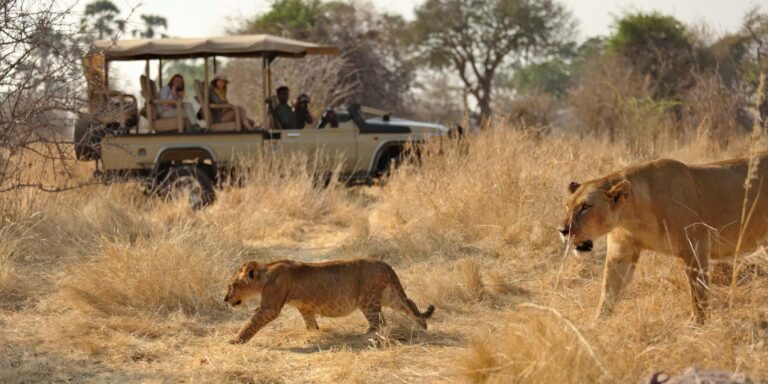
A visit to Ruaha National Park would only be complete with embarking on game drives. These exhilarating guided tours take you deep into the heart of the park’s vast wilderness, where you can witness an incredible array of wildlife in their natural habitat.
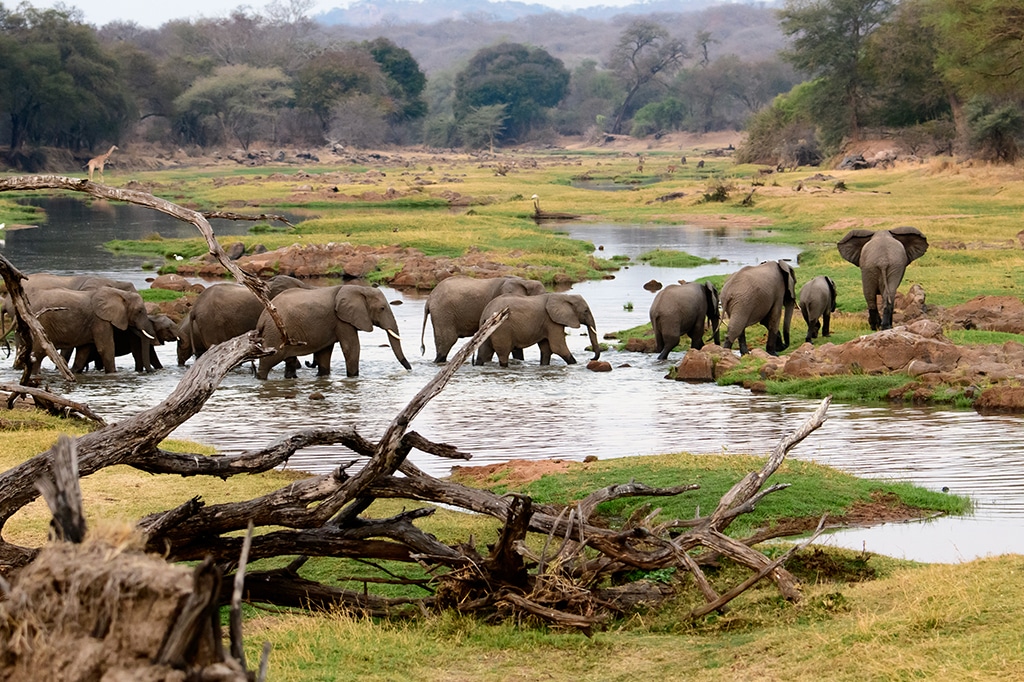

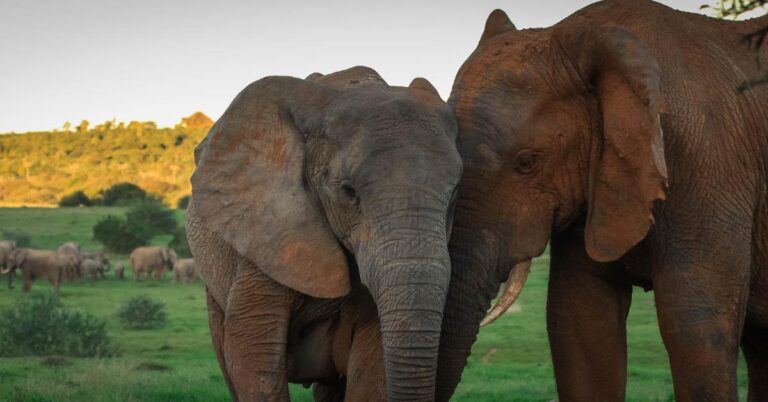
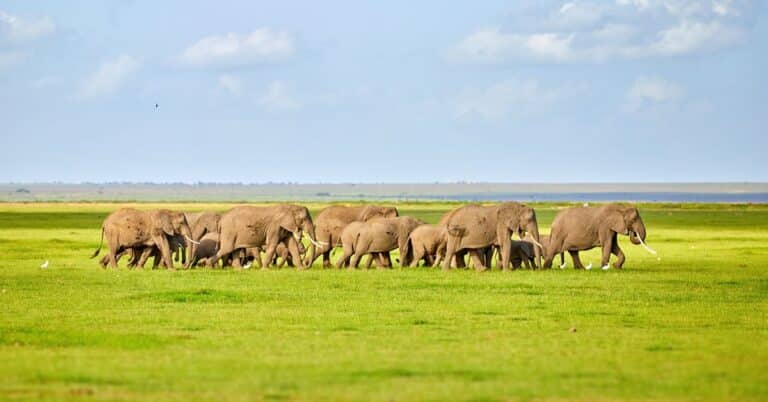
From towering elephants and majestic lions to graceful giraffes and zebras, Ruaha is home to a rich diversity of animal species. The best periods for game drives are early morning and late afternoon when the animals are most active.
With the help of experienced guides, you’ll have the opportunity to spot rare species, observe fascinating animal behaviours, and capture stunning photographs of this untamed wilderness.
Highlights
1. Wildlife Spectacle: Explore Ruaha’s vast wilderness on thrilling game drives and see towering elephants, majestic lions, and graceful giraffes in their natural habitat.
2. Diverse Animal Kingdom: Experience a wide variety of wildlife, including rare species and iconic animals like zebras and kudu, thriving across the park’s expansive landscapes.
3. Optimal Viewing Times: For the best game drives, head out early in the morning or late in the afternoon, when animals are most active. This provides perfect conditions for wildlife spotting and photography.
4. Expert Guides: Learn from knowledgeable guides who will enrich your safari experience with valuable insights into animal behaviours and the park’s unique ecosystem.
5. Stunning Photography: Capture unforgettable photos of Ruaha’s breathtaking landscapes and incredible wildlife, creating lasting memories of your safari adventure.
Walking Safaris: A Close Encounter with Nature
For a more intimate and immersive experience, consider embarking on a walking safari in Ruaha National Park. Led by knowledgeable guides who are well-versed in the park’s flora and fauna, these safaris allow you to explore the park on foot, providing a unique perspective on the ecosystem and its inhabitants.


Walking safaris offer a chance to appreciate the more minor details of nature, such as tracking animal footprints, identifying bird calls, and learning about the park’s rich plant life. As you traverse the untamed paths of Ruaha, you’ll be thrilled by the unexpected encounters with wildlife and the profound sense of connection with the natural world.
As you set foot on the untrodden paths, your senses come alive. The soft crunch of dry leaves beneath your boots, the symphony of bird calls echoing through the trees, and the earthy scent of the bush all combine to create an atmosphere of anticipation and excitement.
As you continue your journey, the landscape unfolds like a living canvas. Towering baobab trees stand sentinel, their massive trunks adorned with gnarled branches reaching for the sky.
Highlights
1. Intimate Exploration: Experience the park up close on foot, guided by experts who share insights into the flora and fauna.
2. Detailed Observation: Learn to track animal footprints, identify bird calls, and explore the diverse plant life of Ruaha.
3. Wildlife Encounters: Enjoy unexpected wildlife sightings and a deeper connection with nature.
4. Sensory Experience: Immerse yourself in the sights, sounds, and smells of the bush, enhancing your safari adventure.
5. Scenic Beauty: Marvel at iconic landscapes, including towering baobabs and acacia trees, as you walk through Ruaha’s untouched wilderness.
Bird Watching: A Haven for Avian Enthusiasts
Ruaha National Park is a true paradise for bird lovers, with over 570 species of birds recorded within its boundaries. From the regal African fish eagle to the vibrant bee-eaters and kingfishers, the park’s avian residents offer a visual feast for birdwatchers.


The best time to bird watch in Ruaha is during the wet season (December to April) when migratory birds visit the park. Join a guided birding tour or explore the park quickly to discover the fascinating world of Ruaha’s feathered inhabitants.
Remember to bring your binoculars and a field guide to fully appreciate the beauty and diversity of the avian species that call this park their home.
Highlights
1. Diverse Avian Species: Discover over 570 bird species, including the majestic African fish eagle and colourful bee-eaters.
2. Prime Viewing Season: Visit during the wet season (December to April) for the best chance to see migratory birds.
3. Guided Birding Tours: Join expert-led tours to enhance your bird-watching experience and learn more about the park’s avian residents.
4. Self-Guided Exploration: Explore the park to spot and enjoy the diverse bird species at your own pace.
5. Essential Gear: Bring binoculars and a field guide to appreciate the stunning variety of birds in Ruaha fully.
Night Game Drives: Witnessing Nocturnal Wildlife
Imagine this—the sun has set on the expansive landscape of Ruaha National Park, plunging the surroundings into darkness. As the stars twinkle above, a new world awakens beneath the moonlit sky.
This is when the magic of Ruaha truly comes alive, and there’s no better way to experience it than through a thrilling night game drive. As you embark on this extraordinary adventure, anticipation fills the air.


Your experienced guide, armed with a powerful spotlight, leads you through the park’s mysterious depths. The sounds of the nocturnal symphony envelop you—the rhythmic chorus of insects, the distant calls of predators, and the rustling of unseen creatures in the undergrowth.
As the night unfolds, you realize that Ruaha National Park’s nocturnal residents have their rhythm and captivating tales to tell. The park transforms into a theatre, with the spotlight illuminating the stage where nature’s actors perform their nightly routines.
It’s a mesmerizing spectacle that leaves you in awe of the park’s untamed beauty.
Highlights
1. Nocturnal Wonders: Experience the thrill of a night game drive as Ruaha’s wildlife awakens under the moonlight.
2. Guided Exploration: An experienced guide with a powerful spotlight leads you through the park, revealing hidden nocturnal creatures.
3. Nighttime Symphony: Enjoy the symphony of the night—sounds of insects, distant predators, and rustling creatures in the dark.
4. Unique Wildlife Encounters: Witness the park’s nocturnal residents in their natural behaviours and routines.
5. Starlit Adventure: Marvel at Ruaha’s beauty as the park transforms into a nighttime theatre, showcasing nature’s evening performance.
Cultural Visits: Exploring Local Communities
In addition to its natural treasures, Ruaha National Park provides an opportunity to learn more about the local culture and traditions of the communities living in the surrounding areas. Take a break from safari activities and visit nearby villages, where you can interact with local tribes, such as the Gogo and Hehe people.


Engage in cultural exchanges, witness traditional dances, and gain insights into rural Tanzania’s way of life. These cultural visits enrich your understanding of the region and contribute to sustainable tourism by supporting local communities.
Immerse yourself in the warmth and hospitality of the local people as you discover their customs, beliefs, and ancient traditions.
Highlights
1. Cultural Interaction: Connect with local tribes like the Gogo and Hehe, gaining firsthand insights into their traditional way of life.
2. Village Visits: Explore nearby villages and experience the rich cultural tapestry of rural Tanzania.
3. Traditional Dances: Witness vibrant conventional dances and ceremonies that showcase local customs and heritage.
4. Sustainable Tourism: Support local communities through your visit, contributing to sustainable tourism and cultural preservation.
5. Warm Hospitality: Enjoy the genuine warmth and hospitality of the local people as you learn about their customs and ancient traditions.
Hot Air Balloon Safaris: A Unique Perspective from Above
For a truly memorable experience, elevate your adventure by taking a hot air balloon safari over Ruaha National Park. Drifting silently above the treetops and savannah plains, you’ll witness breathtaking panoramic views and have the chance to spot wildlife from a completely different perspective.


As the sun rises over the horizon, giving off a golden glow on the landscape below, you’ll be captivated by the ethereal beauty of the park. Your skilled pilot will precisely navigate the balloon, allowing you to admire the vastness of Ruaha from a bird’s-eye view.
Capture stunning aerial photographs and create memories that will last a lifetime. After the balloon ride, celebrate your adventure with a champagne breakfast, savouring the flavours while surrounded by the enchanting wilderness of Ruaha.
Highlights
1. Breathtaking Views: Soar above Ruaha’s treetops and savannahs for stunning panoramic vistas and unique wildlife sightings.
2. Magical Sunrise: Experience the park’s ethereal beauty as the sun rises, casting a golden glow over the landscape.
5. Aerial Photography: Capture unforgettable aerial photographs of the park’s diverse landscapes and wildlife.
4. Champagne Breakfast: Celebrate your adventure with a luxurious champagne breakfast surrounded by the enchanting wilderness.
4. Champagne Breakfast: Celebrate your adventure with a luxurious champagne breakfast surrounded by the enchanting wilderness.
Conclusion
Ruaha National Park offers many tours and activities that will leave you spellbound and yearning for more. Whether you embark on game drives, walking safaris, bird-watching expeditions, night game drives, cultural visits, or hot-air balloon safaris, each experience will be etched in your memory as a testament to this African gem’s incredible beauty and diversity.
As you plan your visit to Ruaha in 2025 or 2026, include various activities to fully immerse yourself in the park’s natural wonders and cultural heritage. As you explore Ruaha National Park and discover its untamed magic firsthand, prepare for the adventure of a lifetime.
Frequently Asked Questions (FAQs)
What is Ruaha National Park known for?
Ruaha National Park is renowned for its spectacular wildlife, diverse landscapes, and remote, unspoiled beauty. Tanzania’s largest national park is a vital part of the Southern Circuit.
Known for its large populations of elephants, lions, and wild dogs, Ruaha is also noted for its impressive variety of bird species and dramatic scenery, including the Ruaha River, which attracts a wealth of wildlife.
Where is Ruaha National Park located?
Ruaha National Park is situated in central Tanzania, near the town of Iringa. It spans approximately 20,226 square kilometres, making it one of the largest national parks in Tanzania.
It lies between the Great Rift Valley and the Eastern Arc Mountains, providing diverse ecosystems, from savannah to forested areas. This vast expanse of wilderness supports a remarkable variety of wildlife and is crucial for conservation efforts in the region.
What wildlife can I see in Ruaha National Park?
Ruaha National Park is home to an impressive array of wildlife, including large populations of elephants, lions, leopards, and cheetahs. You can also encounter wild dogs, buffaloes, giraffes, zebras, and various antelope species.
The park is also a birdwatcher’s paradise, with over 570 species recorded, including the rare and endangered yellow-collared lovebird. The park’s diverse habitats, from savannahs to riverine woodlands, support various ecosystems and wildlife interactions.
When is the best time to visit Ruaha National Park?
The best time to visit Ruaha National Park is during the dry season (June to October). During this period, wildlife congregates around water sources, making it easier to spot animals.
The wet season (November to April) brings lush landscapes and migratory birds, but some roads may be less accessible due to rain. Visiting during the wet season also offers a chance to witness dramatic scenery changes and the vibrant rejuvenation of the park’s flora and fauna.
How can I get to Ruaha National Park?
You can reach Ruaha National Park by flying into the park’s airstrip from Dar es Salaam, Arusha, or Zanzibar. Scheduled flights are available with several regional airlines. Alternatively, you can drive from Iringa, which takes about 2-3 hours.
The park is also accessible via road and charter flights from other major Tanzanian cities. For a more adventurous approach, some travellers opt for a combination of road and air travel to fully experience the scenic landscapes en route.
Are there accommodations available inside the park?
Yes, Ruaha National Park offers a range of accommodations, including luxury lodges, tented camps, and budget options. Popular choices include luxury lodges like Jabali Ridge and tented camps like Mdonya Old River Camp.
These accommodations provide varying levels of comfort and amenities, all offering unique experiences in the park’s heart. Many options provide guided activities and personalized services to enhance your safari adventure.
What activities can I do in Ruaha National Park?
Visitors to Ruaha National Park can enjoy various activities, including game drives, walking safaris, and bird watching. Night game drives are also available, offering a chance to see nocturnal wildlife.
Cultural visits to local villages can provide insights into the traditional way of life in the surrounding areas. Additionally, hot air balloon safaris offer a unique perspective of the park’s stunning landscapes from above.
Are walking safaris allowed in Ruaha National Park?
Yes, walking safaris are a popular activity in Ruaha National Park. Experienced guides lead these safaris and allow visitors to explore the park on foot, offering a unique and intimate view of the landscape and wildlife.
Walking safaris are conducted in designated areas to ensure safety and minimize environmental impact. These excursions provide an opportunity to learn about the more minor ecosystem details that might be missed by a vehicle.
What should I pack for a trip to Ruaha National Park?
When visiting Ruaha National Park, pack lightweight, breathable clothing in neutral colours to blend with the surroundings. Bring a wide-brimmed hat, sunscreen, insect repellent, and a good pair of binoculars for wildlife viewing.
Remember to bring a camera, personal items like medications, and a reusable water bottle. Consider bringing a flashlight or headlamp for night drives and evening activities.
Are there any health precautions I should take before visiting Ruaha?
Consult a travel health specialist before visiting Ruaha National Park. Standard health precautions include vaccinations for yellow fever, hepatitis A and B, and typhoid.
Malaria prophylaxis is also advised, as the park is in a malaria-endemic area. Take necessary precautions against mosquito bites.
Can I visit Ruaha National Park with the children?
Yes, Ruaha National Park can be visited with children, although it is essential to check with specific lodges or camps about their policies for younger guests. Some lodges offer family-friendly activities and accommodations. However, walking safaris and some game drives may have age restrictions for safety reasons.
What are the park fees for Ruaha National Park?
Park fees for Ruaha National Park vary depending on whether you are a foreign, resident, or East African visitor. As of the latest updates, fees for international visitors include a conservation fee, a camping fee (if applicable), and a vehicle entry fee. It is advisable to check the current rates with the Tanzania National Parks Authority (TANAPA) before planning your visit.
How can I support conservation efforts in Ruaha National Park?
Several ways exist to support conservation efforts in Ruaha National Park. One is to choose to stay at lodges and camps that are involved in conservation and community projects.
Additionally, consider donating to organizations working to protect wildlife and habitats in the park. Participating in eco-friendly tourism practices and respecting park rules contribute to conservation efforts.